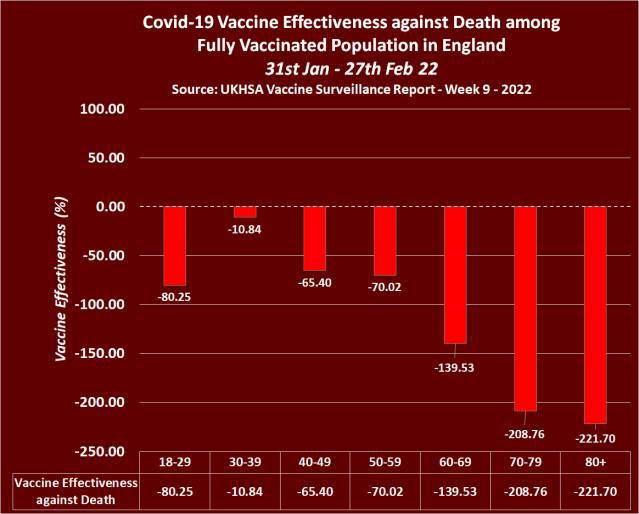
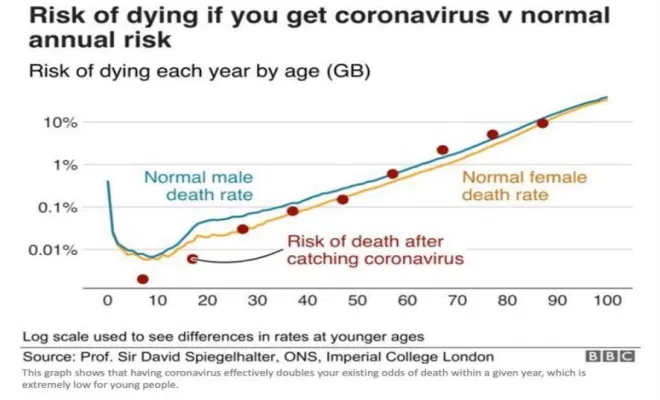
In U.K. the February COVID-19 deaths were 90% from vaccinated people, making the vaccinated death rate at least twice as high as from the un-vaccinated.

When a critical mass of American people realize what has been done to them, there will need to be a reckoning.

By Debra Heine

March 4, 2022

In recent weeks, there have been several stunning revelations concerning the COVID-19 mRNA vaccines—and they are being all but ignored by a corporate media eager to change the subject.

The FDA on Tuesday released a large tranche of Pfizer clinical trials documents in response to a Freedom of Information (FOIA) request by the Public Health and Medical Professionals for Transparency. The documents show that the company knew people were at risk of experiencing more than 1,000 unique adverse side-effects to the mRNA injections.

Additionally, scientists last week revealed that Pfizer’s COVID-19 vaccine can enter human liver cells and be converted into DNA—something the fact-checkers and the U.S. Centers for Disease Control assured the public could never happen. Scientists also recently discovered that a sequence of genetic material patented by Moderna in 2018 bears a suspicious similarity to the spike protein in Sars-Cov2.

And a new study published on March 2 found that the synthetic mRNA found in the vaccines does not degrade quickly as promised, but continues to produce spike proteins for nearly two weeks.

Amid these new discoveries, the medical establishment won’t stop pushing the genetic vaccines that have failed to stop the coronavirus.

The COVID pandemic now plays second fiddle to the Russia-Ukraine war in the media, but the virus continues to rage through highly vaccinated countries, afflicting the triple-vaxxed most of all.

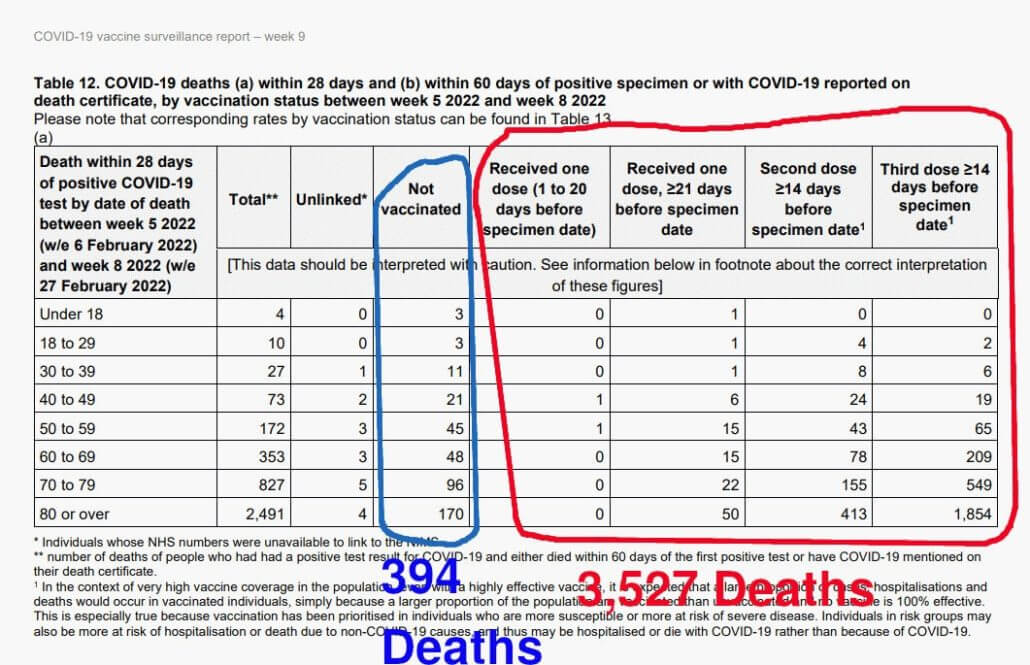
In the United Kingdom, only 394 vaccine-free persons died in weeks 5-8 of 2022, compared to the 3,527 who were vaccinated, according to the UK Health Security Agency. This means unvaccinated Brits only comprised 10 percent of all COVID deaths during those weeks.

The effectiveness of the vaccine is shown in this chart

In other words, if you are over 70 years old your risk of dying from COVID is more than three times as large if you are vaccinated. It’s no wonder Pfizer wanted to hide the data for 75 years.

“This is a bombshell,” said Children’s Health Defense (CHD) president and general counsel Mary Holland. “At least now we know why the FDA and Pfizer wanted to keep this data under wraps for 75 years. These findings should put an immediate end to the Pfizer COVID vaccines. The potential for serious harm is very clear, and those injured by the vaccines are prohibited from suing Pfizer for damages.”

The whole article can be found in: https://amgreatness.com/2022/03/04/covid-vaccine-bombshells-you-probably-didnt-hear-about/

My comment:

It contains more revealing data about the “safety” of the “vaccine”, well worth a second look. The article also shed some light on the Moderna patent that was issued three years prior to the outbreak of COVID-19. That was the reason a vaccine was ready to be tested one week after getting the warp speed go-ahead to develop a vaccine. The “Warp Speed” component was a promise to buy the vaccine in large quantities, whether it worked or not, thus eliminating the production ramp up. This also eliminated the economical and legal risk for the pharmaceutical companies. By not evaluating and acting on the results from the emergency use of the vaccine the Pharmaceutical companies are responsible for a large number of COVID deaths by vaccine. By reducing the immunity level of the vaccinated there are also an increase in the number of non vaccine related deaths; yet to be published.

Are COVID vaccines failing? Recent statistics from Scotland seem to tell us so.

When the COVID vaccines were approved as experimental for emergency use one week after the U.S. 2020 election the claim was that they were 05% effective in preventing COVID, a result that seemed too good to be true, since flu vaccines, fully approved were only about 50% effective, even if they had guessed right on the strain of the year. So, vaccines started to be administered at a breathtaking rate. The initial response seemed to be very good. But their evvectiveness vaned ofer time, so a booster seemed necessary, still experimental.

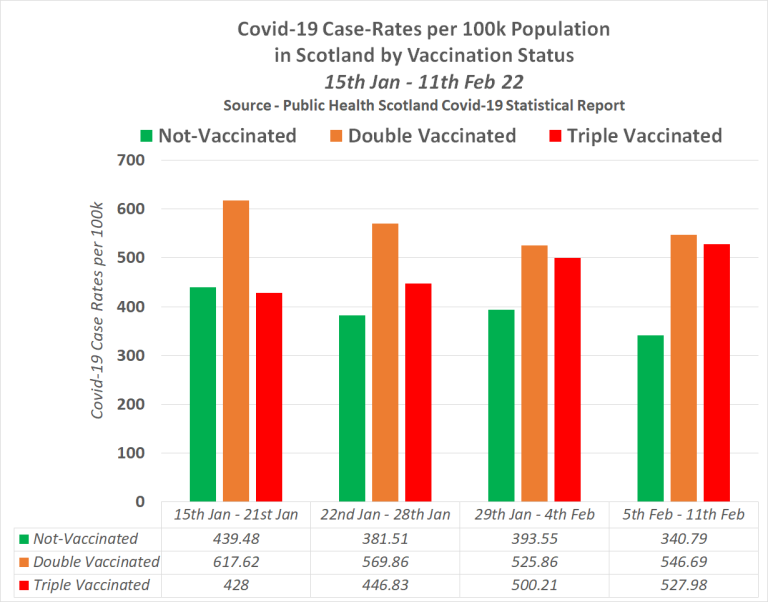
The original claim: If you are vaccinated you will not get COVID. Recent statistics from Scotland seems to indicate otherwise:

Truth: The vaccinated get COVID at a higher rate than the unvaccinated

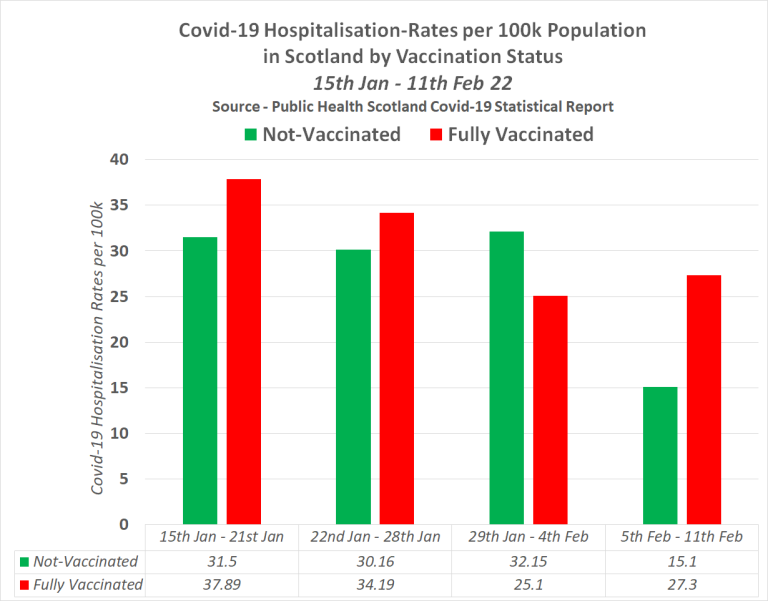
Claim number two: If people still get COVID after vaccination they will rarely get hospitalized. Recent results from Scotland:

The truth: Hospitalizations are on the increase for immunized people getting COVID. Which leads to

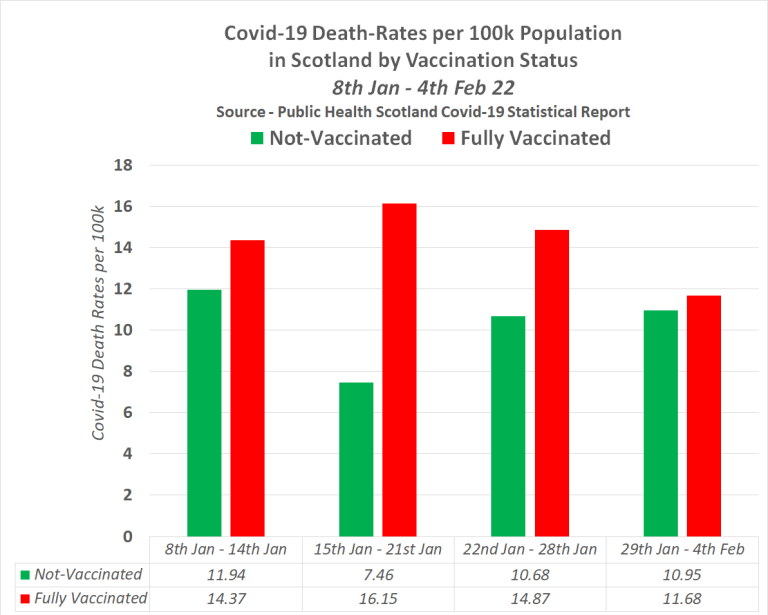
Claim number three: If you are fully vaccinated and still get COVID and still get hospitalized your risk of dying is greatly reduced, Even that is not true according to latest statistics from Scotland.

The truth: With the new Omicron variant people seem to die at the same or higher rate if vaccinated.

In addition there has been over 20,000 deaths occurring after vaccine injections. It is time to halt all COVID vaccinations until a thorough analysis of all vaccine related deaths has been performed. Since the death rate is still less than one in ten thousand the vulnerable should still be allowed to be vaccinated until we have developed a true prophylactic/therapeutic. There are many candidates: Ivermectin, HCQ, Regeneron. Pfizer and Moderna work on what I cal Pfizermectin and Modernactin. They work the same way as Ivermectin but use different acting molecules, more specific for the current strain of COVID, so they may work even better and cost a lot more, so they will be approved quickly.

Ivermectin, the Nobel Prized wonderdrug that must be approved and available also to treat COVID right now!

Ivermectin is a Nobel Prize winning drug. It has been called a wonder drug. It is used by over 2.2 Billion people in the world to combat occasional parasites, and is used constantly by about 700 million people to prevent river blindness. The people that use Ivermectin constantly have about 1/10 as many covid case and death rates as people who don’t use Ivermectin. You can see the evidence here.

No it is not that NIH doesn’t know. Their scientists know, but their hands are tied by politics. The decisions are based by politics. But they are trying to get the story out. Check their official library of appoived articles. The firstlist is on Ivermectin and cancer (source https://search.nih.gov/search?affiliate=nih&query=ivermectin+cancer)

Ivermectin, a potential anticancer drug derived from an …

http://www.ncbi.nlm.nih.gov/pmc/articles/PMC7505114/

Ivermectin has powerful antitumor effects, including the inhibition of proliferation, metastasis, and angiogenic activity, in a variety of cancer

Ivermectin has New Application in Inhibiting Colorectal …

pubmed.ncbi.nlm.nih.gov/34483925/

Colorectal cancer (CRC) is the third most common cancer worldwide and still lacks effective therapy. Ivermectin, an antiparasitic drug, has been shown …

The multitargeted drug ivermectin: from an antiparasitic …

http://www.ncbi.nlm.nih.gov/pmc/articles/PMC5835698/

Ivermectin interacts with several targets including the multidrug resistance protein (MDR), the Akt/mTOR and WNT-TCF pathways, the purinergic …

Ivermectin has New Application in Inhibiting Colorectal …

http://www.ncbi.nlm.nih.gov/pmc/articles/PMC8415024/

Colorectal cancer (CRC) is the third most common cancer worldwide and still lacks effective therapy. Ivermectin, an antiparasitic drug, has been shown …

Anti-parasite drug ivermectin can suppress ovarian cancer

http://www.ncbi.nlm.nih.gov/pmc/articles/PMC7272521/

Ivermectin, as an old anti-parasite drug, can suppress almost completely the growth of various human cancers, including ovarian cancer (OC). However …

Ivermectin as an inhibitor of cancer stem‑like cells

pubmed.ncbi.nlm.nih.gov/29257278/

The aim of the present study was to demonstrate that ivermectin preferentially inhibited cancer stem‑like cells (CSC) in breast cancer cells and …

Ivermectin: a systematic review from antiviral effects to …

pubmed.ncbi.nlm.nih.gov/32533071/

Ivermectin proposes many potentials effects to treat a range of diseases, with its antimicrobial, antiviral, and anti-cancer properties as a wonder …

Anti-parasite drug ivermectin can suppress ovarian cancer

pubmed.ncbi.nlm.nih.gov/32549918/

Relevance: Ivermectin, as an old anti-parasite drug, can suppress almost completely the growth of various human cancers, including ovarian cancer

Antitumor effects of ivermectin at clinically feasible …

pubmed.ncbi.nlm.nih.gov/32474842/

Purpose: Ivermectin is an antiparasitic drug that exhibits antitumor effects in preclinical studies, and as such is currently being repositioned for c

Meta-analysis of Randomized Trials of Ivermectin to Treat …

http://www.ncbi.nlm.nih.gov/pmc/articles/PMC8420640/

Ivermectin’s broad-spectrum antiviral effects have been proposed to be related to its impact on the NF-κB pathway and via binding to the host cell …

http://www.ncbi.nlm.nih.gov/pmc/articles/PMC4287931/

Ivermectin inhibits lung cancer xenograft growthin vivo. Beyond colon cancer, WNT-TCF signaling has been implicated in a number of other tumor types …

Ivermectin induces apoptosis of esophageal squamous cell …

http://www.ncbi.nlm.nih.gov/pmc/articles/PMC8650430/

Taken together, these data suggest that ivermectin inhibits the growth of esophageal cancer both in vitro and in vivo. It had been reported that iverm

Antibiotic ivermectin preferentially targets renal cancer

pubmed.ncbi.nlm.nih.gov/28847725/

Renal cell carcinoma (RCC) is the most aggressive type of genitourinary cancer and highly resistant to current available therapies. In this work, we …

Safety of inhaled ivermectin as a repurposed direct drug …

http://www.ncbi.nlm.nih.gov/pmc/articles/PMC8299187/

Ivermectin is a mysterious multifaceted ‘wonder’ drug that keeps shocking and exceeding expectations . It was repositioned as cancer drug , and showed …

Ivermectin inactivates the kinase PAK1 and blocks the PAK1 …

pubmed.ncbi.nlm.nih.gov/22495656/

Interestingly, several years ago it was reported by a Russian group that Ivermectin can suppress almost completely the growth of human melanoma and a …

National Cancer Institute

http://www.cancer.gov/publications/dictionaries/cancer-drug/def/ivermectin

Find technical definitions and synonyms by letter for drugs/agents used to treat patients with cancer or conditions related to cancer. Each entry …

Ivermectin converts cold tumors hot and synergizes with …

pubmed.ncbi.nlm.nih.gov/33654071/

We show that treatment with the FDA-approved anti-parasitic drug ivermectin induces immunogenic cancer cell death (ICD) and robust T cell infiltration …

The Repurposed ACE2 Inhibitors: SARS-CoV-2 Entry Blockers …

http://www.ncbi.nlm.nih.gov/pmc/articles/PMC8498772/

The docking result showed that paritaprevir and ivermectin have highest binding affinity to the ACE2 receptor with interaction energies of −11.8 kcal …

bionlp.nlm.nih.gov

bionlp.nlm.nih.gov/trec2017precisionmedicine/extra_abstracts_web/AACR_2017/AACR_2017-411.html

Epithelial ovarian cancer (EOC) is a most lethal cancer in gynecology, of which cure rate is 30%. To seek its new therapeutic targets, we performed in …

CanMED: HCPCS – seer.cancer.gov

seer.cancer.gov/oncologytoolbox/canmed/hcpcs/?s=%E2%A1%88%E2%A7%BB%20Buy%20Ivermectin%20on%20%F0%9F%90%8D%20www.PillnHeals.store%20%F0%9F%90%8D%20-%20Cheap%20Alternative%20tabs%20%E2%A7%BB%E2%A1%88%20Ivermectin%20Pour%20On%20For%20Sale

The Cancer Medications Enquiry Database (CanMED) is a two-part resource for cancer drug treatment related studies. Search SEER: Menu. Home. Cancer

The second list covers Ivermectin as a universal treatment, and COVID-19 in particular (source: https://search.nih.gov/search?affiliate=nih&query=ivermectin )

Ivermectin | COVID-19 Treatment Guidelines

http://www.covid19treatmentguidelines.nih.gov/therapies/antiviral-therapy/ivermectin/

Ivermectin is a Food and Drug Administration (FDA)-approved antiparasitic drug that is used to treat several neglected tropical diseases, including …

A five-day course of ivermectin for the treatment of COVID …

pubmed.ncbi.nlm.nih.gov/33278625/

Ivermectin, a US Food and Drug Administration-approved anti-parasitic agent, was found to inhibit severe acute respiratory syndrome coronavirus 2 …

Ivermectin for Prevention and Treatment of COVID-19 …

http://www.ncbi.nlm.nih.gov/pmc/articles/PMC8248252/

Ivermectin is not a new and experimental drug with an unknown safety profile. It is a WHO “Essential Medicine” already used in several different …

Ivermectin, a potential anticancer drug derived from an …

http://www.ncbi.nlm.nih.gov/pmc/articles/PMC7505114/

Ivermectin is a macrolide antiparasitic drug with a 16-membered ring that is widely used for the treatment of many parasitic diseases such as river …

Ivermectin, ‘Wonder drug’ from Japan: the human use …

http://www.ncbi.nlm.nih.gov/pmc/articles/PMC3043740/

Ivermectin proved to be virtually purpose-built to combat Onchocerciasis, which has two main manifestations, dermal damage resulting from …

Ivermectin Tablets USP, 3mg (IVERMECTIN)

dailymed.nlm.nih.gov/dailymed/fda/fdaDrugXsl.cfm?setid=847a1dd7-d65b-4a0e-a67d-d90392059dac

Microbiology. Ivermectin is a member of the avermectin class of broad-spectrum antiparasitic agents which have a unique mode of action. Compounds of …

Ivermectin: a systematic review from antiviral effects to …

pubmed.ncbi.nlm.nih.gov/32533071/

Ivermectin proposes many potentials effects to treat a range of diseases, with its antimicrobial, antiviral, and anti-cancer properties as a wonder …

Effects of Ivermectin in Patients With COVID-19: A …

http://www.ncbi.nlm.nih.gov/pmc/articles/PMC8101859/

Ivermectin has been suggested as a potential COVID-19 treatment.6 It is a US Food and Drug Administration (FDA)-approved broad-spectrum antiparasitic …

Review of the Emerging Evidence Demonstrating the Efficacy …

http://www.ncbi.nlm.nih.gov/pmc/articles/PMC8088823/

Ivermectin hastens recovery and prevents deterioration in patients with mild to moderate disease treated early after symptoms. 45,49–52,61,62. Ivermec

Protocol: Effectiveness and safety of ivermectin in the …

http://www.ncbi.nlm.nih.gov/pmc/articles/PMC8450968/

Ivermectin is an anti-parasitic agent that causes tonic paralysis of the muscles, thereby inducing the death of the parasite, along with …

Ivermectin in COVID-19 Management: What is the current …

pubmed.ncbi.nlm.nih.gov/35043770/

Ivermectin (IVM), an approved anthelminthic drug, has been reported to have antiviral, antibacterial, and anticancer activities. Antiviral activity is …

Ivermectin: an award-winning drug with expected antiviral …

http://www.ncbi.nlm.nih.gov/pmc/articles/PMC7539925/

Ivermectin is an FDA-approved broad-spectrum antiparasitic agent with demonstrated antiviral activity against a number of DNA and RNA viruses …

Repurposing the drug, ivermectin, in COVID-19 …

pubmed.ncbi.nlm.nih.gov/35123559/

The most recommended dose of ivermectin for the treatment of COVID-19 is 150-200 µg/kg twice daily. As ivermectin adoption for COVID-19 increased, the …

Serious Neurological Adverse Events after Ivermectin—Do …

http://www.ncbi.nlm.nih.gov/pmc/articles/PMC5929173/

INTRODUCTION. Ivermectin is a member of the class of avermectins, which are highly active broad-spectrum, anti-parasitic agents. It is indicated for …

Ivermectin: a multifaceted drug of Nobel prize-honoured …

pubmed.ncbi.nlm.nih.gov/34466270/

In 2015, the Nobel Committee for Physiology or Medicine, in its only award for treatments of infectious diseases since six decades prior, honoured the …

Table: Ivermectin Clinical Data | COVID-19 Treatment …

http://www.covid19treatmentguidelines.nih.gov/tables/ivermectin-data/

The use of compassionate ivermectin in the management of symptomatic outpatients and hospitalized patients with clinical diagnosis of COVID-19 at the …

Use of Ivermectin Is Associated With Lower Mortality in …

pubmed.ncbi.nlm.nih.gov/33065103/

Background: Ivermectin was shown to inhibit severe acute respiratory syndrome coronavirus 2 replication in vitro, which has led to off-label use, but …

Clinical Profile and Outcome of Hemodialysis Patients with …

http://www.ncbi.nlm.nih.gov/pmc/articles/PMC8597802/

Over the two months, treatment protocols changed with gathering evidence. Patients received hydroxychloroquine (50%), azithromycin (63%), oseltamivir …

Endemicity of onchocerciasis in some local government …

pubmed.ncbi.nlm.nih.gov/15490791/

The established method of justifying the need for ivermectin delivery to a community is the use of Rapid Assessment Method (RAM). This method involves …

Ivermectin: a multifaceted drug of Nobel prize-honoured …

http://www.ncbi.nlm.nih.gov/pmc/articles/PMC8383101/

Introduction. The 2015 Nobel prize for the discovery of ivermectin (IVM) and an antimalarial treatment was the Nobel committee’s first award for …

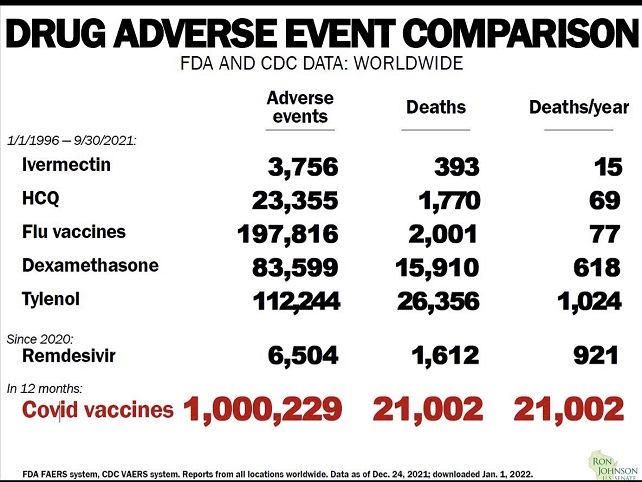
But they say how dangerous and deadly Ivermectin and HCQ are. The truth is quite different. Here are somd statistics

The headlines say it all. These are the results so far of adverse reactions to various medications and vaccines according to the official VAERS reporting, which give low estimates. The truth is worse. This is from Sen John Johnson:

It should be noted that for the first five medications the time frame is nearly 16 years, the result for COVID vaccine is one year.

Time to approve Ivermectin against COVID-19. It is my opinion that about 80% of all Covid deaths could have been avoided had we followed the real scientists rather than the political views of NIH.

Failing vaccine boosters. There are better solutions.Use better therapies such as Ivermectin and HCQ.

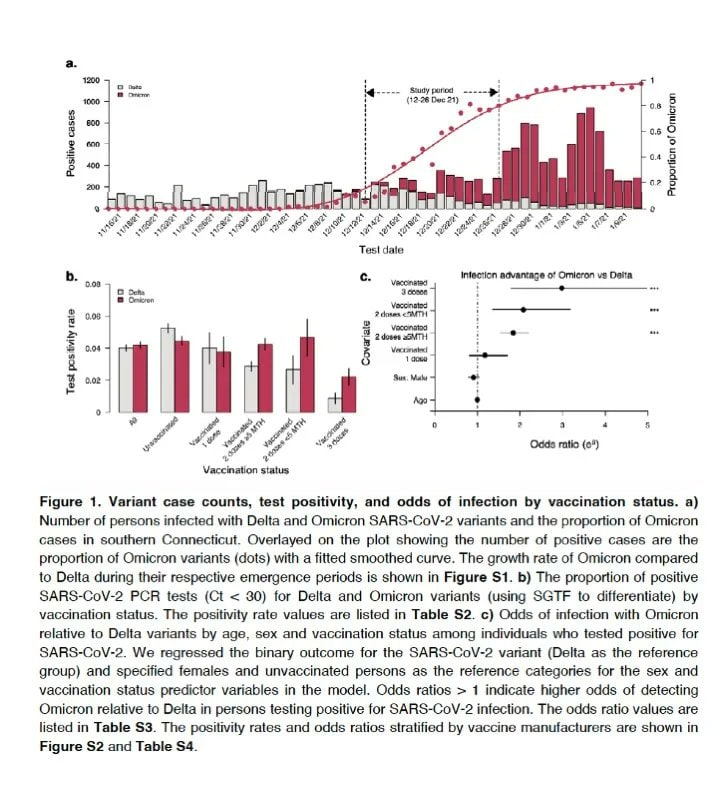
This pre-publication paper, not yet peer reviewed; https://www.medrxiv.org/content/10.1101/2022.01.22.22269660v1#disqus_thread is eye opening.

The take home from this pre-publication study is that there seems to be no difference in the probability of getting the Omicron variety of COVID or the Delta variety if you are unvaccinated, but the risk for being infected doubles if you are double vaccinated, and triple if you are also boosted. This means that the vaccines are less effective if you have had a booster shot for the Omicron variant. The Covid pandemic has moved from a pandemic of the unvaccinated to a pandemic of the vaccinated. My hopethesis is that the vaccines are too specific to work for a heavily mutated COVID such as the Omicron variety. We need a more broadband vaccine. Lucky for us they have changed the definition of what a vaccine is to include substances that lessen the impact of a disease, as prophylactic and therapeutic. With that definition there is already such a vaccine. It is called Ivermectin.

Let us test this hypothesis comparing the experience of U.S. and Nigeria. Since the start of the pandemic the U.S. has had 221,892 cases per million and 2,689 deaths per million people. By contrast, Nigeria has had 1,180 cases per million and 15 deaths per million, or about 0.53 percent of the cases and 1.27% of the deaths per million people.

How can that be? United states has the best medical system in the world, spending about 20% of GNP on medical care, Nigeria spends about 4% of their GNP on medical care. The median age for people in u.s is about 38.4 years, for Nigeria the median age is 18.4 years. The expected death risk for U.S.is about 5 times larger thanks to the age factor, so this makes up part of the difference. But the difference is far greater, so there must be something else. I am willing to accept that Nigeria has under-reported the number of cases, but the difference is much larger than can be explained this way. In addition Nigeria has one of the lowest vaccination rates in the world, less than 3%.

There is one better hypothesis, Nigeria has a great problem with River Blindness, a parasite on the skin that causes blindness if not treated. There is medication, given to all without cost, and it does the job. This medication is Ivermectin, and thanks to that the COVID cases are lower by a factor of 20, age-adjusted. Recently there has been a small study in Nigeria that seem to suggest that if you combine Ivermectin with HCQ and Zinc and Azithromycin, the results are even better. The results are presented here.

Want to save over a thousand deaths a day in U.S. alone? Switch immediately from vaccine only therapy to immediately allow Ivermectin and HydroxyChloroquine to be sold over the counter. The deaths from Ivermectin are only 15/ year worldwide and for Hydroxy Chloroquine 65/year worldwide, far less than say Tylenol, while the deaths from the vaccines are over 20,000 in the first year. The vaccines are great for people over 45, but for the younger generation the death risk outweighs the benefits.

Why is U.S.A. doing so poorly in fighting the pandemic? Is it beecause they refuse HCQ and Ivermectin?

I looked at the statistics from https://www.worldometers.info/coronavirus/

It shows that the world has recorded 325,125,927 cases of the coronavirus and 5,550,676 deaths as of January 14 2022. U.S.A has recorded 66,250,206 cases and 872,332 deaths, or 20.4% of the world total cases but only 15.1% of the world’s deaths from the same virus. Great, we have more cases because we are doing more testing.

Not so, we have done 856 million tests, but the world has done over 4.8 billion tests, so our share of the testing is 17.8% or nearly the same as our part of the cases and deaths. But we are only 4.2% of the world population! This means we are doing three and a half times worse than the world as a total!

How can that be? We have the world’s best health care system with fantastic hospitals, full of state of the art equipment to monitor and do things that was unthinkable a decade ago. We are spending in excess of 10,000 dollars yearly per person on healthcare, while the global arithmetic average is less than 1200 dollars yearly per person, This means that most countries spend less than 1000 dollars yearly per person. In fact they are so poor that they cannot even think of spending for expensive patented medicines, so they are limited to the simplest generic prophylactic and therapeutic medicines. And you guessed it, they are mostly HydroxyChloroQuine and Ivermectin.

Let us take HCQ first: An Indian study found HCQ up to 74% effective as a prophylactic. See (There may be a cure for COVID-19 after all. Hydroxychloroquine (HCQ) works, both as a prophylactic and as cure if taken early.) It also works as a therapeutic. There were a number of countries that adopted HCQ as an early treatment. they had less than a third deaths per capita compared to the countries that didnt. This evaluation is from Sep. 2020. (If HCQ+Zinc+Zithromax had been approved for outpatient use as soon as symptoms of COVID-19 occurred we could have saved about 90000 lives by now!)

Ivermectin is even better than HCQ, both as a prophylactic and therapeutic against COVID. It is also more broadband than existing vaccines, so it will probably work against future variants as well, not just Delta and Omicron. Here are reports from a number of countries that are using Ivermectin because they are so poor they can not do much else: (How come CDC and NIH cannot notice how successful Ivermectin is combating COVID-19 worldwide?) (Add Japan to the success stories of countries treating COVID-19 patients with Ivermectin.) (Indonesia and India has shown the solution to end COVID-19. Use Ivermectin.)

Why are we not approving Ivermectin and HCQ? They are ultra safe and they work. There are two reasons CDC is a vaccine approving agency and want dependent customers to purchase expensive medicines, and to approve Ivermectin and HCQ at this stage would mean that they would confess they have caused hundreds of thousand deaths by their refusal to approve them even they were far safer than say Remdesivir which was approved immediately after just one study (Hint it is expensive). We need to reorganize NIH, FDA and CDC to be patient oriented, no longer beholden to the medico-industrial behemoth.This is my opinion.

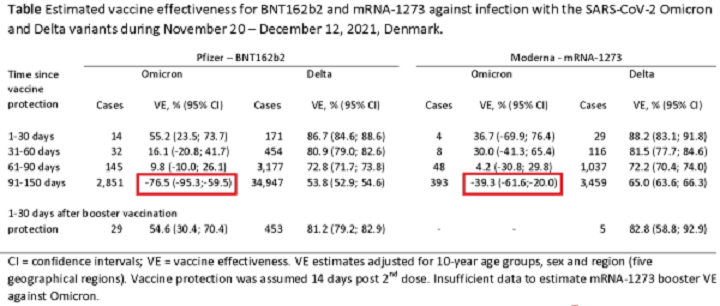
Denmark and Germany confirm. You are more likely to get the Omicron variant if you are fully vaccinated.

First let me assure you I am not an anti-vaxxer. Both me and my wife got the booster shot of Pfizer vaccine last week, so that is not my beef. The problem is to get accurate information from CDC. All they say is Get the vaccine, and now they want to expand the age down to 5 year olds, even without conducting any meaningful tests.

I am of Swedish origin and my wife is from Denmark, so I follow what is going on in the world to get real, up to date information; CDC, FDA and NIH seem to be indebted to promote vaccines only, so they keep real time information to themselves, or so it seems.

According to a report from the Danish Ministry of Health’s Statens Serum Institut (SSI), nearly 90% of individuals infected with the Omicron coronavirus variant are “fully vaccinated,” or have also had a “booster” injection.

Out of a total reported 41,342 Omicron infections, 29,781 infected individuals had completed the primary vaccination injection schedule.

7,330 infected individuals had been injected with a “booster,” and 731 infected individuals had received one dose.

Compared to the 3,500 unvaccinated people who became infected with Omicron variant, 37,842 infected individuals had been injected with coronavirus vaccines. Denmark’s reported vaccination rate is purported to be nearly 78%. It is clear that the Omicron variant favors vaccinated people. Not only that , but the longer you have been vaccinated the worse it gets. Another statistics from Denmark confirms:

The booster shot does not even bring you back to the original efficiency of the vaccine.

The data appears to suggest a trend, as previous data from Germany showed that 96% of new Omicron coronavirus patients were “fully vaccinated,” while unvaccinated people accounted for only 4% of the infections.

A small sample of data released by the German government found that the Omicron coronavirus variant has been overwhelmingly infecting “fully vaccinated people,” including triple vaccinated people, while unvaccinated people remain largely unscathed by the newly discovered strain.

Out of 4,206 patients in the study, 4,020 had been injected with the COVID-19 vaccines, National File reported Thursday.

In the United States, data from the U.S. Centers for Disease Control and Prevention (CDC) found that the Omicron variant had been overwhelmingly infecting people who had received vaccine injections for COVID-19 to the tune of 80%. The Dec 28 U.S. vaccination rate is 69.31%

An explanation as to why vaccinated individuals appear to be getting infected with the new strain at such a staggering rate, when compared to those who have not been injected, could perhaps be found in a report by the New York Times, which claimed that experts in Israel had warned the Israeli government that “too many shots might cause a sort of immune system fatigue, compromising the body’s ability to fight the coronavirus.”

This is a big red flag. Let us stop vaccinate people under the age of 45 unless there are at risk people.

This is my suggestion: Add Ivermectin to the allowed medication for COVID-19 as soon as possible. If it had been done a year ago a half million lives had been saved. How come CDC and NIH cannot notice how successful Ivermectin is combating COVID-19 worldwide?

How come CDC and NIH cannot notice how successful Ivermectin is combating COVID-19 worldwide?

https://ivmstatus.com/ put up an interesting map of Ivermectin usage:

Let us take a look at the nations that have country wide use of Ivermectin and see how they fare compared to the nations that don’t.

Bangladesh have been using Ivermectin since June 2020. Population 167 million. Total deaths per million 168. COVID-19 cases are down 99% from peak, deaths down 98%

Belize has been using Ivermectin since 2020, but only for serious cases. Population 0.4 million. Total deaths per million 1,450. COVID-19 cases are down 89% from peak, deaths down 67%

Bolivia has country-wide usage. Population 12 million. Total deaths per million 1,641. COVID-19 cases are down 70% from peak, deaths down 59%. Less than half of the population are vaccinated.

Bulgaria has country-wide usage. Population 6.8 million. Total deaths per million 4,450. COVID-19 cases are down 36% from peak, deaths down 80%. Bulgaria had a late start with vaccines and has still the lowest vaccination rate in Europe of 32.4%.

Cambodia has country-wide usage. Population 17 million. Total deaths per million 176. COVID-19 cases are down 99.5% from peak, deaths down 75%

Dominican Republic – country-wide adoption – Sep 30, 2020. Population 11 million. Total deaths per million 385. COVID-19 cases are down 76% from peak, deaths down 90%

Egypt – country-wide adoption – Nov 30, 2020. Population 105 million. Total deaths per million 205. COVID-19 cases are down 38% from peak, deaths down 44%

El Salvador – country-wide adoption. Population 12 million. Total deaths per million 1,641. COVID-19 cases are down 36% from peak, deaths down 80%

Guatemala – country-wide adoption – Jan 23, 2021. Population 12 million. Total deaths per million 1,641. COVID-19 cases are down 95% from peak, deaths down 80%

Honduras – country-wide adoption – Apr 23, 2020. Population 8.5 million. Total deaths per million 875. COVID-19 cases are down 36% from peak, deaths down 92%

Lebanon – country-wide adoption – Jan 27, 2021. Population 6.8 million. Total deaths per million 1,334. COVID-19 cases are down 48% from peak, deaths down 62%

Nicaragua – country-wide adoption – Jan 25, 2021.Population 6.7 million. Total deaths per million 31. COVID-19 cases are down 92% from peak, deaths down 50%. This number is highly suspicious.

Panama – country-wide adoption. Population 4.4 million. Total deaths per million 1,680. COVID-19 cases are down 40% from peak, deaths down 80%

Venezuela – country-wide adoption.Population 28 million. Total deaths per million 188. COVID-19 cases are down 83% from peak, deaths down 80%

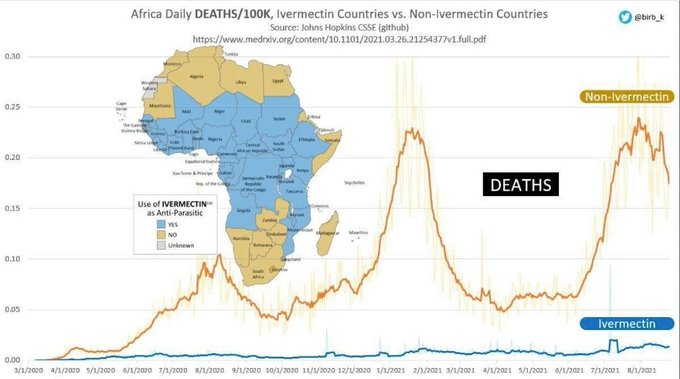
But the most interesting aspect of the first picture is what happens to the countries that use Ivermectin to fight parasites such as river blindness or head lice just to name a few. Look at this chart!

This chart lists Egypt as non Ivermectin because it is not used to fight parasites, but the point is clear. Ivermectin is working well as a prophylactic for COVID-19 even though its intent is to fight parasites. The death rates being around 90% lower for countries that fight parasites should be enough evidence for any thinking individual.

So here is my suggestion: Vaccines help for older people and people with special risk factors. The death rate for COVID-19 rises by about 7% par year of age after 2 years. See chart:

The statistics from the U.K. Office for National Statistics shows a 2.2x higher death rate for fully vaccinated people under 60 years of age than for unvaccinated people.

Charting these statistice I find that the crossover age is 45 years. People under this age are better off taking Ivermectin than get vaccinated unless there are special risk factors. Since between 2 and 3 billion people are already taking it for parasite protection it cannot be that dangerous. And by the way Ivermectin was offered to all Afghan refugees, as per immigration protocol, not for COVID, but for parasite control.

Summary: For people over 45 years of age and anybody with special risk factors. Take the vaccine, and continue with boosters. At the earliest sign of COVID take Ivermectin, Zinc and an antibiotic.

For the rest, most people under the age of 45, take Ivermectin and Zinc and an antibiotic during the first 5 days of symptoms, If diagnosed later there is most hopefully Regeneron available.

This would reduce the death rate by 80 t0 85%, reduce hospitalizations by a lot and make COVID-19 a mere nuisance so we can return to a normal life.

What are CDC FDA and NIH waiting for?

Europe allows use of Merckvectin and Pfizermectin, why is U.S. not?

The EU’s drug watchdog on November 19 backed Merck’s anti-COVID pill for emergency use ahead of its formal authorization and started reviewing Pfizer’s antiviral treatment as cases soar across Europe.

The two pills by the US pharma giants represent a potentially groundbreaking step in the fight against coronavirus as studies show they cut the risk of hospitalization and death in high-risk patients.

The European Medicines Agency (EMA) said that while the Merck pill was not yet approved, it had “issued advice” so that individual countries in the 27-nation EU could decide whether to use it in case of a surge in infections.

The EU’s drug regulator on Dec 16 allowed member states to use Pfizer’s new COVID pill ahead of its formal approval, as an emergency measure to curb an Omicron-fuelled wave.

Pills like those by US pharma giant Pfizer and rival Merck have been hailed as groundbreaking because they do not need to be injected or taken intravenously, making them more accessible.

Pfizer said this week that its Paxlovid pill reduced hospitalisations and deaths in vulnerable people by almost 90 percent.

“The medicine, which is not yet authorised in the EU, can be used to treat adults with COVID-19 who do not require supplemental oxygen and who are at increased risk of progressing to severe disease,” the EMA said in a statement.

“EMA issued this advice to support national authorities who may decide on possible early use of the medicine… for example in emergency use settings, in the light of rising rates of infection and deaths due to COVID-19 across the EU.”

Merck’s pill decreases the ability of the coronavirus to multiply by increasing the number of mutations in its genetic material (or RNA).

The Pfizer pill uses a different method, belonging to a class of antivirals called “protease inhibitors”, which block the action of an enzyme that is critical to viral replication.

It is a combination of a new molecule, PF-07321332, and HIV antiviral ritonavir.

Europe has been searching for whatever methods it can to curb a fourth wave of COVID cases that has already prompted several countries to tighten restrictions.

Why not approve Ivermectin?

When a new epidemic breaks out, one for which there is no approved medication available that will cure the patient it has always been the aim of the medical community to see if there are any approved drugs that can be repurposed to cure the patient, because it takes too long to develop brand new drugs.

When the COVID-19 pandemic broke out there was a wild scramble to see what other drugs were available, most of it in other countries. One such effort, in Marseille, France, by a Muslim doctor caught the attention of then President Trump, and he started promoting it. It involved Hydrochloroquine, Zinc and Azithromycine, and it worked remarkably well when taken early, people were cured in 5 days, but it had one fatal flaw, the main drug is generic, and therefore the medical-industrial complex could not make any money on it, so no studies in the U.S.A could be performed by it and so, it could not be approved. Plus, it had been promoted by Trump, and he was no medical expert. Many countries with limited medical budgets called on its wide use as an early treatment with good results, the death rate of these, mostly developing countries was substantially lower than the advanced countries. Here is some early evidence.

The sub-Saharan countries that are plagued by river blindness had almost no COVID cases early during the pandemic, but no- one noticed. It turns out that in those countries they are using Ivermectin to prevent river blindness. This also blocks COVID-19, and so, Ivermectin was inadvertently repurposed. How successful is it? The data is here. India and Indonesia have drastically reduced their COVID-19 cases by the use of Ivermectin, results here. Japan reducrd their COVID-cases by 99%, see here.

How well does Ivermectin fare compared to vaccination? Let’s check 3 nations, all tropical: Covid-19, Ivermectin compared to Vaccination. 3 nations: Haiti, Dominican Republic and Singapore.

. it works the same way as IverThe results speaks for themselves, that is for everybody except NIH, CDC and FDA. To protect their investment in COVID-19 disease management Pfizer is coming out with a pill, PF-07321332 which has been dubbed Pfizermectin by the social media, and for good reason, it works the same way as Ivermectin, but the molecule used is quite different. It is more specifically targeted at COVID-19, delta variant, and as such is even more efficient than Ivermectin, but Ivermectin is more broadband, and may work well against all future mutations of the virus and even against the next pandemic in the COVID family. The great advantage of the Pfizer pill is that it is expensive and as such will be approved lickety-split,, whereas the true cost in Africa for the Ivermectin pill is 6 cents.

Anyhow, here is Dr, John Campbell with the best presentation of how Ivermectin works I have seen. It has many scientific references.

The connection between Viagra and Alzheimer. Could there be something else, and what has this to do with COVID-19?

A large medical study of seniors, both Viagra users and non users (7.2 million seniors medical records were scanned for six years by the Cleveland Clinic) and they found that Viagra users were 69% less likely to develop Alzheimer disease. This was interesting. Did they find anything else? Less Cancer, less Parkinson’s disease?

Could there be something else that made a difference? Viagra itself was developed to be a blood pressure lowering drug by expanding the blood vessels. During the early trials they found that it had some unexpected side effects. For some, the side effects were desirable, so they repurposed the drug, and Pfizer racked up about 15 Billion dollars in sales until the patent expired in 2020. It is now generic under the name sildenafil. There is only one problem with this. To repurpose a drug, in this case against Alzheimer you have to have a control group that is not aware that they are given a placebo, which is not possible in this case. Plus it is now generic, so there is no interest in doing a double blind study for economic reasons, it no longer fits the medical industry’s business model.

Many years ago I saw a nicely framed plug for flossing in my dentist’s office. It said: People who floss every day live on average seven years longer. This may very well be true, but could it also be because people who floss take care of themselves in many other ways?

A long time ago there was a study that established a strong correlation between circumcision and prostate cancer. People who were not circumcised had a much higher incident of prostate cancer, case closed, get circumcised. There was only one problem with the study: It was taken mostly in Minnesota with a large Scandinavian population. Scandinavians do not get circumcised as a rule, and they are genetically much more prone to get prostate cancer than other people. When the genetic variations are taken out, there is no difference between circumcision, non circumcision and cancer.

Which brings me to COVID-19 and why more pigmented people are more likely to suffer, even die from COVID-19. The first excuse is that they get an inferior health care because we are a deeply racist society. There are a couple of other possibilities. An Indonesian study showed a strong correlation between Vitamin D levels and fatal outcome for older people with COVID-19. If the level was below 27 ng/ml the death rate was over 80%, if the level was over 31 ng/ml the death rate was less than 10%. See: https://lenbilen.com/2020/12/27/vitamin-d-as-covid-19-fighter-a-most-important-virus-fighter/

Another possibility is there are genetic differences between people of dark complexion and pale-skinned people. It is through genetic differences we determine our ancestry, it has become widely popular, so it is not in and of itself racist to look into one’s roots. It turns out that the rate of COVID-19 in equatorial Africa is much lower than in U.S. In Africa there was a debilitating illness called river blindness. The parasite killer Ivermectin, originally developed against parasites in horses and as heart worm killer in dogs proved effective against river blindness, and so it became widely distibuted in Central Africa. The countries that use Ivermectin have around one tenth of the cases than the countries of North and Southern Africa. It seems that Ivermectin had been inadvertently repurposed to fight COVID-19. See: https://lenbilen.com/2020/12/27/vitamin-d-as-covid-19-fighter-a-most-important-virus-fighter/

To test this hypothesis Indonesia, India and Japan did introduced Ivermectin as the primary early prophylactic and therapeutic COVID-19 fighter. The results are startling, Indonesia has seen new cases drop 99.5% and deahs drop 99.4% since the peak before introduction of Ivermectin. The corresponding numbers for India are 98% and 93.3%, but in Uttar Pradesh and Delhi the results are much better. In Japan the cases are down 99.5% and deaths are down 98.4%.

Can the U.S. achieve similar successes by repurpose Ivermectin to fight COVID-19? It is a strong virus killer, and it is more broadband than the mRNA vaccines. The vaccines work too as a Prophylactic Therapeutic for a season, but is what they call leaky insofar that they are more specific and make possible an occasional vaccine resistant mutation to develop, and so a vaccine booster variant has to be developed and distributed, thus satisfying the medical industry’s business model, first do not cure the patient, but maintain stable control and assure the patient of a long life of dependency.

The other buisness model advocared by the medical doctors and nurses is that they really want to cure the patient. Ivermectin will go a long way to achieve that goal. Just think, reducing COVID hospitalizations and deaths by a modest 90% in about seven weeks after Ivermectin is fully approved would change things.

What are we waiting for?

Pfizer forced to release results from their Covid-19 vaccine, and the early results are horrific.

This document provides an integrated analysis of the cumulative post-authorization safety data, including U.S. and foreign post-authorization adverse event reports received through 28 February 2021.

The document reveals that within just 90 days after the EUA release of Pfizer’s mRNA vaccine, the company was already aware of voluntary adverse reaction reports that revealed 1,223 deaths and over 42,000 adverse reports describing a total of 158,893 adverse reactions. The reports originated from numerous countries, including the United States, United Kingdom, Italy, Germany, France, Portugal, Spain and other nations.

This image has an empty alt attribute; its file name is screenshot-2021-12-03-at-17-30-07-5-3-6-postmarketing-experience-1-pdf.png

Of special interest is what happens to pregnant and breastfeeding mothers

This is alarming, since a gestation period is 9 months, and these are snapshots the first 90 days after introducing the vaccine. The question that many women have, especially health care women that have seen what is going on is: How safe is this vaccine really? Will it cause infertility? Will it drastically increase stillbirth? Will it damage my child in the womb? We now have nearly a year of data, and no one comes out and assures us that none of these things are happening, just an increase in deaths, and a large number of adverse reactions.

The second set of questions are: How much worse is COVID-19 itself compared to the vaccine? Does COVID-19 cause infertility? Is blood clotting worse? It maybe that for children and young adults the vaccine is worse than COVID itself, other data seems to suggest so for people under 45 years of age.

This vaccine should be halted for people under age 45 until answers are given. There seems to be a benefit for older people, a substantially reduced death risk.

BNT162b2
5.3.6 Cumulative Analysis of Post-authorization Adverse Event Reports
CONFIDENTIAL
Page 1
APPENDIX 1. LIST OF ADVERSE EVENTS OF SPECIAL INTEREST
1p36 deletion syndrome; 2-Hydroxyglutaric aciduria; 5’nucleotidase increased;
Acoustic neuritis; Acquired C1 inhibitor deficiency;

Acquired epidermolysis bullosa; Acquired epileptic aphasia;

Acute cutaneous lupus erythematosus; Acute disseminated encephalomyelitis;

Acute encephalitis with refractory, repetitive partial seizures;

Acute febrile neutrophilic dermatosis; Acute flaccid myelitis;

Acute haemorrhagic leukoencephalitis; Acute haemorrhagic oedema of infancy;

Acute kidney injury; Acute macular outer retinopathy;

Acute motor axonal neuropathy; Acute motor-sensory axonal neuropathy;

Acute myocardial infarction; Acute respiratory distress syndrome;

Acute respiratory failure; Addison’s disease; Administration site thrombosis;

Administration site vasculitis; Adrenal thrombosis;

Ageusia;Agranulocytosis; Air embolism;

Alanine aminotransferase abnormal; Alanine aminotransferase increased;

Alcoholic seizure; Allergic bronchopulmonary mycosis;

Allergic oedema; Alloimmune hepatitis; Alopecia areata; Alpers disease;

Alveolar proteinosis; Ammonia abnormal; Ammonia increased;

Amniotic cavity infection; Amygdalohippocampectomy; Amyloid arthropathy;

Amyloidosis; Amyloidosis senile; Anaphylactic reaction; Anaphylactic shock;

Anaphylactic transfusion reaction; Anaphylactoid reaction; Anaphylactoid shock;

Anaphylactoid syndrome of pregnancy; Angioedema; Angiopathic neuropathy;

Ankylosing spondylitis; Anosmia; Antiacetylcholine receptor antibody positive;

Anti-actin antibody positive; Anti-aquaporin-4 antibody positive;

Anti-basal ganglia antibody positive;

Anti-cyclic citrullinated peptide antibody positive;

Anti-epithelial antibody positive; Anti-erythrocyte antibody positive;

Anti-exosome complex antibody positive; Anti-GAD antibody negative;

Anti-GAD antibody positive; Anti-ganglioside antibody positive;

Antigliadin antibody positive;

Anti-glomerular basement membrane disease;

Anti-glycyl-tRNA synthetase antibody positive;

Anti-HLA antibody test positive; Anti-IA2 antibody positive;

Anti-insulin antibody increased; Anti-insulin antibody positive;

Anti-insulin receptor antibody increased; Anti-insulin receptor antibody positive;

Anti-interferon antibody negative; Anti-interferon antibody positive;

Anti-islet cell antibody positive; Antimitochondrial antibody positive;

Anti-muscle specific kinase antibody positive;

Anti-myelin-associated glycoprotein antibodies positive;

Anti-myelin-associated glycoprotein associated polyneuropathy;

Antimyocardial antibody positive; Anti-neuronal antibody positive;

Antineutrophil cytoplasmic antibody increased;

Antineutrophil cytoplasmic antibody positive;

Anti-neutrophil cytoplasmic antibody positive vasculitis;

Anti-NMDA antibody positive; Antinuclear antibody increased;

Antinuclear antibody positive; Antiphospholipid antibodies positive;

Antiphospholipid syndrome; Anti-platelet antibody positive;

Anti-prothrombin antibody positive; Antiribosomal P antibody positive;

Anti-RNA polymerase III antibody positive;

Anti-saccharomyces cerevisiae antibody test positive;

Anti-sperm antibody positive; Anti-SRP antibody positive; Antisynthetase syndrome;

Anti-thyroid antibody positive; Anti-transglutaminase antibody increased;

Anti-VGCC antibody positive; Anti-VGKC antibody positive;

Anti-vimentin antibody positive; Antiviral prophylaxis; Antiviral treatment;

Anti-zinc transporter 8 antibody positive; Aortic embolus; Aortic thrombosis;

Aortitis; Aplasia pure red cell; Aplastic anaemia; Application site thrombosis;

Application site vasculitis; Arrhythmia;Arterial bypass occlusion;

Arterial bypass thrombosis; Arterial thrombosis; Arteriovenous fistula thrombosis;

Arteriovenous graft site stenosis; Arteriovenous graft thrombosis;

Arteritis; Arteritis coronary; Arthralgia; Arthritis; Arthritis enteropathic; Ascites;

Aseptic cavernous sinus thrombosis; Aspartate aminotransferase abnormal;

Aspartate aminotransferase increased; Aspartate-glutamate-transporter deficiency;

AST to platelet ratio index increased; AST/ALT ratio abnormal; Asthma;

Asymptomatic COVID-19; Ataxia; Atheroembolism; Atonic seizures;

Atrophic thyroiditis; Atypical benign partial epilepsy; Atypical pneumonia; Aura;

Autoantibody positive;Autoimmune anaemia; Autoimmune aplastic anaemia;

Autoimmune arthritis; Autoimmune blistering disease; Autoimmune cholangitis;

Autoimmune colitis; Autoimmune demyelinating disease; Autoimmune dermatitis;

Autoimmune disorder; Autoimmune encephalopathy;

Autoimmune endocrine disorder; Autoimmune enteropathy;

Autoimmune eye disorder; Autoimmune haemolytic anaemia;

Autoimmune heparin-induced thrombocytopenia; Autoimmune hepatitis;

Autoimmune hyperlipidaemia; Autoimmune hypothyroidism;

Autoimmune inner ear disease; Autoimmune lung disease;

Autoimmune lymphoproliferative syndrome; Autoimmune myocarditis;

Autoimmune myositis; Autoimmune nephritis; Autoimmune neuropathy;

Autoimmune neutropenia; Autoimmune pancreatitis; Autoimmune pancytopenia;

Autoimmune pericarditis; Autoimmune retinopathy; Autoimmune thyroid disorder;

Autoimmune thyroiditis; Autoimmune uveitis;

Autoinflammation with infantile enterocolitis;

Autoinflammatory disease; Automatism epileptic;

Autonomic nervous system imbalance; Autonomic seizure; Axial spondyloarthritis;

Axillary vein thrombosis; Axonal and demyelinating polyneuropathy;

Axonal neuropathy; Bacterascites; Baltic myoclonic epilepsy; Band sensation;

Basedow’s disease; Basilar artery thrombosis; Basophilopenia;B-cell aplasia;

Behcet’s syndrome; Benign ethnic neutropenia;

Benign familial neonatal convulsions;

Benign familial pemphigus; Benign rolandic epilepsy;

Beta-2 glycoprotein antibody positive; Bickerstaff’s encephalitis;

Bile output abnormal; Bile output decreased; Biliary ascites;

Bilirubin conjugated abnormal; Bilirubin conjugated increased;

Bilirubin urine present; Biopsy liver abnormal; Biotinidase deficiency;

Birdshot chorioretinopathy; Blood alkaline phosphatase abnormal;

Blood alkaline phosphatase increased; Blood bilirubin abnormal;

Blood bilirubin increased; Blood bilirubin unconjugated increased;

Blood cholinesterase abnormal; Blood cholinesterase decreased;

Blood pressure decreased; Blood pressure diastolic decreased;

Blood pressure systolic decreased; Blue toe syndrome;

Brachiocephalic vein thrombosis; Brain stem embolism; Brain stem thrombosis;

Bromosulphthalein test abnormal; Bronchial oedema;

Bronchitis; Bronchitis mycoplasmal; Bronchitis viral;

Bronchopulmonary aspergillosis allergic; Bronchospasm; Budd-Chiari syndrome;

Bulbar palsy; Butterfly rash; C1q nephropathy; Caesarean section;

Calcium embolism; Capillaritis; Caplan’s syndrome; Cardiac amyloidosis;

Cardiac arrest; Cardiac failure; Cardiac failure acute; Cardiac sarcoidosis;

Cardiac ventricular thrombosis; Cardiogenic shock; Cardiolipin antibody positive;

Cardiopulmonary failure; Cardio-respiratory arrest; Cardio-respiratory distress;

Cardiovascular insufficiency; Carotid arterial embolus; Carotid artery thrombosis;

Cataplexy;Catheter site thrombosis;

Catheter site vasculitis;

Cavernous sinus thrombosis;

CDKL5 deficiency disorder;

CEC syndrome;

Cement embolism;

Central nervous system lupus;

Central nervous system vasculitis;

Cerebellar artery thrombosis;

Cerebellar embolism;

Cerebral amyloid angiopathy;

Cerebral arteritis;

Cerebral artery embolism;

Cerebral artery thrombosis;

Cerebral gas embolism;

Cerebral microembolism;

Cerebral septic infarct;

Cerebral thrombosis;

Cerebral venous sinus thrombosis;

Cerebral venous thrombosis;

Cerebrospinal thrombotic tamponade;

Cerebrovascular accident;

Change in seizure presentation;

Chest discomfort;

Child-Pugh-Turcotte score abnormal;

Child-Pugh-Turcotte score increased;

Chillblains;

Choking;

Choking sensation;

Cholangitis sclerosing;

Chronic autoimmune glomerulonephritis;

Chronic cutaneous lupus erythematosus;

Chronic fatigue syndrome;

Chronic gastritis;

Chronic inflammatory demyelinating polyradiculoneuropathy;

Chronic lymphocytic inflammation with pontine perivascular enhancement responsive to steroids;

Chronic recurrent multifocal osteomyelitis;

Chronic respiratory failure;

Chronic spontaneous urticaria;

Circulatory collapse;

Circumoral oedema;

Circumoral swelling;

Clinically isolated syndrome;

Clonic convulsion;

Coeliac disease;

Cogan’s syndrome;

Cold agglutinins positive;

Cold type haemolytic anaemia;

Colitis;

Colitis erosive;

Colitis herpes;

Colitis microscopic;

Colitis ulcerative;

Collagen disorder;

Collagen-vascular disease;

Complement factor abnormal;

Complement factor C1 decreased;

Complement factor C2 decreased;

Complement factor C3 decreased;

Complement factor C4 decreased;

Complement factor decreased;

Computerised tomogram liver abnormal;

Concentric sclerosis;

Congenital anomaly;

Congenital bilateral perisylvian syndrome;

Congenital herpes simplex infection;

Congenital myasthenic syndrome;

Congenital varicella infection;

Congestive hepatopathy;

Convulsion in childhood;

Convulsions local;

Convulsive threshold lowered;

Coombs positive haemolytic anaemia;

Coronary artery disease;

Coronary artery embolism;

Coronary artery thrombosis;

Coronary bypass thrombosis;

Coronavirus infection;

Coronavirus test;

Coronavirus test negative;

Coronavirus test positive;

Corpus callosotomy;

Cough;

Cough variant asthma;

COVID-19;

COVID-19 immunisation;

COVID-19 pneumonia;

COVID-19 prophylaxis;

COVID-19 treatment;

Cranial nerve disorder;

Cranial nerve palsies multiple;

Cranial nerve paralysis;

CREST syndrome;

Crohn’s disease;

Cryofibrinogenaemia;

Cryoglobulinaemia;

CSF oligoclonal band present;

CSWS syndrome;

Cutaneous amyloidosis;

Cutaneous lupus erythematosus;

Cutaneous sarcoidosis;

Cutaneous vasculitis;

Cyanosis;

Cyclic neutropenia;

Cystitis interstitial;

Cytokine release syndrome;

Cytokine storm;

De novo purine synthesis inhibitors associated acute inflammatory syndrome;

Death neonatal;

Deep vein thrombosis;

Deep vein thrombosis postoperative;

Deficiency of bile secretion;

Deja vu;Demyelinating polyneuropathy;

Demyelination;

Dermatitis;

Dermatitis bullous;

Dermatitis herpetiformis;

Dermatomyositis;

Device embolisation;

Device related thrombosis;

Diabetes mellitus;

Diabetic ketoacidosis;

Diabetic mastopathy;

Dialysis amyloidosis;

Dialysis membrane reaction;

Diastolic hypotension;

Diffuse vasculitis;

Digital pitting scar;

Disseminated intravascular coagulation;

Disseminated intravascular coagulation in newborn;

Disseminated neonatal herpes simplex;

Disseminated varicella;

Disseminated varicella zoster vaccine virus infection;

Disseminated varicella zoster virus infection;

DNA antibody positive;Double cortex syndrome;

Double stranded DNA antibody positive;

Dreamy state;Dressler’s syndrome;

Drop attacks;

Drug withdrawal convulsions;

Dyspnoea;

Early infantile epileptic encephalopathy with burst-suppression;

Eclampsia;Eczema herpeticum;

Embolia cutis medicamentosa;

Embolic cerebellar infarction;

Embolic cerebral infarction;

Embolic pneumonia;

Embolic stroke;

Embolism;

Embolism arterial;

Embolism venous;

Encephalitis;

Encephalitis allergic;

Encephalitis autoimmune;

Encephalitis brain stem;

Encephalitis haemorrhagic;

Encephalitis periaxialis diffusa;

Encephalitis post immunisation;

Encephalomyelitis;

Encephalopathy;

Endocrine disorder;

Endocrine ophthalmopathy;

Endotracheal intubation;

Enteritis;Enteritis leukopenic;

Enterobacter pneumonia;

Enterocolitis;Enteropathic spondylitis;

Eosinopenia;

Eosinophilic fasciitis;

Eosinophilic granulomatosis with polyangiitis;

Eosinophilic oesophagitis;

Epidermolysis;

Epilepsy

;Epilepsy surgery;

Epilepsy with myoclonic-atonic seizures;

Epileptic aura;

Epileptic psychosis;

Erythema;

Erythema induratum;

Erythema multiforme;

Erythema nodosum;

Evans syndrome;

Exanthema subitum;

Expanded disability tatus scale score decreased;

Expanded disability status scale score increased;

Exposure to communicable disease

;Exposure to SARS-CoV-2;

Eye oedema;Eye pruritus;

Eye swelling;

Eyelid oedema;

Face oedema;

Facial paralysis;

Facial paresis;

Faciobrachial dystonic seizure;

Fat embolism;

Febrile convulsion;

Febrile infection-related epilepsy syndrome;

Febrile neutropenia;

Felty’s syndrome;

Femoral artery embolism;

Fibrillary glomerulonephritis;

Fibromyalgia;

Flushing;Foaming at mouth;

Focal cortical resection;

Focal dyscognitive seizures;

Foetal distress syndrome;

Foetal placental thrombosis;

Foetor hepaticus;

Foreign body embolism;

Frontal lobe epilepsy;

Fulminant type 1 diabetes mellitus;

Galactose elimination capacity test abnormal;

Galactose elimination capacity test decreased;

Gamma-glutamyltransferase abnormal;

Gamma-glutamyltransferase increased;

Gastritis herpes;

Gastrointestinal amyloidosis;

Gelastic seizure;

Generalised onset non-motor seizure;

Generalised tonic-clonic seizure;

Genital herpes;

Genital herpes simplex;

Genital herpes zoster;

Giant cell arteritis;

Glomerulonephritis;

Glomerulonephritis membranoproliferative;

Glomerulonephritis membranous;

Glomerulonephritis rapidly progressive;

Glossopharyngeal nerve paralysis;

Glucose transporter type 1 deficiency syndrome;

Glutamate dehydrogenase increased;

Glycocholic acid increased;

GM2 gangliosidosis;

Goodpasture’s syndrome;

Graft thrombosis;

Granulocytopenia;

Granulocytopenia neonatal;

Granulomatosis with polyangiitis;

Granulomatous dermatitis;

Grey matter heterotopia;

Guanase increased;

Guillain-Barre syndrome;

Haemolytic anaemia;

Haemophagocytic lymphohistiocytosis;

Haemorrhage;

Haemorrhagic ascites;

Haemorrhagic disorder;

Haemorrhagic pneumonia;

Haemorrhagic varicella syndrome;

Haemorrhagic vasculitis;

Hantavirus pulmonary infection;

Hashimoto’s encephalopathy;

Hashitoxicosis;

Hemimegalencephaly;

Henoch-Schonlein purpura;

Henoch-Schonlein purpura nephritis;

Hepaplastin abnormal;

Hepaplastin decreased;

Heparin-induced thrombocytopenia;

Hepatic amyloidosis;

Hepatic artery embolism;

Hepatic artery flow decreased;

Hepatic artery thrombosis;

Hepatic enzyme abnormal;

Hepatic enzyme decreased;

Hepatic enzyme increased;

Hepatic fibrosis marker abnormal;

Hepatic fibrosis marker increased;

Hepatic function abnormal;

Hepatic hydrothorax;

Hepatic hypertrophy;

Hepatic hypoperfusion;

Hepatic lymphocytic infiltration;

Hepatic mass;

Hepatic pain;

Hepatic sequestration;

Hepatic vascular resistance increased;

Hepatic vascular thrombosis;

Hepatic vein embolism;

Hepatic vein thrombosis;

Hepatic venous pressure gradient abnormal;

Hepatic venous pressure gradient increased;

Hepatitis;

Hepatobiliary scan abnormal;

Hepatomegaly;

Hepatosplenomegaly;

Hereditary angioedema with C1 esterase inhibitor deficiency;

Herpes dermatitis;

Herpes gestationis;

Herpes oesophagitis;

Herpes ophthalmic;

Herpes pharyngitis;

Herpes sepsis;

Herpes simplex;

Herpes simplex cervicitis;

Herpes simplex colitis;

Herpes simplex encephalitis

;Herpes simplex gastritis;

Herpes simplex hepatitis;

Herpes simplex meningitis;

Herpes simplex meningoencephalitis;

Herpes simplex meningomyelitis;

Herpes simplex necrotising retinopathy;

Herpes simplex oesophagitis;

Herpes simplex otitis externa;

Herpes simplex pharyngitis;

Herpes simplex pneumonia;

Herpes simplex reactivation;

Herpes simplex sepsis;

Herpes simplex viraemia;

Herpes simplex virus conjunctivitis neonatal;

Herpes simplex visceral;

Herpes virus infection;

Herpes zoster;

Herpes zoster cutaneous disseminated;

Herpes zoster infection neurological;

Herpes zoster meningitis;

Herpes zoster meningoencephalitis;

Herpes zoster meningomyelitis

Herpes zoster meningoradiculitis;

Herpes zoster necrotising retinopathy;

Herpes zoster oticus;

Herpes zoster pharyngitis;

Herpes zoster reactivation;

Herpetic radiculopathy;

Histone antibody positive;

Hoigne’s syndrome;

Human herpesvirus 6 encephalitis

Human herpesvirus 6 infection;

Human herpesvirus 6 infection reactivation;

Human herpesvirus 7 infection;

Human herpesvirus 8 infection;

Hyperammonaemia;

Hyperbilirubinaemia;

Hypercholia;ypergammaglobulinaemia benign monoclonal;

Hyperglycaemic seizure;

Hypersensitivity;

Hypersensitivity vasculitis;

Hyperthyroidism;

Hypertransaminasaemia;

Hyperventilation;Hypoalbuminaemia;

Hypocalcaemic seizure;

Hypogammaglobulinaemia;

Hypoglossal nerve paralysis;

Hypoglossal nerve paresis;

Hypoglycaemic seizure;

Hyponatraemic seizure;

Hypotension;

Hypotensive crisis;

Hypothenar hammer syndrome;

Hypothyroidism;

Hypoxia;

Idiopathic CD4 lymphocytopenia;

Idiopathic generalised epilepsy;

Idiopathic interstitial pneumonia;

Idiopathic neutropenia;

Idiopathic pulmonary fibrosis;

IgA nephropathy;

IgM nephropathy;

IIIrd nerve paralysis;

IIIrd nerve paresis;

Iliac artery embolism;

Immune thrombocytopenia;

Immune-mediated adverse reaction;

Immune-mediated cholangitis;

Immune-mediated cholestasis;

Immune-mediated cytopenia;

Immune-mediated encephalitis;

Immune-mediated encephalopathy;

Immune-mediated endocrinopathy;

Immune-mediated enterocolitis;

Immune-mediated gastritis;

Immune-mediated hepatic disorder;

Immune-mediated hepatitis;

Immune-mediated hyperthyroidism;

Immune-mediated hypothyroidism;

Immune-mediated myocarditis

;Immune-mediated myositis;

Immune-mediated nephritis;

Immune-mediated neuropathy

;Immune-mediated pancreatitis;

Immune-mediated pneumonitis;

Immune-mediated renal disorder;

Immune-mediated thyroiditis;

Immune-mediated uveitis;

Immunoglobulin G4 related disease;

Immunoglobulins abnormal;

Implant site thrombosis;

Inclusion body myositis;

Infantile genetic agranulocytosis;

Infantile spasms;

Infected vasculitis;

Infective thrombosis;

Inflammation;

Inflammatory bowel disease;

Infusion site thrombosis;

Infusion site vasculitis;

Injection site thrombosis;

Injection site urticaria;

Injection site vasculitis;

Instillation site thrombosis;

Insulin autoimmune syndrome;

Interstitial granulomatous dermatitis;

Interstitial lung disease;

Intracardiac mass;

Intracardiac thrombus;

Intracranial pressure increased;

Intrapericardial thrombosis;

Intrinsic factor antibody abnormal;

Intrinsic factor antibody positive;

IPEX syndrome;Irregular breathing;

IRVAN syndrome;

IVth nerve paralysis;

IVth nerve paresis;

JC polyomavirus test positive;

JC virus CSF test positive;

Jeavons syndrome;

Jugular vein embolism;

Jugular vein thrombosis;

Juvenile idiopathic arthritis;

Juvenile myoclonic epilepsy;

Juvenile polymyositis;

Juvenile psoriatic arthritis

;Juvenile spondyloarthritis;

Kaposi sarcoma inflammatory cytokine syndrome;

Kawasaki’s disease;

Kayser-Fleischer ring;

Keratoderma blenorrhagica;

Ketosis-prone diabetes mellitus;

Kounis syndrome;

Lafora’s myoclonic epilepsy;

Lambl’s excrescences;

Laryngeal dyspnoea;

Laryngeal oedema;

Laryngeal rheumatoid arthritis;

Laryngospasm;

Laryngotracheal oedema;

Latent autoimmune diabetes in adults;

LE cells present;

Lemierre syndrome;

Lennox-Gastaut syndrome;

Leucine aminopeptidase increased;

Leukoencephalomyelitis;

Leukoencephalopathy;

Leukopenia;

Leukopenia neonatal;

Lewis-Sumner syndrome;

Lhermitte’s sign;

Lichen planopilaris;

Lichen planus

;Lichen sclerosus;

Limbic encephalitis;

Linear IgA disease

;Lip oedema;

Lip swelling;

Liver function test abnormal;

Liver function test decreased;

Liver function test increased;

Liver induration;

Liver injury;

Liver iron concentration abnormal;

Liver iron concentration increased;

Liver opacity;

Liver palpable;

Liver sarcoidosis;

Liver scan abnormal;

Liver tenderness;

Low birth weight baby;

Lower respiratory tract herpes infection;

Lower respiratory tract infection;

Lower respiratory tract infection viral;

Lung abscess;

Lupoid hepatic cirrhosis;

Lupus cystitis;

Lupus encephalitis

;Lupus endocarditis;

Lupus enteritis;

Lupus hepatitis;

Lupus myocarditis

;Lupus myositis;

Lupus nephritis;

Lupus pancreatitis;

Lupus pleurisy;

Lupus pneumonitis;

Lupus vasculitis;

Lupus-like syndrome;

Lymphocytic hypophysitis;

Lymphocytopenia neonatal;

Lymphopenia;MAGIC syndrome;

Magnetic resonance imaging liver abnormal;

Magnetic resonance proton density fat fraction measurement;

Mahler sign;

Manufacturing laboratory analytical testing issue;

Manufacturing materials issue

;Manufacturing production issue;

Marburg’s variant multiple sclerosis;

Marchiafava-Bignami disease;

Marine Lenhart syndrome;

Mastocytic enterocolitis;

Maternal exposure during pregnancy;

Medical device site thrombosis;

Medical device site vasculitis;

MELAS syndrome;

Meningitis;

Meningitis aseptic;

Meningitis herpes;

Meningoencephalitis herpes simplex neonatal;

Meningoencephalitis herpetic;

Meningomyelitis herpes;

MERS-CoV test

;MERS-CoV test negative;

MERS-CoV test positive;

Mesangioproliferative glomerulonephritis;

Mesenteric artery embolism;

Mesenteric artery thrombosis;

Mesenteric vein thrombosis;

Metapneumovirus infection;

Metastatic cutaneous Crohn’s disease;

Metastatic pulmonary embolism;

Microangiopathy;

Microembolism;

Microscopic polyangiitis;

Middle East respiratory syndrome;

Migraine-triggered seizure;

Miliary pneumonia;

Miller Fisher syndrome;

Mitochondrial aspartate aminotransferase increased;

Mixed connective tissue disease;

Model for end stage liver disease score abnormal;

Model for end stage liver disease score increased;

Molar ratio of total branched-chain amino acid to tyrosine;

Molybdenum cofactor deficiency;

Monocytopenia;

Mononeuritis;

Mononeuropathy multiplex;

Morphoea;

Morvan syndrome;

Mouth swelling;

Moyamoya disease;

Multifocal motor neuropathy;

Multiple organ dysfunction syndrome;

Multiple sclerosis;

Multiple sclerosis relapse;

Multiple sclerosis relapse prophylaxis;

Multiple subpial transection;

Multisystem inflammatory syndrome in children;

Muscular sarcoidosis;

Myasthenia gravis;

Myasthenia gravis crisis;

Myasthenia gravis neonatal;

Myasthenic syndrome;

Myelitis;

Myelitis transverse;

Myocardial infarction;

Myocarditis;

Myocarditis post infection;

Myoclonic epilepsy;

Myoclonic epilepsy and ragged-red fibres;

Myokymia;Myositis;

Narcolepsy;

Nasal herpes;

Nasal obstruction;

Necrotising herpetic retinopathy;

Neonatal Crohn’s disease;

Neonatal epileptic seizure;

Neonatal lupus erythematosus;

Neonatal mucocutaneous herpes simplex;

Neonatal pneumonia;

Neonatal seizure;

Nephritis;

Nephrogenic systemic fibrosis;

Neuralgic amyotrophy;

Neuritis;

Neuritis cranial;

Neuromyelitis optica pseudo relapse;

Neuromyelitis optica spectrum disorder;

Neuromyotonia;

Neuronal neuropathy;

Neuropathy peripheral;

Neuropathy, ataxia, retinitis pigmentosa syndrome;

Neuropsychiatric lupus;

Neurosarcoidosis;

Neutropenia;

Neutropenia neonatal;

Neutropenic colitis;

Neutropenic infection;

Neutropenic sepsis;

Nodular rash;

Nodular vasculitis

;Noninfectious myelitis;

Noninfective encephalitis;

Noninfective encephalomyelitis;

Noninfective oophoritis;

Obstetrical pulmonary embolism;

Occupational exposure to communicable disease;

Occupational exposure to SARS-CoV-2;

Ocular hyperaemia;

Ocular myasthenia;

Ocular pemphigoid;

Ocular sarcoidosis;

Ocular vasculitis;

Oculofacial paralysis;

Oedema;Oedema bliste;r

Oedema due to hepatic disease;

Oedema mouth;

Oesophageal achalasia;

Ophthalmic artery thrombosis;

Ophthalmic herpes simplex;

Ophthalmic herpes zoster;

Ophthalmic vein thrombosis;

Optic neuritis;

Optic neuropathy;

Optic perineuritis;

Oral herpes;

Oral lichen planus;

Oropharyngeal oedema;

Oropharyngeal spasm;

Oropharyngeal swelling;

Osmotic demyelination syndrome;

Ovarian vein thrombosis;

Overlap syndrome;

Paediatric autoimmune neuropsychiatric disorders associated with streptococcal infection;

Paget-Schroetter syndrome;

Palindromic rheumatism;

Palisaded neutrophilic granulomatous dermatitis;

Palmoplantar keratoderma;

Palpable purpura;

Pancreatitis;

Panencephalitis;

Papillophlebitis;

Paracancerous pneumonia;

Paradoxical embolism;

Parainfluenzae viral laryngotracheobronchitis;

Paraneoplastic dermatomyositis;

Paraneoplastic pemphigus;

Paraneoplastic thrombosis;

Paresis cranial nerve;

Parietal cell antibody positive;

Paroxysmal nocturnal haemoglobinuria;

Partial seizures;

Partial seizures with secondary generalisation;

Patient isolation;

Pelvic venous thrombosis;emphigoid;

Pemphigus;Penile vein thrombosis;

Pericarditis;Pericarditis lupus;

Perihepatic discomfort;

Periorbital oedema;

Periorbital swelling;

Peripheral artery thrombosis;

Peripheral embolism;

Peripheral ischaemia;

Peripheral vein thrombus extension;

Periportal oedema;

Peritoneal fluid protein abnormal;

Peritoneal fluid protein decreased;

Peritoneal fluid protein increased;

Peritonitis lupus;

Pernicious anaemia;

Petit mal epilepsy;

Pharyngeal oedema;

Pharyngeal swelling;

Pityriasis lichenoides et varioliformis acuta;

Placenta praevia;

Pleuroparenchymal fibroelastosis;

Pneumobilia;

Pneumonia;

Pneumonia adenoviral;

Pneumonia cytomegaloviral;

Pneumonia herpes viral;

Pneumonia influenzal;

Pneumonia measles;

Pneumonia mycoplasmal;

Pneumonia necrotising;

Pneumonia parainfluenzae viral;

Pneumonia respiratory syncytial viral;

Pneumonia viral;

POEMS syndrome;

Polyarteritis nodosa;

Polyarthritis;

Polychondritis;

Polyglandular autoimmune syndrome type I;

Polyglandular autoimmune syndrome type II;

Polyglandular autoimmune syndrome type III;

Polyglandular disorder;

Polymicrogyria;

Polymyalgia rheumatica;

Polymyositis

;Polyneuropathy;

Polyneuropathy idiopathic progressive;

Portal pyaemia;

Portal vein embolism;

Portal vein flow decreased;

Portal vein pressure increased;

Portal vein thrombosis;

Portosplenomesenteric venous thrombosis;

Post procedural hypotension;

Post procedural pneumonia;

Post procedural pulmonary embolism;

Post stroke epilepsy;

Post stroke seizure;

Post thrombotic retinopathy;

Post thrombotic syndrome;

Post viral fatigue syndrome;

Postictal headache;

Postictal paralysis;

Postictal psychosis;

Postictal state;

Postoperative respiratory distress;

Postoperative respiratory failure;

Postoperative thrombosis;

Postpartum thrombosis;

Postpartum venous thrombosis;

Postpericardiotomy syndrome;

Post-traumatic epilepsy;

Postural orthostatic tachycardia syndrome;

Precerebral artery thrombosis;

Pre-eclampsia;

Preictal state;

Premature labour;

Premature menopause;

Primary amyloidosis;

Primary biliary cholangitis;

Primary progressive multiple sclerosis;

Procedural shock;

Proctitis herpes;

Proctitis ulcerative;

Product availability issue;

Product distribution issue;

Product supply issue;

Progressive facial hemiatrophy;

Progressive multifocal leukoencephalopathy;

Progressive multiple sclerosis;

Progressive relapsing multiple sclerosis;

Prosthetic cardiac valve thrombosis;

Pruritus;

Pruritus allergic;

Pseudovasculitis;

Psoriasis;

Psoriatic arthropathy

;Pulmonary amyloidosis;

Pulmonary artery thrombosis;

Pulmonary embolism;

Pulmonary fibrosis

;Pulmonary haemorrhage;

Pulmonary microemboli;

Pulmonary oil microembolism;

Pulmonary renal syndrome;

Pulmonary sarcoidosis;

Pulmonary sepsis;

Pulmonary thrombosis;

Pulmonary tumour thrombotic microangiopathy;

Pulmonary vasculitis;

Pulmonary veno-occlusive disease;

Pulmonary venous thrombosis;

Pyoderma gangrenosum;

Pyostomatitis vegetans;

Pyrexia;Quarantine;Radiation leukopenia;

Radiculitis brachial;

Radiologically isolated syndrome;

Rash;

Rash erythematous;

Rash pruritic;

Rasmussen encephalitis;

Raynaud’s phenomenon

;Reactive capillary endothelial proliferation;

Relapsing multiple sclerosis;

Relapsing-remitting multiple sclerosis;

Renal amyloidosis;

Renal arteritis;

Renal artery thrombosis;

Renal embolism;

Renal failure;

Renal vascular thrombosis;

Renal vasculitis;

Renal vein embolism;

Renal vein thrombosis;

Respiratory arrest;

Respiratory disorder;

Respiratory distress;

Respiratory failure;

Respiratory paralysis;

Respiratory syncytial virus bronchiolitis;

Respiratory syncytial virus bronchitis;

Retinal artery embolism;

Retinal artery occlusion;

Retinal artery thrombosis;

Retinal vascular thrombosis;

Retinal vasculitis;

Retinal vein occlusion;

Retinal vein thrombosis;

Retinol binding protein decreased;

Retinopathy;

Retrograde portal vein flow;

Retroperitoneal fibrosis;

Reversible airways obstruction;

Reynold’s syndrome;

Rheumatic brain disease;

Rheumatic disorder;

Rheumatoid arthritis;

Rheumatoid factor increased;

Rheumatoid factor positive;

Rheumatoid factor quantitative increased;

Rheumatoid lung;

Rheumatoid neutrophilic dermatosis;

Rheumatoid nodule;

Rheumatoid nodule removal;

Rheumatoid scleritis;

Rheumatoid vasculitis;

Saccadic eye movement;

SAPHO syndrome;

Sarcoidosis;

SARS-CoV-1 test;

SARS-CoV-1 test negative;

SARS-CoV-1 test positive;

SARS-CoV-2 antibody test;

SARS-CoV-2 antibody test negative;

SARS-CoV-2 antibody test positive;

SARS-CoV-2 carrier;

SARS-CoV-2 sepsis;

SARS-CoV-2 test;

SARS-CoV-2 test false negative;

SARS-CoV-2 test false positive;

SARS-CoV-2 test negative;

SARS-CoV-2 test positive;

SARS-CoV-2 viraemia;

Satoyoshi syndrome;

Schizencephaly;Scleritis;

Sclerodactylia;

Scleroderma;

Scleroderma associated digital ulcer;

Scleroderma renal crisis;

Scleroderma-like reaction;

Secondary amyloidosis;

Secondary cerebellar degeneration;

Secondary progressive multiple sclerosis;

Segmented hyalinising vasculitis;

Seizure;

Seizure anoxic;

Seizure cluster;

Seizure like phenomena;

Seizure prophylaxis;

Sensation of foreign body;

Septic embolus;

Septic pulmonary embolism;

Severe acute respiratory syndrome;

Severe myoclonic epilepsy of infancy;

Shock;

Shock symptom;

Shrinking lung syndrome;

Shunt thrombosis;

Silent thyroiditis;

Simple partial seizures;

Sjögren’s syndrome;

Skin swelling;

SLE arthritis;

Smooth muscle antibody positive;

Sneezing;

Spinal artery embolism;

Spinal artery thrombosis;

Splenic artery thrombosis;

Splenic embolism;

Splenic thrombosis;

Splenic vein thrombosis;

Spondylitis;

Spondyloarthropathy;

Spontaneous heparin-induced thrombocytopenia syndrome;

Status epilepticus;

Stevens-Johnson syndrome;

Stiff leg syndrome;

Stiff person syndrome;

Stillbirth;

Still’s disease;

Stoma site thrombosis;

Stoma site vasculitis;

Stress cardiomyopathy;

Stridor;

Subacute cutaneous lupus erythematosus;

Subacute endocarditis;

Subacute inflammatory demyelinating polyneuropathy;

Subclavian artery embolism;

Subclavian artery thrombosis;

Subclavian vein thrombosis;

Sudden unexplained death in epilepsy;

Superior sagittal sinus thrombosis;

Susac’s syndrome;

Suspected COVID-19;

Swelling;

Swelling face;

Swelling of eyelid;

Swollen tongue;

Sympathetic ophthalmia;

Systemic lupus erythematosus;

Systemic lupus erythematosus disease activity index abnormal;

Systemic lupus erythematosus disease activity index decreased;

Systemic lupus erythematosus disease activity index increased;

Systemic lupus erythematosus rash;

Systemic scleroderma;

Systemic sclerosis pulmonary;

Tachycardia;

Tachypnoea;

Takayasu’s arteritis;

Temporal lobe epilepsy;

Terminal ileitis;

Testicular autoimmunity;

Throat tightness;

Thromboangiitis obliterans;

Thrombocytopenia;

Thrombocytopenic purpura;

Thrombophlebitis;

Thrombophlebitis migrans;

Thrombophlebitis neonatal;

Thrombophlebitis septic;

Thrombophlebitis superficial;

Thromboplastin antibody positive;

Thrombosis;

Thrombosis corpora cavernosa;

Thrombosis in device;

Thrombosis mesenteric vessel;

Thrombotic cerebral infarction;

Thrombotic microangiopathy;

Thrombotic stroke;

Thrombotic thrombocytopenic purpura;

Thyroid disorder;

Thyroid stimulating immunoglobulin increased;

Thyroiditis;

Tongue amyloidosis

Tongue biting;

Tongue oedema;

Tonic clonic movements;

Tonic convulsion;

Tonic posturing;

Topectomy;

Total bile acids increased;

Toxic epidermal necrolysis;

Toxic leukoencephalopathy;

Toxic oil syndrome;

Tracheal obstruction;

Tracheal oedema;

Tracheobronchitis;

Tracheobronchitis mycoplasmal;

Tracheobronchitis viral;

Transaminases abnormal;

Transaminases increased;

Transfusion-related alloimmune neutropenia;

Transient epileptic amnesia;

Transverse sinus thrombosis;

Trigeminal nerve paresis;

Trigeminal neuralgia;

Trigeminal palsy;

Truncus coeliacus thrombosis;

Tuberous sclerosis complex;

Tubulointerstitial nephritis and uveitis syndrome;

Tumefactive multiple sclerosis;

Tumour embolism;

Tumour thrombosis;

Type 1 diabetes mellitus;

Type I hypersensitivity;

Type III immune complex mediated reaction;

Uhthoff’s phenomenon;

Ulcerative keratitis;

Ultrasound liver abnormal;

Umbilical cord thrombosis;

Uncinate fits;

Undifferentiated connective tissue disease;

Upper airway obstruction;

Urine bilirubin increased;

Urobilinogen urine decreased;

Urobilinogen urine increased;

Urticaria;

Urticaria papular;

Urticarial vasculitis;

Uterine rupture;

Uveitis;

Vaccination site thrombosis;

Vaccination site vasculitis;

Vagus nerve paralysis;

Varicella;

Varicella keratitis;

Varicella post vaccine;

Varicella zoster gastritis;

Varicella zoster oesophagitis;

Varicella zoster pneumonia;

Varicella zoster sepsis;

Varicella zoster virus infection;

Vasa praevia;Vascular graft thrombosis;

Vascular pseudoaneurysm thrombosis;

Vascular purpura;

Vascular stent thrombosis;

Vasculitic rash

;Vasculitic ulcer;

Vasculitis;

Vasculitis gastrointestinal;

Vasculitis necrotizing;

Vena cava embolism;

Vena cava thrombosis;

Venous intravasation;

Venous recanalisation;

Venous thrombosis;

Venous thrombosis in pregnancy;

Venous thrombosis limb;

Venous thrombosis neonatal;

Vertebral artery thrombosis;

Vessel puncture site thrombosis;

Visceral venous thrombosis;

VIth nerve paralysis;

VIth nerve paresis;

Vitiligo;

Vocal cord paralysis;

Vocal cord paresis;

Vogt-Koyanagi-Harada disease;

Warm type haemolytic anaemia;

Wheezing;

White nipple sign;

XIth nerve paralysis;

X-ray hepatobiliary abnormal;

Young’s syndrome;

Zika virus associated Guillain Barre syndrome