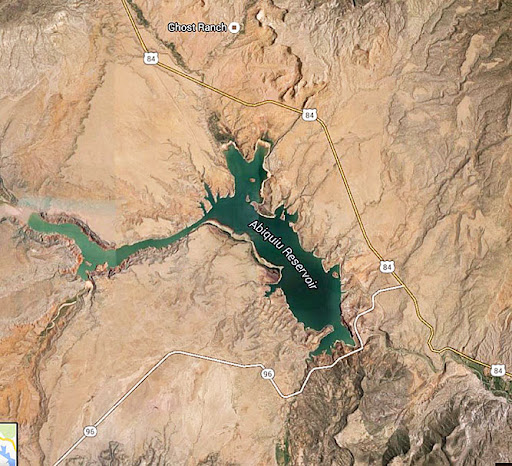
Leg 7 of the Trans-Rocky-Mountain aqueduct. From the Abiquiu Reservoir to the San Juan River, a distance of 55 miles.
Elevation 6270′ Water storage 200,000 acre-ft, max. capacity 1,369,000 acre-ft.
After delivering some water to Rio Grande and other drop off points, the sixth leg has a capacity of 8500 cfs. It starts out at 6270′ and climbs to 7400′ over a distance of 25 miles. This requires a maximum power of (7400-6270 + 2x 25) = 1180′ times 8500 cfs. Assuming a pump efficiency of 92% this comes to a power of 900 MW. From the top it then descends to 5590′ over 30 miles. This will generate a power of (7400-5590 – 2x 30) = 1750′ times 8500 cfs. With generator efficiency of 92% this comes to 1,100 MW. This last leg will generate up to 200 MW power, thus reducing the total power need for the aqueduct.
Once joining the San Juan River there may be some levies put in to protect the people having built their homes in the flood plain. The river once was unregulated and subject to seasonal floods, and periods of very low flood, but once the San Juan Reservoir was built, the ecology of the river changed drastically. The addition of the aqueduct’s water would further stabilize the flow, but not add to the risk of seasonal floods.
The San Juan River would then add a maximum of 8,500 cfs. of water to the Colorado River, but especially during the summer months much water will be delivered en route to thirsty communities, such as Albuquerque and even Santa Fé, and some water will help the greening of the surroundings of the aqueduct and even save aquifers, especially the Ogallala aquifer, so the real average flow will be more like 5,000 cfs. This will translate to an additional yearly inflow of 3.6 million acre-feet into the Colorado River.
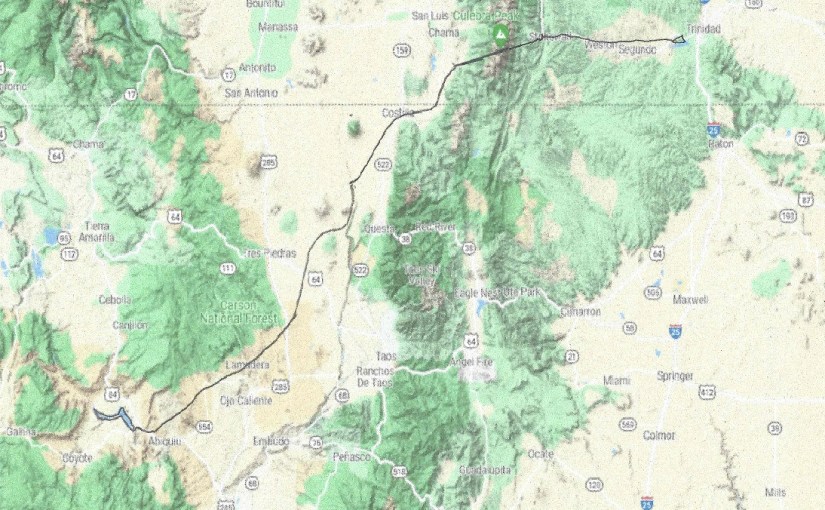
Leg 6 of the Trans-Rocky-Mountain aqueduct. From Trinidad Lake to Abiquiu Reservoir, a distance of 90 miles.
Lake Trinidad, elevation 6230′ Water storage 100,000 acre-ft
From Lake Trinidad the aqueduct will carry up to 10,000 cfs.
Elevation 6270′ Water storage 200,000 acre-ft, max. capacity 1,369,000 acre-ft.
The aqueduct will start at Lake Trinidad and follow the river up to Stonewall, where from an elevation of 8450′ it will tunnel under the Rocky Mountains for 7.5 miles and exit 3 miles s.e. of Chama.
From there it will be finding best way to the Rio Grande Canyon, where a dam with culverts for Rio Grande will be built at an elevation of 7490′. The canyon may or may not be a reservoir, dependent on the wishes of the local community. There will be a provision for supplying Rio Grande with some water during the growth season. On the West side of Rio Grande it will gently descend to 6000′, but with occasional rises of up to 100′ . Finally it will climb 270′ to Abiquiu Lake. There will be a provision to supply the river with water , especially during the dry summer. The total climbs for this leg is (8450 – 6230 + 150 + 270)’, plus the 2feet drop per mile times 25 miles. This comes to 2690′. The power required to pump 10,000 cfs 2690feet is 2.4 GW, assuming 92% pumping efficiency. Some of the power is regained on the downhill part, Total downhill is (8450 – 6000 + 100)’ = 2550′ minus the 2feet drop per mile times 65 miles. This comes to 2420′ Power regained from 10,000 cfs dropping 2420′ is 1.8 GW assuming 92% generating efficiency. The total power requirement for this leg is 600 MW. This can best be provided by having 6 100MW Liquid Fluoride Thorium Reactors, they are carbon neutral. The reason for small reactors is that they can be built in assembly line fashion and the core reactor can be shipped on a flatbed truck. The reactors will provide power to pump as much water as needed, but will stop pumping water when peak power is needed and start acting as a virtual hydro-storage. For this leg seepage and evaporation losses will be less than 2%.
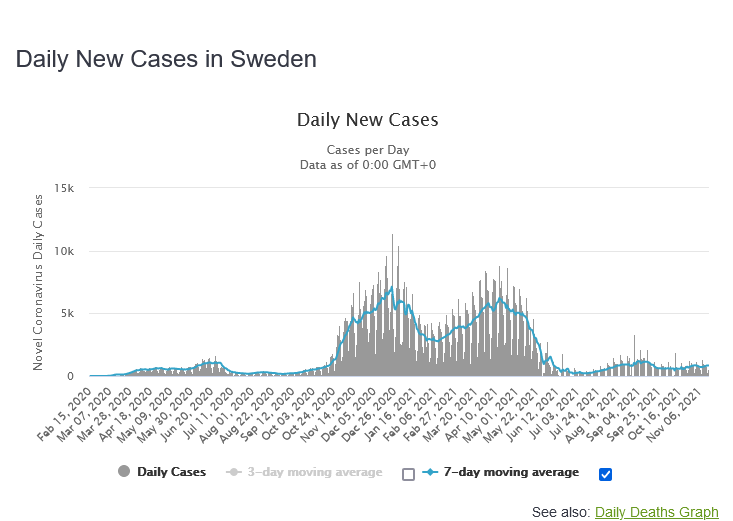
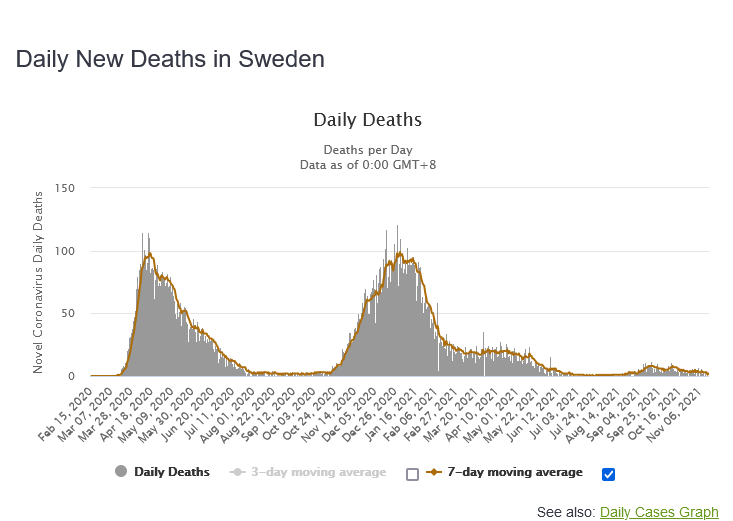
When the COVID-19 menace entered Europe, Sweden was the only country that didn’t do a complete lock-down, they took the approach to let the pandemic rage and so achieve herd immunity; only protect the most vulnerable as best they could. The initial result seemed catastrophic, but herd immunity was more or less achieved, and the present results are impressive:
As we can see, for Sweden daily cases are down 87% from.previous maximum before vaccines began, and daily deaths did even better, down 96%. The total death rate per million people is 1,480 and the Swedish vaccination rate is 72%
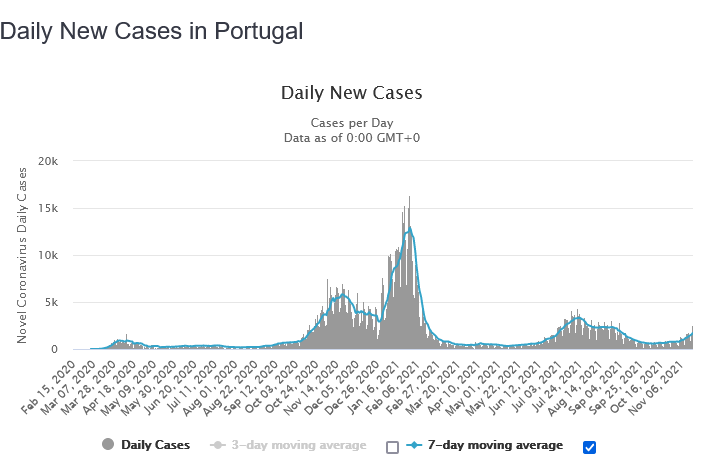
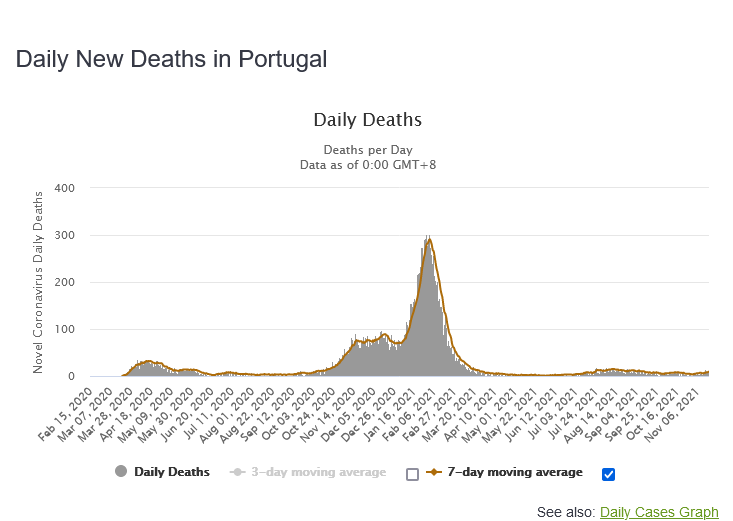
How are the other European nations doing on the same score. They are listed in order of Increase/decrease in case rate, from worst to best
A= ratio of highest case rate before vaccines to current case rate
B= ratio of highest death rate before vaccines to current death rate
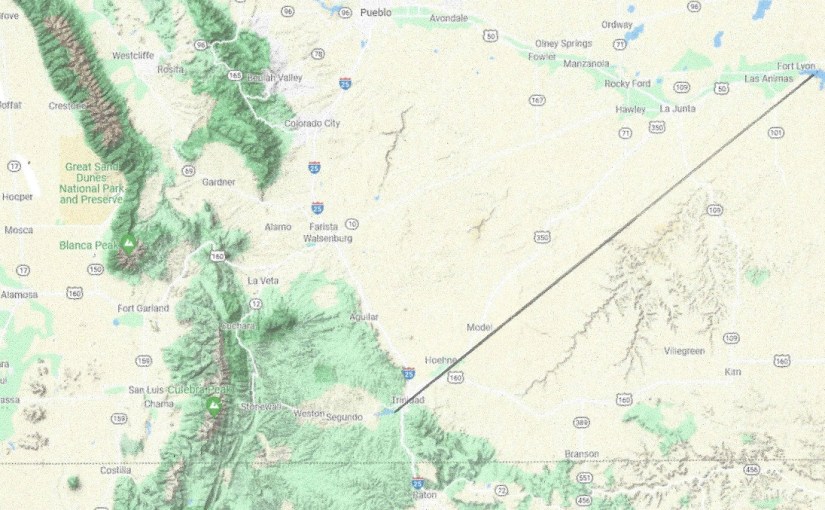
Leg 5 of the Trans-Rocky-Mountain aqueduct. From John Martin Reservoir to Trinidad Lake, a distance of about 120 miles.
John Martin Reservoir Elevation 3852′ Water volume 340,000 acre-ft
The Trans-Rocky-Mountain Aqueduct will now leave the Arkansas river for good, and it has delivered water to thirsty Kansas, so from now on the total capacity of the Aqueduct will be 10,500 cfs.
Lake Trinidad, elevation 6230′ Water storage 100,000 acre-ft
The aqueduct will be built from the John Martin Reservoir to Trinidad Lke, gradually climbing from 3852 feet to 6230 feet altitude. Figure in a drop of 2 feet per mile to ensure optimum laminar flow and the total rise in the pumping stations will be (6230-3852+2×120 = 2618) feet. The maximum flow of water up the aqueduct will be 10,500 cfs. The total power required pumping this much water will be 2.5 GW. This can best be resolved by having 25 100MW Liquid Fluoride Thorium Reactors, they are carbon neutral. The reason for small reactors is that they can be built in assembly line fashion and the core reactor can be shipped on a flatbed truck. The reactors will provide power to pump as much water as needed, but will stop pumping water when peak power is needed and start acting as a virtual hydro-storage. For this leg seepage and evaporation losses will be less than 1%.
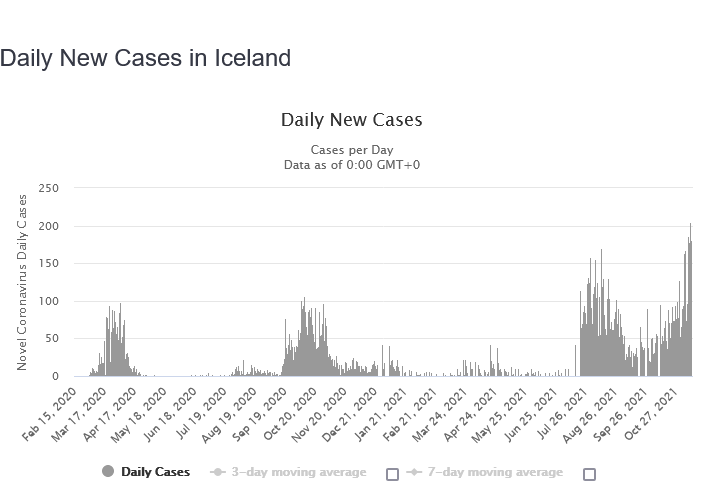
Icealand is a unique country with active volcanoes, Geysers, hot springs and glaciers. It has also one the highest vaccination rates in the world; 83 % of the whole population has received at least one dose by Nov 13, and 81.0 percent are fully vaccinated. Already early June over 50% of the population had received at least one dose of vaccination; so they are now six months into what can be called fully vaccinated, since 7.8% of the population are not eligible, being children under 12 years of age.
How are they doing?
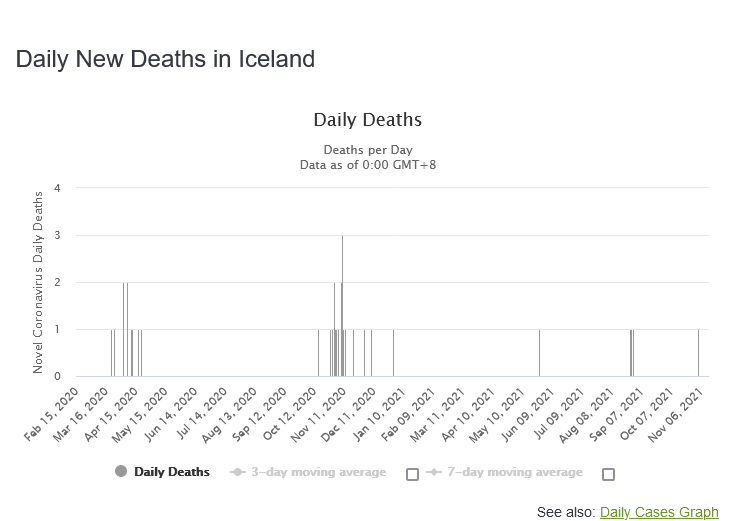
Iceland was doing remarkably well until May of 2021, when most people got their doses of vaccine, and cases fell to near zero during June and July, which “proved” the efficacy of the vaccine until August when cases suddenly rose again and were on Nov 11 more than twice as many as the highest daily total before vaccinations began.
It turns out that the vaccine they have received is not a vaccine in the old definition of vaccine, something that grants immunity to the disease, so CDC has changed the definition of vaccine to mean something that lessens the symptoms of the disease. So all vaccinated people have now the capacity to become “typhoid Marys” keeping reinfecting each other, both vaccinated and unvaccinated.
Are Icelanders allowed to take Ivermectin against COVID-19? Probably not. One person was hospitalized using Soolandra a skin care product whose active ingridient is 1% Ivermectin. He ingested an unknown amount and the medical community sent out a warning against using Soolantra even though the warning to not ingest it is right on the package. People get desperate when Ivermectin is forbidden in tablet form, they even swallow horsepaste Ivermectin even though the formulation for horses is quite different from the tablet form for people.
The good news is that even though infection rates have skyrocketed, deaths rates have fallen.
I am still of the opinion that it is better to cure the disease using HydroxyChloroQuine or Ivermectin together with Zinc and an anti inflammatory drug and thus control the disease than having to take booster shots for ever and remain “Typhoid Marys”.
Vermont is a beautiful state with great ski mountains that turn green in the summer, that is why it is called Vermont, french for green mountain. It has also the highest vaccination rate in the nation; 81.5 % of the whole population has received at least one dose by Nov 13, and 72.0 percent are fully vaccinated. Already in May over 70% of the population had received at least one dose of vaccination; so they are now more than six months into what can be called fully vaccinated, since 11,7% of the population are not eligible, being children under 12 years of age.
How are they doing?
Vermont was doing remarkably well up to about April of 2021, when most people got their doses of vaccine, and cases fell to near zero during June and July, which “proved” the efficacy of the vaccine until August when cases began rising again and were on Nov 11 more than twice as many as the highest daily total before vaccinations began.
It turns out that the vaccine we have received is not a vaccine in the old definition of vaccine, something that grants immunity to the disease, so CDC has changed the definition of vaccine to mean something that lessens the symptoms of the disease. So all vaccinated people have now the capacity to become “typhoid Marys” keeping reinfecting each other, both vaccinated and unvaccinated.
On the other hand, people having had COVID-19 have natural immunity and do not transmit the virus to anyone anymore, unless they also get vaccinated. CDC has no record of anyone having had the disease and is not vaccinated that has infected another person.
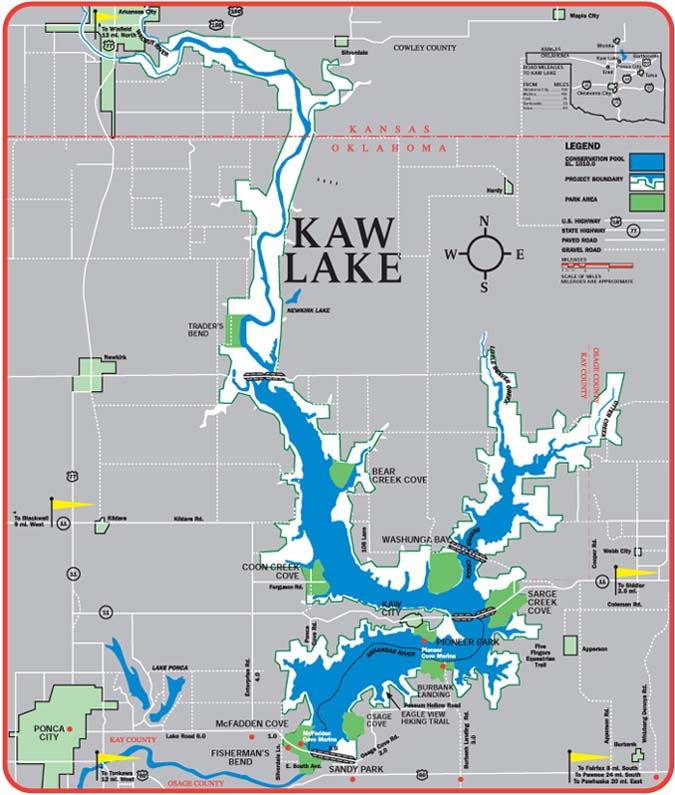
Leg 4 of the Trans-Rocky-Mountain aqueduct: From Kaw Lake to John Martin Reservoir, a distance of about 200 miles.
Elevation 1010′ Volume 428,000 acre-ftJohn Martin Reservoir Elevation 3852′ Water volume 340,000 acre-ft
Leg 4 goes over the Ogallala aquifer
The Arkansas River is by now a meandering creek where once was a huge meandering river. The farmers along the river saw the water decline year after year, and in 1902 they sued the farmers upstream. These lawsuits, Kansas v. Colorado are still continuing from time to time. In 1939 the John Martin dam was authorized, with the purpose of flood control. This made matters worse, since the aquifer no longer was refilled by the occasional floods, and the evaporation of the water in the dam diminished the flow overall. In one of the ensuing lawsuits, Kansas won, and was awarded a large sum of money. Kansas objected, they wanted the award in water, not money. This is the story of the thirsty West.
Here is the solution for thirsty Kansas. The Arkansas river is no longer usable, so the aqueduct will be built south of the river, from Kaw Lake to south of Dodge City to the John Martin Reservoir, gradually climbing from 1010 feet to 3852 feet altitude. Figure in a drop of 2 feet per mile to ensure optimum laminar flow and the total rise in the pumping stations will be (3852-1010+2×200 = 3242) feet. The maximum flow of water up the aqueduct will be 11,200 cfs. The total power required pumping this much water will be 3,3 GW. This can best be resolved by having 33 100MW Liquid Fluoride Thorium Reactors, they are carbon neutral. The reason for small reactors is that they can be built in assembly line fashion and the core reactor can be shipped on a flatbed truck. The reactors will provide power to pump as much water as needed, but will stop pumping water when peak power is needed and start acting as a virtual hydro-storage. There will be drop-off points on the way to provide water for thirsty municipalities. The price of the water for farmers will probably be too high, but towns and industries don’t mind to pay for always available water. For this leg seepage and evaporation losses will be less than 2%.
When a new epidemic breaks out, one for which there is no approved medication available that will cure the patient it has always been the aim of the medical community to see if there are any approved drugs that can be repurposed to cure the patient, because it takes too long to develop brand new drugs.
When the COVID-19 pandemic broke out there was a wild scramble to see what other drugs were available, most of it in other countries. One such effort, in Marseille, France, by a Muslim doctor caught the attention of then President Trump, and he started promoting it. It involved Hydrochloroquine, Zinc and Azithromycine, and it worked remarkably well when taken early, people were cured in 5 days, but it had one fatal flaw, the main drug is generic, and therefore the medical-industrial complex could not make any money on it, so no studies in the U.S.A could be performed by it and so, it could not be approved. Plus, it had been promoted by Trump, and he was no medical expert. Many countries with limited medical budgets called on its wide use as an early treatment with good results, the death rate of these, mostly developing countries was substantially lower than the advanced countries. Here is some early evidence.
The sub-Saharan countries that are plagued by river blindness had almost no COVID cases early during the pandemic, but no- one noticed. It turns out that in those countries they are using Ivermectin to prevent river blindness. This also blocks COVID-19, and so, Ivermectin was inadvertently repurposed. How successful is it? The data is here. India and Indonesia have drastically reduced their COVID-19 cases by the use of Ivermectin, results here. Japan reducrd their COVID-cases by 99%, see here.
. it works the same way as IverThe results speaks for themselves, that is for everybody except NIH, CDC and FDA. To protect their investment in COVID-19 disease management Pfizer is coming out with a pill, PF-07321332 which has been dubbed Pfizermectin by the social media, and for good reason, it works the same way as Ivermectin, but the molecule used is quite different. It is more specifically targeted at COVID-19, delta variant, and as such is even more efficient than Ivermectin, but Ivermectin is more broadband, and may work well against all future mutations of the virus and even against the next pandemic in the COVID family. The great advantage of the Pfizer pill is that it is expensive and as such will be approved lickety-split,, whereas the true cost in Africa for the Ivermectin pill is 6 cents.
Anyhow, here is Dr, John Campbell with the best presentation of how Ivermectin works I have seen. It has many scientific references.
At the climate change conference in Scotland President Biden suggested to reduce the level of methane emissions 30% worldwide by 2030.
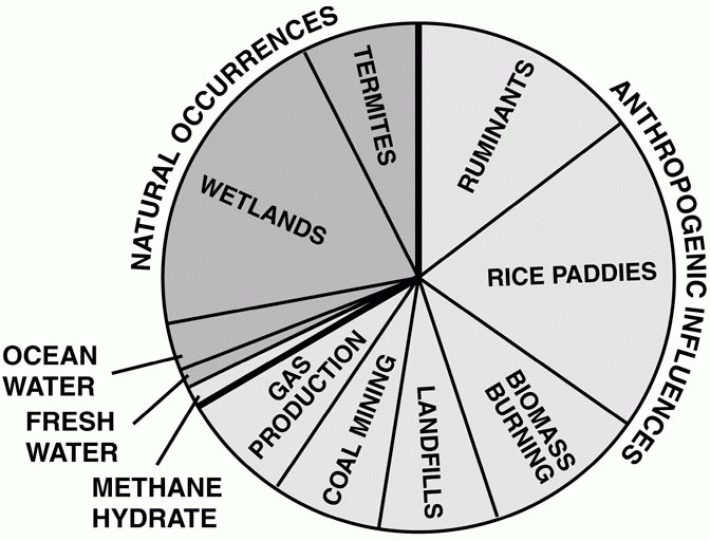
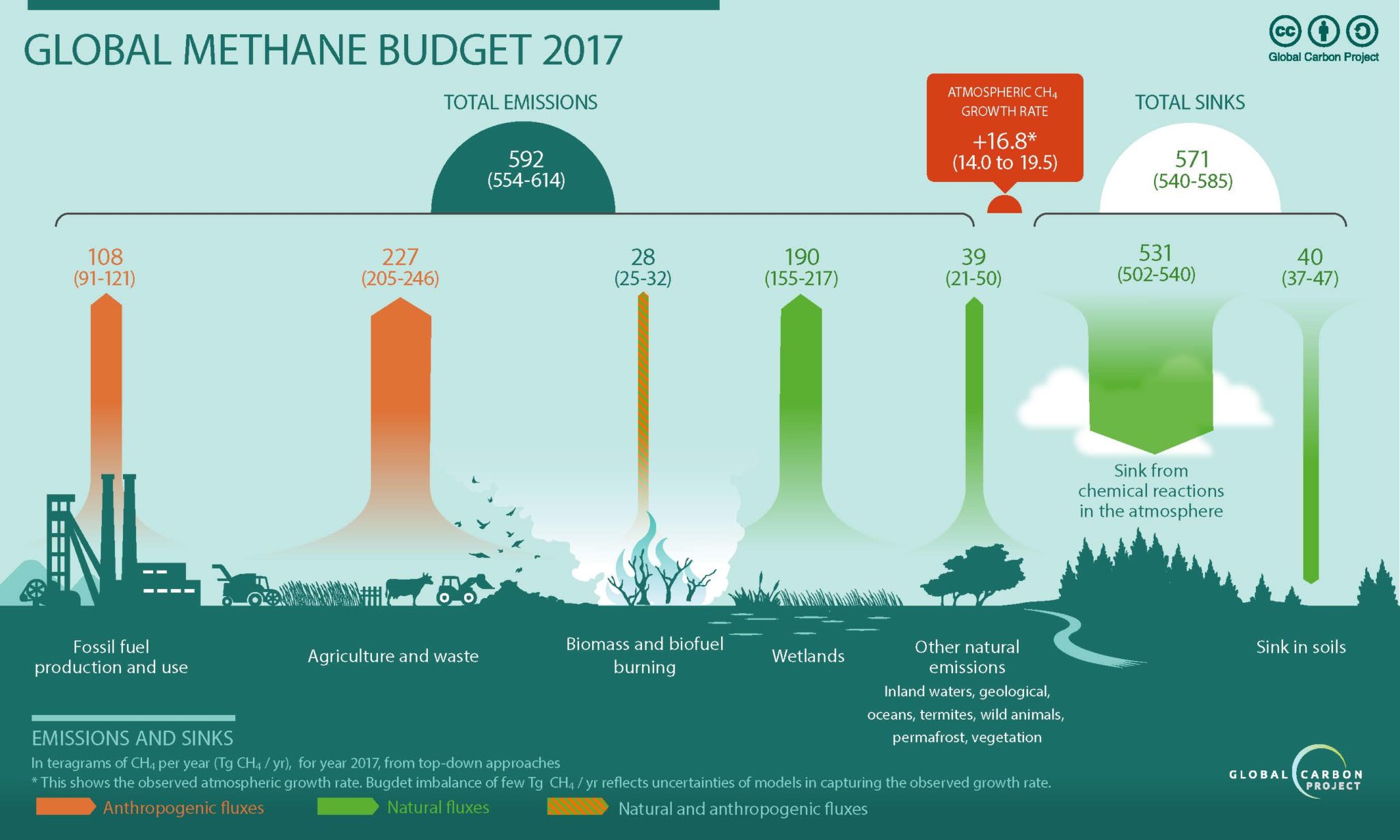
First, let us see where the sources of methane are:
First, let us see that one third of greenhouse gases come from natural causes. To achieve 30% worldwide reduction by 2030 we must reduce anthropogenic methane by 42.8%
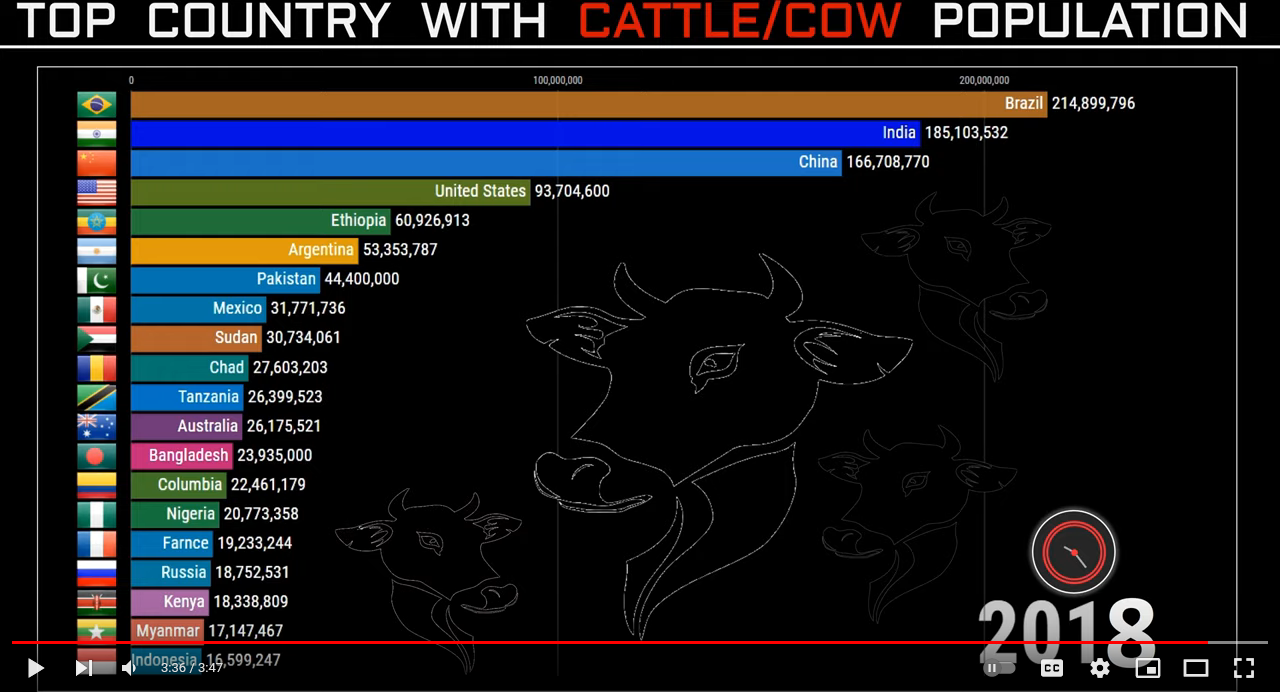
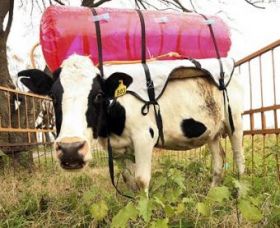
The first source is from ruminants, that is animals that chew their cud. There are over 150 species of ruminants like goats, sheep, elk, moose, bison, gnu, yak, reindeer, deer, all kinds of antelopes and so on, but for now let us concentrate on domesticated cattle, something we can control. There are about 1 billion cattle in the world, see picture
We can, at great expense collect the methane from the dairy cattle.
The rest are beef cattle and we have to get rid of half the beef cattle to get anywhere with the reduction in Methane. Unfortunately this messes up the environment. Check this out: https://lenbilen.com/2013/03/19/beef-whats-for-climate-is-cattle-herding-the-missing-link-in-restoring-the-balance-of-nature/ The rest of the ruminants: How many sheep do we have to do away with? How many goats? How many caribous? How many buffaloes? The best we can do on reducing the ruminant farts is about 4% of methane emissions, and that is at great expense of the balance of nature.
The next challenge is rice paddies. About 18% of all methane emissions emanate from rice paddies. Thanks to rising CO2 levels they are now more productive, India had a record harvest this year. China had too many floods to have a record harvest. Rice is the staple food for over half the world’s population, so it is best to tread carefully on forced reductions. But there is hope: There is a patented GMO modified rice that has less roots and thus produce less methane. See https://lenbilen.com/2015/07/29/growing-gmo-modified-rice-eliminates-methane-pollution-an-inconvenient-truth-for-green-heads-a-limerick/ Unfortunately GMO modified food is banned in much of the world, and I doubt these attitudes can be changed before 2030, so no reduction in rice paddy methane production will occur, instead methane production from rice paddies will increase slowly with increasing CO2 levels.
Next comes biomass burning and fermentation. There are many possible solutions.Over 200 years ago North Korea began to have methane stoves at their farms. They put compost in a closed cistern and led the gases from it into the stove and had heat to cook and heat for the house. It is labor intensive, but can be implemented many places. But seriously, field burning is very bad for the environment. The year-to-year spring variation in Arctic black carbon (BC) aerosol abundance is strongly correlated with biomass burning in the mid-latitudes. Moreover, current models underestimate the contribution of BC from biomass burning by a factor of three. Check the scientific paper on the issue: https://wattsupwiththat.com/2021/11/05/black-carbon-aerosols-heating-arctic-large-contribution-from-mid-latitude-biomass-burning/ While arctic snow is increasing in fall and winter it melts earlier in the spring thanks to black carbon changing the albedo of the snow. We should attempt to reduce biomass burning by at least half and reduce worldwide methane emission by 5%. The trick is to change the habit of subsistence farmers and western arsonists and the carelessness of people setting all the wildfires in the American west.
Landfills produce methane. The gases should be captured whenever economically defensible. It is possible to recover this methane in maybe one third of the landfills, reducing worldwide methane by 3%.
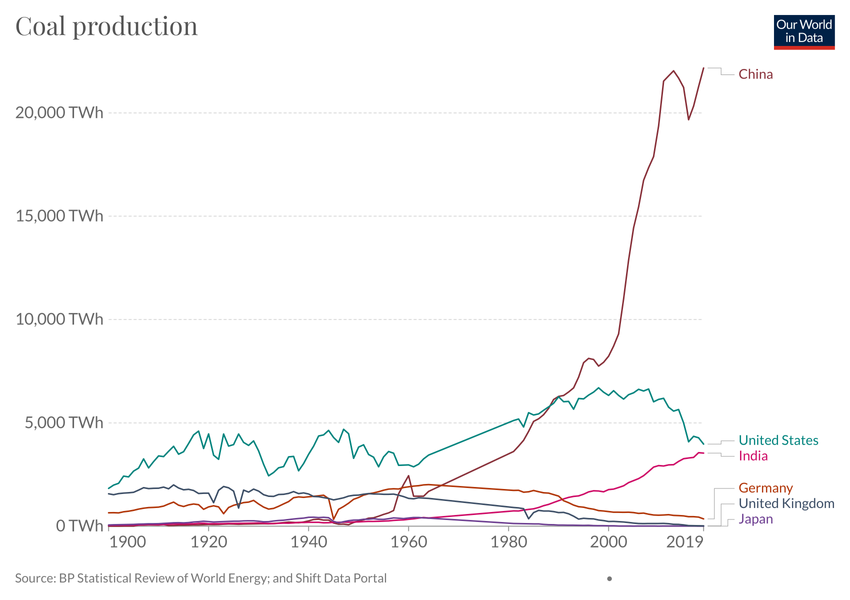
Mining and burning coal produce methane. While U.S has reduced its coal production by half in the last twenty years China is set to increase its coal consumption until at least 2030. India and much of the developing world are dependent on coal and will increase their consumption. See figure:
So no matter what u.s. will do, methane from coal will increase by probably 2% worldwide, and that assumes better mining, storing and burning practices.
Lastly methane leaked from gas production can be reduced by capping used oil and gas wells, recovering seepages, in short being environmentally vigilant. Properly managed, maybe half can be reduced world wide. This would reduce Methane leaks by 4%.
Total savings worldwide by 2030 using the best assumptions are: Ruminants: 4%, Rice Paddies: 0%, Biomass: 5%, Landfills: 3%, Coal: -2%, Gas production: 4%; for a total of 14%, less than half of what President Biden promised at the Glasgow Climate conference, or less than a third if he meant total methane production.
I am a conservationist. I care about the earth, and I want to leave the world a better place. I am not the least worried about methane, even though I am well aware that it is a 25 times stronger greenhouse gas than CO2.
Here is the deal. There are methane sinks in nature that nearly offset the methane sources:
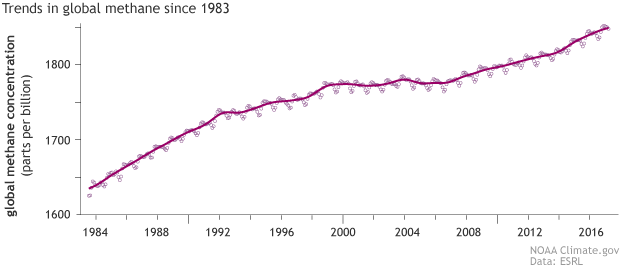
So we can see, the methane levels are in close balance. But the Methane levels are increasing:
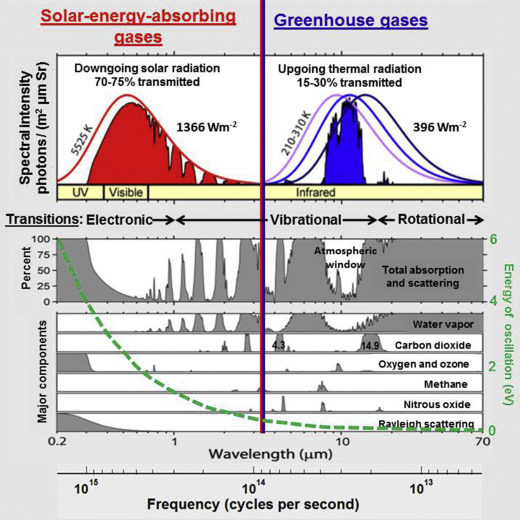
And the methane level in the atmosphere will continue to increase for a while. Yet, I am not worried. Here is the kicker. Methane is the don’t care gas when it comes to global warming, or climate change if you prefer that term. Methane absorbs in the same light bands as water vapor, and this is where climate models fail. If water vapor absorbs 99% of the energy at a certain wavelength and Methane absorbs another 50% of the energy at the same wavelength the sum is not 149%, but 99.5%. You cannot absorb more than all energy available at a certain wavelength. With this in mind we can look at the absorption spectra for water vapor and methane.
In the upper plot the red represents the incoming radiation absorbed by the ground, the white area represents energy absorbed in the atmosphere. The blue area represents the total energy escaping the earth, the white under the curves represent energy absorbed by the atmosphere causing the greenhouse effect, the three curves represent three temperatures, from left to right 310K, 260K and 210K.
As we can see, water vapor absorbs nearly everywhere except in the region of visual light (thank God it is so, or we would be in eternal fog), and the so called atmospheric window. Methane absorbs in three wavelengths, the first two around 2 and 3 micrometers, but there water vapor absorbs nearly all energy in the atmosphere, and it is at a wavelength where solar influx is very low and earth radiance back to the sky is negligible, so they do not matter at all. The third wavelength, around 8 micrometers is where earth radiation is high, but even there water vapor is the dominant factor. Remember Methane concentration is less than 2 ppm and water vapor is counted in percent in the tropics, and even around the poles is the dominant absorbent. That is why I am saying, as a greenhouse gas, methane doesn’t matter.
Let us instead concentrate on things that do matter, deforestation, real pollution, and above all, clean and available water. Wind and solar uses up too many resources, and we will still depend on coal and natural gas to provide electricity when the sun doesn’t shine and the wind doesn’t blow, and our hydroelectric power storage is insufficient to accommodate much more of temporary energy sources. The only long time solution is to go nuclear, specifically LFTR until fusion energy is commercially viable.
The third leg of the Trans-Rocky-Mountain takes us from from the Keystone dam
Lake level 723′ Lake storage 432,000 Acre-ft
to the Kaw dam
Elevation 1010′ normal 76′ drop
via pumping 11,200 cfs of water up the Arkansas river. The Keystone Lake is 38 miles long and the river part is about 110 miles.
The drop in the river is 211 feet and with a slope of the water of 0.4 feet/mile the total lift need to be 255 feet. This will be accomplished by deepening the Arkansas river channel by 20 feet and build ten 25,5 feet high dams that can open fully and let the water flow freely down the channel. The total capacity of the channel will then be 28,800 cfs. Under normal operation the dams will be closed and water will be pumped up the height of the dam, but when Kaw dam start generating power, the flow will be reversed and all pumps/generators will generate power. When the Kaw dam spillways open, all the dams will open, no power is generated. This will occur rarely, but the function is needed for flood control. The maximum power needed for this leg is 11,200 cfs water pumped up (1010′ -723′ + 110×0,4′) = 329 feet. Assuming pump efficiency of 92% maximum power requirement is 331 MW, best provided with LFTR nuclear reactors. The Kaw dam generates an average of 11.8 MW of power, but a project is under way to remove 1 million gallons/day for municipal water use, removing on average 210 kW generating capacity. Water use will only increase with time.









 Len Bilén's blog, a blog about faith, politics and the environment.