This is almost the same result that was available for anyone to see in death rates for people taking ivermectine regularly against river blindness in sub-saharan Africa versus the people living in the rest of Africa:
The explanation given by CDC and others was that these statistics are not done scientifically with double blind control groups and the medical care in these country is inferior and many cases go undiagnosed and so the results are unreliable. However, they too signal a 90+ percent reduction in death rates from COVID. One caveat: Sub-saharan Africa has a much younger population than the rest of the world.
Conclusion: Every day ivermectine treatment is not approved cost lives. 90% of the COVID deaths could be avoided by just approve the drug to treat early COVID, a drug that is already approved for other purposes, and in some case mandated for about 2.4 billion people.
When the Supreme Court ruled that an agency such as the EPA does not have the authority to regulate CO2 emissions by fiat. Only Congress can enact a law to do this. I pointed out that CO2 is not the culprit gas that causes climate change, and as an example I used the South Pole weather station, having a 60+ year of good statistics, and it showed that the temperature trend is -2C per century. One would have expected a rise, since at the average winter temperature of -61C water vapor is nearly non-existent, and CO2 is the dominant greenhouse gas. One would have expected a one degree or more warming instead. This is one data point we are in a cooling trend,and indeed we are. The Greenland ice data shows it to be true:
Yet the current worldwide trend is a temperature increase. Note that the temperature models have increased the temperature increase with time from CIMP5 to CIMP6, and so diverging more and more from the HADCRUT4 data.
The overall worldwide temperature is increasing, but not at the rate the climate models suggest. The important thing is, where are the temperature increases? The South Pole winter temperatures are decreasing 2C per century, but summer temperatures are increasing ever so slightly. In the Arctic the situation is reversed. The winter temperatures have risen between 3C and 7C and vary widely from year to year, but the summer temperatures are slowly decreasing. The current temperature chart for the Arctic above 80 degrees latitude tells the story:
Notice the wild temperature swings in the winter, and the temperature stability below average in spring and summer.
There must be something with Climate change far more important than rising CO2 levels, and indeed there is. A couple of weeks ago I told a story of Dr Lovelock and his Gaya theory, and how he found out the air had much more DiMethylSulfide (DMS) than expected, and the molecules acted as condensation points for clouds. The DMS was generated by Phytoplankton, dinoflagellates and diatoms that contain chlorophyll and require sunlight in order to live and grow. Most phytoplankton are buoyant and float in the upper part of the ocean, where sunlight penetrates the water. Phytoplankton also require inorganic nutrients such as nitrates, phosphates, and sulfur which they convert into proteins, fats, and carbohydrates. If nutrients are too abundant it can lead to algae blooms, such as red tide. In that case all oxygen are consumed and the algae dies and leave a toxic mess. The areas where this occurs are near river outlets that contain too many nourishments. This is the case in the Mexican Gulf, the Eastern seaboard, the North Sea and the Baltic, as well as South Asia and East Asia. The inland areas will see more clouds and more rains, but not necessarily more severe storms. Flooding may increase though.
Far more troublesome is what happens to areas that do not experience an increase in clouds. The trouble starts a few hundred miles west of the Mississippi River in the Ogallala aquifer. This map shows changes in Ogallala water levels from the period before the aquifer was tapped to 2015.
Image credit: Nation Climate Assessment 2018
Going west to New Mexico things get worse. New Mexico depends on the monsoon rains starting in July and continues into the fall. They have a tendency to fail from time to time and sometimes many years in a row, they cannot be relied upon to water the thirsty earth. The grass and other vegetation dies, and when the rains come, they often cause flash floods that are very destructive to the soil, and leaves large areas barren. To illustrate what is happening take the Gila River. It starts in the Gila National Forest in New Mexico and flow through near Phoenix and ends i the Colorado River near the Mexico border. It used to have a flow of 1.3 million Acre-feet annually flowing seasonally through the Phoenix area. The Coolidge dam was built in 1930, all the land was taken by eminent domain, the Indians protested that some ancient burial grounds would be flooded, but at no avail. The dam was built, and a big disappointment it was. The evaporation from the San Carlos Lake was higher than the inflow for much of the year, co the total flow of the Gila river was greatly reduced. These are the numbers for the last ten years:
Only once in the last ten years has the lake been filled to even 25% of full capacity, and the last two years the lake has dried out during the most important growing season.All fish has died. The lake is totally useless even for recreational purposes, and nearly worthless for the Phoenix area as water supply. The Central Arizona Project has a capacity of providing 1.4 million Acre-feet a year, but has only been awarded a fraction of its capacity from the Colorado River, and since Lake Mead is drying up, the supply will be reduced to almost nothing.
Hoe dire is the situation? Arizona has a rising population, This chart shows it well:
Arizona has had a water problem since before the creation of the Arizona department of water resources. The farmers that had water rights took their allotment and expected a low price, say $100 per acre-ft, the cost of pumping it out of the ground. The municipal users don’t mind to pay $1,500 per acre-ft, after all, that is only 2 cents per gallon, so when the supply fails, the farmer is the loser.
So, where do the water supplies come from? These are official numbers from 2019
Since then the situation has gotten much worse. The Colorado River contribution is down by at least 30%, and will be cut down further when Lake Mead drops some more. It is already precariously close to dead pool. The Gila River water flow is zero during growing season, but the Salt River still delivers 300,000 A-f per year, all during growing season. So the in-state river flow is down by a half. This means that over half of Arizona’s water supply will come from drawing down the aquifers. This will reduce the river flows some more, the land will be dried up, and eventually the wells will dry up and Arizona will act more like a desert, with no cooling capacity left in the soil, the summer temperatures will be even hotter and dust storms will be common. The trees will die from drought and wildfires will increase. When the monsoon rains come, heavy flash floods will remove what little top soil is left. This is real climate change in the American Southwest.
If we concentrate on limiting CO2 emissions but ignore the real causes of climate change this is the future the American South-west can look forward to. If we took a fraction of the money earmarked to eliminate fossil fuel and use it instead to save the planet, in this case the American Southwest, then we’ll again make the American Southwest livable with enough water for 40 million people, and with a still functioning agriculture in the west, supplying food for many more people, plants and wildlife.
One of the problems leading to climate change is polluting rivers. Of the ten most polluting rivers in the world none are in Europe or the Americas, see map:
The main pollutant in these rivers is particle pollution such as plastic, but unprocessed sewage is prevalent.
Nitrogen pollution from agriculture is another problem, even in Europe and America. The Dutch farmers are up in arms over the draconian measures imposed by the Dutch government, praised on by Klaus Schwab and he New world Order leaders that want “The great reset”. This involves reducing the nitrogen content on the agricultural lands by 50, 75 and even 95% in certain areas, reduce cattle by 50% and a similar reduction in the pig population. The protest is joined by Germany, Poland, Italy and Spain (and maybe Australia). The protest is immense:
Government mandates cannot solve the nitrogen crisis. The best way to reduce the nitrogen pollution is to lower the nitrogen fertilizer from slightly above optimum to slightly below optimum. With fertilizer cost more than tripling this adjustment was going to be made anyhow. Plants have a remarkable ability to absorb the nitrogen, and with the rising CO2 levels they do so more efficiently. The optimum amount is different for every plot, and any farmer knows much better than any desk-bound bureaucrat how and when to sow, fertilize and reap.
In the eastern half of the U.S. water rights comes with the land, and since rainfall can lead to floods, water rights are water responsibilities. When a land owner disturbs the soil he must first put up a retaining sausage to stop erosion. Then he has to build a retainment basin to compensate for roofs and hardened surfaces, so the water will be retained on the property as much as possible. This will lessen floods. The farmers have to build shallow ditches adjacent to creeks and rivers to prevent agricultural runoffs. And fertilizing is only allowed when no thunderstorms or rains are expected
In the dry American southwest it is all about water rights. Land without water rights is nearly worthless. If a homeowner without water rights get caught putting a bucket under his downspout and uses the rain to water a newly planted thee, he can be fined. All water must be purchased. This is wrong. The water that rains on a piece of land belongs to the land and should return to the aquifer. The springs, forming creeks belong to the river and cannot be dammed. This will help restore the aquifiers, but the river flows will be diminished until the aquifers are restored, which may take a century. So before the water rights question can be righted and the aquifers restored we must
Build a TransContinental Aqueduct. This will solve the water needs for the upper Western Texas, New Mexico, Arizona, lower California, Mexico and the Lower Colorado River basin, and then
Build a Trans-Rocky Mountain aqueduct. This will solve some of the water needs for Oklahoma, Kansas, Colorado, upper New Mexico and the Upper Colorado river basin. To complete the trying to save the aquifers we also need to
Build aSouth Platte River aqueduct. This will solve the water needs for the greater Denver ares and help preserve the northern Ogallala aquifer.
The rise in CO2 is on balance positive, it has already helped to keep 2 billion people from starvation. With food famine coming the very worst thing we can do is declare a climate emergency and unilaterally reduce our electric supply eliminating much of our fossil fuel source to produce electricity and at the same time push electric cars.
While Climate Change is real, I have in a previous blog explained why rising CO2 levels cannot be even a major cause of Climate change, see here Now, if CO2 isn’t it, then what is?
Before we go any further this is my recollection of how we got to where we are today in trying to save the earth with legislation.
When I came to the U.S.A. in 1968 as an immigrant and resident alien I was appalled at the lack of environmental concern. In my native Sweden we had been very concerned for many years about the lacing of seed grain with Mercury as a preservative. The rivers and lakes had been fertilized four times more than agricultural land, the rivers from the Soviet Union and Poland were full of untreated sewage, so much so that the Baltic Sea was in danger of losing its Oxygen. Things were much worse in the U.S. In Lake Ontario the dead fish piled up on what used to be a good beach, and in Lake Erie the situation was even worse, a tributary river caught fire. When pointing out the stench from all the rotting fish one coworker just said: You think this is bad; in WW II the upper Delaware Bay was so polluted from all the refineries that it stripped the paint off the ships that came into Philadelphia harbor. In those days companies just dumped the parts that were left after refining into the river, and to get the air pollution bearable they built higher and higher smokestacks to dilute the pollution over a larger area.
The lawmakers had been concerned about the environment for quite some time, and in 1963 they passed the Clean Air Act. It was slow in being enacted so they decided to promote the importance of clean air (and clean water), so they decided to promote the cause with an Earth Day. The day chosen was to coincide with the 100th anniversary of Lenin’s birth, April 22, 1970. (See here). At that time the greatest concern was the impending ice age unless we cleaned up the air. Worldwide temperature would drop by ten degrees by the year 2000 unless the air was cleaned up. They forced the coal plants to install Sulfur scrubbers, and the trout fishes no longer died, and temperatures started rising again.
Many years ago, around 1977 Dr. James Lovelock bought a number of HP Gas Chromatographs to set up in the most remote corners of the earth to study pollution (especially CFC’s) and its effect on the climate. What he found was an unexpectedly large amount of dimethylsulphide (DMS). He was then a paid consultant for Hewlett Packard Analytical, so he came over from his native England a couple of times a year, always willing to hold a seminar for us engineers working at Hewlett Packard, and then joining us for lunch and continue discussion on a wide range of topics, and at one of them he sprung “Daisy-world” on us before it was published, mostly to see if we could poke holes in his hypothesis. It involved a world that consisted of only two flowers, black daisies and white daisies. The computer simulation started out with a cold world and a weak sun. The sun warmed up until suddenly black daisies appear and cover the earth. This warms the earth some more and white daisies appear. As the sun varies in intensity the mix of white and black daisies changes and this keeps the earth at a stable temperature, as they have different reflective properties. He then went on to say that the whole earth is like a living organism. Some time later he presented the paper and the next year we asked him how it was received. “You won’t believe it”, he answered. ”Now there are people who actually believe the earth is a living organism. They demand follow-up articles that justifies their belief.” He had partly himself to blame, the name he chose was the GAIA hypothesis, Gaia being the Mother earth Goddess. He succumbed to their demands, and in 1979 he published the book: Gaia: A New Look at Life on Earth. Talking about religion the Mother Earth people now had their goddess, and expressions like. “The earth has a temperature” became commonplace.
In 1983 Margaret Thatcher, the conservative U.K. Prime Minister tried to close down the nationalized coal industry and defeat the Coal unions. She used the argument that CO2 was bad for the environment, and electricity should be generated by anything but coal. After a year she won the fight, and this legitimized the argument that both liberals and conservatives agreed: The major culprit is CO2, and the universal measurement of social responsibility; Carbon Footprint was born.
Dr Lovelock is an interesting fellow, a true scientist. He grew more and more pessimistic about the future of the earth. In a March 2010 interview with The Guardian newspaper, he even said that democracy might have to be “put on hold” to prevent climate change. Then in an April 2012 interview, aired on MSNBC, Lovelock stated that he had been “alarmist”, using the words “All right, I made a mistake,” about the timing of climate change and noted the documentary An Inconvenient Truth and the book The Weather Makers as examples of the same kind of alarmism. Lovelock still believes the climate to be warming although the rate of change is not as he once thought, he admitted that he had been “extrapolating too far.” He believes that climate change is still happening, but it will be felt farther in the future. Of the claims “the science is settled” on global warming he states:
One thing that being a scientist has taught me is that you can never be certain about anything. You never know the truth. You can only approach it and hope to get a bit nearer to it each time. You iterate towards the truth. You don’t know it.
He criticizes environmentalists for treating global warming like a religion.
It just so happens that the green religion is now taking over from the Christian religion.
I don’t think people have noticed that, but it’s got all the sort of terms that religions use … The greens use guilt. That just shows how religious greens are. You can’t win people round by saying they are guilty for putting (carbon dioxide) in the air.
In the MSNBC article Lovelock is quoted as proclaiming:
The problem is we don’t know what the climate is doing. We thought we knew 20 years ago. That led to some alarmist books – mine included – because it looked clear-cut, but it hasn’t happened.
The climate is doing its usual tricks. There’s nothing much really happening yet. We were supposed to be halfway toward a frying world now.
The world has not warmed up very much since the millennium. Twelve years is a reasonable time … it (the temperature) has stayed almost constant, whereas it should have been rising – carbon dioxide is rising, no question about that.
Yes, Dr. Lovelock is still alive at age 102. He was the first to discover the CFC over all the world, but he also found an unexpected amount of dimethylsulphide (DMS) in the atmosphere, and that acted as a condensation point for cloud formation. The concentration was highest in areas rich in nitrates and other “fertilizers” that had been released into the ocean from rivers. The South ocean had the least DMS, while areas with many river outlets had the most. He drew the conclusion that he had been an alarmist. The temperatures are not rising anywhere near as fast as climate models have forecast. We have now 64 years of good temperature data to prove it.
in the South Ocean around Antarctica there is very little DMS, and the South Pole winters, with rising CO2 levels being the dominant climate change factor temperatures are actually decreasing by 2 degree Celsius per century. This would mean we are in a world-wide cooling trend, looking forward to the next ice age. Since base temperatures are getting colder, areas with less rivers fertilizing the oceans will experience less rain, such as the American West coaast from south of San Francisco bay to Santiago de Chile will experience drying conditions, the Mexican Gulf, the Eastern Atlantic, the North Sea, and especially the China east coast and the South china Sea will experience increased precipitation. Because of increased cloudiness the Arctic winters will be warmer, but the Arctic Summers will be marginally cooler above 80 degrees. Source DMI
The 2022 winter was above normal (more snow), but sice Apr 10 temps have been below normal.
Greenland is starting to accumulate ice again:
Greenland ice gain.
But for the American South West the situation is bleak. Not only is precipitation expected to decrease, the aquifers are being depleted, lake Mead Lake Powell are at about 30% of capacity, in a few years they will be depleted altogether. Lake San Carlos, which supplies the Phoenix area has been empty since April, no water at all flows down Gila river, wells are starting to run dry. When this happens desertification sets in, erosion increases, springs dry up. When it rains it results in the form of flash floods that further increases erosion. This is a disaster in making.
Yet, there is hope. I am making a proposal:
Build a TransContinental Aqueduct. This will solve the water needs for the upper Western Texas, New Mexico, Arizona, lower California, Mexico and the Lower Colorado River basin.
Build a Trans-Rocky Mountain aqueduct. This will solve some of the water needs for Oklahoma, Kansas, Colorado, upper New Mexico and the Upper Colorado river basin.
Build a South Platte River aqueduct. This will solve the water needs for the greater Denver ares and help preserve the northern Ogallala aquifer.
In further blog entries I will further develop what has to be done.
The U.S. Supreme Court settled the issue: Whether, in 42 U.S.C. § 7411(d), an ancillary provision of the Clean Air Act, Congress constitutionally authorized the Environmental Protection Agency to issue significant rules — including those capable of reshaping the nation’s electricity grids and unilaterally decarbonizing virtually any sector of the economy — without any limits on what the agency can require so long as it considers cost, nonair impacts and energy requirements.
I have always been very interested in the environment. Nature teaches us so many lessons, the diversity of trees, birds, flowers and wildlife is breathtaking and giving cause to never cease to wonder. It would be a shame to destroy the beauty of it all. Yet we seem to make it worse by concentrating our effort by trying to limit CO2 emissions, rather than tackling the real and more urgent problems.
Let me first explain why I assert that rising CO2 levels, while real is only a minor player in the climate change equation.
The traditional way to approach this scientifically is making climate models. So far, nearly all, except the Russian model have failed to even remotely to predict future temperature changes. IPCC and all their climate models is still failing.
The other approach is to take measurements, and it so happens that we have really good global data for over 60 years. The Amundsen Scott – South Pole weather station, the average temperature of Winter season 2021 (April 2021 – September 2021) reached only -61,0°C / -78°F, and at this temperature CO2 is the dominant greenhouse gas by more than a factor of ten more important than water vapor. We have reliable measurements for the temperature change at the South Pole since 1957. During this time CO2 gas increased 31% to 413ppm, Methane increased 16% to 1.85 ppm and Nitrous oxide decreased, but this is a gas mostly confined to urban areas, and is now below 0.05 ppm worldwide. With CO2 increasing by 31% and water vapor negligible one would expect a temperature rise over 64 years of 0.65 C, or one degree Celsius warmer per century according to extrapolated lab measurements. This is the observed trend:
With 2021 value included the temperature trend is two degrees Celsius cooler per century!
At the South Pole snowfall is negligible in the winter, and for the whole year it is only 1.3 inches. No model would have predicted the cooling trend, so there must be other factors that are are more important, since real measurements beat models every time.
Ignoring the South Pole, the climate models are from time to time adjusted, and as the urgency among the ruling class grew, they suddenly showed a much higher rate of future temperature increases, in this case what is supposed to happen to global temperatures for a doubling of CO2 from pre-industrial times, from 270ppm to 540ppm.
Source: Mark D Zelinka et al. ” Causes of higher Climate sensitivity in CMIP6 models” Geophysical Research Letters.
There are two ways to approach this problem. The models make certain assumptions about the behavior of the changing atmosphere and model future temperature changes. This is the approach IPCC has takenfor the last 34 years. These models all fail miserably when compared to actual future temperature changes.
The other way i to observe what is actually happening to our temperature over time as the CO2 increases. We have over 60 years of excellent global temperature data, so with these we can see where, when and by how much the earth has warmed.
The most drastic temperature rise on earth has been in the Arctic above the 80th latitude. In the winter of 2018 it was 8C above the 50 year average. Since then it has come down to the more normal 4C increase. See charts from the Danish Meteorological Institute:
Summer: red, Jun,Jul, Aug. Winter: green, Dec, Jan, Feb Yearly: black
Note, there are no increase at all in the summer temperatures!
Spring: green, Mar, Apr, May. Fall: red, Sep Oct, Nov. Yearly: black
The fall temperature saw an increase of 4C and the spring temperature saw an increase of about 2.5C.
The 2022 winter saw an about 4c increase. The Spring temperatures have from the 10th of March were below or very close to the 1958 – 2002 average. Early Summer temperatures have so far been about 1C below normal. Source: DMI.
There seems to be no cause for immediate panic with the Arctic temperatures. If anything, they seem to moderate. In the Antarctic on the other hand temperatures have been decreasing! As we have seen before, the Amundsen Scott – South Pole weather station, the average temperature of Winter season 2021 (April 2021 – September 2021) reached only -61,0°C / -78°F, which is the coldest value in all-time history! This was 2,5°C /4.5°F degrees lower than the most recent 30-year average at this remote station.
Why are the temperatures not behaving like the models predict?
To get the answer we must study molecular absorption spectroscopy. IPCC and most scientists claim that the greenhouse effect is dependent on the gases that are in the atmosphere, and their combined effect is additive according to a logarithmic formula. This is true up to a certain point, but it is not possible to absorb more than 100% of all the energy available in a certain frequency band! For example: If water vapor absorbs 90% of all incoming energy in a certain band, and CO2 absorbs another 50% of the energy in the same band, the result is that 95% is absorbed, (90% + 50% * (100% – 90%)), not 140%, (90% + 50%).
The following chart shows both CO2 and H2O are absorbing greenhouse gases, with H20 being the stronger greenhouse gas, absorbing over a much wider spectrum, and they overlap for the most part. But it also matters in what frequency range s they absorb.
For this we will have to look at the frequency ranges of the incoming solar radiation and the outgoing black body radiation of the earth. It is the latter that causes the greenhouse effect. Take a look at this chart:
The red area represents the observed amount of solar radiation that reaches the earth’s surface. the white area under the red line represents radiation absorbed in the atmosphere. Likewise, the blue area represents the outgoing black body radiation that is re-emitted. The remaining white area under the magenta, blue or black line represents the retained absorbed energy that causes the greenhouse effect.
Let us now take a look at the Carbon Dioxide bands of absorption, at 2.7, 4.3 and 15 microns. The 2.7 and 4.3 micron bands absorb where there is little black body radiation, the only band that counts is at 15 microns, and that is in a band where the black body radiation has its maximum. However it is also in a band where water vapor also absorb, not as much as CO2,only about 20% to 70% as much. The important thing is that in the frequency band of 14.5 to 15.5 micron CO2 absorbs all the energy available in that spectral range, and it also did it before industrialization when CO2 levels were one third less than today!
The grey area is the difference between total pre-industrial absorption and today, less than 5 % added absorption in the 13 to 17 micron band. Notice that total absorption from ground level to thermopause cannot exceed 100%
From this we can see that increasing CO2 levels is not the cause of climate change, if anything, it is only a only a very minor player. How about Methane?
Methane has only two major absorption bands, one at 3.3 microns, and the other at 8 microns. The 3,3 micron band is where incoming radiation is negligible, and so is outgoing black-body radiation. The 8 micron band is where water vapor is dominant, so Methane turns out to be the don’t care gas.
Water vapor or absolute humidity is highly dependent on the temperature of the air, so at 30C there may be 50 times as much water vapor as CO2, at 0C there may be ten times as much water vapor, and at -25C there is more CO2 than water vapor. At those low temperatures the gases are mostly additive. In the tropics with fifty times more water vapor than CO2, increased CO2 has no influence on the temperature whatsoever. Temperature charts confirm this assertion:
The temperature in the tropics displays no trend whatsoever. It follows the temperature of the oceans, goes up in an el niño and down in a la niña. The temperature in the southern hemisphere shows no trend. In the northern temperate region there is a slight increase, but the great increase is occurring in the Arctic. There is no increase in the Antarctic yet even though the increase in CO2 is as great in the Antarctic and the winter temperature in the Antarctic is even lower than in the Arctic. So CO2 increase cannot be the answer to the winter temperature increase in the Arctic.
There is an obvious answer. When temperatures increase the air can and will contain more moisture and transport this moisture from the tropics all the way to the arctic, where it ends up as snow. Is the snow increasing in the Arctic?
Let us see what the snow statistics show. These are from the Rutgers snow lab.
The fall snow extent is increasing, and has increased by more than 2 percent per year.
The winter snowfall has also increased but only by 0.04 percent per year. The snow covers all of Russia, Northern China, Mongolia, Tibet, Kashmir and northern Pakistan, Northern Afghanistan, Northern Iran, Turkey, most of Eastern Europe, Scandinavia, Canada, Alaska, Greenland and part of Western, Eastern and Northern United States.
Jan 16,2022
In the spring on the other hand the snow pack is melting faster, about 1.6 percent less spring snow per year. One of the major reasons for an earlier snow melt is that the air is getting dirtier, especially over China, and to some extent Russia. The soot from burning coal, wood and peat, and from mining dust changes the albedo of the snow. The soot is visible on old snow all the way up to the North Pole. The other reason is that the North Pole is getting warmer. In the fall and winter it is mostly due to increased snowfall, but in the spring, as soon as the temperatures rise over the freezing point, melting occurs earlier. But it takes longer time to melt the increasing snow, so the Summer temperatures remain unchanged or lower.
So the warming of the North Pole, far from being an impending end of mankind as we know it, may even be beneficial. A warmer North Pole in the winter means less temperature gradient between the pole and the tropics, leading to less severe storms. They will still be there, but less severe.
This year’s Arctic ice volume is greater ghan the previous 3 years. and the melting is slower. It is too early to tell if it is a real cooling of the climate, but it is worth noting
There is one great benefit of increased CO2, the greening of the earth!
Thanks to this greening, done with only the fertilizing effect of increasing CO2, the earth can now keep another 2 billion people from starvation, not to mention what good it does for plants and wildlife.
Increasing CO2 is not the cause of climate change.
India is reopening 100 coal mines to ensure that their electrification program stays on course in the face of new realities. International coal prices has more than doubled since the start of 2022, so coal mining is again profitable.
One would think that the world is trying to reduce the number of coal plants. Not so!
This does not include the developing world that is just getting started with, you guessed it, coal plants!
Australia has at least one ally in trying to save the world, the United states of America! California has already eliminated their coal plants, but they are also a great importer of electricity, much of it produced from coal. In the next ten year the U.S. utilities plan to shut down or change the fuel on over 200 coal fired plants, 48 in 2022 alone. Meanwhile , coal is getting scarce. There will be spot shortages this year.
There will be brownouts and rotating blackouts this summer, especially in California and the mid-west.
Natural Gas prices has more than doubled from around $3 per Mega BTU to over $8, while spot price in Europe is over $26 per MBTU. To quote Barack Obama: “Electricity prices will naturally skyrocket”. This means electricity prices have only begun their rise.
The National Electric grids are aging and under increasing stress. The Biden administration has one solution. Commandeering American industry to make more solar panels with components made nearly exclusively from China and lower the import tariffs on solar panel components. California is already producing too much solar power if the wind is also blowing, but not during times of greatest demand, leading to a desperate need for pumped storage or large, very expensive battery banks. California has already given its first warning: Don’t charge your electric vehicles now, or the whole grid will go down. See here.
Yet there is hope. We can switch our electric grid to nuclear energy, but not the dominant Uranium 235 nuclear plants that requires evacuation zones, lots of cooling water and a large regulatory overhead to ensure their safety. No, instead go back to the original source of nuclear power, before making nuclear bombs became the driving source of nuclear development. Thorium based nuclear power, especially the Liquid Fluoride molten salt Thorium Reactor (LFTR). It breeds more fuel than it uses by about 3%, and it generates 0.01% of the nuclear waste of a Uranium 235 plant. It is more efficient and inherently safe. My preference would be to make them in an assembly line and deliver them on standard trucks rather than build them on site. LFTR reactors does not need water for cooling. My preference would be a 100 MW reactor with the molten salt containing the fissile material separated from the cooling system, which could be either gas or molten lead. They could then be spread out over the country with no need for water, be placed near population centers since there is no need for evacuation zones. This would make it possible to have local grids, eliminating the need to expand the national grid.
And with an assembly line production the core units can be delivered in three standard size containers. The total cost including power generation and the permanent enclosure will be less than two dollars per watt, and fuel cost is essentially nil, since Thorium is already mined in excess quantities in rare earth mining.
I do want to save coal for important uses, such as making chemicals and fertilizer, and in the future to produce aviation fuel. By all means, switch to electric vehicles, but not until the electric grid is converted from Coal and Natural Gas to nuclear!
This is insanity. In 2011 the Oak Ridge Laboratories had a stockpile of 1400 kg U 233. They have been busy downblending it into depleted uranium to render it useless, and there is now only about 450 kg left.
The bill is introduced. It should be immediately passed in the Senate, and be passed in the house without amendments. Any delay is critical. It is that important. We gave the technology to the Chinese so they can build up their naval fleet with molten salt Thorium nuclear power. Meanwhile we still have some u-233 left, worth billions as a National Security asset. At the very least, we must stop downblending immediately, even before the bill is passed.
Here is the bill itself. The summary is not yet written, but the bill is introduced.
117th CONGRESS 2d Session
S. 4242
To provide for the preservation and storage of uranium-233 to foster development of thorium molten-salt reactors, and for other purposes.
IN THE SENATE OF THE UNITED STATES
May 18 (legislative day, May 17), 2022
Mr. Tuberville (for himself and Mr. Marshall) introduced the following bill; which was read twice and referred to the Committee on Energy and Natural Resources
A BILL
To provide for the preservation and storage of uranium-233 to foster development of thorium molten-salt reactors, and for other purposes.
Be it enacted by the Senate and House of Representatives of the United States of America in Congress assembled,
SECTION 1. Short title.
This Act may be cited as the “Thorium Energy Security Act of 2022”.
SEC. 2. Findings.
Congress makes the following findings:
(1) Thorium molten-salt reactor technology was originally developed in the United States, primarily at the Oak Ridge National Laboratory in the State of Tennessee under the Molten-Salt Reactor Program.
(2) Before the cancellation of that program in 1976, the technology developed at the Oak Ridge National Laboratory was moving steadily toward efficient utilization of the natural thorium energy resource, which exists in substantial amounts in many parts of the United States, and requires no isotopic enrichment.
(3) The People’s Republic of China is known to be pursuing the development of molten-salt reactor technology based on a thorium fuel cycle.
(4) Thorium itself is not fissile, but fertile, and requires fissile material to begin a nuclear chain reaction. This largely accounts for its exclusion for nuclear weapons developments.
(5) Uranium-233, derived from neutron absorption by natural thorium, is the ideal candidate for the fissile material to start a thorium reactor, and is the only fissile material candidate that can minimize the production of long-lived transuranic elements like plutonium, which have proven a great challenge to the management of existing spent nuclear fuel.
(6) Geologic disposal of spent nuclear fuel from conventional nuclear reactors continues to pose severe political and technical challenges, and costs United States taxpayers more than $500,000,000 annually in court-mandated payments to electrical utilities operating nuclear reactors.
(7) The United States possesses the largest known inventory of separated uranium-233 in the world, aggregated at the Oak Ridge National Laboratory.
(8) Oak Ridge National Laboratory building 3019 was designated in 1962 as the national repository for uranium-233 storage, and its inventory eventually grew to about 450 kilograms of separated uranium-233, along with approximately 1,000 kilograms of mixed fissile uranium from the Consolidated Edison Uranium Solidification Program (commonly referred to as “CEUSP”), divided into approximately 1,100 containers.
(9) The Defense Nuclear Facilities Safety Board issued Recommendation 97–1 (relating to safe storage of uranium-233) in 1997 because of the possibility of corrosion or other degradation around the storage of uranium-233 in a building that was built in 1943.
(10) In response, the Department of Energy published Decision Memorandum No. 2 in 2001 concluding that no Department of Energy programs needed uranium-233 and directed that a contract be placed for disposition of the uranium-233 inventory and decommissioning of its storage facility.
(11) The Department of Energy awarded a contract for the irreversible downblending of uranium-233 with uranium-238 and its geologic disposal in Nevada, which downblending would create a waste form that would pose radiological hazards for hundreds of thousands of years, rather than to consider uranium-233 as a useful national asset.
(12) All 1,000 kilograms of CEUSP uranium-233-based material have been dispositioned (but not downblended) but those containers had little useful uranium-233 in them. The majority of separated and valuable uranium-233 remains uncontaminated by uranium-238 and suitable for thorium fuel cycle research and development. That remaining inventory constitutes the largest supply of uranium-233 known to exist in the world today.
(13) The United States has significant domestic reserves of thorium in accessible high-grade deposits, which can provide thousands of years of clean energy if used efficiently in a liquid-fluoride reactor initially started with uranium-233.
(14) Recently (as of the date of the enactment of this Act), the Department of Energy has chosen to fund a series of advanced reactors that are all dependent on initial inventories and regular resupplies of high-assay, low-enriched uranium.
(15) There is no domestic source of high-assay, low-enriched uranium fuel, and there are no available estimates as to how long the development of a domestic supply of that fuel would take or how expensive such development would be.
(16) The only viable source of high-assay, low-enriched uranium fuel is through continuous import from sources in the Russian Federation.
(17) The political situation with the Russian Federation as of the date of the enactment of this Act is sufficiently uncertain that it would be unwise for United States-funded advanced reactor development to rely on high-assay, low-enriched uranium since the Russian Federation would be the primary source and can be expected to undercut any future United States production, resulting in a dependency on high-assay, low-enriched uranium from the Russian Federation.
(18) The United States has abandoned the development of a geologic repository at Yucca Mountain and is seeking a consenting community to allow interim storage of spent nuclear fuel, but valid concerns persist that an interim storage facility will become a permanent storage facility.
(19) Without a closed fuel cycle, high-assay, low-enriched uranium-fueled reactors inevitably will produce long-lived wastes that presently have no disposition pathway.
(20) The United States possesses enough uranium-233 to support further research and development as well as fuel the startup of several thorium reactors. Thorium reactors do not require additional fuel or high-assay, low-enriched uranium from the Russian Federation.
(21) Continuing the irreversible destruction of uranium-233 precludes privately funded development of the thorium fuel cycle, which would have long term national and economic security implications.
SEC. 3. Sense of Congress.
It is the sense of Congress that—
(1) it is in the best economic and national security interests of the United States to resume development of thorium molten-salt reactors that can minimize long-lived waste production, in consideration of—
(A) the pursuit by the People’s Republic of China of thorium molten-salt reactors and associated cooperative research agreements with United States national laboratories; and
(B) the present impasse around the geological disposal of nuclear waste;
(2) that the development of thorium molten-salt reactors is consistent with section 1261 of the John S. McCain National Defense Authorization Act for Fiscal Year 2019 (Public Law 115–232; 132 Stat. 2060), which declared long-term strategic competition with the People’s Republic of China as “a principal priority for the United States”; and
(3) to resume such development, it is necessary to relocate as much of the uranium-233 remaining at Oak Ridge National Laboratory as possible to new secure storage.
SEC. 4. Definitions.
In this Act:
(1) CONGRESSIONAL DEFENSE COMMITTEES.—The term “congressional defense committees” has the meaning given that term in section 101(a) of title 10, United States Code.
(2) DOWNBLEND.—The term “downblend” means the process of adding a chemically identical isotope to an inventory of fissile material in order to degrade its nuclear value.
(3) FISSILE MATERIAL.—The term “fissile material” refers to uranium-233, uranium-235, plutonium-239, or plutonium-241.
(4) HIGH-ASSAY, LOW-ENRICHED URANIUM.—The term “high-assay, low-enriched uranium” (commonly referred to as “HALEU”) means a mixture of uranium isotopes very nearly but not equaling or exceeding 20 percent of the isotope uranium-235.
(5) TRANSURANIC ELEMENT.—The term “transuranic element” means an element with an atomic number greater than the atomic number of uranium (92), such as neptunium, plutonium, americium, or curium.
SEC. 5. Preservation of uranium-233 to foster development of thorium molten-salt reactors.
The Secretary of Energy shall preserve uranium-233 inventories that have not been contaminated with uranium-238, with the goal of fostering development of thorium molten-salt reactors by United States industry.
SEC. 6. Storage of uranium-233.
(a) Report on long-Term storage of uranium-233.—Not later than 120 days after the date of the enactment of this Act, the Secretary of Energy, in consultation with the heads of other relevant agencies, shall submit to Congress a report identifying a suitable location for, or a location that can be modified for, secure long-term storage of uranium-233.
(b) Report on interim storage of uranium-233.—Not later than 120 days after the date of the enactment of this Act, the Chief of Engineers shall submit to Congress a report identifying a suitable location for secure interim storage of uranium-233.
(c) Report on construction of uranium-233 storage facility at Redstone Arsenal.—Not later than 240 days after the date of the enactment of this Act, the Chief of Engineers shall submit to Congress a report on the costs of constructing a permanent, secure storage facility for uranium-233 at Redstone Arsenal, Alabama, that is also suitable for chemical processing of uranium-233 pursuant to a public-private partnership with thorium reactor developers.
(d) Funding.—Notwithstanding any other provision of law, amounts authorized to be appropriated or otherwise made available for the U233 Disposition Program for fiscal year 2022 or 2023 shall be made available for the transfer of the inventory of uranium-233 to the interim or permanent storage facilities identified under this section.
SEC. 7. Interagency cooperation on preservation and transfer of uranium-233.
The Secretary of Energy, the Secretary of the Army (including the head of the Army Reactor Office), the Secretary of Transportation, the Tennessee Valley Authority, and other relevant agencies shall—
(1) work together to preserve uranium-233 inventories and expedite transfers of uranium-233 to interim and permanent storage facilities; and
(2) in expediting such transfers, seek the assistance of appropriate industrial entities.
SEC. 8. Report on use of thorium reactors by People’s Republic of China.
Not later than 180 days after the date of the enactment of this Act, the Comptroller General of the United States, in consultation with the Secretary of State, the Secretary of Defense, and the Administrator for Nuclear Security, shall submit to Congress a report that—
(1) evaluates the progress the People’s Republic of China has made in the development of thorium-based reactors;
(2) describes the extent to which that progress was based on United States technology;
(3) details the actions the Department of Energy took in transferring uranium-233 technology to the People’s Republic of China; and
(4) assesses the likelihood that the People’s Republic of China may employ thorium reactors in its future navy plans.
SEC. 9. Report on medical market for isotopes of uranium-233.
Not later than 180 days after the date of the enactment of this Act, the Director of the Congressional Budget Office, after consultation with institutions of higher education and private industry conducting medical research and the public, shall submit to Congress a report that estimates the medical market value, during the 10-year period after the date of the enactment of this Act, of actinium, bismuth, and other grandchildren isotopes of uranium-233 that can be harvested without downblending and destroying the uranium-233 source material.
SEC. 10. Report on costs to United States nuclear enterprise.
Not later than 180 days after the date of the enactment of this Act, the Director of the Congressional Budget Office, after consultation with relevant industry groups and nuclear regulatory agencies, shall submit to Congress a report that estimates, for the 10-year period after the date of the enactment of this Act, the costs to the United States nuclear enterprise with respect to—
(1) disposition of uranium-233;
(2) payments to nuclear facilities to store nuclear waste; and
(3) restarting the manufacturing the United States of high-assay, low-enriched uranium.
Russia’s invasion of Ukraine and sanctions and boycotts that followed launched retail gasoline prices to record highs, a vulnerability for Biden’s fellow Democrats in November’s congressional elections. Ukraine has been called the breadbasket of Europe since before WWI, and this war will greatly reduce the worldwide corn supply by 15%, Wheat supply by 8%. and the sanctions on Russia will reduce the supply of fertilizer by 12%. The world was already in a precarious food situation, and this may result in hunger worldwide will increase sharply.
Faced with this looming catastrophe in the November elections the Biden administration decided to act decisively to improve its chances in November, so on Tuesday Biden went to Iowa and promised to remove the prohibition to use the ethanol blend E15 even in the summer. The summertime ban on E15 was imposed over concerns it contributes to smog in hot weather, though research has shown that the 15% blend may not increase smog much more than the almost mandatory 10% blends sold year-round.
Is blending ethanol in the gasoline a good idea in the first place? It might be if the price of corn is low relative to gasoline. On April 14, 2022 the wholesale contract price of corn is $ 7.84 a bushel. A year ago, the price was below five dollars per bushel. One bushel of corn makes 2.8 gallon of ethanol in the most efficient stills. That makes the feed-stock price to produce ethanol $2.80 a gallon. Add to that 50 cents to make the stuff and distribute it and the price per gallon is $ 3.30 Since the heat content of ethanol is 67% of regular gasoline (no ethanol), the gasoline equivalent price of ethanol is $ 4.93 per gallon. Nearly five bucks a gallon for ethanol! And that is before profit, blending, selling and taxes! That’s the good news. For the people that are worried about CO2 the bad news is: To make corn you have to use 150 pounds of nitrogen fertilizer per acre. It takes the equivalent of 0.15 gallons of gasoline to produce one pound of nitrogen fertilizer. That comes to the equivalent of 22.5 gallons of gasoline to fertilize one acre. One acre of corn yields about 150 bushels of corn. The fuel spent to produce one bushel of corn is therefore more than 0.15 gallons of gasoline. Since it also involves sowing, preparing the soil, cultivating, pesticides, phosphate fertilizer and harvesting it takes 0.25 gallons of fuel to produce one bushel of corn. Here comes the kicker: When you ferment sugar into alcohol half the weight disappears as CO2! Let us examine the formula: C6H12O6 + Zymase → 2C2H5OH + 2CO2 The molecule weight of C2H5OH is 46 and the molecule weight of CO2 is 44. Well almost half anyway. Let us assume you have a car that gets 25 miles to the gallon and you drive 100 mile on pure gasoline. You have used 4 gallons of gasoline. Now take the same car and drive 100 miles with a 10% ethanol mix, mandated by the EPA. Remember, they are concerned about CO2. The ethanol has only 67% of the heat content of gasoline so the gas mileage will be lower. It will be consuming 0.04 x 0.9 +0.1 x 1.5 x 0.04 = 0.042 gallons per mile, 5% more or a total of 4.2 gallons for the 100 mile trip. With E15 it will be 4.3 gallons per trip. So you consumed 3.78 gallons of gasoline and 0.42 gallons of ethanol, for a total of 4.2 gallons. We have all experienced this increase in gas consumption. And this is best case. With E15 you will consume 3.67 gallons of gasoline and 0.63 gallons of ethanol. What about CO2 up in the air? In the pure gasoline case we produced 4 gallons worth of CO2. In the ethanol mix case we produced 4.2 gallons worth of CO2. Add to that another .4 gallons equivalence of CO2 from the fermentation, and another .04 gallons worth of CO2 to produce the corn in the first place. The sum total is 4.64 gallons worth of CO2, or about 16% more than in the gasoline only case for the 10% mix. With E15 you produced 4.96 gallons worth of CO2. But corn does absorb CO2 when it grows! Doesn’t that count? Corn is one of the worst crops for soil erosion and uses up other nourishment that will not be used if you make ethanol from it. Granted the cattle are happy for the cakes that are left when the sugar and oil is removed. In this age of looming food shortages nearly any other use of available tillable soil is to be preferred over ethanol production. Oh, and one more thing. Assume that pure gasoline is 4 dollars a gallon at the pump, which includes 50 cents in taxes. Unsubsidized ethanol should be $4.93 a gallon, before taxes But we subsidize the ethanol production so the price of E15 is $3.90 a gallon at the pump. If we used pure gasoline the hundred mile trip would cost sixteen dollars. If we paid full price for the 10% ethanol blend we would pay $ 17.19 for the trip and produce 16% more CO2. And in the case of E15 we would pay $17.78 for the trip and produce 24% more CO2 We are really paying $ 16.59 for the trip, produce 16% more CO2 and leave a bill of $ 0.60 for our grandchildren to pay, the subsidy of 0.42 gallons of ethanol. In the case of E15 we would pay $16.77 for the trip, produce 24% more CO2 and leave a bill of $1.01 for our grandchildren. This is EPA legislation at work, trying to combat the coming “climate catastrophe.”
There is a better way. Remove ethanol subsidy guarantees and let the corn be used to produce more chicken and pork, and use some of the acreage to produce grain for a hungry world. This will help to reduce food prices inflation.
President Biden had the U.S. join the Paris accord and we are once again in accord with the IPCC and UN. Unfortunately, if we comply with all the requirements of the Paris accord we will lower the temperature increase by only 0.05C by 2030, and by only 0.17C by 2100. See the reasons why this is so here. How can that be? It is because the real climate change is not mainly caused by increasing CO2 and Methane. No, these are only minor players compared to land use changes such as deforestation, aquifer depletion, urbanization, erosion and so on.
One of the worst consequences of government controlled land use changes is the disappearance of Lake Aral in Asia, the fourth largest lake in the world. It provided a sensitive, but functioning Eco-system for a large portion of South East Soviet Union and western Afghanistan. Then the central planners wanted to improve the productivity of the area through irrigation and changing land management. In the 1960s and 1970s the Soviets started using the Amu Darya and the Syr Darya rivers to irrigate extensive cotton fields in the Central Asian plain. The results can be seen in these 6 Satellite photos
Disaster is a mild word. The lake was the source of the rains that fell up-stream. With the lake gone, the rivers dried up completely, and the whole upland became desert-like. There has been efforts to restore the upper part of the lake with a dam, but that will do nothing to reverse the desertification.
Another land use change is urbanization. This produces an urban heat island that can increase the temperature in the city by as much as 4C compared to forested surroundings.
Yes, there is significant climate change for the people living in the downtown areas. It is called urbanization. The globe as a whole does not experience it, but the people living in the asphalt jungles surely do. One could turn off the air conditioners, but their contribution is less than one degree on average. Far bigger is the fact that the albedo changes, the ground dries up, and when it rains it all gets flushed out in the streams or simply evaporates on the burning hot asphalt or concrete. One hour after the rain it is as hot as before.
Another climate change occurs when forested land is cleared but not replanted, or when land is overgrazed down to the roots. In these cases the streams dry out hillsides and floodplains, and flash floods occur instead of steady streams, and erosion causes major damages. And so it is with much of the American Southwest. The average temperature increase from deforestation and overgrazing is usually around 1C. This video explains it much better than may words. There is still hope, but it will take work
Why can’t this be done here in the dry American southwest? It involves water rights. Unless the property owner owns the water rights to the land the owns he has no right to harvest any of the rain that falls on it. If he improves the land with a road or a structure with a roof, all the rain that falls on it must be going to the river, and eventually to Lake Mead to prevent it from going dry. In the Eastern United states water rights are automatic, they are in fact water responsibilities. If you improve the land and build a road, parking lot or a structure with a roof, you must build a catch basin big enough to capture all the extra runoff generated by the rain falling on the improved land. Farmers are encouraged to build swales to minimize erosion and runoff of fertilizer and pesticide. This should also be done in the dry parts of the country, there their erosion problems are even worse. The way to do it is determined by local factors and should be decided at the local or regional level. When the federal government gets involved they tend to mandate one solution for all, and the needs for Arizona is quite different from the needs for Louisiana when it comes to water.
Here is the suggestion: Give this challenge to all local Universities and High School biology departments. Make a competition to come up with the best local solutions to restore the American Southwest if the water rights belonged to the land. The only limits are; you can not dam established creeks and you cannot draw water from the aquifers. The indigenous people once knew how to do it. Unfortunately, the American Southwest can suffer multiyear droughts, and, unlike in India, the monsoons can fail. The greening that occurred in the five projects mentioned in the video above should act as an inspiration. The greening that will occur will lower the temperature, drastically reduce erosion, provide a more permanent water flow in the rivers, and reduce flooding.
When the Hoover dam was built the population in the American south west was around seven million. Now the population dependent on the water from the Colorado river is over 40 million, and growing. Not only is the Colorado River water supply insufficient, but the aquifers are being depleted, and the desertification is starting to set in. Looking at a precipitation map of the U.S. there is one obvious solution.
Green areas have enough water, orange, brown or red areas are water sparse.
Bring water from the east to the west! There is only one big problem: The Rocky Mountains are in the way. The water must be lifted around 8,000 feet before it will start to flow downhill again. To lift one acre-ft of water one foot requires about 1.08 kWh. Some energy is regained on the way down, but the net energy needed is around 5,000 kWh per acre-ft of water delivered to the thirsty American South-west.
This proposal is to deliver up to 23.75 million acre-feet of water annually to the thirsty American South-west. It will consist of three aqueducts:
The first one is called the South Platte Aqueduct and will serve Eastern Colorado and help save the High Plains Aquifer, also called the Ogallala Aquifer. It is sketched out here. It is quite modest, only up to 750,000 acre-ft pumped annually, and while the aqueduct will be built to this capacity only 375,000 acre-feet will be initially needed. For now, it will serve about 5 million people.
The second is the Trans-Rocky-Mountain Aqueduct. It will serve the upper Colorado River Basin and the upper Rio Grande Basin. When fully used it will pump 8 million acre-ft yearly from the Mississippi/Arkansas River. It is more fully described here .
The third is the Transcontinental Aqueduct. It will serve the Lower Colorado River Basin, Southern New Mexico and Western Texas. It will pump up to 15 million acre-ft of water annually from the Atchafalaya river (Mississippi river bypass) all the way to southern Colorado River. It is described more fully here.
The total electricity need to accomplish this giant endeavor is about 120 billion kWh annually. or about three percent of the current US electricity demand. In 2020 the US produced 1,586 billion kWh from natural gas, 956 from coal, 337.5 from wind and 90.9 from solar.
For this giant project to have any chance of success there has to be something in it to be gained from every state that will be participating. Here are some of the benefits:
Arizona: Arizona needs more water. The water from Mississippi is less saline and better suited for agriculture and the people growth makes it necessary to provide more water sources. Right now the aquifers are being depleted. Then what? One example: The San Carlos lake is nearly dry half the time and almost never filled to capacity. With the aqueduct supplying water it can be filled to 80 +- 20% of full capacity all the time. In the event of a very large snow melt the lake level can be reduced in advance to accommodate the extra flow. Likewise during Monsoon season the aqueduct flow can be reduced in anticipation of large rain events. Arizona together with New Mexico has the best locations for solar power, but is lacking the water necessary for hydro-power storage. This proposal will add 13.6 GW of hydro-power storage capable of adding 68 GWh of electric peak power daily.
Arkansas: The main benefit for Arkansas is better flood control and river control of the Arkansas River and allowing it to deepen the draft for canal barges from 9,5 feet to 12 feet, which is standard on the Mississippi river.
California: The water aqueduct serving Los Angeles will be allowed to use maximum capacity at all times. Additional water resources will be given the greater San Diego area. The Imperial valley will be given sweet Mississippi water, which will improve agriculture yield. The polluted New River will be cut off at the Mexico border. There will be water allocated to the Salton Sea. There is a proposal to mine the world’s largest Lithium ore, mining the deep brine, rich in Lithium. (about a third of the world supply according to one estimate). This requires water, and as a minimum requirement to allow mining in the Salton Sea the water needs to be cleaned. This requires further investigation, but the area around the Salton Sea is maybe the most unhealthy in the United States. It used to be a great vacation spot.
Colorado: The future water needs from Fort Collins to Colorado Springs metropolitan area will be met. In addition the Pueblo area will be allowed to use more of the Arkansas River water, since the John Martin Reservoir will be filled by the Trans-Rocky Mountain aqueduct.
Kansas: It will get a reliable water supply to serve Wichita and all towns along the Arkansas River in times of drought and to serve additional water needs at all times. It will also improve flood control along the river.
Louisiana: The main benefit for Louisiana is: By siphoning off up to 23.75 million acre-ft/year from the Mississippi river it will lower the flow through the lower Mississippi, especially New Orleans, reducing flood risk. By making these aqueducts the whole Mississippi/Missouri watershed will be incentivized to make sure the river waters are clean enough to be able to use as water supply. This will positively affect 40% of the continental United States landmass.
Mexico: During the negotiations about who was going to get the water in Lake Mead Mexico did not get enough water, so they have been using all remaining water for irrigation, and no water is reaching the ocean anymore. In addition the water is too salty for ideal irrigation. This proposal will provide sweet Mississippi water to Mexico, ensure that some water reaches the Colorado river delta. This will restore the important ecology and restore aquatic life in the delta and the gulf. The town of Mexicali will get some water in exchange for shutting off New River completely.
Nebraska: One of the benefits for Nebraska is that it will help save the Ogallala aquifer. The farmers close to the aqueduct will use pumped water from Missouri rather than draw from the aquifers.
Nevada: Las Vegas is a catastrophe waiting to happen unless Lake Mead is saved. With this proposal there will be ample opportunity to make the desert bloom.
New Mexico: The state is ideally suited for solar panels. In addition to give much needed water to communities along the length of the aqueduct, it will provide 10.5 GW of hydro-power storage to be made available at peak power usage for up to 5 hours a day.
Oklahoma: The main advantage for Oklahoma is a much improved flood control, especially through the City of Tulsa. It will provide the same advantage for river barge traffic as benefits Arkansas.
Texas: The state has a big problem. It has already built up too much wind power and can not give up their coal burning power plants until the electricity is better balanced. They have no hydro-electric power storage at all, and we saw the result of that in last year’s cold snap. This proposal will give the Texas electric grid 18.5 GW of hydro-electric power for up to 5 hours a day.
Utah: The state will no longer be bound to provide water to Lake Mead, but can use all of its water rights for Utah, especially the Salt Lake City region.
Wyoming: The state will be free to use the water in the Green River and all the yearly allocated 1.05 million acre-feet of water can be used by the state of Wyoming.
The cost to do all these aqueducts will be substantial, but it can be done for less than 400 billion dollars in 2021 money, and that includes the cost of providing power generation. Considering it involves 40 million people dependent on the Colorado River now and another 10 million east of the Rocky Mountains, it is well worth doing, much more importand to do than other “green” projects, since it will save the American Southwest from becoming an uninhabitable desert.
This proposed solution cannot be made possible without changing our approach to power generation. The mantra now is to solve all our power needs through renewables. Texas has shown us that too much wind power without any hydroelectric power storage can lead to disaster. In addition, windmills kill birds, even threatening some species, such as the Golden Eagle and other large raptors that like to build their aeries on top of the generators. Solar panels work best in arid, sunny climate, such as Arizona and New Mexico, but the panels need cooling and cleaning to work best, and that takes water. They are even more dependent on hydro-power storage than wind. The transcontinental aqueduct will triple the hydro-electric power storage for the nation, and the Trans-Rocky-Mountain will add to it. Without hydro-electric power storage we still need all the conventional power generation capacity for when the sun doesn’t shine and the wind doesn’t blow.
Conventional Nuclear power plants doesn’t work in most places since they depend on water for their cooling, and most of these aqueducts pump water in near deserts, and there would be too much evaporation losses to use water from the aqueducts for cooling.
The only realistic approach would be to use LFTR power plants. (Liquid Fluoride Thorium Reactors). There are many advantages for using LFTR. Here are 30 reasons why LFTRs is by far the best choice.
For this project to succeed there must be developed a better way to build SMRs (Small Modular Reactors, less than 250 MW) more effectively. The price to build a LFTR plant should be less than $2.50 per watt. While the LFTR science is well understood, the LFTR engineering is not fully developed yet, but will be ready in less than 5 years if we get to it. In the mean time there should be built one or more assembly plants that can mass produce LFTR reactor vessels small enough so they can be shipped on a normal flatbed trailer through the normal highway system. My contention is that a 100 MW reactor vessel can be built this way and the total cost per plant will be less than 250 Million dollars. To save the American Southwest we will need about 350 of them, or 87,5 billion dollars total. This cost is included in the total calculation. There will be many more of these plants produced to produce all the electric power to power all the electric vehicles that are going to be built. This is the way to reduce fossil fuel consumption. Just switching to electric vehicles will not do the trick. The electric energy must come from somewhere. To convert all cars and trucks and with unchanging driving habits will require another 600 GW of generating capacity by 2050, our present “net zero emissions” goal.
To do this project we need cooperation from all states in providing dominant domain access. The Federal government will need to approve LFTR as the preferred Nuclear process and streamline approval from many years to less than one year.
Ever since beginning of time the battle has been about water. The garden of Eden was watered by four rivers, but ever since Adam and Eve were exiled from it, water has been the major concern. In the Middle East the first treaty between Abraham and Abimelech was about water and who was to control it. In Exodus 7:19 (NIV) The LORD said to Moses, “Tell Aaron, ‘Take your staff and stretch out your hand over the waters of Egypt—over the streams and canals, over the ponds and all the reservoirs—and they will turn to blood.’ In Ezra 8:15 concerning the return to Jerusalem Ezra wrote: I assembled them at the canal that flows toward Ahava, and we camped there three days. In Daniel 8:2 Daniel wrote “In my vision I saw myself in the citadel of Susa in the province of Elam; in the vision I was beside the Ulai Canal.” And in Isaiah 19:6 Isaiah Prophesied “The canals will stink; the streams of Egypt will dwindle and dry up.” This means the Nile River would still flow, but the intricate canal system would fail.
The Romans built many aqueducts. Rome had 11 aqueducts to supply it with water. One of the most impressive aqueducts is the Segovia Aqueduct in Spain.
This aqueduct has been maintained through the centuries and supplied Segovia with water as late as the 19th century.
Even in the dry American south-west canals have been built for irrigation in the past, check out this video from the Arizona State University:
When the Hoover dam was built the population in the American south west was around seven million. Now the population dependent on the water from the Colorado river is over 40 million, and growing. Not only is the Colorado River water supply insufficient, but the aquifers are being depleted, and the desertification is starting to set in. Looking at a precipitation map of the u.s there is one obvious solution.
Green areas have enough water, orange, brown or red areas are water sparse.
Bring water from the east to the west! There is only one big problem: The Rocky Mountains are in the way. The water must be lifted around 8,000 feet before it will start to flow downhill again. To lift one acre-ft of water one foot requires about 1.08 kWh. Some energy is regained on the way down, but the net energy needed is around 5,000 kWh per acre-ft of water delivered to the thirsty American South-west.
This proposal is to deliver up to 23.75 million acre-feet of water annually to the thirsty American South-west. It will consist of three aqueducts:
The first one is called the South Platte Aqueduct and will serve the Eastern Colorado and help save the High Plains Aquifer, also called the Ogallala Aquifer. It is sketched out here. It is quite modest, only up to 750,000 acre-ft pumped annually, and while the aqueduct will be built to this capacity only 375,000 acrefeet will be initially needed. For now, it will serve about 5 million people.
The second is the Trans-Rocky-Mountain Aqueduct. It will serve the upper Colorado River Basin and the upper Rio Grande Basin. When fully used it will pump 8 million acre-ft yearly from the Mississippi/Arkansas River. It is more fully described here .
The third is the Transcontinental Aqueduct. It will serve the Lower Colorado River Basin, Southern New Mexico and Western Texas. It will pump up to 15 million acre-ft of water annually from the Atchafalaya river (Mississippi river bypass) all the way to the southern Colorado River. It is described more fully here.
The total electricity need to accomplish this giant endeavor is about 120 billion kWh annually. or about three percent of the total US electricity demand. In 2020 the US produced 1,586 billion kWh from natural gas, 956 from coal, 337.5 from wind and 90.9 from solar.
For this giant project to have any chance of success there has to be something in it to be gained from every state that will be participating. Here are the benefits
Arizona: Arizona needs more water. The water from Mississippi is less saline and better suited for agriculture and the people growth makes it necessary to provide more water sources. Right now the aquifers are being depleted. Then what? One example: The San Carlos lake is nearly dry half the time and almost never filled to capacity. With the aqueduct supplying water it can be filled to 80 +- 20% of full capacity all the time. In the event of a very large snow melt the lake level can be reduced in advance to accommodate the extra flow. Likewise during Monsoon season the aqueduct flow can be reduced in anticipation of large rain events. Arizona together with New Mexico has the best locations for solar power, but is lacking the water necessary for hydro-power storage. This proposal will add 13.6 GW of hydro-power storage capable of adding 68 GWh of electric peak power daily.
Arkansas: The main benefit for Arkansas is better flood control and river control and allowing to deepen the draft for the canal barges from 9,5 feet to 12 feet, which is standard on the Mississippi river.
California: The water aqueduct serving Los Angeles will be allowed to use maximum capacity at all times. Additional water resources will be given the greater San Diego area. The Imperial valley will be given sweet Mississippi water, which will improve agriculture yield. The polluted New River will be cut off. There will be water allocated to the Salton Sea. Proposed will be the to mine world’s largest Lithium ore, mining the deep brine, rich in Lithium. (about a third of the world supply according to one estimate). This requires water, and as a minimum requirement to allow mining in the Salton Sea the water needs to be cleaned. This requires further investigation, but the area around the Salton Sea is maybe the most unhealthy in the United States. It used to be a great vacation spot.
Colorado: The future water needs from Fort Collins to Colorado Springs metropolitan area will be met. In addition the Pueblo area will be allowed to use more of the Arkansas River water, since the John Martin Reservoir will be filled by the Trans-Rocky Mountain reservoir.
Kansas: It will get a reliable water supply to serve Wichita and all towns along the Arkansas River in times of drought and to serve additional water needs at all times. It will also improve flood control along the river.
Louisiana: The main benefit for Louisiana is: By siphoning off up to 23.75 million acre-ft/year from the Mississippi river it will lower the flow through the lower Mississippi, especially New Orleans, reducing flood risk. By making these aqueducts the whole Mississippi/Missouri watershed will be incentivized to make sure the river waters are clean enough to be able to use as water supply. This will positively affect 40% of the continental United States landmass.
Mexico: During the negotiations who was going to get the water in Lake Mead Mexico did not get enough water, so they have been using all remaining water for irrigation, and no water is reaching the ocean anymore. In addition the water is too salty for ideal irrigation. This proposal will provide sweet Mississippi water to Mexico, ensure that some water reaches the Colorado river delta. This will restore the important ecology and restore aquatic life in the delta and the gulf. The town of Mexicali will get some water in exchange for shutting off New River completely.
Nebraska: One of the benefits for Nebraska is that it will help save the Ogallala aquifer. The farmers close to the aqueduct will use pumped water from Missouri rather than draw from the aquifers.
Nevada: Las Vegas is a catastrophe waiting to happen unless Lake Mead is saved. With this proposal there will be ample opportunity to make the desert bloom.
New Mexico: The state is ideally suited for solar panels. In addition to give much needed water to communities along the length of the aqueduct, it will provide 10.5 GW of hydro-power storage to be made available at peak power usage for up to 5 hours a day.
Oklahoma: The main advantage for Oklahoma is a much improved flood control, especially through the City of Tulsa. It will provide the same advantage for river barge traffic as benefits Arkansas.
Texas: The state has a big problem. It has already built up too much wind power and can not give up their coal burning power plants until the electricity is better balanced. They have no hydro-electric power storage at all, and we saw the result of that in last year’s cold snap This proposal will give them 18.5 GW of hydro-electric power for up to 5 hours a day.
Utah: The state will no longer be bound to provide water to Lake Mead, but can use all of its water rights for Utah, especially the Salt Lake City region.
Wyoming: The state will be free to use the water in the Green River and all the yearly allocated 1.05 million acre-feet of water can be used by the state of Wyoming.
The cost to do all these aqueducts will be substantial, but it can be done for less than 400 billion dollars in 2021 money, and that includes the cost of providing power generation. Considering it involves 40 million people dependent on the Colorado River now and another 10 million east of the Rocky Mountains, it is well worth doing, much more than other “green” projects, since it will save the American Southwest from becoming an uninhabitable desert.
This proposed solution cannot be made possible without changing our approach to power generation. The mantra now is to solve all our power needs through renewables. Texas has shown us that too much wind power without any hydroelectric power storage can lead to disaster. In addition, windmills kill birds, even threatening some species, such as the Golden Eagle and other large raptors that like to build their aeries on top of the generators. Solar panels work best in arid, sunny climate, such as Arizona and New Mexico, but the panels need cooling and cleaning to work best, and that takes water. They are even more dependent on hydro-power storage than wind. The transcontinental aqueduct will triple the hydro-electric power storage for the nation, and the Trans-Rocky-Mountain will add to it. Without hydro-electric power storage we still need all the conventional power generation capacity for when the sun doesn’t shine and the wind doesn’t blow.
Conventional Nuclear power plants doesn’t work either since they depend on water for their cooling, and most of these aqueducts pump water in near deserts, and there would be too much evaporation losses to use the aqueduct’s water for cooling.
The only realistic approach would be to use LFTR power plants. (Liquid Fluoride Thorium Reactors). There are many advantages for using LFTR. Here are 30 0f them.
For this project to succeed there must be developed a better way to build small nuclear plants more effectively. The price to build a LFTR plant must be less than $2.50 per watt. The LFTR technology is not fully developed yet, but will be ready in less than 5 years. In the mean time there should be built one or more assembly plants that can mass produce LFTR reactor vessels small enough so they can be shipped on a normal flatbed trailer through the normal highway system. My contention is that a 100 MW reactor vessel can be built this way and the total cost per plant will be less than 250 Million dollars. To save the American Southwest we will need about 350 of them, or 87,5 billion dollars total. This cost is included in the total calculation. There will be many more of these plants produced to produce all the electric power to power all the electric vehicles that are going to be built. This is the way to reduce fossil fuels. Just switching to electric vehicles will not do the trick. The energy must come from somewhere.
First, let us acknowledge that the Nordic Countries are not socialistic. They are welfare states, and as such have government controlled medical care paid for by taxpayer dollars. In Sweden the Value Added Tax is 22% and it is paid by everybody for all purchases. Of course gasoline and other luxury items such as cosmetics and spirits are taxed much higher, but you get the point. The important part is that all pay their fair share of taxes, so all contribute to the welfare state. But other than that, the Nordic countries are less socialistic than U.S.A. Even the railroads are privatized. It is true they all flirted with socialism in the 1970’s but found it was unsustainable (read Pomperipossa in Monismania), so they turned back from the brink and are now doing better than most countries. In fact, their 2021 economic freedom index is mostly higher than the U.S.A’s. They are as follows: Denmark is ranked 10th, Iceland 11th, Finland 17th, Sweden 21th and Norway 28th. By comparison U.S.A. is 20th out of 178 ranked countries.
Now to the Nordic countries and COVID-19. Almost alone in the western world Sweden decided to take the route of achieving herd immunity rather than using masking and shutdowns. Only sports and other large gatherings were prohibited. At first it looked like a catastrophe for Sweden, this was before any vaccines, but then some form of herd immunity started to form. More than a month ago Norway decided to treat Covid-19 just like a flu and abolished all Covid restrictions. Three weeks ago Sweden decided to “pause” the Moderna vaccine for people under the age of 31 years of age. Their reason was that there are more severe vaccine cases than cases in that age group. Denmark, Finland and Iceland followed.
What is the current COVID-19 situation in the Nordic countries?
. Fully Total since beginning of pandemic Last 7 days average per day
Country Vaccinated Cases/million Deaths/million Cases/million Deaths/million
Sweden 67% 114,137 2,465 58 0.40
Finland 66% 27,000 201 103 0.54
Denmark 78% 63,128 460 112 0.20
Norway 68% 35,760 161 73 0.36
Iceland 81% 36,197 96 122 0.00
(U.S.A) 56% 137,120 2,230 1,405 4.22
As we can see, Sweden, with a horrendous start is now near or at herd immunity having less than one tenth of the death rate of the U.S. The other Nordic countries are doing equally well, and this is without forced wearing of masks. Their vaccination rates are higher than In the U.S.A, but the difference in result is staggering. The masks will actually increase COVID cases.
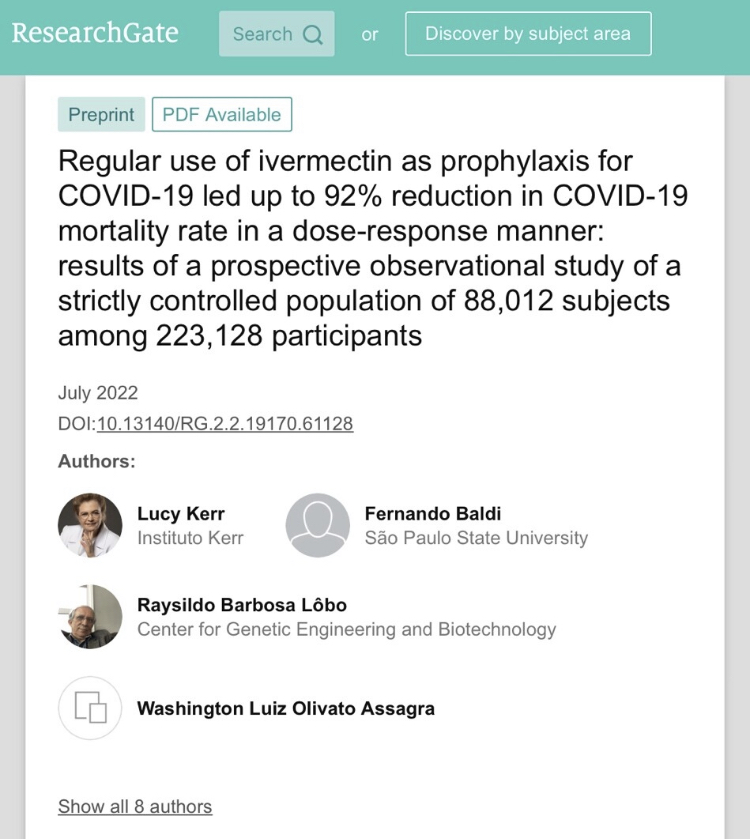
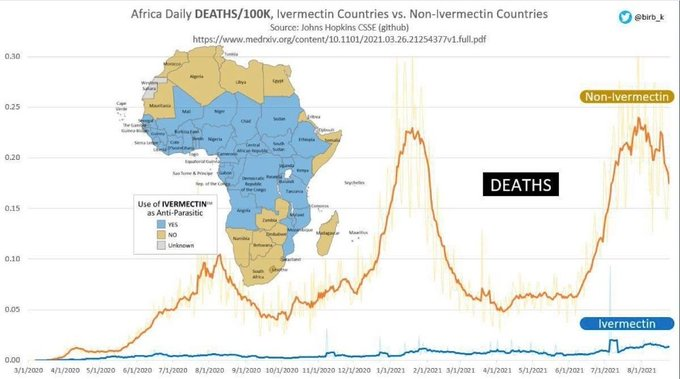
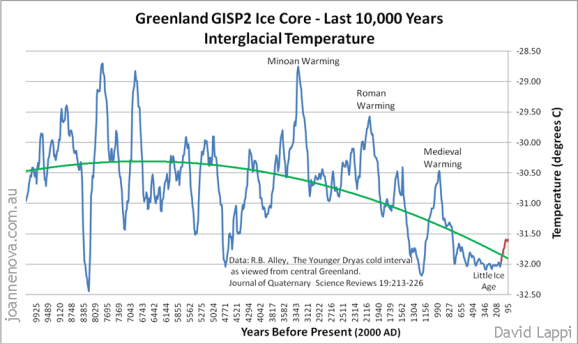
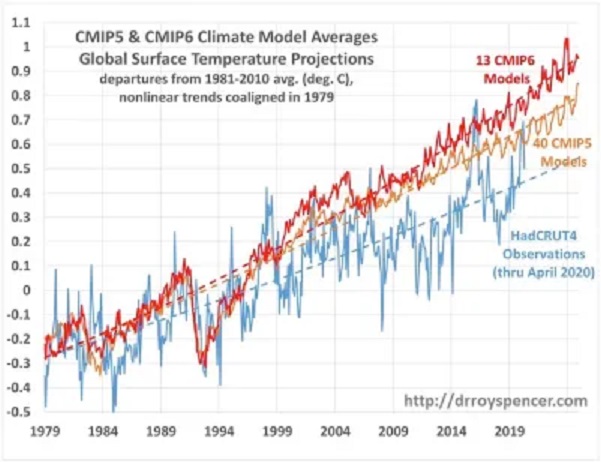
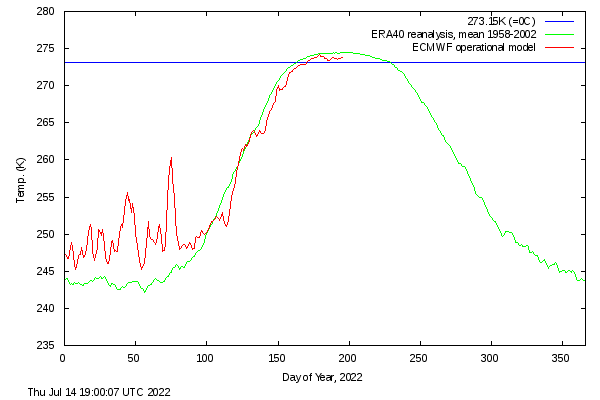
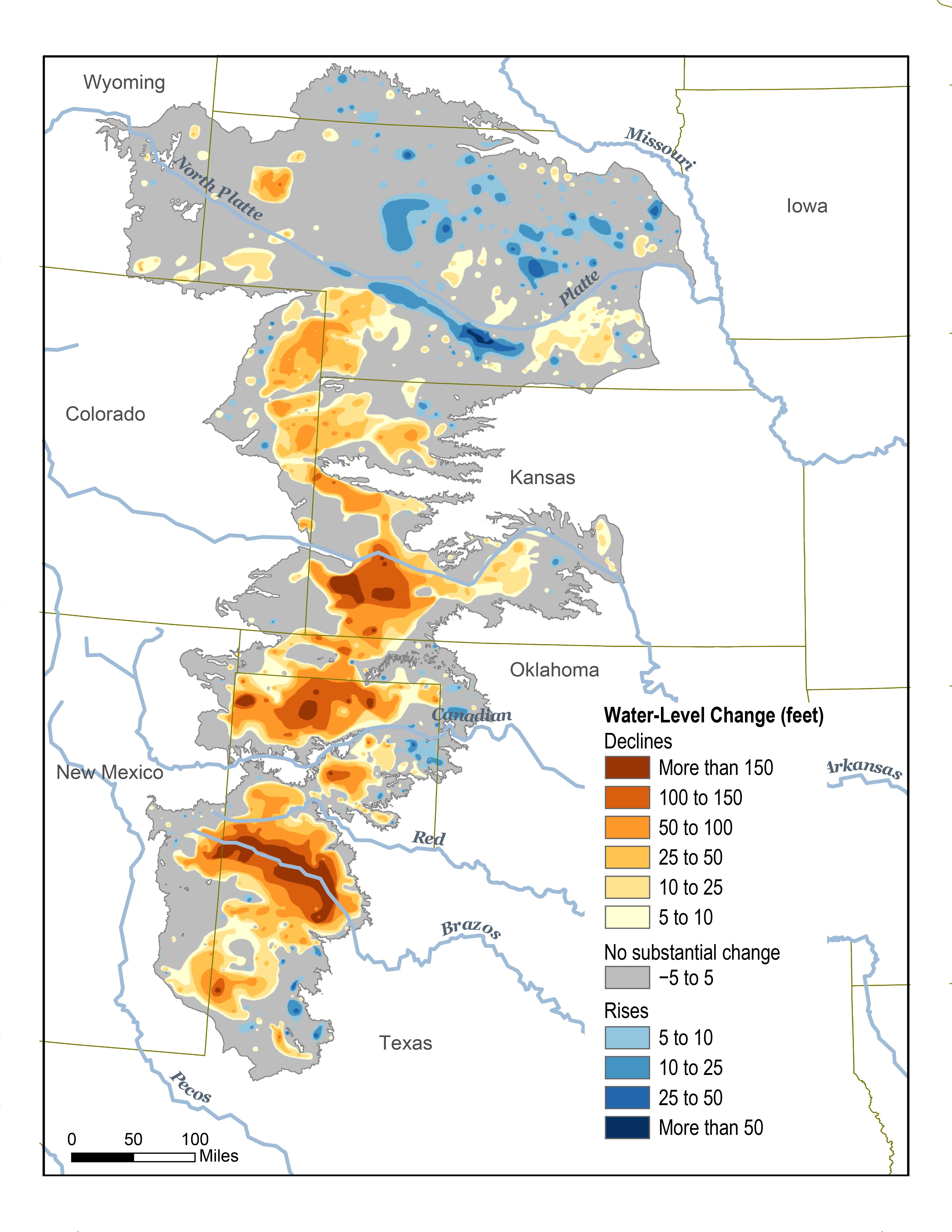
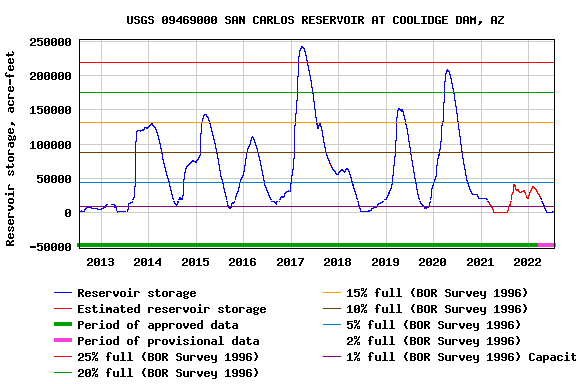
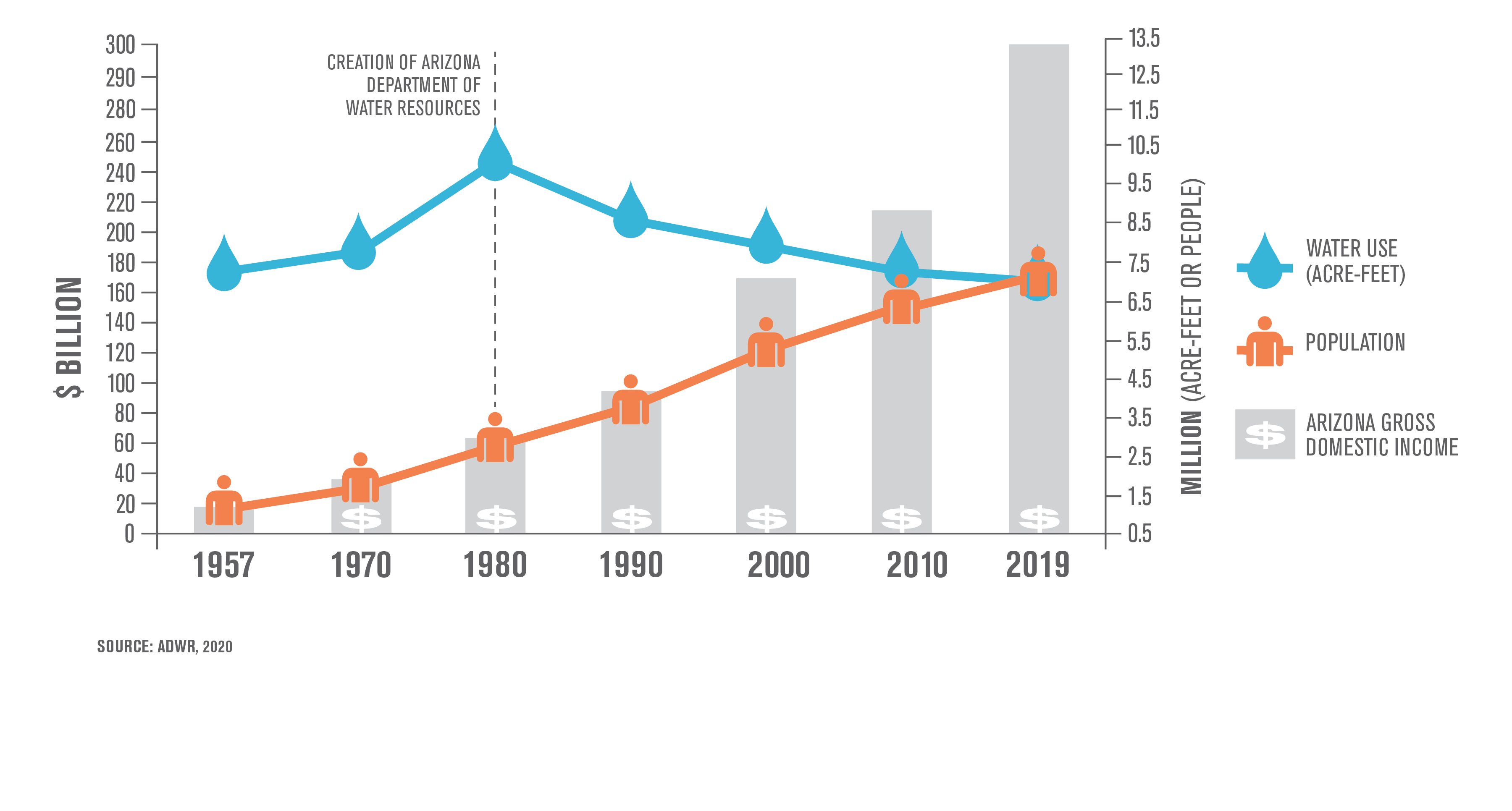
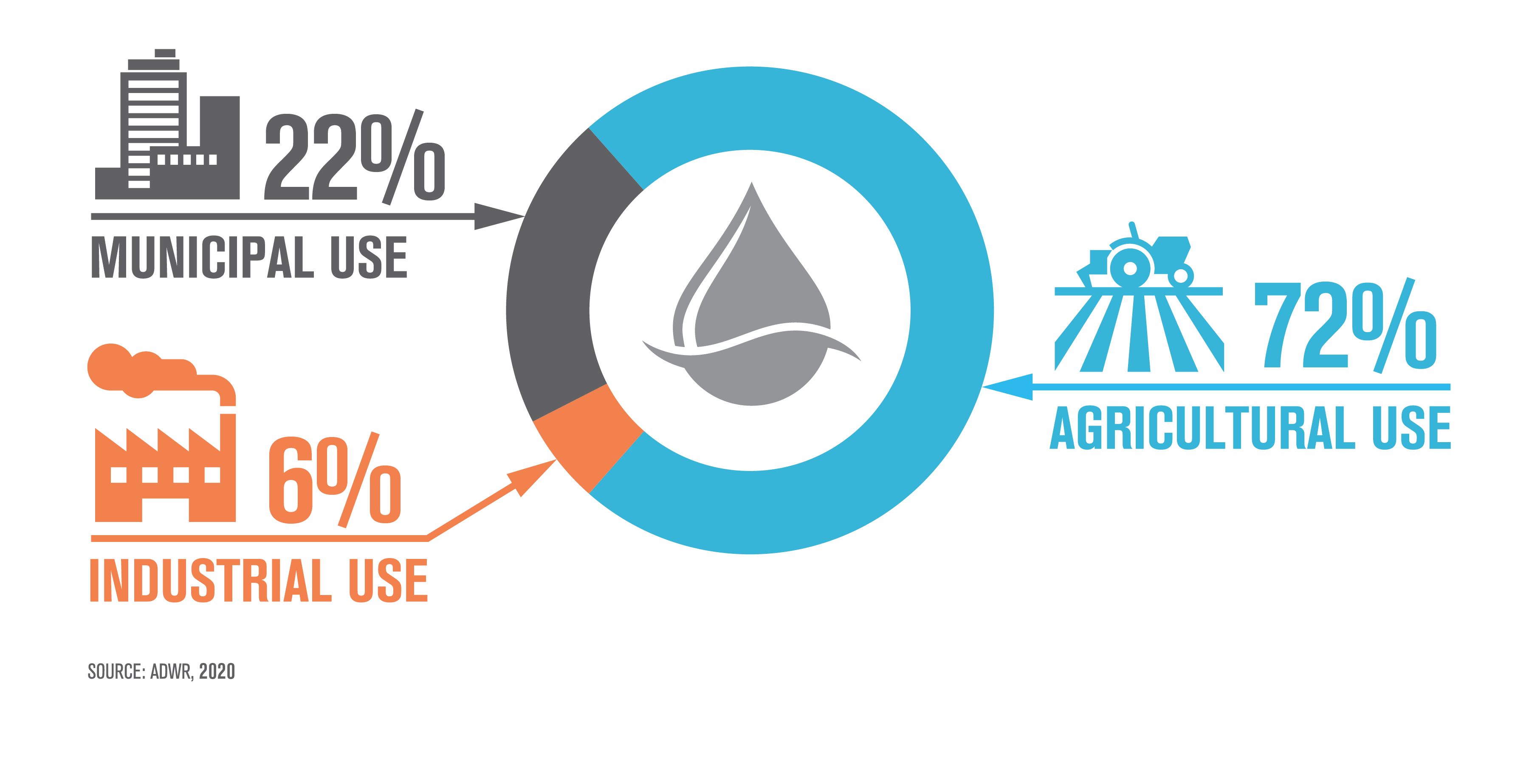
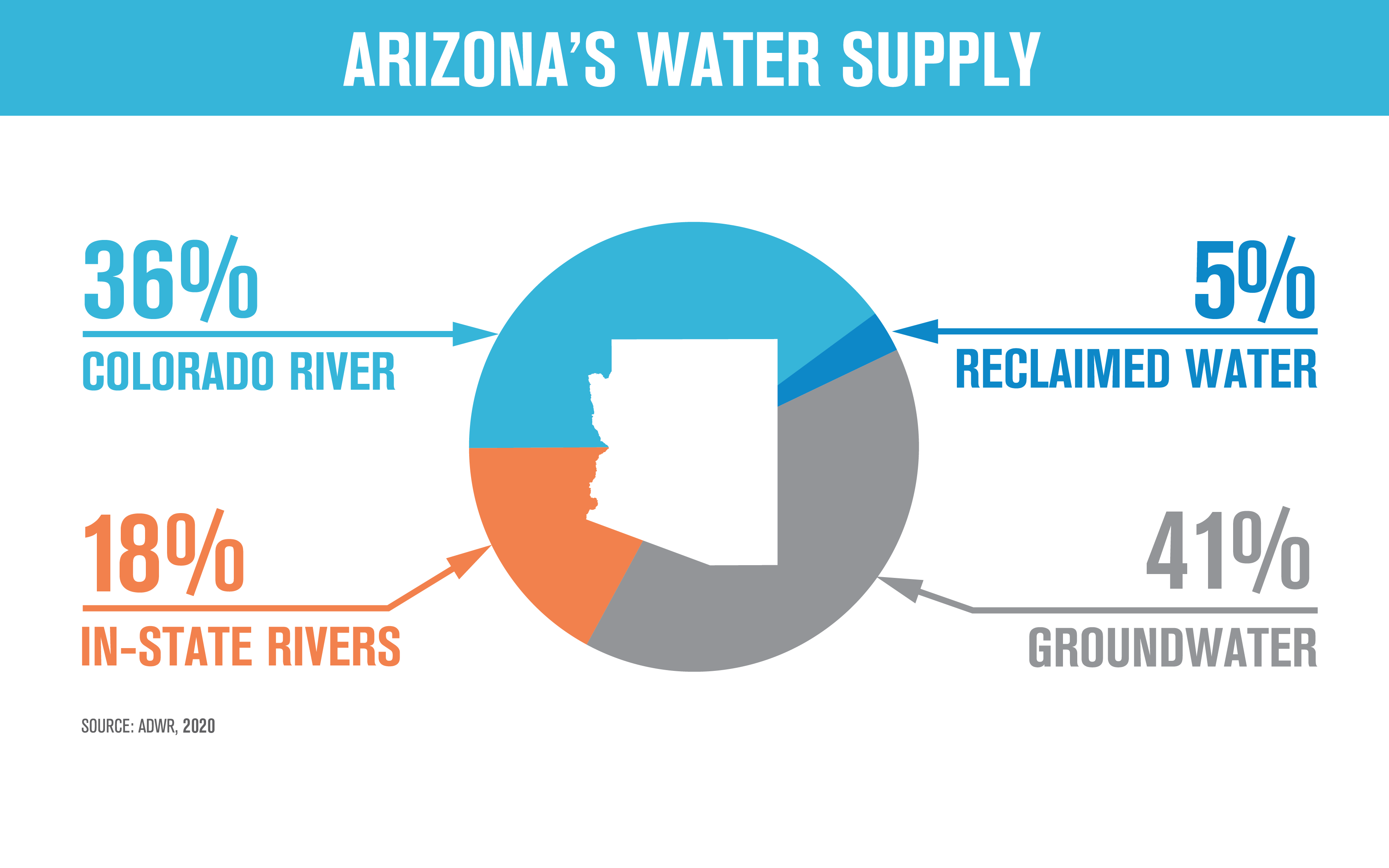
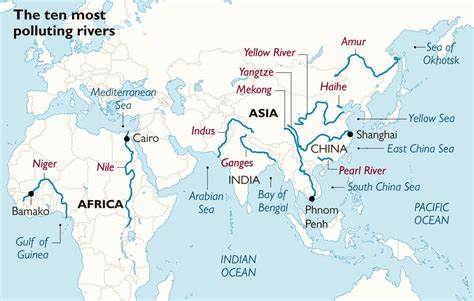
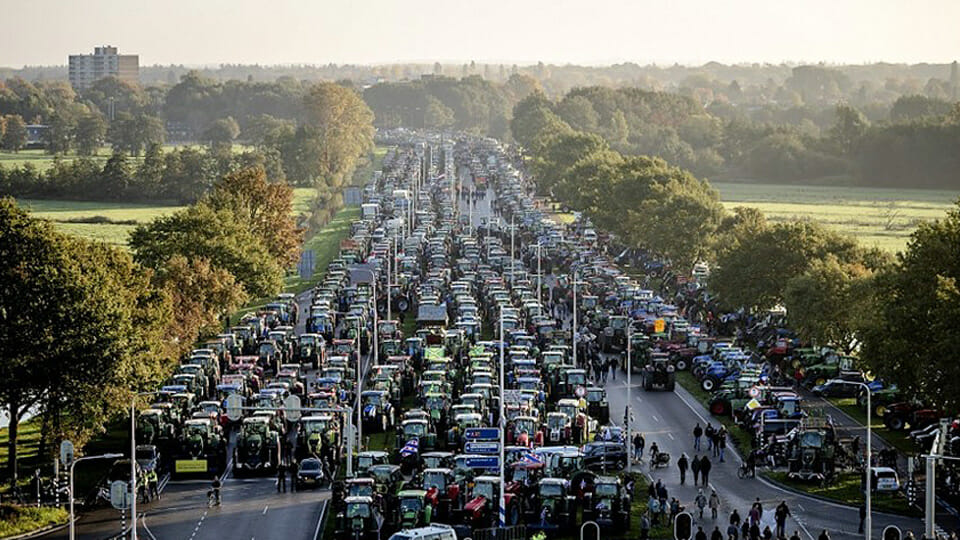
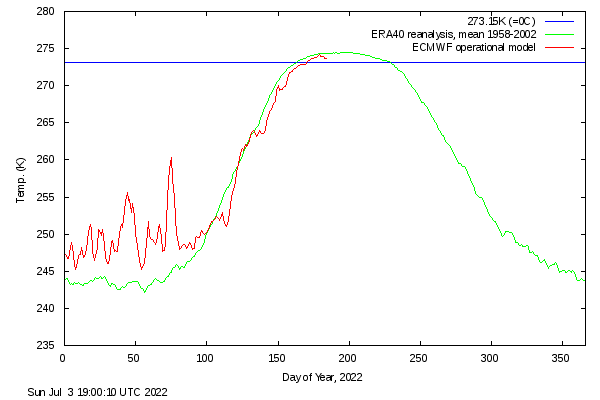
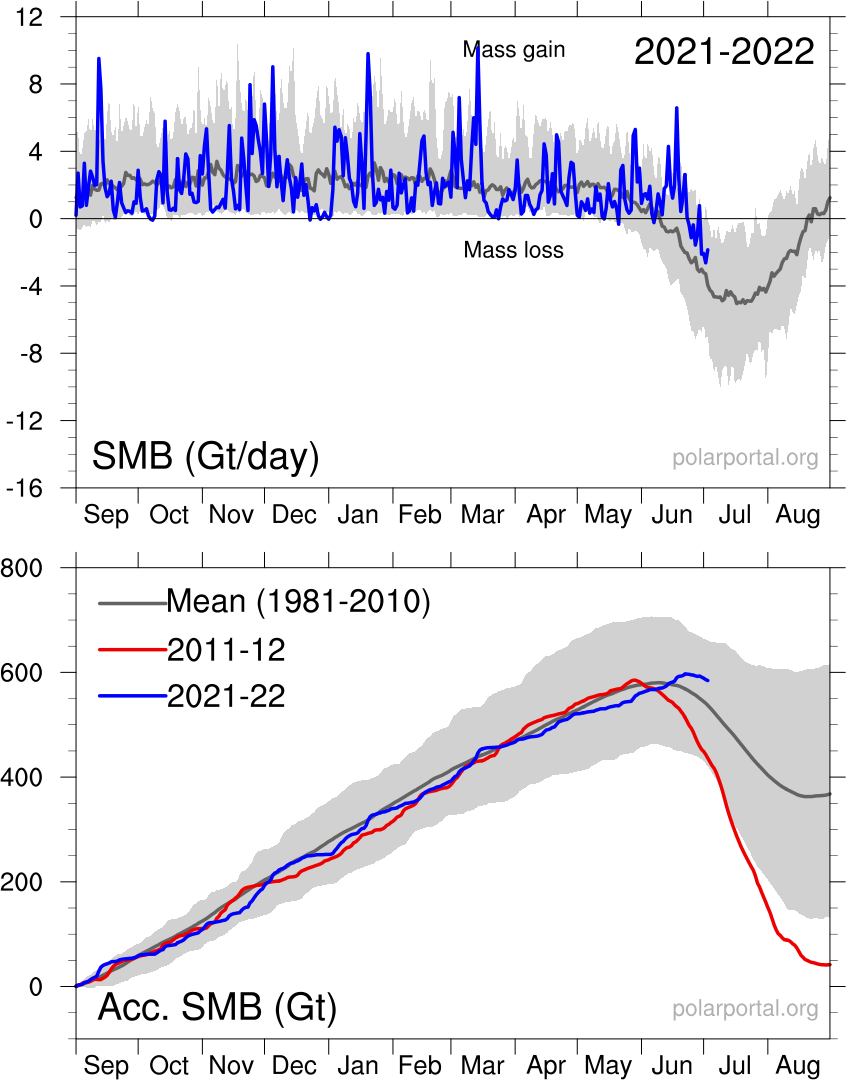
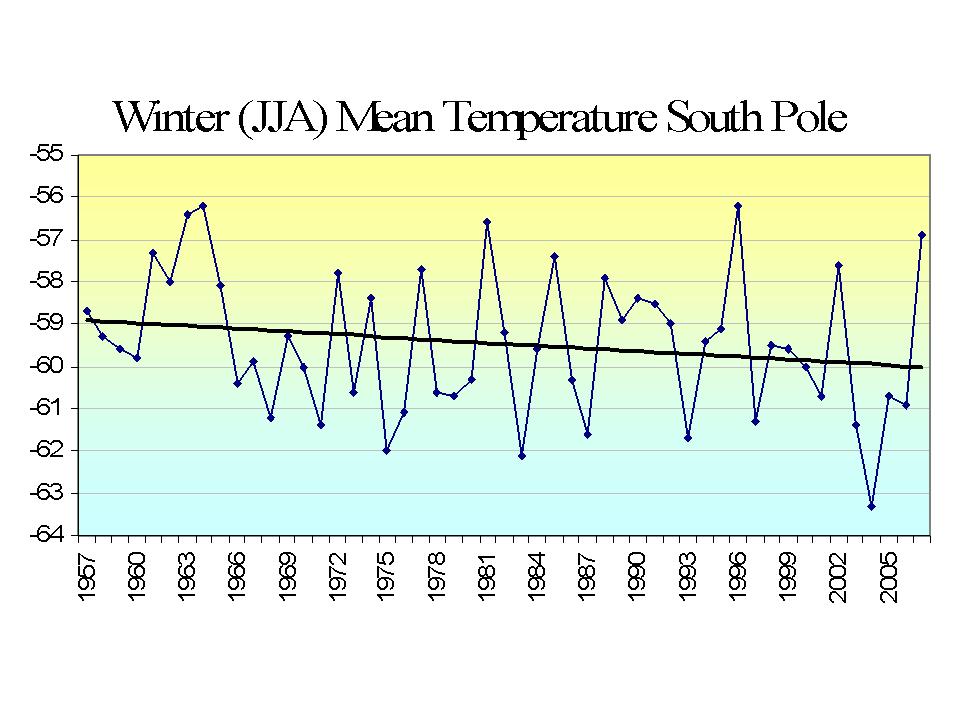
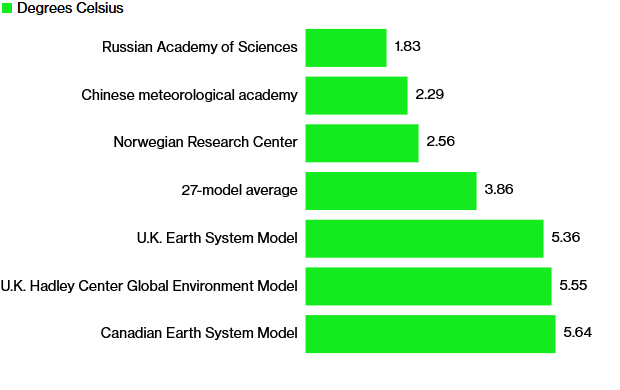
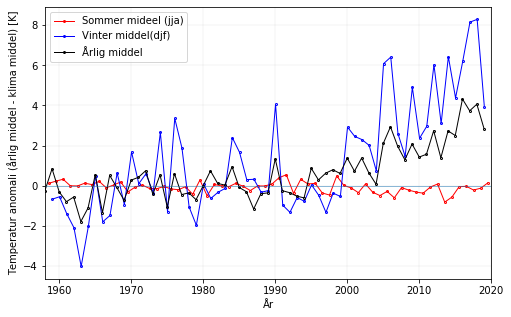
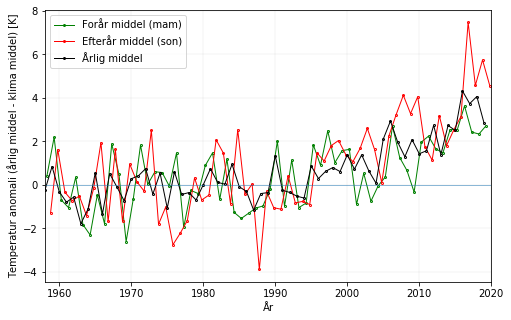
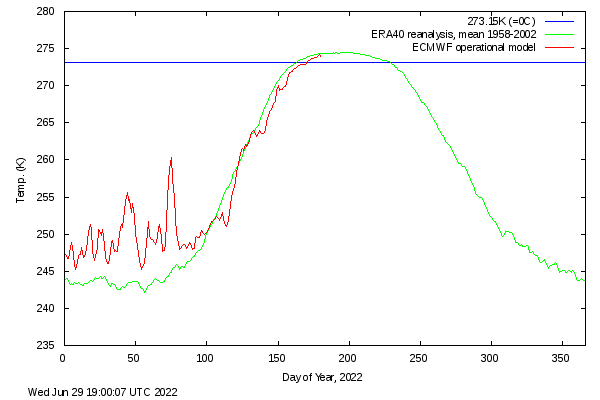
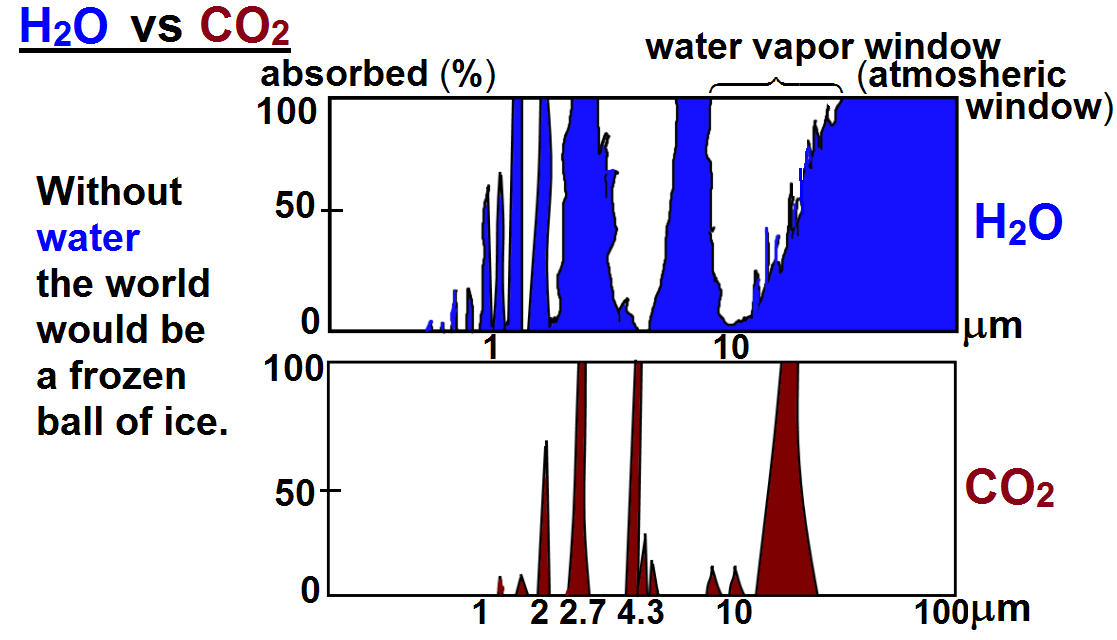
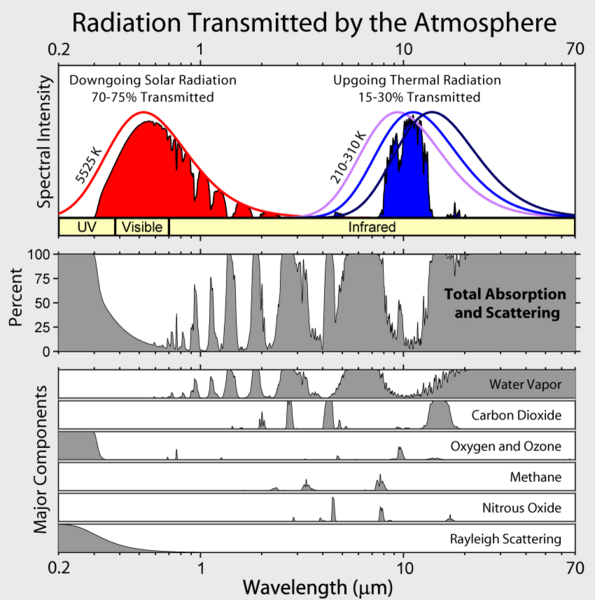
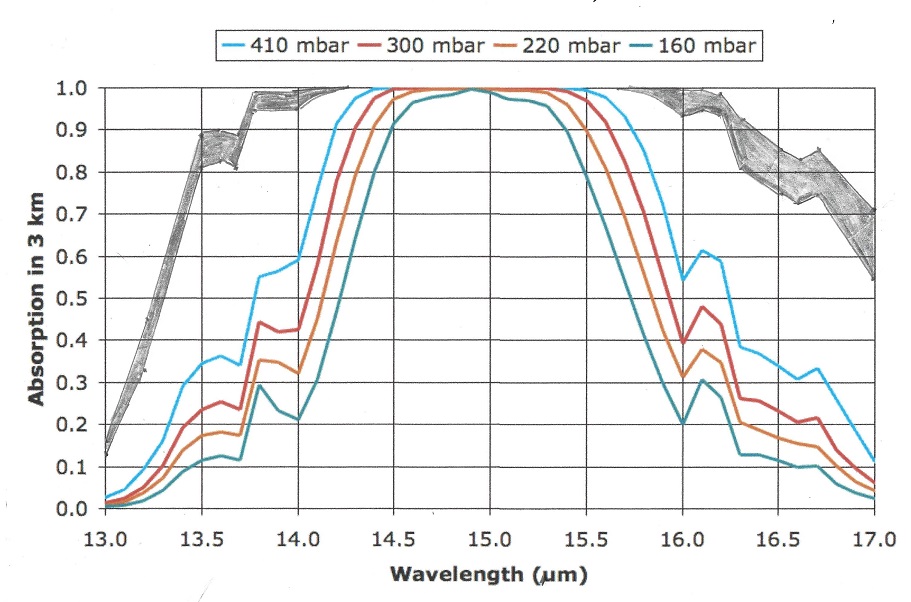
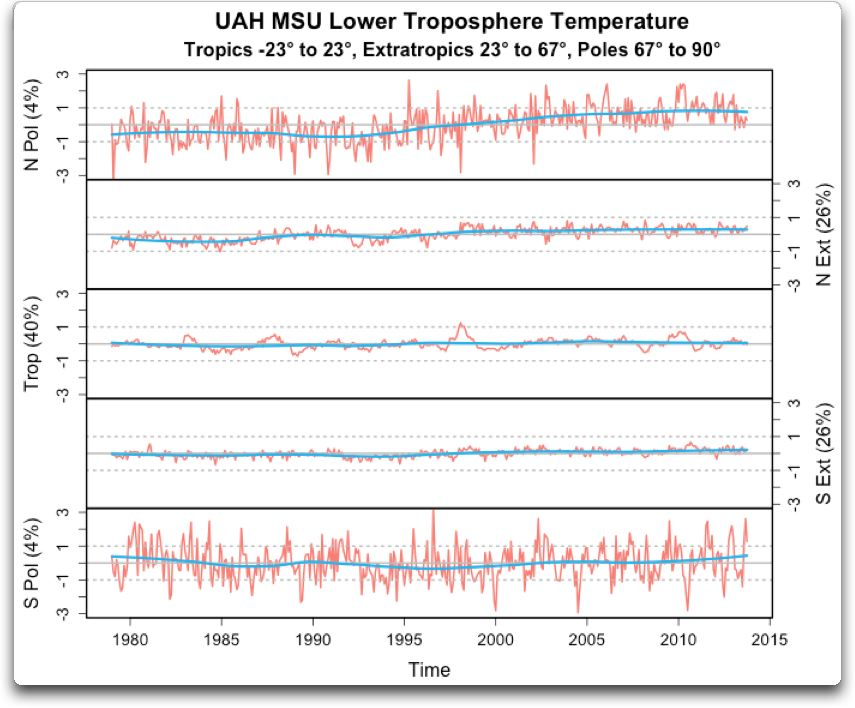
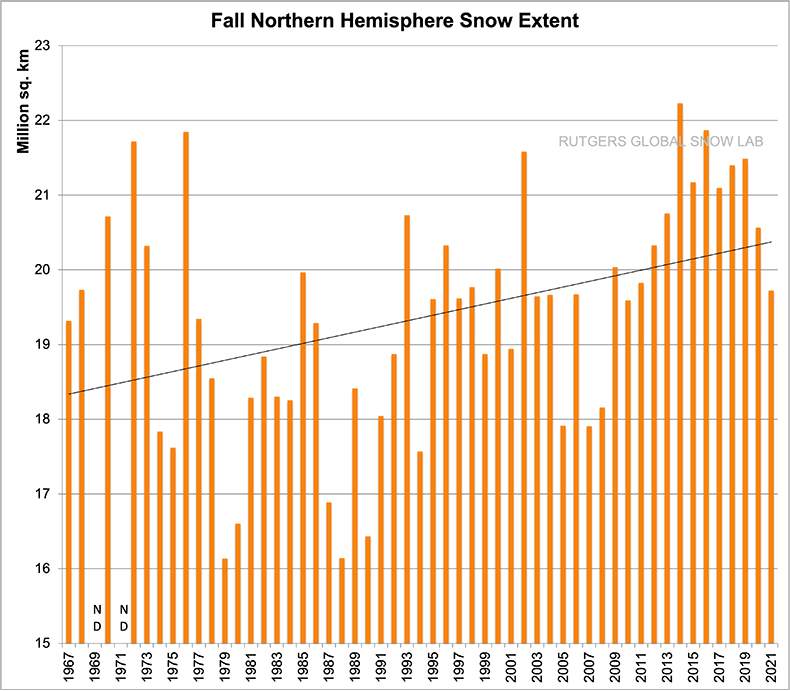
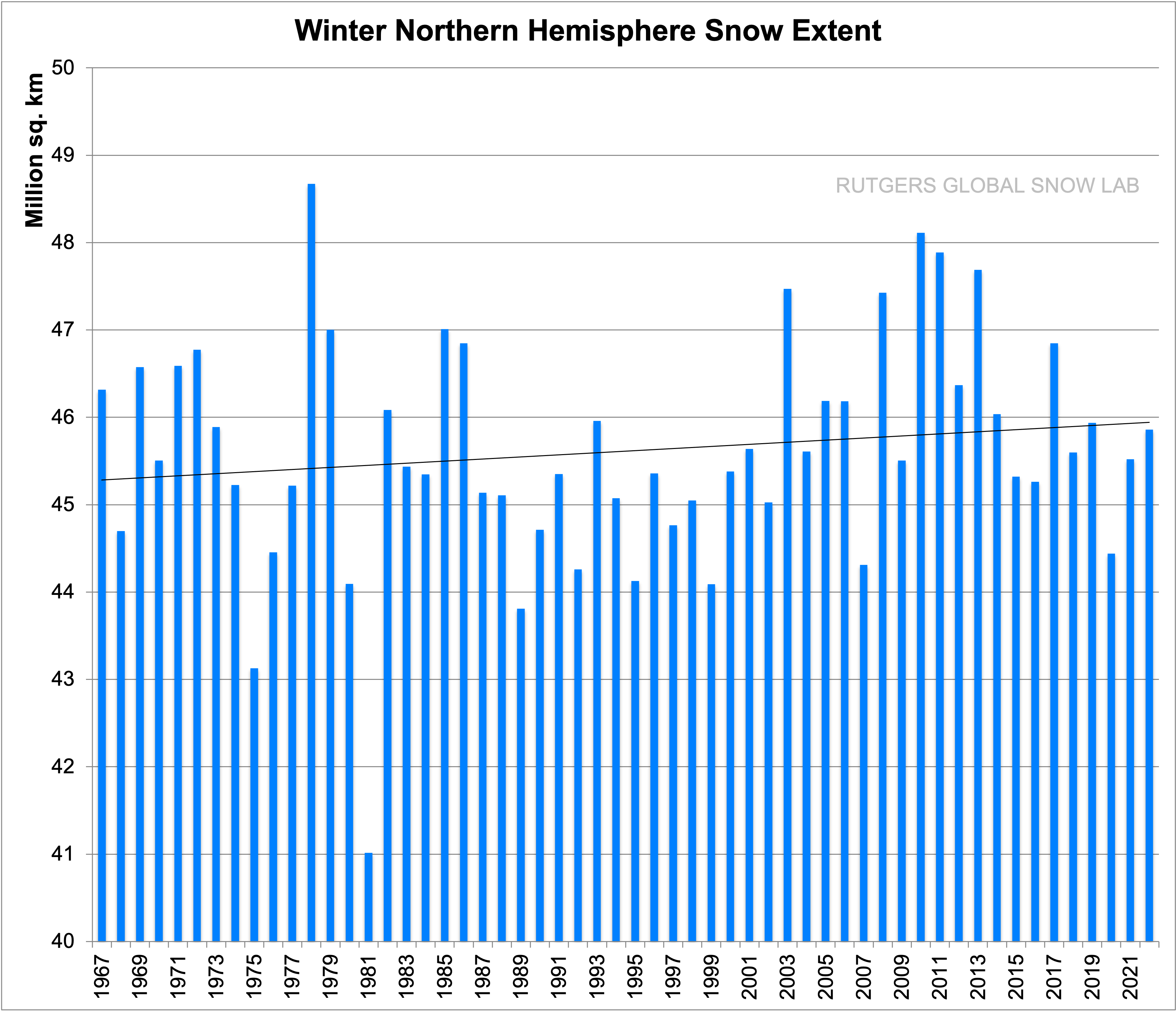
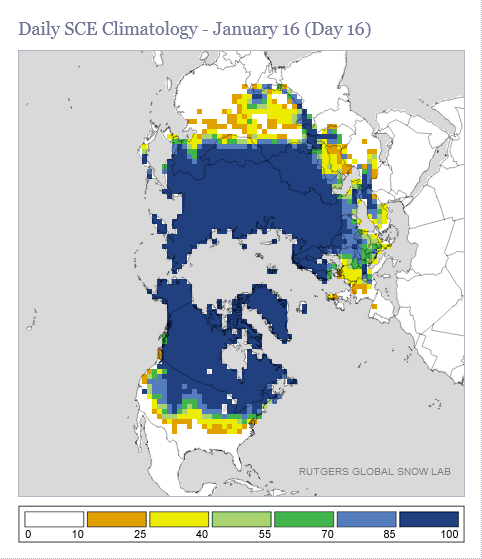
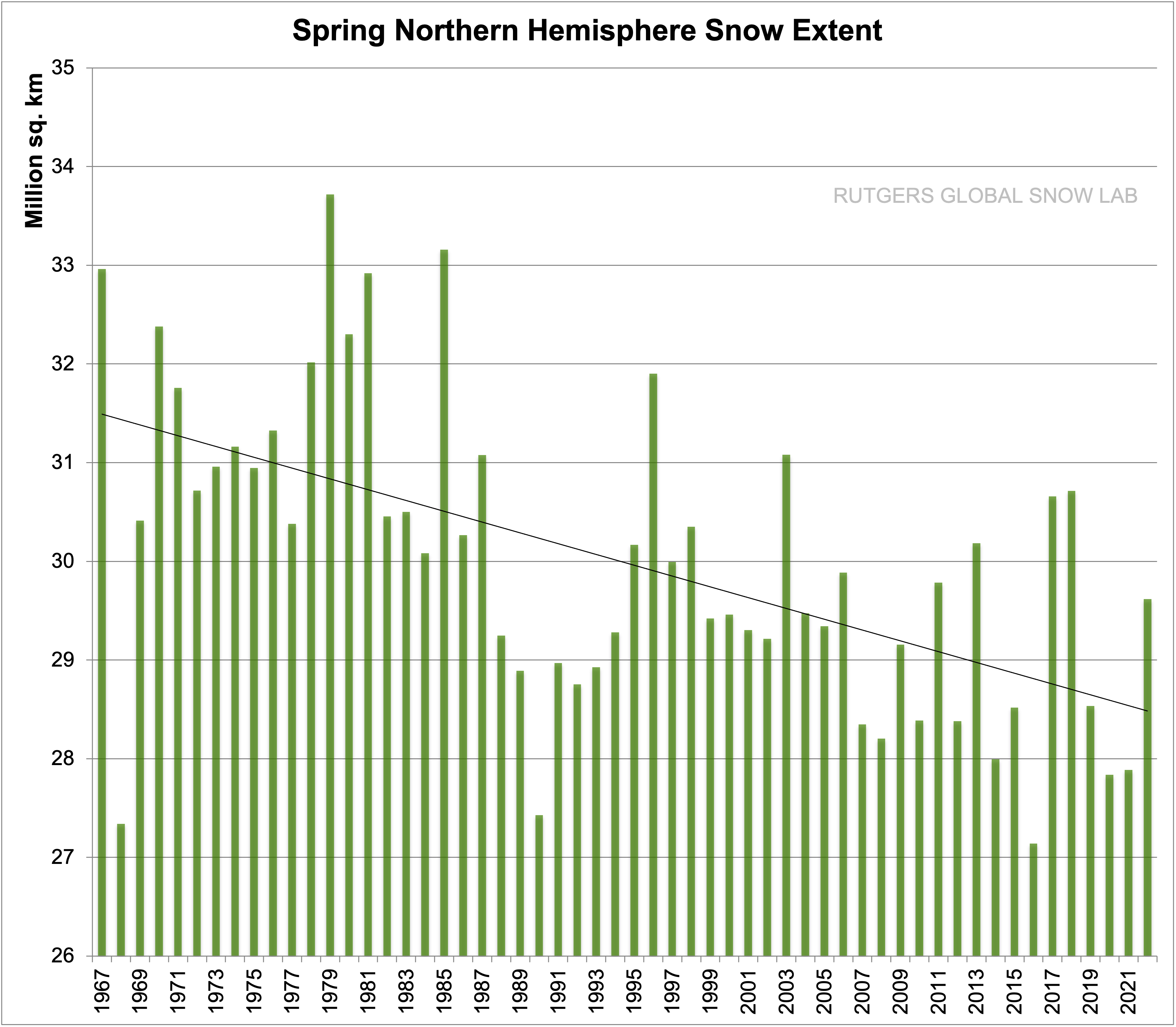
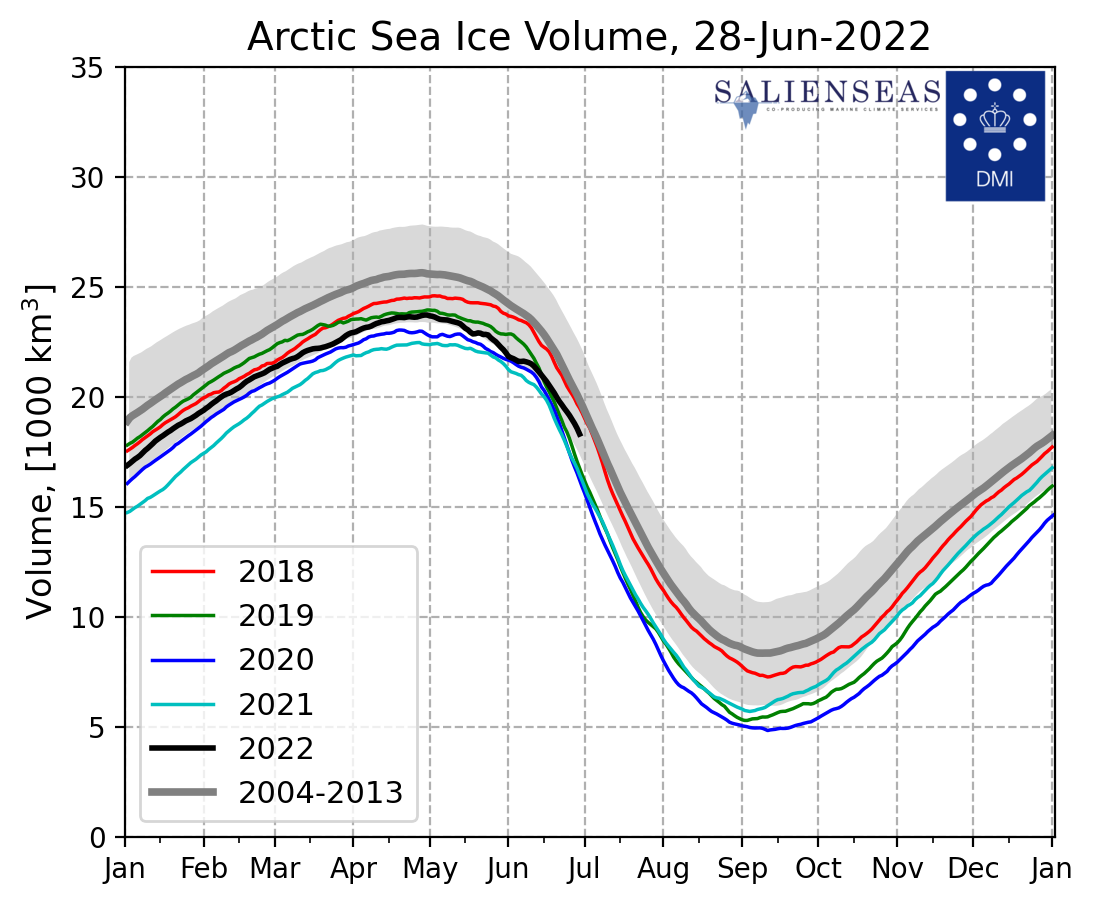
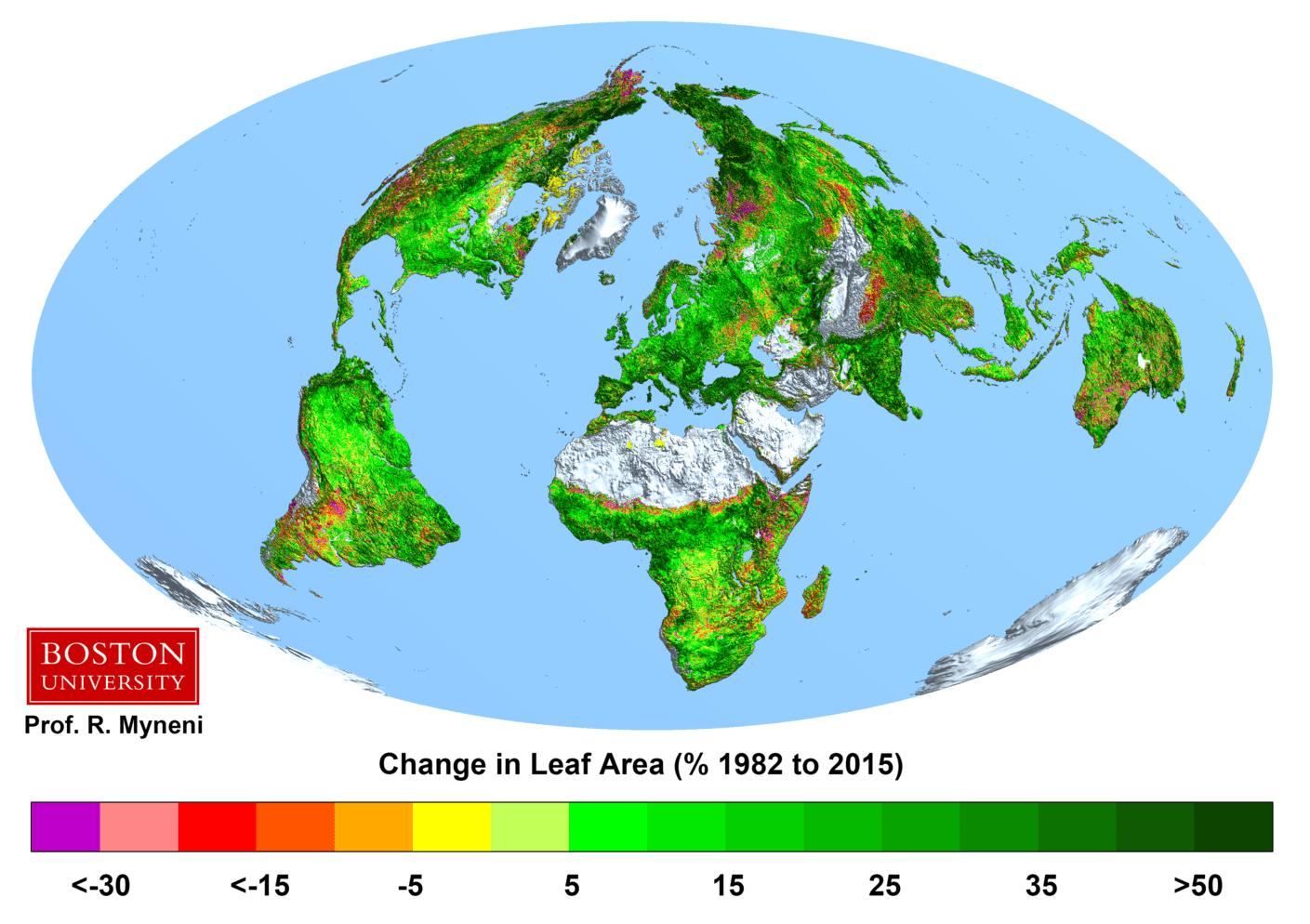
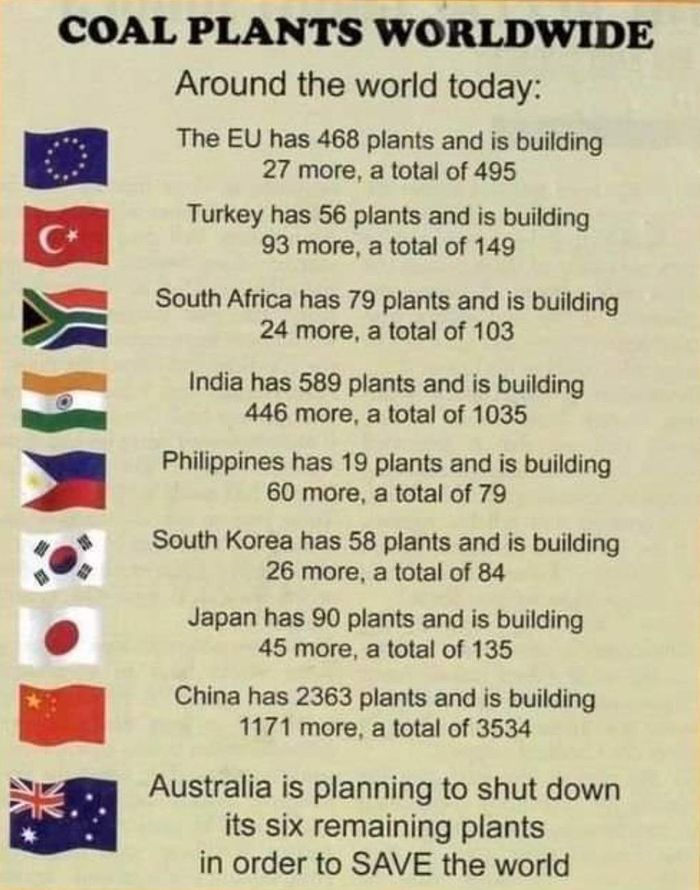
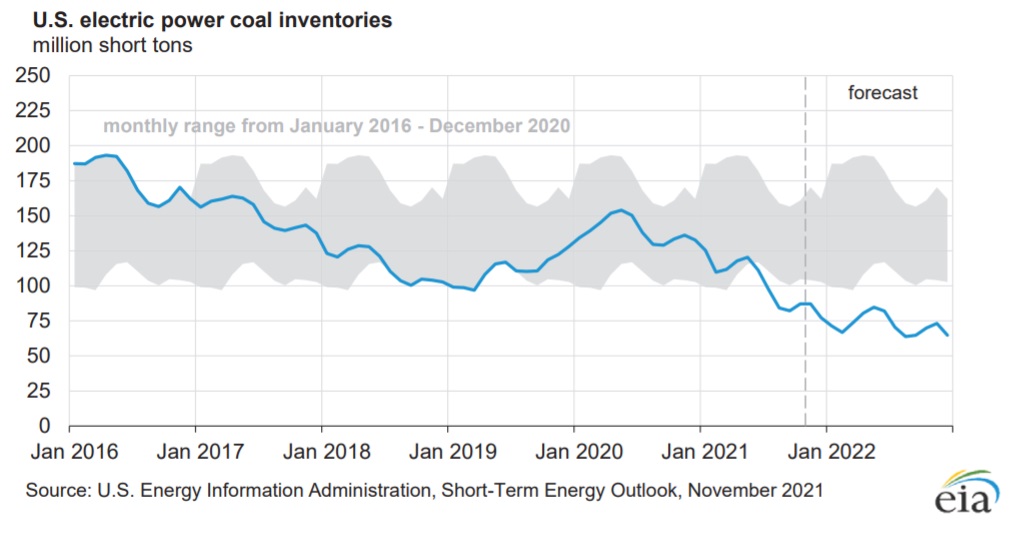

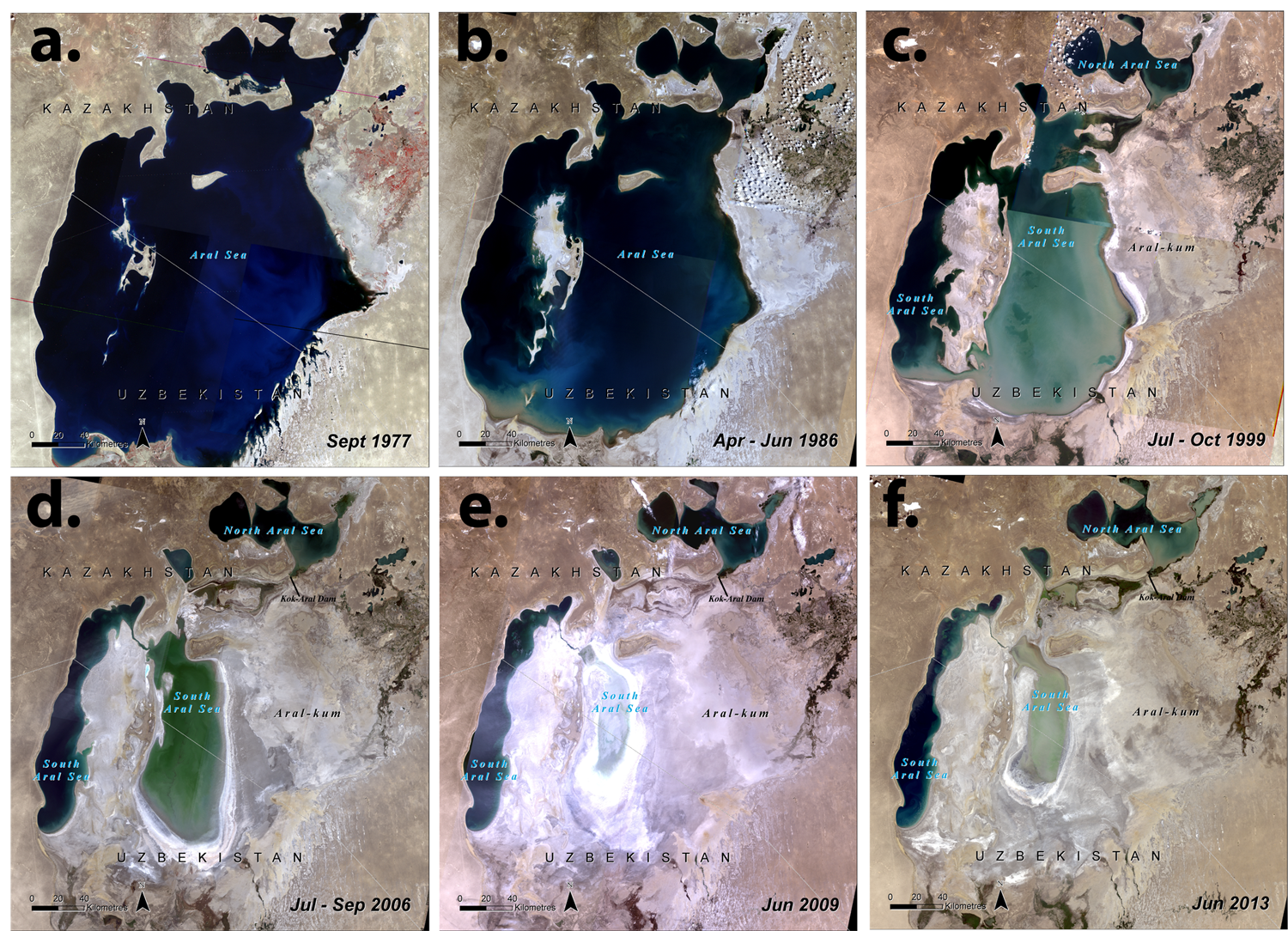
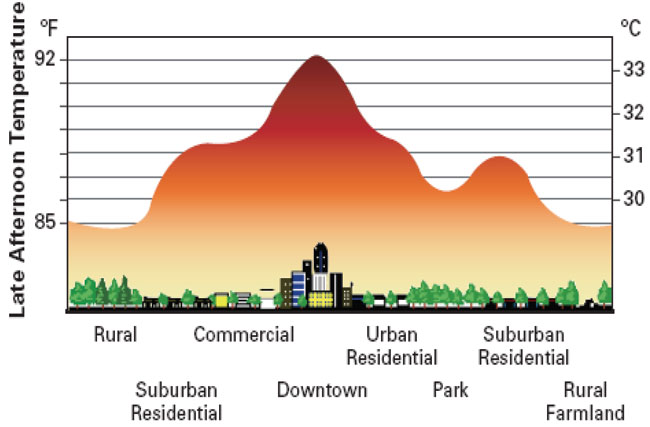
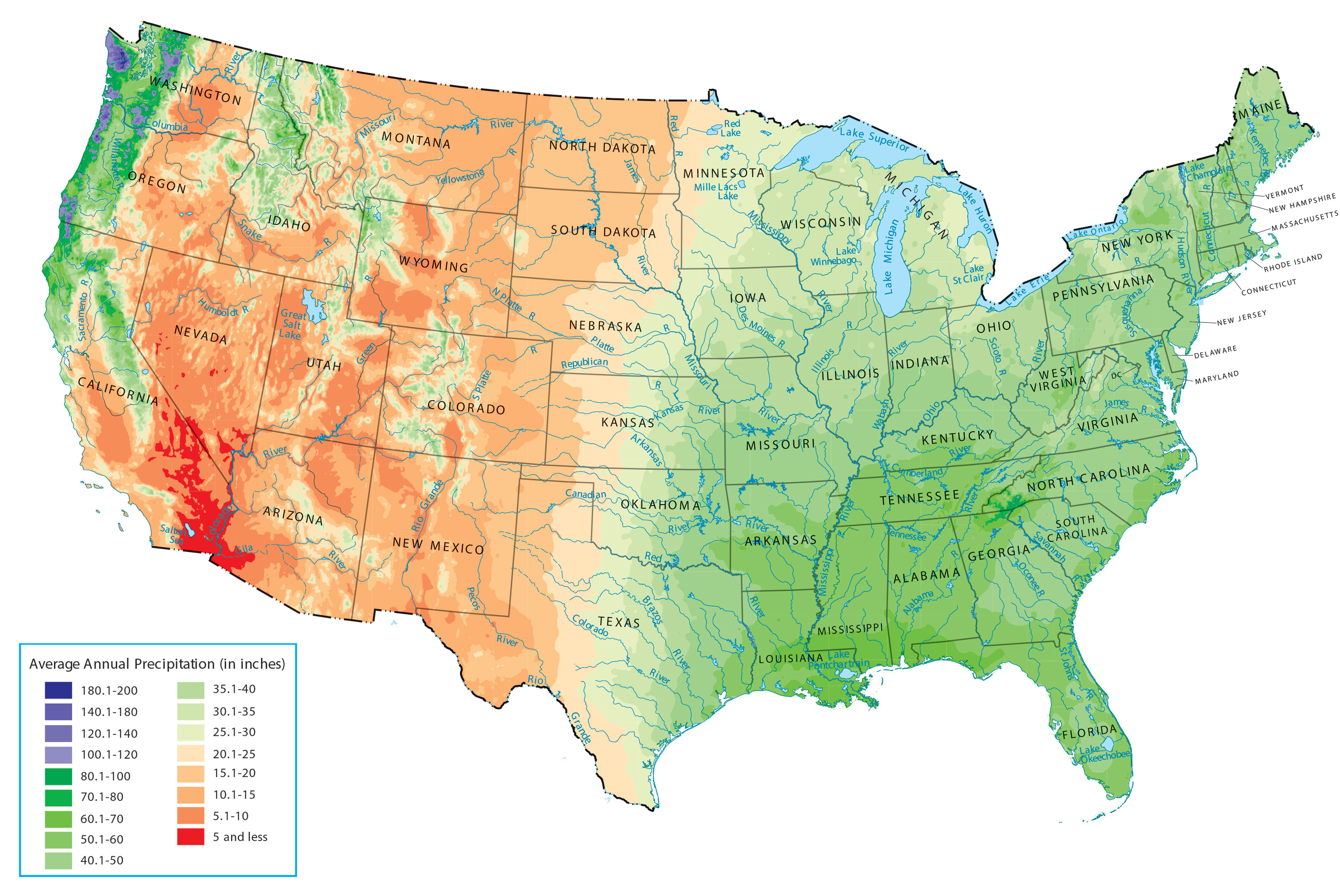
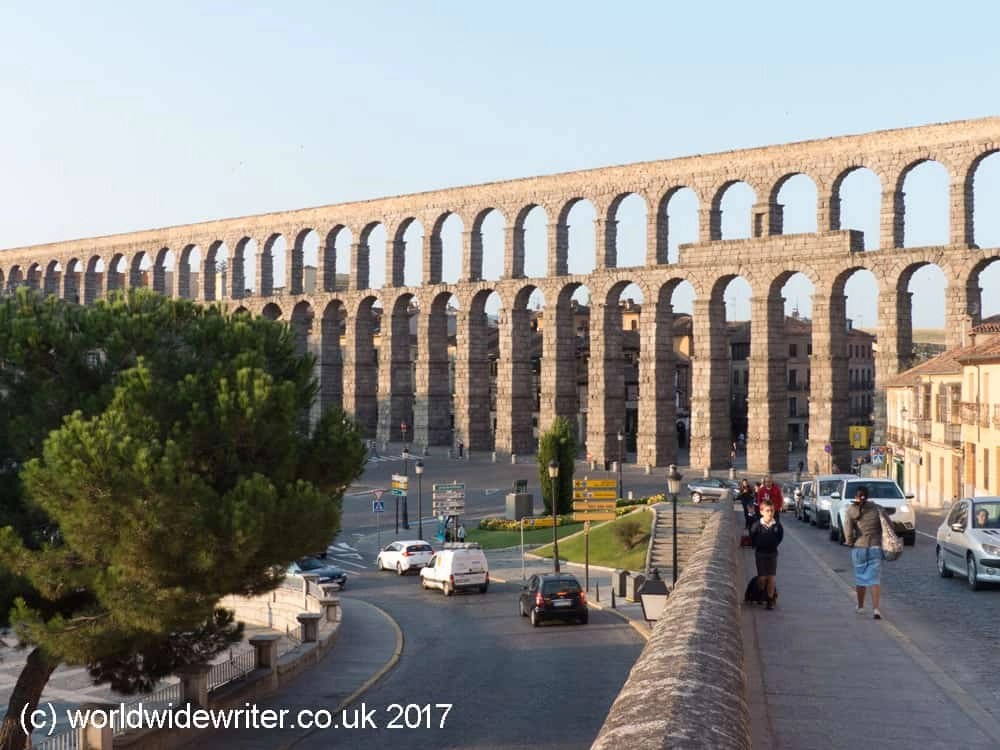

 Len Bilén's blog, a blog about faith, politics and the environment.