The American Southwest has always been subject to drought cycles, some worse than the one that is now devastating the area. Below is a very interesting presentation from ASU about a previous civilization in the Phoenix area, thriving and then gone.
Will it happen again?
The problem:
- Lake Mead will be emptied in less than 10 years with the current usage pattern. Then what?
- The hydroelectric power from Lake Mead (and Lake Powell) is diminishing as the lakes are emptied.
- the aquifers in Arizona, especially in the Phoenix and Tucson area, and to some extent New Mexico and the dry part of Texas are being drawn down and are at risk of being exhausted.
- The Salton Sea in the Imperial Valley of California is maybe the most polluted lake in all of U.S.A. It is even dangerous to breathe the air around it sometimes. The area contains maybe the largest Lithium deposit in the world.
- The Colorado River water is too salty for good irrigation .
- The Colorado river no longer reaches the Gulf of California. Fishing and shrimp harvesting around the Colorado River Delta is no more.
- 40 million people depend on the Colorado River for drinking water. The population is still rising rapidly in the West. Will they have water in the future?
- Except for California there is not much pumped Hydro-power storage in the American Southwest.
- Texas has plenty of wind power, but no pumped hydro-power storage. This makes it difficult to provide peak power when the sun doesn’t shine and the wind doesn’t blow. Nuclear power is of no help, it provides base power only. Peak power has to come from coal and natural gas plants.
- New Mexico has some ideal spots for solar panels, but no water is available for pumped storage.
- Arizona has a surging population, wind and solar power locations are abundant, but no pumped hydro-power storage.
- Arkansas and Oklahoma have a good barge traffic system. This proposal will increase flood control and improve barge traffic by increasing the maximum barge draft from 9 feet to 12 feet and during dry periods reverse the flow of the Arkansas River. The Arkansas river yearly water flow is nearly double that of the Colorado River.
The solution:
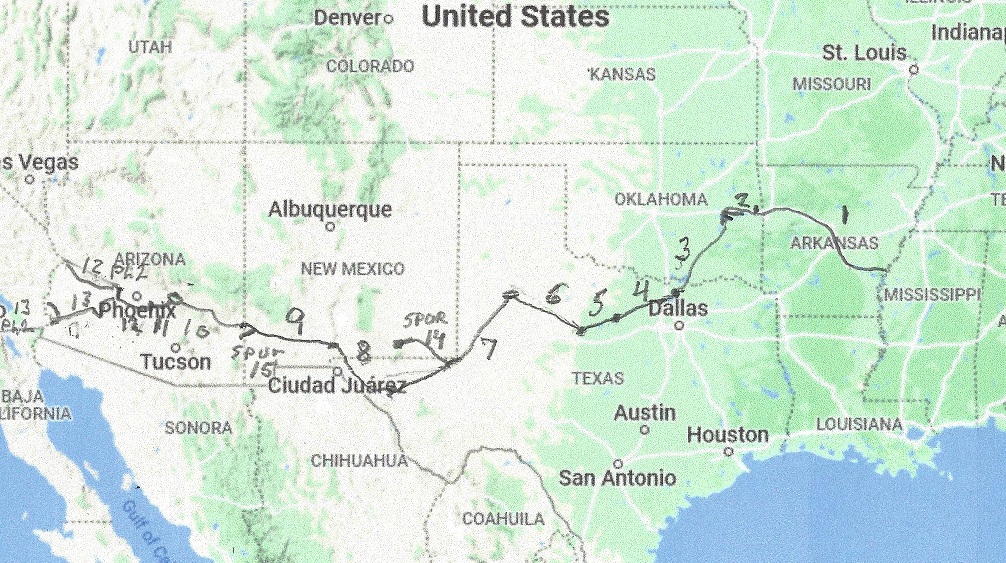
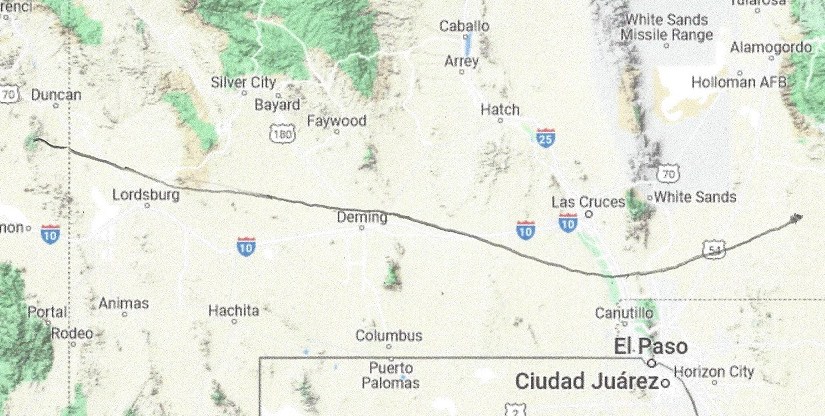
Build a transcontinental aqueduct from the Mississippi River to the Colorado River capable of transporting 12 million acre-ft of water yearly through Arkansas, Oklahoma, Texas, New Mexico and Arizona. It will be built similar to the Central Arizona Project aqueduct, supplying water from the Colorado river to the Phoenix and Tucson area, but this aqueduct will be carrying four times more water over four times the distance and raise the water nearly twice as high before returning to near sea level. The original Central Arizona Project cost $4.7 billion in 1980’s money, the Transcontinental Aqueduct will in Phase 1 cost around $200 Billion in 2022 money applying simple scaling up principles.
The Mississippi River has a bad reputation for having polluted water, but since the clean water act the water quality has improved drastically. Fecal coli-form bacteria is down by a factor of more than 100, the water is now used all the way down to New Orleans for drinking water after treatment. The lead levels are down by a factor of 1000 or more since 1979. Plastic pollution and pharmaceutical pollution is still a problem, as is the case with most rivers. The Ph is back to around 8 and salt content is negligible. Mississippi water is good for irrigation, and usable for drinking water after treatment. The Arkansas River is used as a drinking water source.
But the aqueduct will do more than provide sweet Mississippi water to the thirsty South-west, it will make possible to provide peak power to Texas, New Mexico and Arizona. In fact, it is so big it will nearly triple the pumped Hydro-power storage for the nation, from 23 GW for 5 hours a day to up to 66 GW when fully built out.
The extra pumped hydro-power storage will come from a number of dams built as part of the aqueduct or adjacent to it. The water will be pumped from surplus wind and solar power generators when available. This will provide up to 50 GW of power for 5 hours a day. If not enough extra power has been generated during the 19 pumping hours, sometimes power will be purchased from the regular grid. The other source of pumped hydro-power storage is virtual. There will be up to 23 GW of LFTR (Liquid Fluoride salt Thorium Rector) power stations strategically stationed along the waterway providing pumping of water for 19 hours and providing virtual hydro-power output for the remaining 5, when the aqueduct is fully built.
These 43 GW of hydro-power capacity will be as follows: Oklahoma, 0.2 GW; Texas, 18,5 GW (right now, Texas has no hydro-power storage, but plenty of wind power); New Mexico, 10.5 GW; Arizona 13.6 GW. In Addition, when the Transcontinental Aqueduct is fully built out, the Hoover dam can provide a true 2.2 GW hydro-power storage by pumping water back from Lake Mojave; a 3 billion dollar existing proposal is waiting to be realized once Lake Mead is saved.
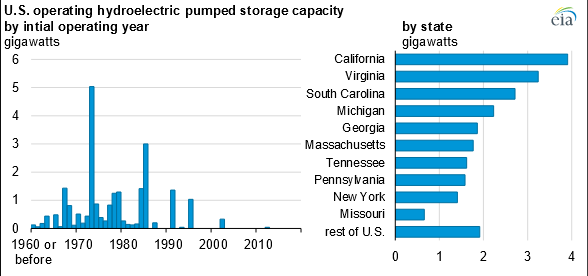
The amount of installed hydroelectric power storage is:
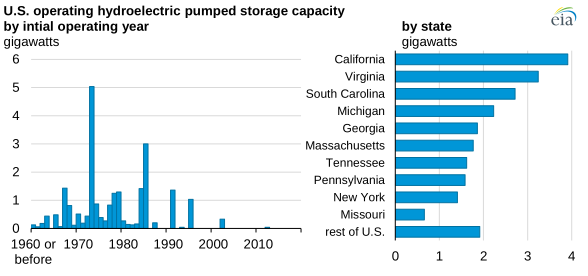
Most hydroelectric pumped storage was installed in the 70’s. Now natural gas plants provide most of the peak power. This aqueduct will more than double, triple the U.S. pumped peak storage if virtual peak storage is included. By being pumped from surplus wind and solar energy as well as nuclear energy it is true “Green power”. Some people like that.
What follows is a description of each leg of the aqueduct. Each leg except legs 9 and 10 ends in a dam, which holds enough water to make each leg free to operate to best use of available electricity and provide peak power on demand.
Leg 1 of the Trans-Continental aqueduct. From the Mississippi river to the Robert S. Kerr Lock and dam on the Arkansas River. Total length 15miles of aqueduct and 305 miles of river. Cost of water 300 kWh per acre-ft.
Leg 2 of the Transcontinental Aqueduct: From the Robert S. Kerr Lock and dam to the Eufaula Dam on the Canadian River. Total length 42 miles of lake and river. Cost of water 585 kWh per acre-ft.
Leg 3 of the Transcontinental aqueduct. From the Eufaula Dam to Ray Roberts Lake. Total length 42 miles of lake and 125 miles of aqueduct. Cost of water 900 kWh per acre-ft.
Leg 4 of the Transcontinental Aqueduct. From Lake Ray Roberts to the Brad Dam (to be built). Total length 205 miles of aqueduct. Cost of water 1735 kWh per acre-ft.
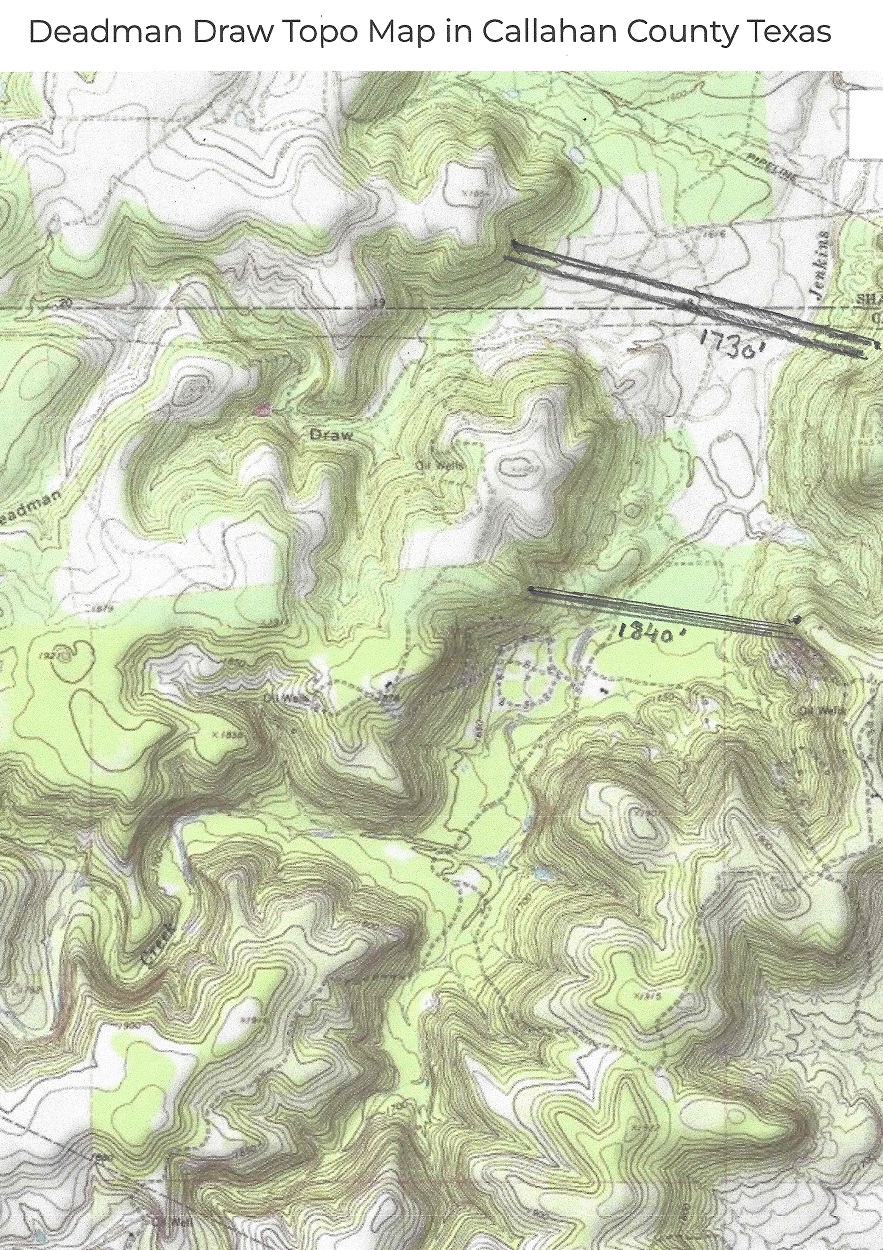
Leg 5 of the Transcontinental aqueduct. From Brad dam to Deadman Draw dam and pumped storage power plant. Total length 5 miles of lake and 60 miles of aqueduct. Cost of water 2425 kWh per acre-ft. In Phase 2 can provide up to 4 GW of pumped storage power.
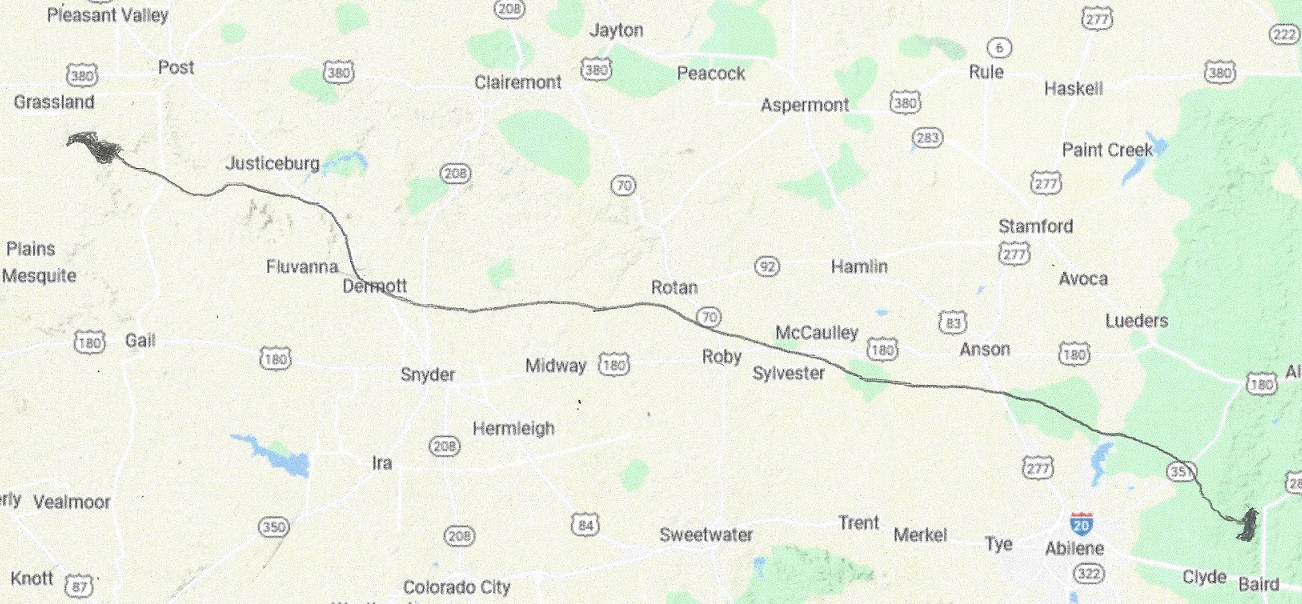
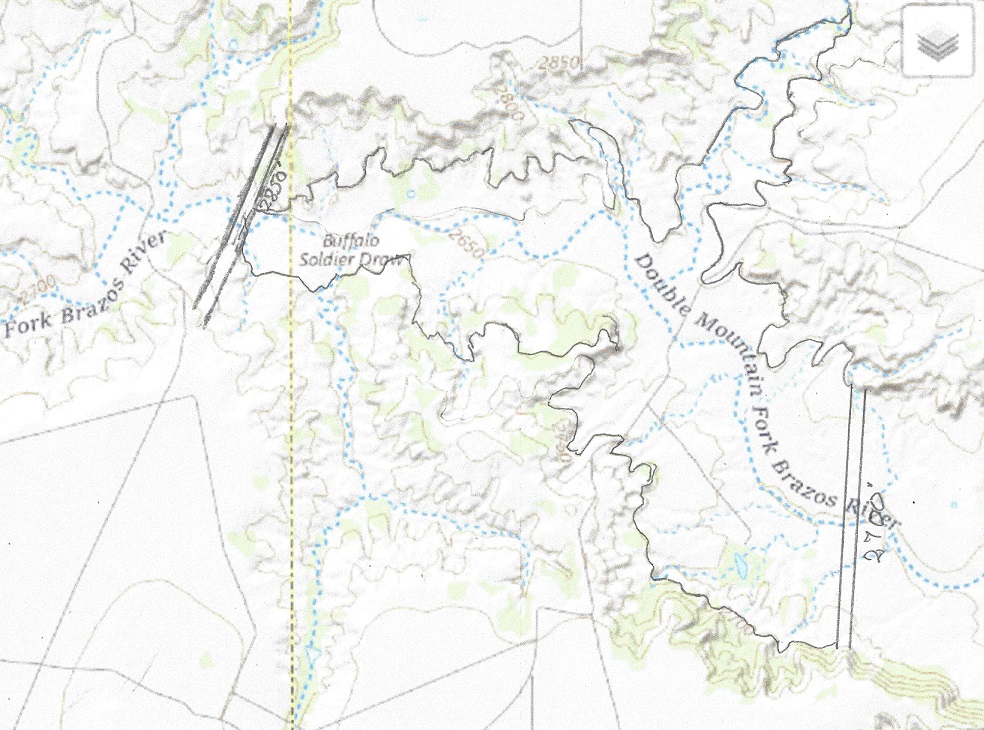
Leg 6 of the Transcontinental aqueduct. From Deadman Draw dam and pumped storage power plant to Buffalo Soldier Draw dam and optional pumped storage plant.Total length 205 miles of aqueduct. Cost of water 3711 kWh per acre-ft.In Phase 2 can provide up to 4.8 GW of pumped storage power.
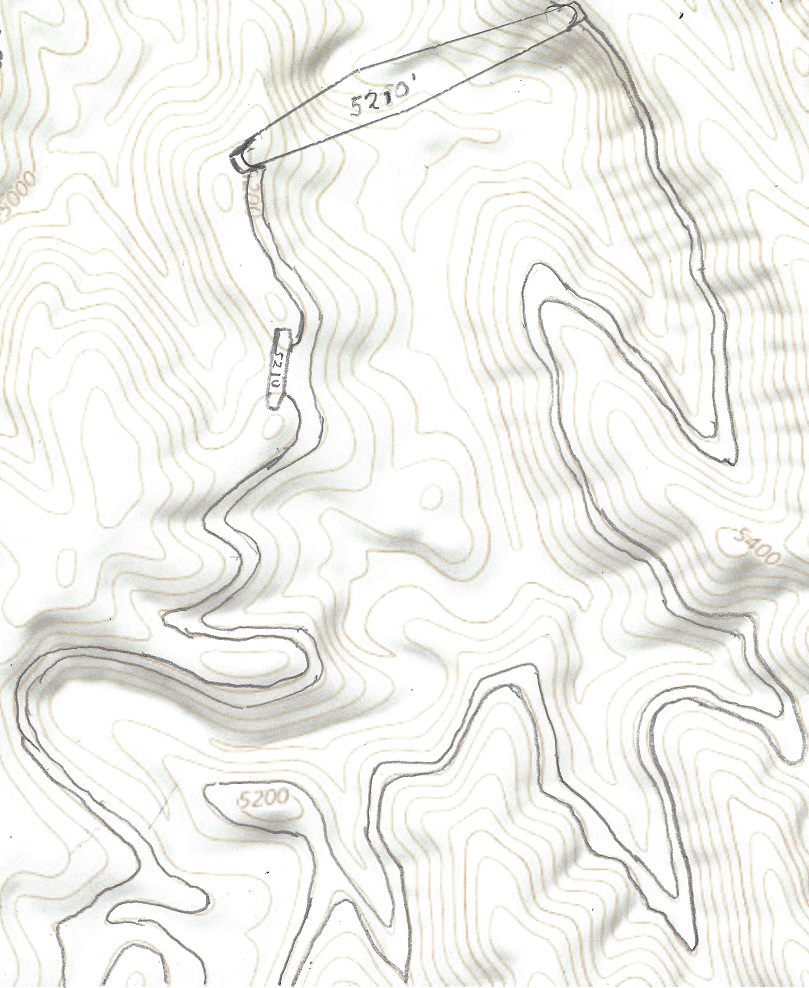
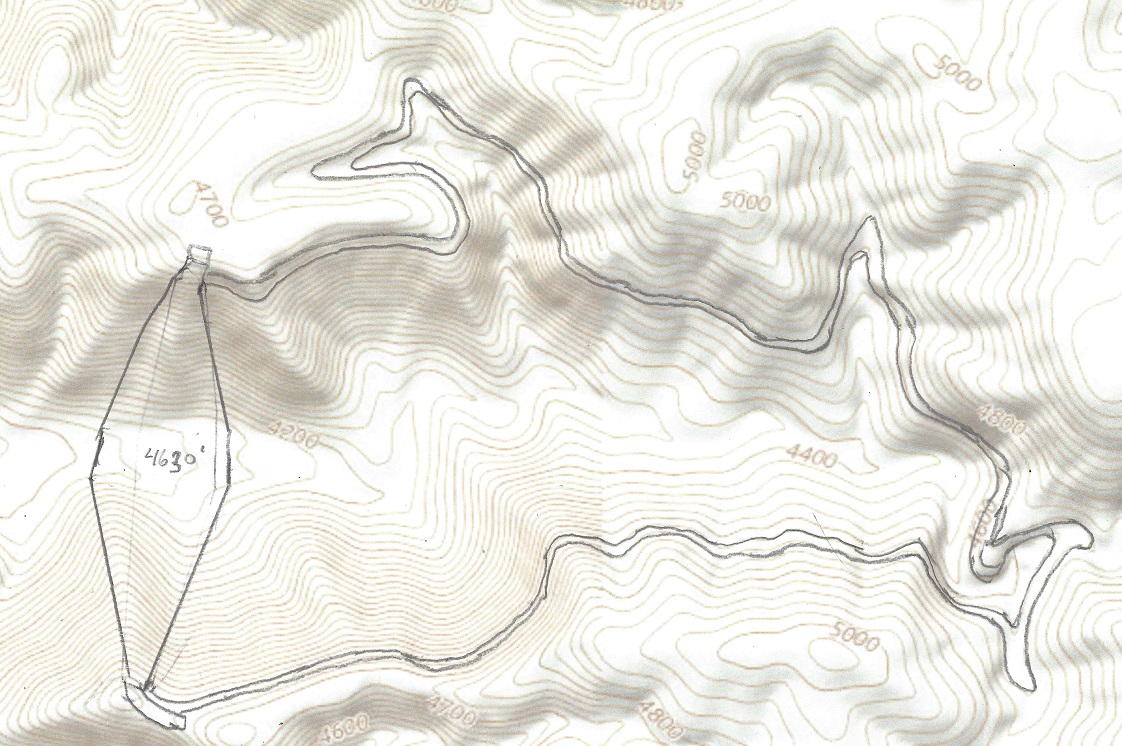
Leg 7, leg 8 and leg 9 of the Transcontinental aqueduct. From the Buffalo Soldier Draw dam to the highest point of the aqueduct 10 miles into Arizona. Leg 7 is 255 miles. Cost of water 6132 kWh per acre-ft. Leg 8 is 125 miles. Cost of water is 5705 kWh per acre-ft. Leg 9 is 160 miles. Cost of water is 6605 kWh per acre-ft.
The Transcontinental Aqueduct. Leg 10: The highest pumping station in Arizona to San Carlos Lake, a distance of 93 miles. Cost of water 5205 kWh per acre-ft.
The Transcontinental Aqueduct. Leg 11: From San Carlos Lake to East Diversion dam, a distance of about 60 miles. Cost of water 4905 kWh per acre-ft.
The Transcontinental aqueduct Leg 12: From the East Diversion dam to connecting to the Central Arizona aqueduct 45 miles WNW of Phoenix. Phase 1 is 20 miles of aqueduct and 85 miles of River. Cost of water is 5105 kWh per acre-ft. Phase 2 adds 130 miles of aqueduct . The cost of water is 5065 kWh per acre-ft.
The Transcontinental aqueduct, Leg 13: From the New Arlington dam to the Colorado River. Leg 13, phase 1 is 130 miles of river.Cost of water is 5105 kWh per acre-ft. Phase 2 adds 15 miles of aqueduct . The cost of water is 5130 kWh per acre-ft.
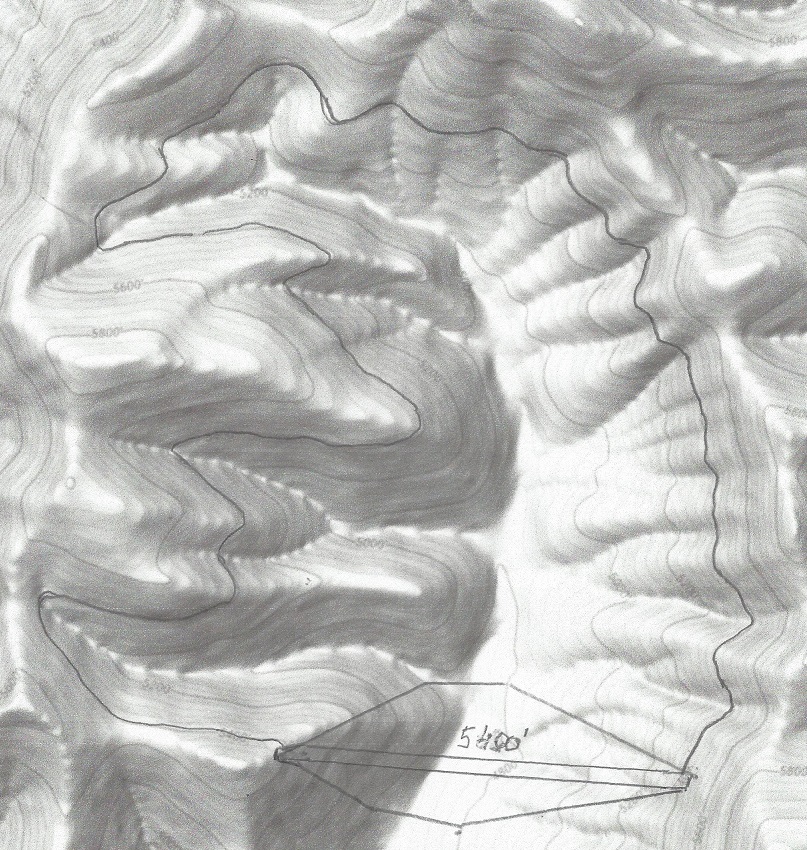
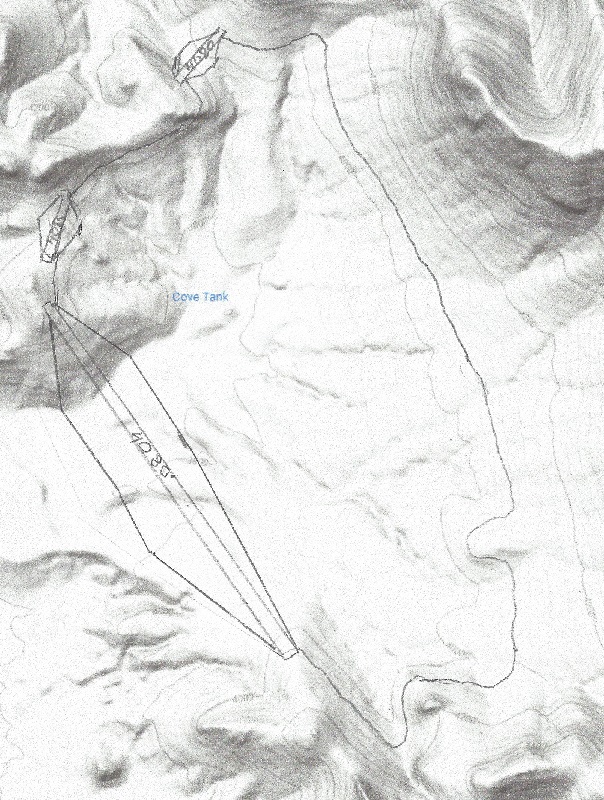
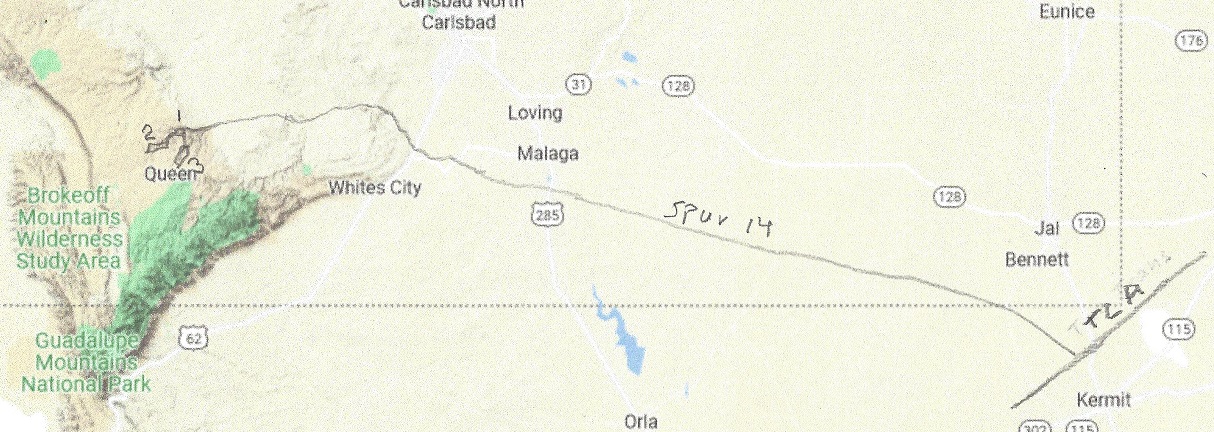
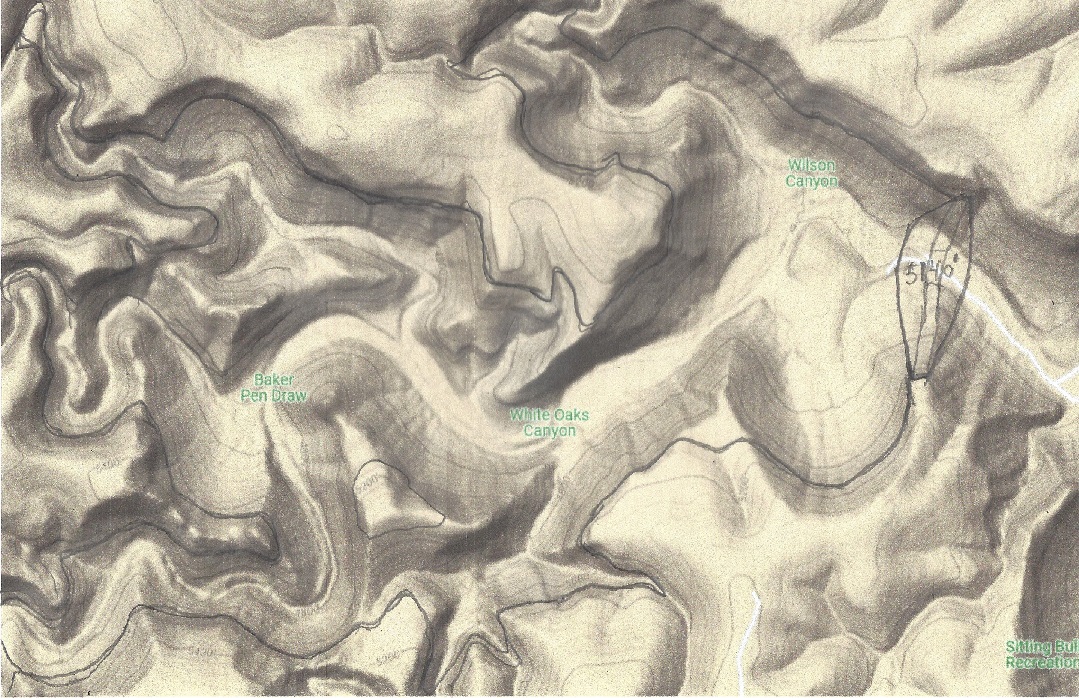
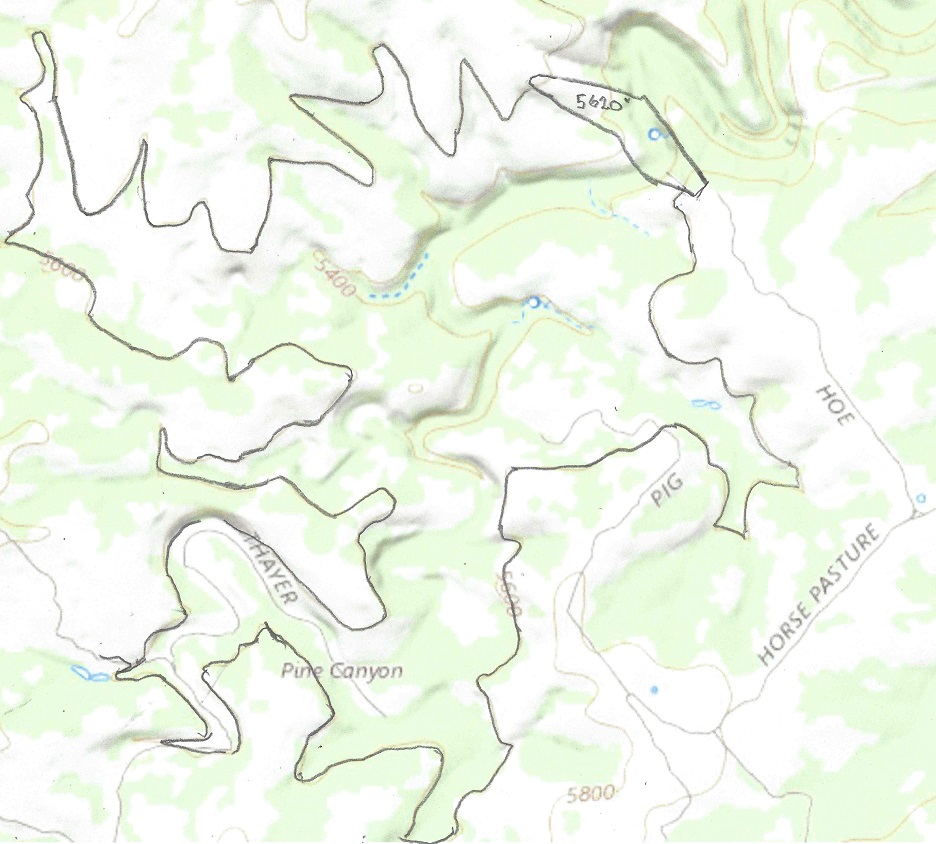
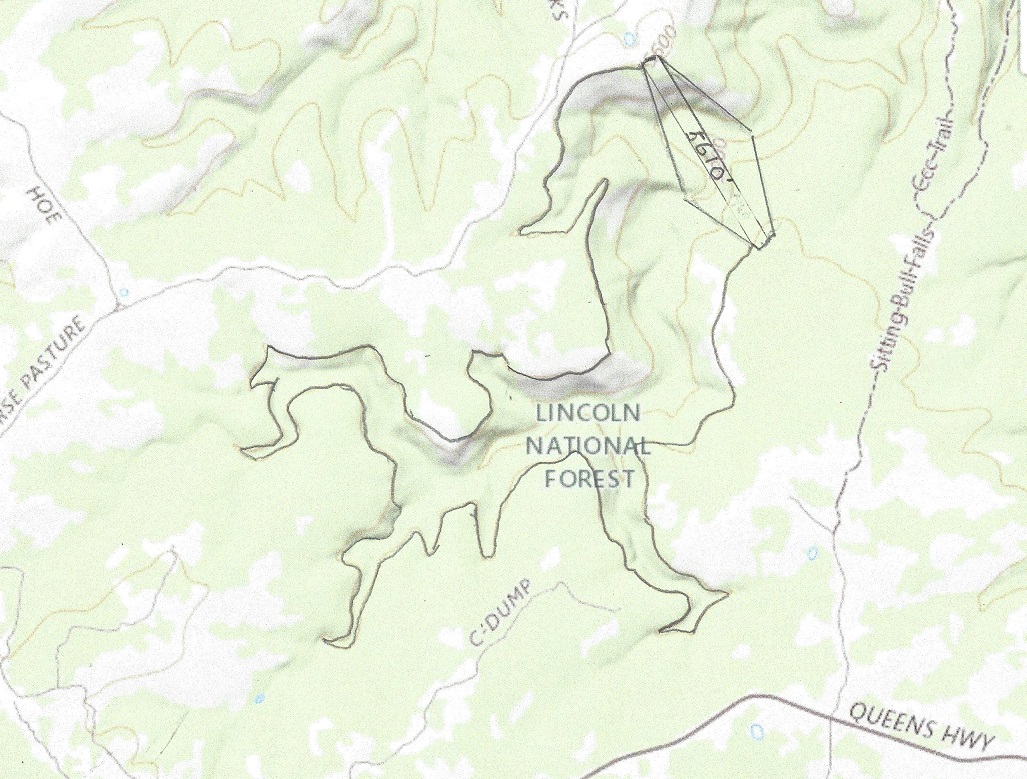
The Transcontinental Aqueduct, spur 14: The Wilson Canyon Solar farm and pumped storage plant. Can supply 13.5 GW of pumped storage power.
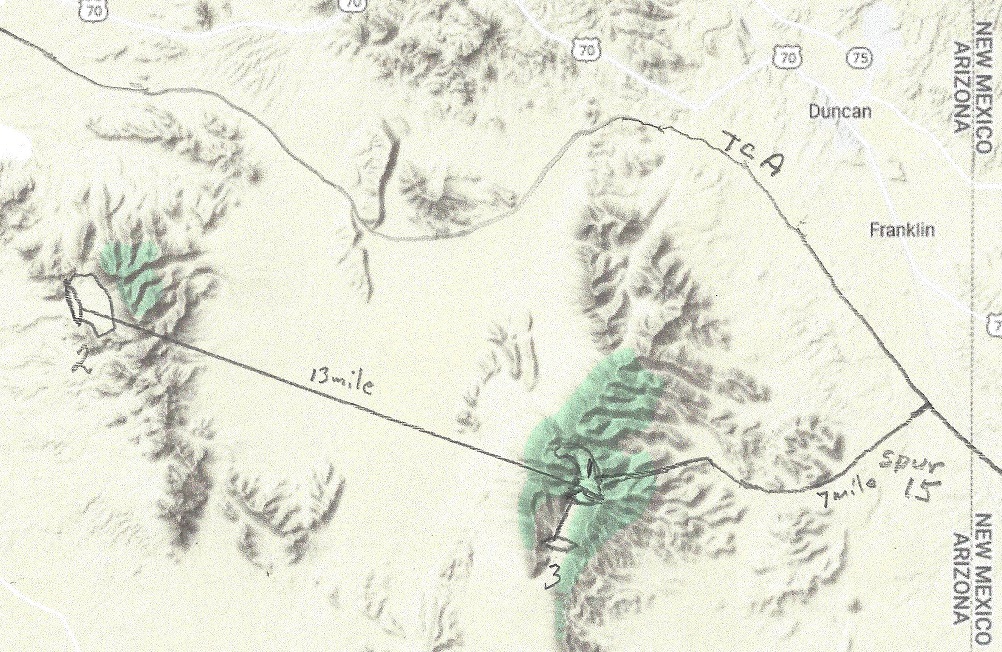
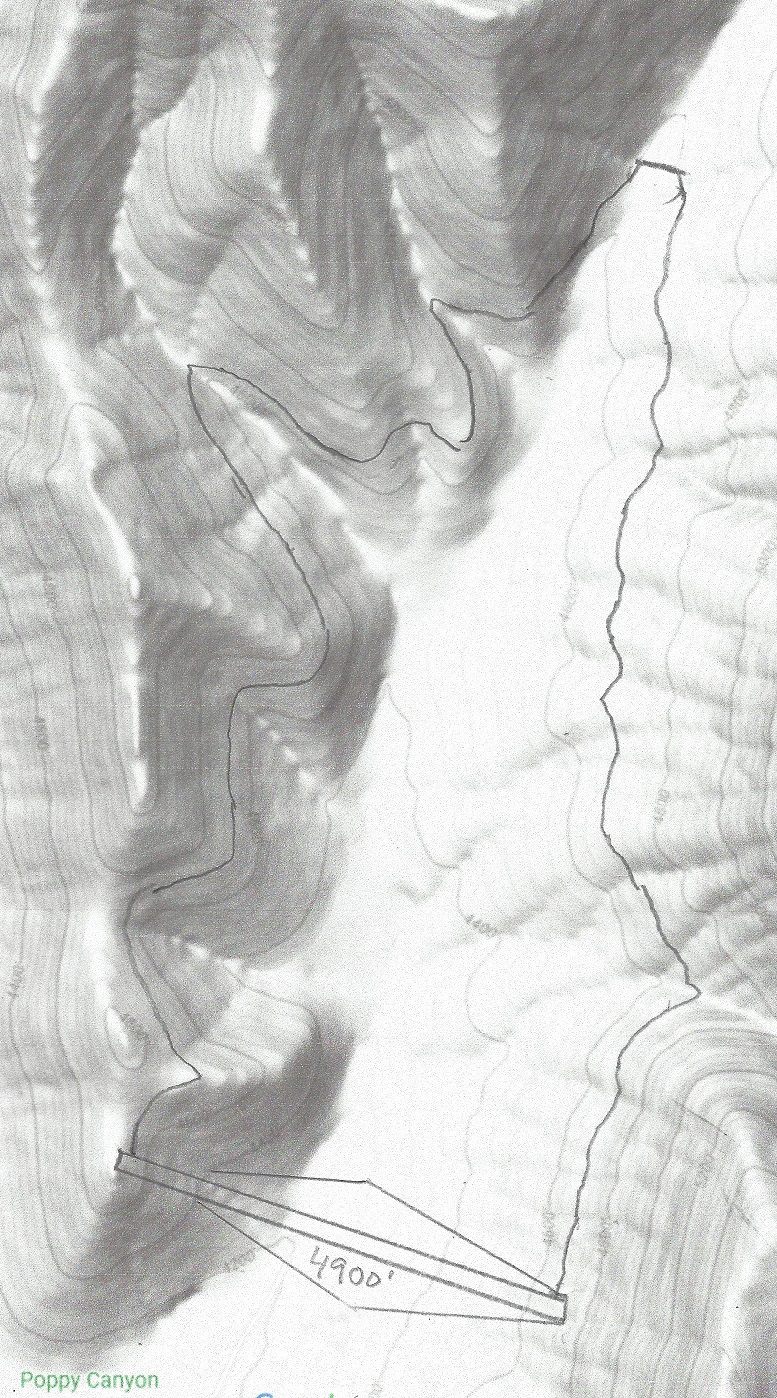
The Transcontinental Aqueduct, spur 15: The Poppy Canyon Solar farm and pumped storage plant. Can provide up to 28 GW of pumped storage power.
The Transcontinental Aqueduct will serve the Lower Colorado River Basin, Southern New Mexico and Western Texas. It will pump up to 12 million acre-ft of water annually from the Arkansas river and Mississippi river all the way to southern Colorado River.
The total electricity needed to accomplish this giant endeavor is about 60 billion kWh annually. or about one and a half percent of the current US electricity demand. In 2020 the US produced 1,586 billion kWh from natural gas, 956 from coal, 337.5 from wind and 90.9 from solar.
For this giant project to have any chance of success there has to be something in it to be gained from every state that will be participating. Here are some of the benefits:
Arizona: Arizona needs more water. The water from Mississippi is less saline and better suited for agriculture and the people growth makes it necessary to provide more water sources. Right now the aquifers are being depleted. Then what? One example: The San Carlos lake is nearly dry half the time and almost never filled to capacity. With the aqueduct supplying water it can be filled to 80 +- 20% of full capacity all the time. In the event of a very large snow melt the lake level can be reduced in advance to accommodate the extra flow. Likewise during Monsoon season the aqueduct flow can be reduced in anticipation of large rain events. Arizona together with New Mexico has the best locations for solar power, but is lacking the water necessary for hydro-power storage. This proposal will give 600 cfs of water to Tucson, 3,100 cfs to the Phoenix area and 3,900 cfs to the lower Colorado River in Phase 1. I phase 2 it will add 3,100 cfs to Lake Havasu and an extra 4,700 cfs to the lower Colorado River. It will also also add 28 GW of hydro-power storage capable of adding 140 GWh of electric peak power daily when it is fully built out in Phase 3.
Arkansas: The main benefit for Arkansas is better flood control and river control of the Arkansas River and allowing it to deepen the draft for canal barges from 9,5 feet to 12 feet, which is standard on the Mississippi river.
California: The water aqueduct serving Los Angeles will be allowed to use maximum capacity at all times. Additional water resources will be given the greater San Diego area. The Imperial valley will be given sweet Mississippi and Arkansas River water, which will improve agriculture yield. The polluted New River will be cut off at the Mexico border. There will be water allocated to the Salton Sea. There is a proposal to mine the world’s largest Lithium ore, mining the deep brine, rich in Lithium. (about a third of the world supply according to one estimate). This requires water, and as a minimum requirement to allow mining in the Salton Sea the water needs to be cleaned. This requires further investigation, but the area around the Salton Sea is maybe the most unhealthy in the United States. It used to be a great vacation spot.
Mexico: During the negotiations about who was going to get the water in Lake Mead Mexico did not get enough water, so they have been using all remaining water for irrigation, and no water is reaching the ocean anymore. In addition the water is too salty for ideal irrigation. This proposal will provide sweet Mississippi and Arkansas River water to Mexico, ensure that some water reaches the Colorado river delta. This will restore the important ecology and restore aquatic life in the delta and the gulf. The town of Mexicali will get some water in exchange for shutting off New River completely.
Nevada: Las Vegas is a catastrophe waiting to happen unless Lake Mead is saved. With this proposal there will be ample opportunity to make the desert bloom.
New Mexico: The state is ideally suited for solar panels. In addition to give much needed water to communities along the length of the aqueduct, it will provide 13.5 GW of pumped storage power to be made available at peak power usage for up to 5 hours a day.
Oklahoma: The main advantage for Oklahoma is a much improved flood control. It will provide the same advantage for river barge traffic as benefits Arkansas.
Texas: The state has a big problem. It has already built up too much wind power and can not give up their coal burning power plants until the electricity is better balanced. They have no hydro-electric power storage at all, and we saw the result of that in a previous year’s cold snap. This proposal will give the Texas electric grid 8.8 GW of hydro-electric power for up to 5 hours a day.
Utah: The state will no longer be bound to provide water to Lake Mead, but can use all of its water rights for Utah, especially the Salt Lake City region.
Wyoming: The state will be free to use the water in the Green River and all the yearly allocated 1.05 million acre-feet of water can be used by the state of Wyoming.
The cost to do all these aqueducts will be substantial, but it can be done for less than 350 billion dollars in 2022 money, and that includes the cost of providing power generation. Considering it involves 40 million people dependent on the Colorado River now and another 10 million east of the Rocky Mountains, it is well worth doing, much more important to do than other “green” projects, since it will save the American Southwest from becoming an uninhabitable desert.
This proposed solution cannot be made possible without changing our approach to power generation. The mantra now is to solve all our power needs through renewables. Texas has shown us that too much wind power without any hydroelectric power storage can lead to disaster. In addition, windmills kill birds, even threatening some species, such as the Golden Eagle and other large raptors that like to build their aeries on top of the generators. Solar panels work best in arid, sunny climate, such as Arizona and New Mexico, but the panels need cooling and cleaning to work best, and that takes water. They are even more dependent on hydro-power storage than wind. The transcontinental aqueduct will triple the hydro-electric power storage for the nation. Without pumped power storage we still need all the conventional power generation capacity for when the sun doesn’t shine and the wind doesn’t blow.
Conventional Nuclear power plants doesn’t work in most places since they depend on water for their cooling, and most of these aqueducts pump water in near deserts, and there would be too much evaporation losses to use water from the aqueducts for cooling.
The only realistic approach would be to use LFTR power plants. (Liquid Fluoride Thorium Reactors). There are many advantages for using LFTR. Here are 30 reasons why LFTRs is by far the best choice.
For this project to succeed there must be developed a better way to build SMRs (Small Modular Reactors, less than 250 MW) more effectively. The price to build a LFTR plant should be less than $2.50 per watt. While the LFTR science is well understood, the LFTR engineering is not fully developed yet, but will be ready in less than 5 years if we get to it. In the mean time there should be built one or more assembly plants that can mass produce LFTR reactor vessels small enough so they can be shipped on a normal flatbed trailer through the normal highway system. My contention is that a 100 MW reactor vessel can be built this way and the total cost per plant will be less than 250 Million dollars. To save the American Southwest we will need about 350 of them, or 87,5 billion dollars total. This cost is included in the total calculation. There will be many more of these plants produced to produce all the electric power to power all the electric vehicles that are going to be built. This is the way to reduce fossil fuel consumption. Just switching to electric vehicles will not do the trick. The electric energy must come from somewhere. To convert all cars and trucks and with unchanging driving habits will require another 600 GW of generating capacity by 2050, our present “net zero emissions” goal.
To do this project we need cooperation from all states in providing eminent domain access. The Federal government will need to approve LFTR as the preferred Nuclear process and streamline approval process from many years to less than one year.
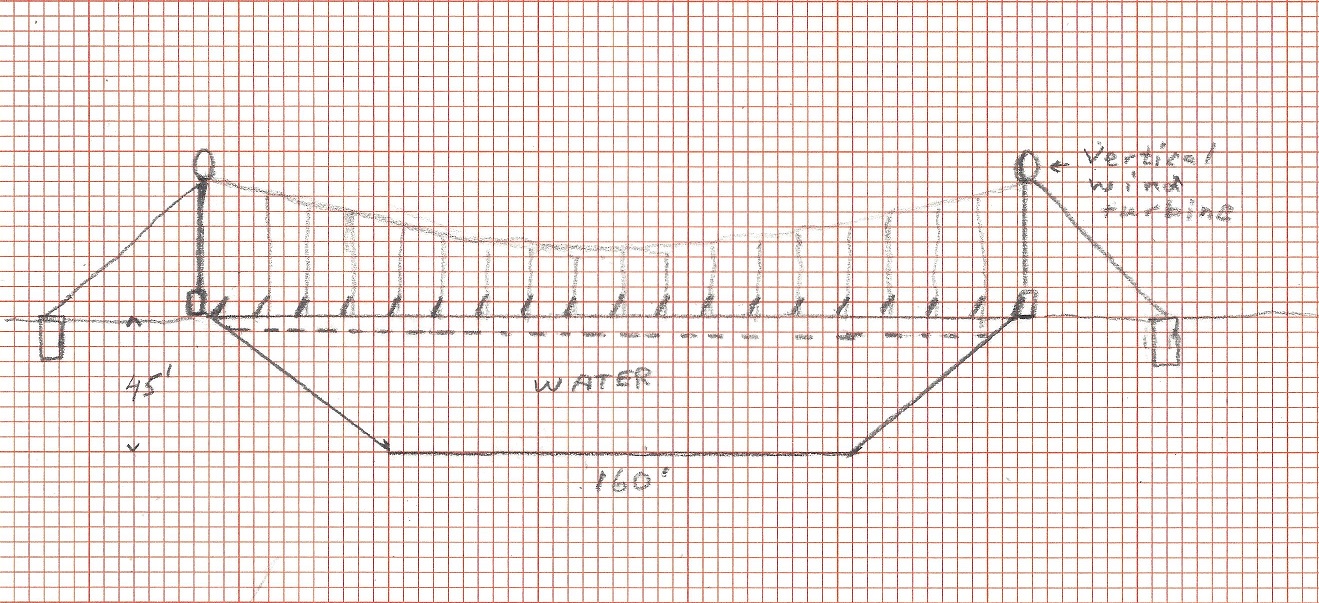
Some of the power will come from solar panels and wind turbines, which will reduce the need for LFTR’s. One tantalizing idea is to cover the aqueduct with solar panels. This will do many things, it will not take up additional acreage, water needed to keep the panels clean is readily available, and can even be used to cool the solar panels if economically beneficial. The area available is 152 feet times 1100 miles = 1.6 billion square feet, and one square foot of solar panel produces around 1 W, which means covering the aqueduct with solar panels would produce 882 MW of power. It would also reduce evaporation. The second source of energy will be 165,000 5kW vertical wind turbines producing 825 MW when the wind is blowing. The rest of the power will cme from LFTRs. This idea requires further analysis. Here is one possible implementation of the idea:



 Len Bilén's blog, a blog about faith, politics and the environment.