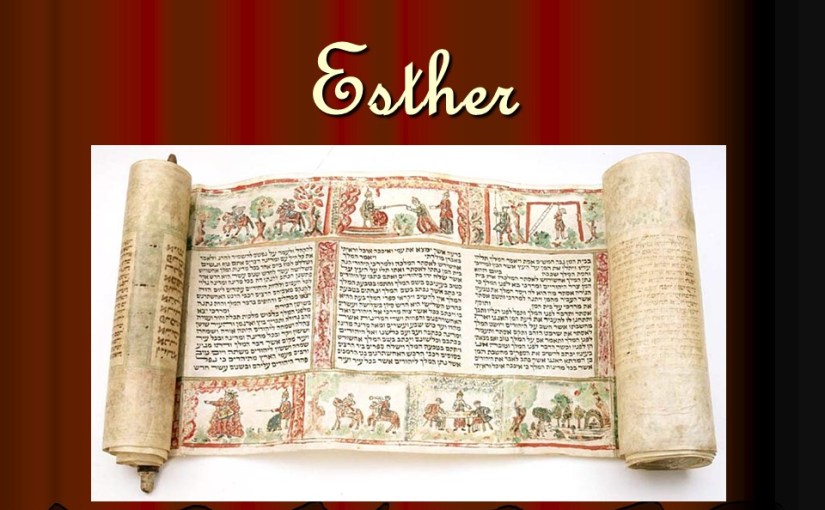
Esther 4, Mordecai persuades Esther to risk her life to save the Jews.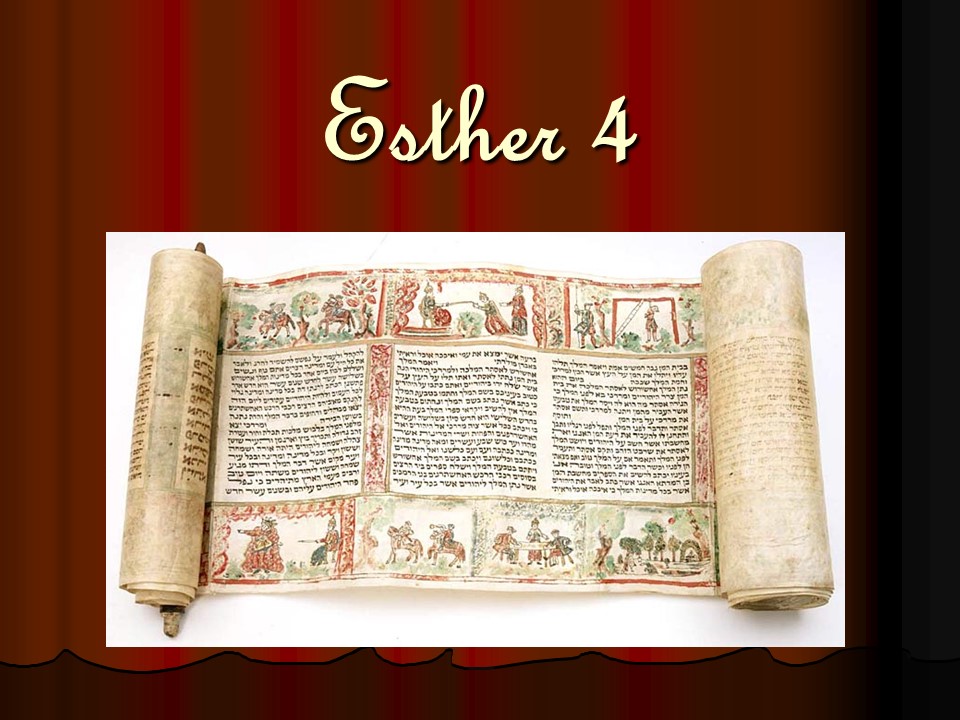

Esther 4, Mordecai persuades Esther to risk her life to save the Jews.
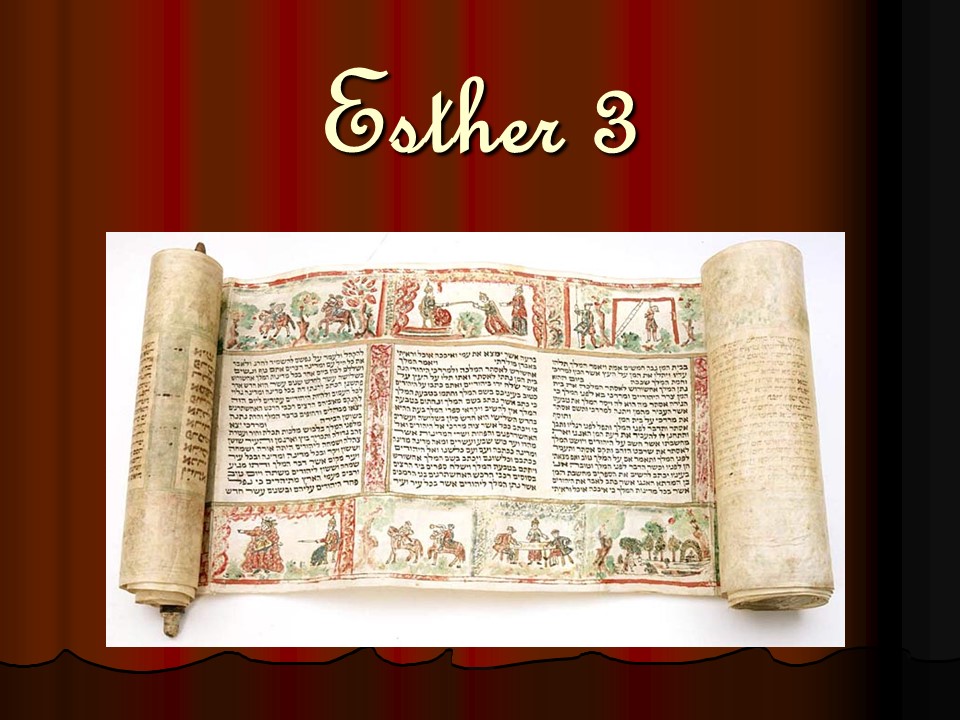
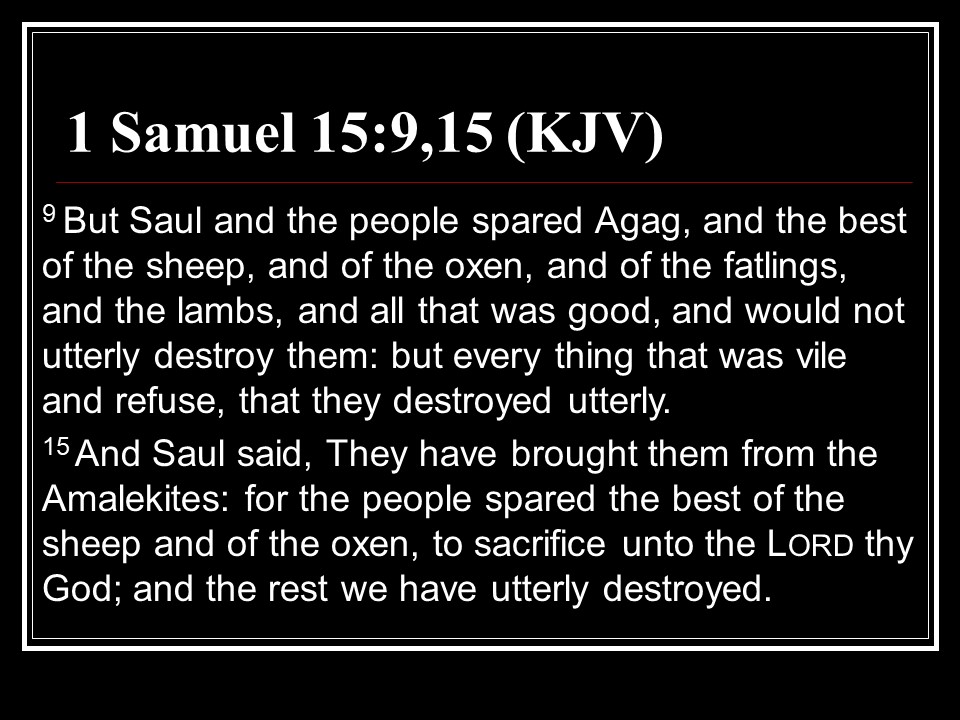
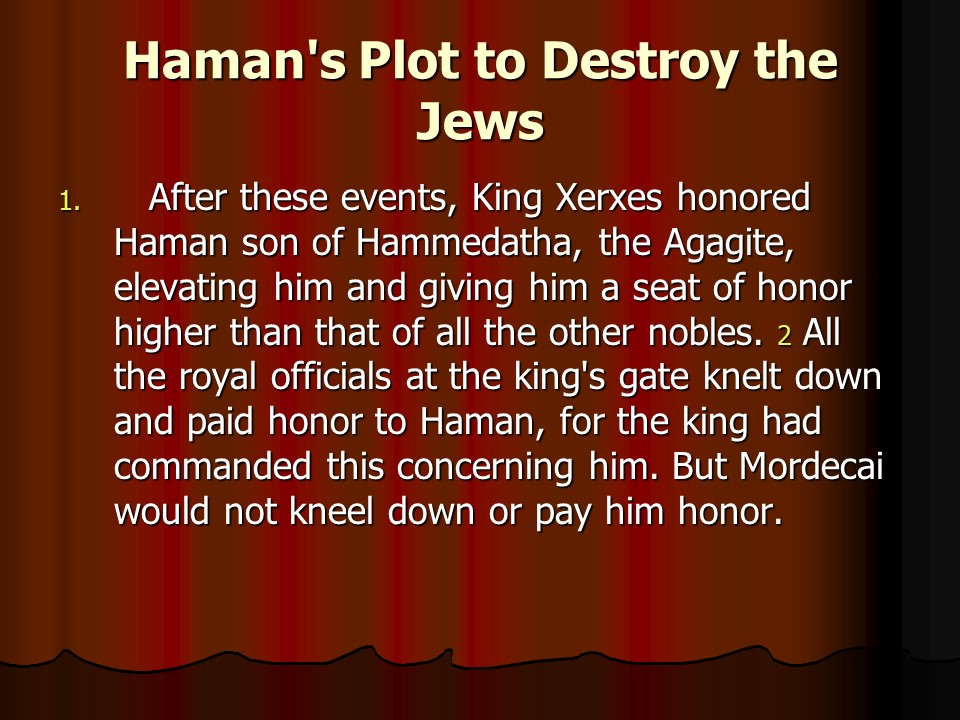 According to 1 Samuel, God told Samuel to utterly destroy the Agagites, but Saul did not do so, so Saul lost his kingdom to David. Since then there was great animosity between the Agagites and the Jews.
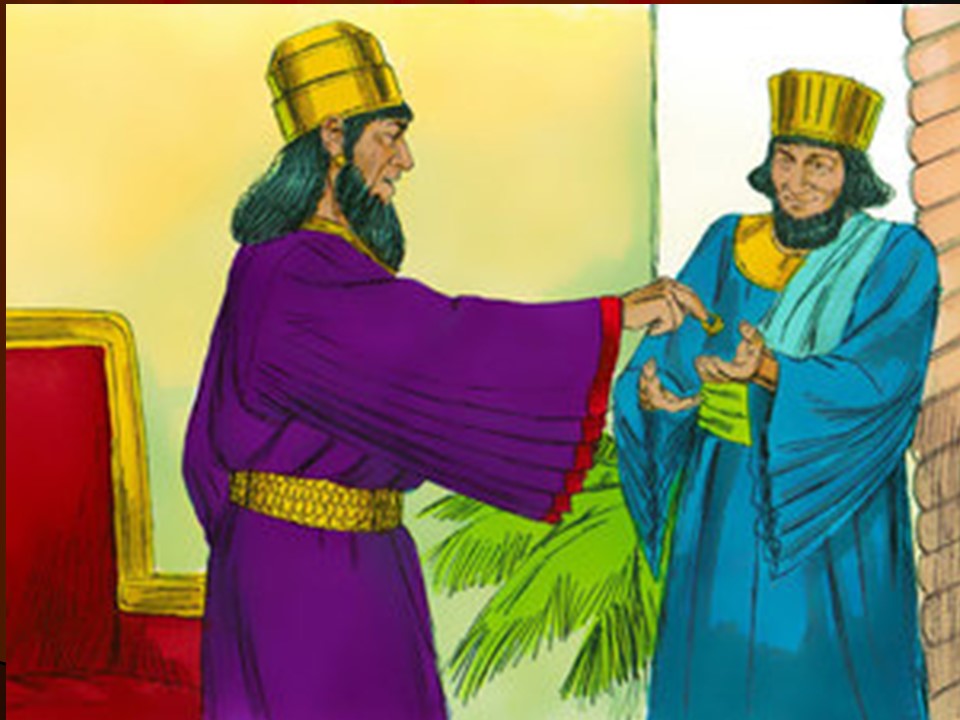
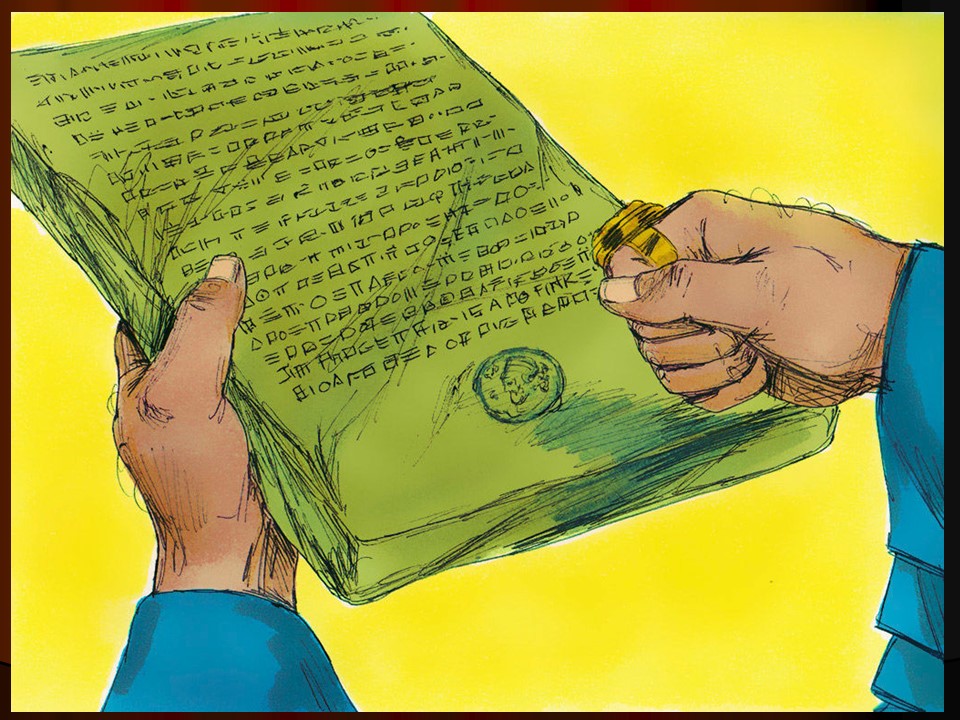
.
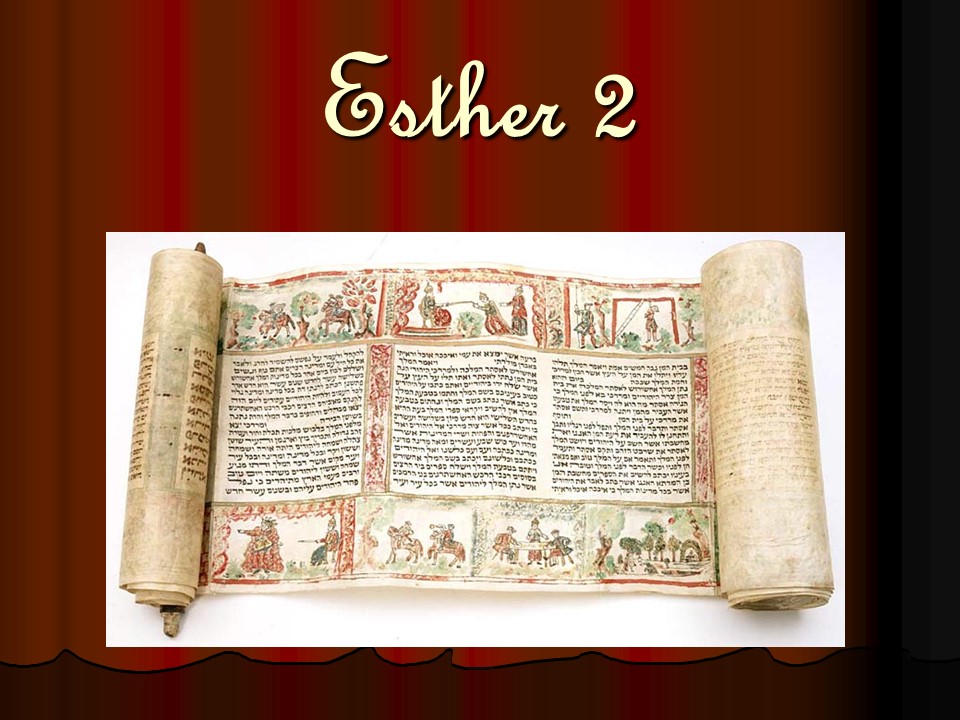
Esther 2, Esther made Queen, Mordecai uncovers a Conspiracy.






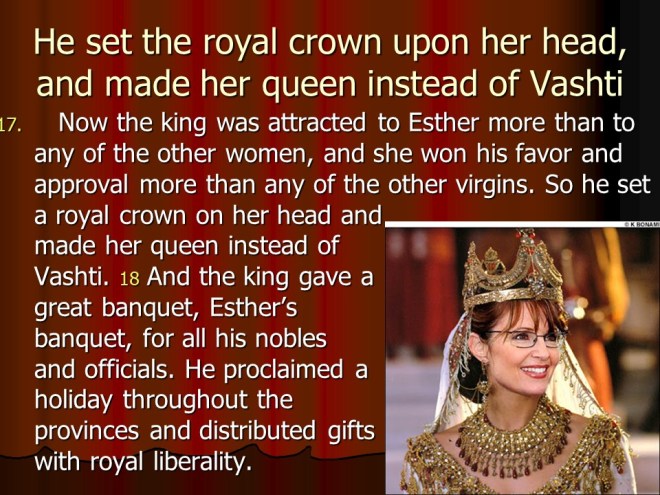 And a great wedding banquet it was indeed.


Esther 1, the Big Feast, Queen Vashti Deposed


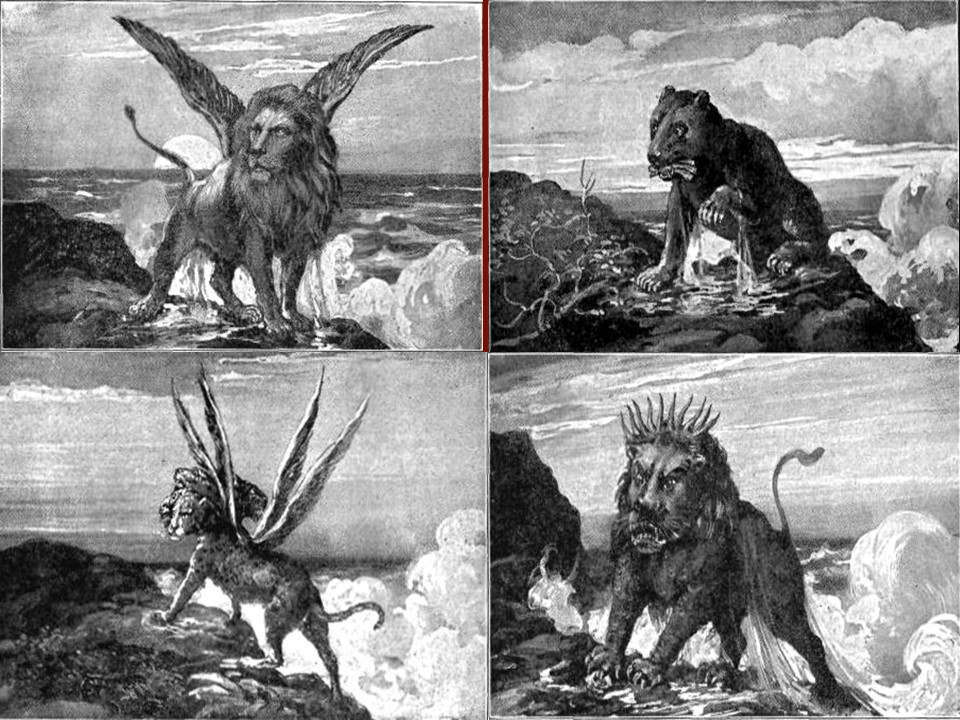
 The four beasts in Daniel: “In my vision at night I looked, and there before me were the four winds of heaven churning up the great sea” (Daniel 7:2).
1: “The first beast was like a lion, and it had the wings of an eagle” (Daniel 7:4). “The four great beasts are four kings that will rise from the earth” (verse 17). This first beast is representative of King Nebuchadnezzar of Babylon. (Daniel 4:34–35).
2. The second beast in Daniel’s vision is “like a bear. It was raised up on one of its sides, and it had three ribs in its mouth between its teeth” (Daniel 7:5). This beast represents the Medo-Persian Empire; the raising up of one side of the creature indicates that one of the kingdom’s parts (Persia) would be dominant. The three ribs in the creature’s mouth symbolize nations that were “devoured” by the Medes and the Persians. These three conquered nations are known to be Babylon, Lydia, and Egypt.
3. The third beast is “like a leopard,” except it has four bird-like wings on its back and four heads (Daniel 7:6). This beast is given authority to rule and represents Greece, The four heads are predictive of the four-way division of the empire following Alexander the Great’s death. Daniel’s vision of the ram and the goat gives further details of the second and third kingdoms (see Daniel 8).
4. The fourth beast is rising from the sea and is the most dreadful—“terrifying and frightening and very powerful” (Daniel 7:7). This fourth beast has “bronze claws” (verse 19) and “large iron teeth; it crushed and devoured its victims and trampled underfoot whatever was left” totally annihilating its prey (verse 7). The fourth beast has ten horns. This creature represents the Roman Empire, a mighty kingdom that indeed crushed all its foes.
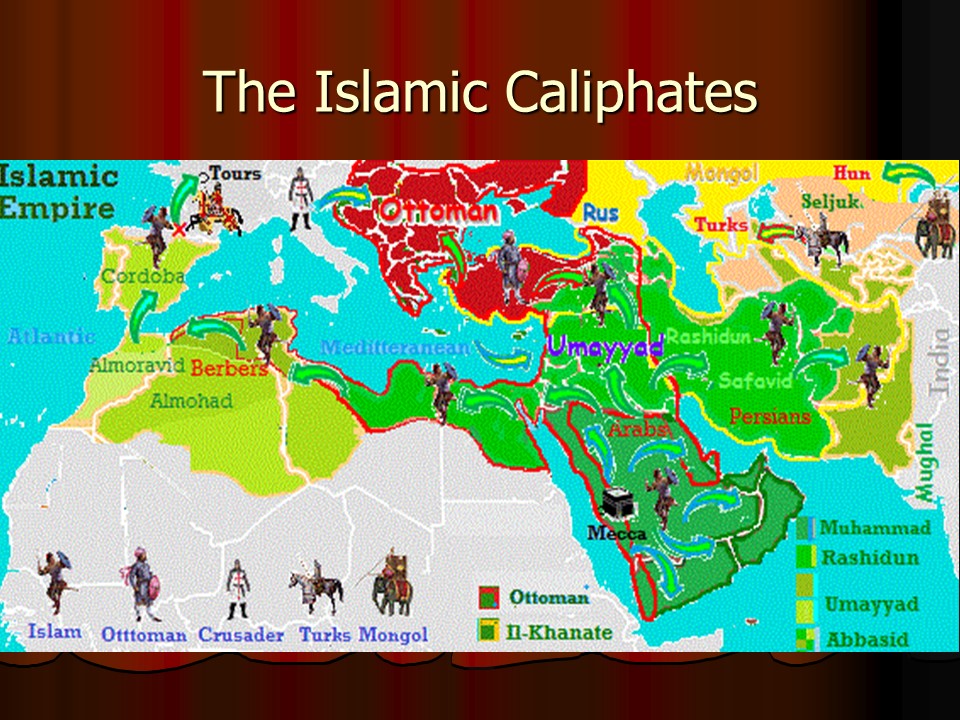
 After the fall of Rome, after the death of Muhammad in 632 A.D. the expansion of the Muslim Caliphates began and expanded until the decisive battle of Tours in 732 A.D, only one hundred years later.



 The ancient City of Susa.



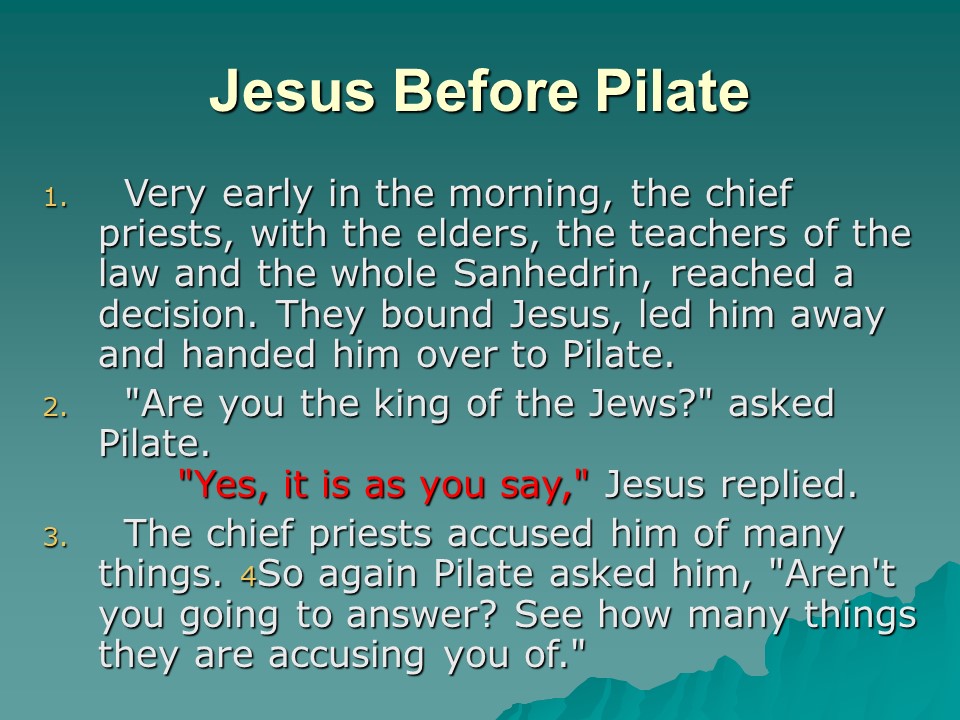
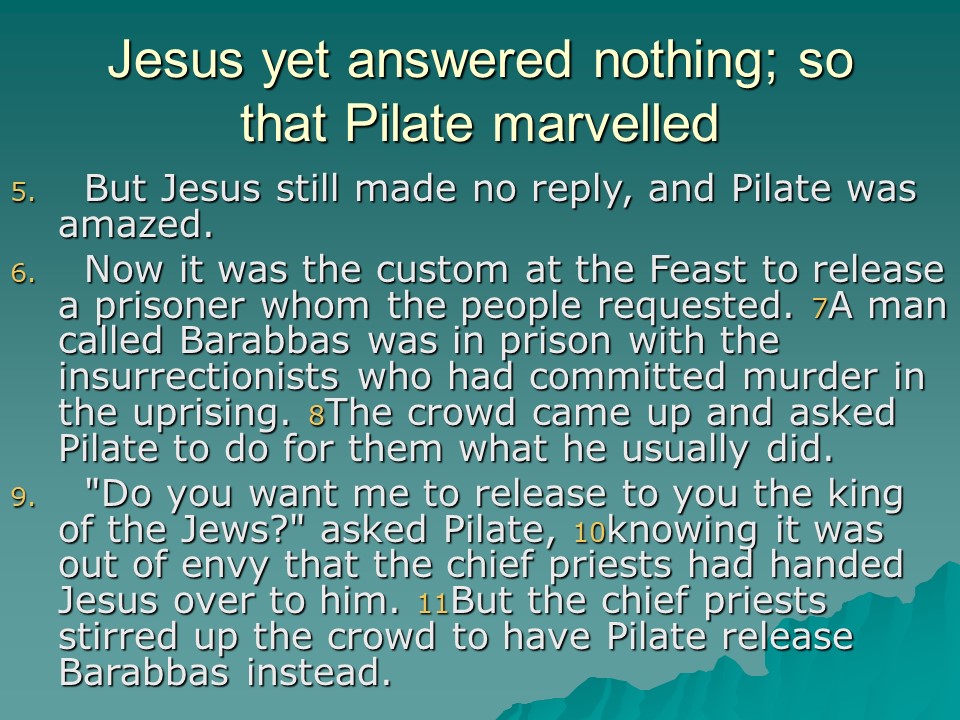
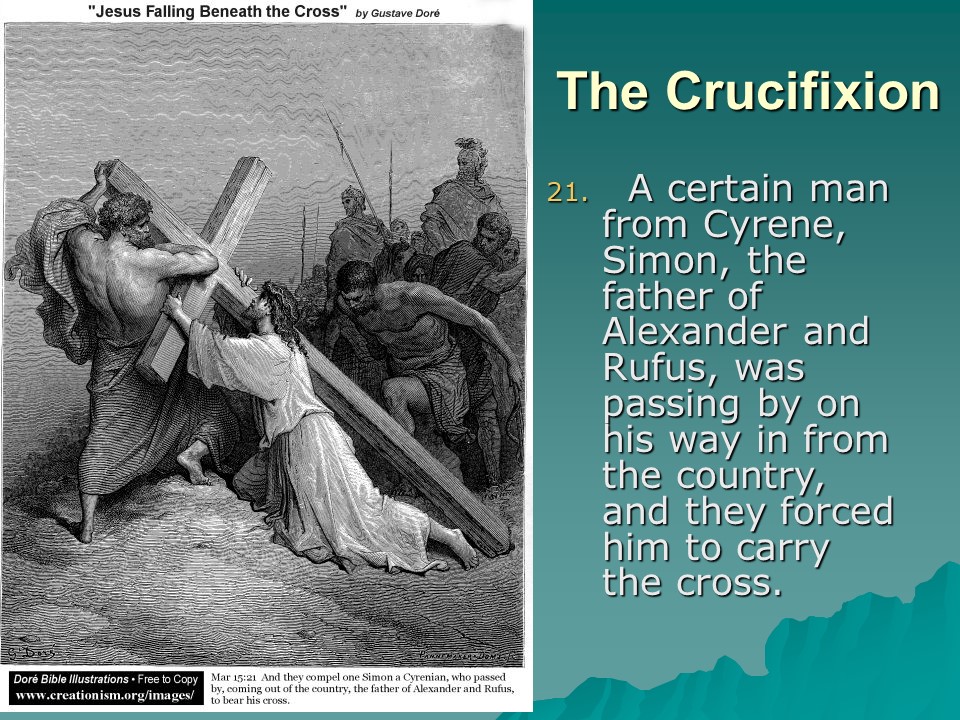
Mark 15, Jesus Before Pilate, Barabbas, the Soldiers mock Jesus, Crucifixion of the King, Jesus’ Death, Jesus’ Burial.






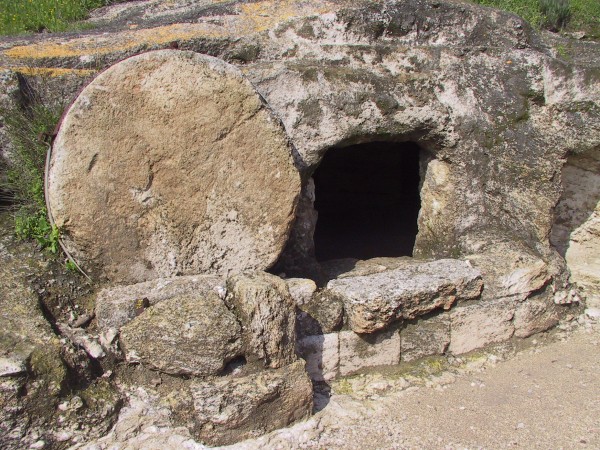
 This is how a tomb with a large stone looked.
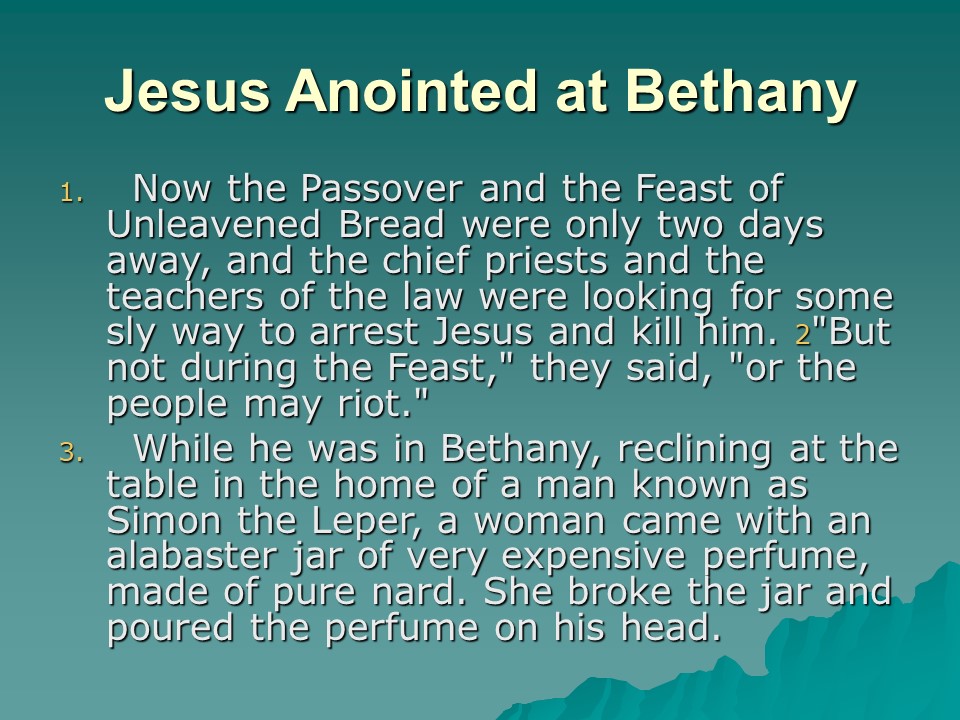
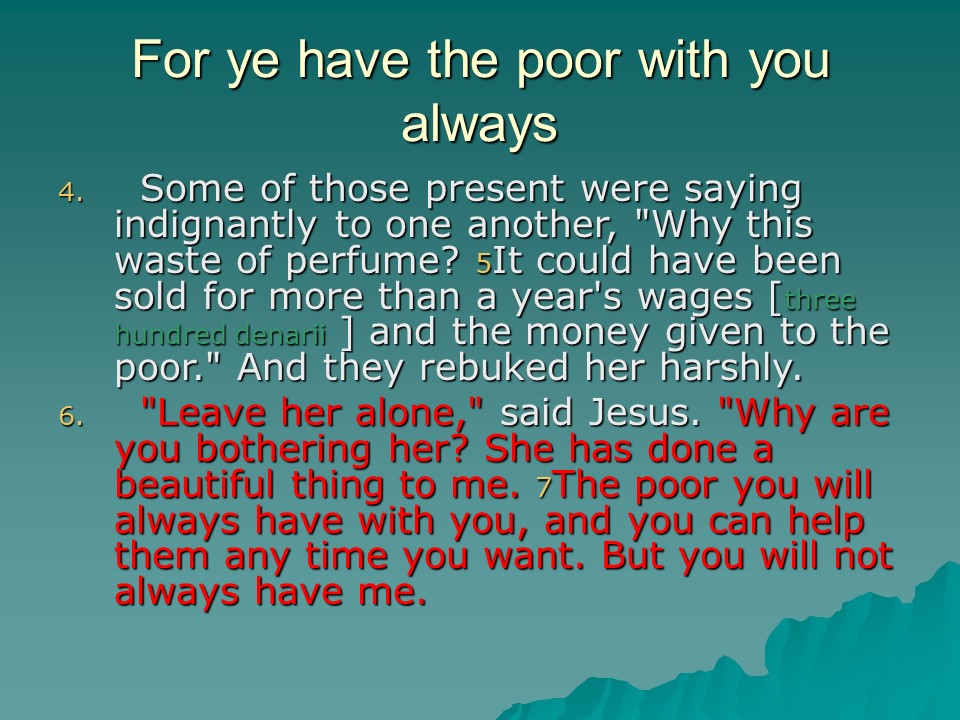
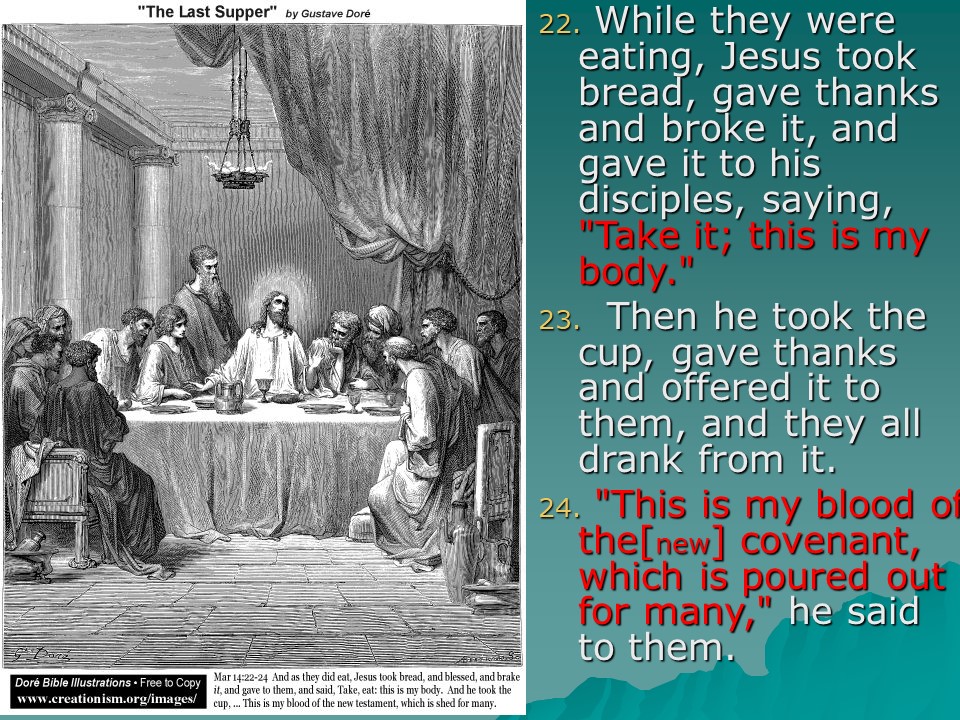
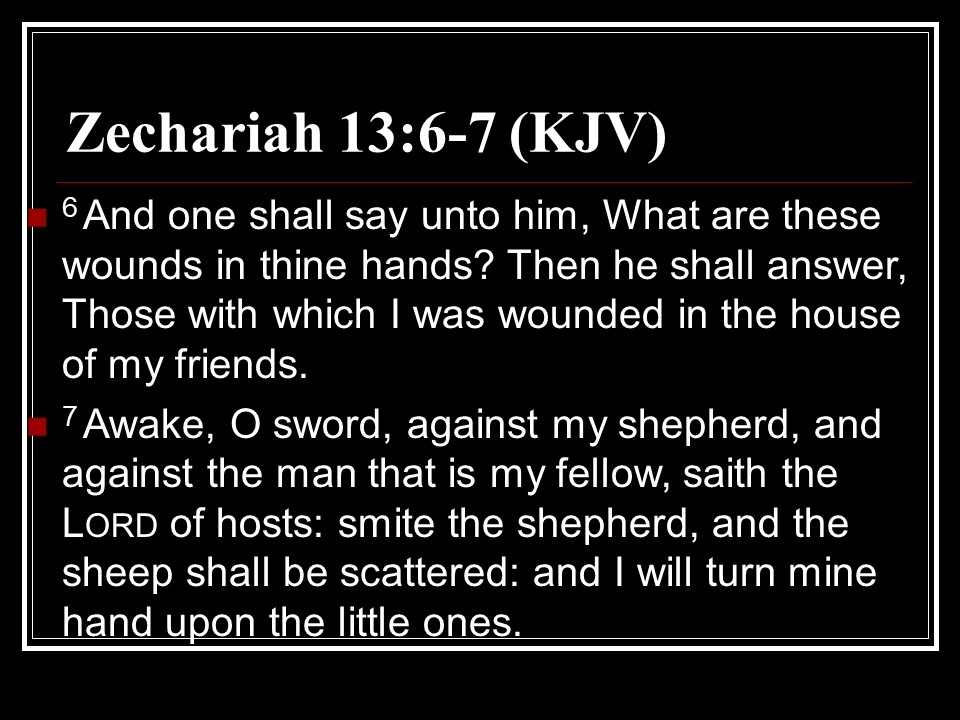
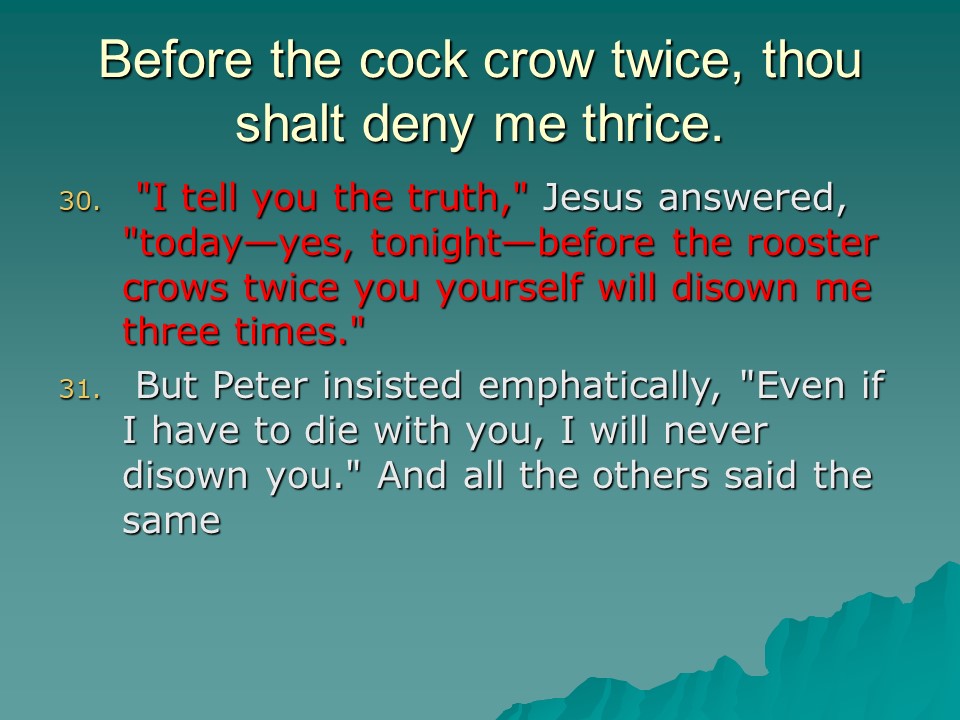
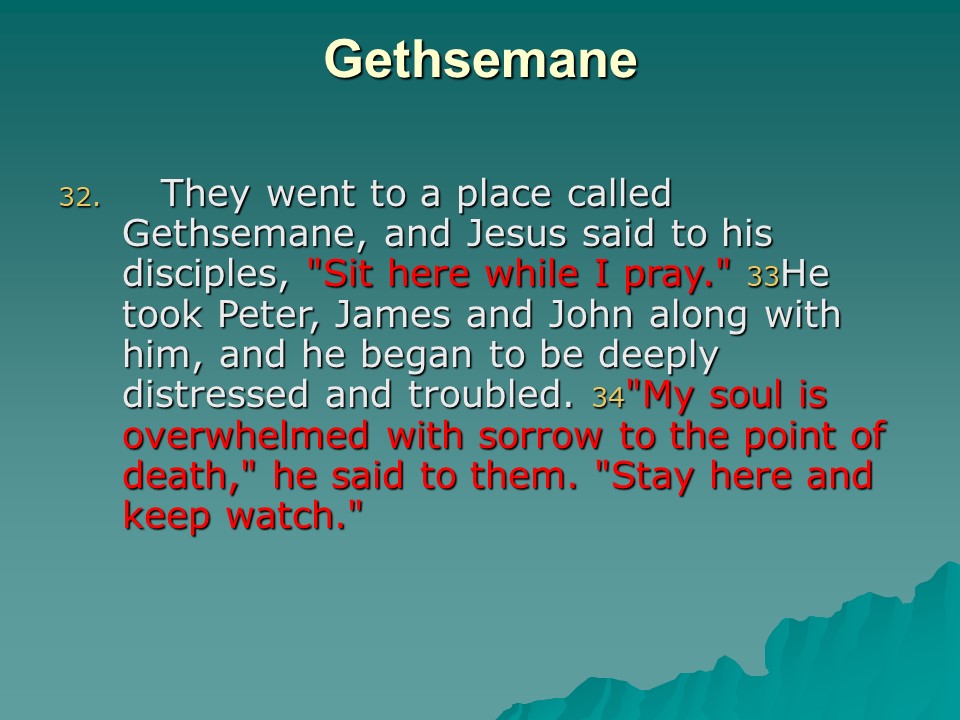
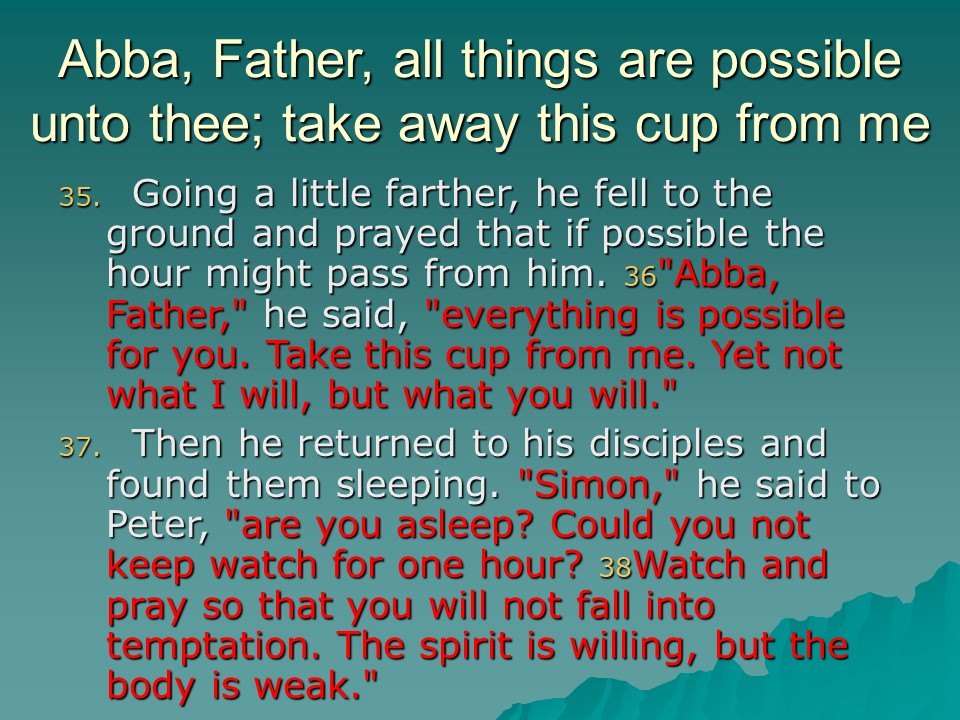
Mark 14, Jesus anointed at Bethany, the Lord’s Supper, Peter’s Denial Predicted, Gethsemane, Jesus Arrested, Before the Sanhedrin, Peter’s denial.







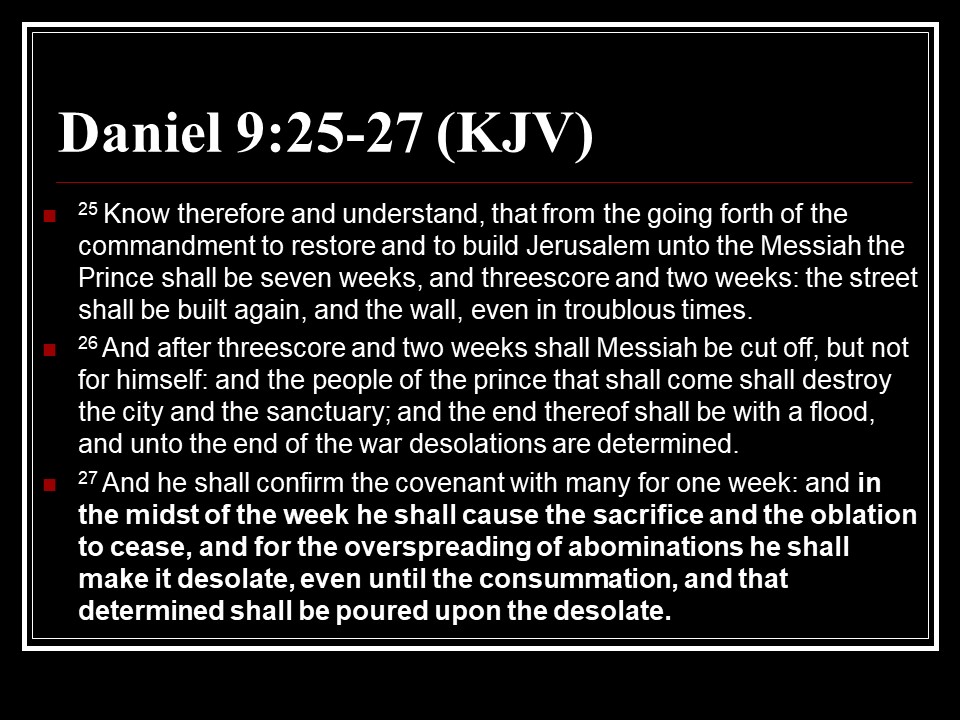
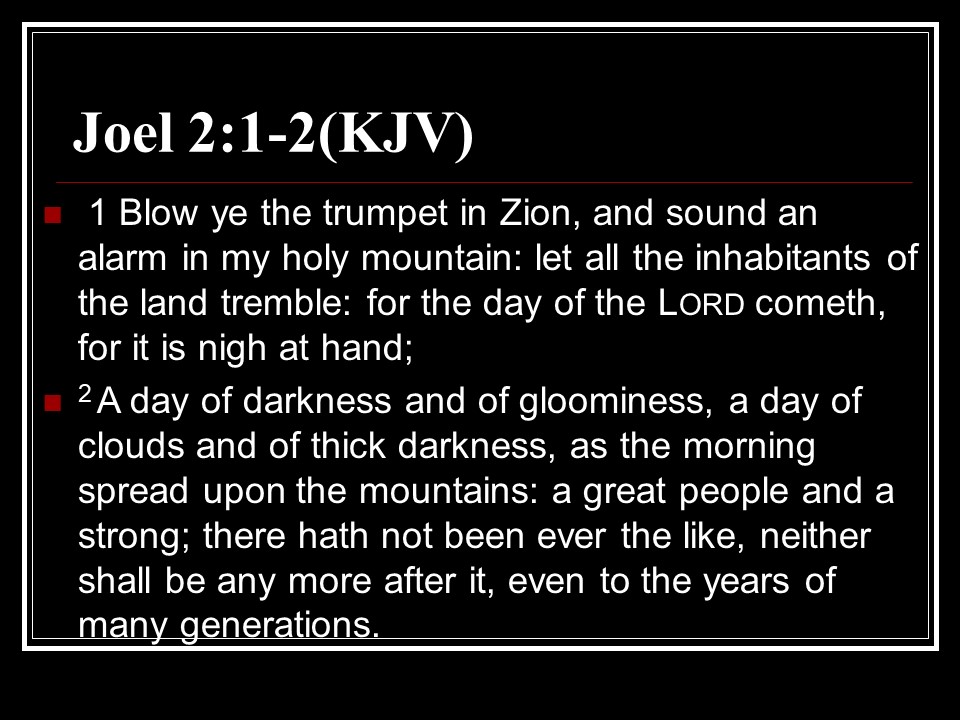
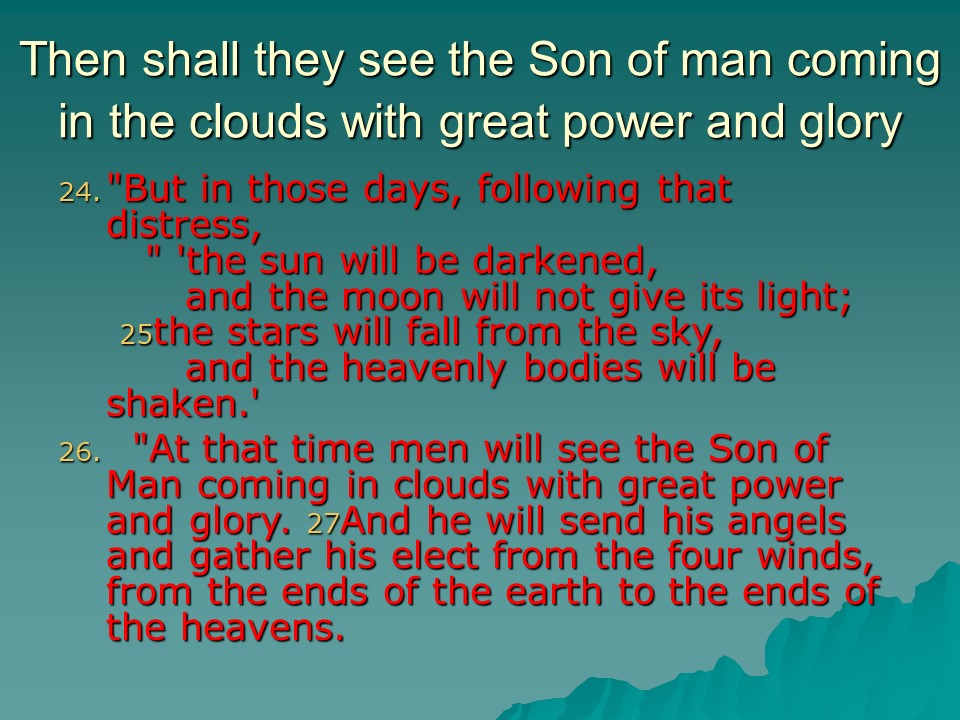
Mark 13, Signs of the End of the Age, the Great Tribulation, the Coming of the Son of Man, the Fig Tree, the Day and Hour unknown.
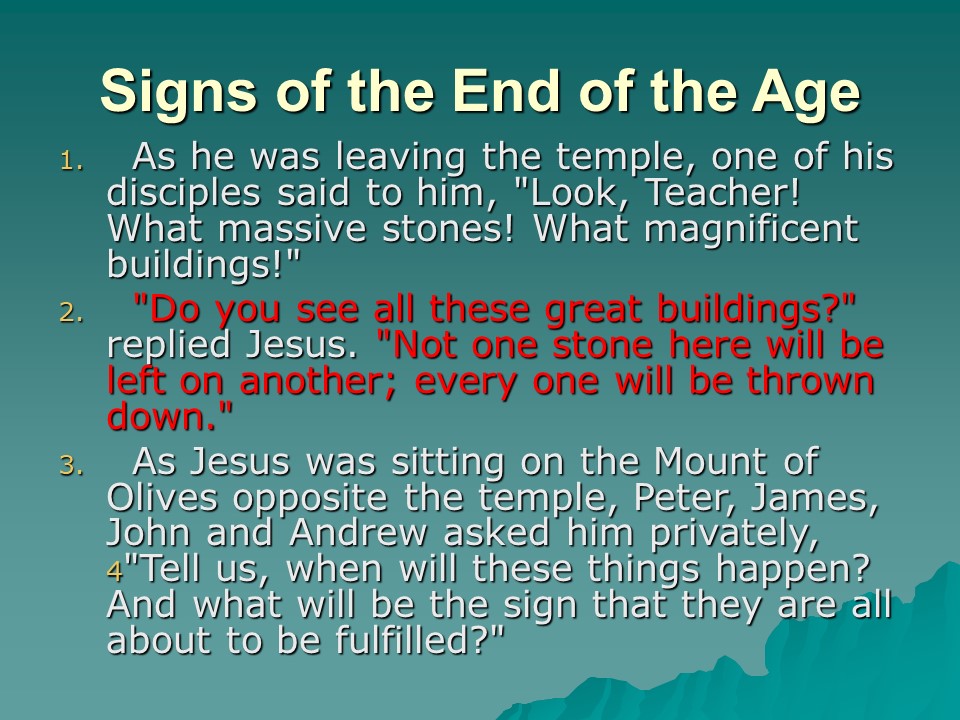 The destruction of the Temple occurred in 70 A.D., 40 years later.

Siege and Destruction of Jerusalem by the Romans (1850 painting by David Roberts). Looking southwest





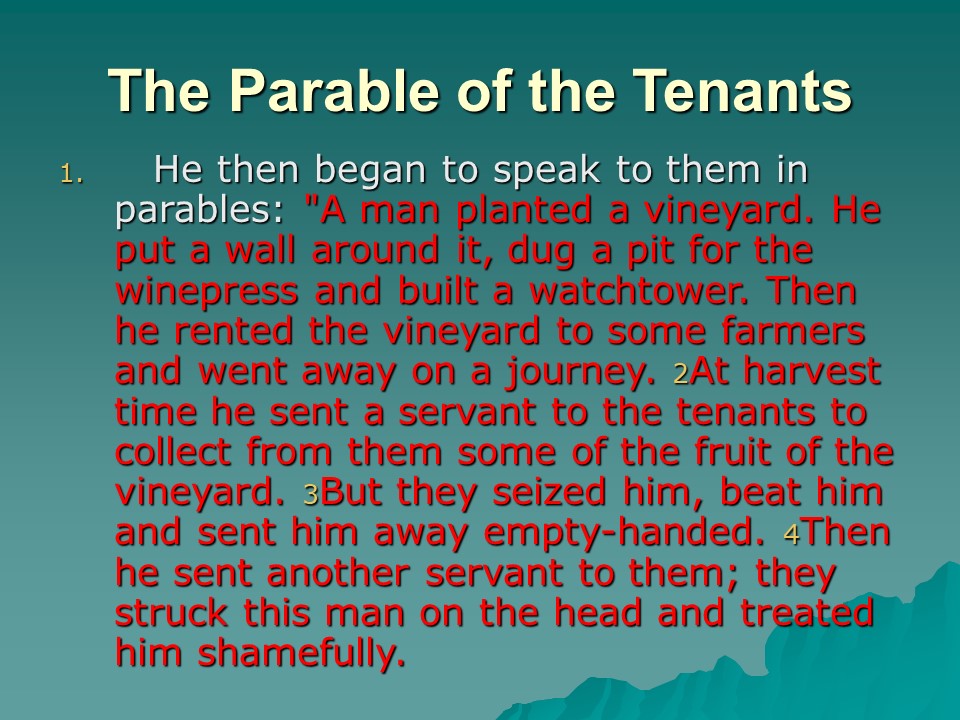
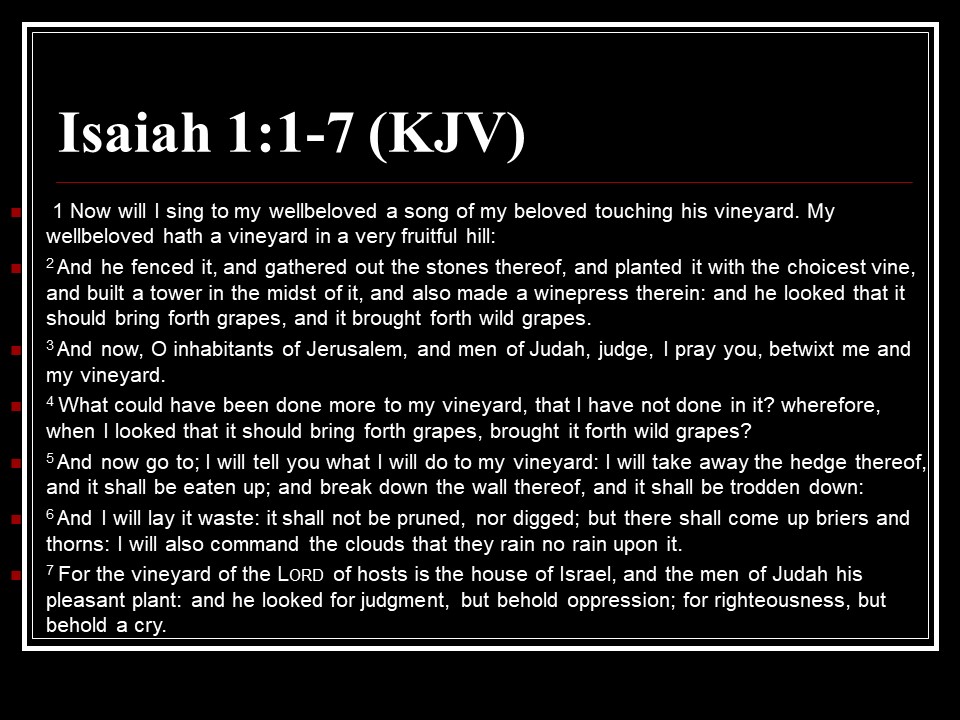
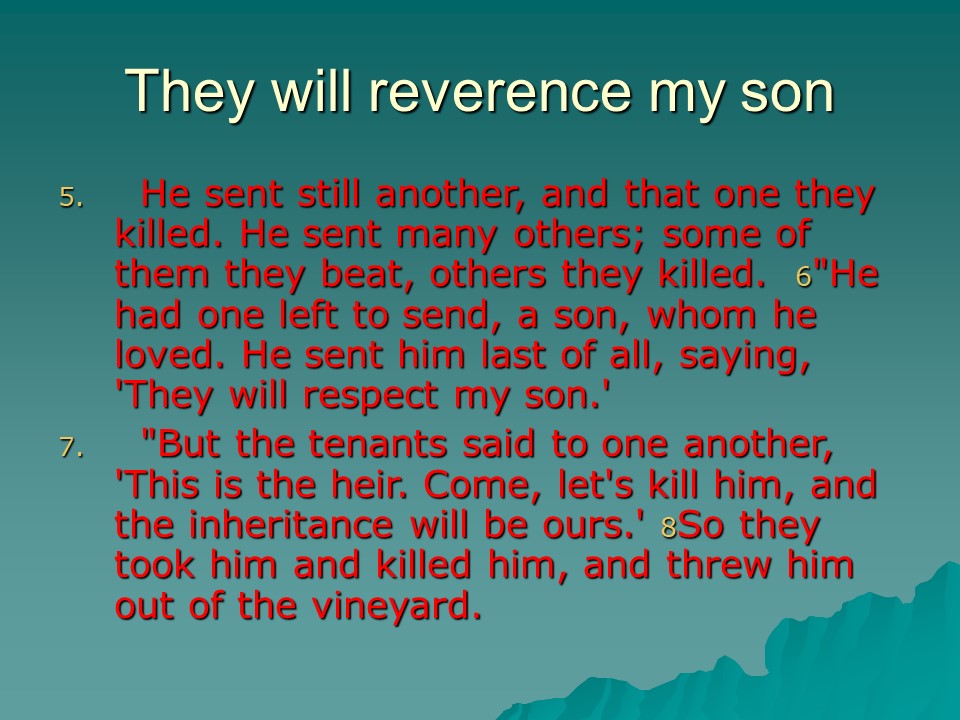
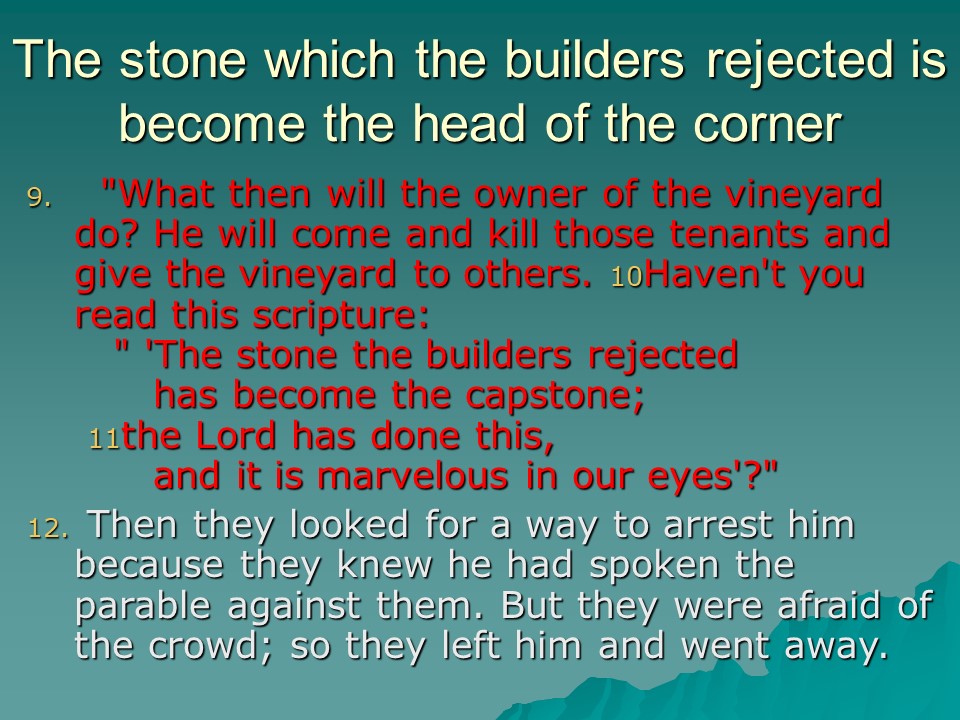
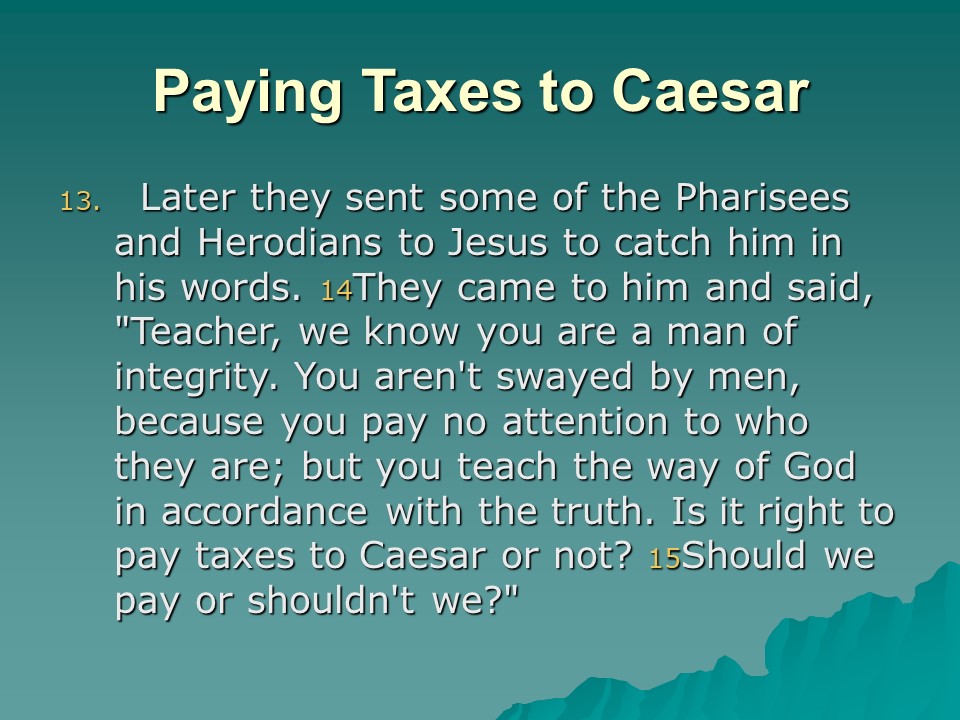
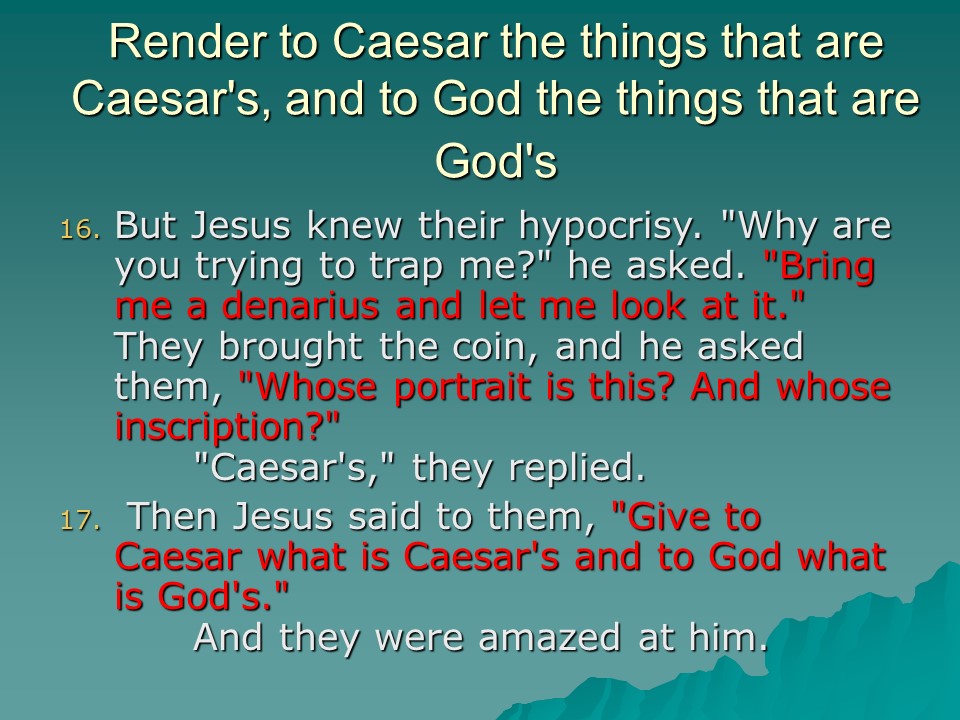
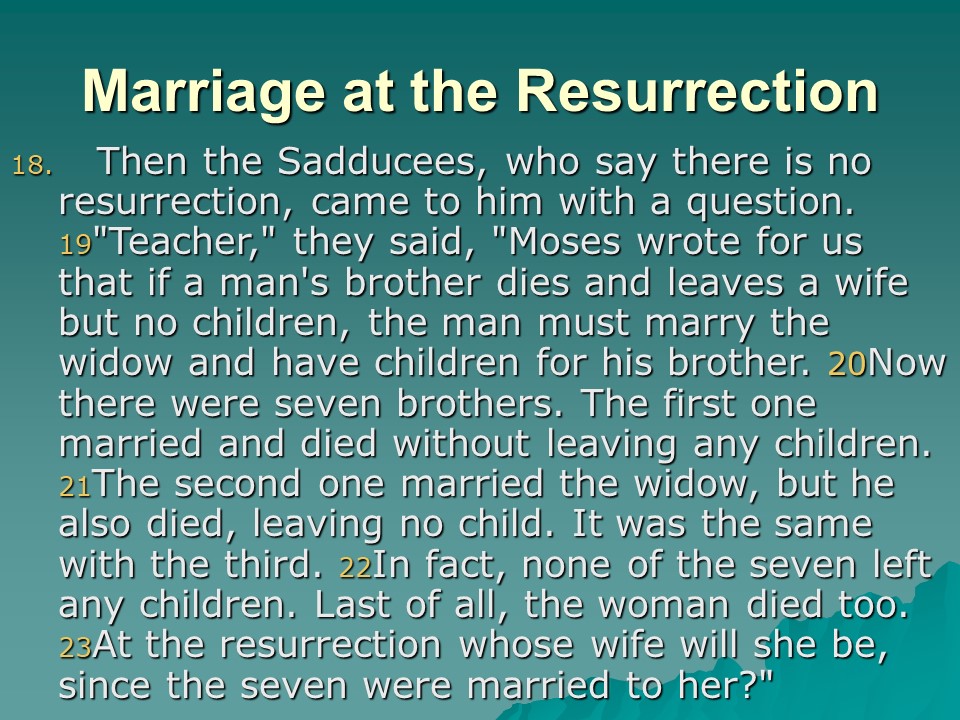
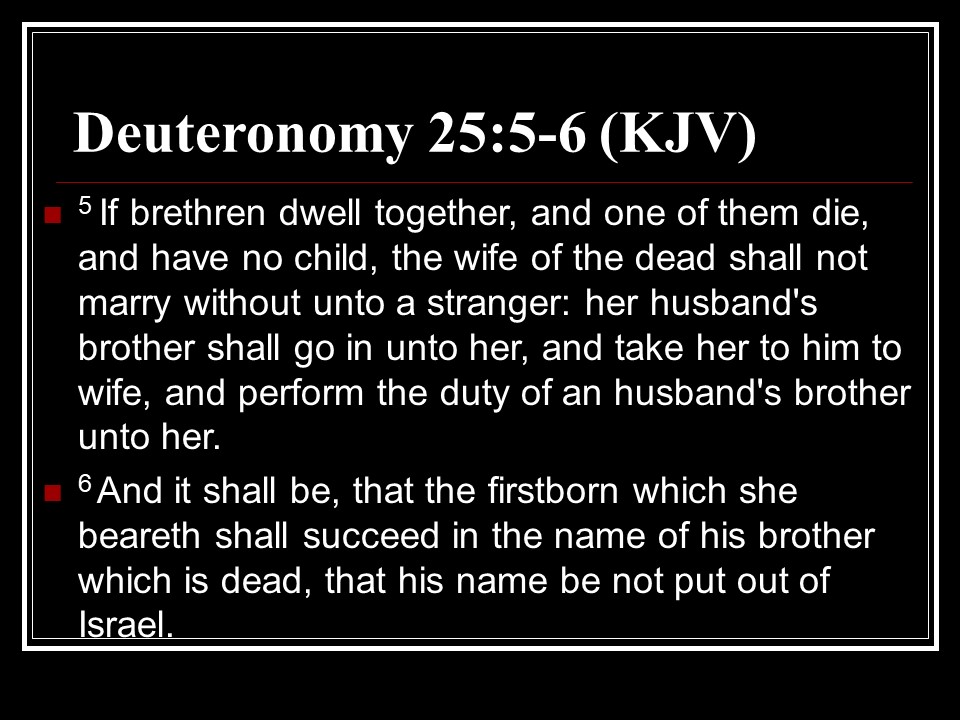
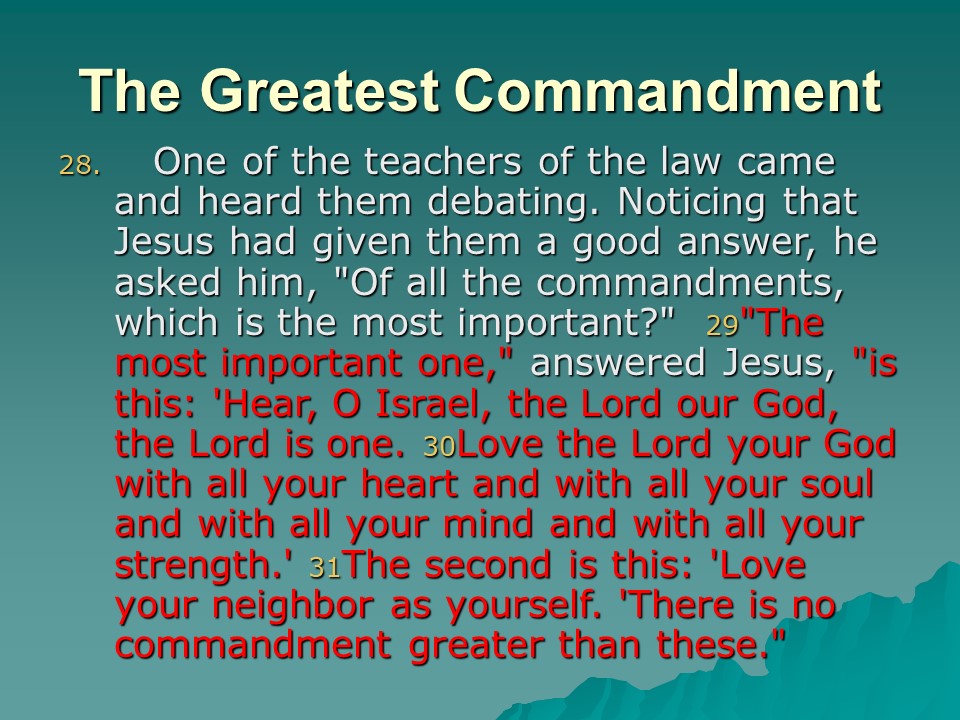
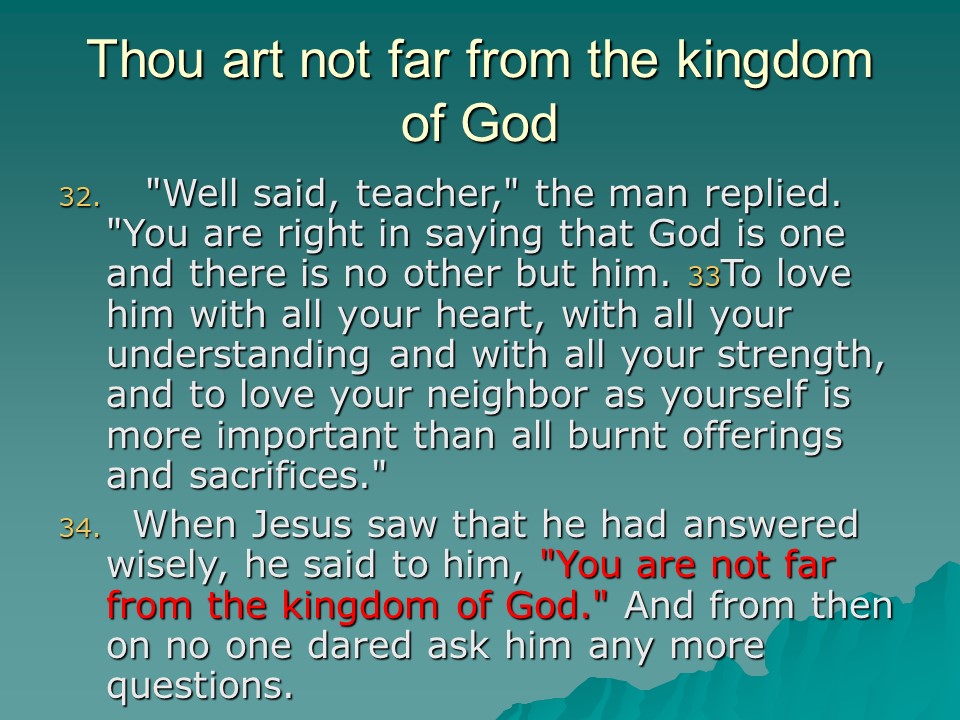
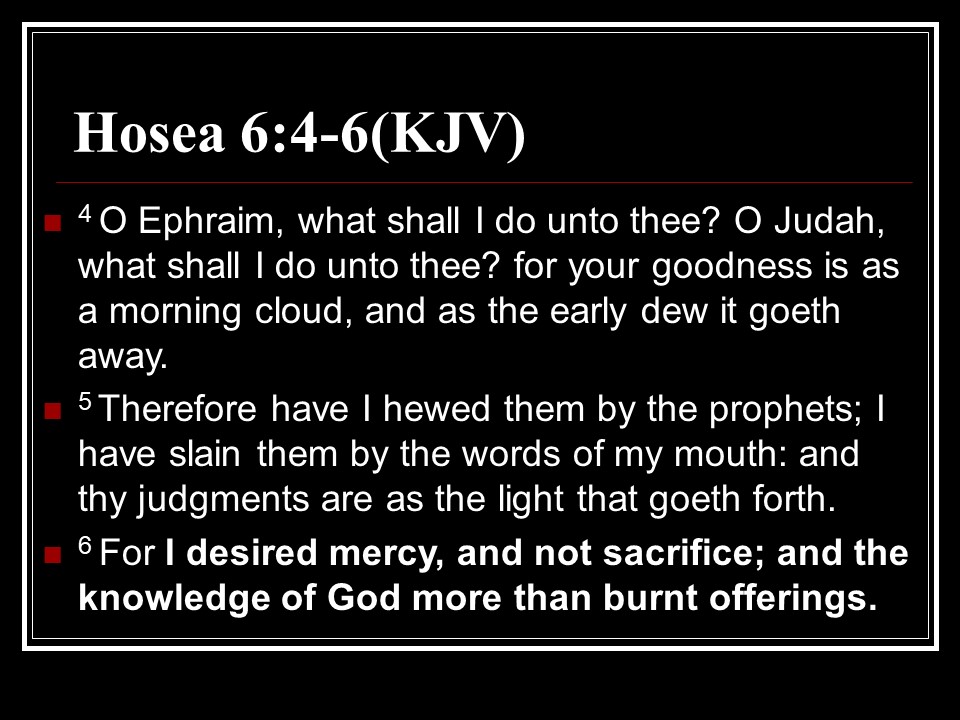
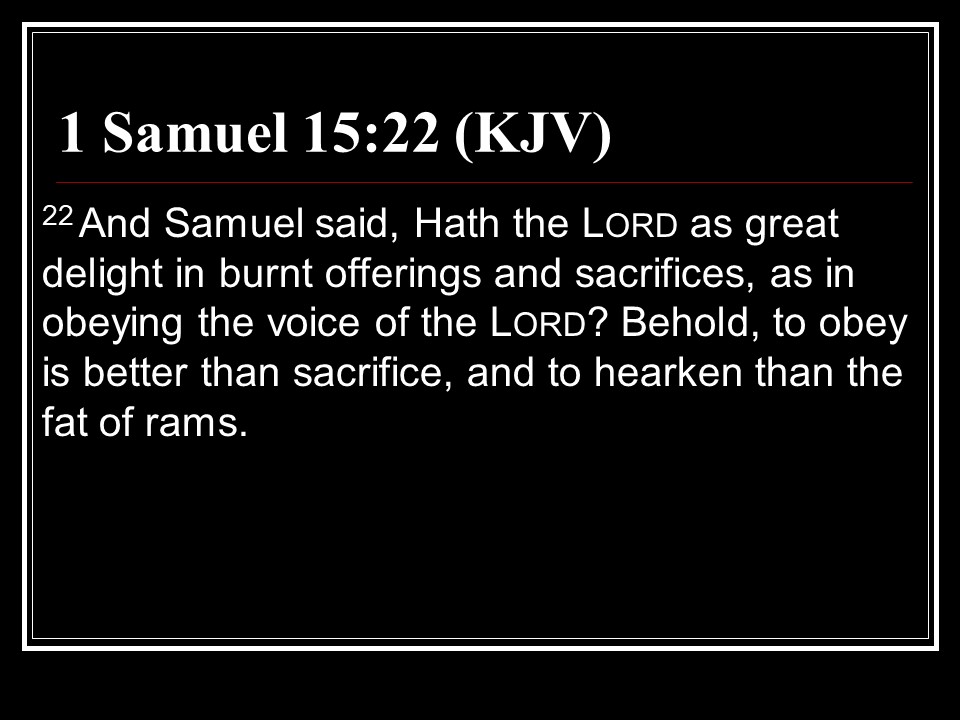
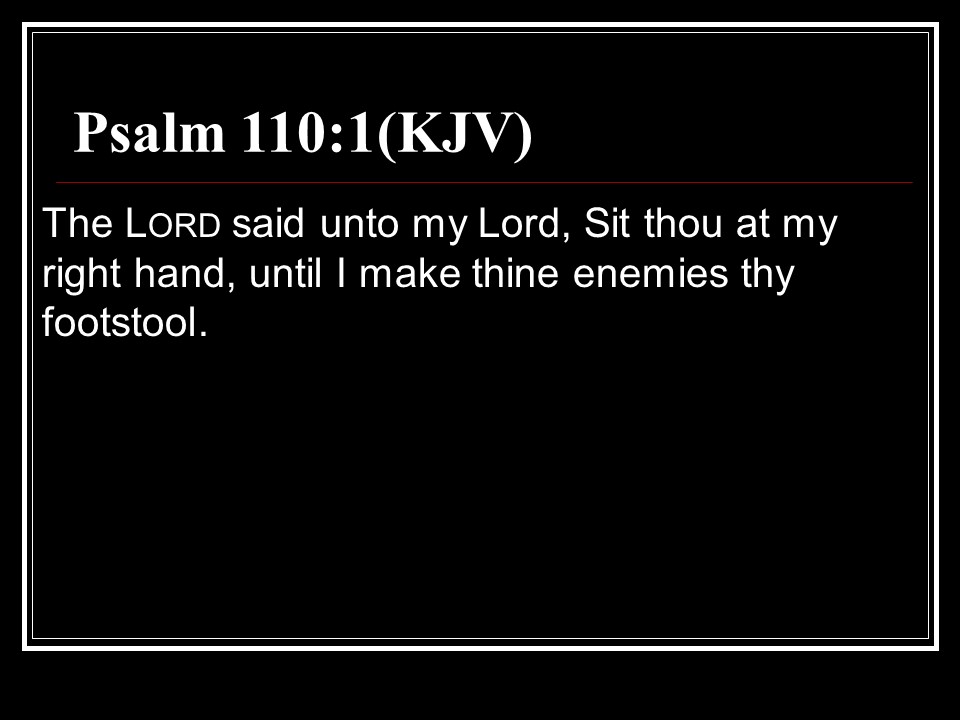
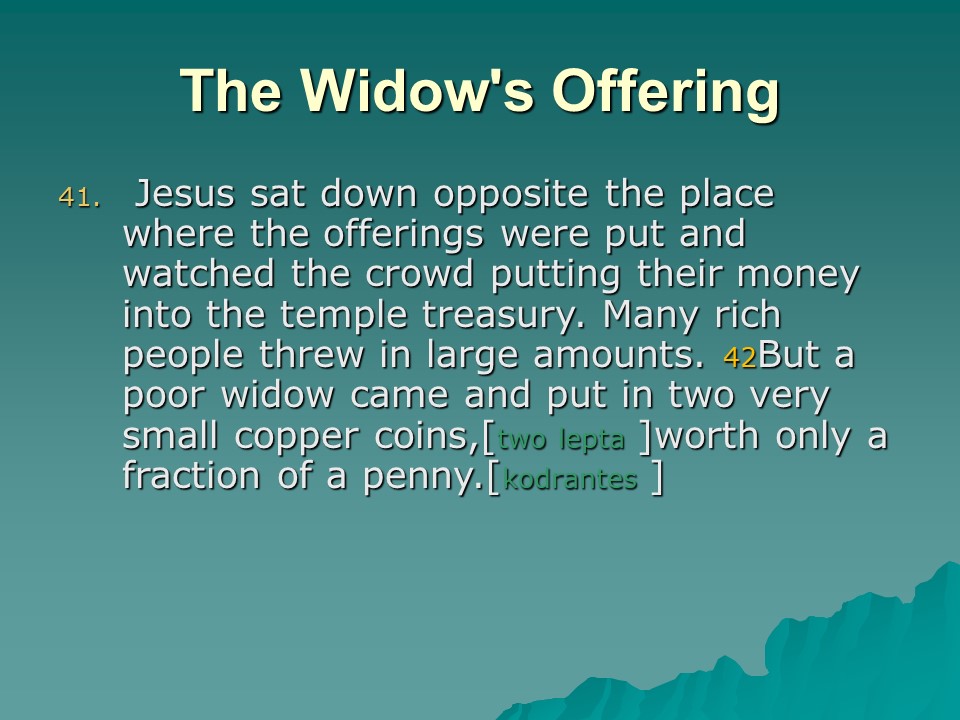
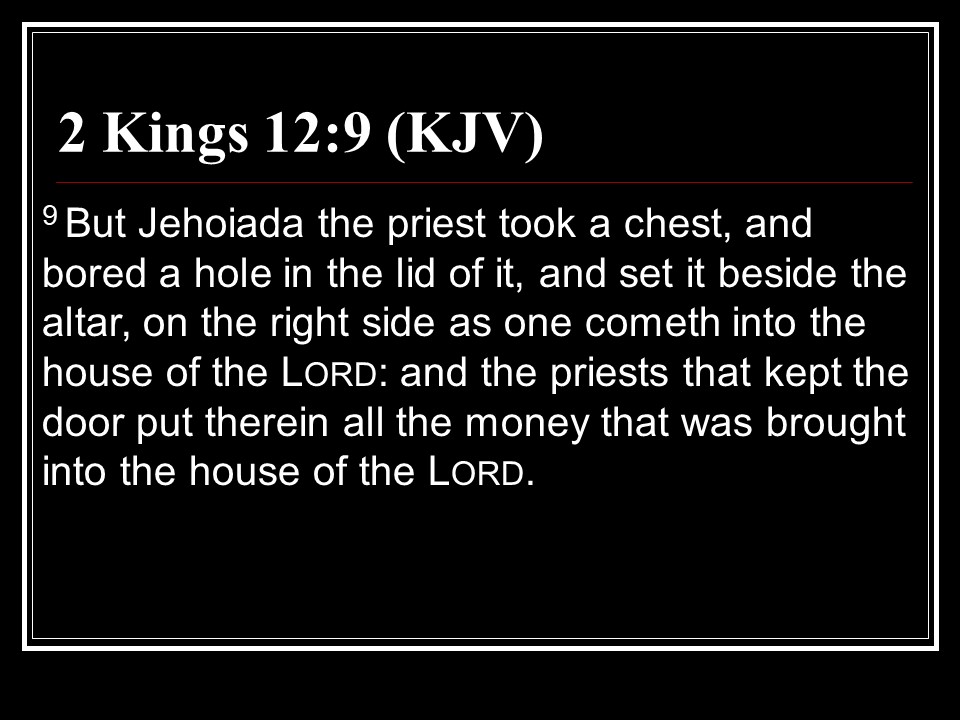
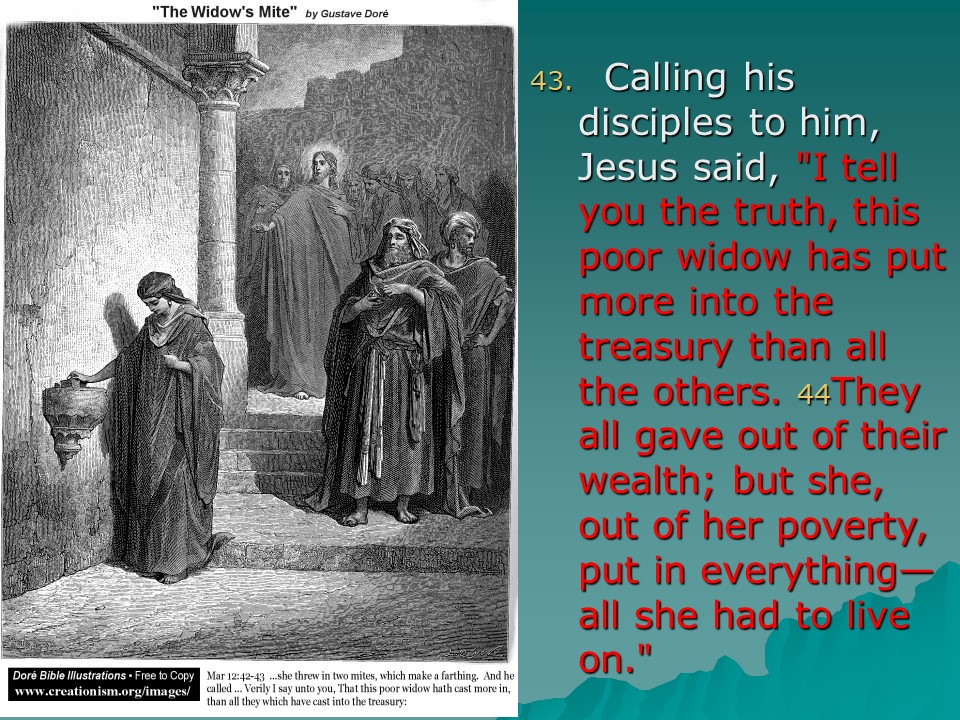
Mark 12, the Unfaithful Tenants, taxes to Caesar, marriage at the Resurrection, the Greatest Commandment, whose son is the Christ?, the widow’s Mite.




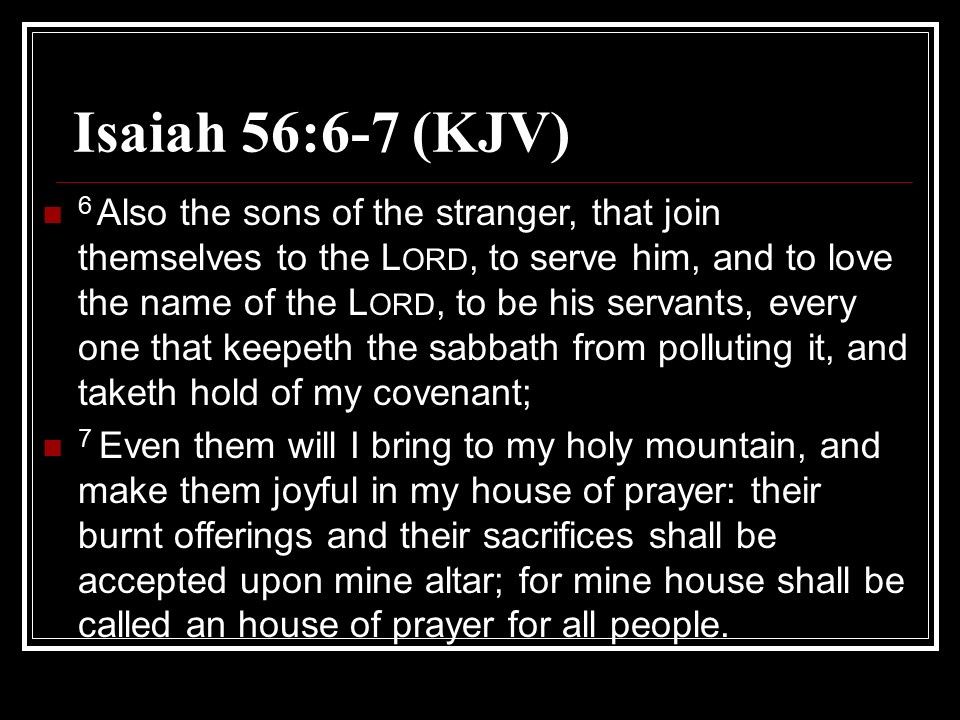
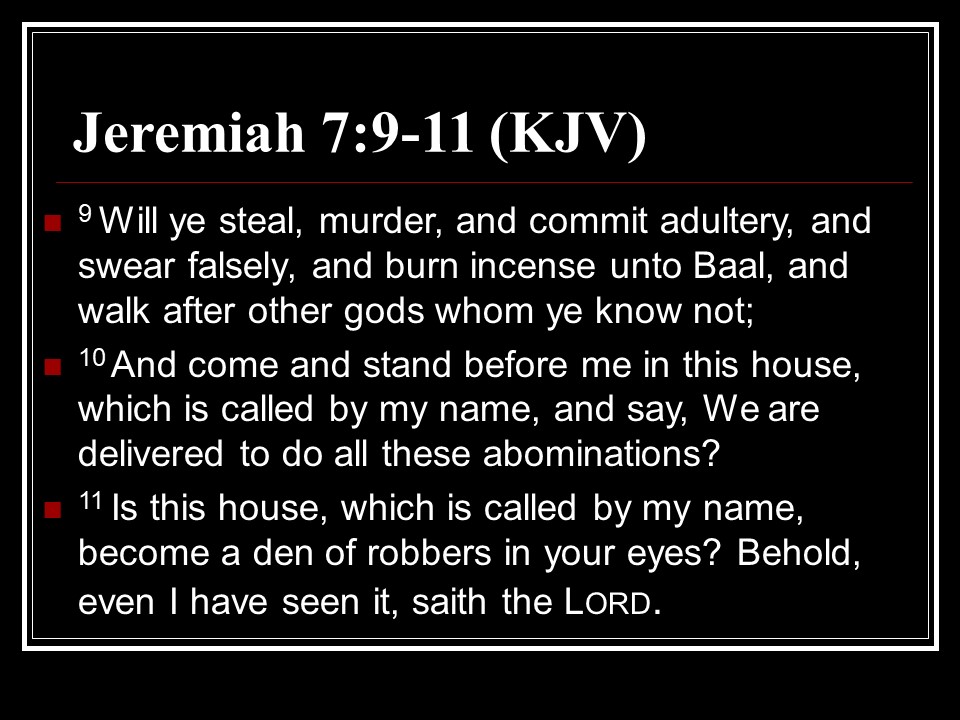
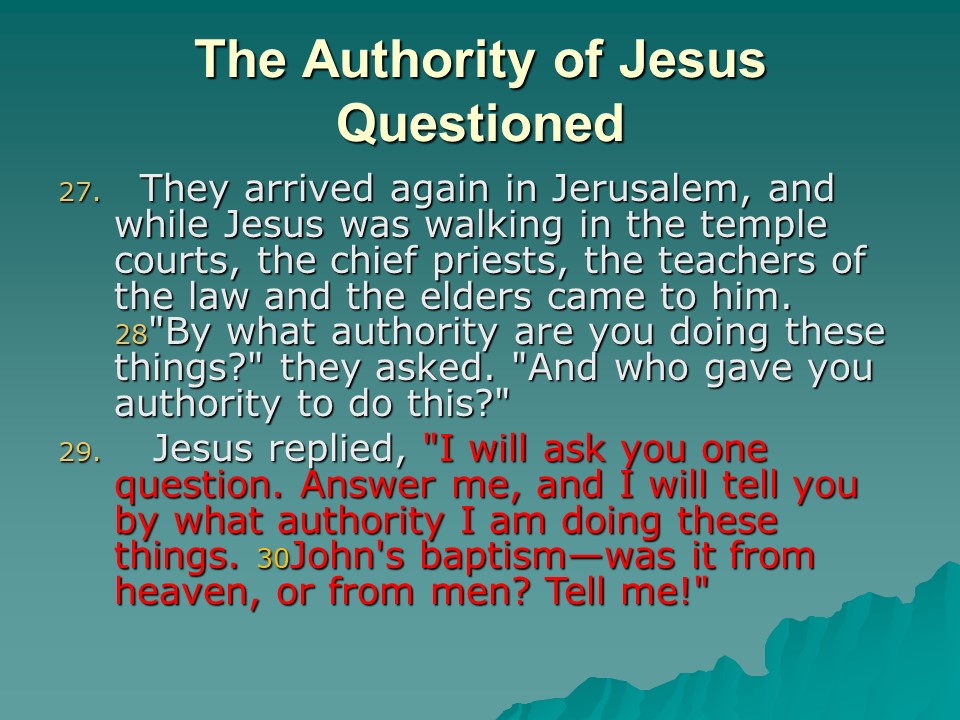
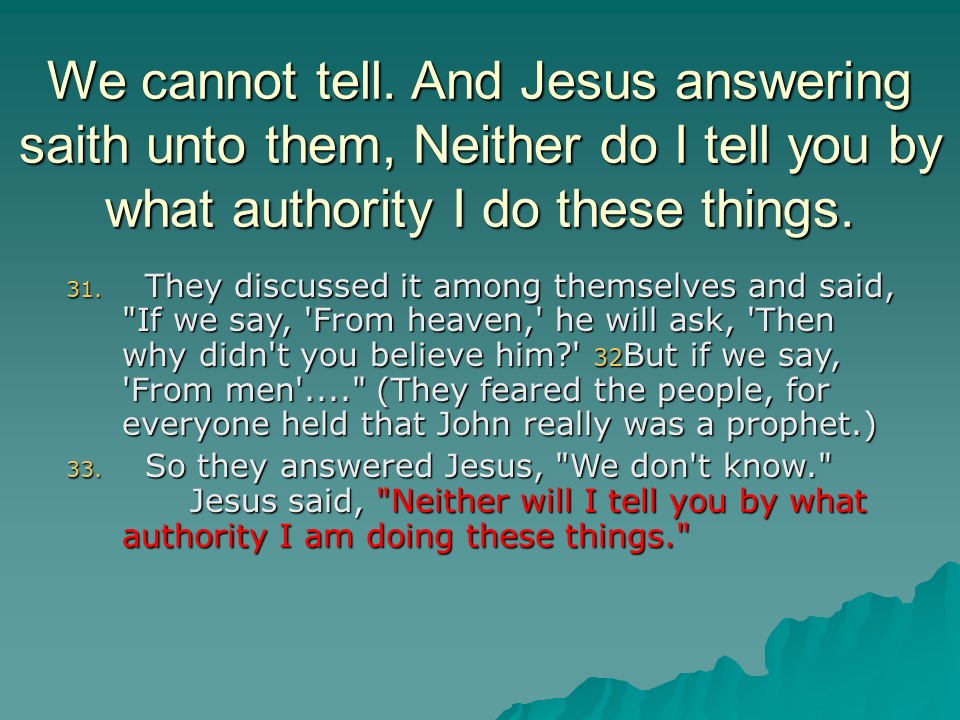
Mark 11, the Triumphal Entry, Jesus clears the Temple, the withered fig tree, Jesus authority questioned.


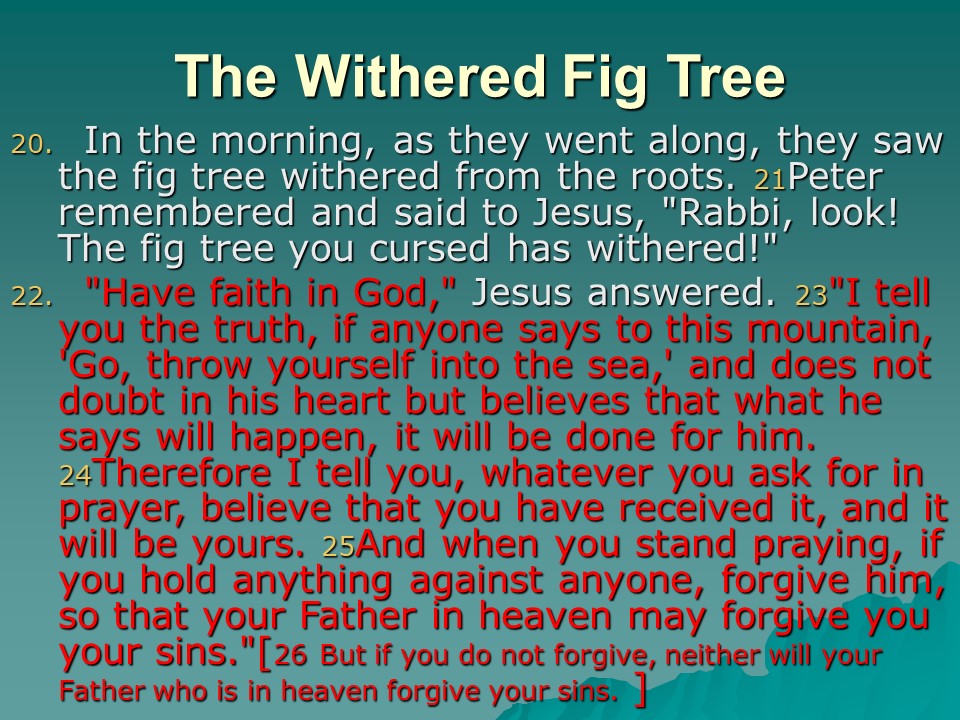 The fig tree is a symbol of Israel.
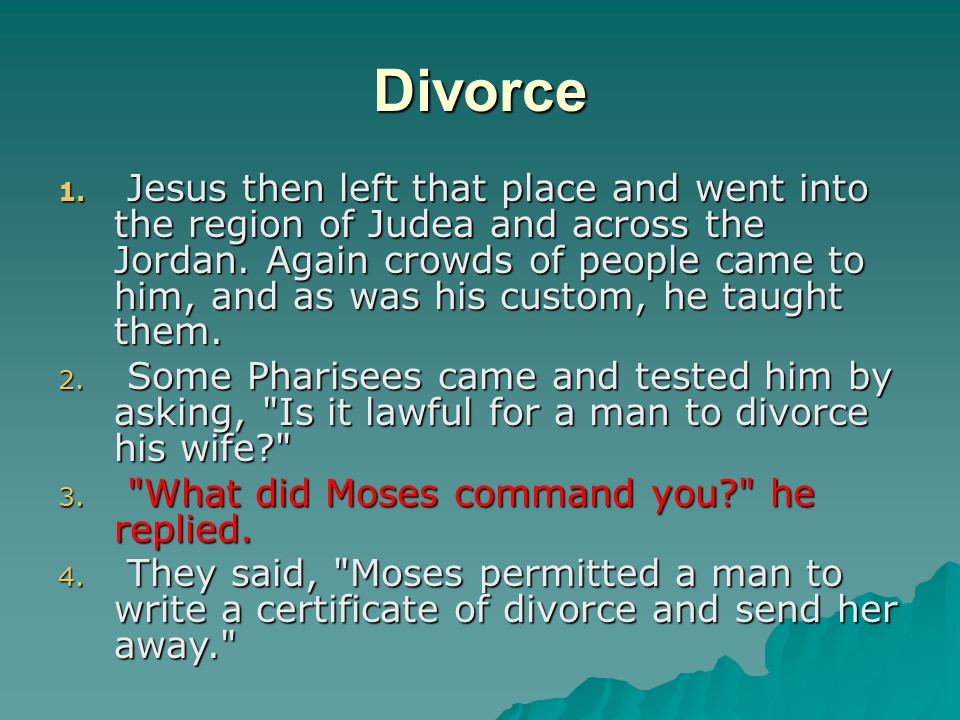
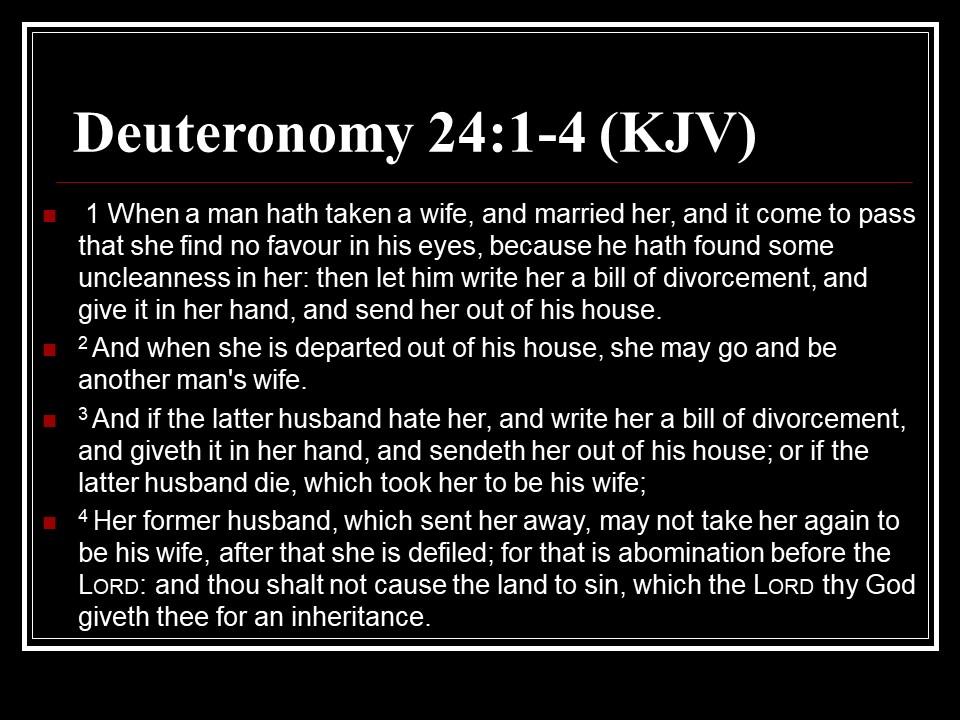
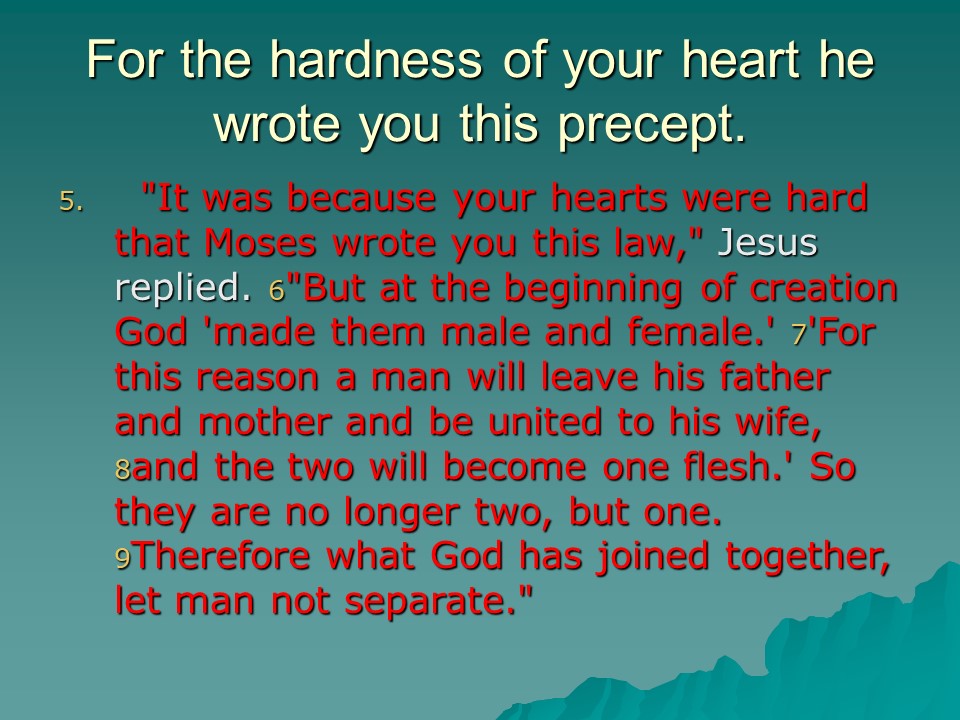
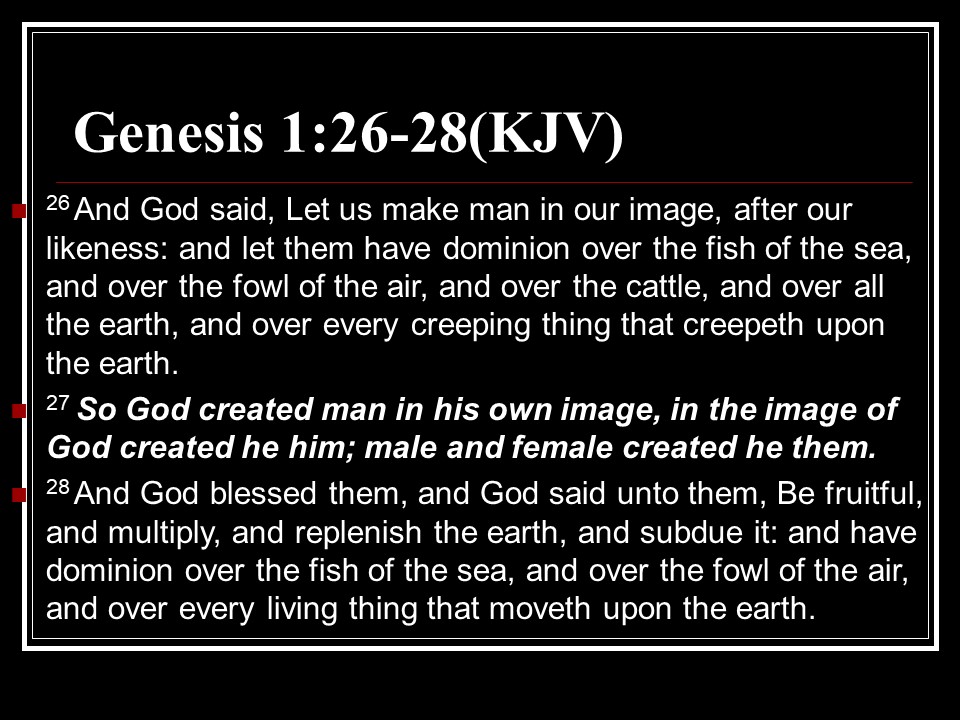
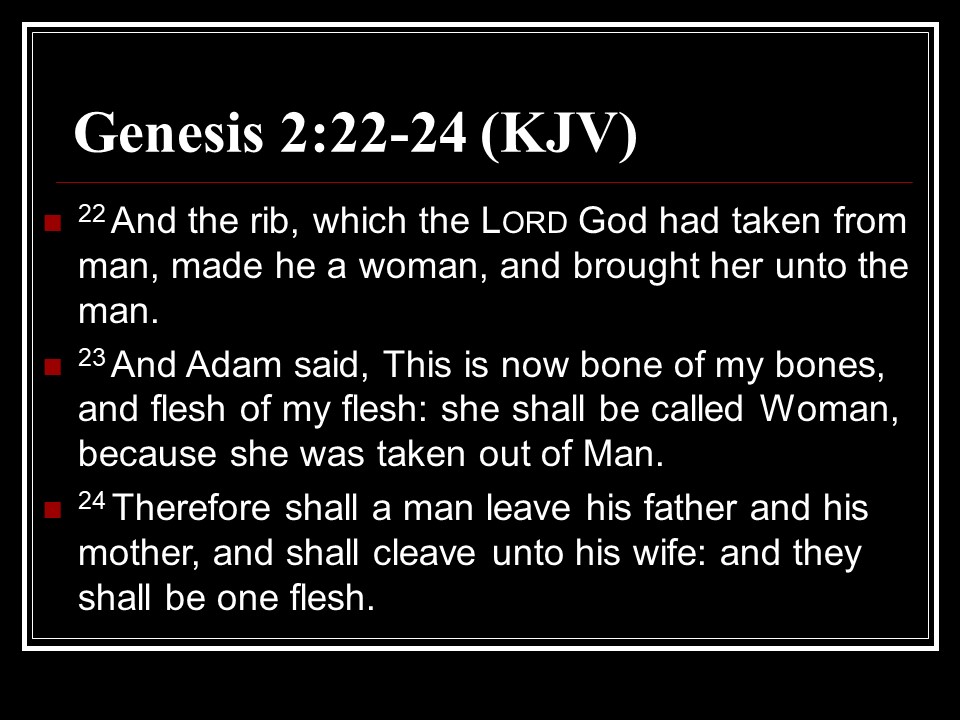
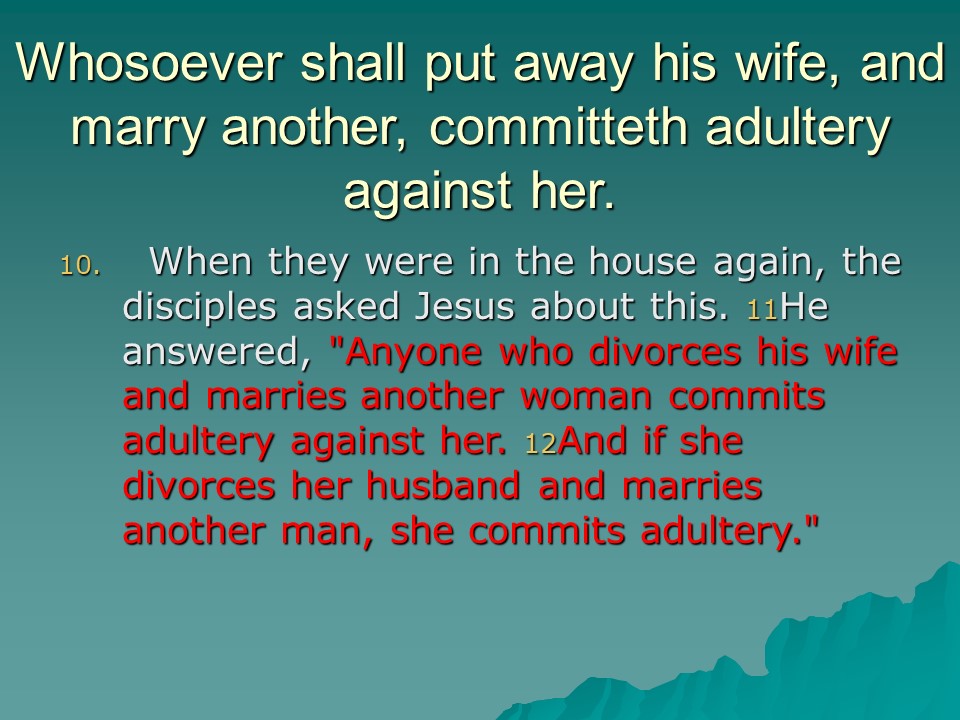
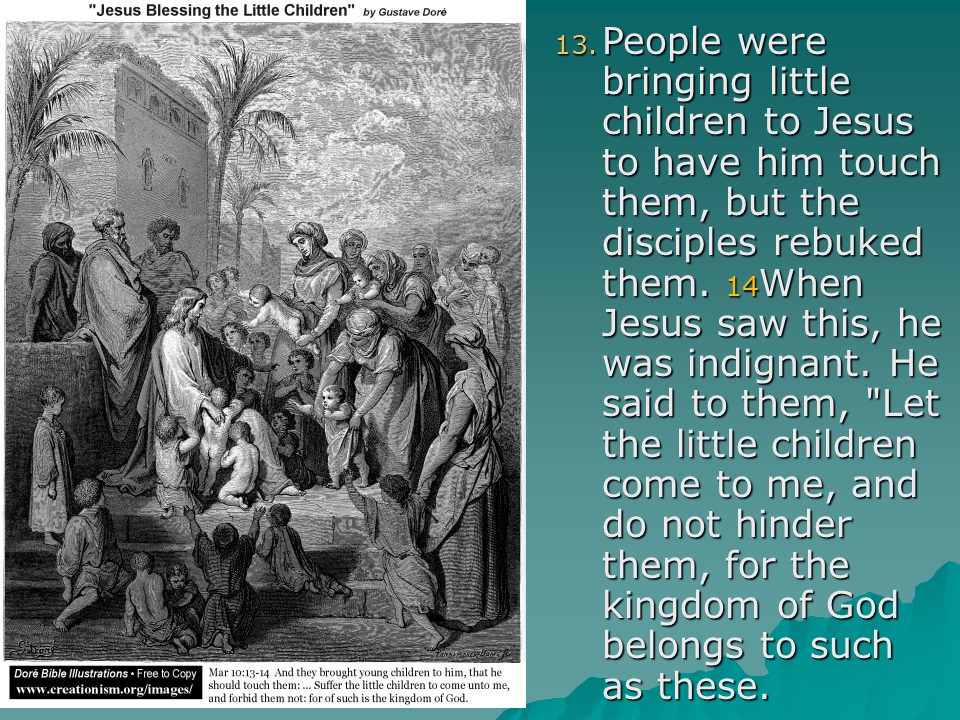
Mark 10, Marriage and Divorce, Jesus blesses the little children, the Rich Young Ruler, predicting Resurrection, Greatness in Serving, Jesus heals Bartimaeus.
 Len Bilén's blog, a blog about faith, politics and the environment.