In addition he signed one Executive Order restoring Science to the Golden Standard: Free from politics!
In the presentation of the Executive Orders the CEO of Oklo, James DeWitte mentioned that we are restarting a technology that has been inactive for over 40 years. This can only mean he meant without saying so the Oak ridge Molten Salt Thorium reactor. It was going great, but President Nixon wanted to go with the fast breeder reactor and move nuclear development to California, so they started to badmouth the MSR. One false accusation was that it was unreliable and needed to be shutdown frequently. The real reason was it was routinely shut down on weekends to save money and personnel. The Molten Salt Reactor does not have a poison time after shutdown as does conventional power station but can be scaled up and down including small power stoppages. I see this as an advantage. Anyhow, this is what Mr. DeWitte said:
One of many new options
There are only a few fissionable options, Uranium 233, Uranium 235 and Plutonium 239. Uranium 233 is produced by bombarding Thorium 232 with neutrons. Plutonium 239 is produced by bombarding Uranium 238 with neutrons.
Right now only 0.5% of the mined uranium is used. The rest goes to nuclear waste. Molten Salt reactors can use the nuclear waste as raw material and use the other 99.5% of the available energy. Another exciting use of Plutonium is when we finally dismantle the nuclear arsenal and burn it for peaceful use. And there is four times as much Thorium as there is mine-able Uranium, enough for thousands of years!
This is the beginning!
Here are 30 reasons why Thorium is a superior source for nuclear power:
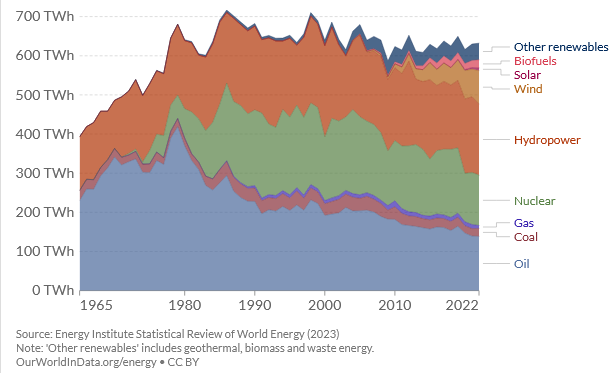
Sweden is perhaps the “greenest” country on earth. Their electric supply is a healthy mix of hydropower, wind, solar and biomass to make things go when the sun doesn’t shine and the wind doesn’t blow. Many cities are well planned where nearly all residential heat comes from spillheat from power plants. In Linköping the year 1967 the whole town was heated with surplus electricity during the spring flood. No house was allowed to have a fireplace in the regulated zone (except the city Architect’s and 3 other townhouses that somehow escaped the ordinance.) The energy use looks like this for Sweden:
Sweden once supplied nearly 40% of its energy needs via nuclear (electricity and heat) About half of the nuclear installations are retired and the last 6 are to be decommissioned before the end of the decade. To end nuclear energy was decided by a previous government in 1980 and the phase-out was to be completed in the mid 2020s. The goal was to generate 100% electric energy from renewable sources by 2040. (later changed to 2045).
Then Sweden had an election in 2022 and the Social Democrat, Green and Socialist coalition got replaced with a moderate, Christian Democrat and Liberal coalition with support of the nationalistic Sweden Democrat party. On June 20 they changed the slogan to 100% fossil-free electric energy by 2045.
This goal is impossible to meet without expanding nuclear power, especially since Sweden has specified that all new cars must be electric by 2035.
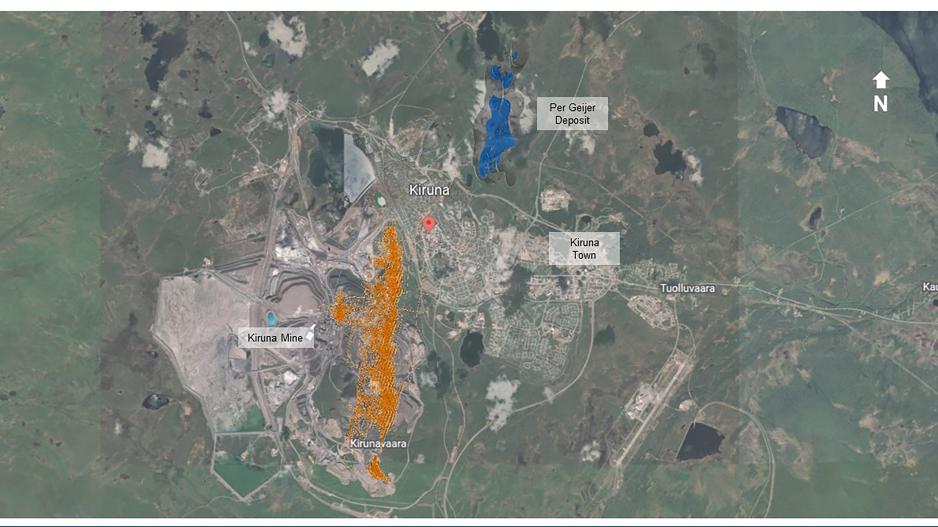
Then in January 2023 Sweden announced the largest Rare earth metals find in Europe. Europe is right now importing 98% of its rare earth metals from China. The find is called the Per Geijer deposit right next to the World’s largest underground Iron ore mine, the LKAB Kiruna mine located 120 miles north of the polar circle.
The new find is still basically a magnetite and hematite ore of excellent quality that also contains a significant amount of P2O5, which is premium fertilizer feed-stock. In addition It contains the largest find of rare earth metals in Europe. So far it is proven to contain the following Rare earth Metals:
HREO constitutes 17% within the tested apatite concentrate samples and 19% in the overall exploration samples.
LREO constitutes 83% within the tested apatite concentrate samples and 81% in the overall exploration samples.
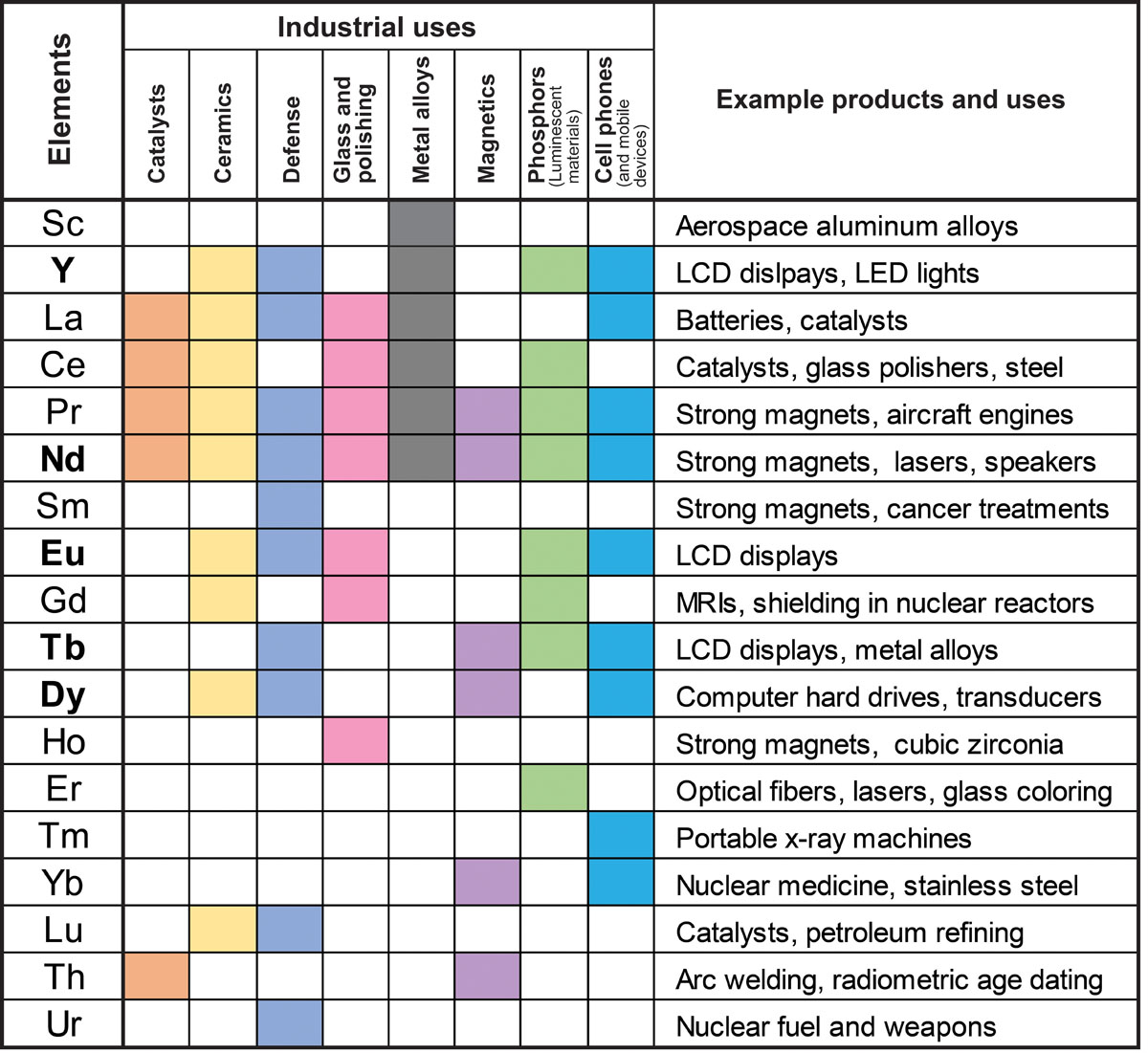
Just take a look at all the uses for rare earth metals. The most sought after pays all the cost of mining and refining, and the rest are readily available at nominal cost.
What is not mentioned is the content of Thorium and Uranium, but Thorium is always found in small amounts where ever Rare earths are found and very often some Uranium is also found in the ore.
In order to meet the need for both extraction of raw materials and at the same time increase Europe’s processing capacity LKAB has recently become the main owner of and entered into a cooperation with Norwegian REEtec. They have developed an innovative and sustainable technology for the separation of rare earth elements that can compete with the dominant Chinese production. The planned extraction site is proposed to be in the Luleå area.
Rare earth ore nearly always contains measurable amounts of Thorium and/or Uranium.The Thorium is nearly always returned to the slag heap, and sometimes the Uranium too if the concentration is low. No information has been given yet how much of anything the ore contains, but it is safe to assume that it is the largest ore find in Europe.
Sweden has a long history of mining. Before 1288 A.D. the local farmers of Falun found copper in what was called Kopparberget and the first documentary evidence of the mine appears in a letter from 1288 giving the Bishop of Västerås a one-eighth share in the mine in exchange for landholdings. The document shows that a cooperative organization by this time was managing the mine, with shares being bought and sold. The mine grew, and was once the largest copper mine in the world. This is also the reason the traditional color of Swedish farms is red, thanks to subsidies from the government if they painted their gray wooden farms and barns with Falu red paint.
Later Sweden became the producer of the best ball bearings in the world, and produced specialty steel for a variety of uses, such as the Sandviken Stradivarius musical saw.
For a while the mines in Sweden were many, but through environmental regulation and cost consideration Sweden now has only 12 mines left in operation. Many of the discontinued mines were started before there was any real environmental regulations, so the cleanup of abandoned mines is still ongoing. Sweden has no coal mines and no natural gas fields.
Sweden is the world leader in recycling everything that is economically defensible to recycle, and the rest of the waste products are, if possible incinerated, producing heat and some electricity. Very little, about one percent is returned to landfills. However, incineration is not recycling, Sweden is burning their only source of coal.
What I am proposing is somewhat akin to the old charcoal kiln; but instead of using wood, the source is trash sonverting trash to coal and gasses.
This is an opportunity for Sweden to be the world leader in recycling nearly everything, including CO2. It just takes energy.
This is my proposal:
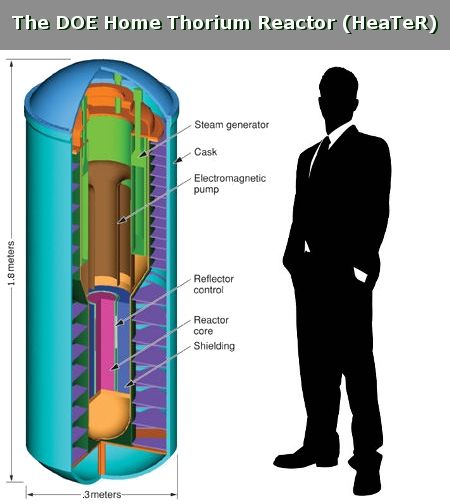
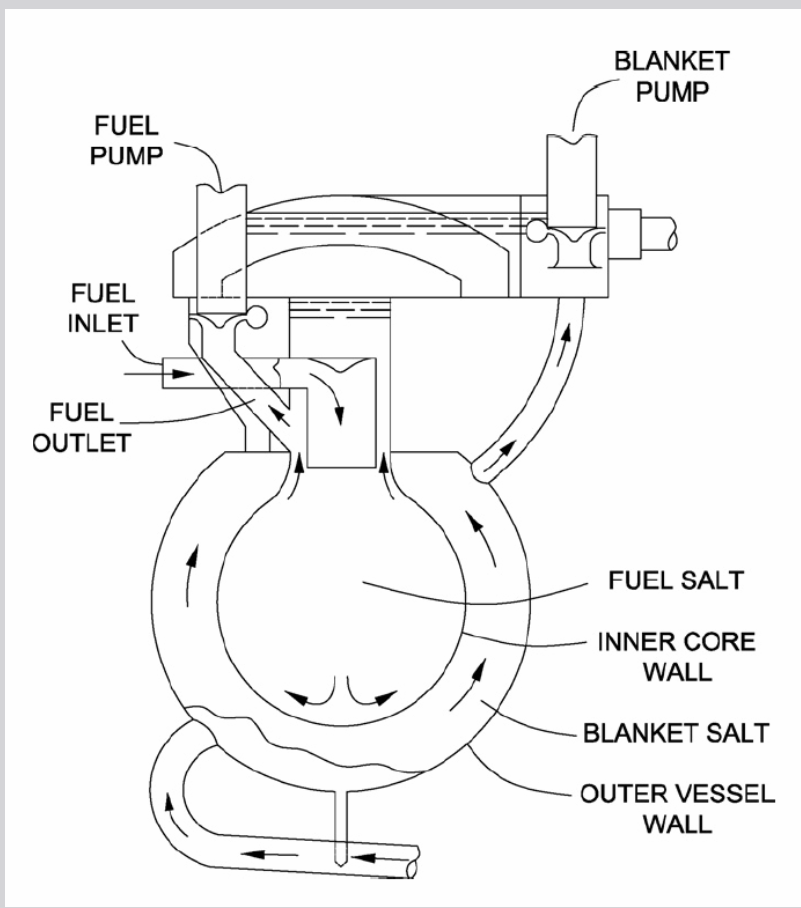
Build small modular molten salt thorium reactors, U233 or U 233 and and Plutonium two fuel reactors, an inner shell of U233 or Plutonium as fissile source, and an outer blanket of Thorium, which is the fertile source to generate more U 233 than is consumed. It can be gas cooled, using Helium or molten lead, both work well. Power output will be 100 to 200 MW, and the output temperature will be around 600C.
Municipal, industrial and construction waste will in the first stage be dried, removing nearly all water from the trash. The trash will then be fed into an outgasser, which is fed by 600 C Nitrogen generated from the nuclear heat source, preventing combustion. This will act as a charcoal kiln leaving high quality charcoal to be separately treated and refined, separating out metals and other contaminants. The gasses will run through a turbine generating electricity and scrubbed, separating the hydrogen, carbon, oxygen, chlorine and whatever was in the gasses.
By reducing waste to coal, graphite, graphene and separate hydrogen, oxygen, other gasses and metals it will be true recycling rather than a common waste to power and heat incinerator that produces CO2 and water from H2 and O2, truly wasting energy.
What will Sweden do instead?
SMRs. In Sweden, Kärnfull Next, a subsidiary of Kärnfull Future AB, became the first company in Scandinavia in March 2022 to develop SMR (Small Modular Reactors) projects. Kärnfull Next will work together with GE Hitachi (GEH) towards the deployment of the GEH’s BWRX-300 SMR. A memorandum of understanding was signed between the two companies for this purpose. A letter of intent was also signed with the Finnish utility Fortum at the end of 2022 to explore opportunities for SMR development in Sweden.
In February 2021, the Swedish subsidiary of the energy company Uniper signed an agreement with the developer of the LeadCold SMR and the Royal Institute of Technology (KTH) with the aim of building a demonstration plant at the Oskarshamn site by 2030. It is envisaged that the LeadCold SEALER SMR will generate between 3 to 10 MW over a period of 10 to 30 years without the need for refueling.
In June 2020, Vattenfall announced that it was conducting a pilot study to examine the construction of at least two SMRs adjacent to the Ringhals nuclear power plant. If the outcome is positive, the first SMR in Sweden could be commissioned in the early 2030s to replace the Ringhals 1 and 2 units, which have been shut down. In December 2022, the French utility EdF and the Finnish company Fortum signed a framework cooperation agreement to jointly explore opportunities for collaboration on the use of SMRs and large nuclear reactors.
US reveals plan for nuclear power plant on the MOON that could power lunar Space Force base
Harry Pettit, Senior Digital Technology and Science Reporter
Jul 27 2020, 10:56 ET
Updated: Jul 27 2020, 11:02 ET
Edited excerpts here
NASA astronauts could one day live on the Moon inside a base powered by a lunar nuclear plant.
That’s according to plans shared by the US Department of Energy, which hopes to have the sci-fi power station up and running by 2027.NASA may one day build a nuclear power plant on the Moon.
The DoE on Friday put out a request online for ideas from the private sector on how to build such a contraption.
Dubbed a fission surface power system, the station could help man survive harsh environments on the Moon, Mars and beyond.
“Small nuclear reactors can provide the power capability necessary for space exploration missions of interest to the Federal government,” the DoE wrote in the notice published Friday.
NASA has plans to put astronauts on the Moon in 2024 – the first manned mission to the lunar surface in almost five decades.
Nasa plans to establish a permanent base on the Moon in 2028.
The space agency has said it wants to set up a permanent base on Earth’s rocky neighbor in 2028. The base will help launch future missions to Mars.
Questions remain over what will power the base. NASA would like to use solar panels, but the most power is needed during the 14 day lunar night every month, so nuclear power is the only practical solution.
It seems the space agency, working with the The Idaho National Laboratory and Department of Energy, is at least exploring the nuclear option.
According to the notice published to the DoE’s website, officials are looking for ideas on how to build a mostly autonomous lunar power station.
Only Molten Salt Thorium reactors would fit the bill.
It should work for 10+ years at full power and boast a modular design that allows power units to connect together like Lego bricks.
Would-be designers are asked to whip something up that can survive the surface of Mars without modification.
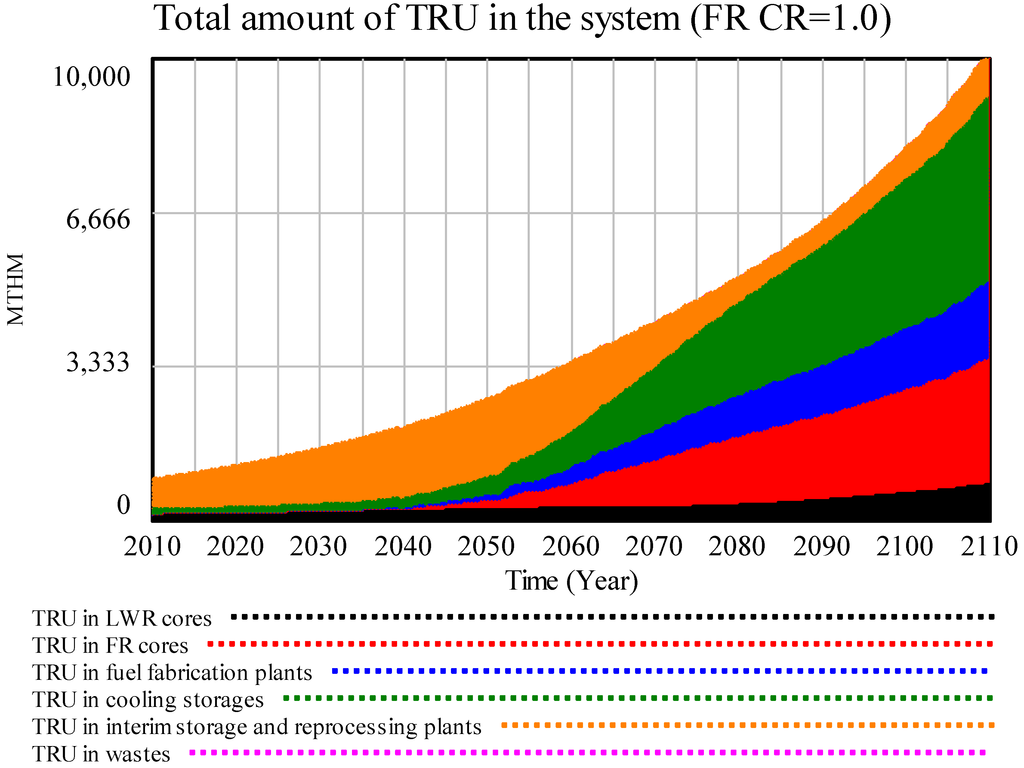
The stockpiles from light water reactor keep growing. The temporary storages are all full and spent nuclear fuel is still coming in with no good place to put it. This is an estimate of future stockpiles:
MTHM: Metric Tons Heavy Metals TRU: TRansUranium metals, a large amount of witch is Plutonium 239
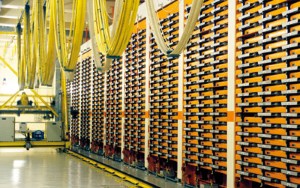
The dry storage is usually very neat and catalogued. After all Plutonium 239 is what you make atomic bombs from, so proliferation security is of utmost importance.
TRU can be reprocessed in a molten salt generator and generate far more energy than was obtained the first time around in the LWR
LFTR is a type of Molten Salt Reactor with equipment to convert plentiful thorium into uranium (U233) to use as fuel. It can also use plutonium from LWR (Light Water Reactor) waste. LFTR is not very efficient at using depleted uranium (need a Fast-Spectrum reactor to fission U-238 effectively; in a thermal-spectrum reactor like LFTR or LWR, would convert some U-238 to plutonium which is fissile). The best solution is a two-fuel molten salt reactor
Because a LFTR fissions 99%+ of the fuel (whether thorium, or plutonium from nuclear waste), it consumes all the uranium and transuraniums leaving little long-term radioactive waste. 83% of the waste products are safely stabilized within 10 years. The remaining 17% need to be stored less than 350 years to become completely benign.
The fuel source would be Trans-Uraniums, mostly Plutonium 239 and some Uranium 233. The blanket would contain Thorium, which when converted to Protactinium would be extracted out and in 28 days half of it would be converted to Uranium 233. The temperature in the fissile core will be around 650C and in the blanker somewhat less, its only purpose is to produce U 233 to be used in other nuclear plants.
“LFTR technology can then be used to reprocess and consume the remaining fissile material in spent nuclear fuel stockpiles around the world and to extract and resell many of the other valuable fission byproducts that are currently deemed hazardous waste in their current spent fuel rod form. The U.S. nuclear industry has already allocated $25 billion for storage or reprocessing of spent nuclear fuel and the world currently has over 340,000 tons of spent LWR fuel with enough usable fissile material to start one 100 MWe LFTR per day for 93 years. (A 100 MW LFTR requires 100 kg of fissile material (U-233, U-235, or Pu-239) to start the chain reaction). LFTR can also be used to consume existing U-233 stockpiles at ORNL ($500 million allocated for stockpile destruction) and plutonium from weapons stockpiles.”
FS-MSRs essentially avoid the entire fuel qualification issue in that they are tolerant of any fissile material composition, with their inherent strong negative thermal reactivity feedback providing the control necessary to accommodate a shifting fuel feed stream. Fast Spectrum Molten Salt Reactor Options,
Some of the pictures are from a slide presentation given by David Archibald in Melbourne Feb 5 2011. He posted it “for the benefit of all” which I have interpreted as waving the copyright of the pictures
Produces electrical energy at about 5 cents per kWh.
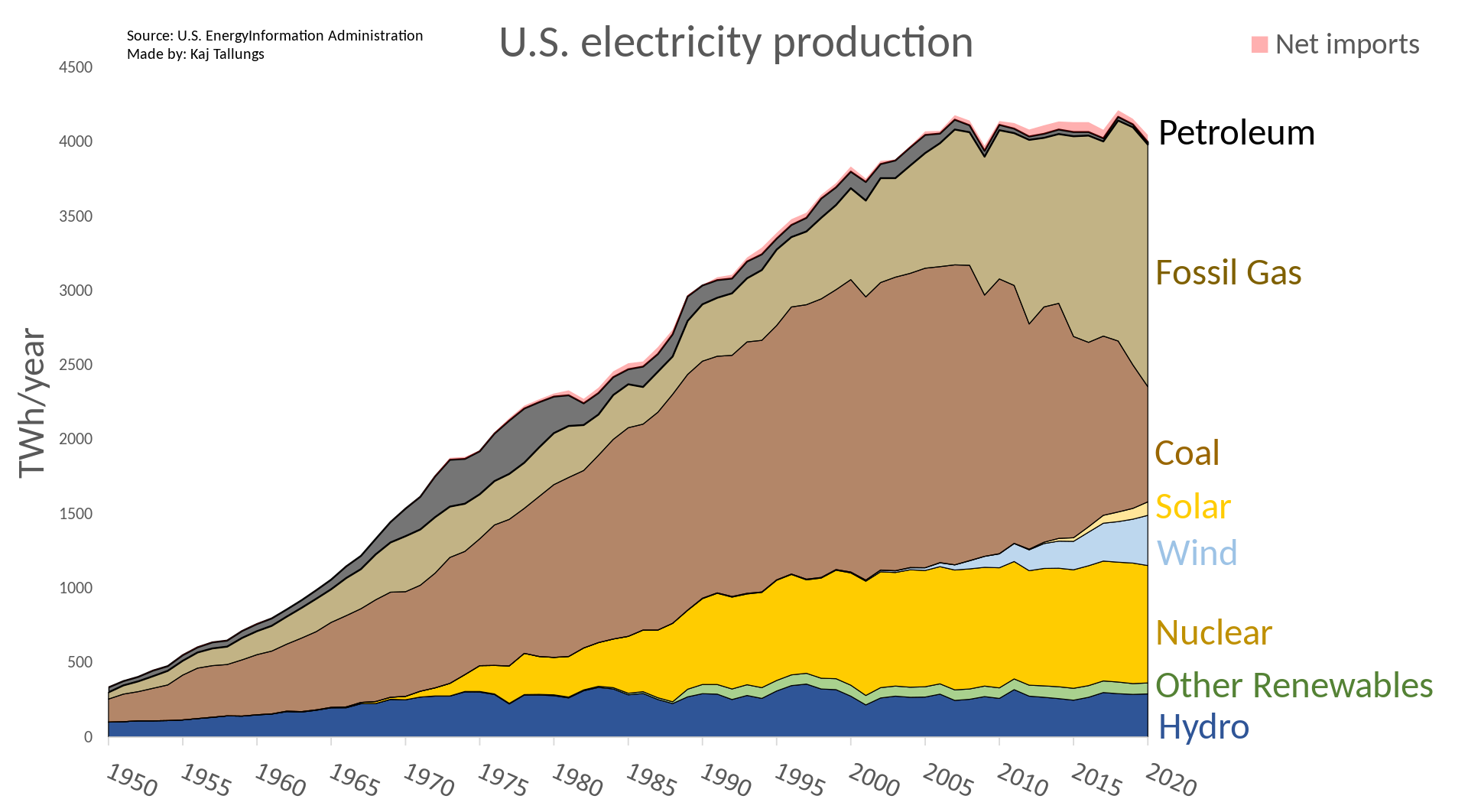
The United States sources of Electricity generation is one third from Natural Gas, one third from Coal and one third from non fossil fuel sources.
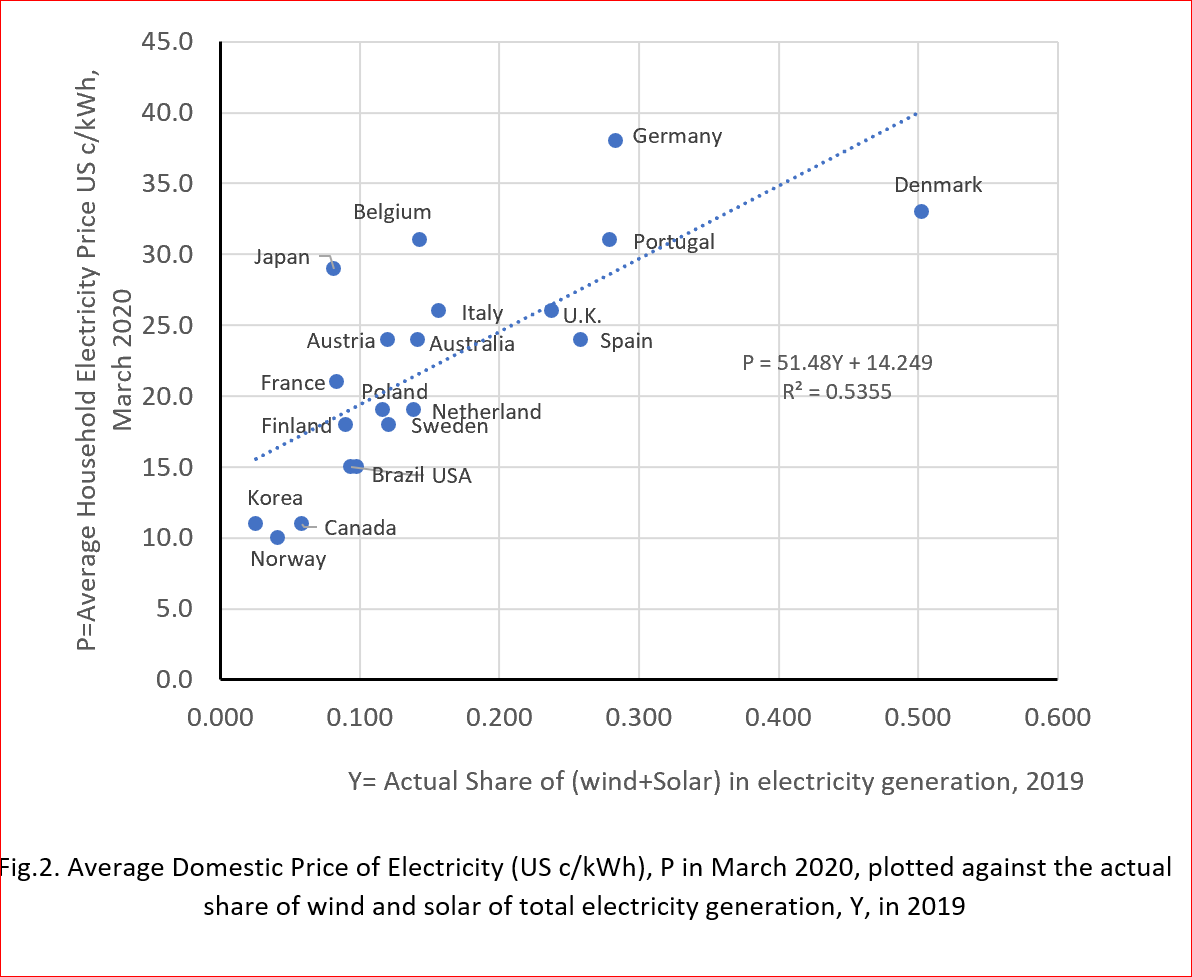
The cost to produce electricity with Thorium nuclear power should be about 40% less than Advanced Nuclear and about 30 % less than from Coal (with scrubbers) Solar generation is about 4 times more expensive (without subsidies) in the North-east, where people live. New Mexico, Arizona and California are suitable for cheap Solar power, but they lack Hydropower storage. Wind power is cheaper when the wind blows, but base generation capacity has to be there even when the wind doesn’t blow, so the only gain from wind power is to lessen the mining or extraction of carbon. In addition, wind power kills birds, the free yearly quota of allowable Bald Eagle kills was upped from 1200 to 4200 during the Obama administration. (https://lenbilen.com/2019/04/12/what-is-more-precious-babies-eagles-or-fighting-climate-change/). Golden Eagles and a few other rare birds has a quarter of a million dollar fine associated with their kills. If wind power is increased without finding a solution to the bird kills, whole species may go extinct. Solar power is, and will be used in special applications such as on roofs for backup and peak power assist. Today’s solar panels are easily destroyed by a single hailstorm. Hydroelectric power is for all practical purpose maxed out, so nearly all future increase must come from Coal, Natural Gas, Petroleum or Nuclear. The world experience on installing wind and solar energy is that it is expensive. See fig:
The residential cost of electricity increases as the proportion of total electricity demand is supplied by wind and solar. Part of the cost is in power distribution. Molten Salt Thorium Nuclear Generators is the way to go. It doesn’t depend on sun, wind and water to produce electricity where the need is.
Thr problem with Thorium is that it is classified as source material the same as Uranium. Natural Uranium is fissile in a heavy water moderated reactor, Thorium is only slightly radioactive, and should be regulated like all other radioactive products, like household smoke detectors and medical isotopes.
Congress should immediately declassify Thorium as a source material. This would again enable U.S. to mine rare earth materials like China and the rest of the world.
The video speaks for itself and is well worth watching. Especially listen at 15:30 min why molten salt reactors were abandoned.
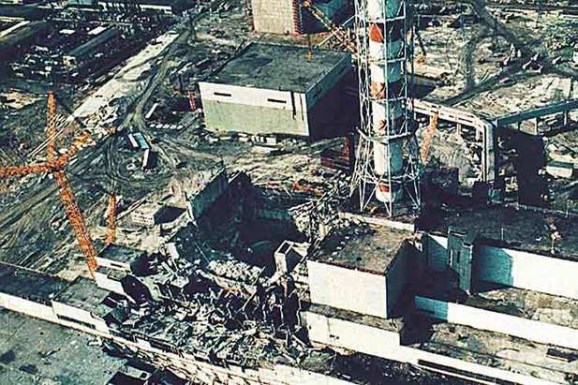
With a Molten Salt Reactor, accidents like Chernobyl are impossible. The Three Mile Island accident was bad. The Chernobyl disaster was ten million times worse. Ah yes, I remember it well.
One morning at work, a fellow co-worker, a Ph.D. Chemist working on an Electron Capture Detector, containing a small amount of Nickel 63, came with a surprising question: You know nuclear science, how come the reactors in Chernobyl don’t have a containment vessel? Well- I answered, it is because they are carbon moderated and their failure mode is that they go prompt critical, and no containment vessel in the world can hold it in, so they skip it. He turned away in disgust. A few weeks later my wife’s father died, and we went to Denmark to attend the funeral. The day of the return back to the U.S. we heard that there had been a nuclear incident in Sweden, too much radiation had caused two nuclear power stations to close down. The Chernobyl disaster had happened 26 April 1986, and this was the first time anyone outside of Chernobyl has heard about it, two days later. This was still the Soviet Union, and nothing ever did go wrong in it worthy of reporting.
(Photo Courtesy of EBRD)
Notice the gaping hole where the reactor was. The adjacent reactor was not shut down immediately, but continued to operate and deliver power for days. During the invasion of Ukraine in 2022, the still-very-real health risks inherent to lingering around certain parts of the Chernobyl Exclusion Zone just didn’t sink in with Russian soldiers and their commanding officers based in Belarus. Radiation sunk in, though—particularly after Russian troops dug into the zone’s heavily irradiated Red Forest. And today, some soldiers are still falling sick, according to diplomatic sources cited by the UK journal The Independent.
The radiation cloud immediately following the accident continued to spread, and was first noticed in Sweden, and the SLV immediately declared reindeer meat, wild game and inland fish with a 300-bequerel/kilogram (Bq/kg) count or higher to be unsafe for human consumption and therefore unmarketable. 75% of all reindeer meat was deemed unfit for human consumption, and this played havoc with the Sami population.
(But the carbon moderated Uranium reactors are the most efficient in producing Pu-239 the preferred nuclear bomb material.)
As I mentioned before, the failure mode of carbon moderated nuclear power plants is that they can go prompt critical during power downs, so very stringent power down protocols must be followed. There is a loss of power production during the lengthy power down process. Carbon moderated nuclear power plants has a positive temperature coefficient; the warmer it gets the more power it produces, so they must be provided with multiple safety circuits and infallible scram shutdowns. However, power shutdowns are costly, so they try to stretch the shutdown intervals as much as possible. In the case of Chernobyl, the protocols were violated for political reasons, one or more safety circuits were disabled to allow power production for as long as possible and suddenly there was a power surge, the temperature surged and the chain reaction started. The scram rods failed and the rest is history.
This has nothing to do with anything, but Chernobyl means wormwood in Russian. It is mentioned in the Bible, Revelation 8: 10-11 “ And the third angel sounded, and there fell a great star from heaven, burning as it were a lamp, and it fell upon the third part of the rivers, and upon the fountains of waters; And the name of the star is called Wormwood: and the third part of the waters became wormwood; and many men died of the waters, because they were made bitter. ”
Molten Salt Thorium reactors cannot be used to supply Plutonium 239, only Uranium 233, and so far there is no research on how to make bombs from U 233, and they are far safer than even Light water Uranium reactors. Only gravity is needed to shut them down in case of earthquakes, total power failures, EMP pulses and bombs.
United States used to be the leader in Thorium usage. What happened?
The 40 MWe Peach Bottom HTR in the USA was a demonstration Thorium-fueled reactor that ran from 1967-74. and produced a total of 33 billion kWh.
The 330 MWe Fort St Vrain HTR in Colorado, USA, ran from 1976-89. Almost 25 tons of Thorium was used in fuel for the reactor.
A unique Thorium-fueled light water breeder reactor operated from 1977 to 1982 at Shippingport in the USA– it used uranium-233 and had a power output of 60 MWe.
However, after 10 years passed and billions invested, the U.S. Atomic Energy Commission abandoned Thorium research, with uranium-fueled nuclear power becoming the standard. In the 1980s, commercial Thorium ventures failed, such as the Indian Point Unit 1 water reactor near New York City, because of the vast financial costs of going it alone in a hostile regulatory environment, and fuel and equipment failures. By the 1990s, the US nuclear power industry had abandoned Thorium, partly because Thorium’s breeding ratio was thought insufficient to produce enough fuel for commercial industrialization.
After the Three Mile Island accident, Middletown, PA in 1979 there was a 30 plus year hiatus in building another nuclear plant, and Thorium was not on any politicians list of areas in which to invest scarce research funds.
Some research and development was still conducted, but it was more concentrated in protecting the U.S. leading position in monitoring and controlling existing nuclear technology. As a contrast even the Netherlands is developing a molten salt Thorium reactor.
The Generation IV International Forum’s current membership consists of:
Argentina*
Japan
Australia
Republic of Korea
Brazil*
Russian Federation
Canada
Republic of South Africa
People’s Republic of China
Switzerland
Euratom
United Kingdom
France
United States
* Non-active member.
The list of possible implementations is long and growing, Here are most of them: Most of them can operate on Uranium or Plutonium or mixed fuel including a fertile blanket of Thorium that converts to U-233 as fissile material. The remaining problem is the clean extraction of fission products and protactinium during full operation. In the mean time they will help generate enough U-233 for clean operation with minimum waste production.
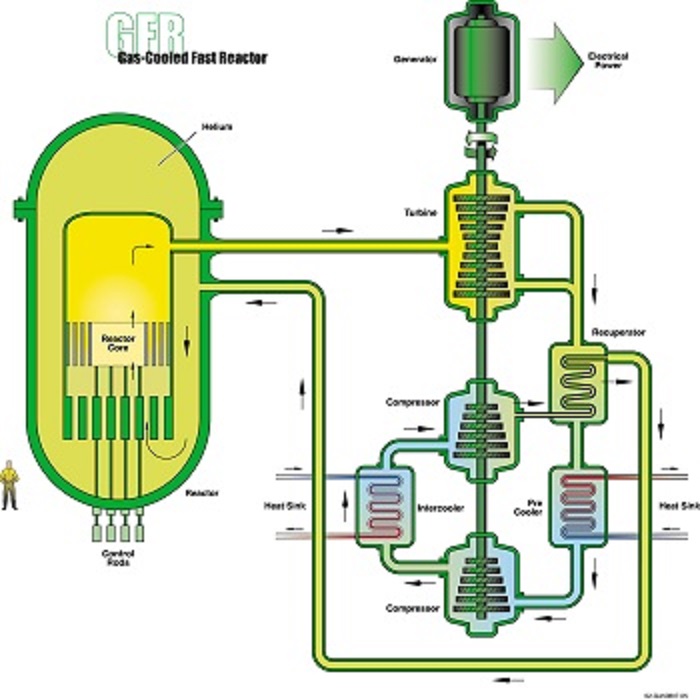
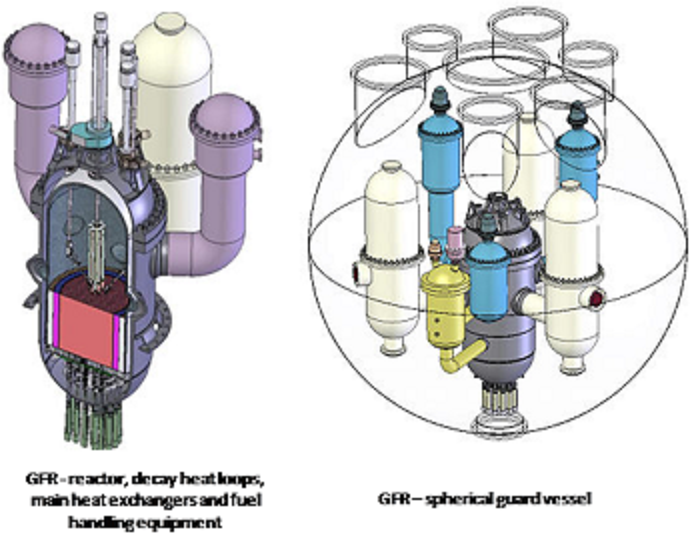
Gas-Cooled Fast Reactor (GFR)
The GFR system is a high-temperature (850C) helium-cooled fast-spectrum reactor with a closed fuel cycle. It combines the advantages of fast-spectrum systems for long-term sustainability of uranium resources and waste minimization (through fuel multiple reprocessing and fission of long-lived actinides), with those of high-temperature systems (high thermal cycle efficiency and industrial use of the generated heat, for hydrogen production for example).
This system is ideal for co-generation of electricity and hydrogen production.
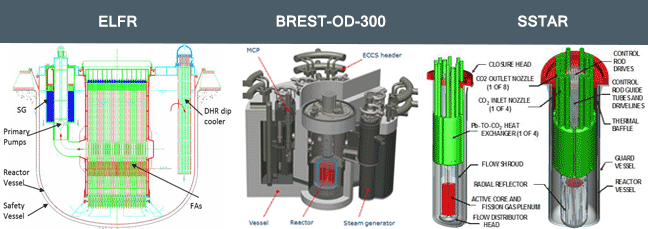
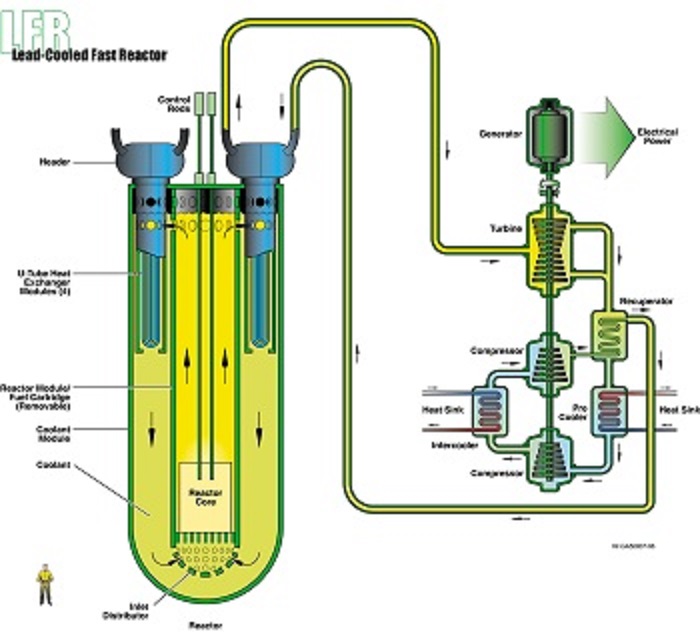
Lead-Cooled Fast Reactor (LFR)
a
This reactor type would have multiple applications including production of electricity, hydrogen and process heat. System concepts represented in plans of the Generation IV International Forum (GIF) System Research Plan (SRP) are based on Europe’s ELFR lead-cooled system, Russia’s BREST-OD-300 and the SSTAR system concept designed in the US. Numerous additional LFR concepts are also under various stages of development in different countries including China, Russia, the USA, Sweden, Korea and Japan.
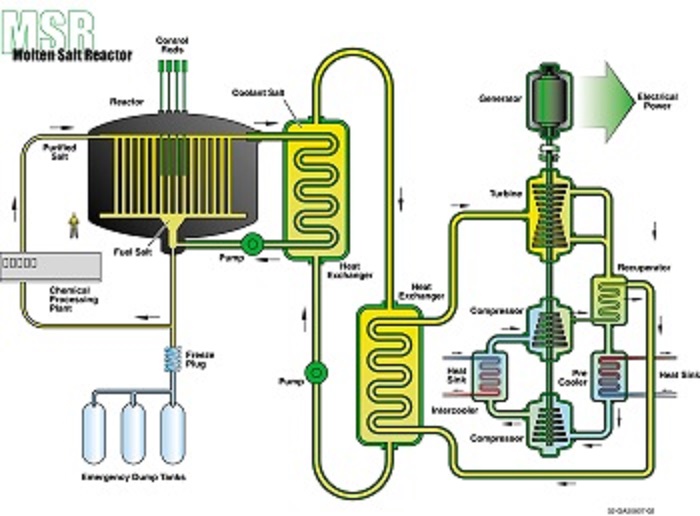
Molten Salt Reactor (MSR)
. The onsite fuel reprocessing unit using pyrochemistry allows breeding plutonium or uranium-233 from Thorium.
Compared with solid-fuel reactors, MSFR systems have lower fissile inventories, no radiation damage constraint on attainable fuel burn-up, no requirement to fabricate and handle solid fuel, and a homogeneous isotopic composition of fuel in the reactor. These and other characteristics give MSFRs potentially unique capabilities for actinide burning and extending fuel resources.
MSR developments in Russia on the Molten Salt Actinide Recycler and Transmuter (MOSART) aim to be used as efficient burners of transuranic (TRU) waste from spent UOX and MOX light water reactor (LWR) fuel without any uranium and thorium support and also with it. Other advanced reactor concepts are being studied, which use the liquid salt technology, as a primary coolant for Fluoride salt-cooled High-temperature Reactors (FHRs), and coated particle fuels similar to high temperature gas-cooled reactors.
More generally, there has been a significant renewal of interest in the use of liquid salt as a coolant for nuclear and non-nuclear applications. These salts could facilitate heat transfer for nuclear hydrogen production concepts, concentrated solar electricity generation, oil refineries, and shale oil processing facilities amongst other applications.
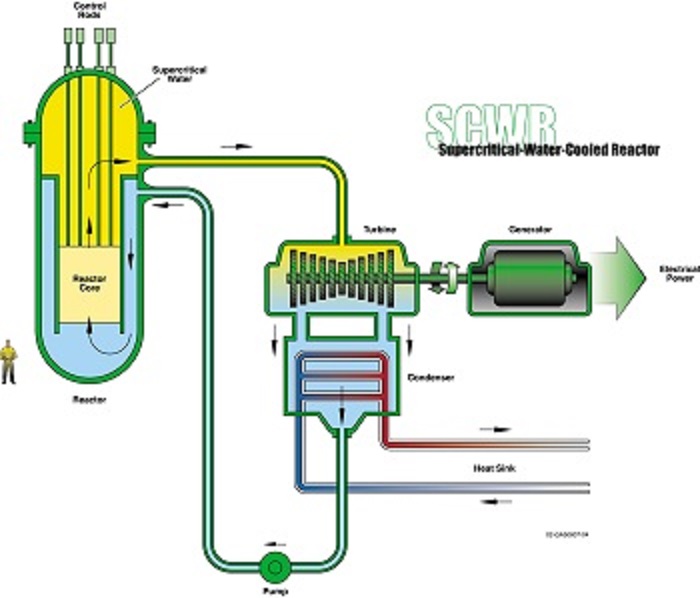
Supercritical-Water-Cooled Reactor (SCWR)
SCWRs are high temperature, high-pressure, light-water-cooled reactors that operate above the thermodynamic critical point of water (374°C, 22.1 MPa).
SCWR designs have unique features that offer many advantages compared to state-of the-art water-cooled reactors:
SCWRs offer increases in thermal efficiency relative to current-generation water-cooled reactors. The efficiency of a SCWR can approach 44% or more, compared to 34-36% for current reactors.
Reactor coolant pumps are not required. The only pumps driving the coolant under normal operating conditions are the feed water pumps and the condensate extraction pumps.
The steam generators used in pressurized water reactors and the steam separators and dryers used in boiling water reactors can be omitted since the coolant is superheated in the core.
Containment, designed with pressure suppression pools and with emergency cooling and residual heat removal systems, can be significantly smaller than those of current water-cooled reactors.
The higher steam enthalpy allows to decrease the size of the turbine system and thus to lower the capital costs of the conventional island.
There remains a number of challenges before this approach can be fully implemented, and one limiting factor is composite materials that can withstand high pressure, high temperature and high radiation at the same time.
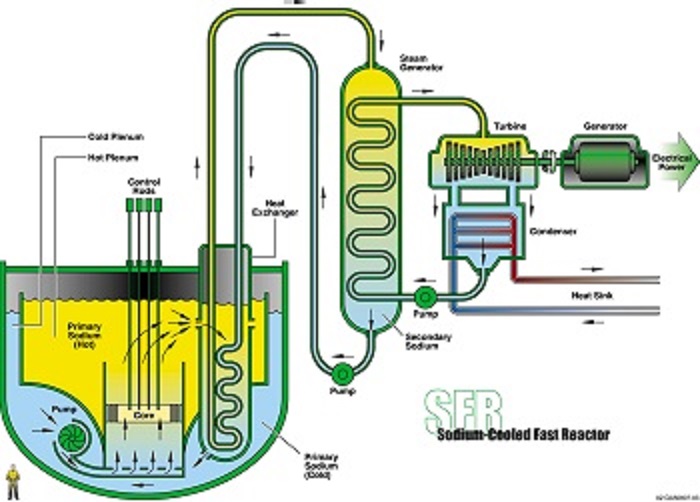
Sodium-Cooled Fast Reactor (SFR)
The SFR uses liquid sodium as the reactor coolant, allowing high power density with low coolant volume fraction and operation at low pressure. While the oxygen-free environment prevents corrosion, sodium reacts chemically with air and water and requires a sealed coolant system.
Plant size options under consideration range from small, 50 to 300 MWe, modular reactors to larger plants up to 1 500 MWe. The outlet temperature is 500-550°C for the options, which allows the use of the materials developed and proven in prior fast reactor programs.
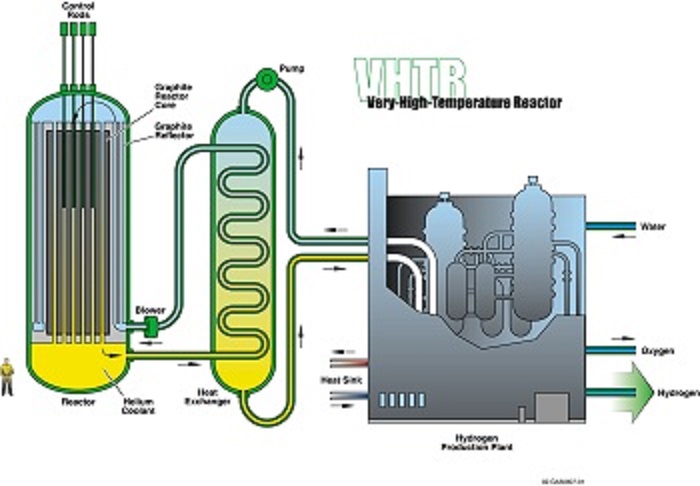
Very-High-Temperature Reactor (VHTR)
The VHTR is a next step in the evolutionary development of high-temperature gas-cooled reactors. It is a graphite-moderated, helium-cooled reactor with thermal neutron spectrum. It can supply nuclear heat and electricity over a range of core outlet temperatures between 700 and 950°C, or more than 1 000°C in future. The reactor core type of the VHTR can be a prismatic block core such as the Japanese HTTR, or a pebble-bed core such as the Chinese HTR-10.
The VHTR can support alternative fuel cycles such as U-Pu, Pu, MOX (Mixed Oxide fuel), U-Thorium.
From Denmark comes this interesting sales pitch for a nuclear waste, thorium based nuclear technology. Like most sales pitches it glosses over the remaining problems to implement it, and emphasizes advantages, which are many. Let us take a look at it:
Copenhagen Atomics’ headquarters are co-located with Alfa Laval in Copenhagen.[2]
History
Copenhagen Atomics was founded in 2014 by a group of scientists and engineers meeting at Technical University of Denmark and around the greater Copenhagen area for discussions on thorium and molten salt reactors, who later incorporated in 2015.[3] In 2016, Copenhagen Atomics was part of MIMOSA, a European nuclear molten salt research consortium.[4]
Copenhagen Atomics became the first private company in 2017, to offer a commercial molten salt loop.[5][6]
By the end of 2022, Copenhagen Atomics finished a full-size prototype reactor. The prototype is a full-scale test platform, to test the system in its entirety, with water as its medium. In 2023 a full-scale prototype molten salt reactor will be built to test the entire system with non-radioactive molten salts.[7]
Copenhagen Atomics is pursuing a hardware-driven iterative component-by-component approach to reactor development, instead of a full design license and approval approach. Copenhagen Atomics is actively developing and testing valves, pumps, heat exchangers, measurement systems, salt chemistry and purification systems, and control systems and software for molten salt applications.[9] The company has also developed the world’s only canned molten salt pump and are developing an active electromagnetic bearing canned molten salt pump.[9]
Copenhagen Atomics offers many of their technologies commercially available to the market. This includes pumped molten salt loops for use in molten salt reactor research, as well as highly purified salts for high temperature concentrated solar power, molten salt energy storage, and molten salt chemistry research.[10]
Environmental Impact
According to the website Thorium Energy World: “The CAWB [ed. Copenhagen Atomics Waste Burner] will use thorium to burn out actinides from spent nuclear fuel in order to convert long-lived radioactive waste into short-lived radioactive waste, while producing large amounts of energy and jobs in present time. End of Wikipedia quote.
The limiting factor in this molten salt reactors buildup is the availability of Uranium 233, the result of neutron bombardment of Thorium resulting in Protactinium, which converts to U-233, the real clean nuclear fuel in 29 days. The breeding gain is only 1.05, so it takes quite some time to build up the capacity. The separation stage is the critical stage, and they will not provide it, but the technology is there, but is not yet ready to be commercialized, and they were silent about who was going to do it. It is, which he also acknowledged, expensive with current methods.



 Len Bilén's blog, a blog about faith, politics and the environment.
