This Rahab (רהב) is a nickname for Egypt, not to be confused with the original Rahab (רחב ) from Jericho.
This Rahab (רהב) is a nickname for Egypt, not to be confused with the original Rahab (רחב ) from Jericho.
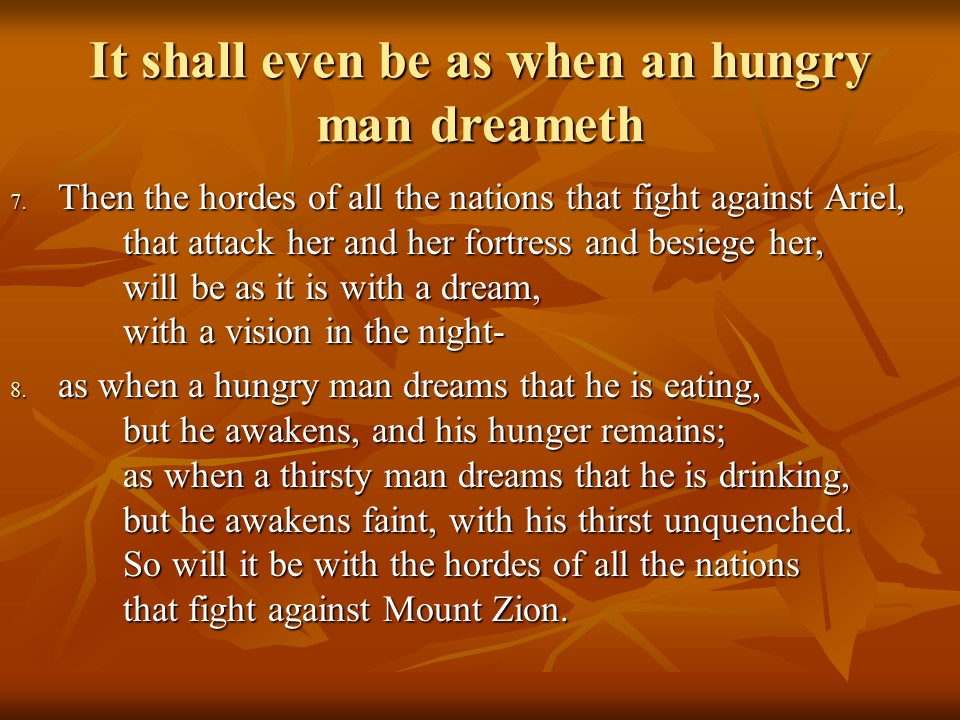
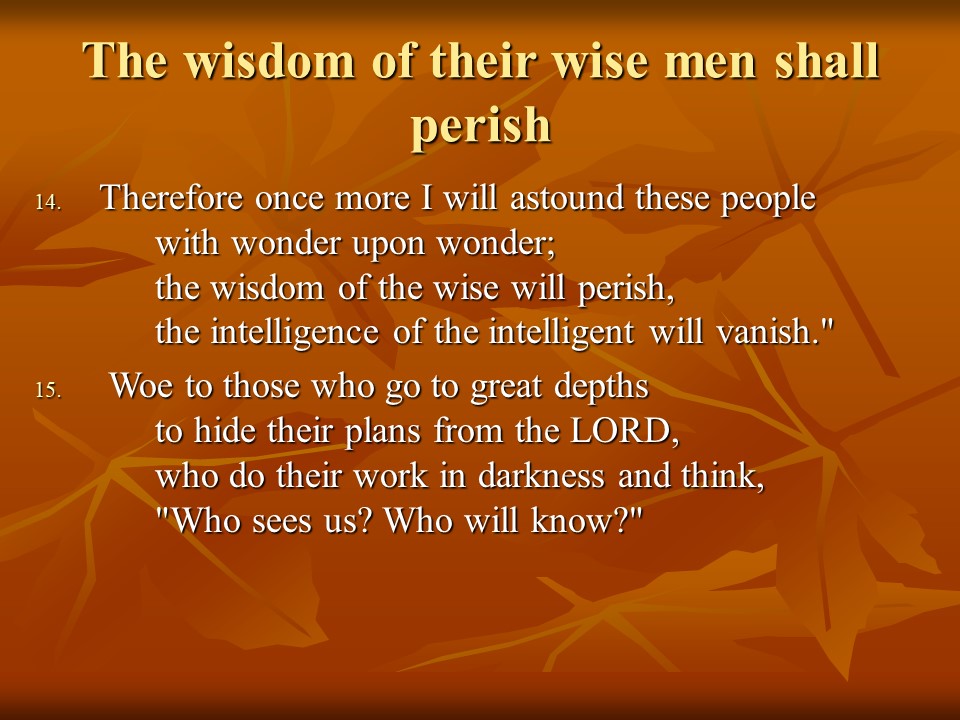
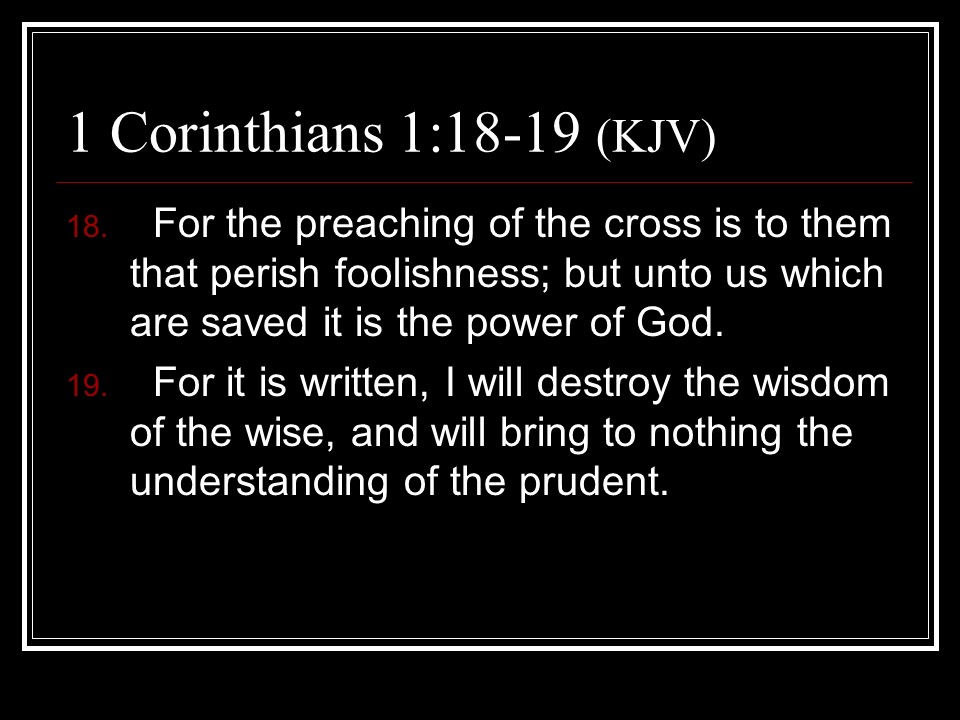
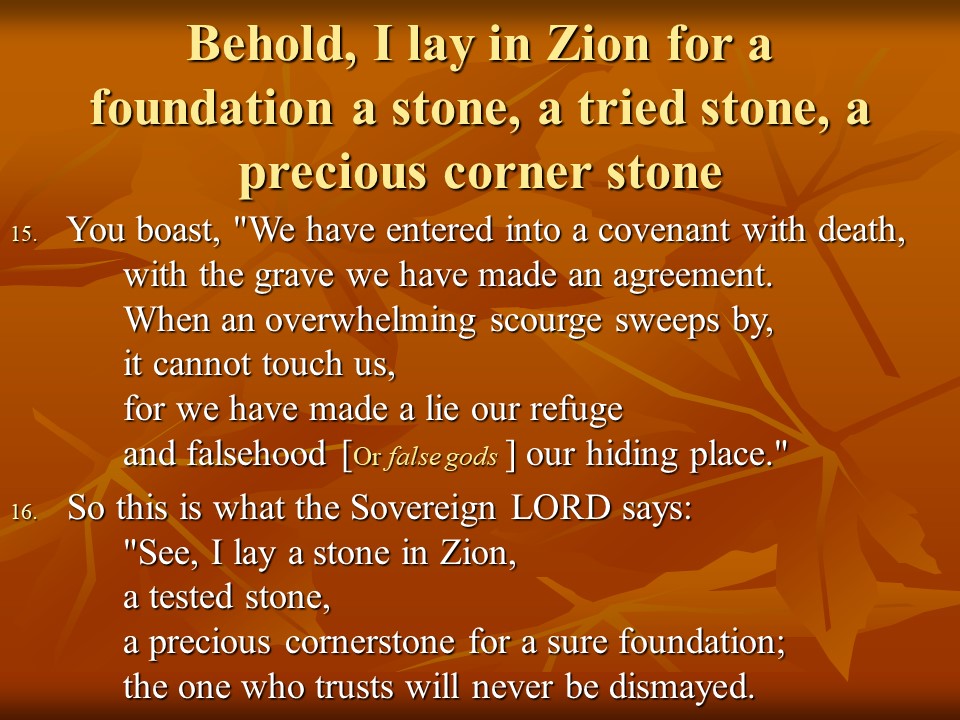
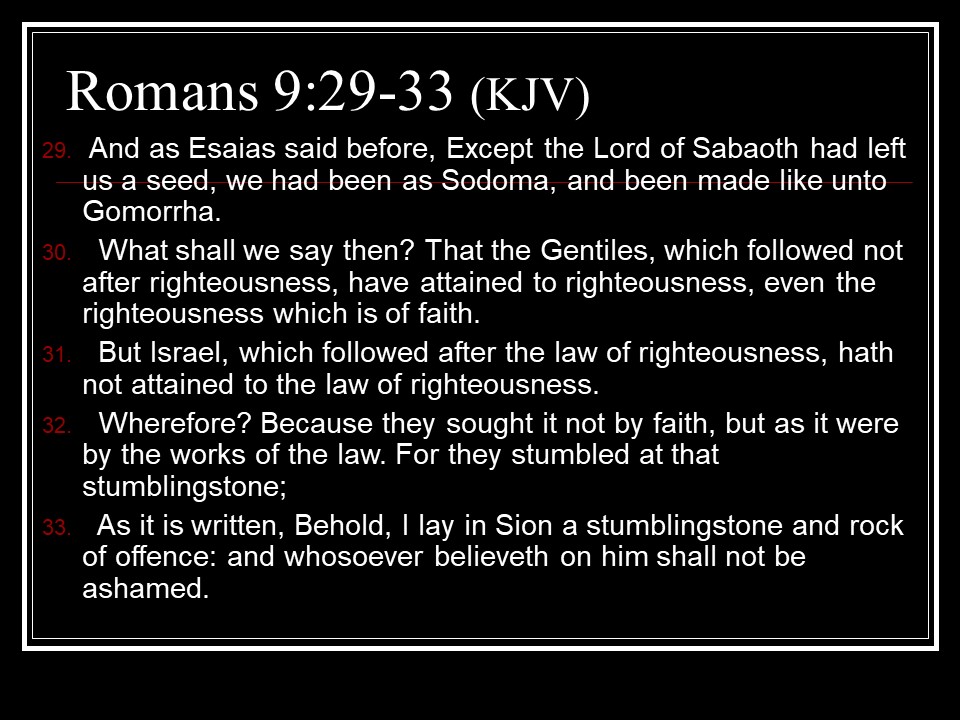
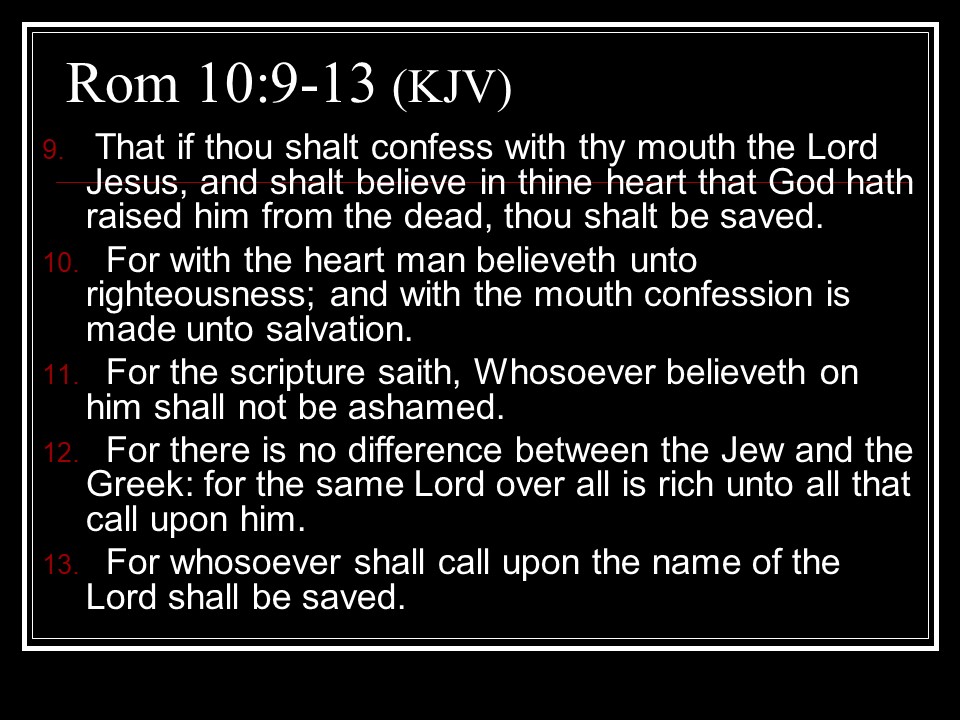
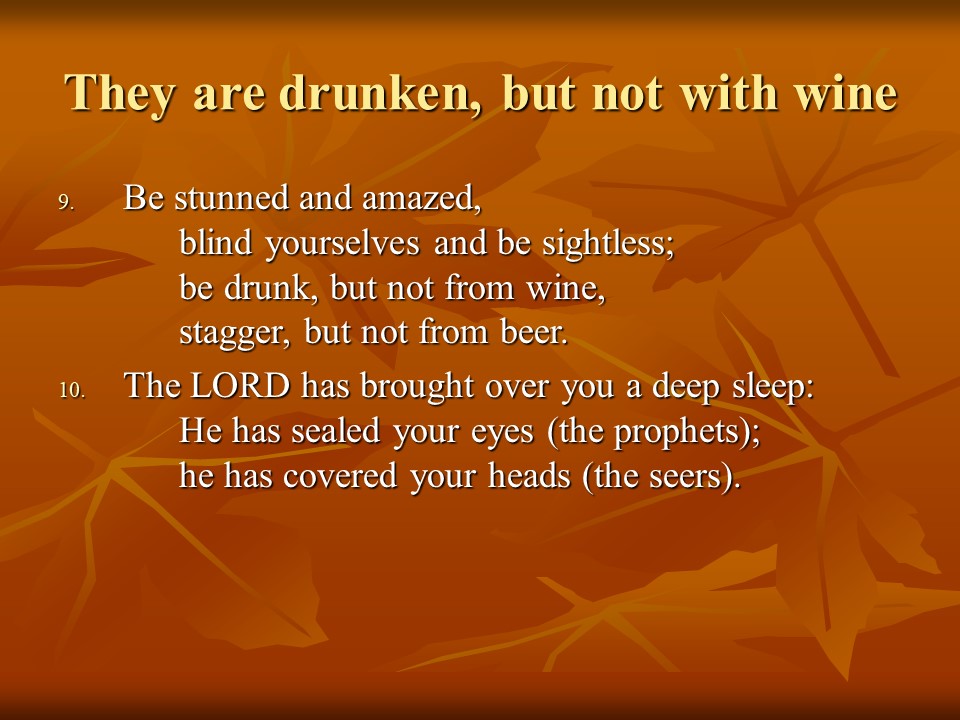 The Apostle Paul often quoted the Old Testament.
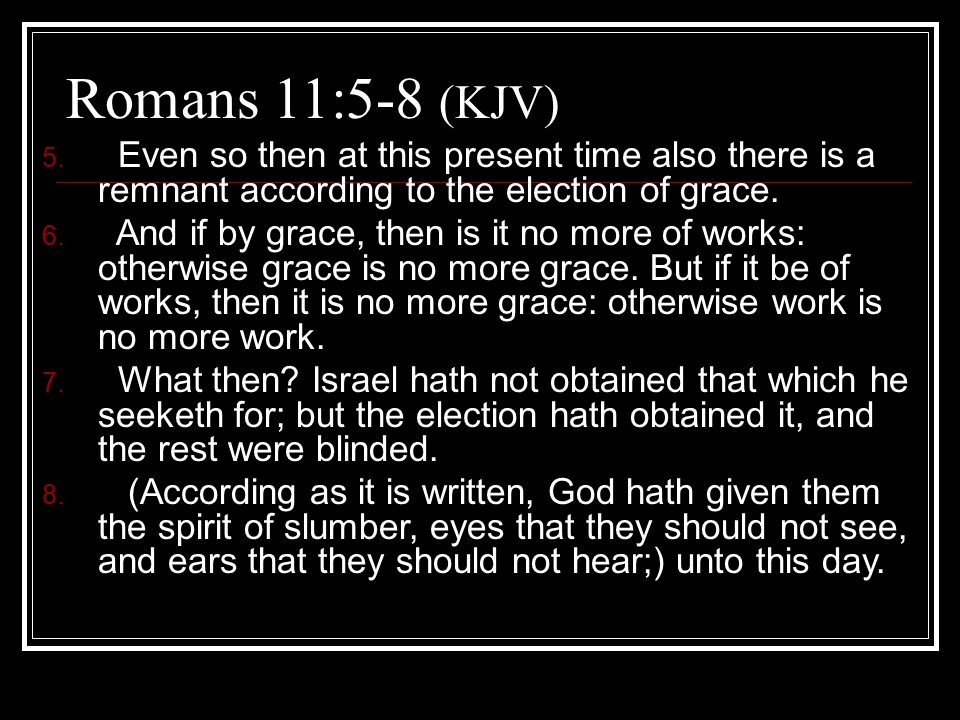
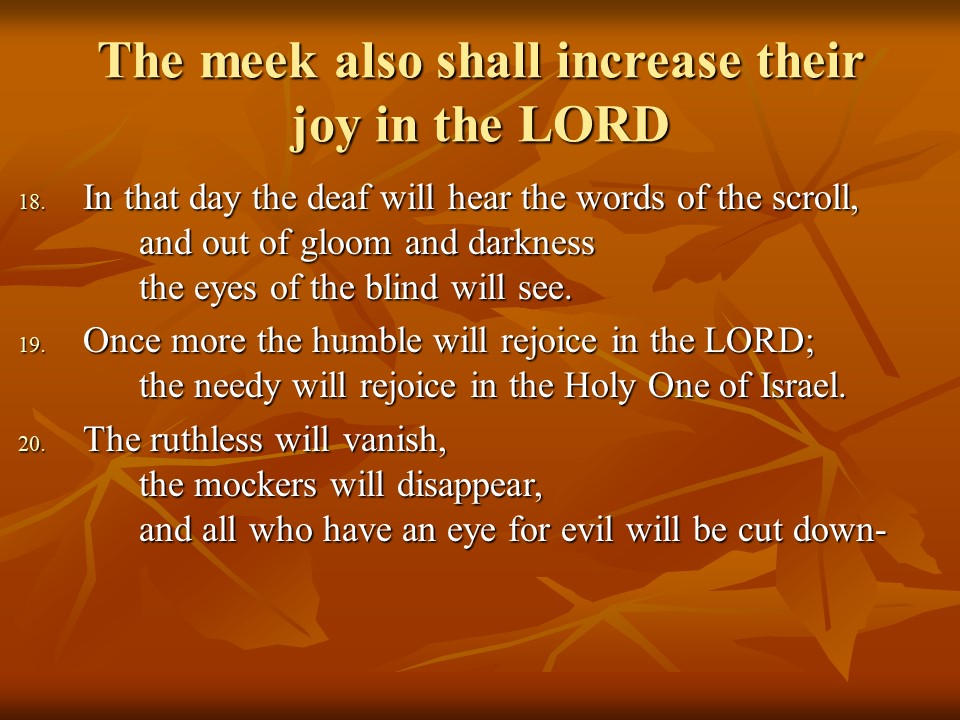
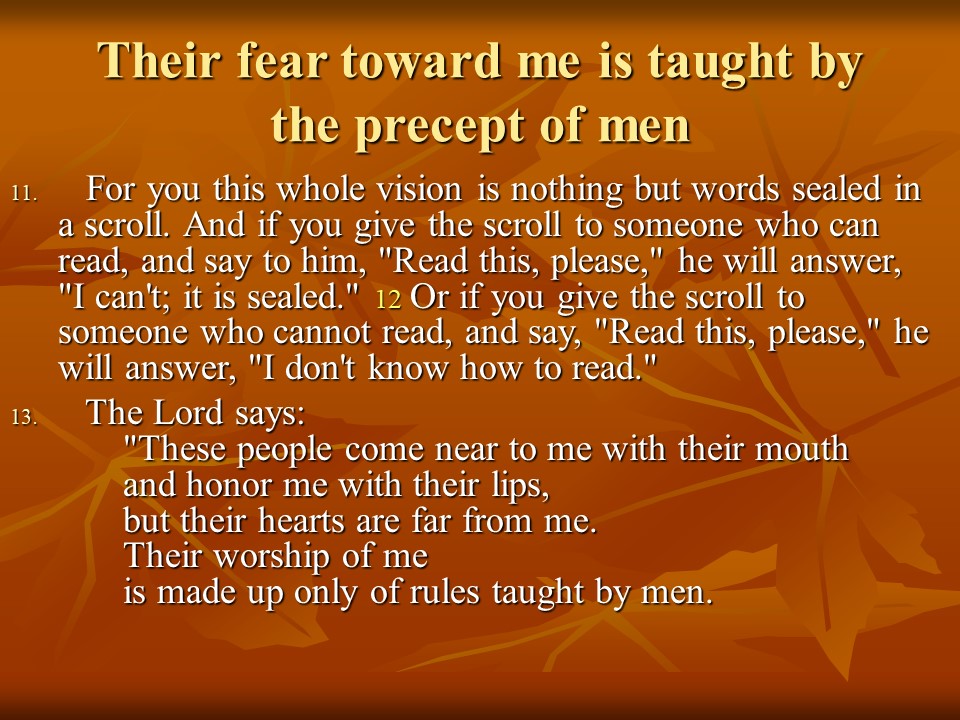 Jesus often quoted Isaiah, especially when confronting the Pharisees.










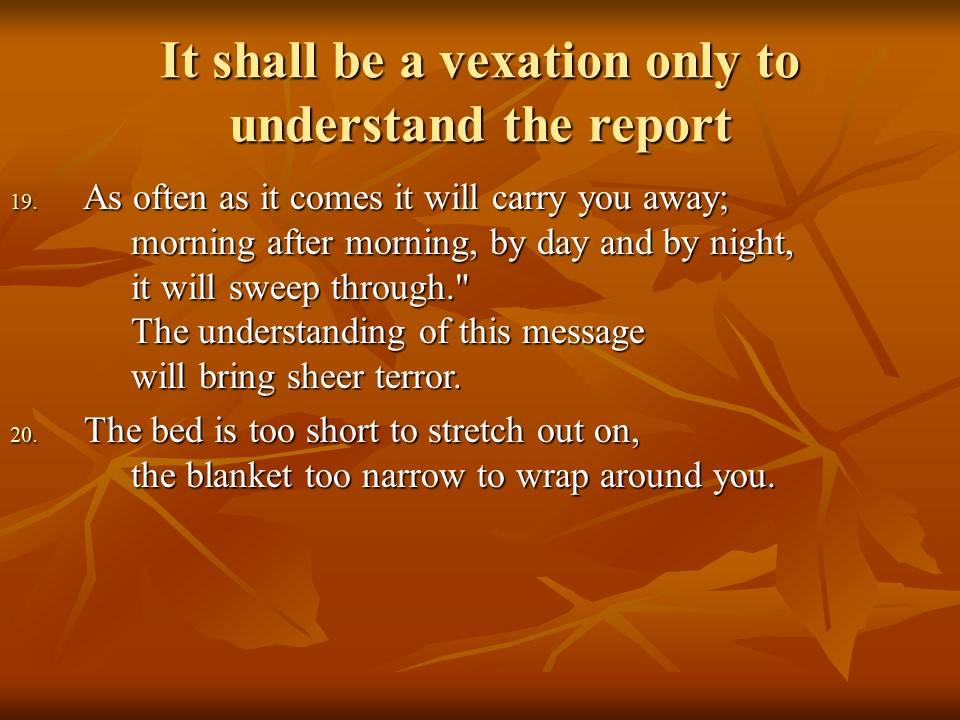

 Continuation of the LORD’s punishment continued from previous chapter.

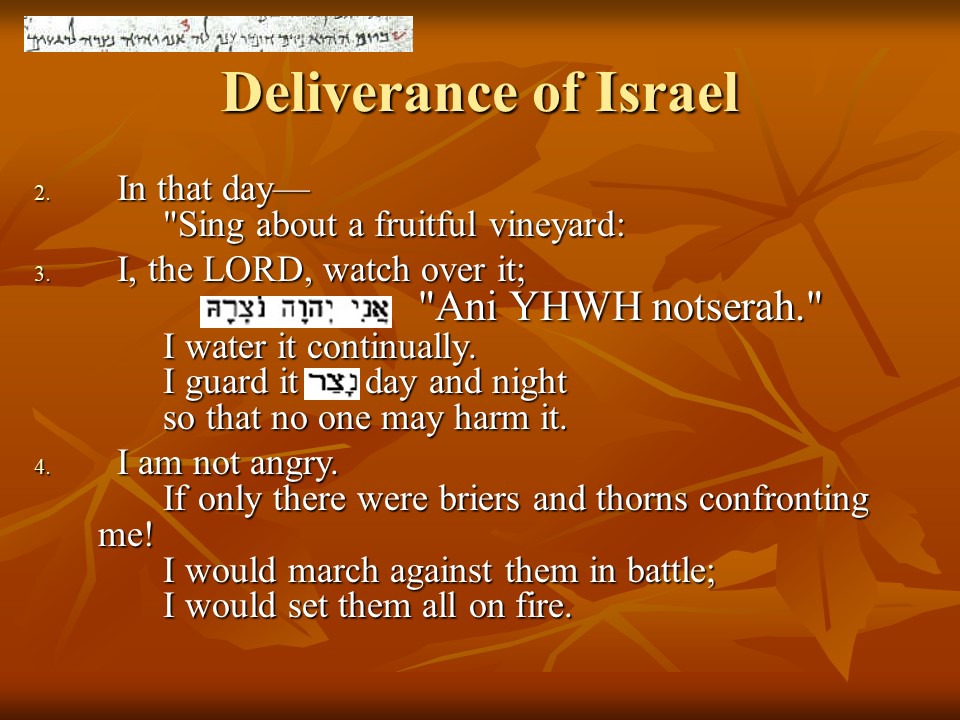


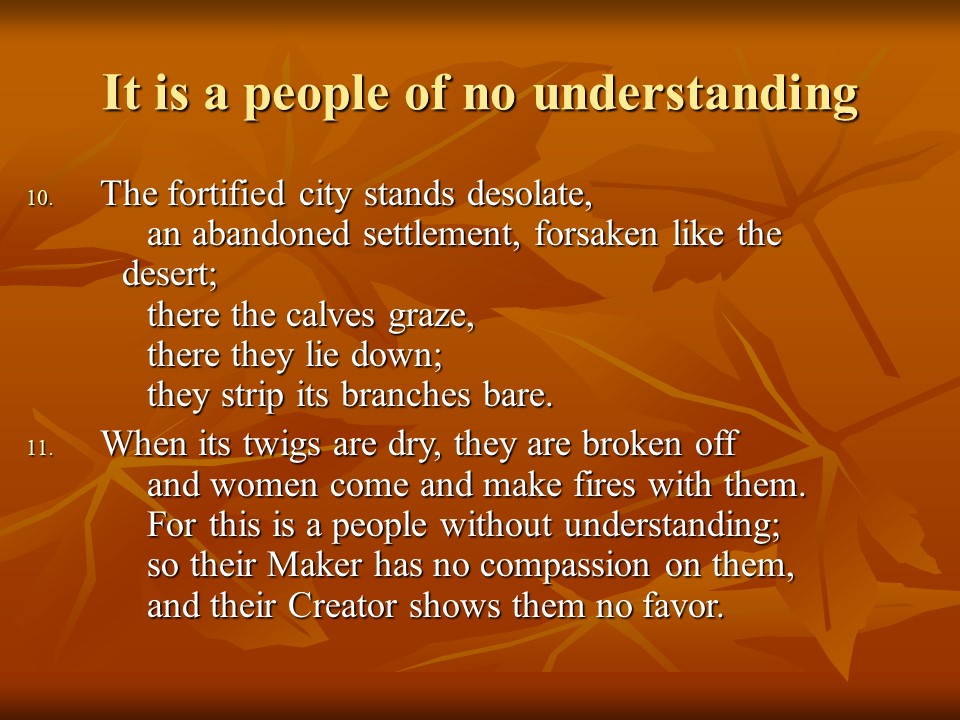
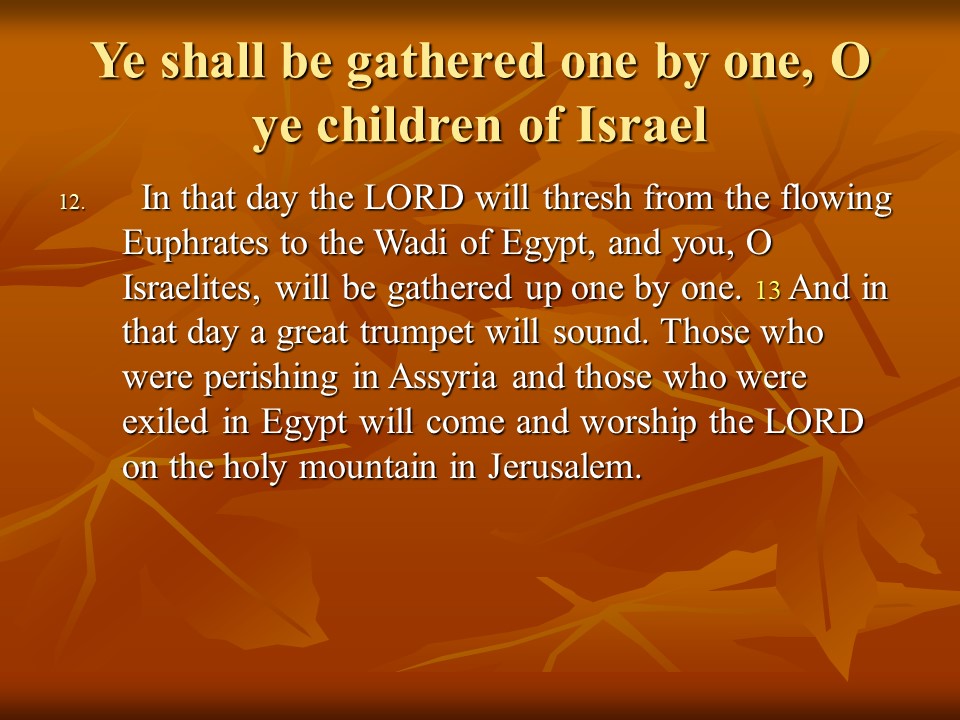


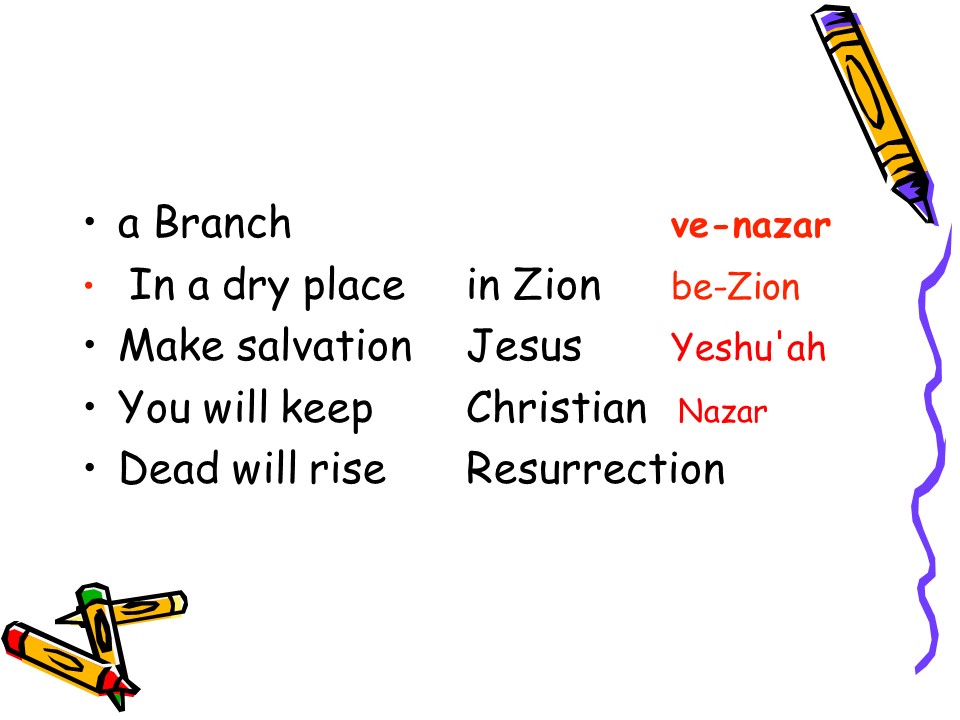
 From the previous chapter we have the double meaning of be-Zion.


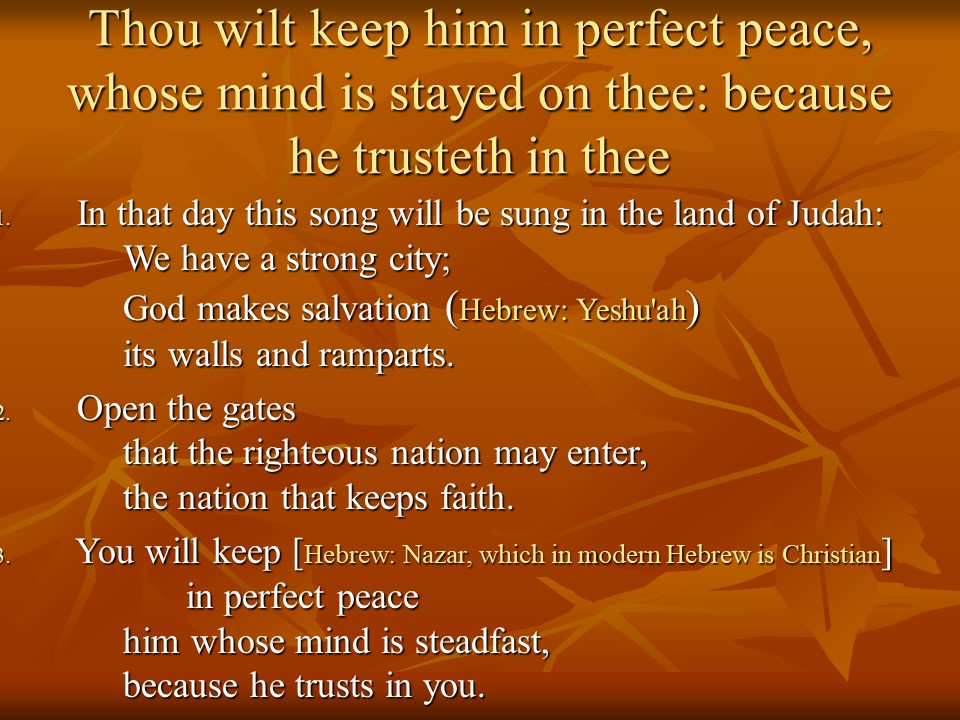

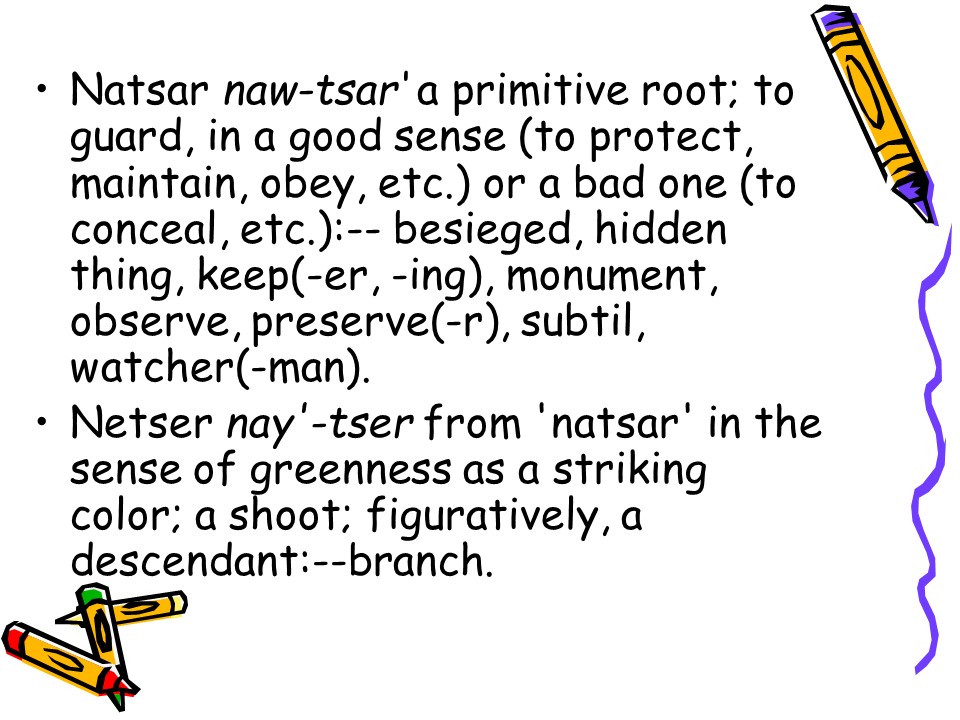

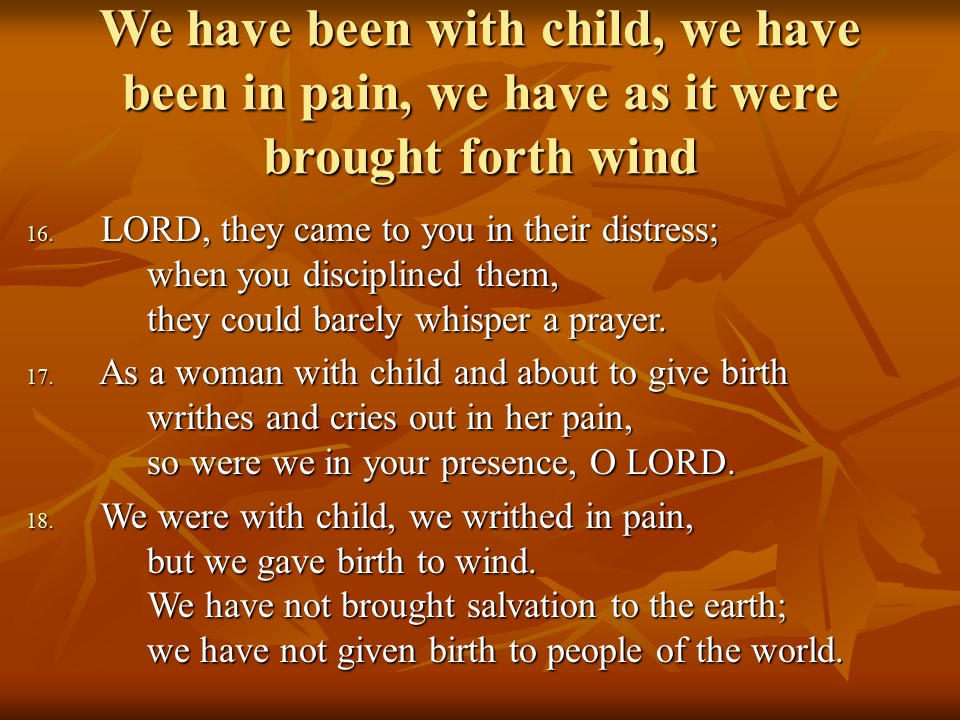
 Not only was Jesus from Nazareth, Nazar is the Hebrew word for Christian. A song:


 Other old testament promises of the resurrection:

 The New Testament is full of the promise of the Resurrection.

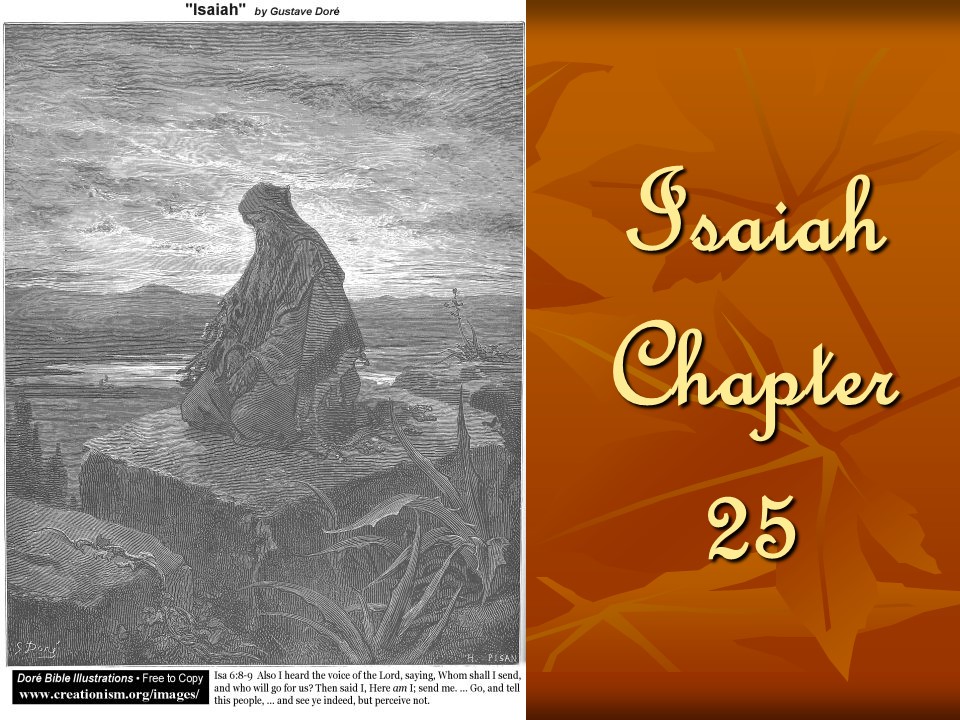 After the dire prophecies of Chapter 24 comes this song of praise:


 Revelation 7:17: For the Lamb at the center of the throne will be their shepherd; ‘he will lead them to springs of living water.’ ‘And God will wipe away every tear from their eyes.’”
Revelation 21:4 ‘He will wipe every tear from their eyes. There will be no more death’ or mourning or crying or pain, for the old order of things has passed away.”



At the climate conference in Bonn, Germany, Syria signed the so called Paris Accord on Climate Change, leaving the United States alone as a non-signer.
Climate alarmists and the Intergovernmental Panel on Climate Change believe that the thermal response to increasing CO2 is a feedback gain from increasing water vapor that results from higher temperatures, leading to much higher temperatures. Current climate model averages indicate a temperature rise of 4.7 C by 2100 if nothing is done, 4.65 C if U.S keeps all its Paris commitments and 4.53 C if all countries keep their part of the agreement. In all cases, with or without the Paris agreement we are headed for a disaster of biblical proportions as described in Isaiah 24, but IPCC call all these changes man-made.
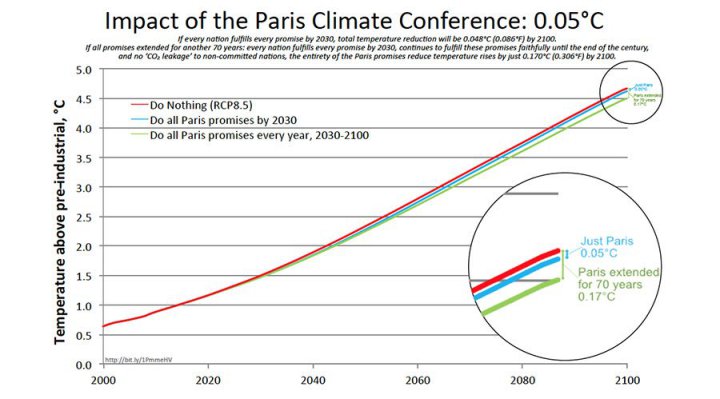
As the chart indicates, implementing all of the Paris agreement will delay the end of mankind as we know it by at most 4 years.
But God has provided two important feed-back loops, clouds and vegetation to keep the climate from overheating. (more at https://lenbilen.com/2017/06/04/with-the-paris-accord-not-signed-can-the-world-still-be-saved-a-look-at-the-arctic/ ) This is not the real disaster, the real disaster occurs when mankind turns away from God.




 At this time, the Syro-Phonecians were the merchants of the Mediterranean Sea.
 Sidon is now the third largest city in Lebanon, Tyre is the fourth largest.
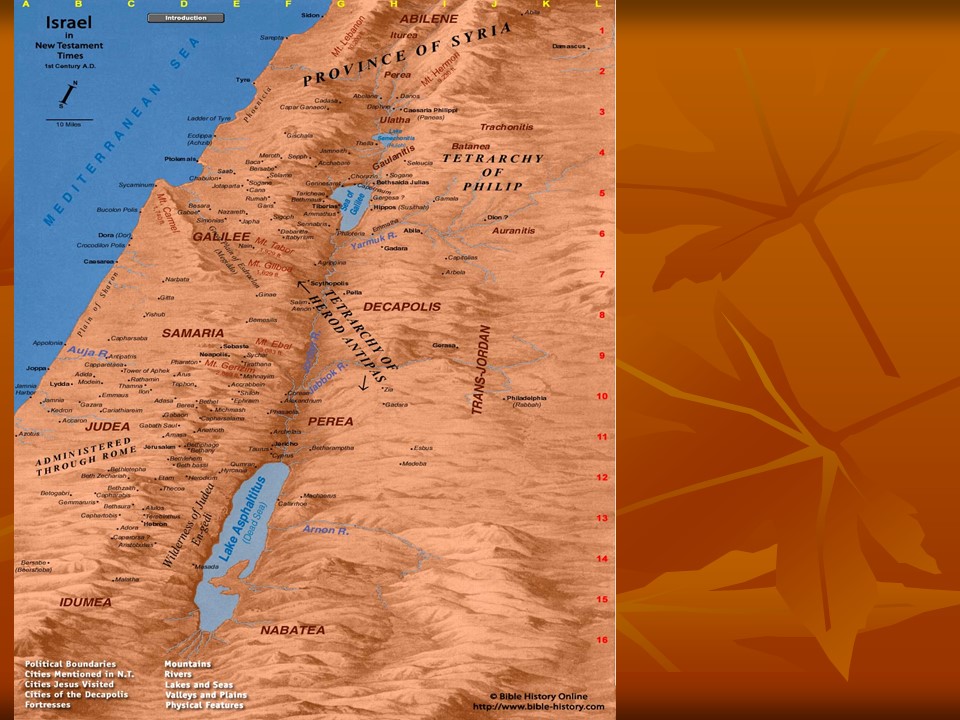 This merchant fleet was still dominant, even in Roman times,

The people of Sidon and Tyre were called Caananites, and the Jews considered them inferior. Yet Jesus found great faith and healed the Caananite woman’s daughter.

 It was a Syro-Phonecian widow that sustained Elijah during the three and a half year drought.
 But the people of Tyre and Sidon worshipped Baal, and the woman Jezebel stemmed from Sidon.





 Sennacherib’s Prism from 691 B.C. verifies the biblical account of the siege of Jerusalem.
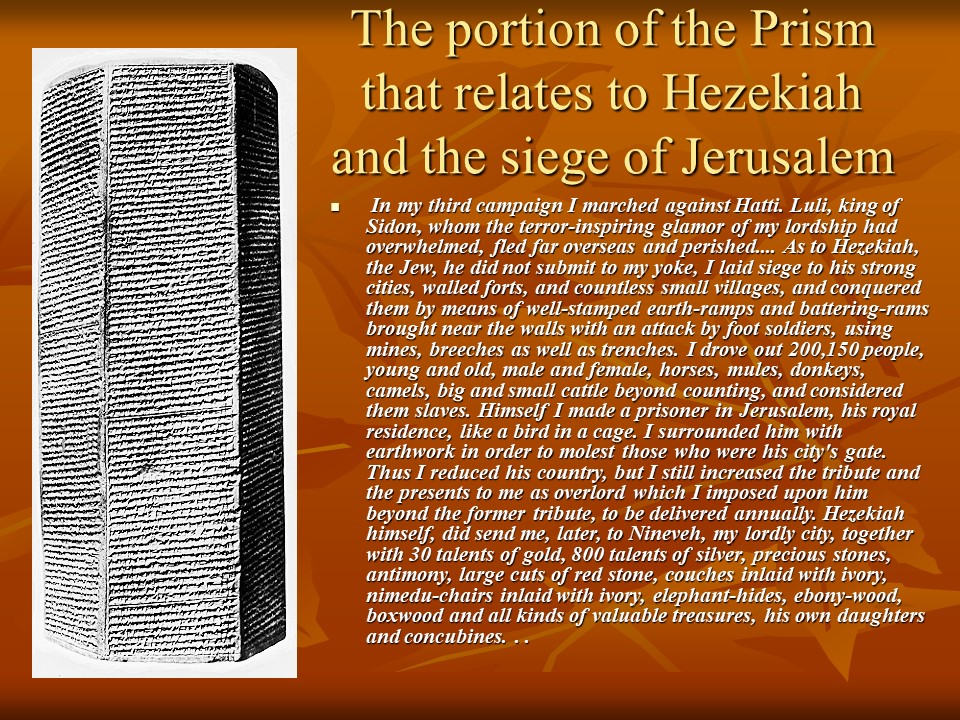
 As you might have guessed, the “Valley of Vision” is another name for Jerusalem, as is “The City of David”.


 Shebna was “treasurer over the house” in the reign of king Hezekiah of Judah, a picture of the unfaithful servant.

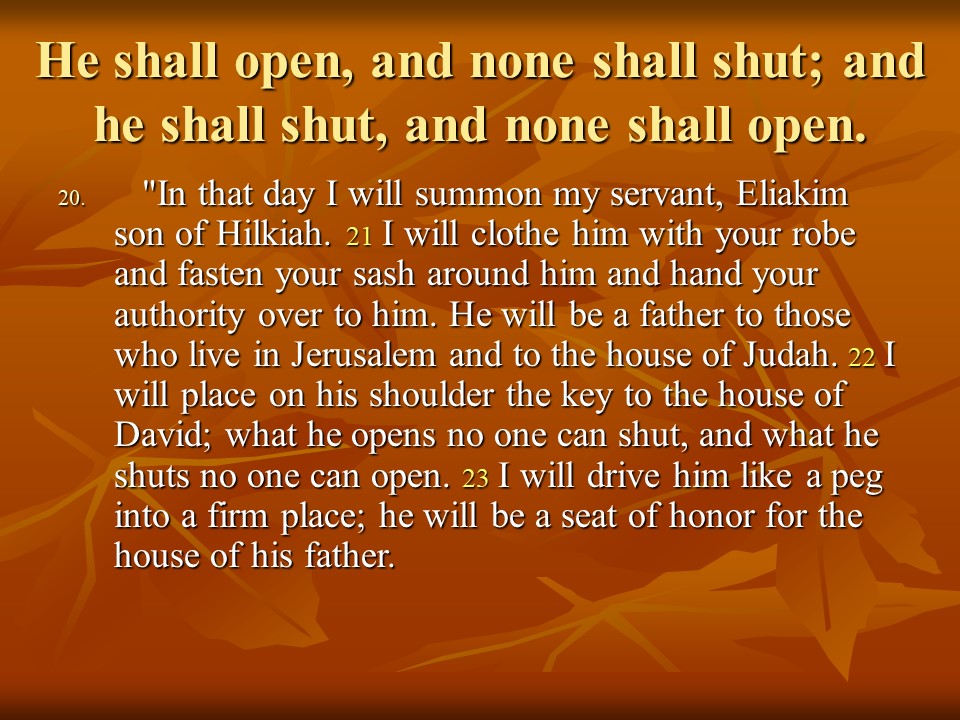

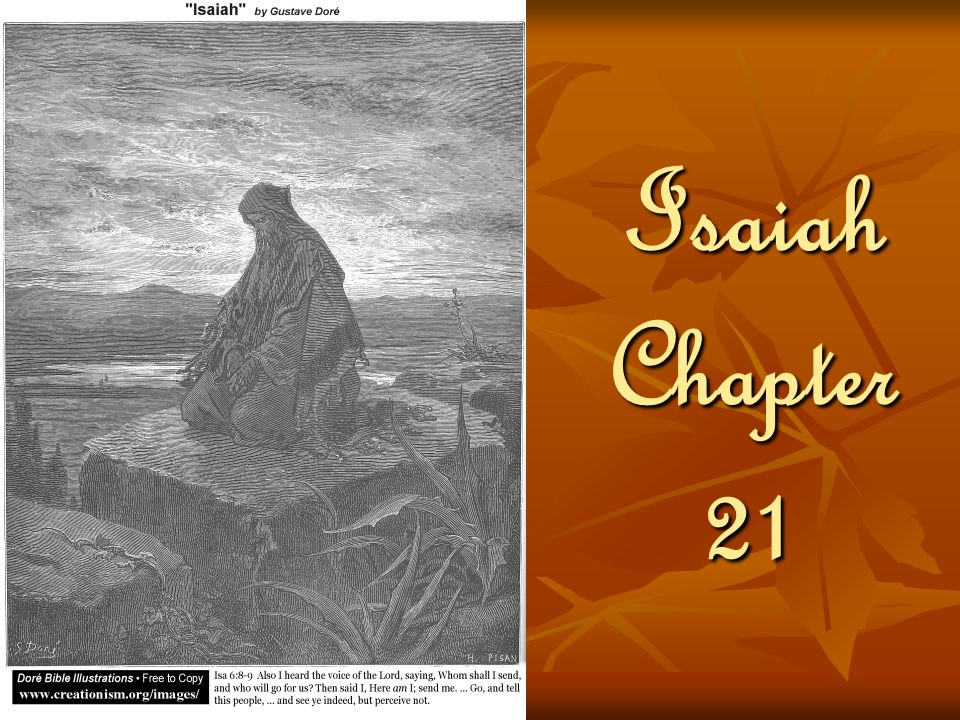
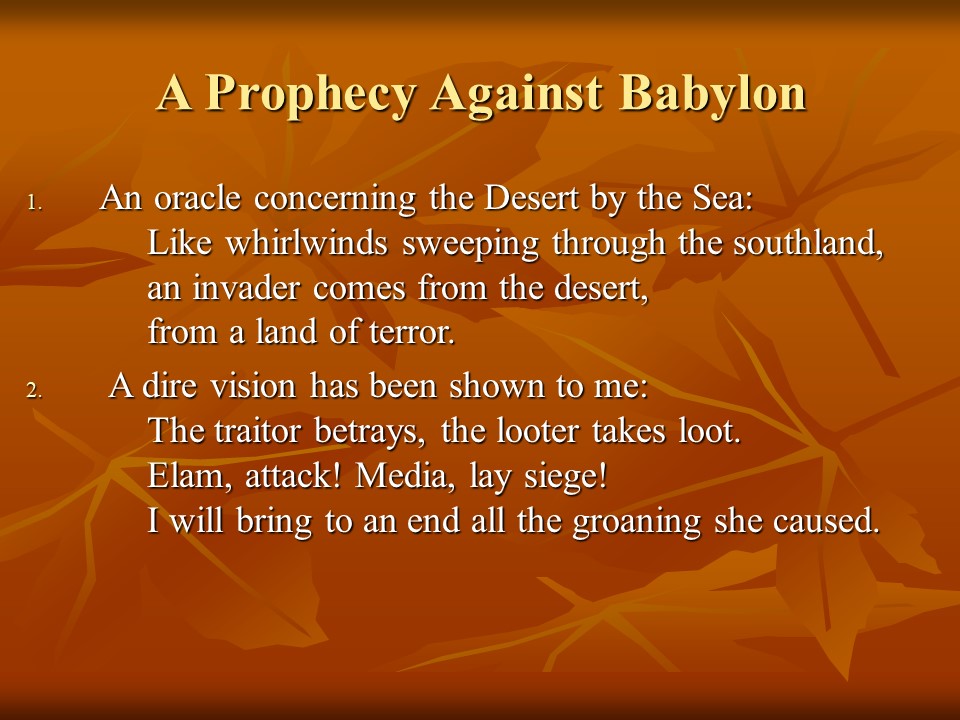 Elam is another word for ancient Persia, the fall of Babylon is described in https://lenbilen.com/2017/09/24/daniel-5-the-handwriting-on-the-wall/

 Tema: The name of a son of Ishmael (Gen 25:15; 1 Ch 1:30) , also an oasis half-way between Edom and Medina in what is now the Levant part of Saudi Arabia.
 Kedar, meaning dark-skinned was the second son of Ishmael (Genesis 25:13) . It was also the name for the nomadic tribes of Arabs, the Bedouins generally (Isa. 21:16; 42:11; 60:7; Jer. 2:10; Ezek. 27:21), who dwelt in the northwest of Arabia. They lived in black hair-tents (Song of Songs 1:5). To “dwell in the tents of Kedar” was to be cut off from the worship of the true God (Psalms 120:5). The Kedarites suffered at the hands of Nebuchadnezzar (Jer. 49:28-29).
 Len Bilén's blog, a blog about faith, politics and the environment.