The weather has been warm lately. the earth has set a string of new maximum temperatures in July and will set a new absolute record for the month of July since the beginning of satellite record in 1079. The once reputable Forbes Magazine expressed it this way: July 4 was the warmest day in over 100,000 years! Now wait a minute! Aren’t we still recovering from the little ice age? See chart:
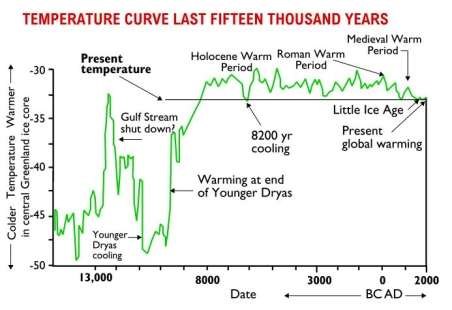
It was warmer for 9,000 of the last 10,000 years than it is now!
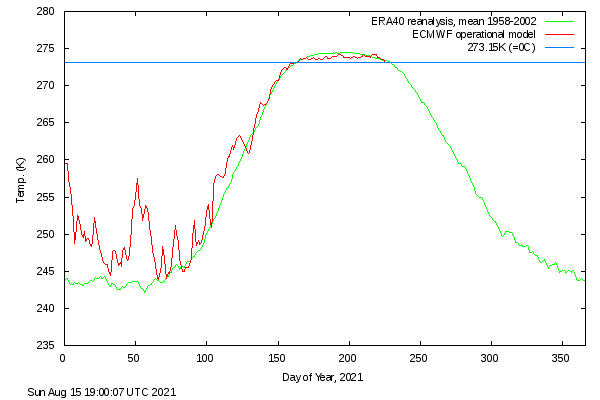
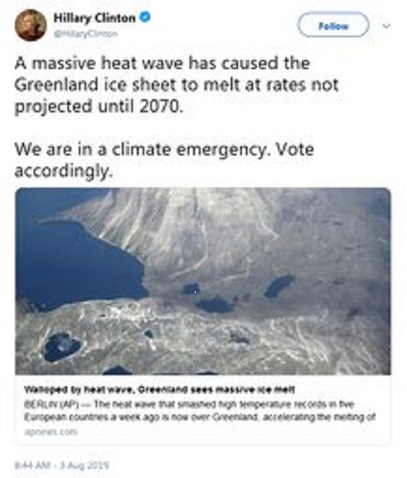
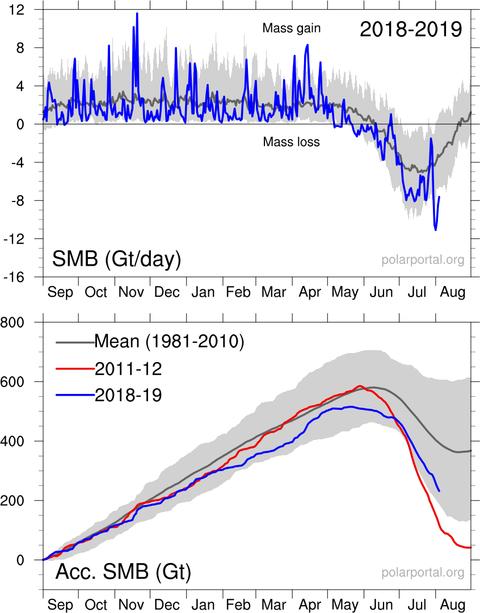
Let us take a look at what is happening to the Arctic ice sheet. Its demise has been predicted to be total well before 2020. How is that going? The Danish Meteorological institute takes daily measurements of the Arctic and Greenland’s ice sheet, volume and temperature.

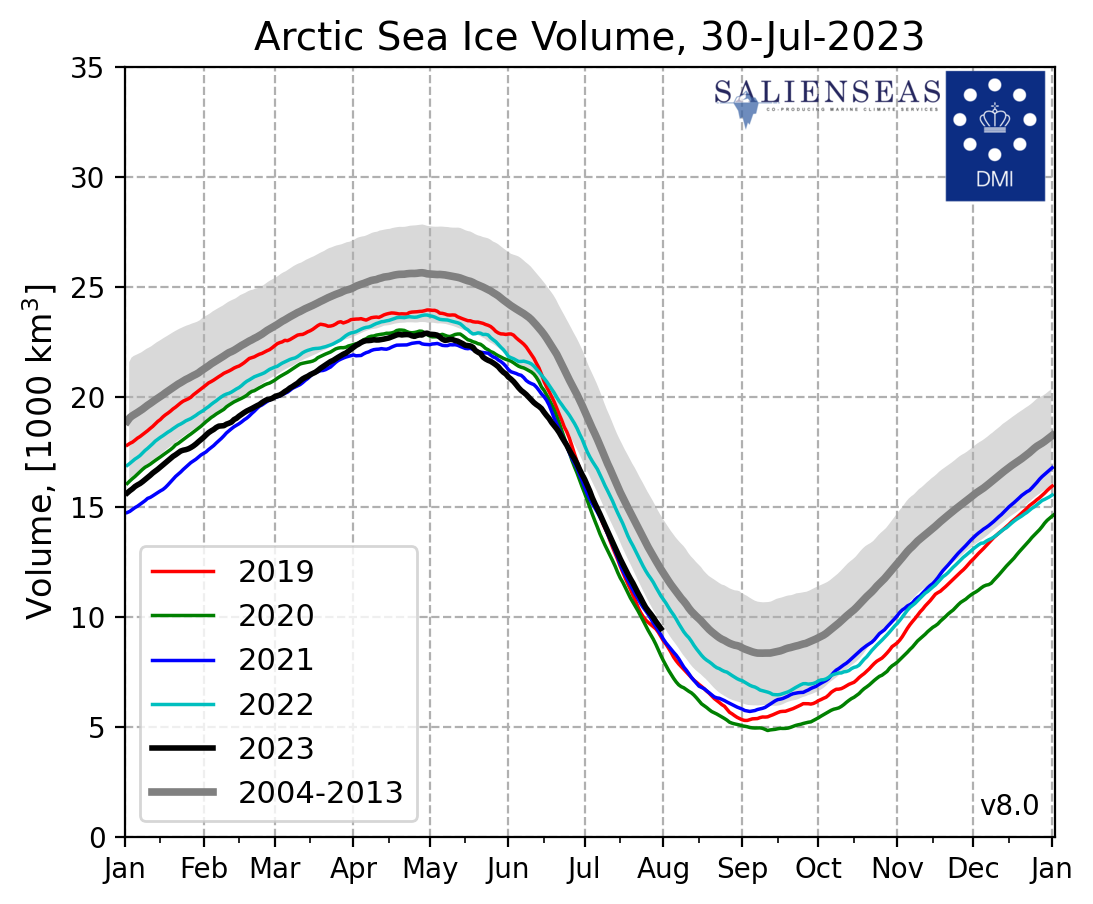
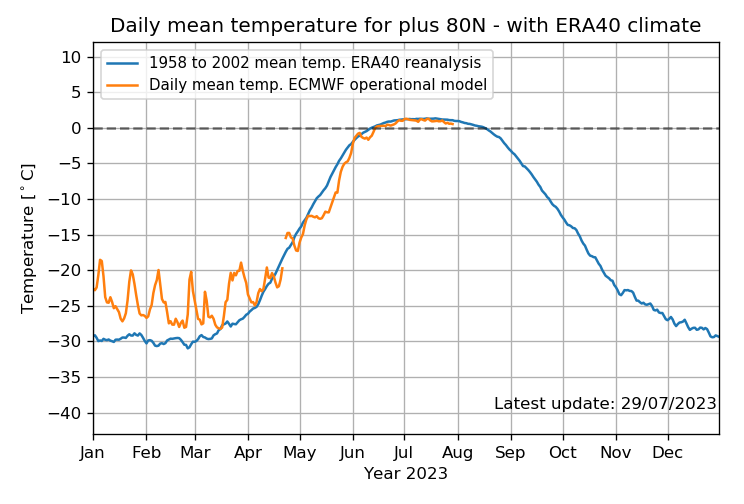
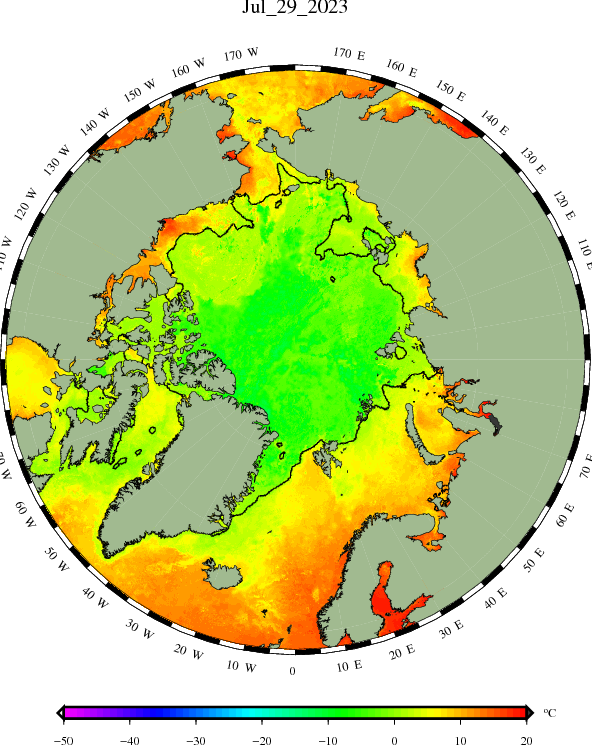
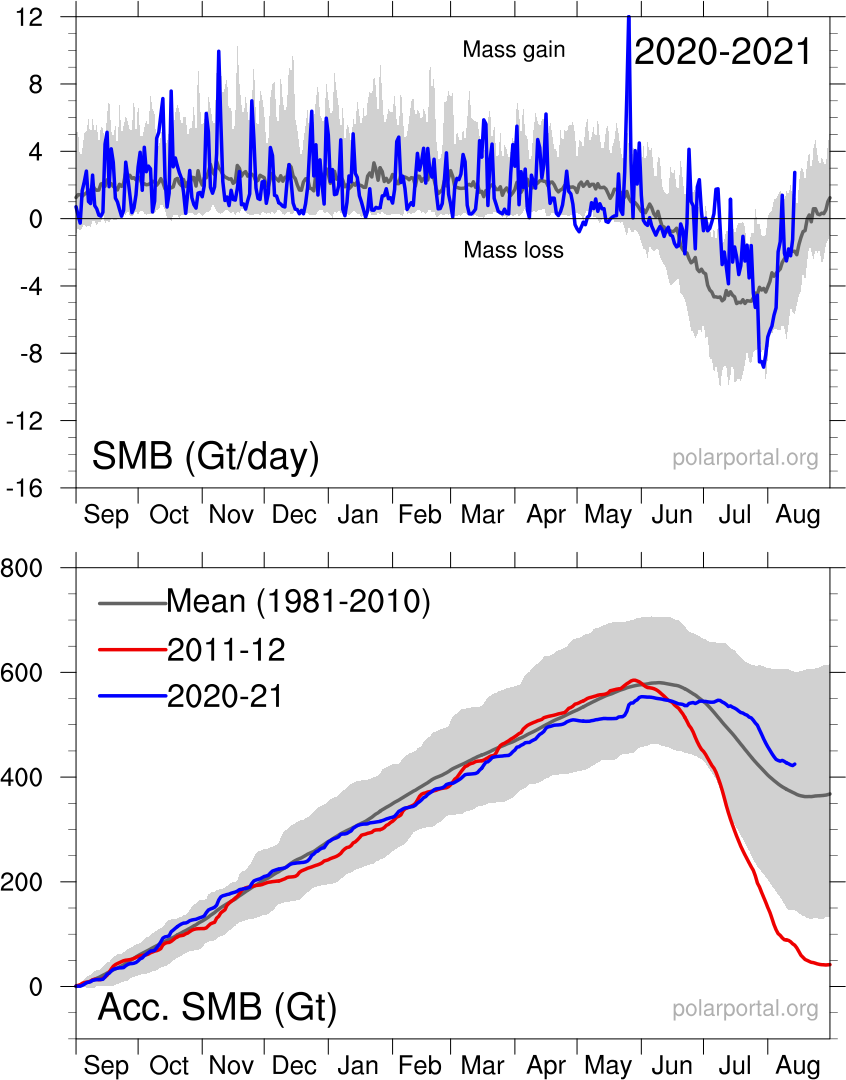
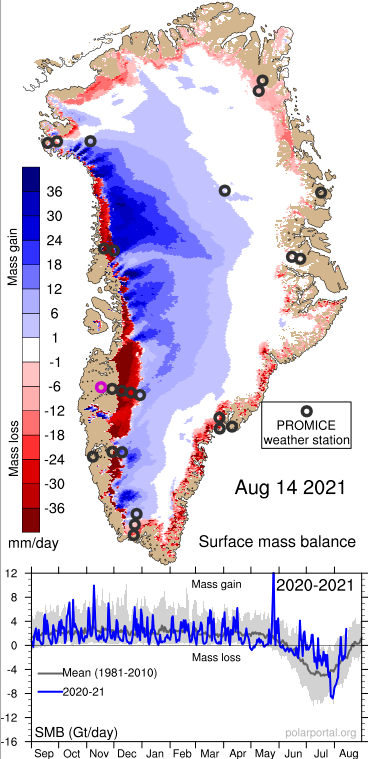
It seems pretty normal to me, no runaway ice melt the last few years. I fact this year the Arctic temperature above the 80th latitude has been at or below normal since late April. How about the ice on Greenland?
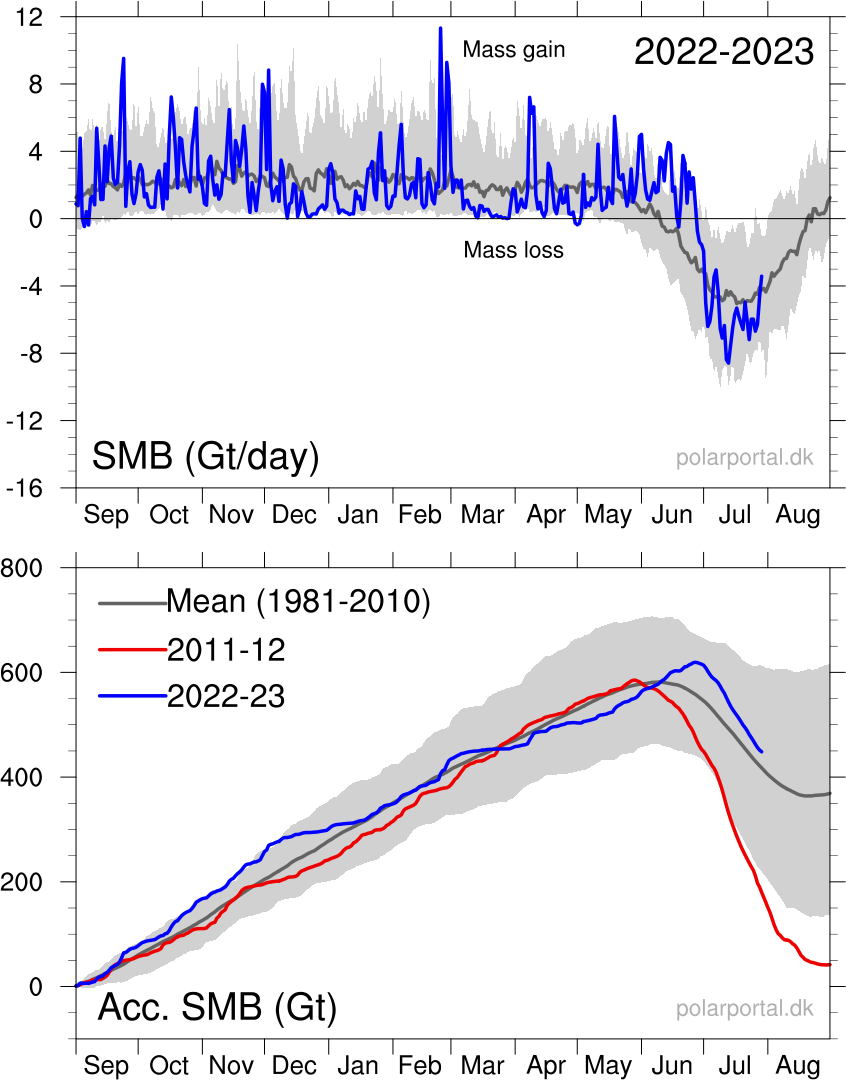
The ice gain, and the summer ice loss over Greenland seem pretty normal to me.Yes the snow melt was delayed by a month,followed bya stronger than normal snow melt. This is all within the boundaries of normal weather.
The heat wave in the south and Southwest of U.S.A. was caused by a blocking high pressure, causing less clouds, less winds and in part less rain than normal. This happens some years, but can still be explained as weather.
The CO2 level during 8,000 B.C. to 1,000 A.D. was always below 300 ppm (it is now 415 ppm), so we can not blame CO2 alone for the increased heat. There are other factors involved that are much more important to explain climate change. If you are interested, check: Of the recorded temperature increase between 1980 and 2022, how much is attributable to CO2, and how much to other greenhouse gases?
 Len Bilén's blog, a blog about faith, politics and the environment.