Why Thorium? 22. China is having a massive Thorium program.

China is having a massive Thorium program. The People’s Republic of China has initiated a research and development project in thorium molten-salt reactor technology. The thorium MSR efforts aims not only to develop the technology but to secure intellectual property rights to its implementation. This may be one of the reasons that the Chinese have not joined the international Gen-IV effort for MSR development, since part of that involves technology exchange. Neither the US nor Russia have joined the MSR Gen-IV effort either.
China is currently the largest emitter of CO2 and air pollutants by far, and according to the Paris accord was allowed to emit six times as much pollutants as the U.S. by 2030, being a “developing nation”. Their air quality is already among the worst in the world so something had to be done if they were to achieve world dominance by 2025 and total rule by 2030. Only Thorium can solve the pollution problem and provide the clean energy needed for the future. Regular Uranium Nuclear reactors require large amounts of water and Molten Salt Thorium reactors require little water to operate.

Geneva, Switzerland, 21 August 2018 – As the world struggles with a record-breaking heatwave, China correctly places its trust in the fuel Thorium and the Thorium Molten Salt Reactor (TMSR) as the backbone of its nation’s plan to become a clean and cheap energy powerhouse.
​​The question is if China will manage to build a homegrown mega export industry, or will others have capacity and will to catch up?

For China, clean energy development and implementation is a test for the state’s ability. Therefore, China is developing the capability to use the “forgotten fuel” thorium, which could begin a new era of nuclear power.​
The first energy system they are building is a solid fuel molten salt reactor that achieves high temperatures to maximize efficiency of combined heat and power generation applications.
However, to fully realize thorium’s energy potential and in this way solve an important mission for China – the security of fuel supply – requires also the thorium itself to be fluid. This is optimized in the Thorium Molten Salt Reactor (TMSR).
The TMSR takes safety to an entirely new level and can be made cheap and small since it operates at atmospheric pressure, one of its many advantages. Thanks to its flexible cooling options it can basically be used anywhere, be it a desert, a town or at sea. In China this is of special interest inland, where freshwater is scarce in large areas, providing a unique way to secure energy independence.

“Everyone in the field is extremely impressed with how China saw the potential, grabbed the opportunity and is now running faster than everyone else developing this futuristic energy source China and the entire world is in a great need of.”
– Andreas Norlin, Thorium Energy World

Picture

China is not telling all they are doing on Nuclear Energy, but this news item is true:

The Shanghai Institute of Applied Physics (SINAP) – part of the Chinese Academy of Sciences (CAS) – has been given approval by the Ministry of Ecology and Environment to commission an experimental thorium-powered molten-salt reactor, construction of which started in Wuwei city, Gansu province, in September 2018.

A cutaway of the TMSR-LF1 reactor (Image: SINAP)

In January 2011, CAS launched a CNY3 billion (USD444 million) R&D programme on liquid fluoride thorium reactors (LFTRs), known there as the thorium-breeding molten-salt reactor (Th-MSR or TMSR), and claimed to have the world’s largest national effort on it, hoping to obtain full intellectual property rights on the technology. This is also known as the fluoride salt-cooled high-temperature reactor (FHR). The TMSR Centre at SINAP at Jiading, Shanghai, is responsible.

Construction of the 2 MWt TMSR-LF1 reactor began in September 2018 and was reportedly completed in August 2021. The prototype was scheduled to be completed in 2024, but work was accelerated.

“According to the relevant provisions of the Nuclear Safety Law of the People’s Republic of China and the Regulations of the People’s Republic of China on the Safety Supervision and Administration of Civilian Nuclear Facilities, our bureau has conducted a technical review of the application documents you submitted, and believes that your 2 MWt liquid fuel thorium-based molten salt experimental reactor commissioning plan (Version V1.3) is acceptable and is hereby approved,” the Ministry of Ecology and Environment told SINAP on 2 August.

It added: “During the commissioning process of your 2 MWt liquid fuel thorium-based molten salt experimental reactor, you should strictly implement this plan to ensure the effectiveness of the implementation of the plan and ensure the safety and quality of debugging. If any major abnormality occurs during the commissioning process, it should be reported to our bureau and the Northwest Nuclear and Radiation Safety Supervision Station in time.”

The TMSR-LF1 will use fuel enriched to under 20% U-235, have a thorium inventory of about 50 kg and conversion ratio of about 0.1. A fertile blanket of lithium-beryllium fluoride (FLiBe) with 99.95% Li-7 will be used, and fuel as UF4.

The project is expected to start on a batch basis with some online refueling and removal of gaseous fission products, but discharging all fuel salt after 5-8 years for reprocessing and separation of fission products and minor actinides for storage. It will proceed to a continuous process of recycling salt, uranium and thorium, with online separation of fission products and minor actinides. The reactor will work up from about 20% thorium fission to about 80%.

If the TMSR-LF1 proves successful, China plans to build a reactor with a capacity of 373 MWt by 2030.

As this type of reactor does not require water for cooling, it will be able to operate in desert regions. The Chinese government has plans to build more across the sparsely populated deserts and plains of western China, complementing wind and solar plants and reducing China’s reliance on coal-fired power stations. The reactor may also be built outside China in Belt and Road Initiative nations.

The liquid fuel design is descended from the 1960s Molten-Salt Reactor Experiment at Oak Ridge National Laboratory in the USA. (Researched and written by World Nuclear News)

Yes, it is true. Their design was given to them free, and now PRC is developing the future energy source including claiming intellectual property rights from a source abandoned in 1969 by U.S.A. because of political infighting, not for economical or national security reasons.


China, Myanmar, U.S.A. and rare earth metals. This may be serious.

In early May, 2019, President Xi and Vice Premier Liu He, China’s top trade negotiator, visited a rare earth metals mine in Jiangxi province. This has led to the rumor that China is seriously considering restricting rare earth exports to the US. China may also take other countermeasures in the future. The trade negotiations between U.S. and China got a lot more serious. It extended far beyond tariffs and intellectual property, it began to involve control of strategic materials.

The first thing we must realize is that rare earth metals are not all that rare. They are a thousand times or more abundant than gold or platinum in the earth crust and easy to mine, but a little more difficult to refine. Thorium and Uranium will  also be mined at the same time as the rare earth metals since they appear together in the ore.

Related image

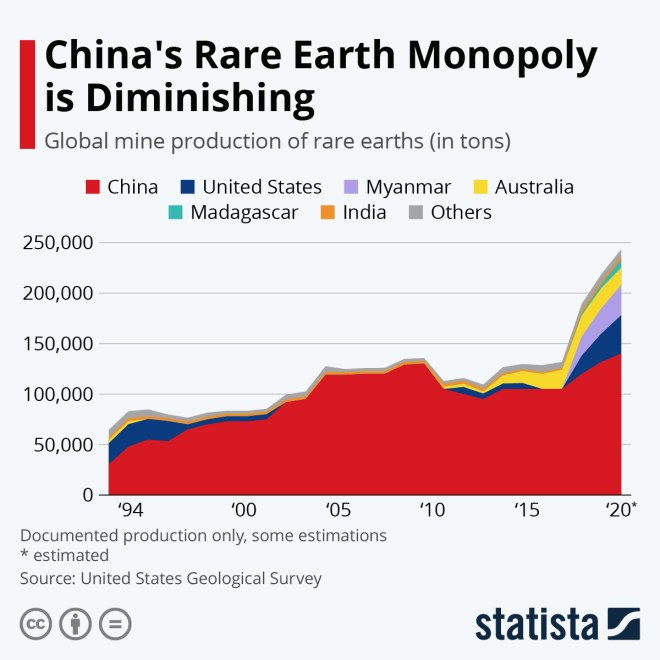
U.S. used to be the major supplier of rare earth metals, which was fine up to around 1984. Then the U.S. regulators determined that Uranium and Thorium contained in the ore made the ore radioactive, so the regulatory agencies decided to make rare earth metal ore subject to nuclear regulations with all what that meant for record keeping and control. This made mining of rare earth metals in the U.S. unprofitable, so in 2001 the last domestic mine closed down. China had no such scruples, such as human or environmental concerns, so they took over the rare earth metals mining and in 2010 controlled over 95% of the world supply, which was according to their long term plan of controlling the world by 2025.

Rare Earth Element Production

The U.S. used to have a strategic reserve of rare earth metals, but that was sold off in 1998 as being no longer cost effective or necessary. Two years later the one U.S. rare earth metals mine that used to supply nearly the whole world, the Mountain Pass Mine in California closed down, together with its refining capacity. From that day all rare earth metals were imported.

The U.S. used to have a strategic reserve of rare earth metals, but that was sold off in 1998 as being no longer cost effective or necessary. Two years later the one U.S. rare earth metals mine that used to supply nearly the whole world, the Mountain Pass Mine in California closed down, together with its refining capacity. From that day all rare earth metals were imported. In 2010 it started up again together with the refining capacity but went bankrupt in 2015, closed down the refining but continued selling ore to China. They restarted  refining again late 2020.


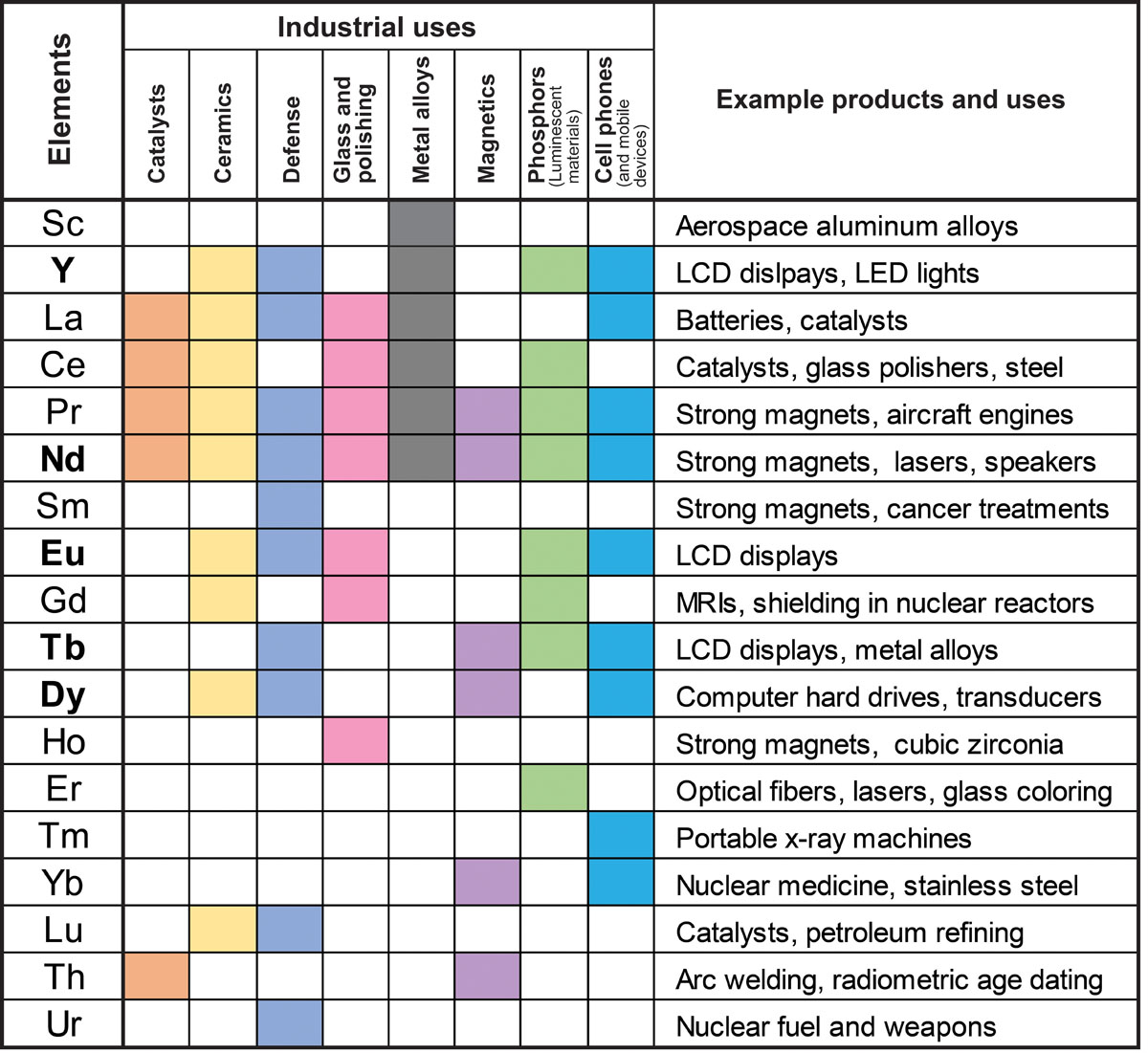
So, why is this important? Just take a look at all the uses for rare earth metals. The most sought after pays all the cost of mining and refining, and the rest are readily available at nominal cost.

The Chinese almost got away with it, and that is but one reason the trade negotiations were so complicated and hard fought, but necessary. Donald Trump fought for reciprocity and fair competition.

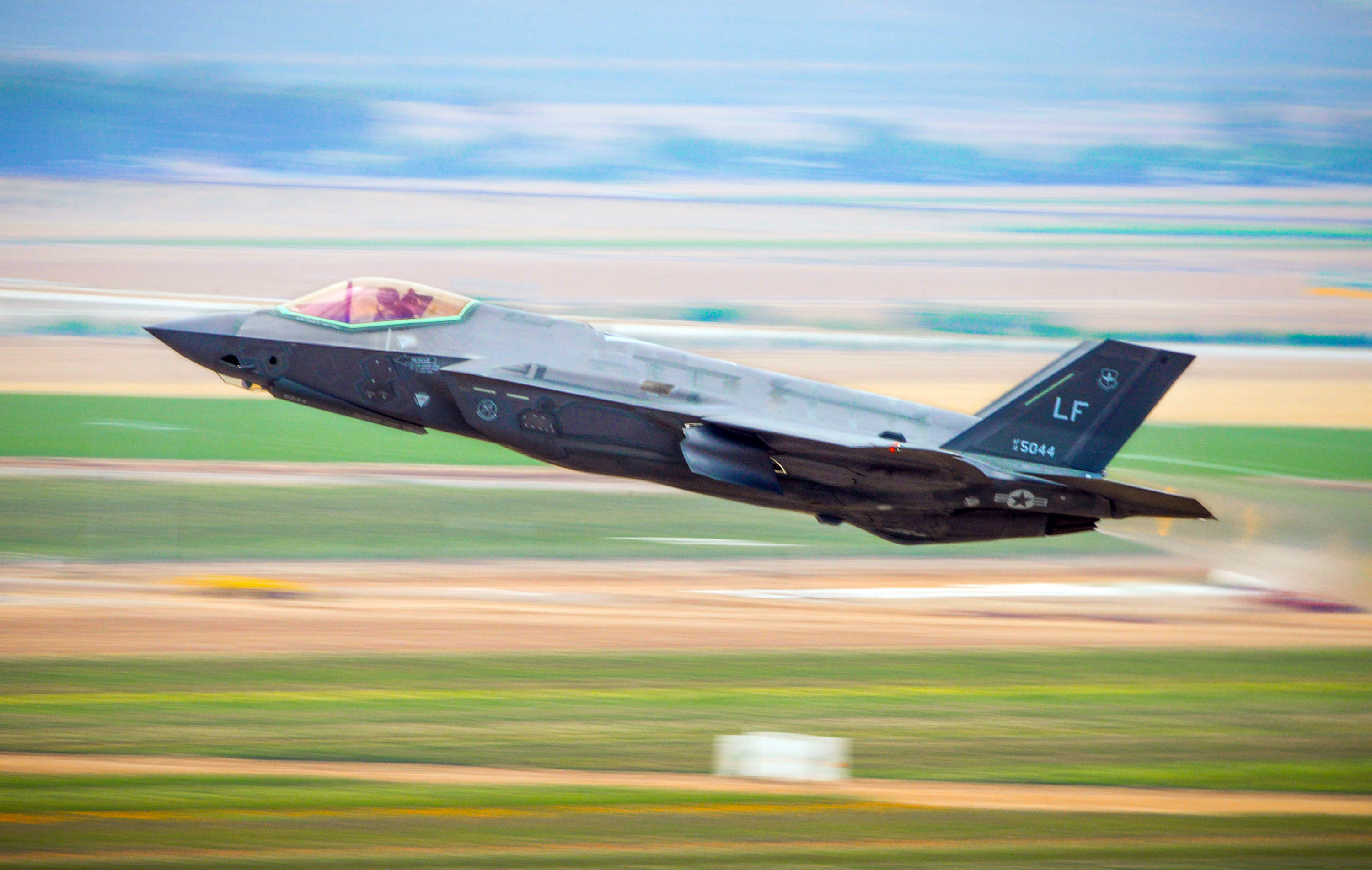
For example, according to a 2013 report from the Congressional Research Service, each F35 Lightning II aircraft requires 920 pounds of rareearth materials. Who is making the most critical parts to this airplane? You guessed it – China, from our drawings and according to our specifications.

Here is  a picture of the F-35

Image result for f-35

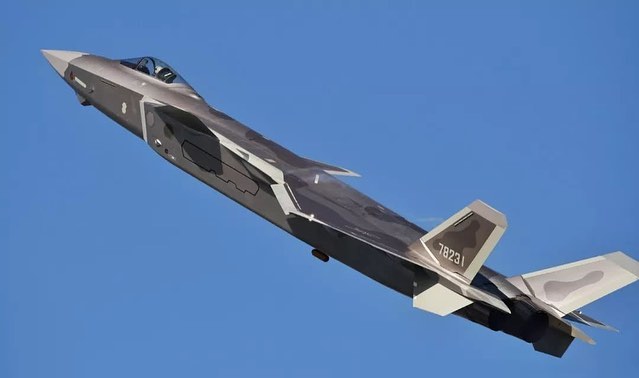
And here is a picture of the Chinese clone, the J-20, stealth capacity and all.

Image result for chinese j-20 vs f-35

It is a lot cheaper to steal technology than to develop your own.

Not all rare earth metals are of equal importance, and this is reflected in their price. The rare earth metals mined in Myanmar are high in the most sought after metals, such as neodymium and dysprosium 

November saw the prices of all major Chinese-sourced rare earths spike, but especially those used in magnets. In particular, the research note mentioned neodymium, which is the most common rare earth used in making magnets, which rose by 27% since early in November, up over 50% year to date. Several other key rare earths also increased in value last month, including dysprosium (+17%), gadolinium (+9%) and terbium (+27%).

Another factor in the price surge is a new law that came into force in China on December 1, Hamilton noted. Known as the Export Control Law, it creates new regulations that give the government more control over such exports as technology and rare earths.

It turns out that Myanmar provides half of China’s need for neodymium and dysprosium, so any disruption in the supply would be most unwelcome for China.

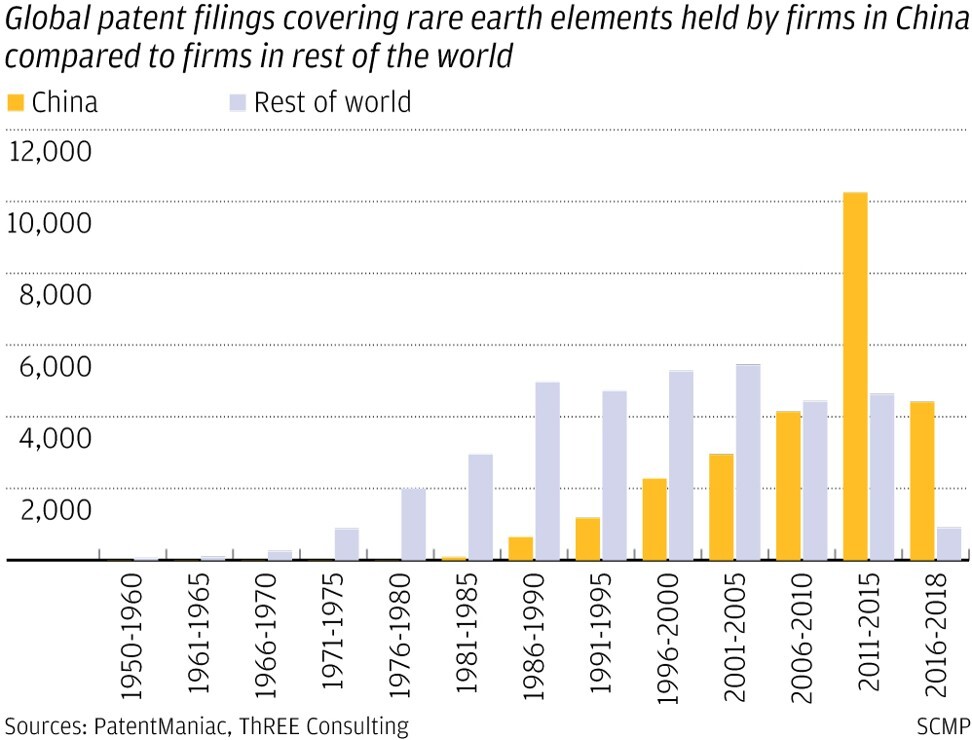
China has been hard at work trying to keep a near monopoly on rare earth metals, by securing patents> Here is a chart of recently issued patents

https://cdn.i-scmp.com/sites/default/files/d8/images/methode/2021/02/03/8e8a1524-65dd-11eb-bc00-908c10a5850a_972x_175322.jpg

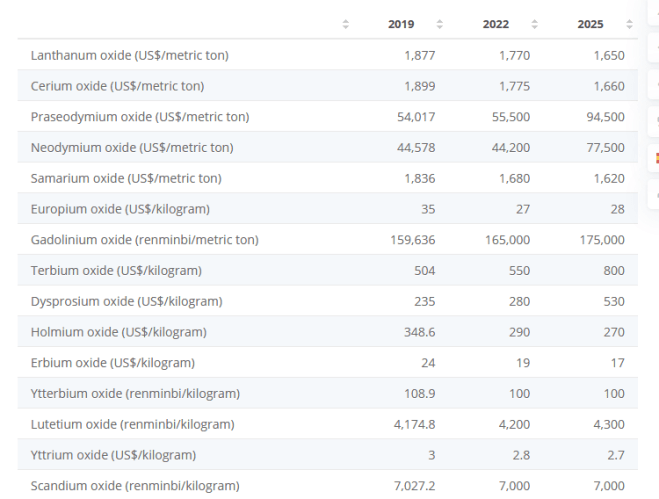
Yogi Berra once said: Predictions are hard, especially about the future Here are the predictions for rare earth metals prices:

On February 1 there was a coup in Myanmar, and the military took over power. Prices of some rare earth metals spiked to more than estimated 2025 levels.

China has been quietly exploring the economic damage it could inflict to US and European companies – including defense contractors – if they were to impose export ‘restrictions’ on 17 rare-earth materials, according to a report in the Financial Times.

FT added that “[t]he Ministry of Industry and Information Technology last month proposed draft controls on the production and export of 17 rare earth minerals in China, which controls about 80% of global supply.”

Before being voted out of office, President Trump and his administration sought to take steps that might help the US limit China’s resource dominance in this area, including signing an executive order declaring a “national emergency” in the US mining and minerals industry (much of which remains focused on digging coal out of the ground). China has been widely acknowledged as dominant in the rare-earth minerals market for decades.

But with Trump out, and a much more China-friendly administration back in power in Washington, it looks like Beijing is already considering playing hardball to get what it wants.

Meanwhile, the Biden administration is considering sanctions against Myanmar, a country that is poorer than Bangladesh.

China is the world’s dominant producer of rare earths, a group of 17 minerals used in consumer electronics and military equipment. But it relied on Myanmar for about half its heavy rare earth concentrates in 2020, says Adamas Intelligence managing director Ryan Castilloux.

Myanmar is therefore an “exceptionally critical supplier of … feedstocks that are essential ingredients in high-strength permanent magnets for electric vehicle traction motors, wind power generators, industrial robots and a wide array of defense-related applications”, he said.

There has been no sign of disruption for now, since Myanmar’s rare earth mines are under the control of autonomous militia groups, but the test will come after the Lunar New Year holiday, which has just ended.