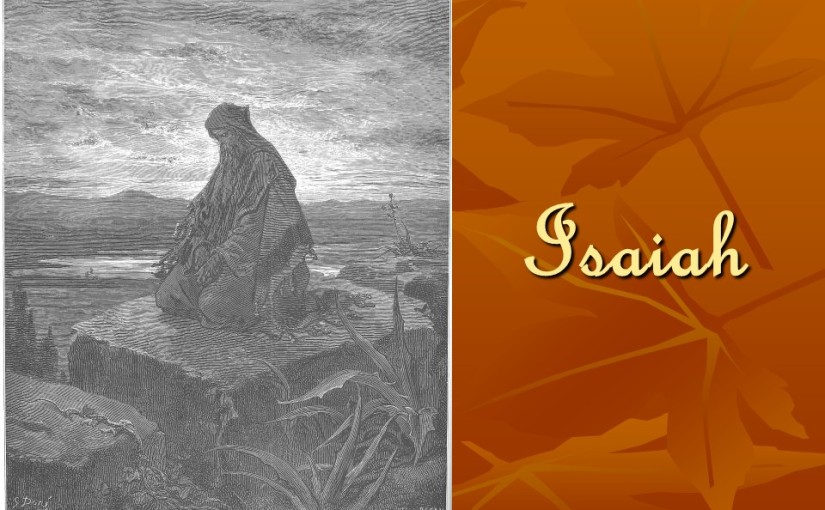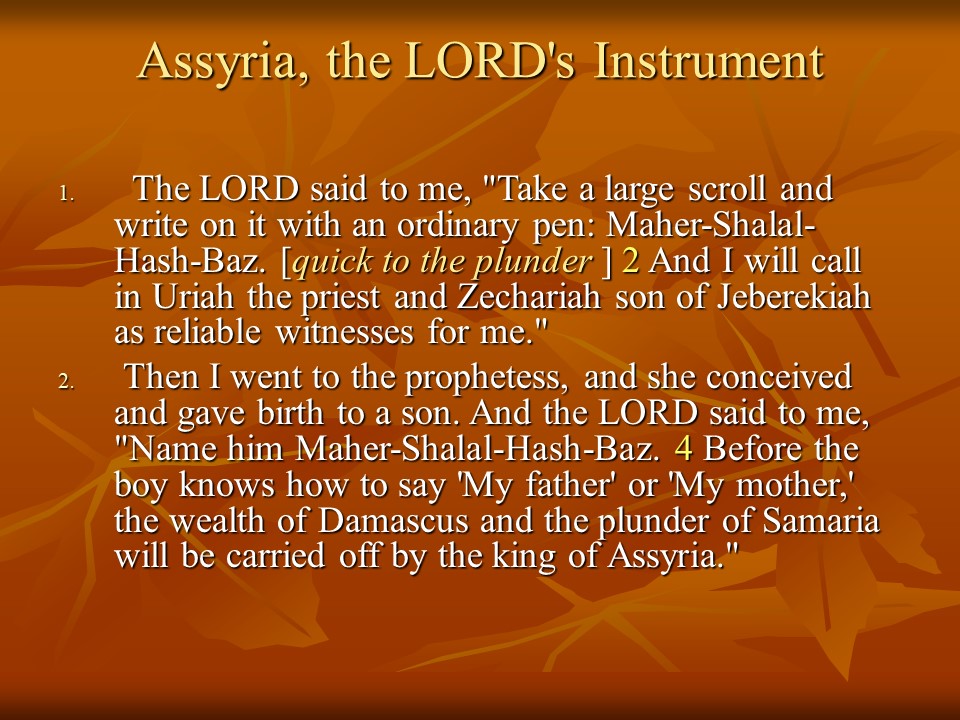
Isaiah 8, Assyria will invade Israel, fear God.

Biblical history is full of treachery, intrigues and double-crosses as are described in second Kings:

This quotation is from Isaiah 28:16 and shows the call to fear and follow the LORD  only is carried over into the New Testament pointing to the Lord Jesus.

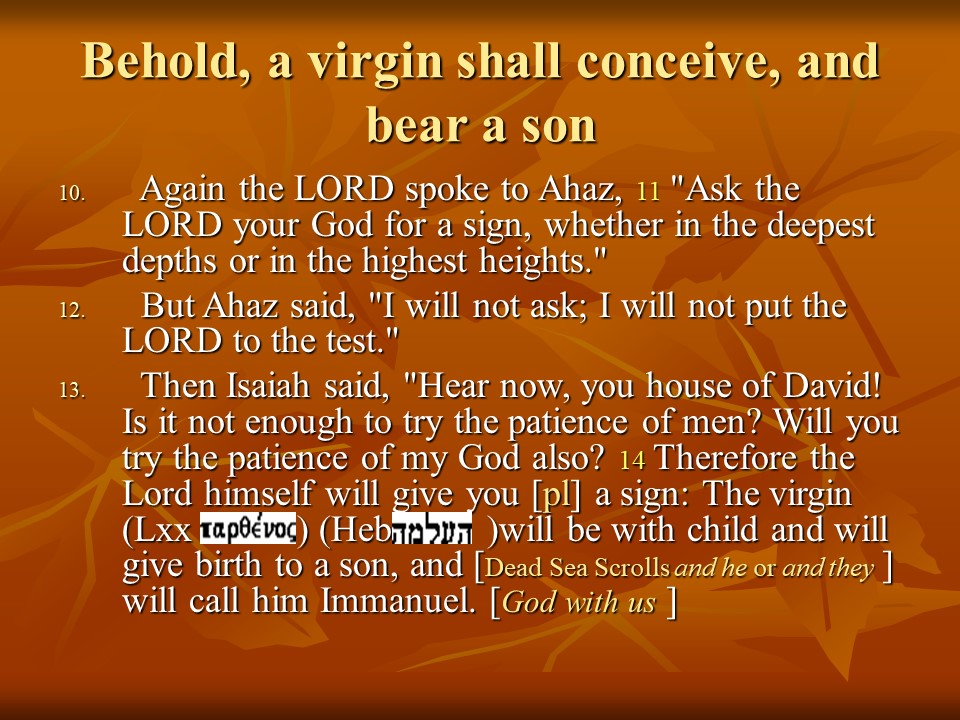
Isaiah 7, behold, a virgin shall conceive and bear a son, Immanuel, coming disaster.

The greek Septuagint translation: παρθένος, parthenos: a maiden, a virgin

The Hebrew word  הָעַלְמָ֗ה hā-‘al-māh, is properly translated virgin, but it can also mean a young woman, which in those days meant the same thing, age is of no importance, virginity is.

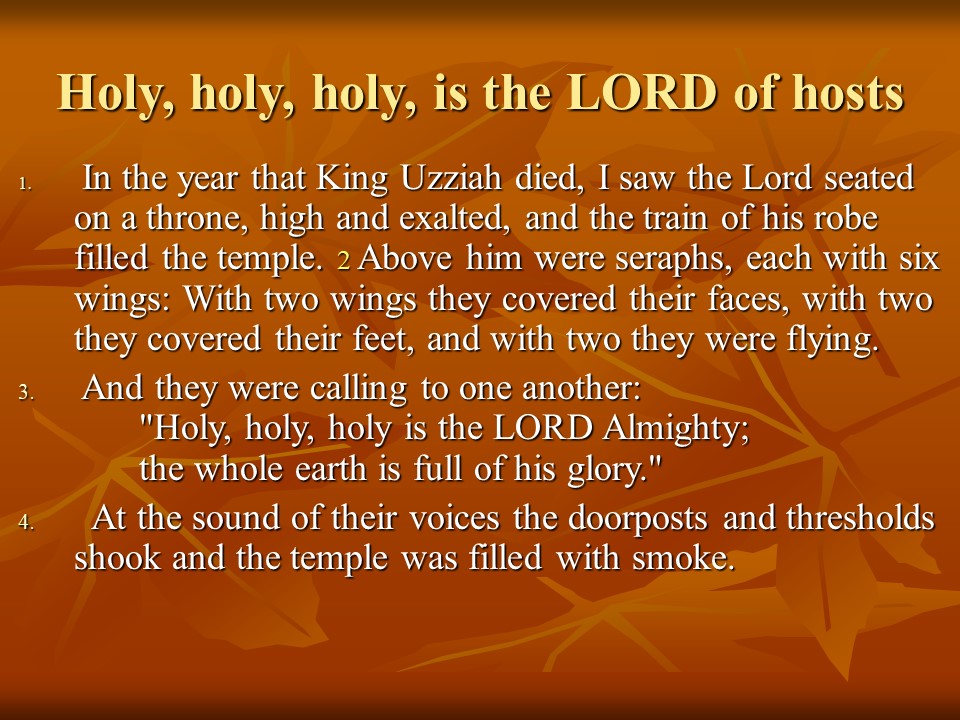
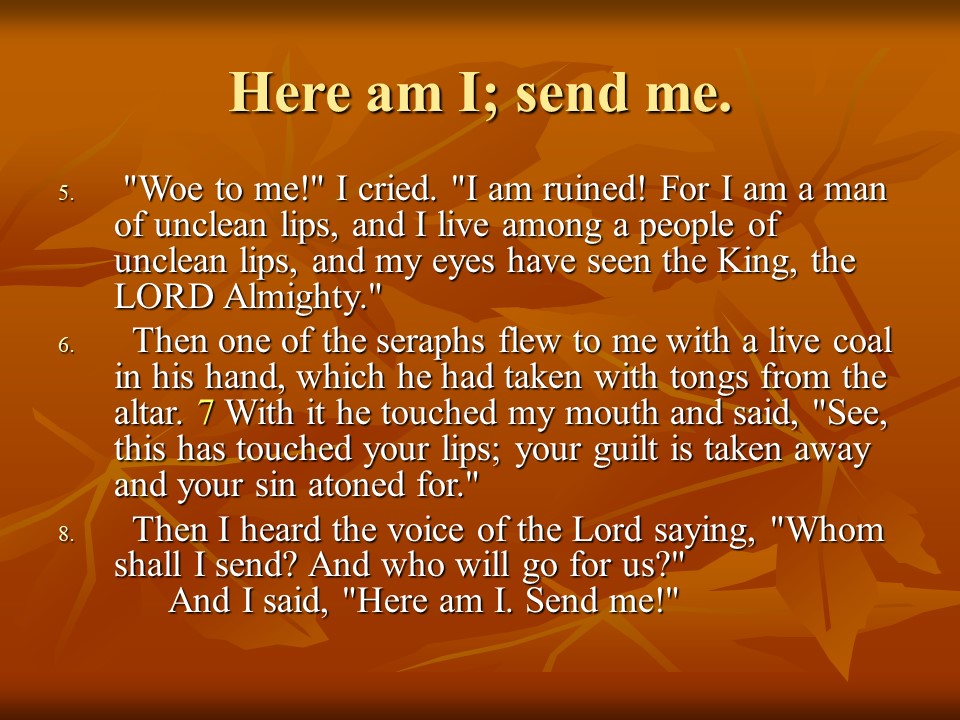
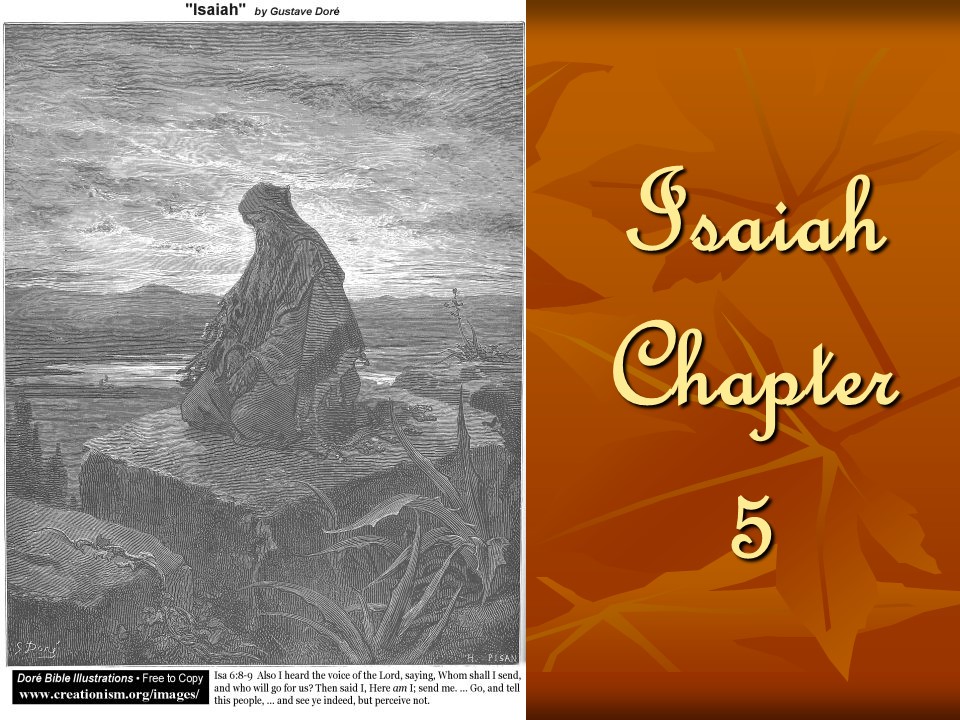
Isaiah 6, the call of Isaiah, “Here am I, send me”, hardened hearts.

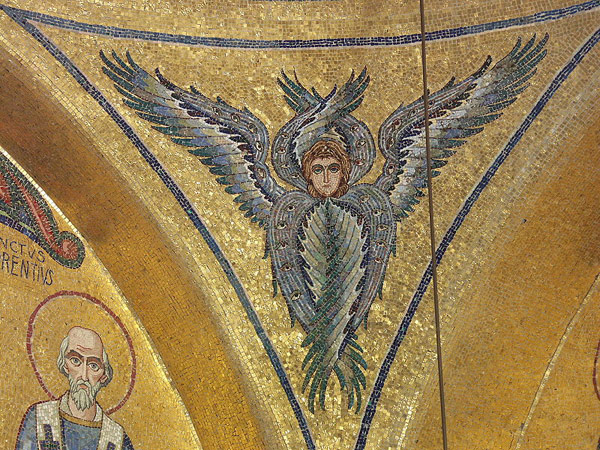
Seraphim. Mont Sainte-Odile, Alsace, France

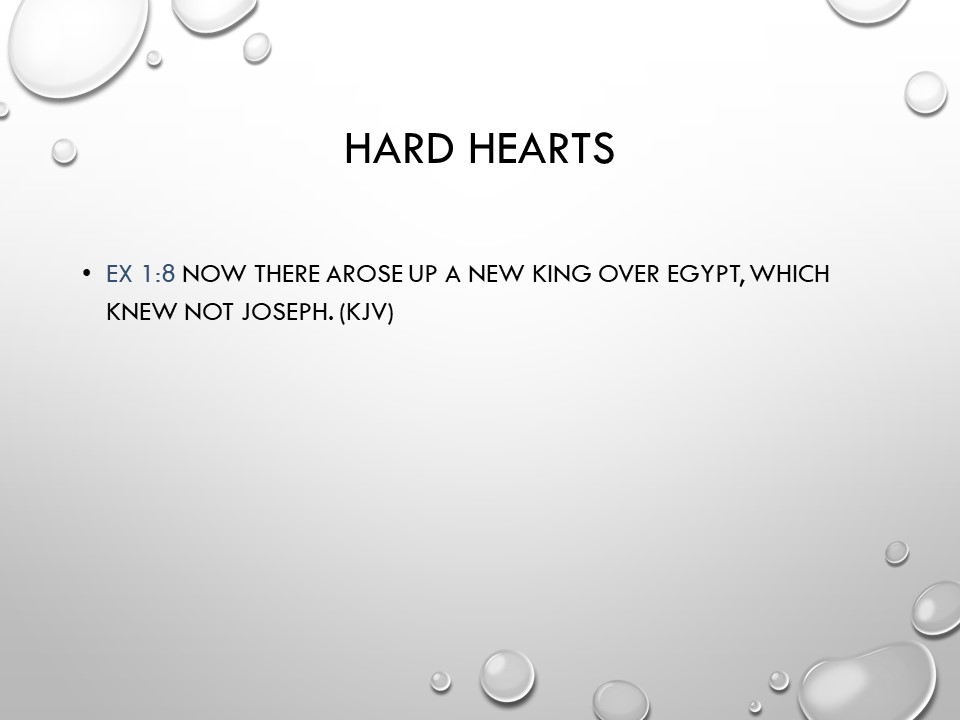
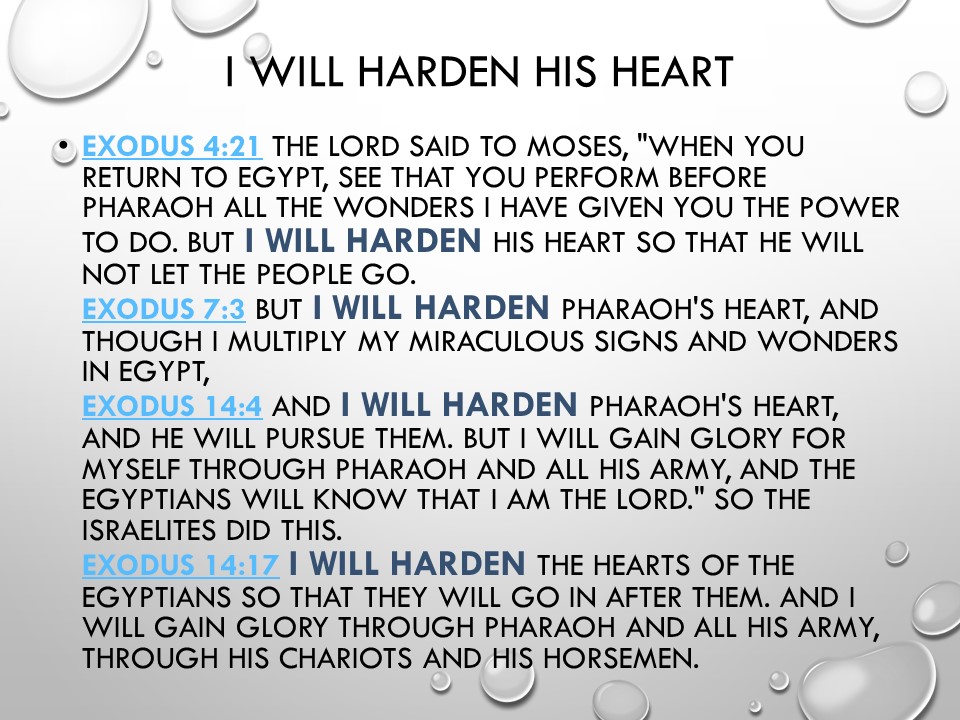
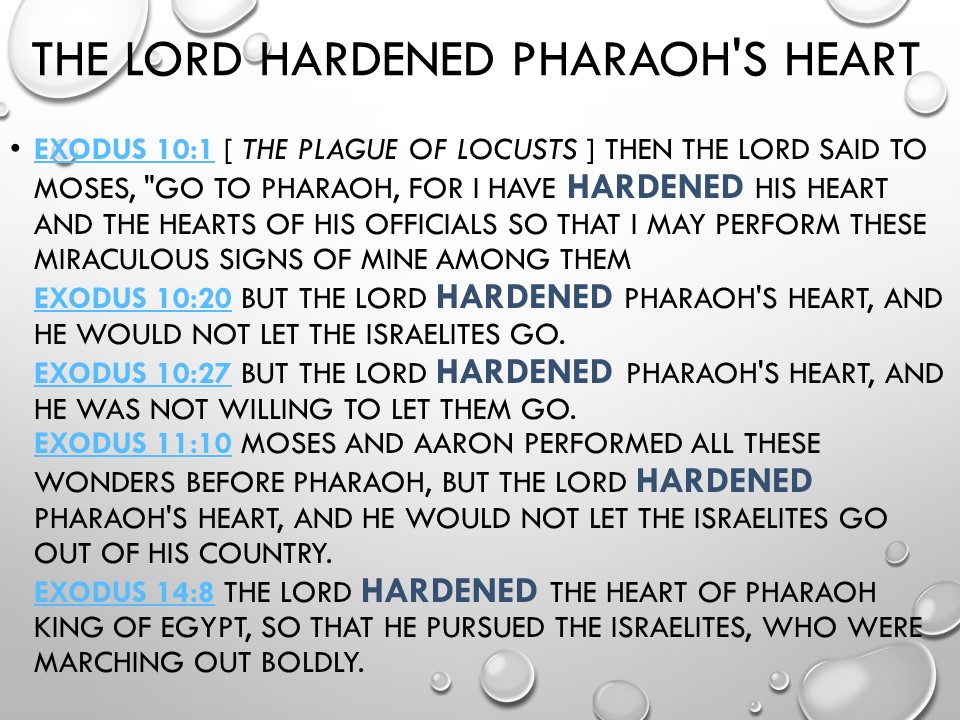
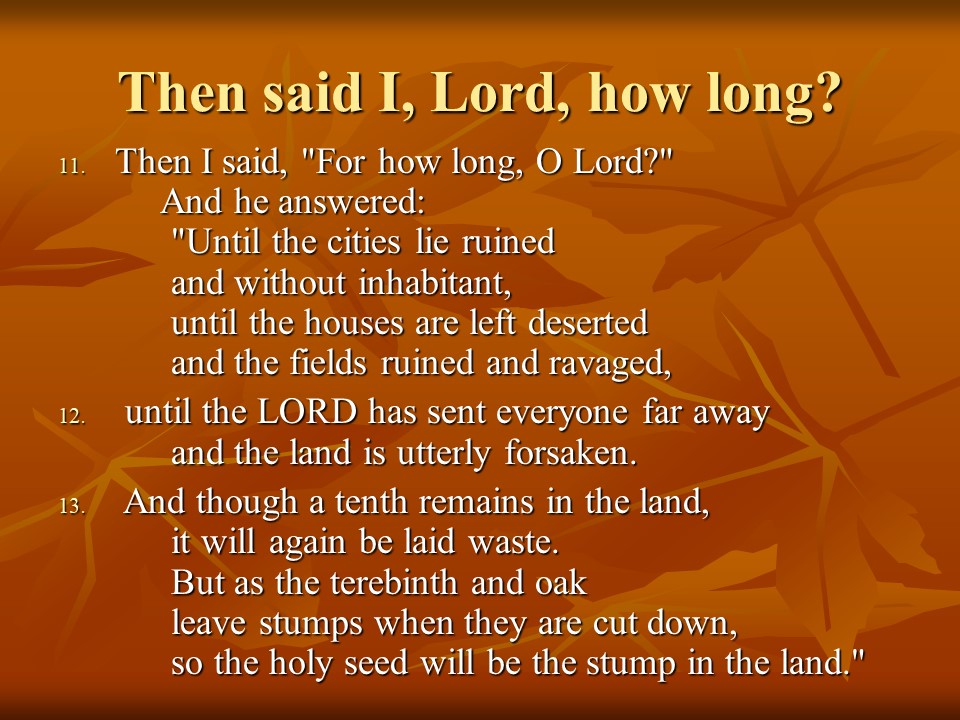
Did God really through Isaiah make the people’s hearts hardened? Let us go back to Abram, and the promise of God to him:

Then as Abraham’s descendants were slaves in Egypt:

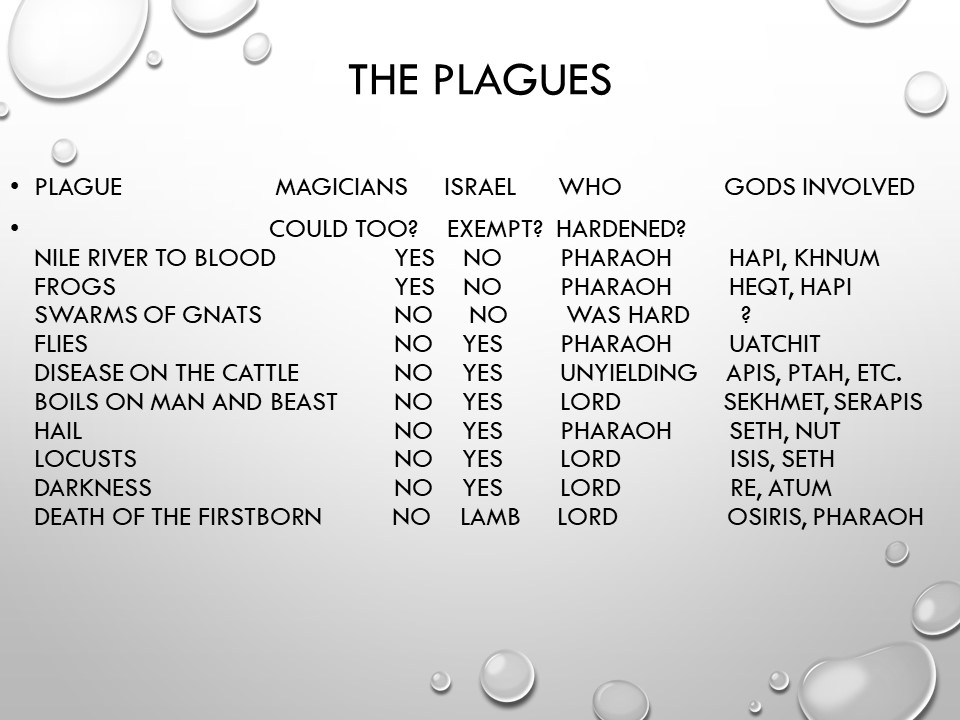
Who were hardening hearts?

This is summed up in the ten plagues of Egypt.

By the way, according to the Quran there were only nine plagues. Guess which one is missing?

This is the blessing for believers through the words of Jesus:

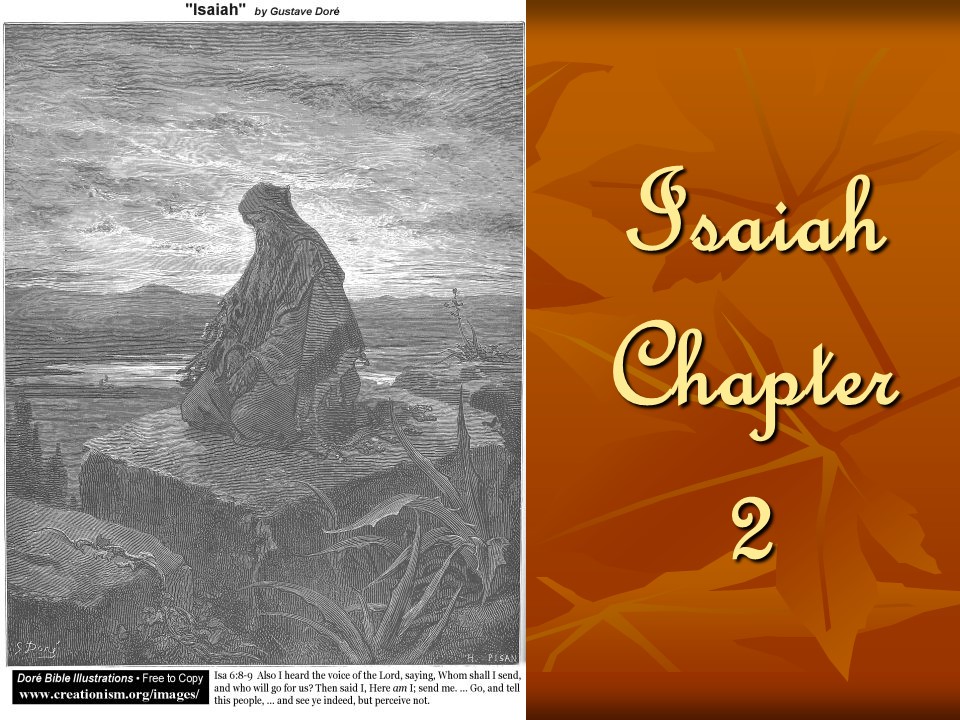
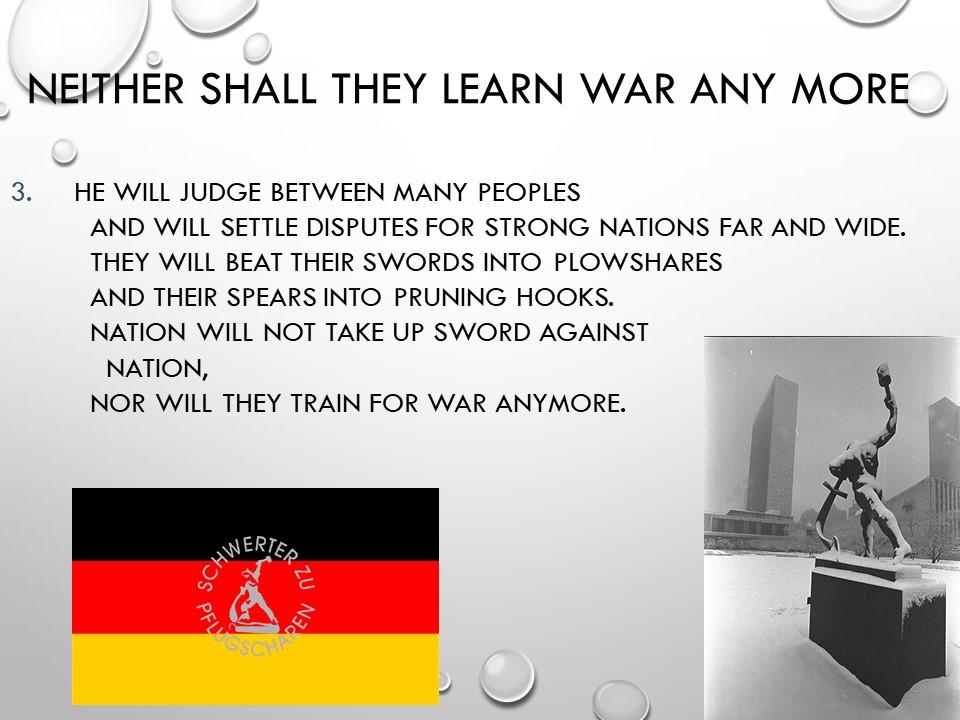
Isaiah 2, swords into ploughshares, study war no more, the Day of the Lord

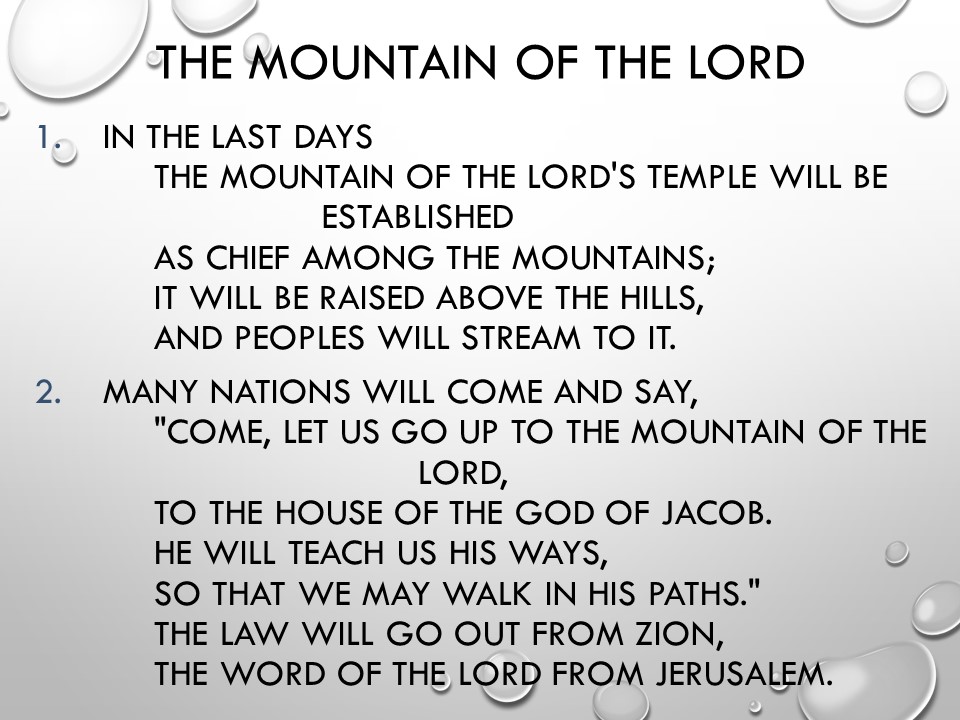
This famous messianic prophecy is duplicated in Micah 4. Micah was a contemporary of Isaiah. Isaiah was also the chief scribe and wrote down the chronicles for that time, such as part of Isaiah 36, which is duplicated in part of 2 Chronicles 32.

The symbol Schwerter zu Pflugscharen was the most important emblem of the German Democratic Republic’s opposition movement in the 1980s which finally lead to the “revolution” of 1989 and the German unification.

The bronze sculpture “Let Us Beat Our Swords into Ploughshares,” was created by Soviet artist Evgeny Vuchetich, and presented to the United Nations on 4 December 1959, by the Government of the USSR.

Or the lyrics as sung by Peter, Paul and Mary

I’m gonna lay down my sword and shield,
Down by the riverside
I’m gonna lay down my sword and shield,
Down by the riverside
Study war no more

I ain’t gonna study war no more
Ain’t gonna study war no more
I ain’t gonna study war no more
Ain’t gonna study war no more

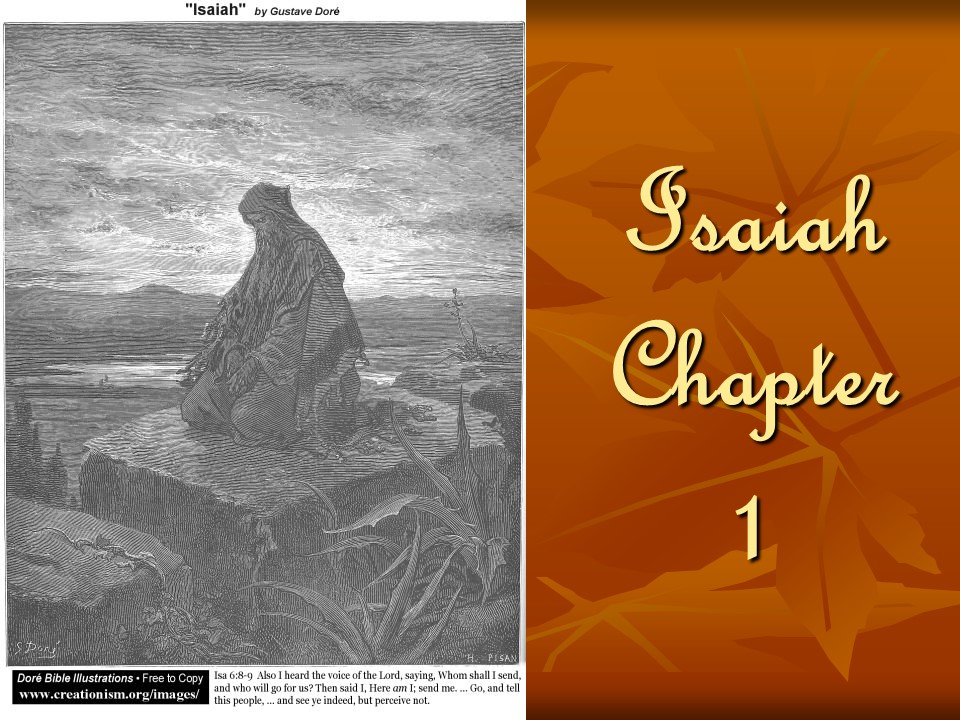
Isaiah 1, a rebellious nation, a sinful nation, the LORD’s judgment and restoration.

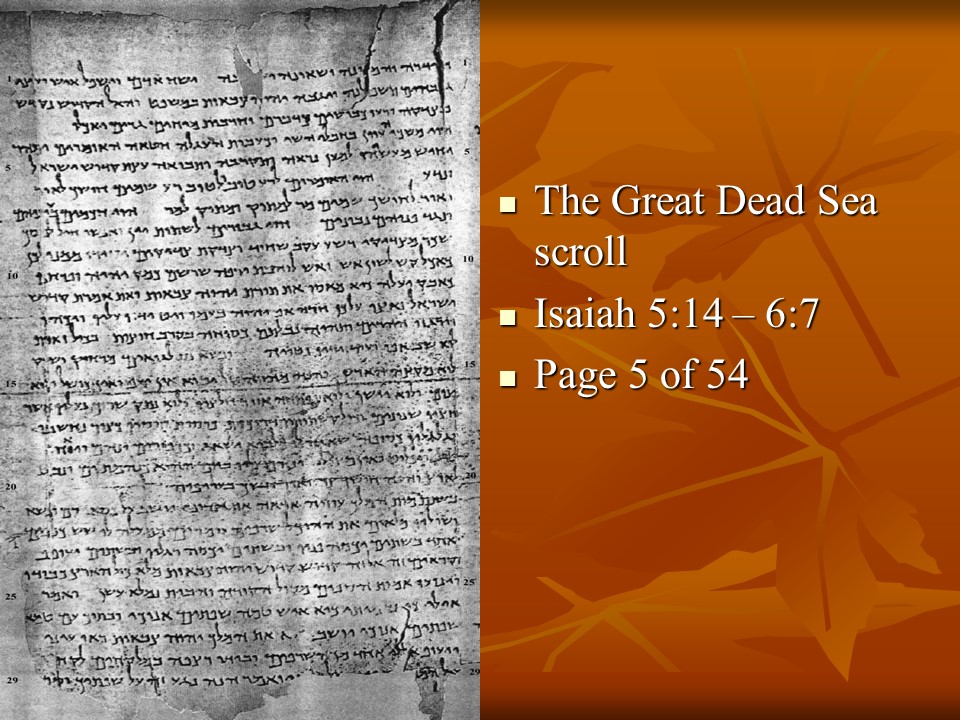
No other book of the Old Testament contain as many prophecies as the Scroll of Isaiah. In fact there are so many that it was proven beyond a shadow of a doubt that Isaiah most probably was written in its final form around 400 A.D.

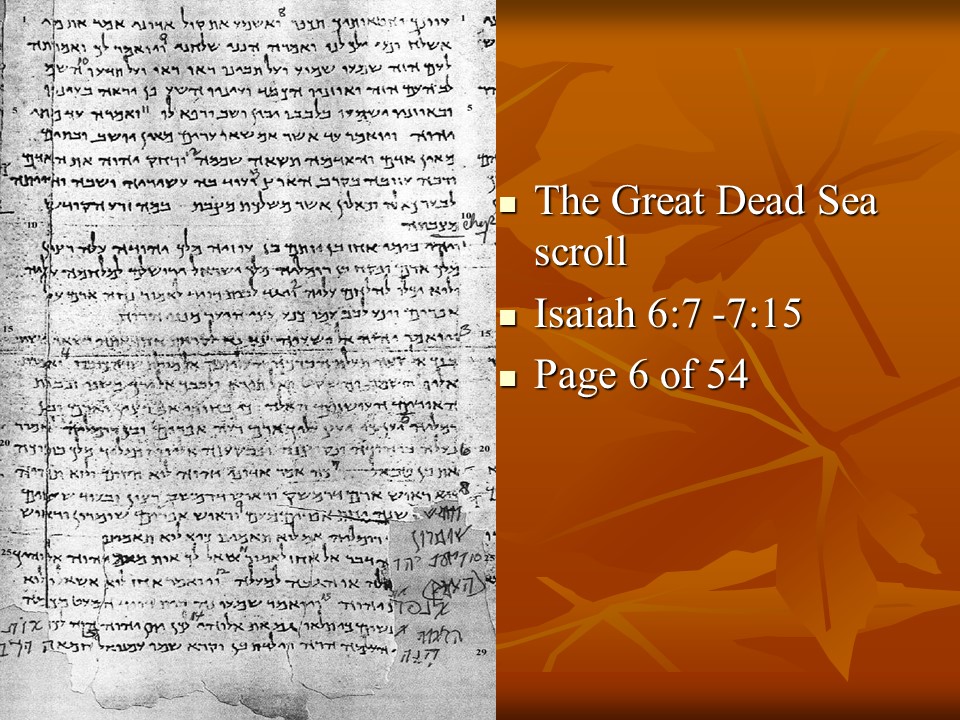
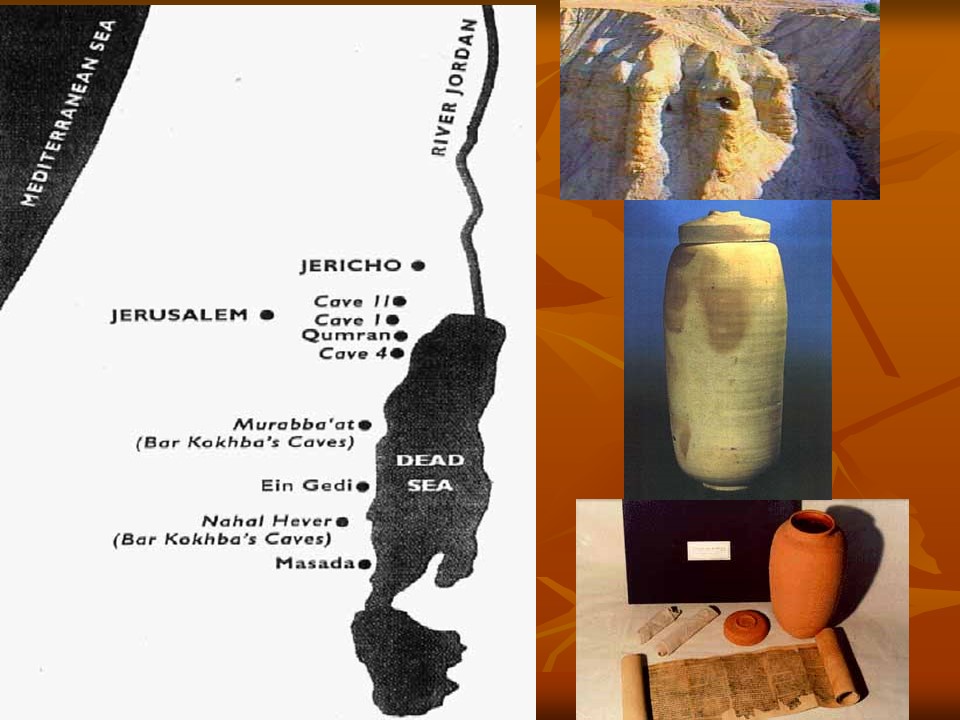
Then in 1947 A.D. a complete scroll of Isaiah was found in the cave of Qumran, and it gives the timeline of its writing as around 700 B.C.

The scroll they found was a copy, copied no later than 140 B.C. and possibly much earlier, and with that discovery a hundred years of critical biblical analysis was rendered obsolete. They found fragments of most of the Old Testament books, but also much material about day-to-day life around Jesus time, which helped in understanding many terms in the Hebrew language, the meaning of which had been lost.

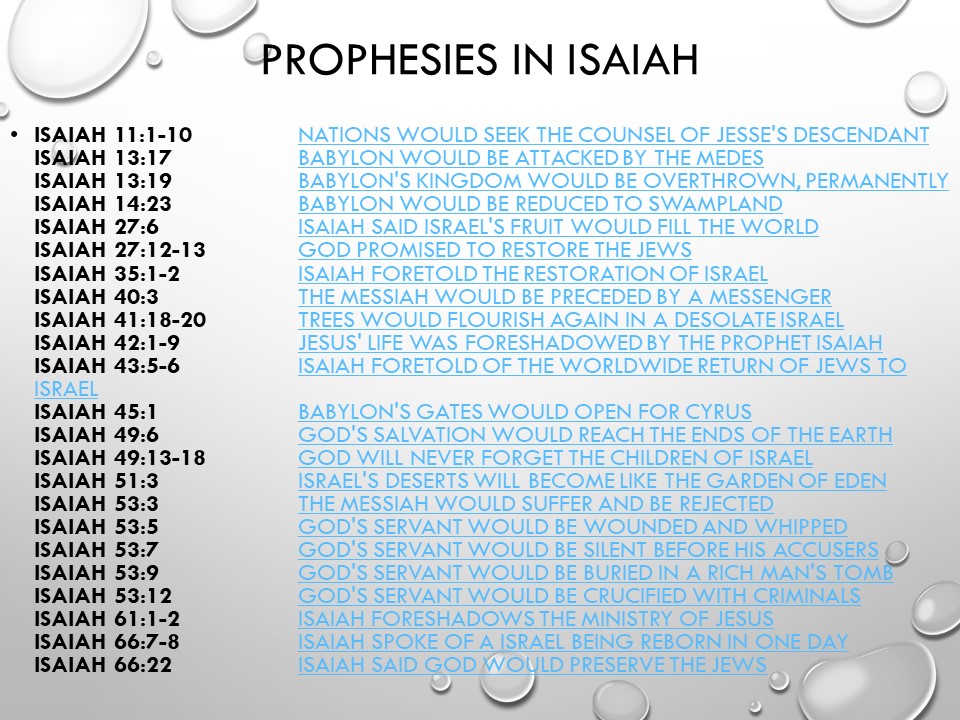
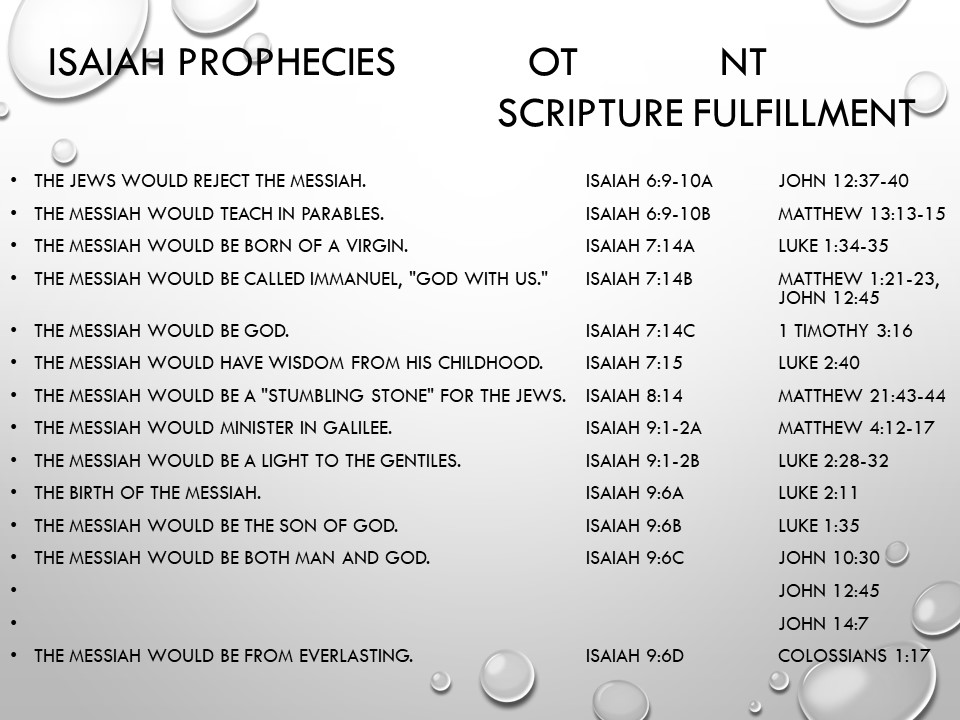
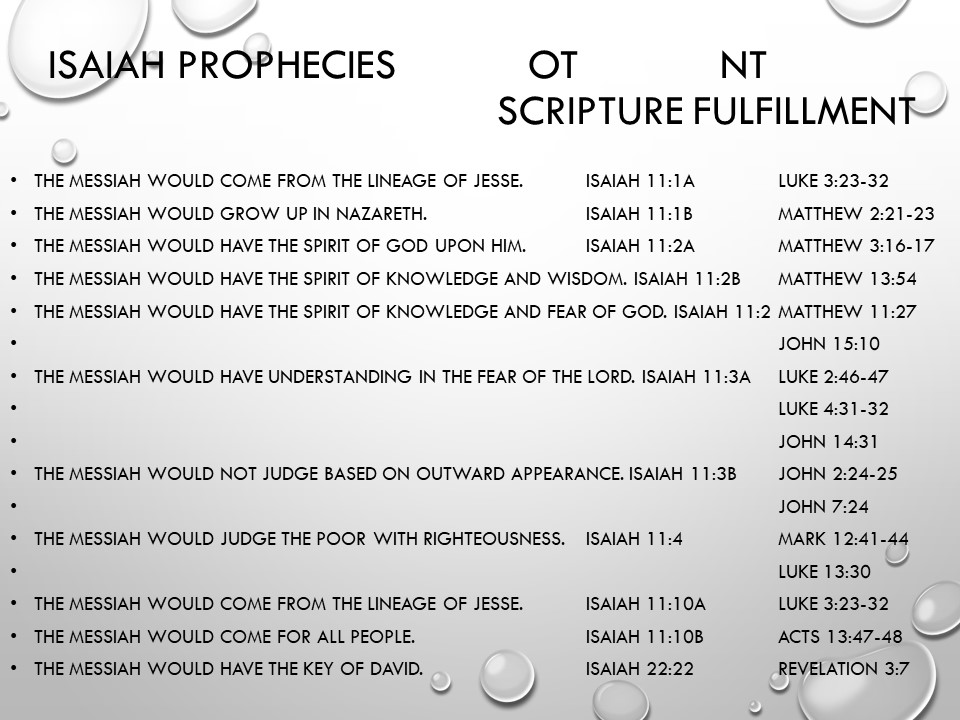
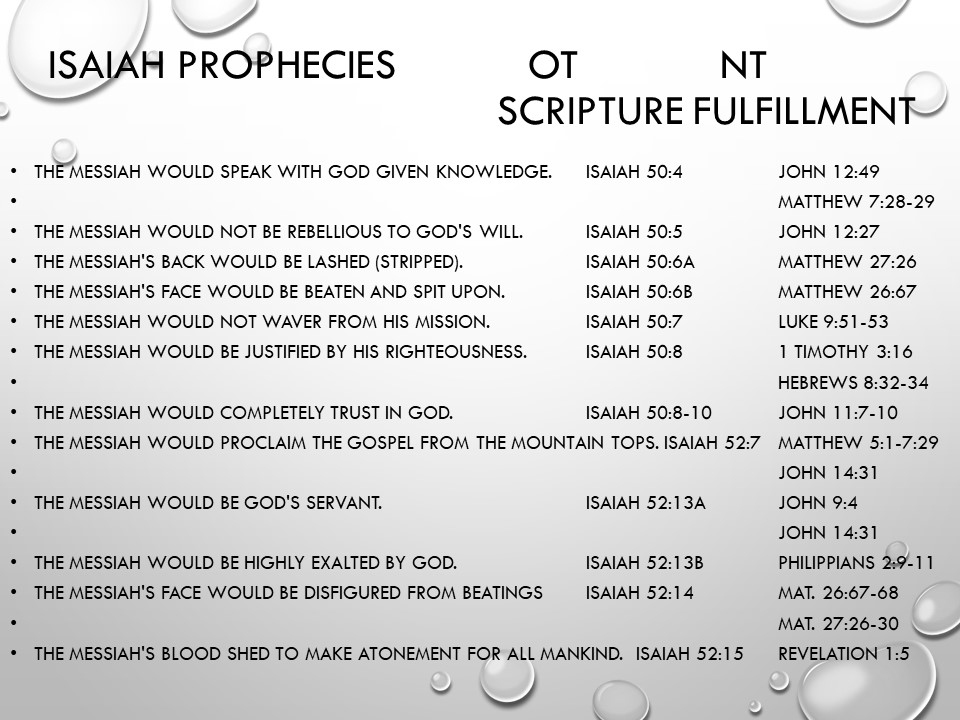
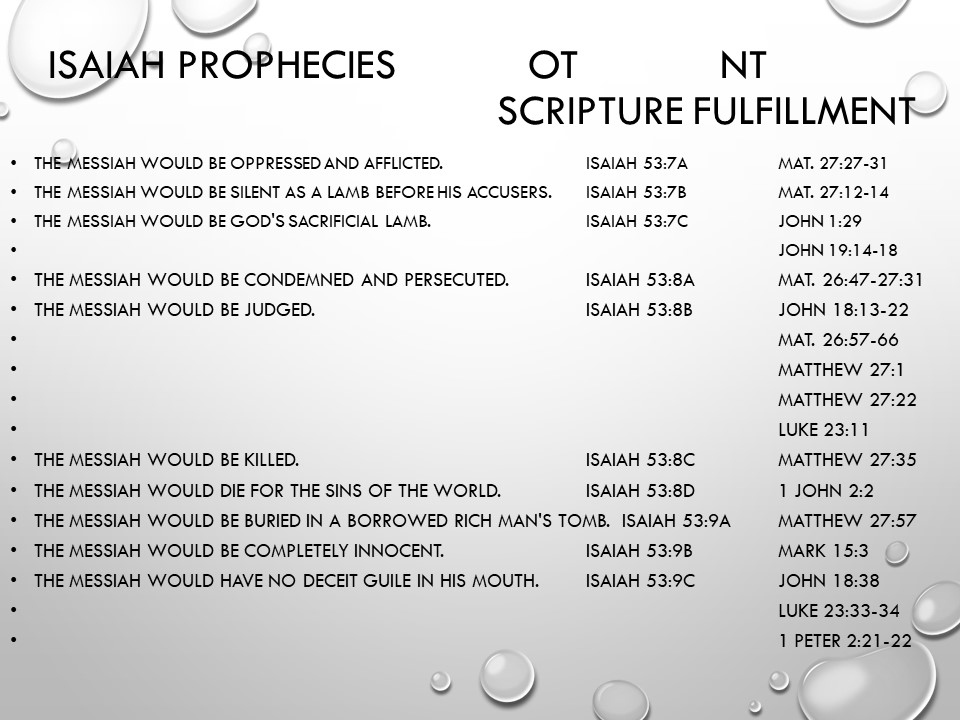
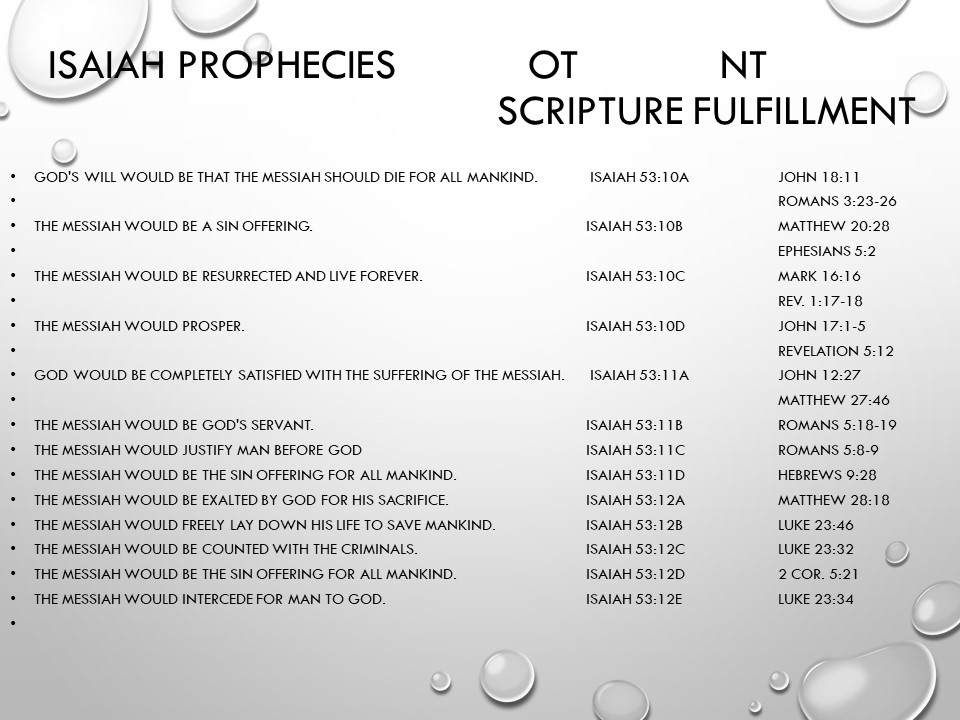
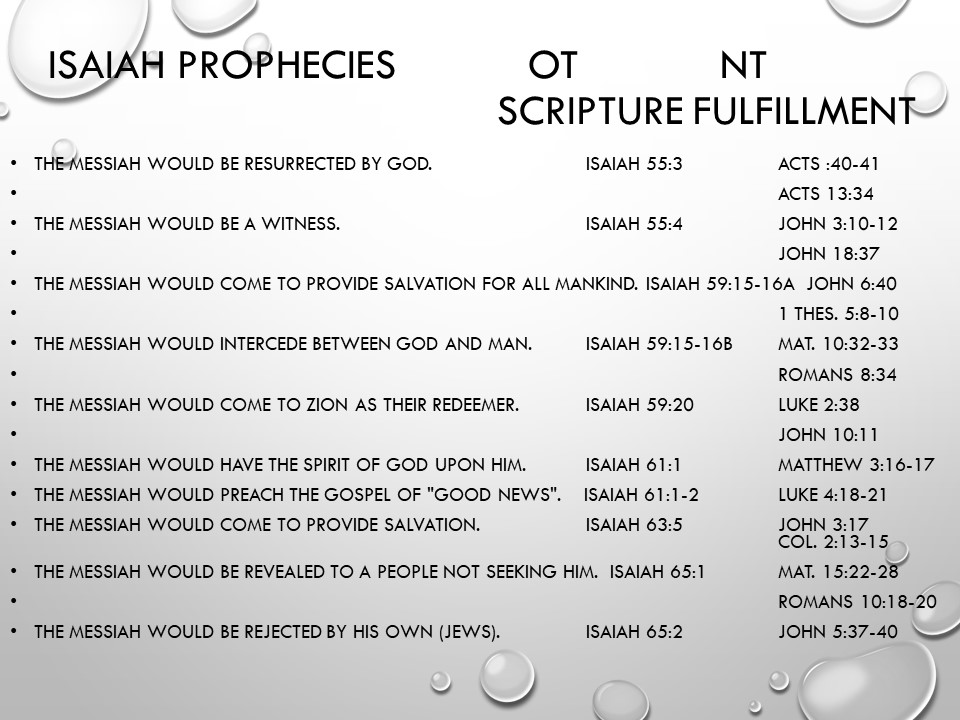
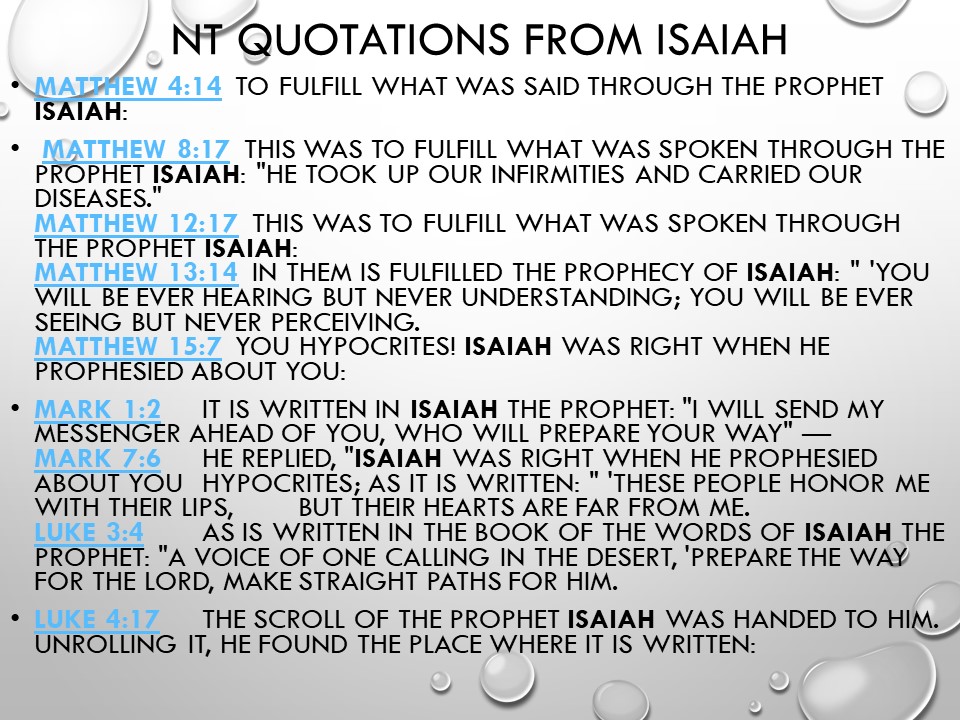
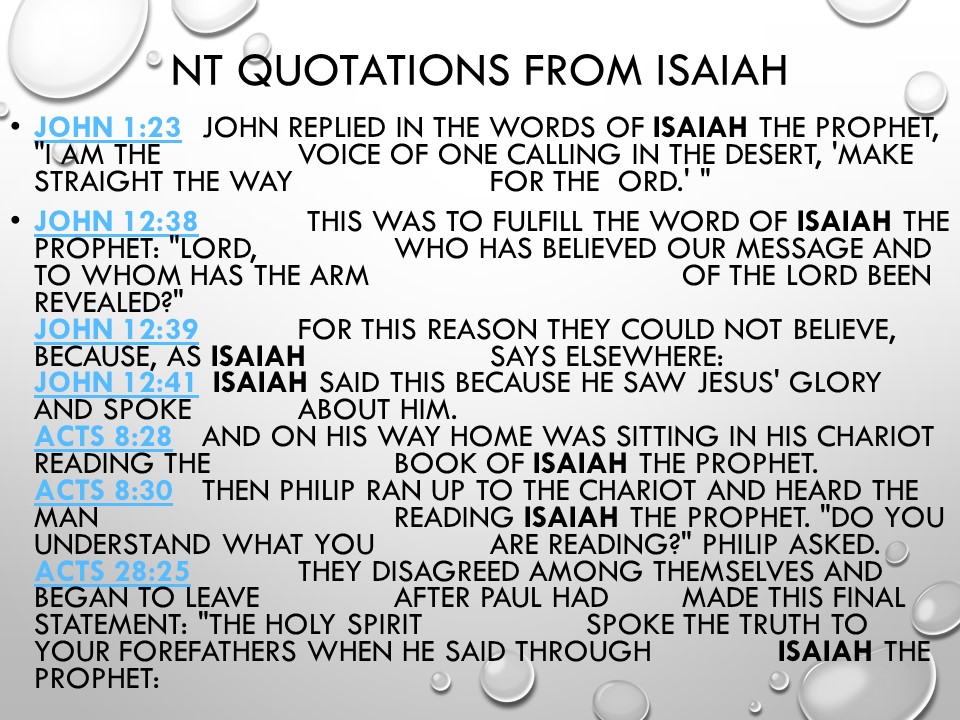
Here is a list of the prophecies in Isaiah

and their fulfillment in the New Testament.

The NIV translation of the Bible uses “the LORD Almighty” instead of “the LORD of Hosts”. The LORD of Hosts is more true to the Hebrew text.

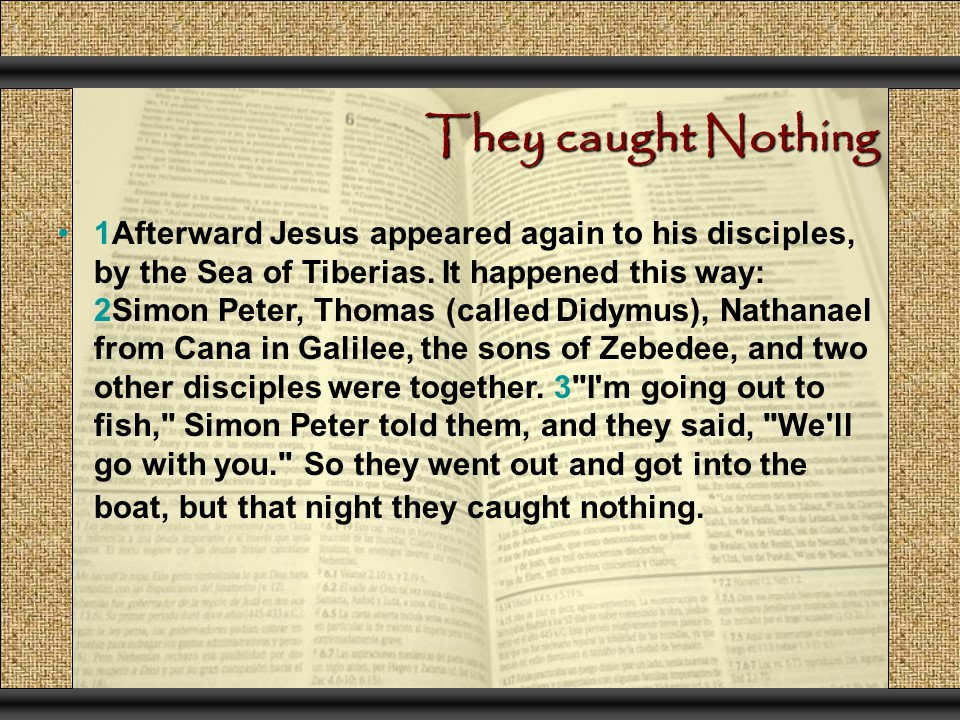
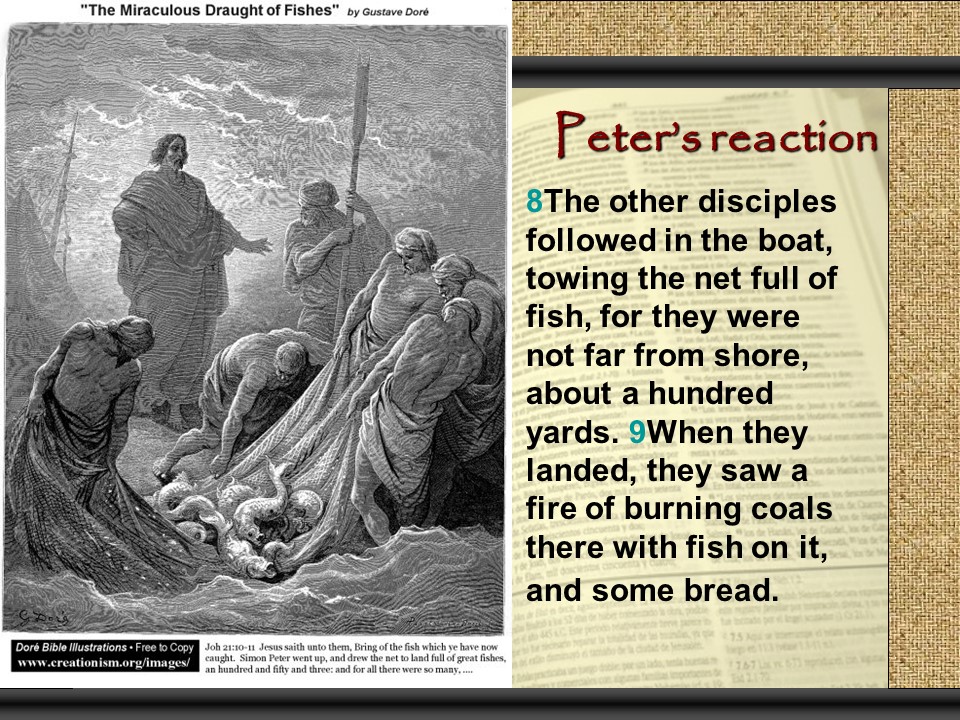
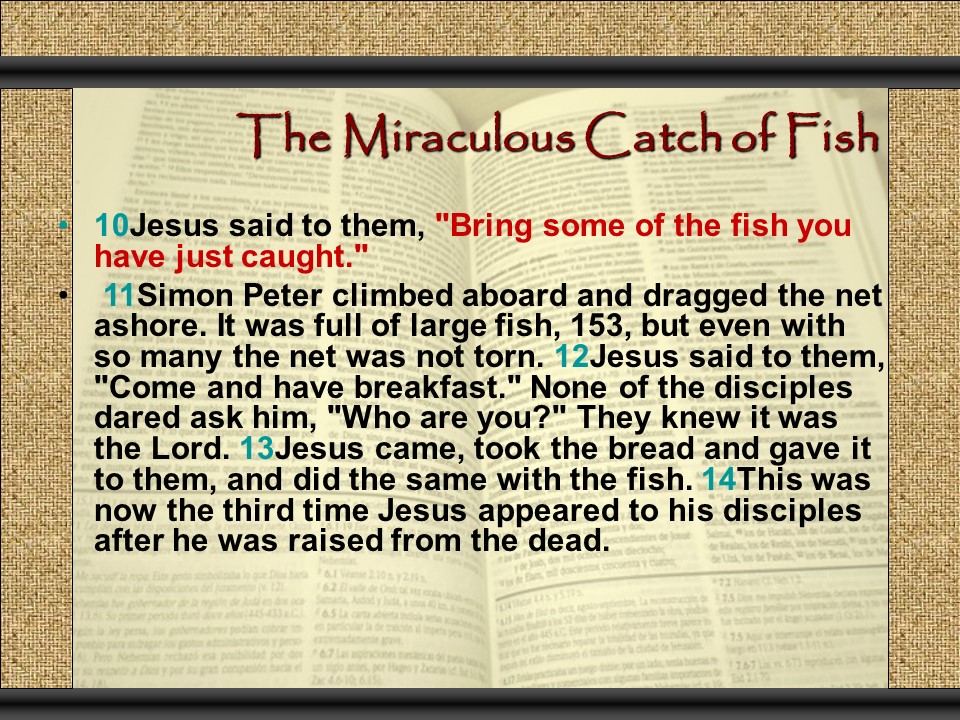
John 21, another catch of fish, Jesus reinstates Peter.

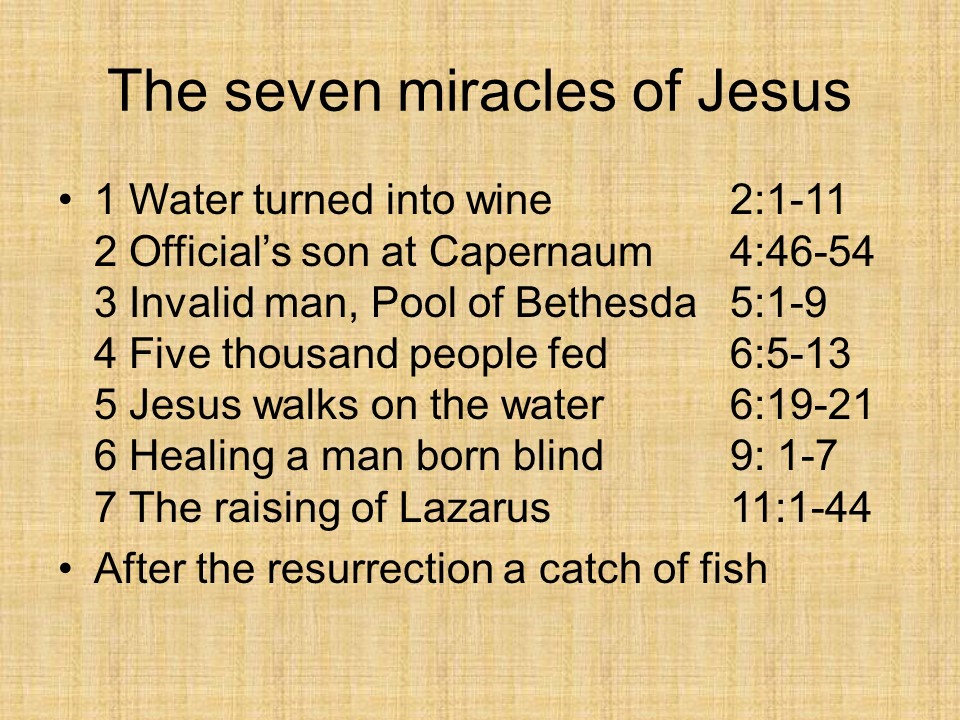
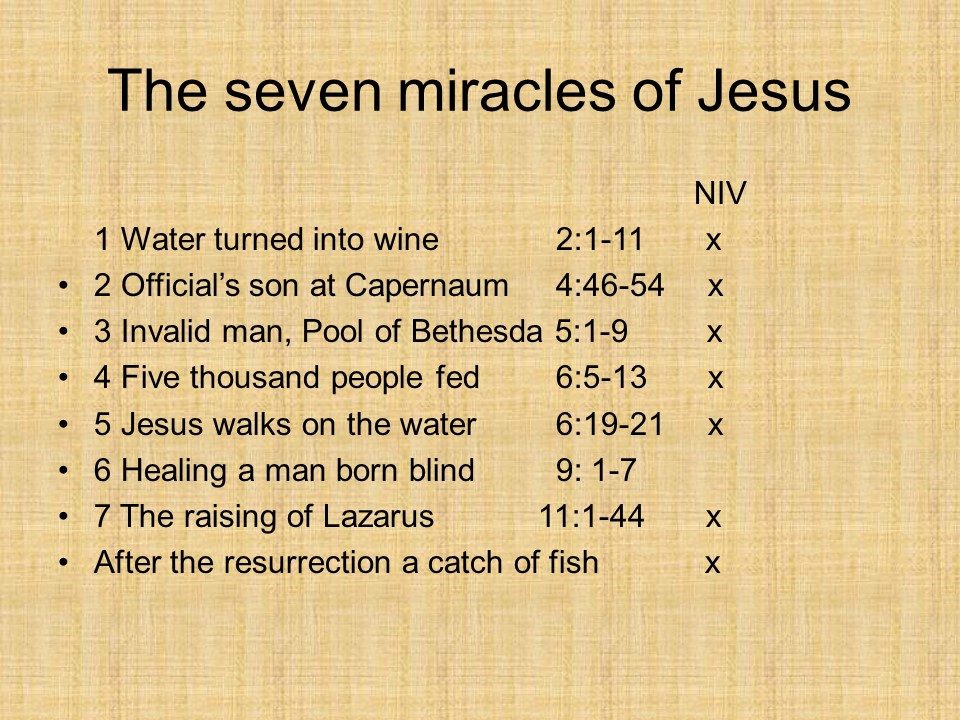
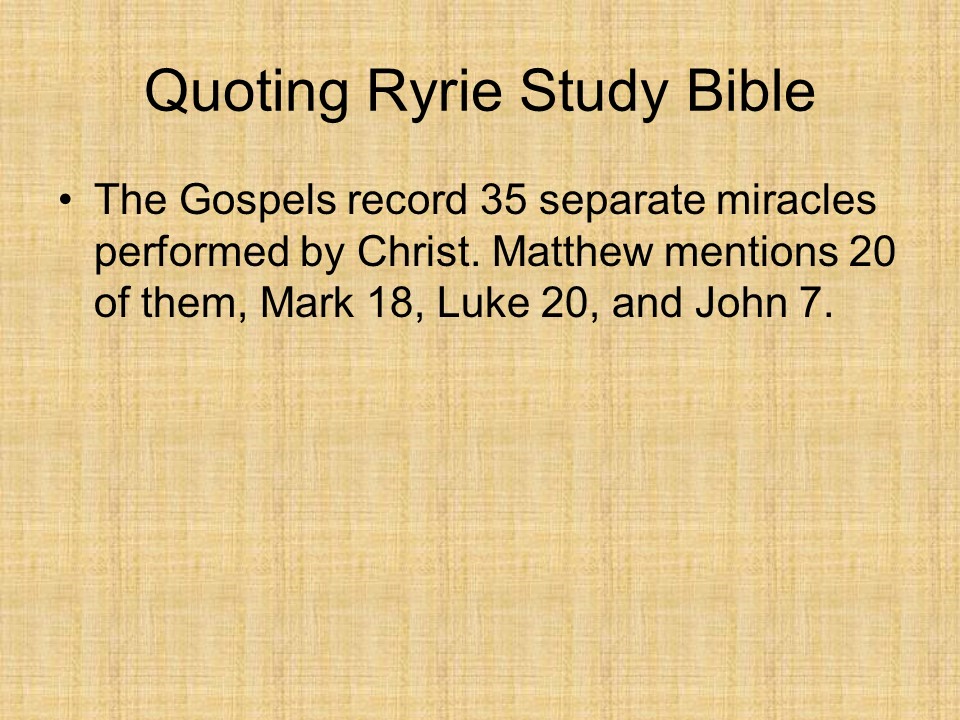
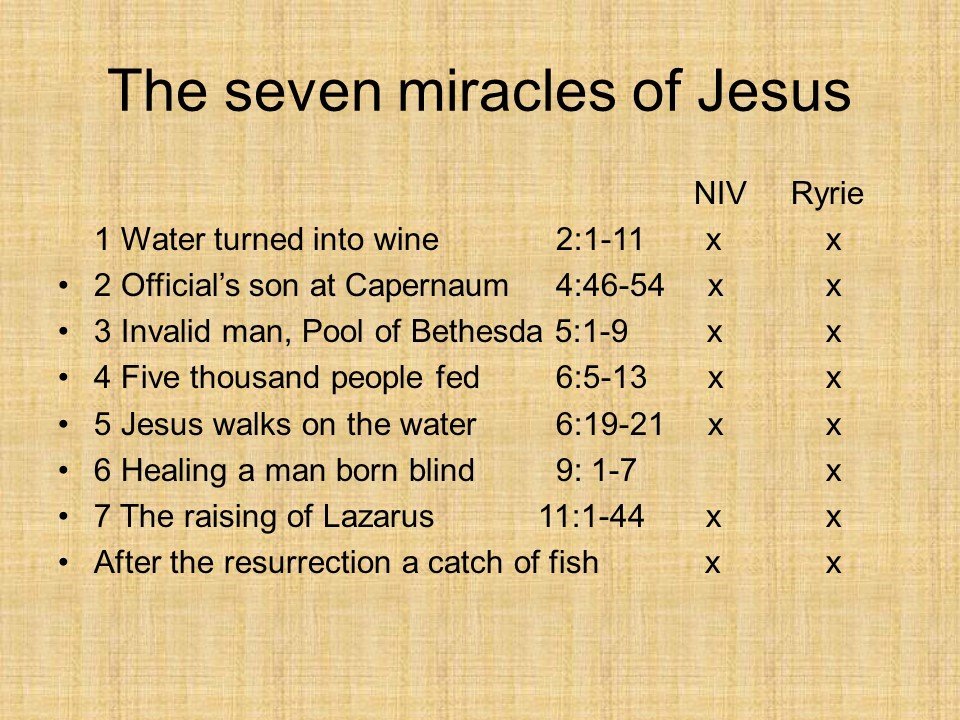
That makes it eight miracles of Jesus, seven before his resurrection and one after.


Knowing John mentioned only seven miracles my rendition of the NIV study bible omits the man born blind, washing in the pool of Siloam.

The Ryrie NIV study bible mentions John mentions seven miracles, then goes ahead and lists all eight.

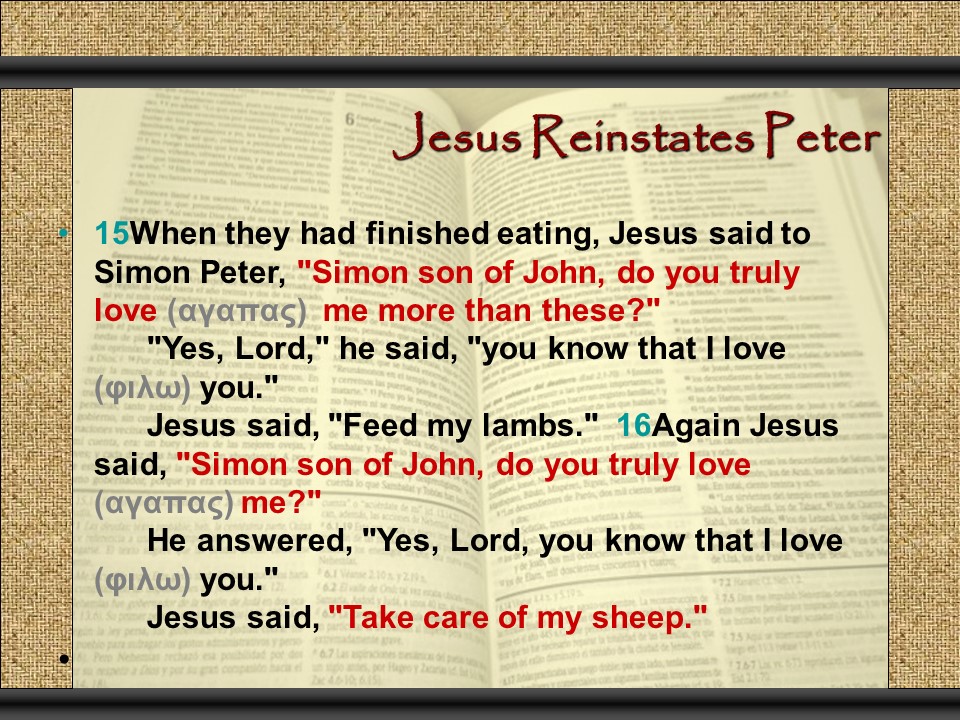
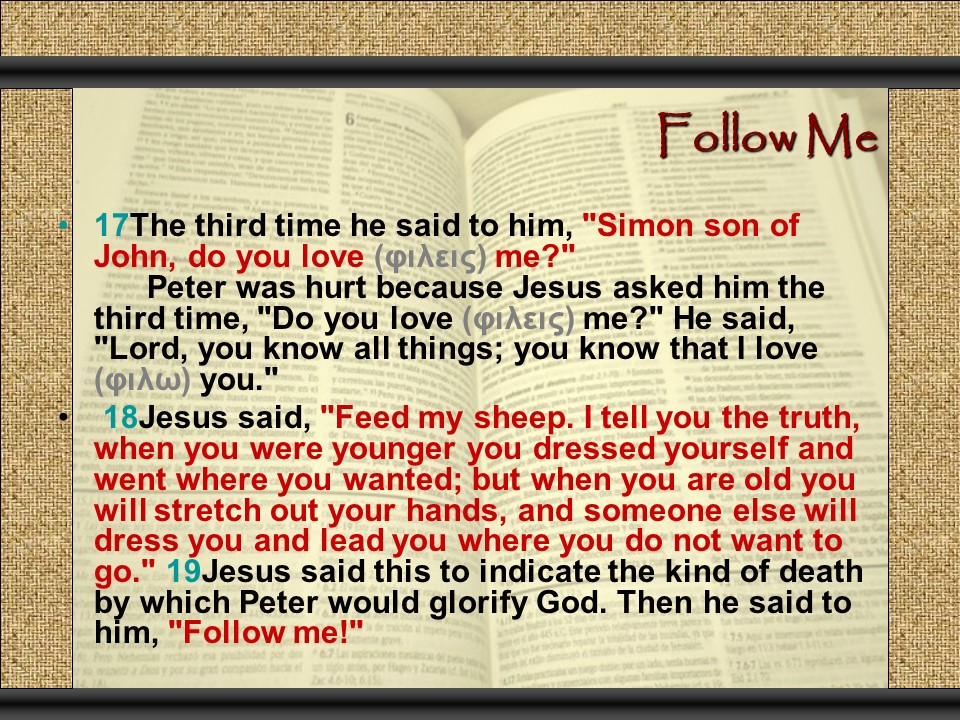
The first two times Jesus asks “Do you love me” he uses the word agappe, which means godly love, and Peter answers that he loves Jesus (fileo) with a brotherly love. The third time Jesus too uses the word fileo. Peter was hurt. He realized how far short of godly love he still was

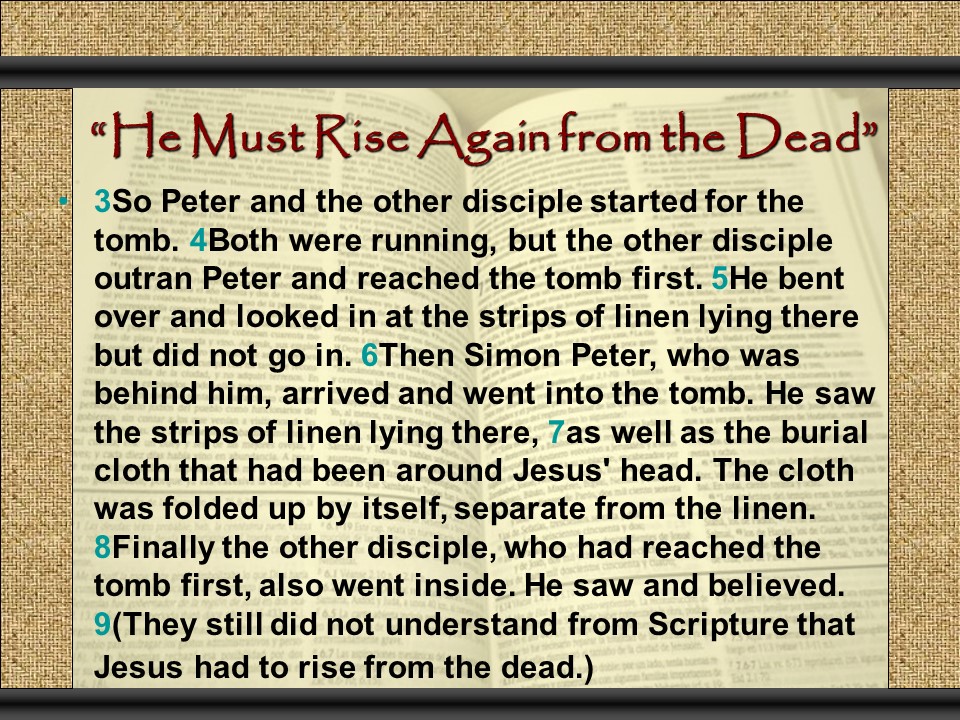
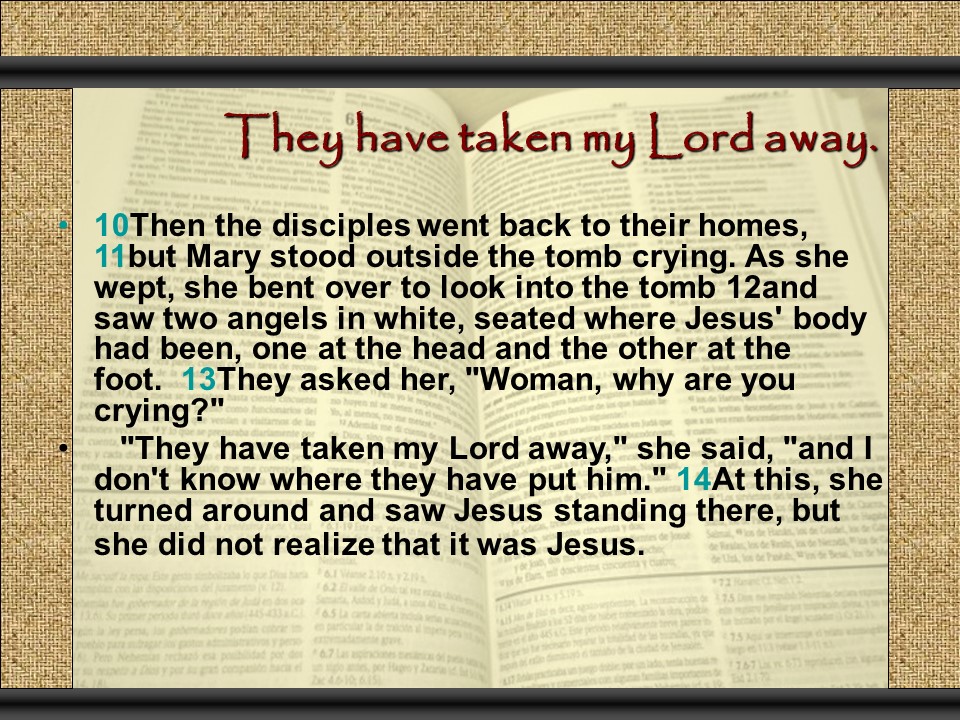
John 20, the resurrection, the Tomb, the strips of clothes, doubting Thomas.

The very honesty in this biblical account was what convinced me that Jesus is really risen, and that changed everything in my life.  Notice also he said “After three days I will rise again”
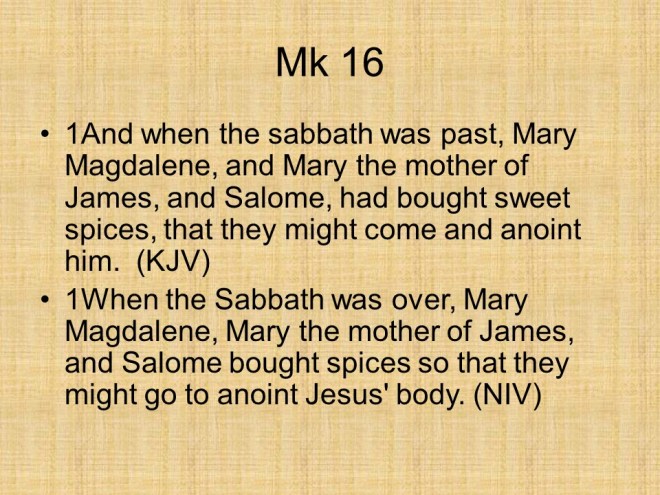
The Mark account have three women, the Matthew account has only two. The women bought the spices Saturday night after sundown.
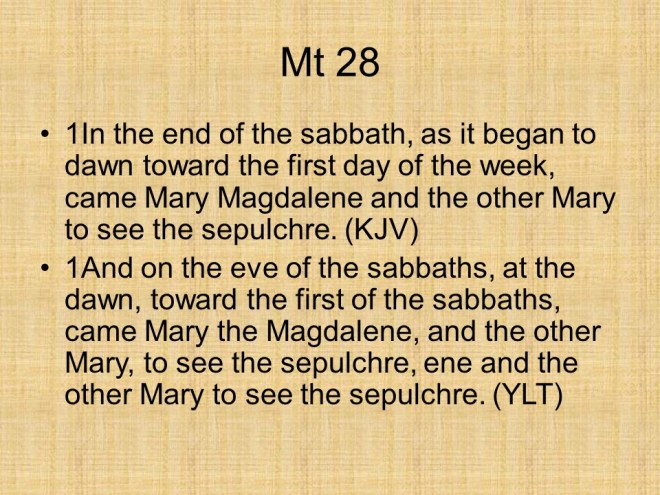
Most Bible translations translate “οψε δε σαββατων” (opse de sabbaton) as after the sabbath, at dawn on Sunday, but the word sabbaton is plural, so the best translation in my opinion is “after the sabbaths”, since A.D. 30 had two sabbaths in a row.
The Gospel of John only records only one woman, being the messenger.
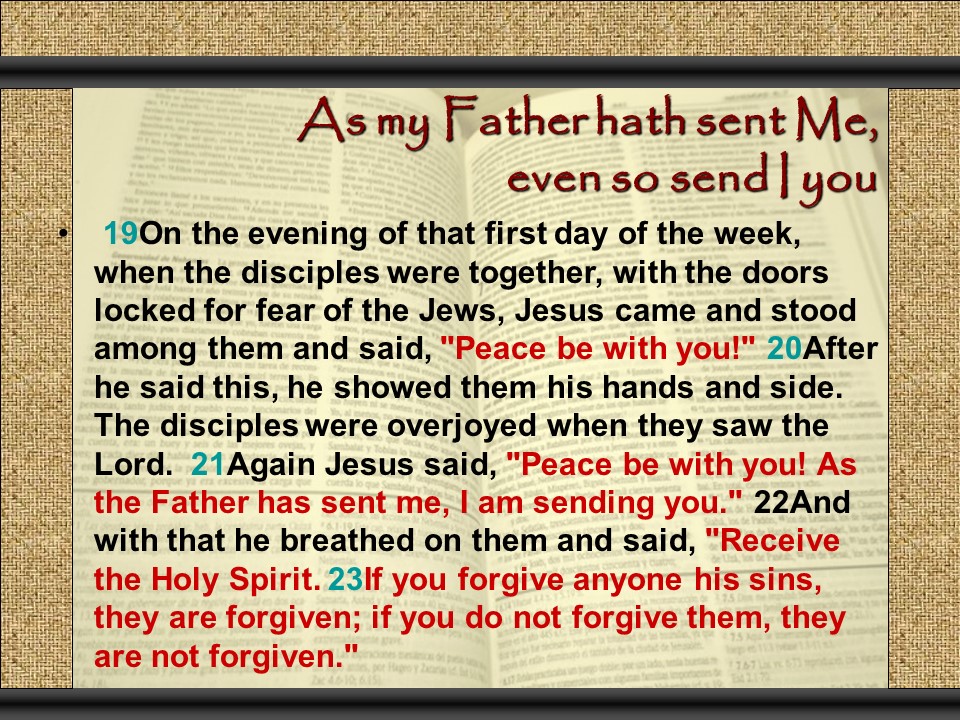
At this time Jesus promised “receive the Holy Spirit”. The fulfillment of this promise happened at Pentecost.

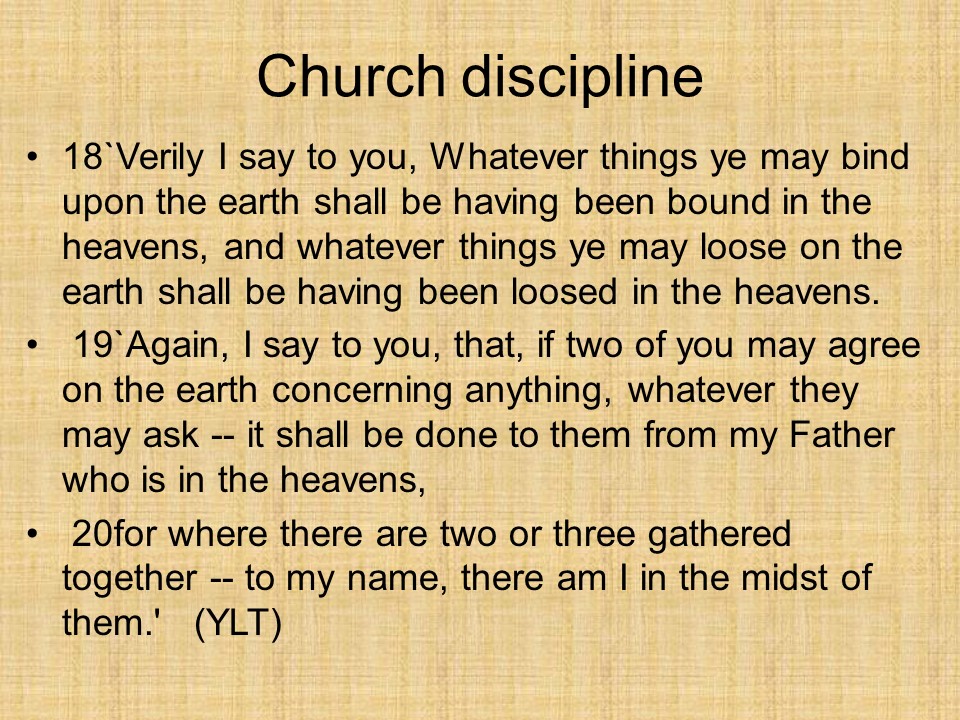
As it is said in Matthew 18:

What is done under the Holy Spirit’s guidance has already been done in heaven!