


 The hairs on your head are all numbered. God knows which hairs you just lost in the shower this morning!
 There will be many martyrs. There are now more Christians martyred every year than there ever was in history.
 Follow me, by Ira Stamphill.
The hairs on your head are all numbered. God knows which hairs you just lost in the shower this morning!
There will be many martyrs. There are now more Christians martyred every year than there ever was in history.
Follow me, by Ira Stamphill.
 “Everyone knows that only God” can forgive sins.
 In those days, a bed was only a mat, less than half an inch thick.
 Tax collectors were despised, having colluded with the Romans to collect sometimes much more than required by Roman law. Corruption was rampant.
 Luke and John also record this call.

 The final harvest is yet to come.



“Before I formed you in the womb I knew you,
before you were born I set you apart;
I appointed you as a prophet to the nations.” ( Jeremiah 1:5)
I woke up one morning with a chorus we sang in Church in the 70:s.
With eternity’s values in view, Lord,
With eternity’s values in view.
May I do each day’s work for Jesus
With eternity’s values in view.
Then it hit me: Is this really right? It sounds so good, but is it right? The words from Jesus in Matthew 7: 21-23 rang in my ears:
21 “Not everyone who says to me, ‘Lord, Lord,’ will enter the kingdom of heaven, but only the one who does the will of my Father who is in heaven. 22 Many will say to me on that day, ‘Lord, Lord, did we not prophesy in your name and in your name drive out demons and in your name perform many miracles?’ 23 Then I will tell them plainly, ‘I never knew you. Away from me, you evildoers!’
In the case of the prophet Jeremiah God knew him before he was even conceived, but in the case of the false disciple Jesus never knew him in spite of all the things he did for Jesus. Why the drastic difference? Does God pick winners and losers, or is there anything we can do to be assured to be on God’s side?
The answer may lie in one more quote, this one from the apostle Paul in Romans 12:1-2 Therefore, I urge you, brothers and sisters, in view of God’s mercy, to offer your bodies as a living sacrifice, holy and pleasing to God—this is your true and proper worship. Do not conform to the pattern of this world, but be transformed by the renewing of your mind. Then you will be able to test and approve what God’s will is—his good, pleasing and perfect will.
There we have it: God doesn’t want us to do things for Christ, God wants us – all of us as a living sacrifice. He wants us to die to self and be resurrected to new life in Christ. This is available to anybody – a new life in Christ. Then the Holy Spirit can lead us into God’s perfect will.
One more quote. Many can quote Ephesians 2:8-9, but the answer is really in verse 10: 8 For it is by grace you have been saved, through faith—and this is not from yourselves, it is the gift of God— 9 not by works, so that no one can boast. 10 For we are God’s handiwork, created in Christ Jesus to do good works, which God prepared in advance for us to do.
By the way, the word handiwork is in the Greek ποιημα (poiema) from which we get the word poem. We are God’s poem. I like that.

 My saying:
“He, who builds his house upon a rock has to plant his trees with a pick”.
There is work associated with doing it right.

Pope Francis has called for a rewriting of the Lord’s Prayer, saying the current translation gives God a bad name and, essentially, does not give the devil his due.
Described in the Bible as a prayer taught by Jesus, the Lord’s Prayer is viewed in the catechism of the Roman Catholic Church as “the summary of the whole gospel.”
In a TV interview December 2017, Pope Francis said that the line asking God to “Lead us not into temptation,” or in Italian, “non indurci in tentazione,” should be changed.
Jesus spoke in Aramaic and this prayer in the gospel of Matthew is originally written in Greek, and it says:
και μη εισενεγκης ημας εις πειρασμον αλλα ρυσαι ημας απο του πονηρου and not bring us into temptation(or testing), but rescue us from – evil.
The Roman Catholic church of France has changed the translation of this verse to “and do not let us fall into temptation” and somehow Pope Francis thinks this would improve on what God has said.


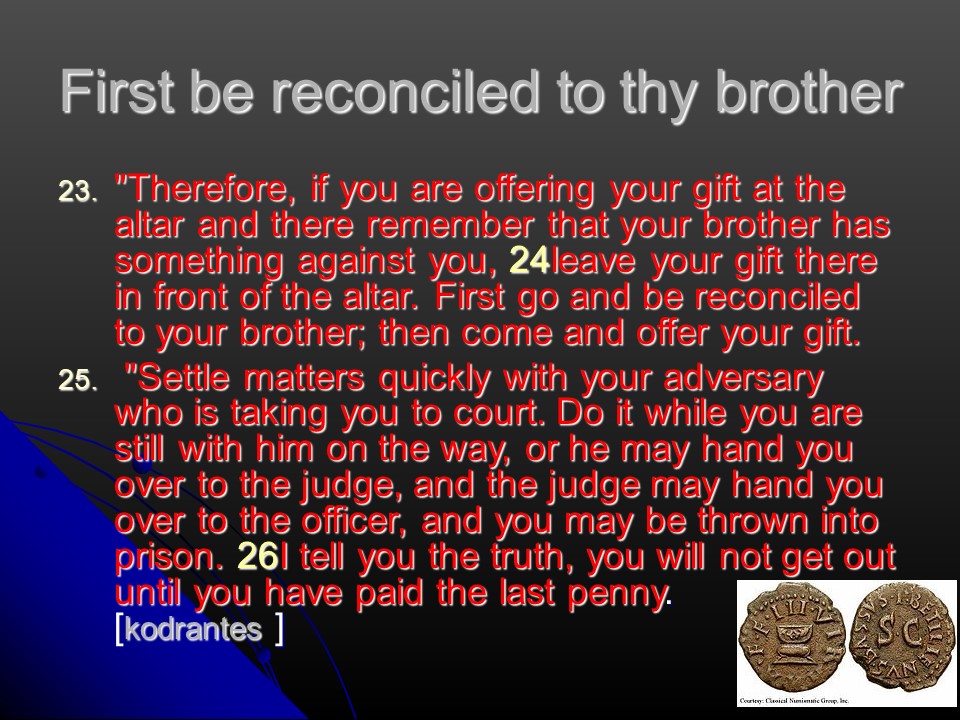
Matthew 5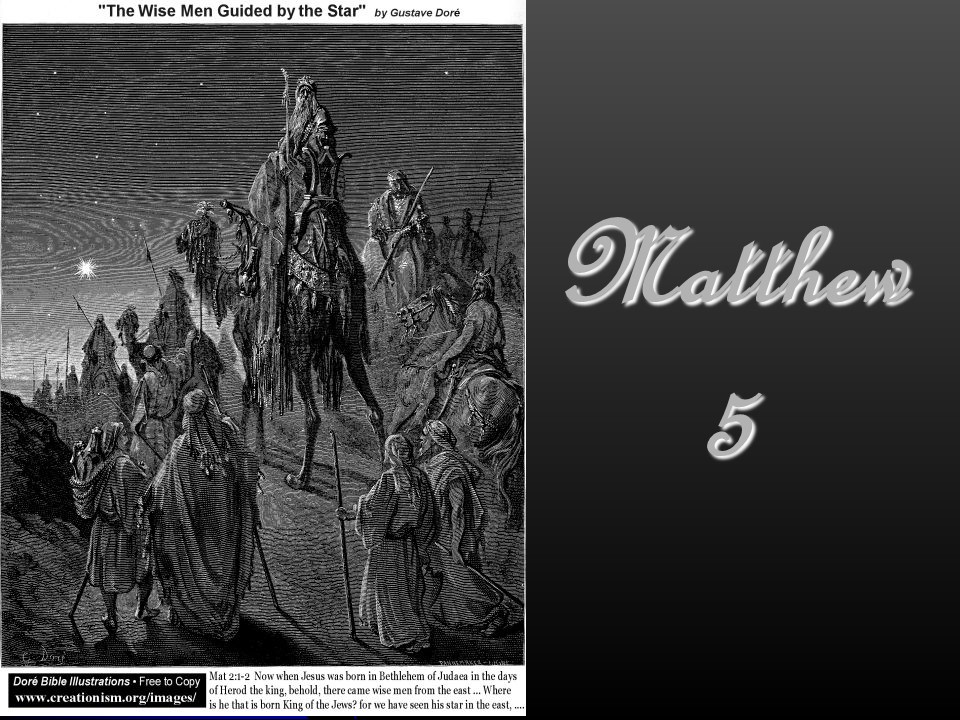


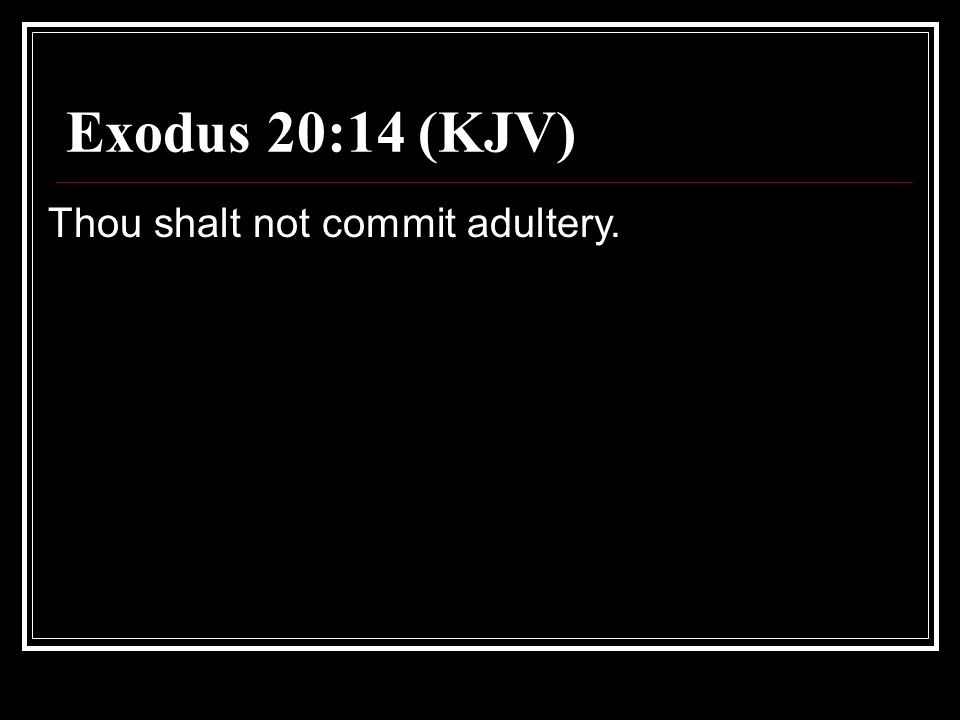
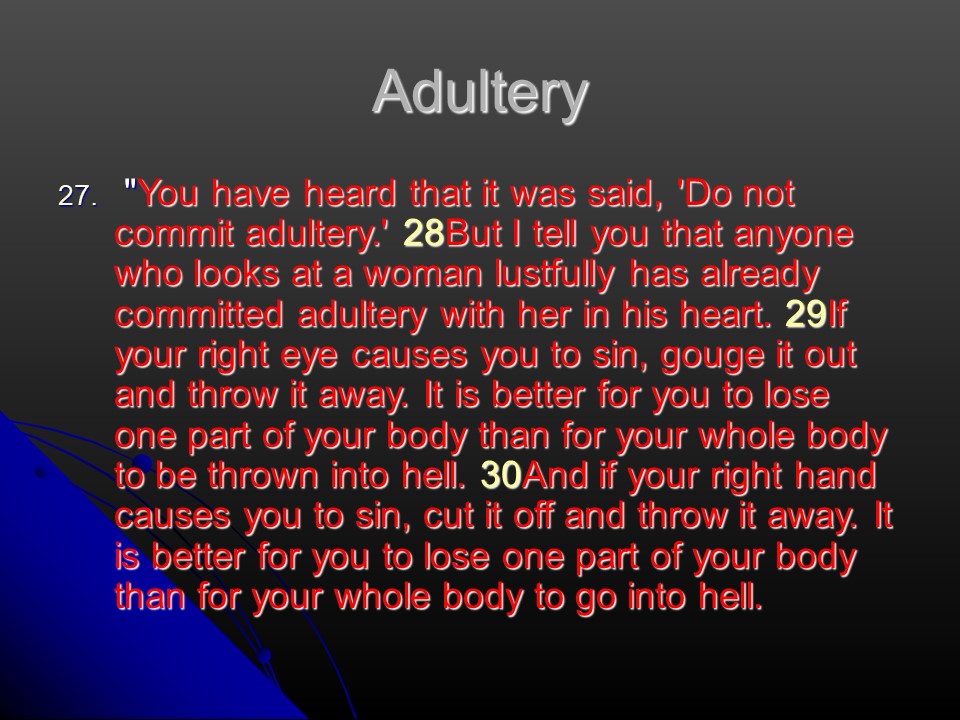
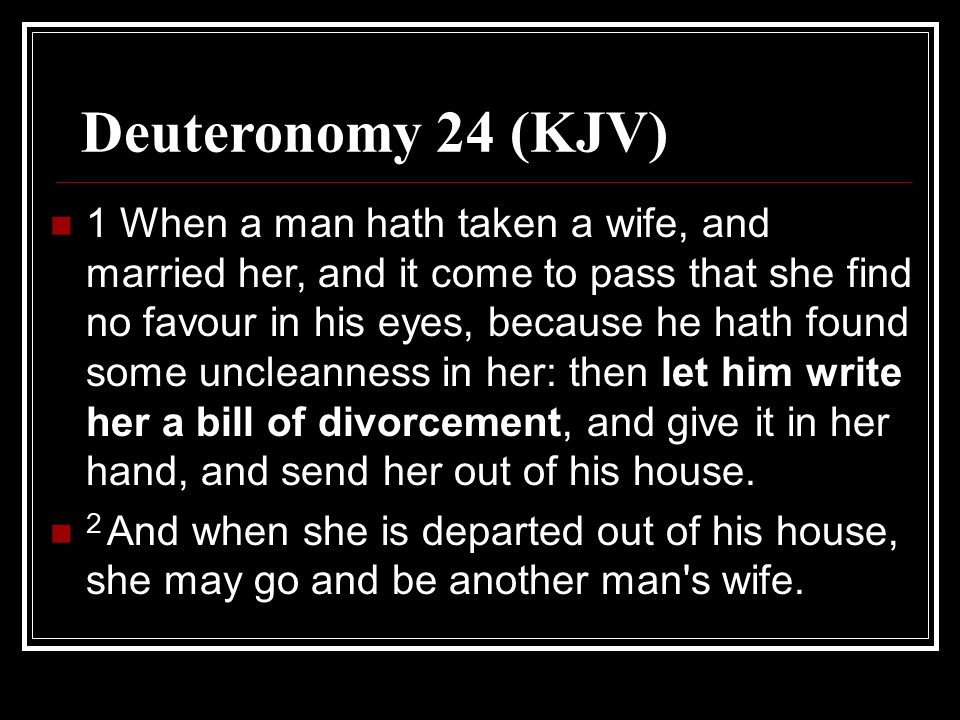
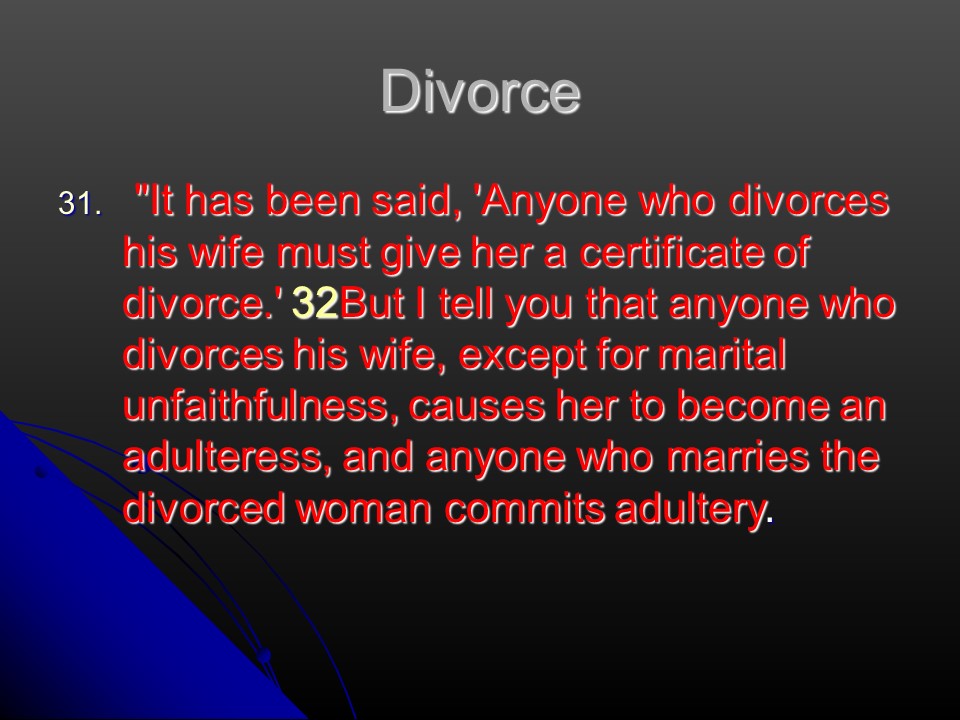

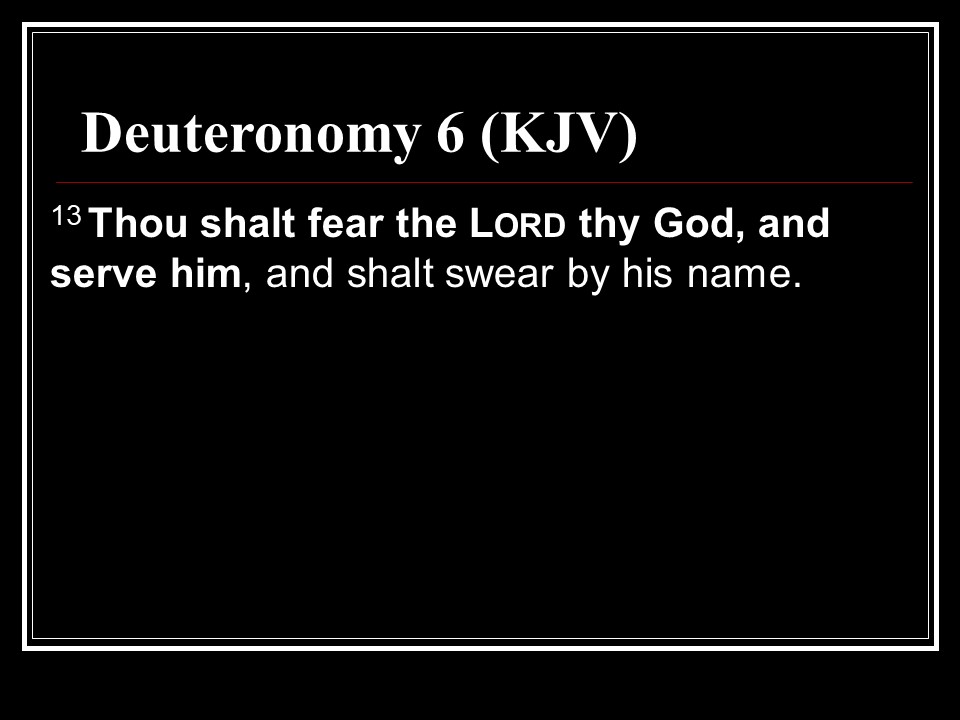
 The tempter appeals to Jesus to show His power over the elements, Jesus answers back with scripture.
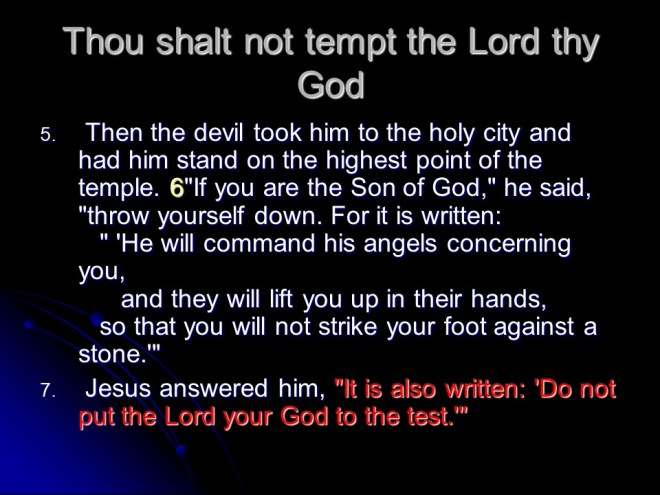
The tempter is wising up. Now he is using scripture to tempt Jesus.
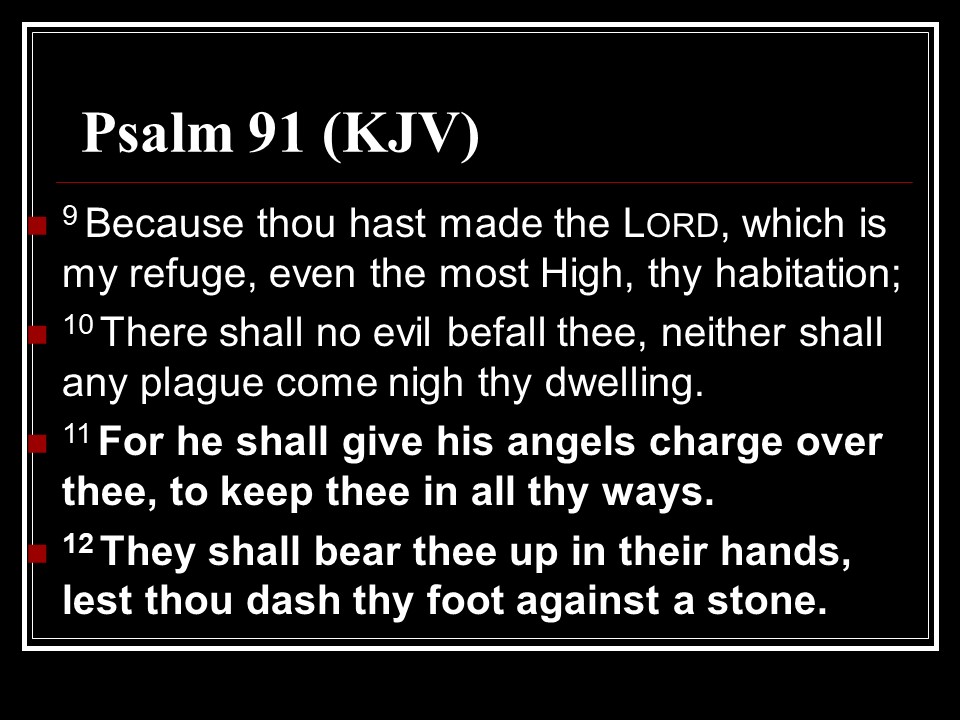
Jesus answers back with scripture.

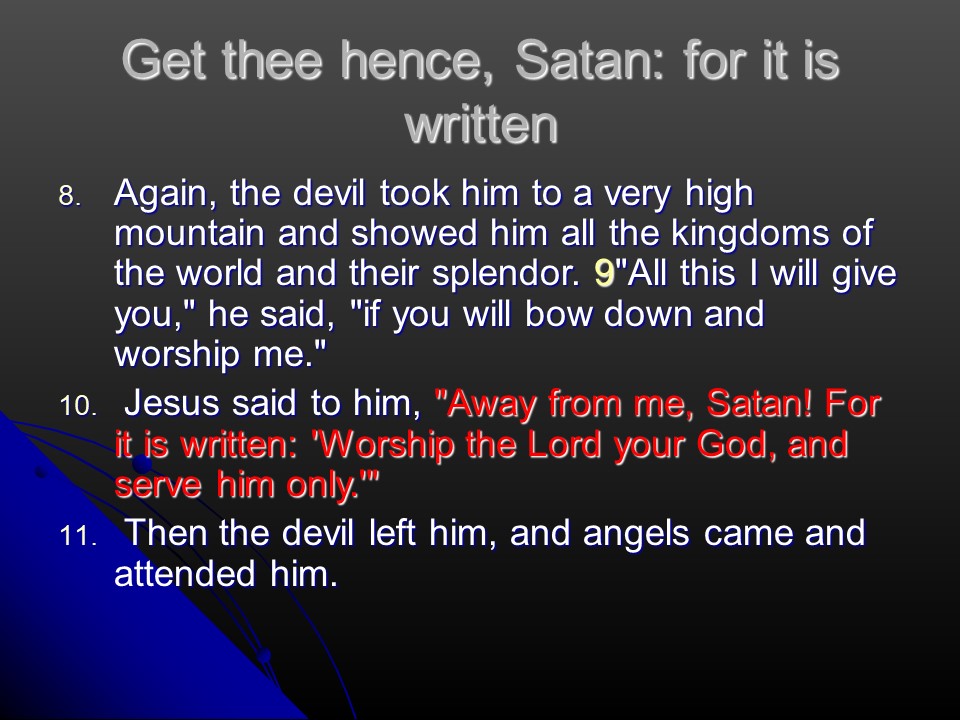 Finally the tempter appeals to Jesus vanity. This always works, except this time. Jesus answers back with scripture.
 The prophecy in Isaiah 9 begins in doom and gloom, but promises the great light.
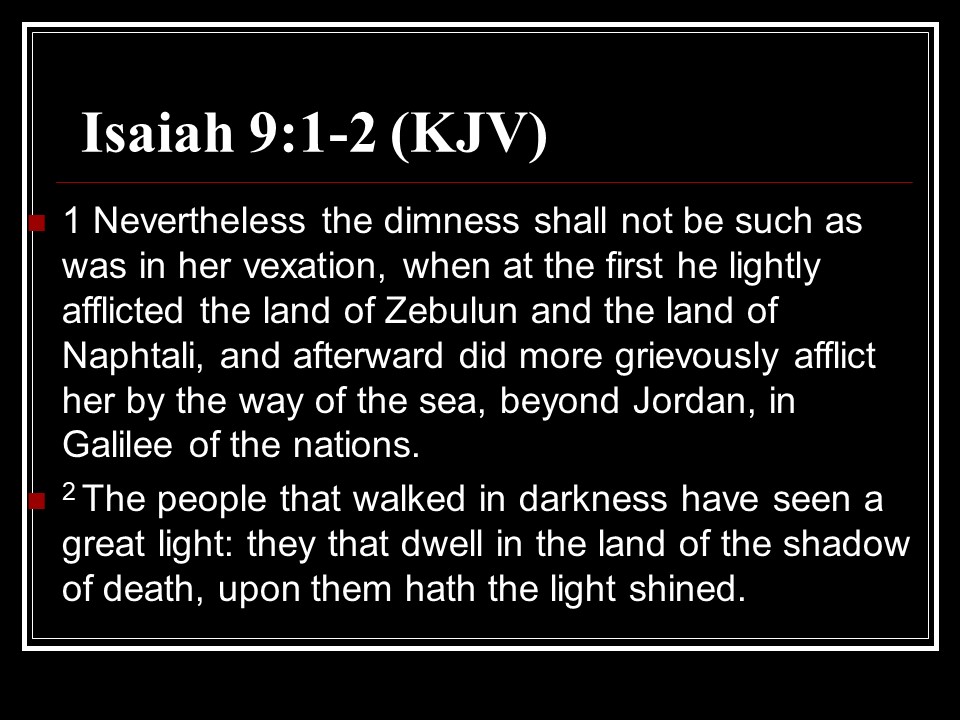 And Isaiah 9:6-7 is two of the most wonderful verses in all of scripture.

Matthew calls it “the Kingdom of Heaven, the other Gospels “the Kingdom of God”. It means the same. “My Kingdom is not of this world”




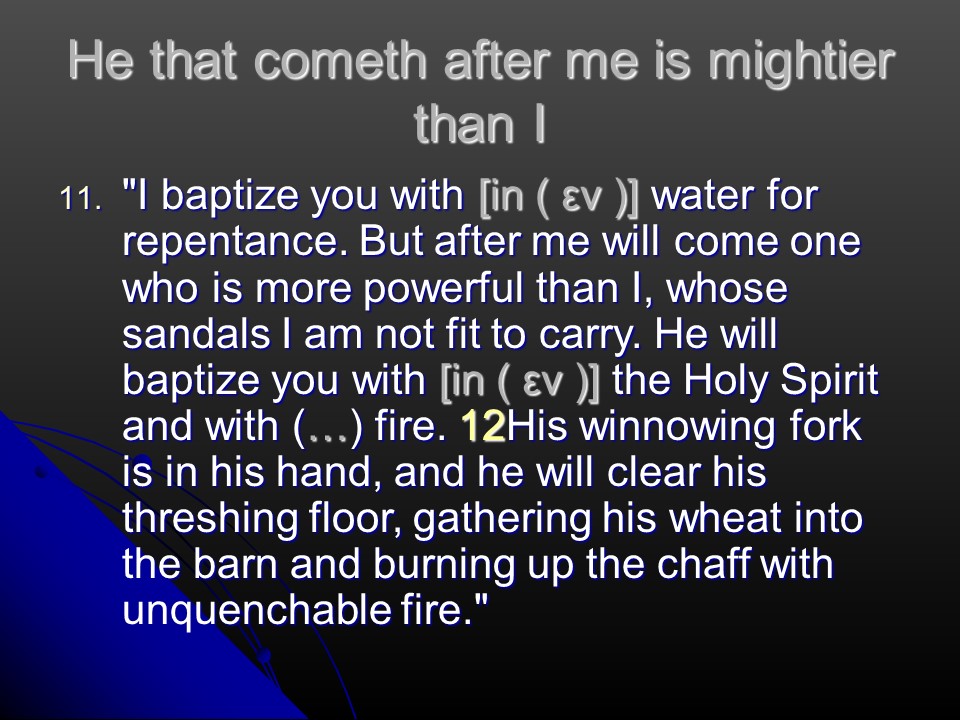
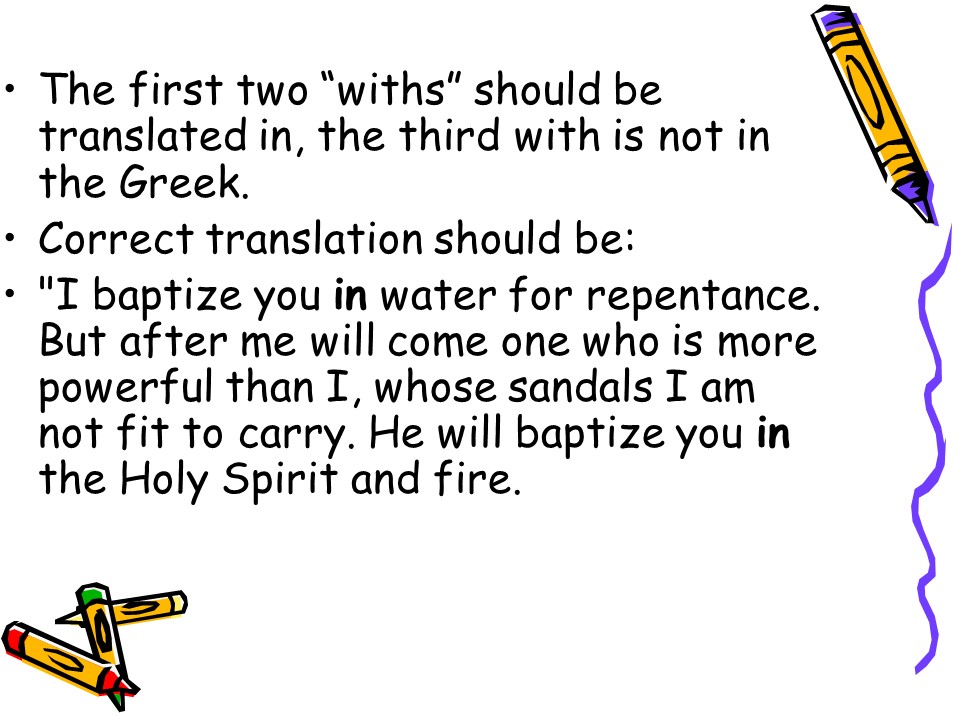
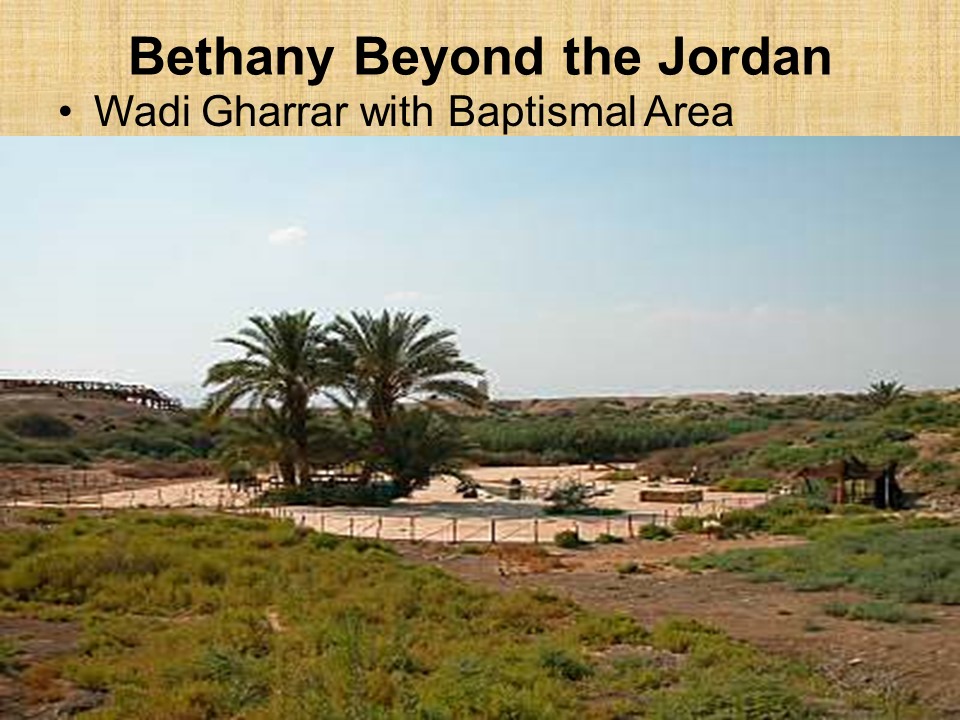 This is most probably where Jesus was baptized in an arm of the Jordan.
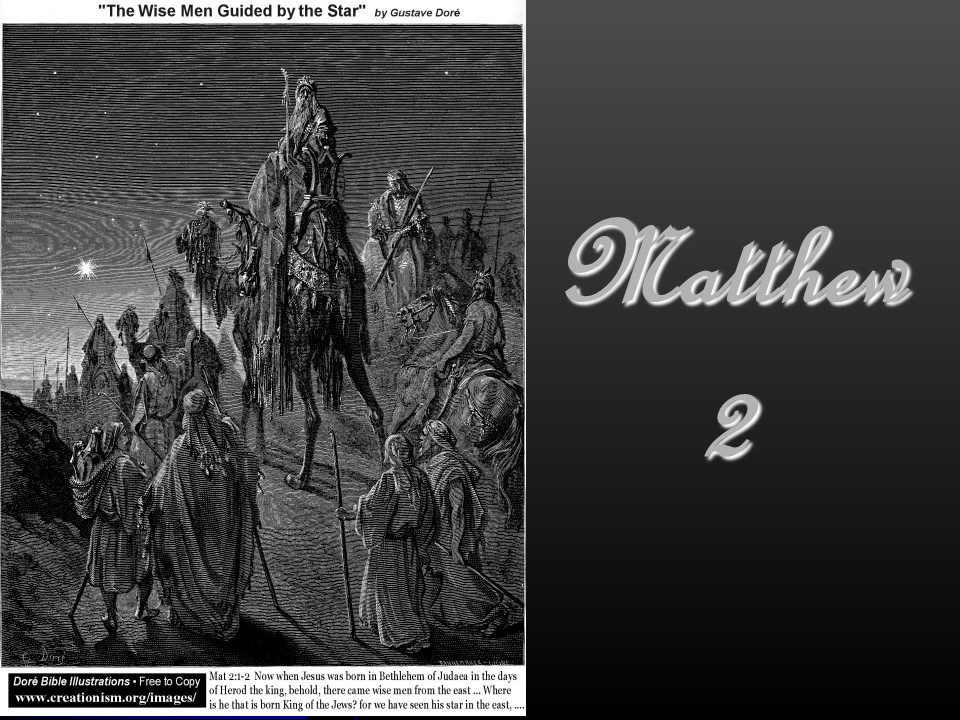
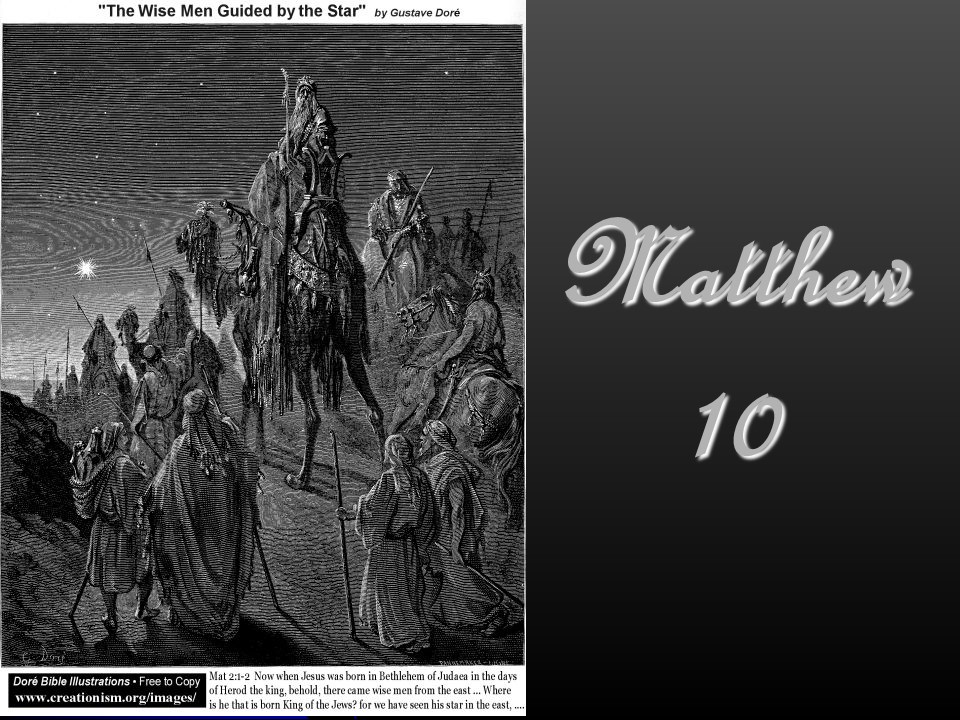
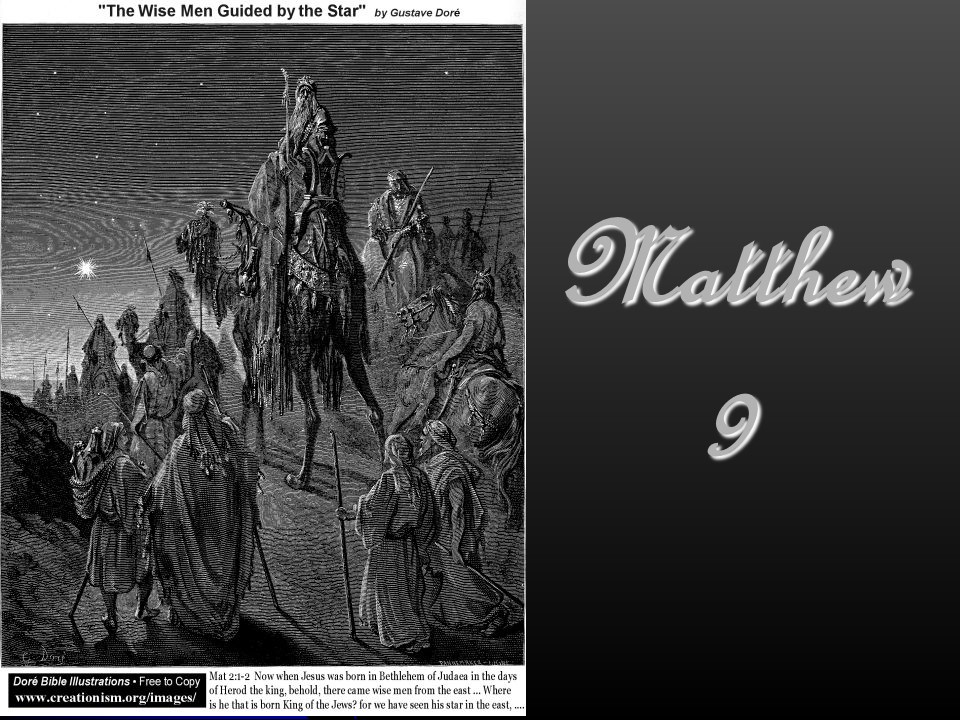
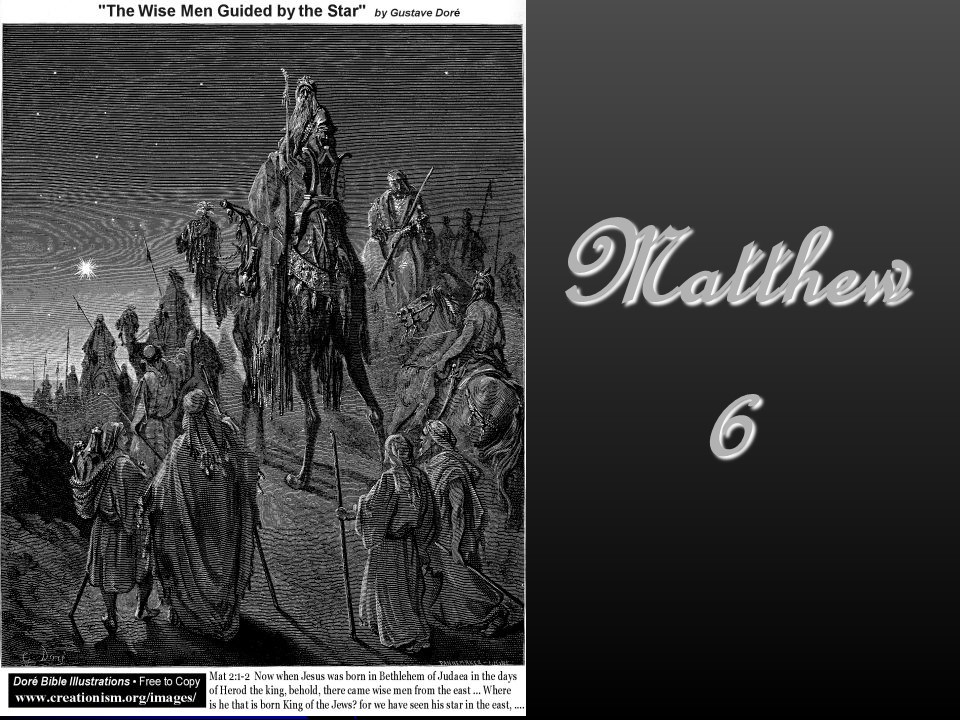
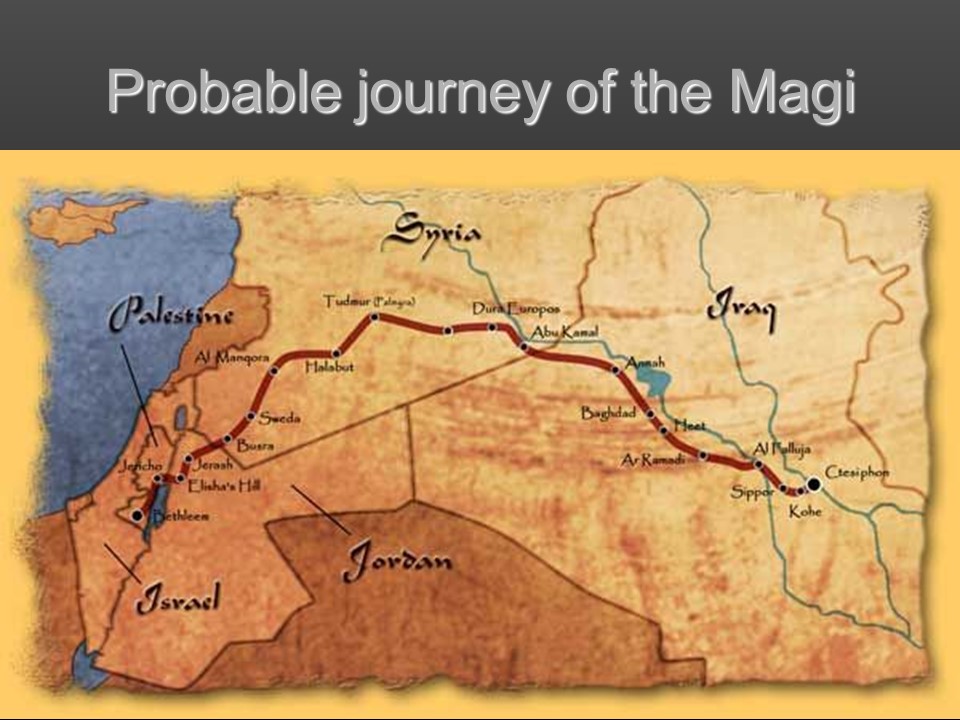
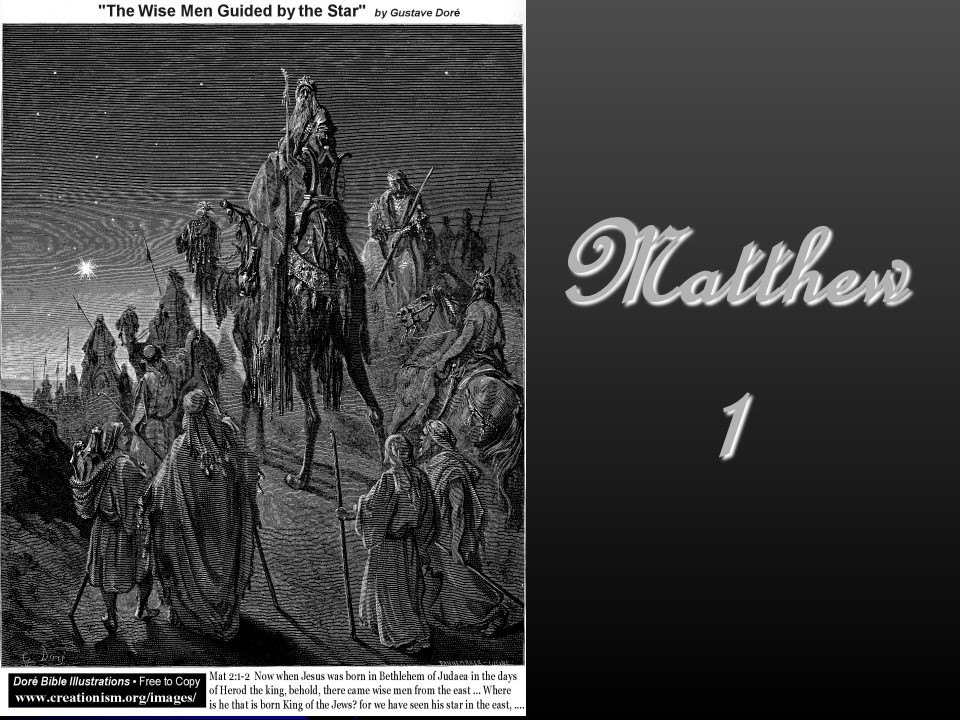
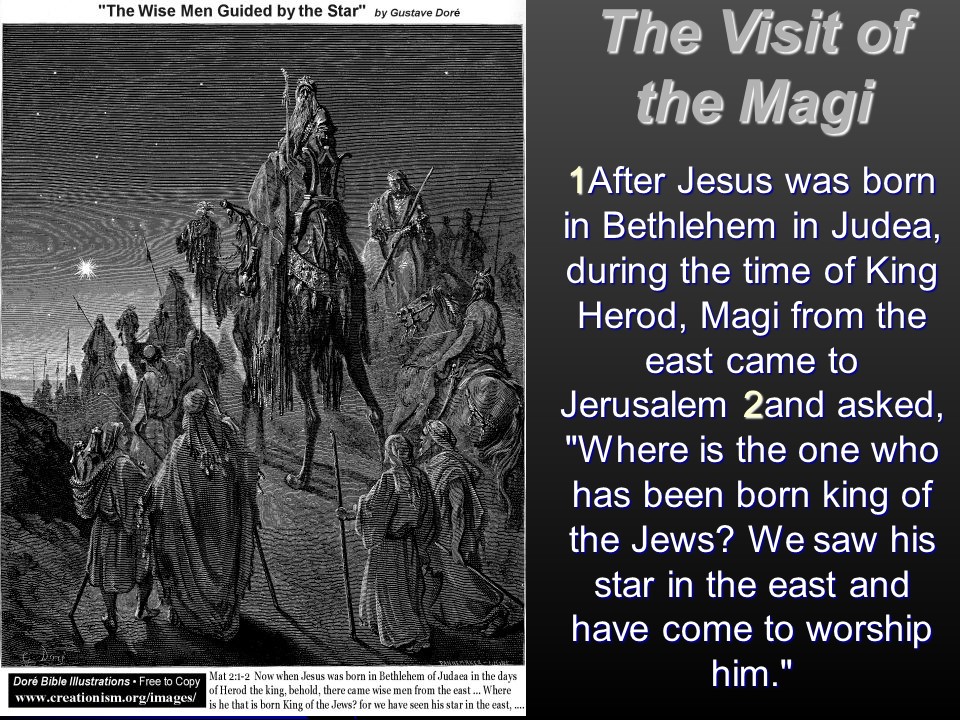 The Magi were the scientists of that day, combining astronomy, astrology, calendar keeping and natural sciences.

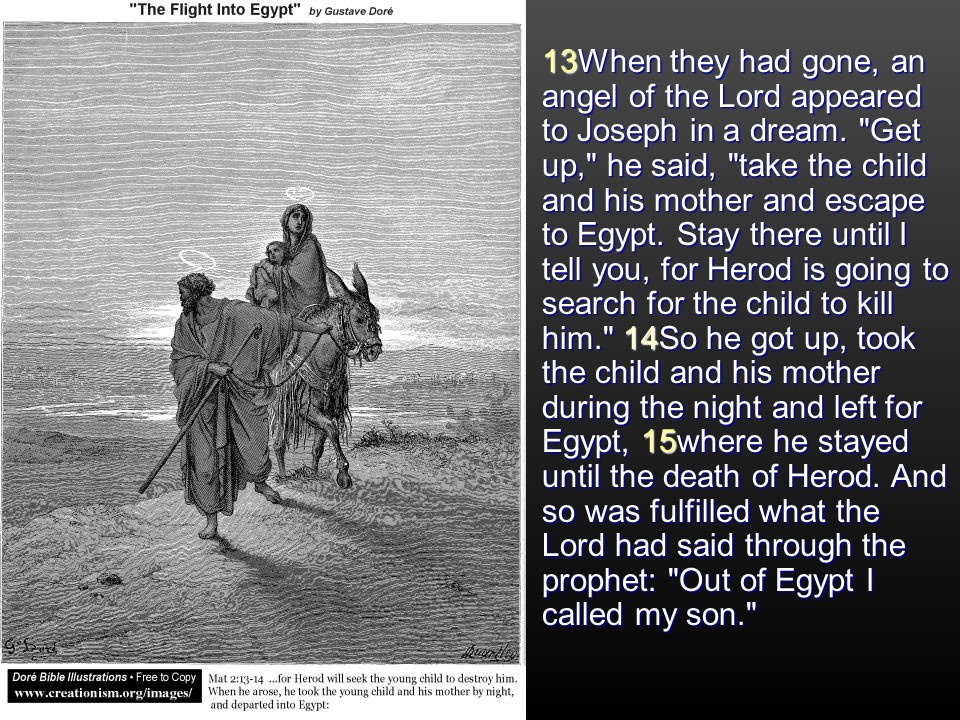
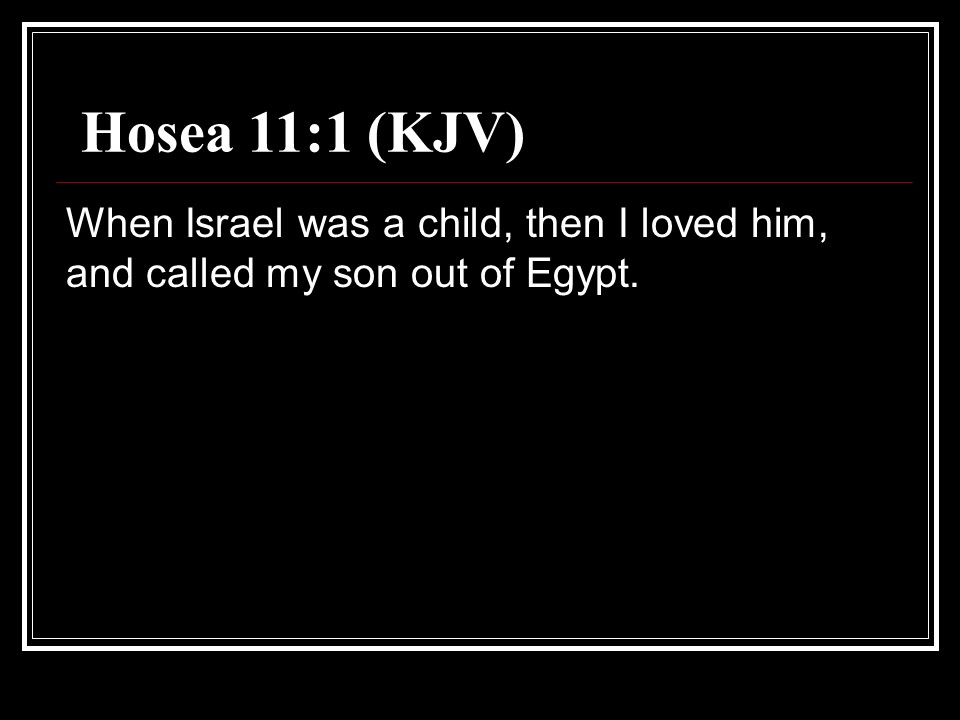
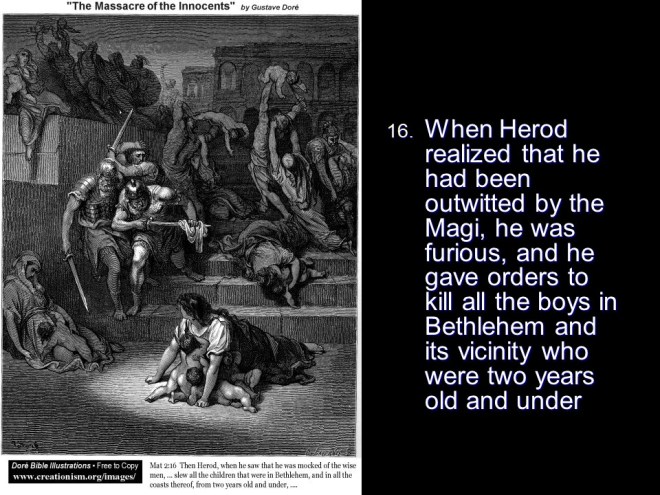
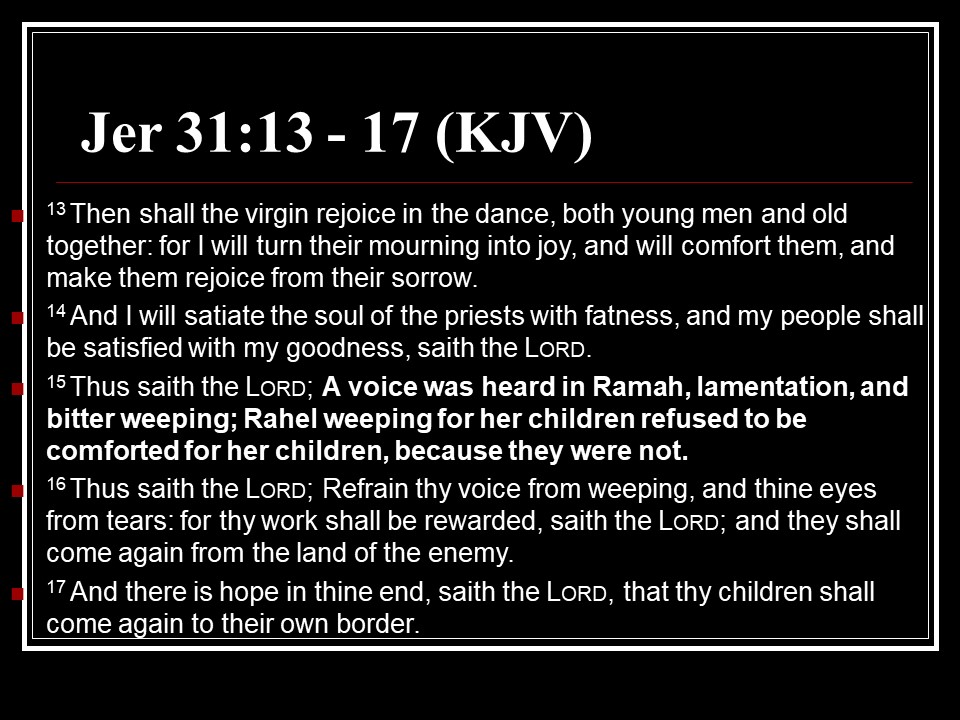
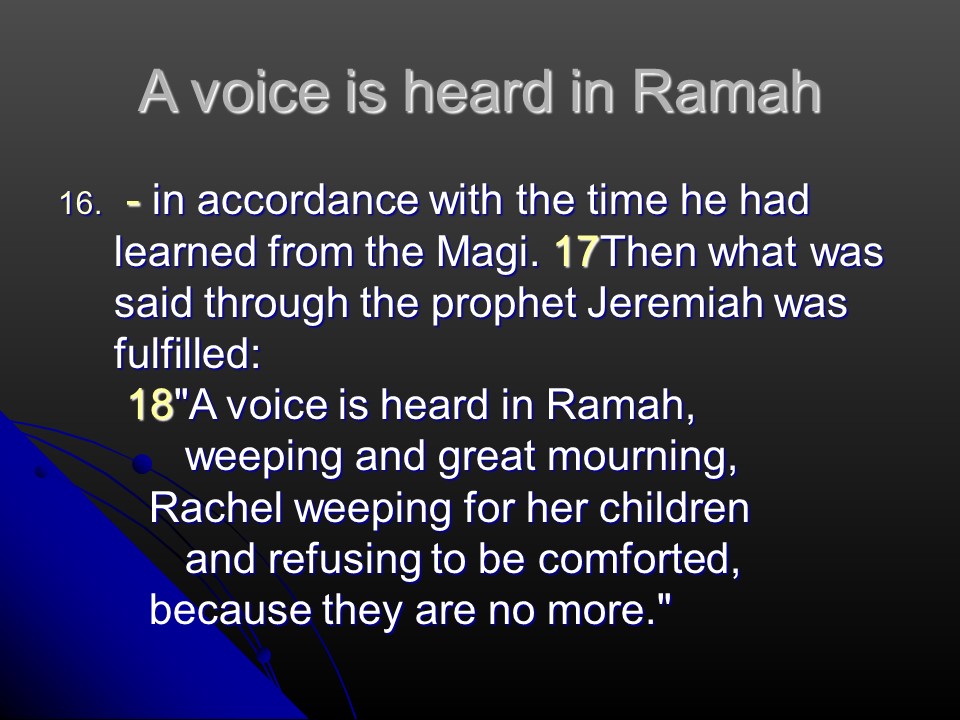 This passage is particularly interesting, with verse 15 put in the middle of a passage full of the most wonderful promises for Israel, ending with “a woman shall encompass a man.”
 One of the possible sources for the last quote: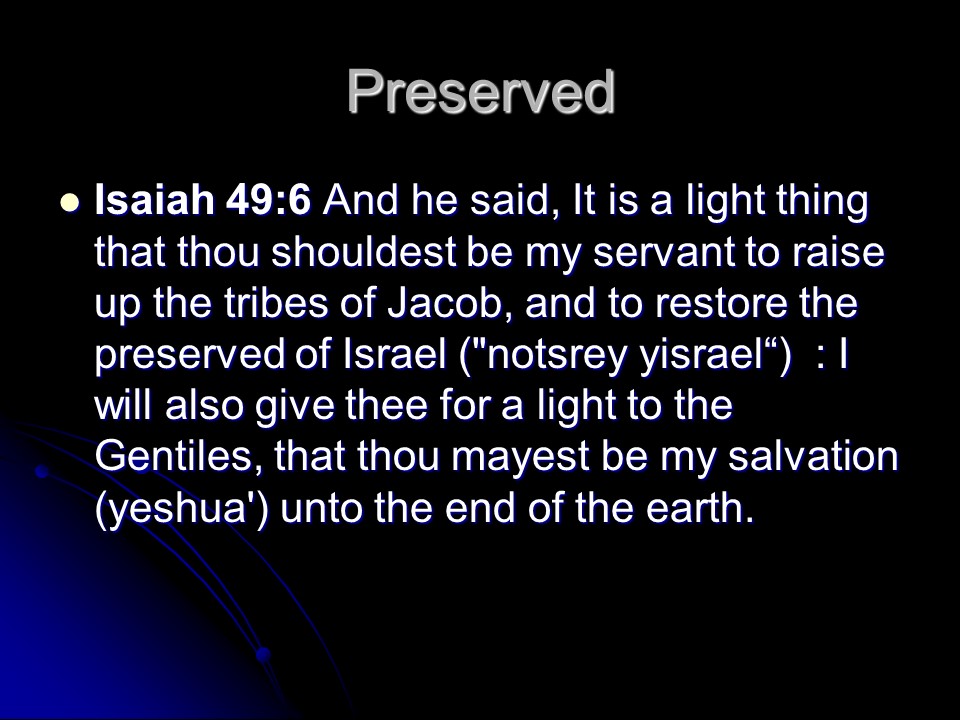

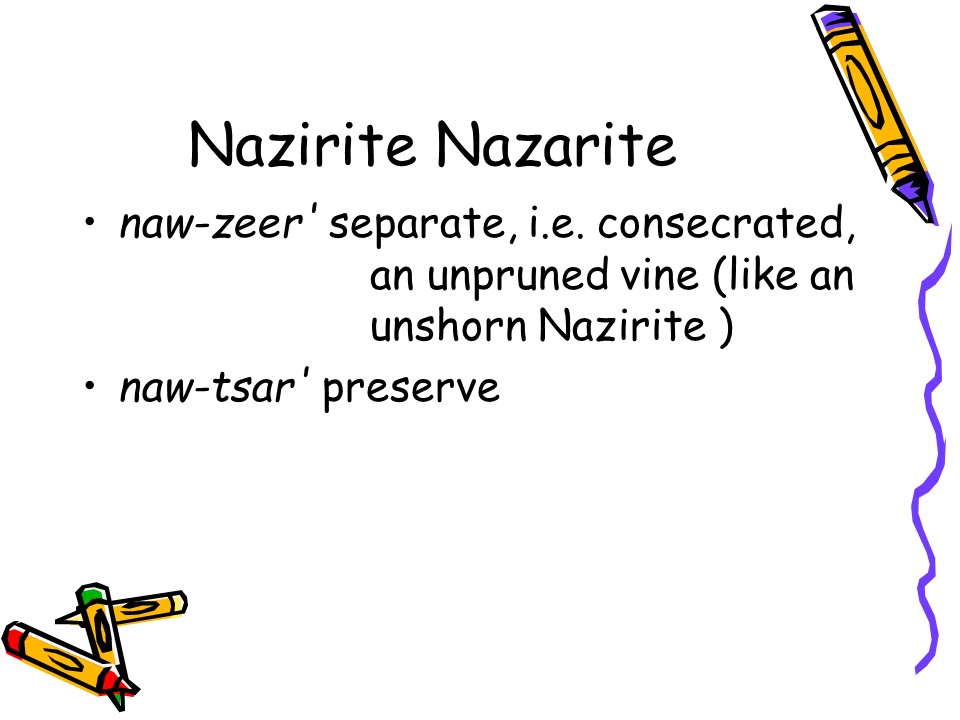
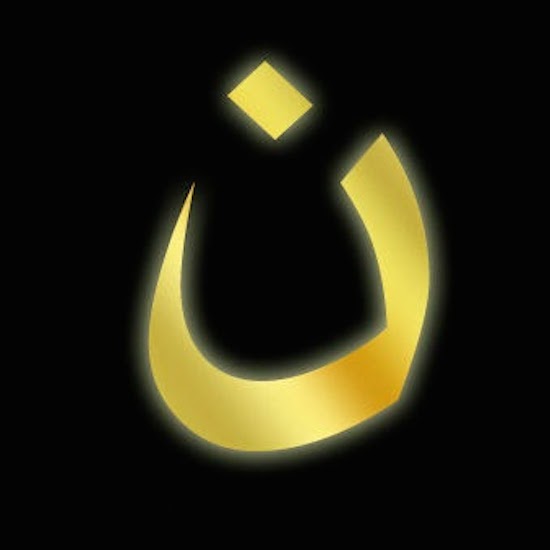
In the Arab world, Christians are named Nazarenes, symbolized with the letter ‘Nun’ .
It was painted on Christian homes in Mosul during the ISIS occupation, and Christians were systematically removed and some of them killed.
















 Len Bilén's blog, a blog about faith, politics and the environment.