February 6, read through the Holy Bible in a year in Power-point, with comments.

Today we red three chapters, one chapter from Matthew and two chapters from Exodus.

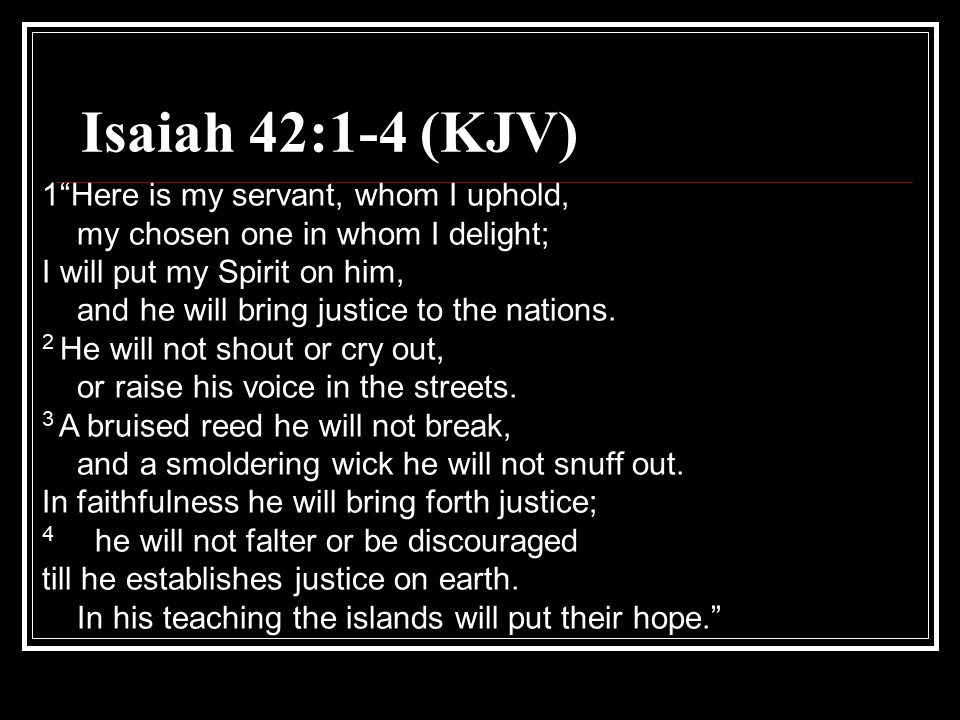
February 6:  Matthew 11, Exodus 32, Exodus 33 (click on the chapter to begin reading)

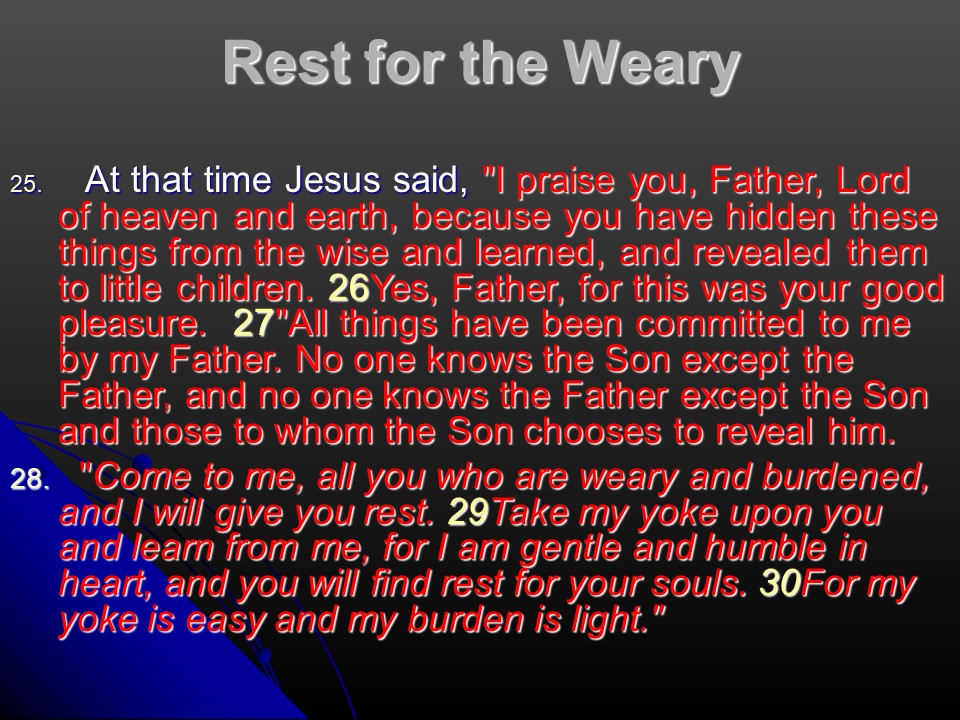
In Matthew 11 the followers of John asked if Jesus is the Messiah. Jesus answered back that John is Elijah, sent to prepare the way. Jesus despaired of the current generation, but promised: “Come to me…. my yoke is easy and my burden is light”.

In Exodus 32 Moses had come down from the mountain and what did he find? He found the Golden Calf and the people singing and dancing in orgies. Moses became so angry that he threw down the two tablets with God’s commandments, and they broke in pieces. Then he pleaded with God not to destroy His people.

In Exodus 33 God told the Israelites to leave the place they were staying, take off all the ornaments they were wearing and go to the promised land. Moses established the tent of meeting, and there he asked to see God. God promised Moses he would see His back while hiding “In the cleft of the rock

February 5, read through the Holy Bible in a year in Power-point, with comments.

Today we read four chapters, one chapter of Matthew and three chapters of Exodus.

February 5:  Matthew 10, Exodus 29, Exodus 30, Exodus 31 (click on the chapter to begin reading)

In Matthew 10 Jesus named his 12 disciples and sent them out to preach “the Kingdom of Heaven is near” They did the same miracles as Jesus and did also meet resistance. Jesus promised there will be opposition and division because of the message. A most interesting chapter.

Exodus 29 tells of the consecration of priests.

Exodus 30 describes the  altar of incense, mentions rules for the poll tax and the basin for washing, anointing oil and rules for incense.

Exodus 31 is short; it tells of two named craftsmen to be the leaders of performing the artistic aspect of all the work to build the tabernacle. Then there are rules of how to observe the Sabbath, and with that, God finished His message to Moses by giving him the two tablets of stone containing the ten commandments written by the finger of God.

February 4, read through the Holy Bible in a year in Power-point, with comments.

In the four chapters chosen for today the Apostle Matthew wrote of Jesus revealing himself by forgiving sins and continue his healing ministry, all in preparation for his main task, yet to be fully revealed. Then in three chapters of Exodus, the tabernacle, the furnishings and the priestly garments are specified in detail.

February 4: Matthew 9, Exodus 26, Exodus 27, Exodus 28 (click on the chapter to begin reading)

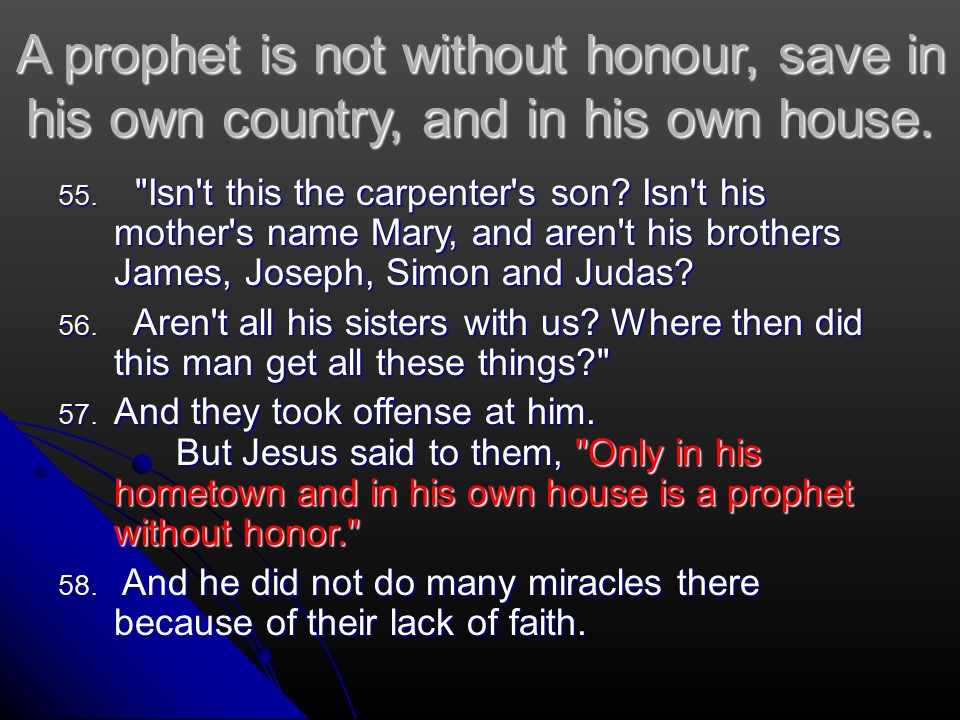
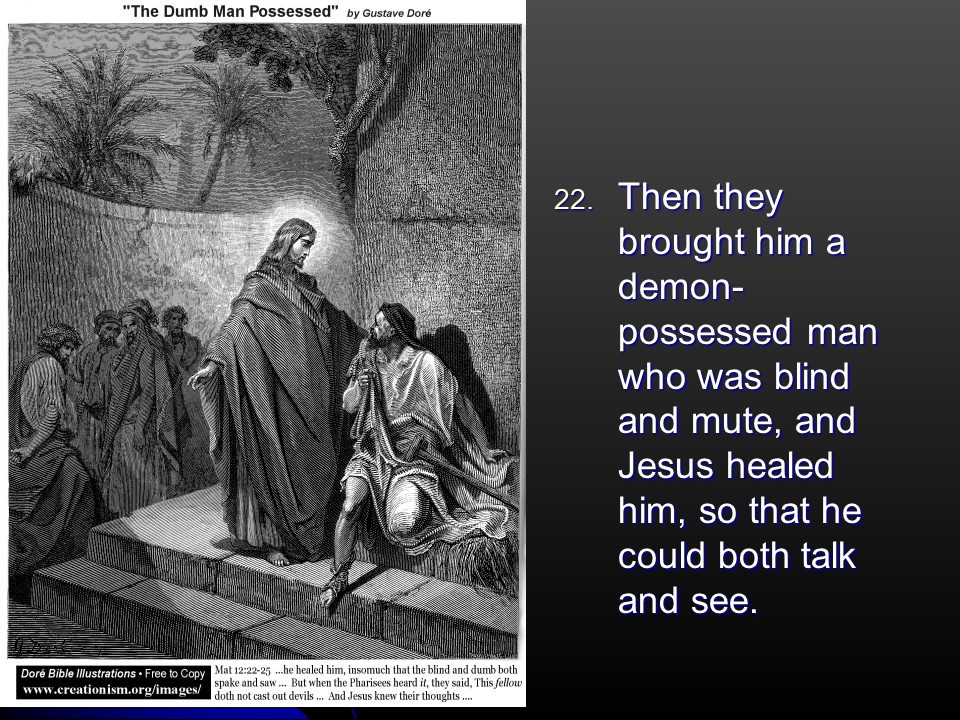
In Matthew 9 Jesus continued his healing ministry, he healed a paralytic, but the real story is; Jesus forgave him his sins, a blasphemy unless Jesus is who he said he is. Then he called Matthew the tax collector and explained why his disciples did not fast while Jesus was with them. Moving on, he healed a woman with a bleeding issue, brought back a girl to life and healed the blind and mute. Then he looked at all the people, seeing they were sheep without a shepherd and said “The harvest is plentiful, but the workers are few”.

Exodus 26 tells about how the tabernacle was to be built.

Exodus 27 tells how the altar of burnt offering was to be constructed and how to construct the courtyard around the tabernacle. It also specifies there must always be oil for the lampstand.

In Exodus 28 the priestly garments are specified, in detail, with the breastplate, down to the urim and thummim. Even the undergarments are specified.

February 3, read through the Holy Bible in a year in Power-point, with comments.

The four chapters for today are Jesus healing ministry in Matthew, and God giving Moses some of the Law in three chapters of Exodus.

February 3: Matthew 8, Exodus 23, Exodus 24, Exodus 25 (click on the chapter to begin reading)

Matthew 8 tells of Jesus continuing his healing ministry. He healed a man with leprosy and a Roman centurion displayed his faith in Jesus, so Jesus healed his servant because of the great faith of a roman. He healed many others, including the strange encounter with the demon possessed men from east of Lake Genesareth. Many wanted to follow him, but Jesus warned them off by telling the price of following him. It also tells of how Jesus calmed the storm.

Exodus 23 continues with the writing down laws about justice and mercy, how you are to help even someone who hates you. God instituted the Sabbath laws; in six years you may harvest your fields, but the seventh year you will let it go fallow. In my childhood Sweden this seven year planting cycle was still practiced by many farmers, the seventh day rest was to be practiced by all and applied to work animals as well. Moses also defined the three annual feasts, the feast of unleavened bread, the feast of harvest and the feast of in-gathering. Finally God warned of worshiping other Gods.

In Exodus 24 God confirmed His covenant with the people, and Moses went up to Mount Sinai and stayed there 40 days and 40 nights, a long time for the people to be without a leader.

In Exodus 25 Moses told the people make an offering, and out of this offering was made three furnishings for the tabernacle, the ark, the table and the lampstand.

February 2, read through the Holy Bible in a year in Power-point, with comments.

On today, groundhog day there are four chapters, and they are momentous. Read them carefully. (Maybe not Exodus 21 and 22, they deal mostly with property rights and social responsibility. Thankfully, we are no longer under Mosaic law.)

February 2: Matthew 7, Exodus 20, Exodus 21, Exodus 22 (click on the chapter to begin reading)

Matthew 7 is a continuation of the sermon on the mount. Jesus was admonishing us not to be judgmental but to look to our own faults before condemning others. And don’t waste your time by casting pearls before swine. Ask, seek, knock is another theme, and so is doing to others what you would have them do to you. This sums up the Law and the Prophets. It grows into a crescendo with people claiming to have done good deeds, proclaim prophesies and perform miracles in Jesus’ name. And Jesus answered them: “I never knew you”. I took the liberty to add my own discovery of the meaning of these verses. The chapter ends with the parable of the foolish and the wise builders.

In Exodus 20 Moses was at Mount Sinai where God gave him the ten commandments.

Exodus  21 and 22 contain regulations on servanthood and slavery, penalties for manslaughter and personal injuries, all Mosaic law.

February 1, read through the Holy Bible in a year in Power-point, with comments.

The chapters chosen for today are a continuation of the sermon of the mount in Matthew and three chapters of Exodus telling of what happened in the desert after the miraculous crossing of the Red Sea.

February 1: Matthew 6, Exodus 17, Exodus 18, Exodus 19 (click on the chapter to begin reading)

Matthew 6 continues the telling of the sermon on the mount. Jesus spoke of doing good, of fasting and prayer, do it without fanfare, in secret if possible and, above all, be sincere. He then instituted what is called “The Lord’s prayer” which really is a pattern prayer for us, short, direct, but covers the essentials. Then he continued by recommending to store up eternal, spiritual treasures, not physical riches, for you cannot serve two masters, you serve either God or money. Then Jesus continued telling how foolish it is to worry about the future, concentrate on what is important, seek first the Kingdom of God, and God will take care of all the other things.

In Exodus 17, lack of water is a recurring theme in the desert. In Rephidim there was no water at all, so God told Moses to strike the rock at the foot of Mount Horeb. Water gushed out and they were all filled. Good it was, for the Amalekites attacked them right afterwards. Joshua and his men fought a good fight, and Moses helped by raising his hands, and as long as he held them high Joshua prevailed. But Moses got tired, so Aaron and Hur held up his hands until sunset, and so the Amalekites were defeated.

Exodus 18 tells of Jethro, Moses’ father-in-law when he visited Moses, who now was in a difficult situation trying to lead his people all by himself, and Jethro gave Moses good advice about real leadership, delegation of management, a practice essential for all governing.

In Exodus 19, time had come to visit Mount Sinai. God declared that the Israelites will be a Kingdom of Priests and a holy nation. The chapter deals with the three-day consecration that was to occur before Moses went up to meet with God.

January 31, read through the Holy Bible in a year in Power-point, with comments.

Matthew 5 chosen for today is probably the most quoted scripture chapter, even by people not knowing from whence the quotation originated. Then there are two chapters of Exodus.

January 31: Matthew 5, Exodus 15, Exodus 16 (click on the chapter to begin reading)

Matthew 5 is about the sermon on the  mount, and begins with the Beatitudes. After that Jesus added the spiritual dimension to the Law. He had not come to destroy the Law, but to fulfill the Law. Jesus first addressed murder, where vengeance is not for us to do, instead be reconciled with your adversary before you can be reconciled to God. Then He dealt with adultery, you are not only not to do it, you are not allowed to even think about it. Likewise, the only time divorce is allowed is for already committed adultery. Piling on, he addressed taking of oaths, this was serious business under the Law, but Jesus said “Let your yes be yes and your no, no”. Furthermore it was said “An eye for an eye” But Jesus told us to pray for our adversaries, no matter what, and love your enemies.

Exodus 15 tells of the songs of Moses and Miriam, as God had delivered them from the Egyptians. Then they arrived at the bitter waters of Marah and the sweet waters of Elim.

In Exodus 16 God gave them Manna (what is it?) and quail, and Moses gave the instructions on how to gather it. And they ate Manna for 40 years.

January 30, read through the Holy Bible in a year in Power-point, with comments.

The three chapters for today tells about Jesus fasting in the wilderness, from which we get the current day period of lent, the feast of unleavened bread and the crossing of the Red Sea.

January 30: Matthew 4, Exodus 13, Exodus 14 (click on the chapter to begin reading)

Matthew 4 tells of Jesus as He was led into the wilderness to be tempted of Satan after he fasted for 40 days and 40 nights. Jesus combated Satan with scripture, but Satan could quote scripture too. In the end Satan left him for a season and Jesus began his ministry and called his first disciples.

In Exodus 13 the feast of unleavened bread is defined and the consecrating of the firstborn to the LORD. The Hebrews have escaped from Egypt, and a proposed route is suggested.

Exodus 14 then tells of the miraculous crossing of the Red Sea and how the pursuing Egyptian army drowned.

January 29, read through the Holy Bible in a year in Power-point, with comments.

The chapters chosen for today, the baptism of Jesus in the Gospel of Matthew and the three chapters in Exodus deal with the firstborn.

January 29: Matthew 3, Exodus 10, Exodus 11, Exodus 12 (click on the chapter to begin reading)

Matthew 3 presents John the Baptist, preaching repentance. He came to prepare the way of the Lord. Jesus came to be baptized by John. Afterwards the holy Spirit descended like a dove on Jesus and a voice from heaven said: “This is my son, whom I love; with him I am well pleased”.

Exodus 10: Two more plagues, the plague of locusts and the plague of darkness. For these two plagues the LORD hardened Pharaoh’s heart.

In Exodus 11 Moses and Aaron proclaimed the tenth and final plague: The death of the firstborn. Interestingly enough the plagues of Egypt are also in the Quran, four are the same, five are different, and one is missing altogether. Guess which one!

Exodus 12 tells of how God instituted the Passover. The name comes from the action that night, when the angel of death came to kill every firstborn in Egypt, if he saw the blood of the pascal lamb om the doorposts and the lentil of the house, he would pass over that house. The chapter is fantastic, read it and marvel!

January 28, read through the Holy Bible in a year in Power-point, with comments.

The three chapters for today’s reading are the wise men from Matthew and six plagues from Exodus.

January 28: Matthew 2, Exodus 8, Exodus 9 (click on the chapter to begin reading)

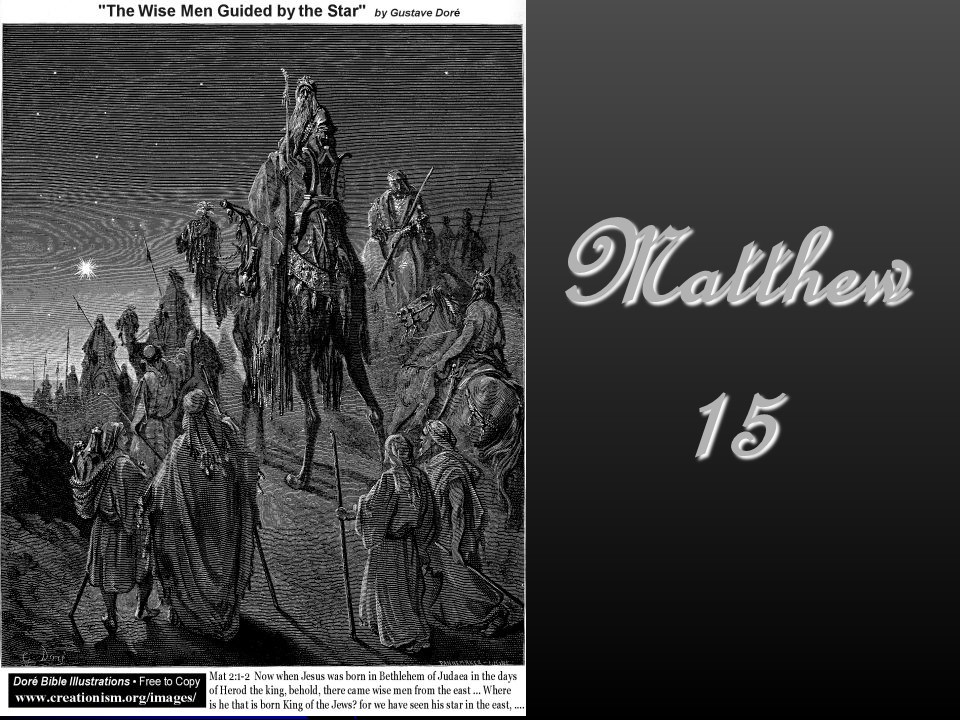
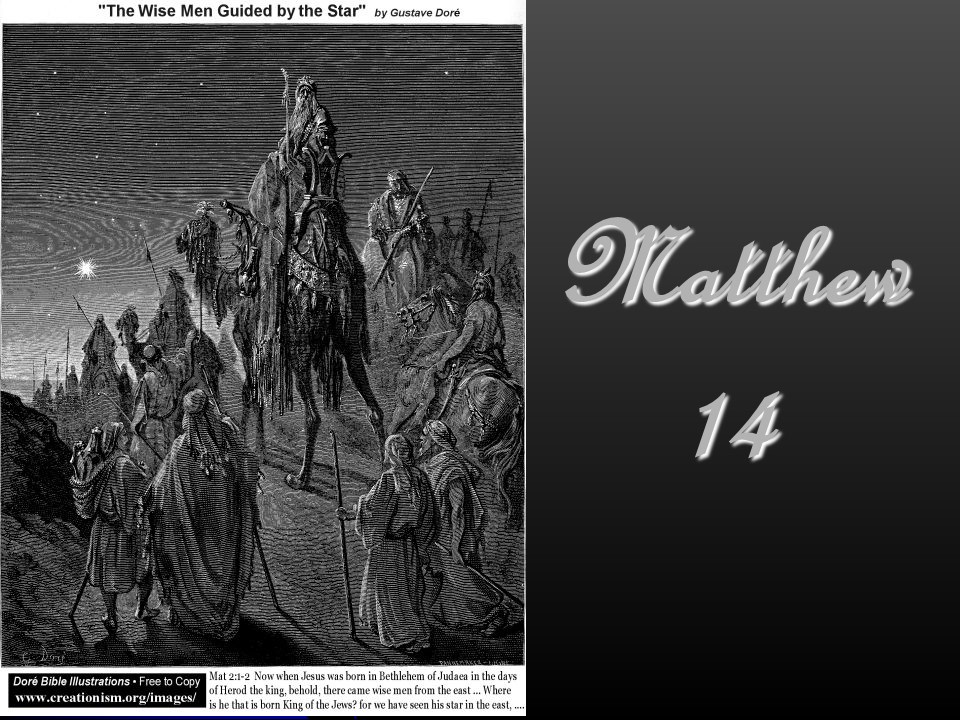
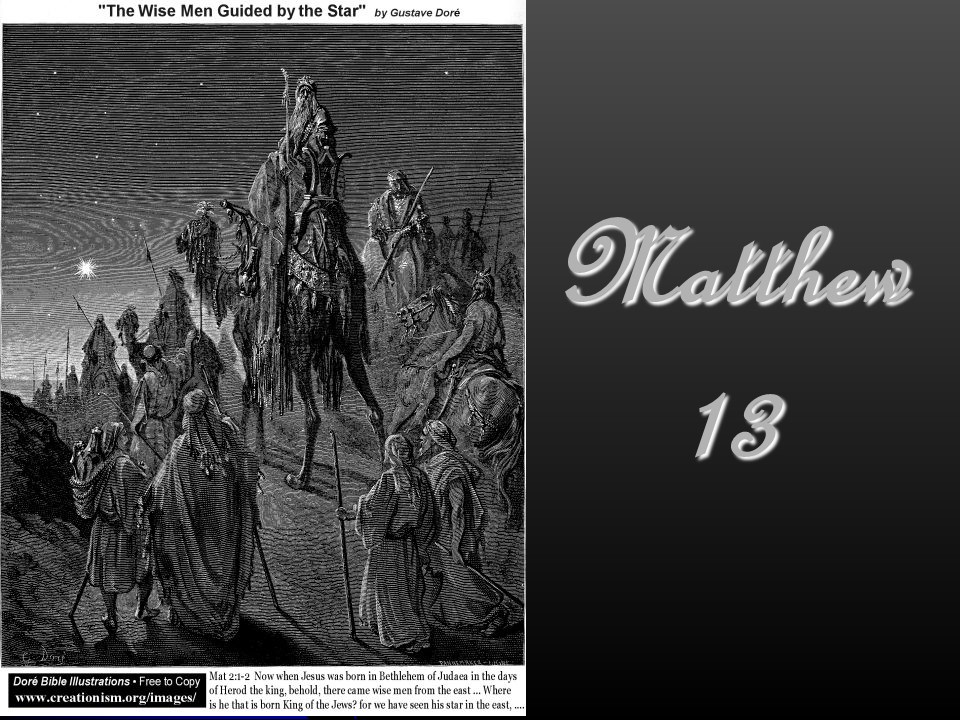
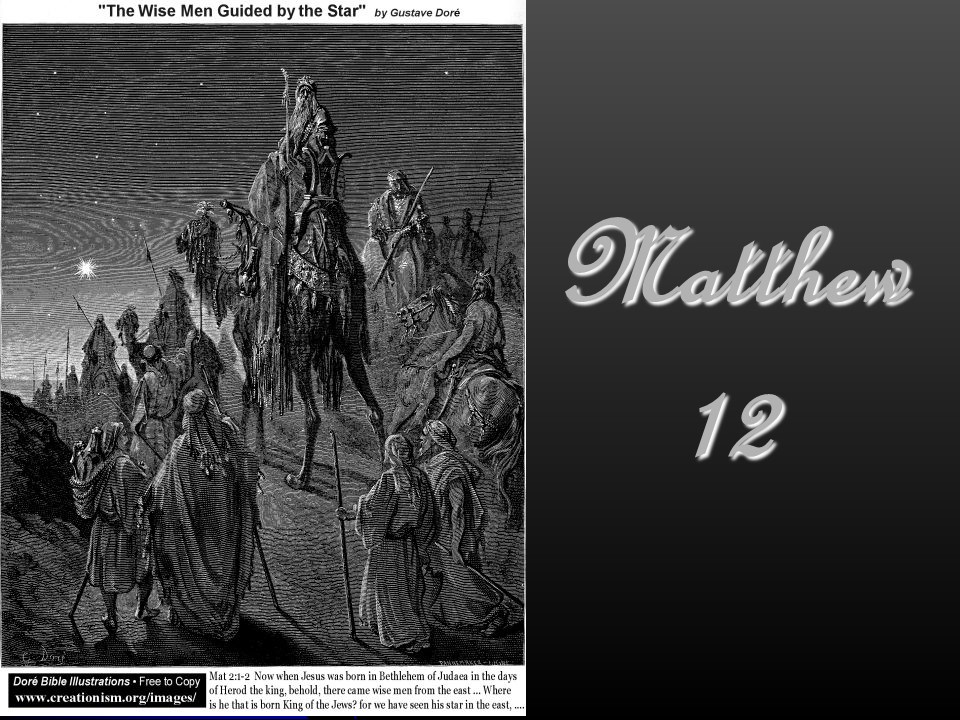
In Matthew 2 we get to meet with the Magi (probably about 15 of them including servants) who came to Jerusalem to ask about the King of the Jews. This worried King Herod and all Jerusalem, and Herod asked the Scribes and the learned men where he was to be born. They answered “In Bethlehem of Judea”, but were otherwise remarkably uninterested. The wise men went to Jesus (he is by now at least a few months old), but did not report back to Herod, instead they returned another way. Meanwhile Joseph wass told to get out of there and flee to Egypt. Herod was furious that he had been had and murdered all male children under the age of 2 in and around Bethlehem. Herod died soon after, and the little family went back to Nazareth. (As a side note, in the Middle East Christians are nowadays called Nazarenes.)

Exodus 8 is very interesting. It tells of three more plagues of Egypt, the plague of frogs, the plague of gnats and the plague of flies. The Egyptian magicians had no trouble duplicating elements of the plague of frogs, but when it came to the plague of gnats they threw up their hands and said “This is the finger of God”. From then on they could not duplicate any of the plagues.

In Exodus 9 there are three more plagues, the plague of livestock, the plague of boils and the plague of hail. But Pharaoh’s heart remained hard.