February 15: Read through the Holy Bible in a year.

Matthew 8:1-17 tells of Jesus continuing his healing ministry. He healed a man with leprosy and a Roman centurion displayed his faith in Jesus, so Jesus healed his servant because of the great faith of the roman. He healed many that same to him.

Leviticus 8 goes into some length on how  the ordination of Aaron and his sons was performed.

In Leviticus 9 the priestly ministry begins.

In Leviticus 10 two of Aaron’s sons were killed by fire for violating the command of God. But Aaron’s uncle had two sons and together with two other sons of Aaron they became the new priests and the rest of the chapter deals with how they should behave.

February 14: Read through the Holy Bible in a year.

Matthew 7:21-29 We are coming to the end of the sermon on the mount. It grows to a crescendo with people claiming to have done good deeds, proclaim prophesies and perform miracles in Jesus’ name. And Jesus answered them: “I never knew you”. I took the liberty to add my own discovery of the meaning of these verses. The chapter ends with the parable of the foolish and the wise builders.

Leviticus 5 completes the description of the sin offering and continues with the guilt offering.

Leviticus 6 tells of the restitution necessary in the burnt offering, the grain offering and the sin offering,

And  Leviticus 7 defines the guilt offering and the peace(fellowship) offering. It furthermore forbids the people to eat fat or blood. In a fellowship offering the priest must get his share, and the share is specified.

The best new green deal ever. Save the American South West and make it green! This is how.

President Biden had the U.S. join the Paris accord and we are once again in accord with the IPCC and UN. Unfortunately, if we comply with all the requirements of the Paris accord we will lower the temperature increase by only 0.05C by 2030, and by only 0.17C by 2100. See the reasons why this is so here. How can that be? It is because the real climate change is not mainly caused by increasing CO2 and Methane. No, these are only minor players compared to land use changes such as deforestation, aquifer depletion, urbanization, erosion and so on.

One of the worst consequences of government controlled land use changes is the disappearance of Lake Aral in Asia, the fourth largest lake in the world. It provided a sensitive, but functioning Eco-system for a large portion of South East Soviet Union and western Afghanistan. Then the central planners wanted to improve the productivity of the area through irrigation and changing land management. In the 1960s and 1970s the Soviets started using the Amu Darya and the Syr Darya rivers to irrigate extensive cotton fields in the Central Asian plain. The results can be seen in these 6 Satellite photos

Disaster is a mild word. The lake was the source of the rains that fell up-stream. With the lake gone, the rivers dried up completely, and the whole upland became desert-like. There has been efforts to restore the upper part of the lake with a dam, but that will do nothing to reverse the desertification.

Another land use change is urbanization. This produces an urban heat island that can increase the temperature in the city by as much as 4C compared to forested surroundings.

Yes, there is significant climate change for the people living in the downtown areas. It is called urbanization. The globe as a whole does not experience it, but the people living in the asphalt jungles surely do. One could turn off the air conditioners, but their contribution is less than one degree on average. Far bigger is the fact that the albedo changes, the ground dries up, and when it rains it all gets flushed out in the streams or simply evaporates on the burning hot asphalt or concrete. One hour after the rain it is as hot as before.

Another climate change occurs when forested land is cleared but not replanted, or when land is overgrazed down to the roots. In these cases the streams dry out hillsides and floodplains, and flash floods occur instead of steady streams, and erosion causes major damages. And so it is with much of the American Southwest. The average temperature increase from deforestation and overgrazing is usually around 1C. This video explains it much better than may words. There is still hope, but it will take work

Why can’t this be done here in the dry American southwest? It involves water rights. Unless the property owner owns the water rights to the land the owns he has no right to harvest any of the rain that falls on it. If he improves the land with a road or a structure with a roof, all the rain that falls on it must be going to the river, and eventually to Lake Mead to prevent it from going dry. In the Eastern United states water rights are automatic, they are in fact water responsibilities. If you improve the land and build a road, parking lot or a structure with a roof, you must build a catch basin big enough to capture all the extra runoff generated by the rain falling on the improved land. Farmers are encouraged to build swales to minimize erosion and runoff of fertilizer and pesticide. This should also be done in the dry parts of the country, there their erosion problems are even worse. The way to do it is determined by local factors and should be decided at the local or regional level. When the federal government gets involved they tend to mandate one solution for all, and the needs for Arizona is quite different from the needs for Louisiana when it comes to water.

Here is the suggestion: Give this challenge to all local Universities and High School biology departments. Make a competition to come up with the best local solutions to restore the American Southwest if the water rights belonged to the land. The only limits are; you can not dam established creeks and you cannot draw water from the aquifers. The indigenous people once knew how to do it. Unfortunately, the American Southwest can suffer multiyear droughts, and, unlike in India, the monsoons can fail. The greening that occurred in the five projects mentioned in the video above should act as an inspiration. The greening that will occur will lower the temperature, drastically reduce erosion, provide a more permanent water flow in the rivers, and reduce flooding.

When the Hoover dam was built the population in the American south west was around seven million. Now the population dependent on the water from the Colorado river is over 40 million, and growing. Not only is the Colorado River water supply insufficient, but the aquifers are being depleted, and the desertification is starting to set in. Looking at a precipitation map of the U.S. there is one obvious solution.

Green areas have enough water, orange, brown or red areas are water sparse.

Bring water from the east to the west! There is only one big problem: The Rocky Mountains are in the way. The water must be lifted around 8,000 feet before it will start to flow downhill again. To lift one acre-ft of water one foot requires about 1.08 kWh. Some energy is regained on the way down, but the net energy needed is around 5,000 kWh per acre-ft of water delivered to the thirsty American South-west.

This proposal is to deliver up to 23.75 million acre-feet of water annually to the thirsty American South-west. It will consist of three aqueducts:

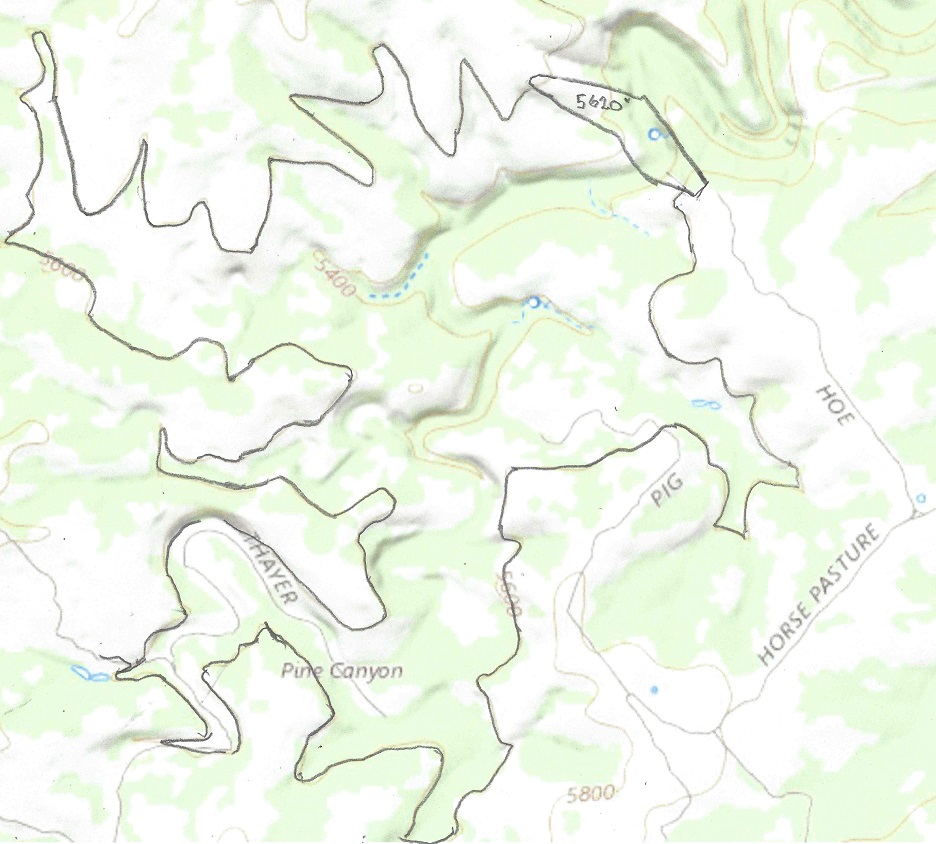
The first one is called the South Platte Aqueduct and will serve Eastern Colorado and help save the High Plains Aquifer, also called the Ogallala Aquifer. It is sketched out here. It is quite modest, only up to 750,000 acre-ft pumped annually, and while the aqueduct will be built to this capacity only 375,000 acre-feet will be initially needed. For now, it will serve about 5 million people.

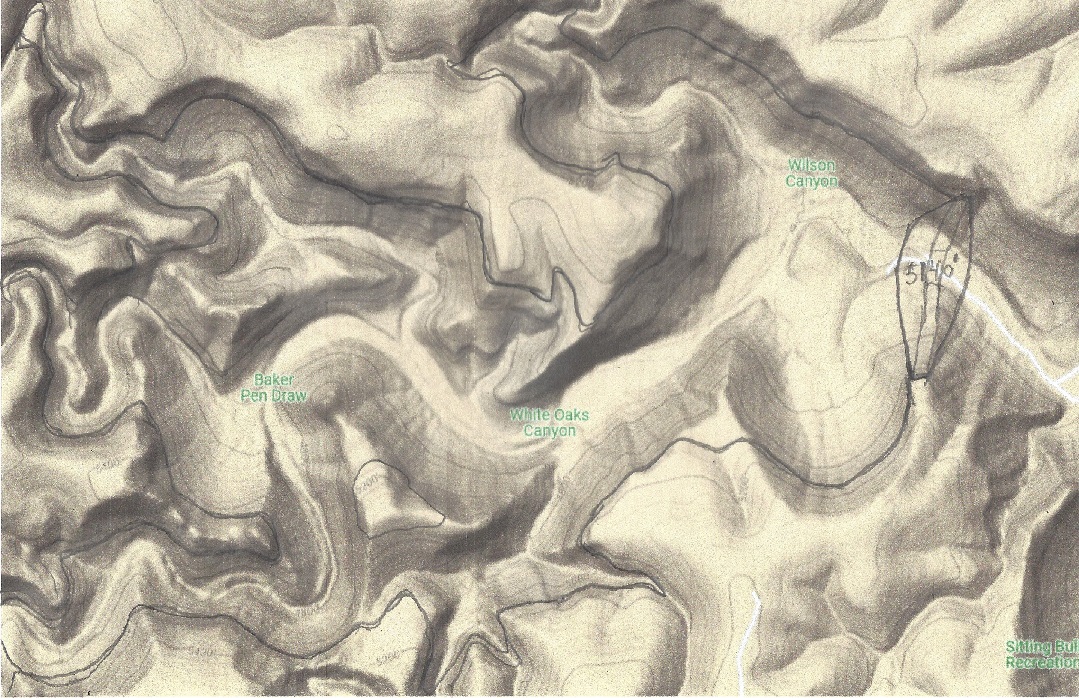
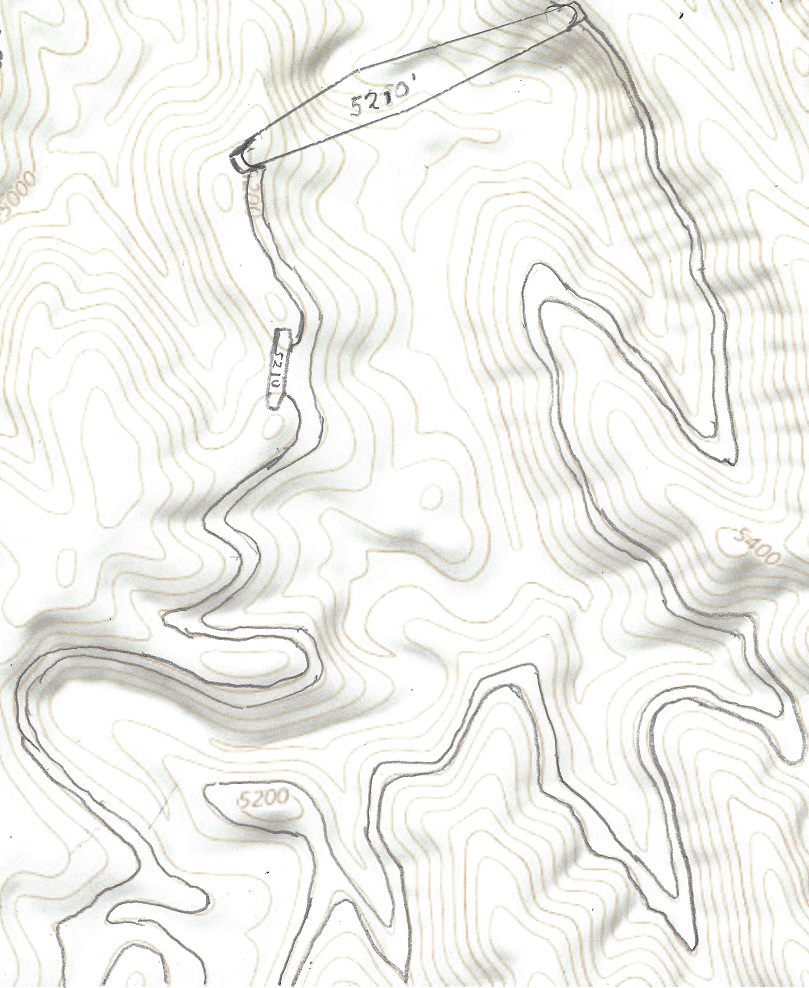
The second is the Trans-Rocky-Mountain Aqueduct. It will serve the upper Colorado River Basin and the upper Rio Grande Basin. When fully used it will pump 8 million acre-ft yearly from the Mississippi/Arkansas River. It is more fully described here .

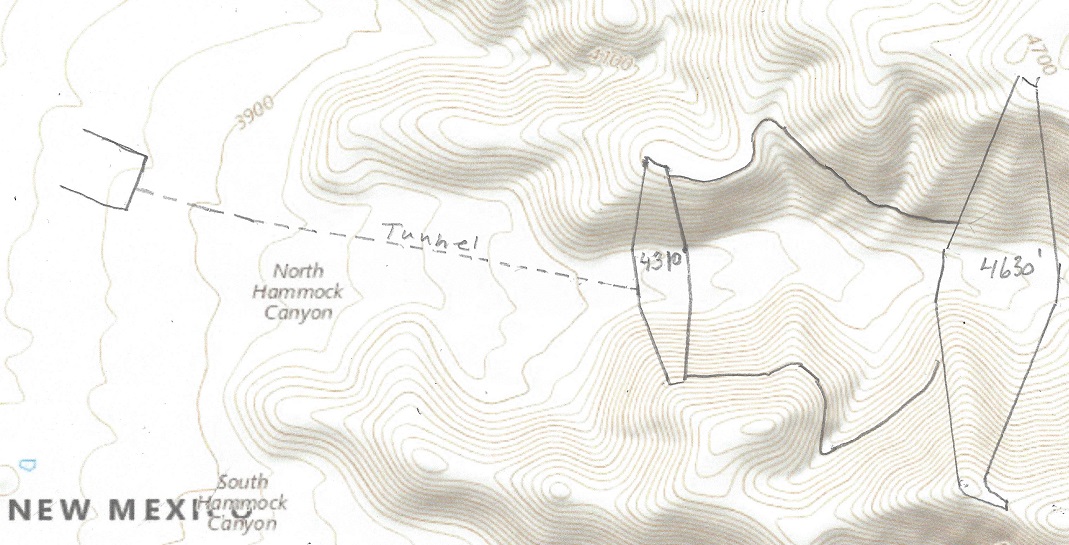
The third is the Transcontinental Aqueduct. It will serve the Lower Colorado River Basin, Southern New Mexico and Western Texas. It will pump up to 15 million acre-ft of water annually from the Atchafalaya river (Mississippi river bypass) all the way to southern Colorado River. It is described more fully here.

The total electricity need to accomplish this giant endeavor is about 120 billion kWh annually. or about three percent of the current US electricity demand. In 2020 the US produced 1,586 billion kWh from natural gas, 956 from coal, 337.5 from wind and 90.9 from solar.

For this giant project to have any chance of success there has to be something in it to be gained from every state that will be participating. Here are some of the benefits:

Arizona: Arizona needs more water. The water from Mississippi is less saline and better suited for agriculture and the people growth makes it necessary to provide more water sources. Right now the aquifers are being depleted. Then what? One example: The San Carlos lake is nearly dry half the time and almost never filled to capacity. With the aqueduct supplying water it can be filled to 80 +- 20% of full capacity all the time. In the event of a very large snow melt the lake level can be reduced in advance to accommodate the extra flow. Likewise during Monsoon season the aqueduct flow can be reduced in anticipation of large rain events. Arizona together with New Mexico has the best locations for solar power, but is lacking the water necessary for hydro-power storage. This proposal will add 13.6 GW of hydro-power storage capable of adding 68 GWh of electric peak power daily.

Arkansas: The main benefit for Arkansas is better flood control and river control of the Arkansas River and allowing it to deepen the draft for canal barges from 9,5 feet to 12 feet, which is standard on the Mississippi river.

California: The water aqueduct serving Los Angeles will be allowed to use maximum capacity at all times. Additional water resources will be given the greater San Diego area. The Imperial valley will be given sweet Mississippi water, which will improve agriculture yield. The polluted New River will be cut off at the Mexico border. There will be water allocated to the Salton Sea. There is a proposal to mine the world’s largest Lithium ore, mining the deep brine, rich in Lithium. (about a third of the world supply according to one estimate). This requires water, and as a minimum requirement to allow mining in the Salton Sea the water needs to be cleaned. This requires further investigation, but the area around the Salton Sea is maybe the most unhealthy in the United States. It used to be a great vacation spot.

Colorado: The future water needs from Fort Collins to Colorado Springs metropolitan area will be met. In addition the Pueblo area will be allowed to use more of the Arkansas River water, since the John Martin Reservoir will be filled by the Trans-Rocky Mountain aqueduct.

Kansas: It will get a reliable water supply to serve Wichita and all towns along the Arkansas River in times of drought and to serve additional water needs at all times. It will also improve flood control along the river.

Louisiana: The main benefit for Louisiana is: By siphoning off up to 23.75 million acre-ft/year from the Mississippi river it will lower the flow through the lower Mississippi, especially New Orleans, reducing flood risk. By making these aqueducts the whole Mississippi/Missouri watershed will be incentivized to make sure the river waters are clean enough to be able to use as water supply. This will positively affect 40% of the continental United States landmass.

Mexico: During the negotiations about who was going to get the water in Lake Mead Mexico did not get enough water, so they have been using all remaining water for irrigation, and no water is reaching the ocean anymore. In addition the water is too salty for ideal irrigation. This proposal will provide sweet Mississippi water to Mexico, ensure that some water reaches the Colorado river delta. This will restore the important ecology and restore aquatic life in the delta and the gulf. The town of Mexicali will get some water in exchange for shutting off New River completely.

Nebraska: One of the benefits for Nebraska is that it will help save the Ogallala aquifer. The farmers close to the aqueduct will use pumped water from Missouri rather than draw from the aquifers.

Nevada: Las Vegas is a catastrophe waiting to happen unless Lake Mead is saved. With this proposal there will be ample opportunity to make the desert bloom.

New Mexico: The state is ideally suited for solar panels. In addition to give much needed water to communities along the length of the aqueduct, it will provide 10.5 GW of hydro-power storage to be made available at peak power usage for up to 5 hours a day.

Oklahoma: The main advantage for Oklahoma is a much improved flood control, especially through the City of Tulsa. It will provide the same advantage for river barge traffic as benefits Arkansas.

Texas: The state has a big problem. It has already built up too much wind power and can not give up their coal burning power plants until the electricity is better balanced. They have no hydro-electric power storage at all, and we saw the result of that in last year’s cold snap. This proposal will give the Texas electric grid 18.5 GW of hydro-electric power for up to 5 hours a day.

Utah: The state will no longer be bound to provide water to Lake Mead, but can use all of its water rights for Utah, especially the Salt Lake City region.

Wyoming: The state will be free to use the water in the Green River and all the yearly allocated 1.05 million acre-feet of water can be used by the state of Wyoming.

The cost to do all these aqueducts will be substantial, but it can be done for less than 400 billion dollars in 2021 money, and that includes the cost of providing power generation. Considering it involves 40 million people dependent on the Colorado River now and another 10 million east of the Rocky Mountains, it is well worth doing, much more importand to do than other “green” projects, since it will save the American Southwest from becoming an uninhabitable desert.

This proposed solution cannot be made possible without changing our approach to power generation. The mantra now is to solve all our power needs through renewables. Texas has shown us that too much wind power without any hydroelectric power storage can lead to disaster. In addition, windmills kill birds, even threatening some species, such as the Golden Eagle and other large raptors that like to build their aeries on top of the generators. Solar panels work best in arid, sunny climate, such as Arizona and New Mexico, but the panels need cooling and cleaning to work best, and that takes water. They are even more dependent on hydro-power storage than wind. The transcontinental aqueduct will triple the hydro-electric power storage for the nation, and the Trans-Rocky-Mountain will add to it. Without hydro-electric power storage we still need all the conventional power generation capacity for when the sun doesn’t shine and the wind doesn’t blow.

Conventional Nuclear power plants doesn’t work in most places since they depend on water for their cooling, and most of these aqueducts pump water in near deserts, and there would be too much evaporation losses to use water from the aqueducts for cooling.

The only realistic approach would be to use LFTR power plants. (Liquid Fluoride Thorium Reactors). There are many advantages for using LFTR. Here are 30 reasons why LFTRs is by far the best choice.

For this project to succeed there must be developed a better way to build SMRs (Small Modular Reactors, less than 250 MW) more effectively. The price to build a LFTR plant should be less than $2.50 per watt. While the LFTR science is well understood, the LFTR engineering is not fully developed yet, but will be ready in less than 5 years if we get to it. In the mean time there should be built one or more assembly plants that can mass produce LFTR reactor vessels small enough so they can be shipped on a normal flatbed trailer through the normal highway system. My contention is that a 100 MW reactor vessel can be built this way and the total cost per plant will be less than 250 Million dollars. To save the American Southwest we will need about 350 of them, or 87,5 billion dollars total. This cost is included in the total calculation. There will be many more of these plants produced to produce all the electric power to power all the electric vehicles that are going to be built. This is the way to reduce fossil fuel consumption. Just switching to electric vehicles will not do the trick. The electric energy must come from somewhere. To convert all cars and trucks and with unchanging driving habits will require another 600 GW of generating capacity by 2050, our present “net zero emissions” goal.

To do this project we need cooperation from all states in providing dominant domain access. The Federal government will need to approve LFTR as the preferred Nuclear process and streamline approval from many years to less than one year.

Let’s get going!

February 13, reading the Holy Bible in a year.

Matthew 7:1-20 is a continuation of the sermon on the mount. Jesus was admonishing us not to be judgmental but to look to our own faults before condemning others. And don’t waste your time by casting pearls before swine. Ask, seek, knock is another theme. and so is doing to others what you would have them do to you. This sums up the Law and the Prophets. Enter through the narrow gate. A tree is known by its fruit. This should still be taught in school, it is the opposite of Critical Race Theory, which divides us all.

The book of Leviticus tells about Mosaic Law. I for one am glad I am not under the Law anymore, but redeemed with the blood of Jesus. However, it is interesting reading, and it is still valid proof that we cannot fulfill all the law.

Leviticus 1 tells of how the burnt offering shall be performed.

Leviticus 2 specifies the grain offering.

Leviticus 3 deals with the peace or fellowship offering, and

Leviticus 4 defines the sin offering.

February 12, reading the Holy Bible in a year.

Matthw 6:19-34 continues the telling of the sermon on the mount. Jesus spoke of  storing up eternal, spiritual treasures, not physical riches, for you cannot serve two masters, you serve either God or money. Then Jesus continued by telling how foolish it is to worry about the future, concentrate on what is important, seek first the Kingdom of God, and God will take care of all the other things.

Ecclesiastes 3. There is a time for everything. The gift of God is that He has set eternity in our hearts, yet injustice seems to prevail.

Ecclesiastes 4. There is oppression but no comforter, there is vanity of selfish toil. There is value in having friends “a cord of three strands is not quickly broken,” yet, popularity passes away.

With all the double speak today, Psalm 12 is especially valid. The Lord has something to say about that.

Psalm 13 has only 6 verses; here is a moving Anglican Chant. Enjoy.

February 11, reading the Holy Bible in a year.

Matthew 6:1-18 continues the telling of the sermon on the mount. Jesus spoke of doing good, of fasting and prayer, do it without fanfare, in secret if possible and, above all, be sincere. He then instituted what is called “The Lord’s prayer” which really is a pattern prayer for us, short, direct, but covers the essentials. Fasting should go together with serious prayer, but make it simple.

Exodus 38 retells of how the altar of burnt offerings and the basin for washing was made, continuing telling about the courtyard around the tabernacle and all the materials used.

Exodus 39 retells how the priestly garments were to be made, the ephod, the breastplate, the bells and pomegranates, the mitre and undergarments and finally the words “Holy to the LORD” to be fastened to the priest’s turban.

And in Exodus 40 the tabernacle was finished, the Priests installed and finally God blessed the tabernacle with His presence when the Glory of the LORD filled it. That ends the book of Exodus.

Ivermectin, the Nobel Prized wonderdrug that must be approved and available also to treat COVID right now!

Ivermectin is a Nobel Prize winning drug. It has been called a wonder drug. It is used by over 2.2 Billion people in the world to combat occasional parasites, and is used constantly by about 700 million people to prevent river blindness. The people that use Ivermectin constantly have about 1/10 as many covid case and death rates as people who don’t use Ivermectin. You can see the evidence here.

No it is not that NIH doesn’t know. Their scientists know, but their hands are tied by politics. The decisions are based by politics. But they are trying to get the story out. Check their official library of appoived articles. The firstlist is on Ivermectin and cancer (source https://search.nih.gov/search?affiliate=nih&query=ivermectin+cancer)

Ivermectin, a potential anticancer drug derived from an …

http://www.ncbi.nlm.nih.gov/pmc/articles/PMC7505114/

Ivermectin has powerful antitumor effects, including the inhibition of proliferation, metastasis, and angiogenic activity, in a variety of cancer

Ivermectin has New Application in Inhibiting Colorectal …

pubmed.ncbi.nlm.nih.gov/34483925/

Colorectal cancer (CRC) is the third most common cancer worldwide and still lacks effective therapy. Ivermectin, an antiparasitic drug, has been shown …

The multitargeted drug ivermectin: from an antiparasitic …

http://www.ncbi.nlm.nih.gov/pmc/articles/PMC5835698/

Ivermectin interacts with several targets including the multidrug resistance protein (MDR), the Akt/mTOR and WNT-TCF pathways, the purinergic …

Ivermectin has New Application in Inhibiting Colorectal …

http://www.ncbi.nlm.nih.gov/pmc/articles/PMC8415024/

Colorectal cancer (CRC) is the third most common cancer worldwide and still lacks effective therapy. Ivermectin, an antiparasitic drug, has been shown …

Anti-parasite drug ivermectin can suppress ovarian cancer

http://www.ncbi.nlm.nih.gov/pmc/articles/PMC7272521/

Ivermectin, as an old anti-parasite drug, can suppress almost completely the growth of various human cancers, including ovarian cancer (OC). However …

Ivermectin as an inhibitor of cancer stem‑like cells

pubmed.ncbi.nlm.nih.gov/29257278/

The aim of the present study was to demonstrate that ivermectin preferentially inhibited cancer stem‑like cells (CSC) in breast cancer cells and …

Ivermectin: a systematic review from antiviral effects to …

pubmed.ncbi.nlm.nih.gov/32533071/

Ivermectin proposes many potentials effects to treat a range of diseases, with its antimicrobial, antiviral, and anti-cancer properties as a wonder …

Anti-parasite drug ivermectin can suppress ovarian cancer

pubmed.ncbi.nlm.nih.gov/32549918/

Relevance: Ivermectin, as an old anti-parasite drug, can suppress almost completely the growth of various human cancers, including ovarian cancer

Antitumor effects of ivermectin at clinically feasible …

pubmed.ncbi.nlm.nih.gov/32474842/

Purpose: Ivermectin is an antiparasitic drug that exhibits antitumor effects in preclinical studies, and as such is currently being repositioned for c

Meta-analysis of Randomized Trials of Ivermectin to Treat …

http://www.ncbi.nlm.nih.gov/pmc/articles/PMC8420640/

Ivermectin’s broad-spectrum antiviral effects have been proposed to be related to its impact on the NF-κB pathway and via binding to the host cell …

http://www.ncbi.nlm.nih.gov/pmc/articles/PMC4287931/

Ivermectin inhibits lung cancer xenograft growthin vivo. Beyond colon cancer, WNT-TCF signaling has been implicated in a number of other tumor types …

Ivermectin induces apoptosis of esophageal squamous cell …

http://www.ncbi.nlm.nih.gov/pmc/articles/PMC8650430/

Taken together, these data suggest that ivermectin inhibits the growth of esophageal cancer both in vitro and in vivo. It had been reported that iverm

Antibiotic ivermectin preferentially targets renal cancer

pubmed.ncbi.nlm.nih.gov/28847725/

Renal cell carcinoma (RCC) is the most aggressive type of genitourinary cancer and highly resistant to current available therapies. In this work, we …

Safety of inhaled ivermectin as a repurposed direct drug …

http://www.ncbi.nlm.nih.gov/pmc/articles/PMC8299187/

Ivermectin is a mysterious multifaceted ‘wonder’ drug that keeps shocking and exceeding expectations . It was repositioned as cancer drug , and showed …

Ivermectin inactivates the kinase PAK1 and blocks the PAK1 …

pubmed.ncbi.nlm.nih.gov/22495656/

Interestingly, several years ago it was reported by a Russian group that Ivermectin can suppress almost completely the growth of human melanoma and a …

National Cancer Institute

http://www.cancer.gov/publications/dictionaries/cancer-drug/def/ivermectin

Find technical definitions and synonyms by letter for drugs/agents used to treat patients with cancer or conditions related to cancer. Each entry …

Ivermectin converts cold tumors hot and synergizes with …

pubmed.ncbi.nlm.nih.gov/33654071/

We show that treatment with the FDA-approved anti-parasitic drug ivermectin induces immunogenic cancer cell death (ICD) and robust T cell infiltration …

The Repurposed ACE2 Inhibitors: SARS-CoV-2 Entry Blockers …

http://www.ncbi.nlm.nih.gov/pmc/articles/PMC8498772/

The docking result showed that paritaprevir and ivermectin have highest binding affinity to the ACE2 receptor with interaction energies of −11.8 kcal …

bionlp.nlm.nih.gov

bionlp.nlm.nih.gov/trec2017precisionmedicine/extra_abstracts_web/AACR_2017/AACR_2017-411.html

Epithelial ovarian cancer (EOC) is a most lethal cancer in gynecology, of which cure rate is 30%. To seek its new therapeutic targets, we performed in …

CanMED: HCPCS – seer.cancer.gov

seer.cancer.gov/oncologytoolbox/canmed/hcpcs/?s=%E2%A1%88%E2%A7%BB%20Buy%20Ivermectin%20on%20%F0%9F%90%8D%20www.PillnHeals.store%20%F0%9F%90%8D%20-%20Cheap%20Alternative%20tabs%20%E2%A7%BB%E2%A1%88%20Ivermectin%20Pour%20On%20For%20Sale

The Cancer Medications Enquiry Database (CanMED) is a two-part resource for cancer drug treatment related studies. Search SEER: Menu. Home. Cancer

The second list covers Ivermectin as a universal treatment, and COVID-19 in particular (source: https://search.nih.gov/search?affiliate=nih&query=ivermectin )

Ivermectin | COVID-19 Treatment Guidelines

http://www.covid19treatmentguidelines.nih.gov/therapies/antiviral-therapy/ivermectin/

Ivermectin is a Food and Drug Administration (FDA)-approved antiparasitic drug that is used to treat several neglected tropical diseases, including …

A five-day course of ivermectin for the treatment of COVID …

pubmed.ncbi.nlm.nih.gov/33278625/

Ivermectin, a US Food and Drug Administration-approved anti-parasitic agent, was found to inhibit severe acute respiratory syndrome coronavirus 2 …

Ivermectin for Prevention and Treatment of COVID-19 …

http://www.ncbi.nlm.nih.gov/pmc/articles/PMC8248252/

Ivermectin is not a new and experimental drug with an unknown safety profile. It is a WHO “Essential Medicine” already used in several different …

Ivermectin, a potential anticancer drug derived from an …

http://www.ncbi.nlm.nih.gov/pmc/articles/PMC7505114/

Ivermectin is a macrolide antiparasitic drug with a 16-membered ring that is widely used for the treatment of many parasitic diseases such as river …

Ivermectin, ‘Wonder drug’ from Japan: the human use …

http://www.ncbi.nlm.nih.gov/pmc/articles/PMC3043740/

Ivermectin proved to be virtually purpose-built to combat Onchocerciasis, which has two main manifestations, dermal damage resulting from …

Ivermectin Tablets USP, 3mg (IVERMECTIN)

dailymed.nlm.nih.gov/dailymed/fda/fdaDrugXsl.cfm?setid=847a1dd7-d65b-4a0e-a67d-d90392059dac

Microbiology. Ivermectin is a member of the avermectin class of broad-spectrum antiparasitic agents which have a unique mode of action. Compounds of …

Ivermectin: a systematic review from antiviral effects to …

pubmed.ncbi.nlm.nih.gov/32533071/

Ivermectin proposes many potentials effects to treat a range of diseases, with its antimicrobial, antiviral, and anti-cancer properties as a wonder …

Effects of Ivermectin in Patients With COVID-19: A …

http://www.ncbi.nlm.nih.gov/pmc/articles/PMC8101859/

Ivermectin has been suggested as a potential COVID-19 treatment.6 It is a US Food and Drug Administration (FDA)-approved broad-spectrum antiparasitic …

Review of the Emerging Evidence Demonstrating the Efficacy …

http://www.ncbi.nlm.nih.gov/pmc/articles/PMC8088823/

Ivermectin hastens recovery and prevents deterioration in patients with mild to moderate disease treated early after symptoms. 45,49–52,61,62. Ivermec

Protocol: Effectiveness and safety of ivermectin in the …

http://www.ncbi.nlm.nih.gov/pmc/articles/PMC8450968/

Ivermectin is an anti-parasitic agent that causes tonic paralysis of the muscles, thereby inducing the death of the parasite, along with …

Ivermectin in COVID-19 Management: What is the current …

pubmed.ncbi.nlm.nih.gov/35043770/

Ivermectin (IVM), an approved anthelminthic drug, has been reported to have antiviral, antibacterial, and anticancer activities. Antiviral activity is …

Ivermectin: an award-winning drug with expected antiviral …

http://www.ncbi.nlm.nih.gov/pmc/articles/PMC7539925/

Ivermectin is an FDA-approved broad-spectrum antiparasitic agent with demonstrated antiviral activity against a number of DNA and RNA viruses …

Repurposing the drug, ivermectin, in COVID-19 …

pubmed.ncbi.nlm.nih.gov/35123559/

The most recommended dose of ivermectin for the treatment of COVID-19 is 150-200 µg/kg twice daily. As ivermectin adoption for COVID-19 increased, the …

Serious Neurological Adverse Events after Ivermectin—Do …

http://www.ncbi.nlm.nih.gov/pmc/articles/PMC5929173/

INTRODUCTION. Ivermectin is a member of the class of avermectins, which are highly active broad-spectrum, anti-parasitic agents. It is indicated for …

Ivermectin: a multifaceted drug of Nobel prize-honoured …

pubmed.ncbi.nlm.nih.gov/34466270/

In 2015, the Nobel Committee for Physiology or Medicine, in its only award for treatments of infectious diseases since six decades prior, honoured the …

Table: Ivermectin Clinical Data | COVID-19 Treatment …

http://www.covid19treatmentguidelines.nih.gov/tables/ivermectin-data/

The use of compassionate ivermectin in the management of symptomatic outpatients and hospitalized patients with clinical diagnosis of COVID-19 at the …

Use of Ivermectin Is Associated With Lower Mortality in …

pubmed.ncbi.nlm.nih.gov/33065103/

Background: Ivermectin was shown to inhibit severe acute respiratory syndrome coronavirus 2 replication in vitro, which has led to off-label use, but …

Clinical Profile and Outcome of Hemodialysis Patients with …

http://www.ncbi.nlm.nih.gov/pmc/articles/PMC8597802/

Over the two months, treatment protocols changed with gathering evidence. Patients received hydroxychloroquine (50%), azithromycin (63%), oseltamivir …

Endemicity of onchocerciasis in some local government …

pubmed.ncbi.nlm.nih.gov/15490791/

The established method of justifying the need for ivermectin delivery to a community is the use of Rapid Assessment Method (RAM). This method involves …

Ivermectin: a multifaceted drug of Nobel prize-honoured …

http://www.ncbi.nlm.nih.gov/pmc/articles/PMC8383101/

Introduction. The 2015 Nobel prize for the discovery of ivermectin (IVM) and an antimalarial treatment was the Nobel committee’s first award for …

But they say how dangerous and deadly Ivermectin and HCQ are. The truth is quite different. Here are somd statistics

The headlines say it all. These are the results so far of adverse reactions to various medications and vaccines according to the official VAERS reporting, which give low estimates. The truth is worse. This is from Sen John Johnson:

It should be noted that for the first five medications the time frame is nearly 16 years, the result for COVID vaccine is one year.

Time to approve Ivermectin against COVID-19. It is my opinion that about 80% of all Covid deaths could have been avoided had we followed the real scientists rather than the political views of NIH.

February 10, reading the Holy Bible in a year.

Matthew 5:21-48 is a continuation of the sermon on the  mount. Jesus first addressed murder, where vengeance is not for us to do, instead you must be reconciled with your adversary before you can be reconciled to God. Then He dealt with adultery, you are not only not to do it, you are not allowed to even think about it. Likewise, the only time divorce is allowed is for already committed adultery. Piling on, he addressed taking of oaths, this was serious business under the Law, but Jesus said “Let your yes be yes and your no, no”. Furthermore it was said “An eye for an eye” But Jesus told us to pray for our adversaries, no matter what, and love your enemies. This is the change between Old and New Testament Theology, and Jesus brought it fourth.

Exodus 35 is a more detailed repeat of Sabbath regulations, materials for the tabernacle and who were the leaders of building of the tabernacle.

Exodus 36 describes in detail how the tabernacle was built.

Exodus 37 continues describing how the Ark of the Covenant was built with its cherubim,( by necessity very sketchy since nobody would be allowed to see them once they were made,)   the table, the lampstand and the altar of incense.

February 9, reading the Holy Bible in a year.

Matthew 5:1-20 retells the Beatitudes, which form the beginning of the Sermon on the  Mount. Then Jesus added the spiritual dimension to the Mosaic Law. He had not come to destroy the Law, but to fulfill it.

In Exodus 33 God told the Israelites to leave the place they were staying, take off all the ornaments they were wearing and go to the promised land. Moses established the tent of meeting, and there he asked to see God. God promised Moses he would see His back while hiding “In the cleft of the rock

After breaking the two stone tablets, Moses in Exodus 34 had to go back up the mountain and write the words of God on two new stone tablets. Then God repeated much of what was said in previous chapters, even reiterating the Covenant, but the chapter ends with the radiant face of Moses because Moses had spoken with God.

February 8, reading the Holy Bible in a year.

Matthew 4:12-25. After Jesus was baptized and was led into the wilderness for 40 days and 40 nights he began his ministry and called his first disciples.

Exodus 30 describes the  altar of incense, mentions rules for the poll tax and the basin for washing, anointing oil and rules for sacred incense.

Exodus 31 is short; it tells of two named craftsmen to be leaders of performing the artistic aspect of all the work to build the tabernacle. Then there are rules of how to observe the Sabbath, and with that, God finished His message to Moses by giving him the two tablets of stone containing the ten commandments written by the finger of God.

In Exodus 32 Moses had come down from the mountain and what did he find? He found the Golden Calf and the people singing and dancing in orgies. Moses became so angry that he threw down the two tablets with God’s commandments, and they broke in pieces. Then he pleaded with God not to destroy His people.