Matthew 16:1-12. the Jews demanded a sign. Jesus told them the there will be no sign other than the sign of Jonah: Three days and three nights in the belly of a great fish. The disciples had forgotten to bring bread and Jesus coincidentally told them : Beware of the yeast of the Pharisees and the Sadducees. Huh? Jesus had to explain to them he meant their doctrine, not literal yeast.
Numbers 18 describes the duties of Priests and Levites, offerings for Supporting the Priests, tithes Supporting the Levites and the tithe of the Levites. As representatives of the LORD they were entitled to get the best part.
Numbers 19 details the laws and procedures of Purification, and introduces the red heifer.
In Numbers 20. Moses committed a major error in Kadesh. Thy were short on water, so God told Moses to speak to the rock. Instead, Moses smote the rock. Water sprung forth but God punished Moses and his people so severely that that generation was not allowed to enter the promised land. Why did God give them this harsh punishment? The rock was to be smitten only once, the second time Moses was to speak to the rock, a foreshadowing of Jesus, who was smitten once for our sins. At the end of the chapter Aaron died.
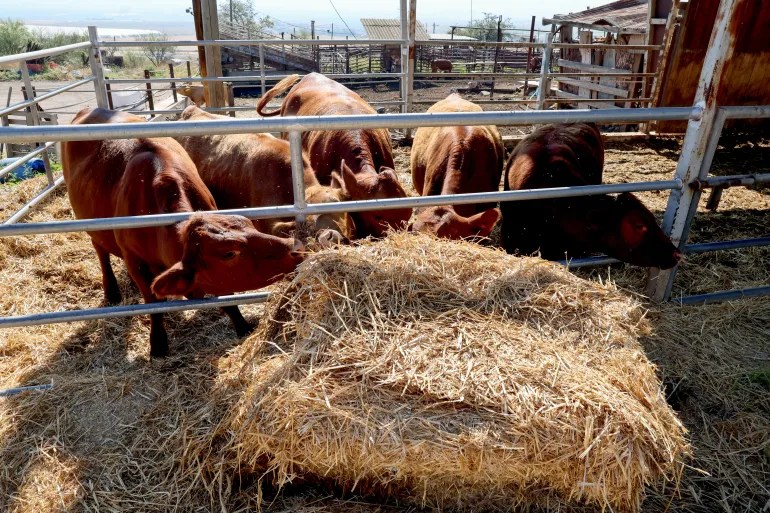
In chapter 15 of Matthew Jesus explained it is not what you eat that makes you unclean, and that you do not need ceremonial cleansing before eating. In chapter 16 Jesus warns his disciples to beware of the extra regulations required by the Sadducees and the Pharisees to live a clean living. Numbers 19 is introduces the red heifer, the ashes of which had to be mixed in with the water of cleansing. In September 2022, five, perfectly red, blemish-free heifers were flown from Texas to Israel to be used in purification rituals, as required by biblical tradition for rebuilding the Third Temple. These animals are currently being kept in Shiloh and monitored by the Temple Institute. Two of the heifers have been disqualified for developing blemishes, but the remaining three are now of required age to be sacrificed. As of early 2026, the Temple Institute continues to maintain the remaining candidates for a potential future ritual, which proponents believe is a prerequisite for restoring ritual purity and eventually rebuilding the Third Temple.
 Len Bilén's blog, a blog about faith, politics and the environment.