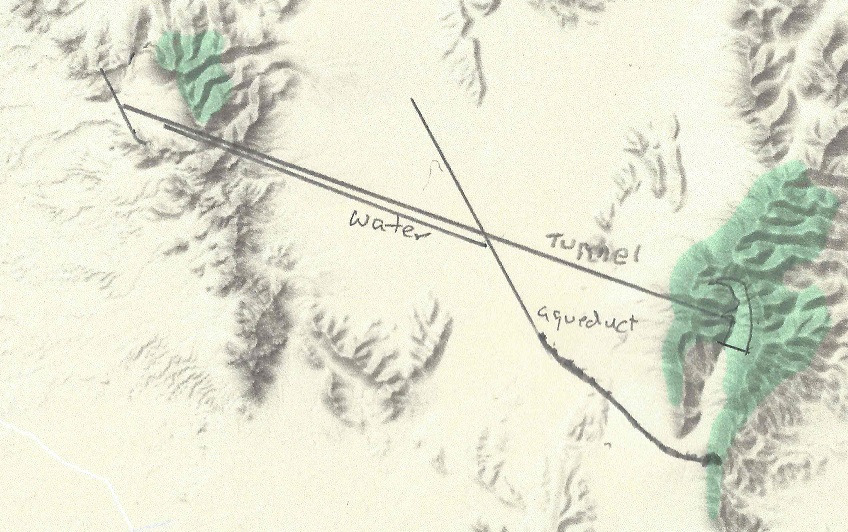
Stage 10 was a true pumped hydro-storage peak power stage, producing up to 11.0 GW electric power for up to 5 hours a day. In stage 11 the flow will be a maximum flow of up to 25,000 cfs, but with periods of less flow during low electricity demand, all to accommodate both water needs and power demands.
The power generating drop is on average (4320 – 2510 – 80×2.2) = 1,634 feet. This stage is capable of generating maximum 2.4 GW of power during all times.
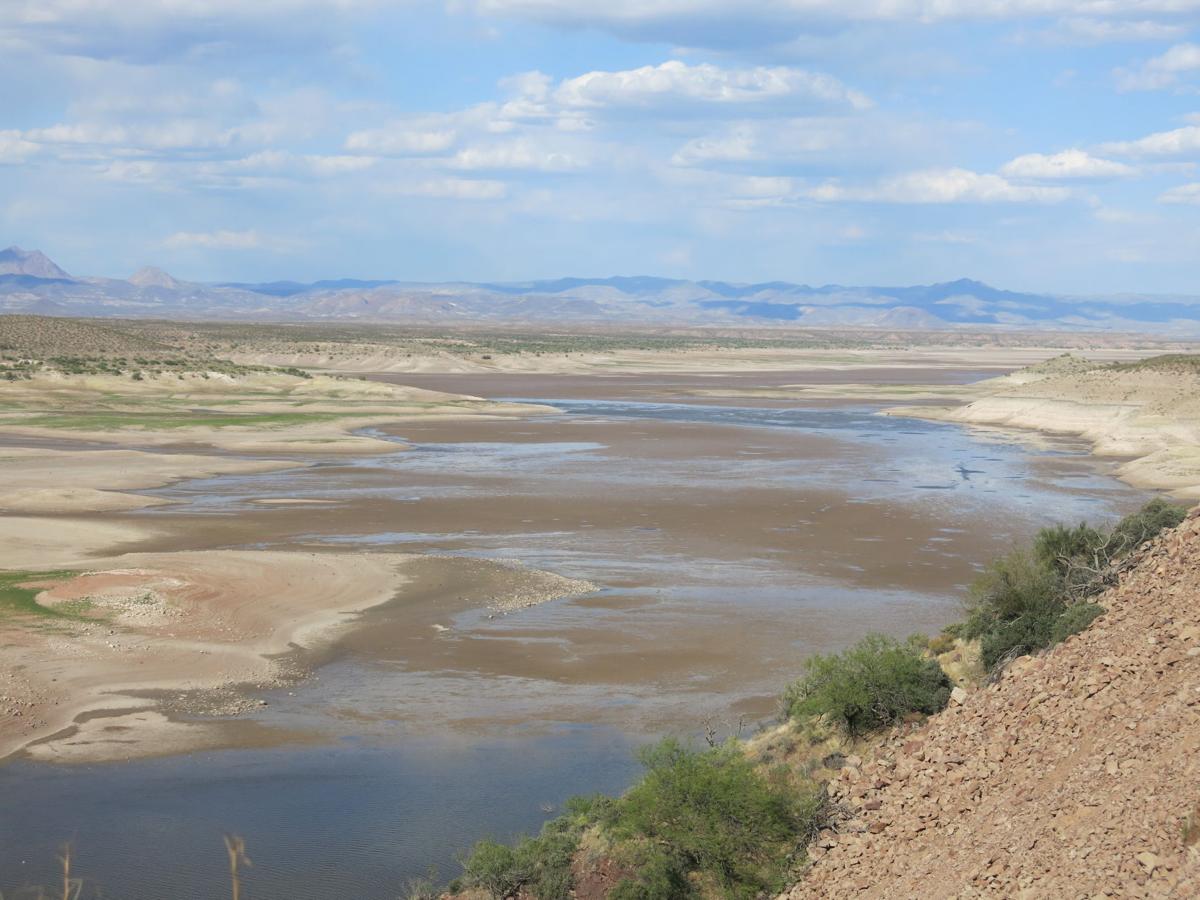
San_Carlos_Lake is located within the 3,000-square-mile (7,800 km2) San Carlos Apache Indian Reservation, and is thus subject to tribal regulations. It has been full only three times, in 1993 it overflowed the spillway and about 35,000 cfs of water caused erosion damage to natural gas pipelines. The lake contains now (April 6,2021) less than 100 acre-ft of water. All fish is dead.
When former President Coolidge dedicated the dam in 1930, the dam had not begun to fill. Humorist Will Rogers looked at the grass in the lake bed, and said, “If this were my dam, I’d mow it.”[
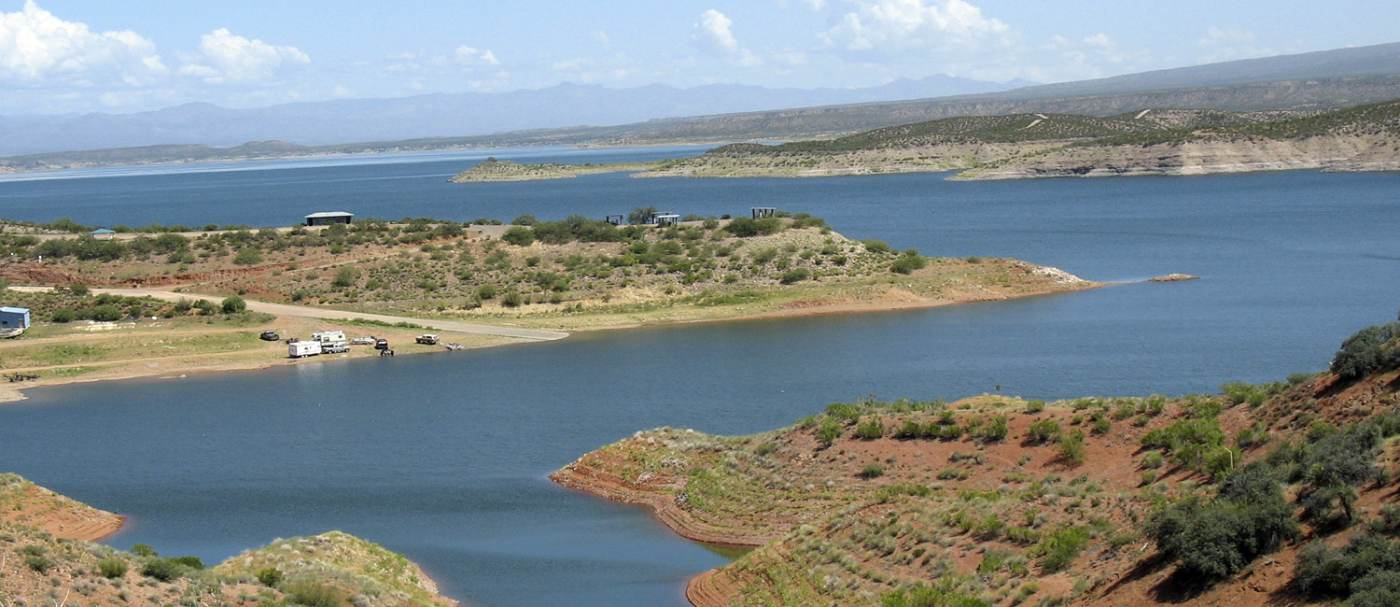
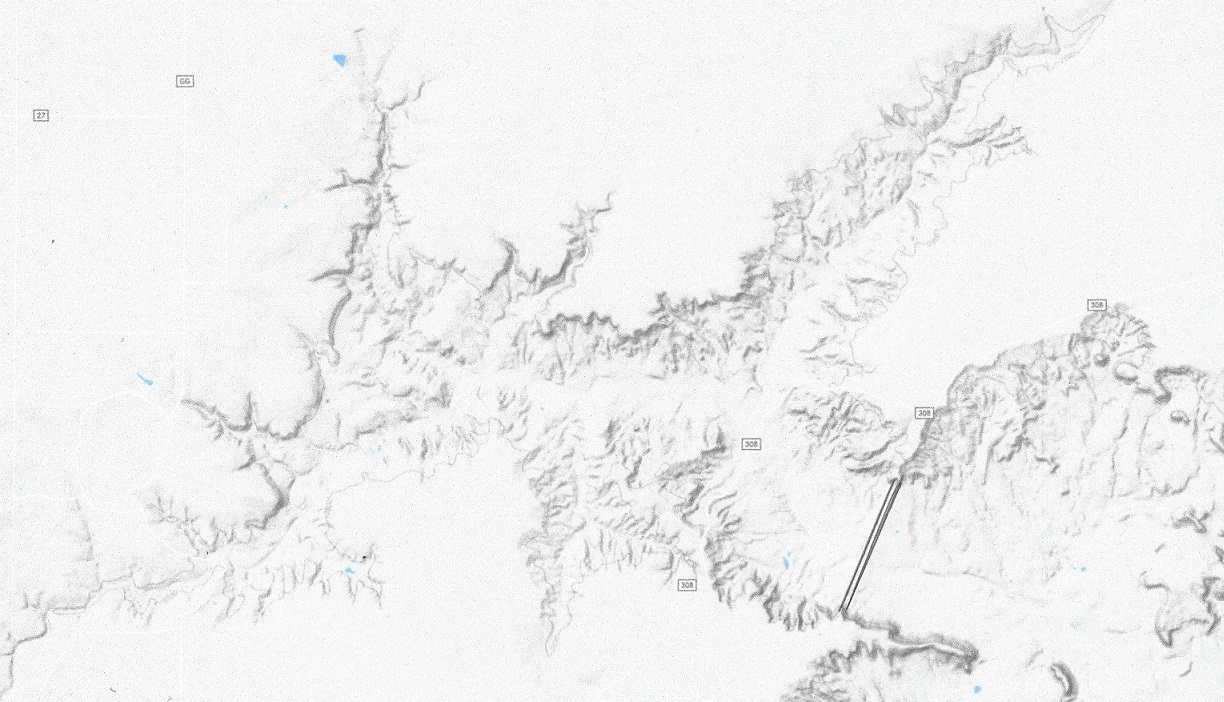
When the Transcontinental aqueduct is built the lake will always be nearly filled, level will be at 2510 feet with flood control nearly automatic, it will never overflow, and it will look like this:
The San Carlos lake, when filled will hold 1,000,000 acre-ft of water.
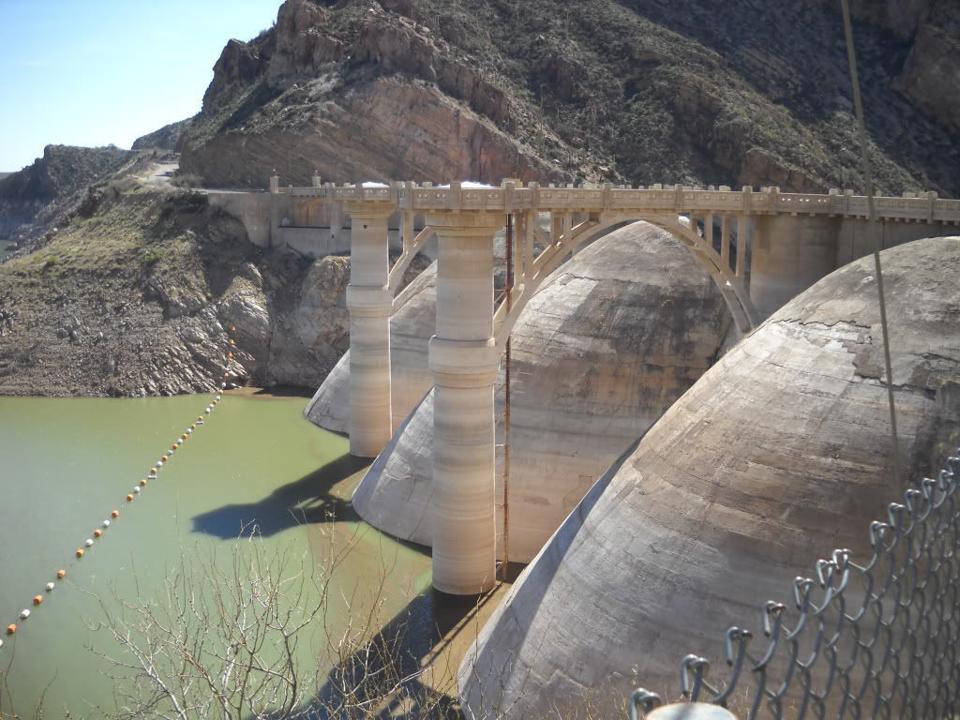
The Coolidge dam will have to be retrofitted for a 25,000 cfs water flow
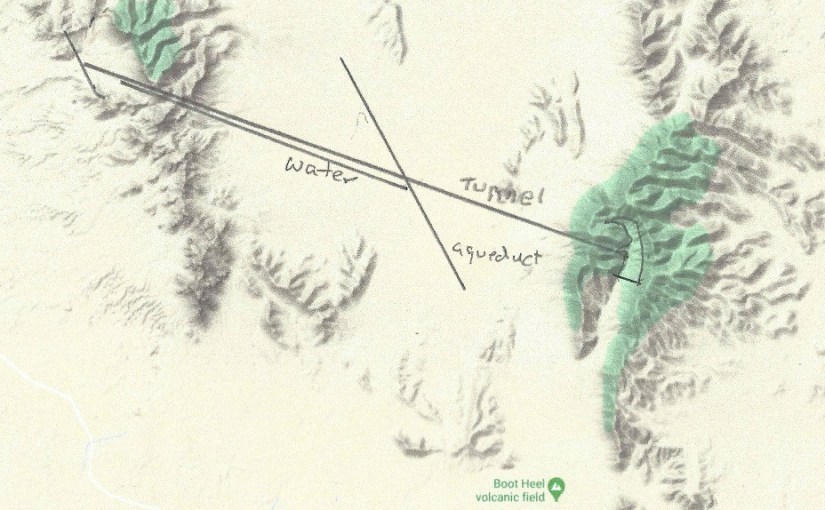
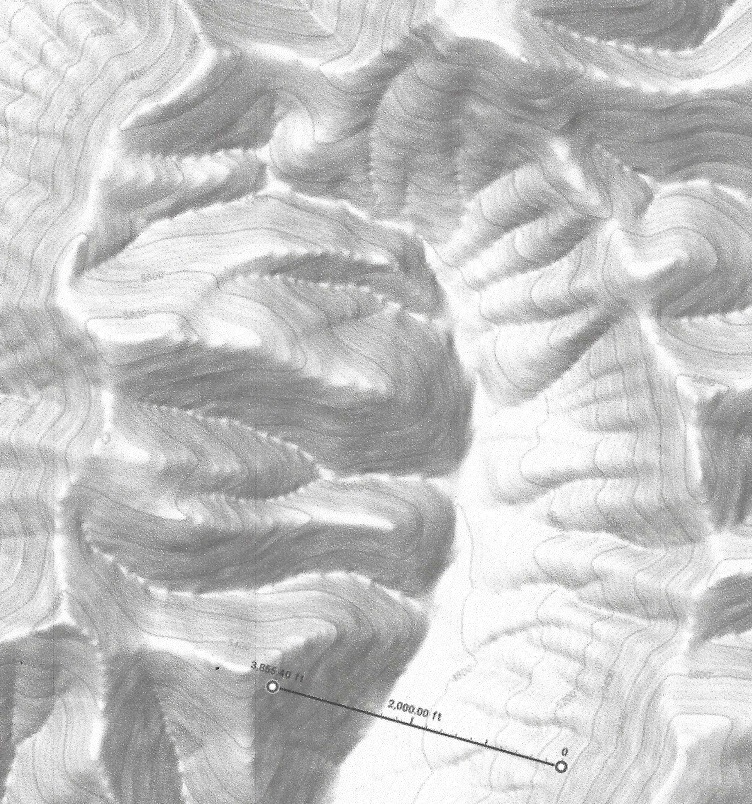
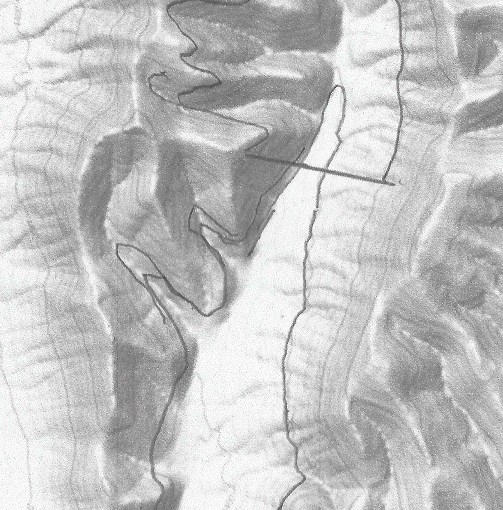
Stage 9 ended up near the Poppy Canyon Reservoir. It continues directly to stage 11 without a reservoir, but has a diversion point to deliver water to stage 10 to cpmpensate for evaporation and seepage. The Poppy Canyon Reservoir is 400 feet high and will top out at 5360 feet with a maximum water level at 5350 feet. This is the western high point in the Transcontinental aqueduct. This stage can deliver peak energy only 5 hours a day, or deliver the day’s worth of peak energy whenever called for. To make this possible there will be a tunnel and pumping station capable of delivering up to 95,000 cfs when called for. The drop is maximum (5410 – 3690 – 13×2.2) = 1702 feet and minimum (5300 – 4000 -13×2.2) = 1272 feet with an average of 1500 feet, delivering 11.0 GW of pumped hydro-storage peak power for 5 hours a day for a total of 55 GWh/day For the remaining 19 hours water will be pumped up using thirty-one 100 MW MFTR reactors requiring 59 GWh/day. These 31 MW are available for 5 hours a day as extra peak power.
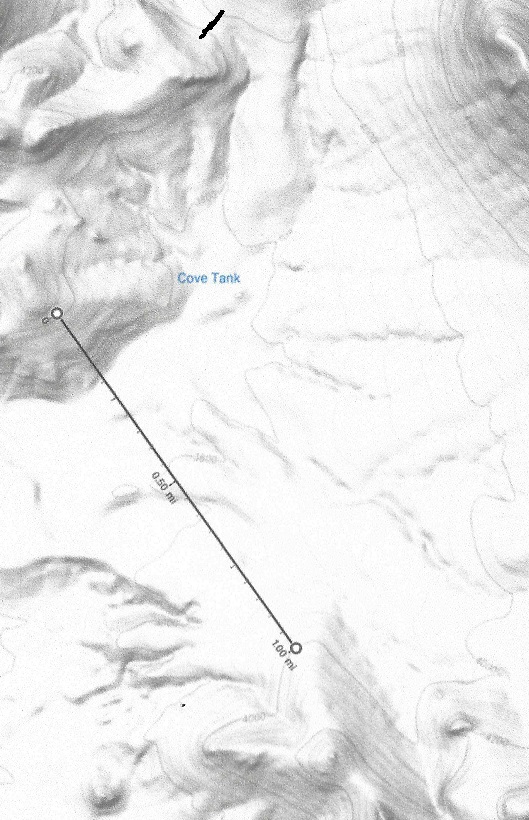
The tunnel to the Cove Tank reservoir is 13 miles long and the power station is somewhere in the tunnel’s path. 80% of the pumps are not reversible, the remaining 20% are, and pump up water for up to 19 hours. The Cove Tank Reservoir dam is 1 mile wide and 250 feet high, containing 60,000 acre-ft of water, enough for 7.5 hrs of filling it at 95,000 cfs, or maximum flow capacity of this stage.
Stage 9 ended up near the Poppy Canyon Lower dam. The aqueduct will release water to the dams when necessary to compensate for evaporation and seepage losses, but it will otherwise be independent of the aqueduct. The upper dam is 400 feet high and will top out at 5360 feet with a maximum water level at 5350 feet. The lower dam is 480 feet high, and the water tops out at 4670 feet. This stage can deliver peak energy only 5 hours a day, or deliver the day’s worth of peak energy whenever called for. To make this possible there will be a tunnel and pumping station capable of delivering up to 95,000 cfs when called for. The drop is maximum (5360 – 4200) = 1160 feet and minimum (4950– 4670) = 280 feet with an average of 720 feet, delivering 5.3 GW of pumped hydro-storage peak power for 5 hours a day for a total of 26.5 GWh. For the other 19 hours a day water will be pumped up from the lower dam to the upper dam, requiring sixteen 100 MW LFTR power stations, or 30 GWh. the difference is because of the 93 percent efficiency in the turbines and generators. But for 5 hours a day the 16 LFTR’s will produce 1.6 GW of virtual peak power.
Here as always, the preferable power to lift the water will be produced by excess solar and wind power. But when the sun doesn’t shine and the wind doesn’t blow. the power has to be available. When excess power is available these LFTR plants are free to produce hydrogen, to be stored and used for more peak power
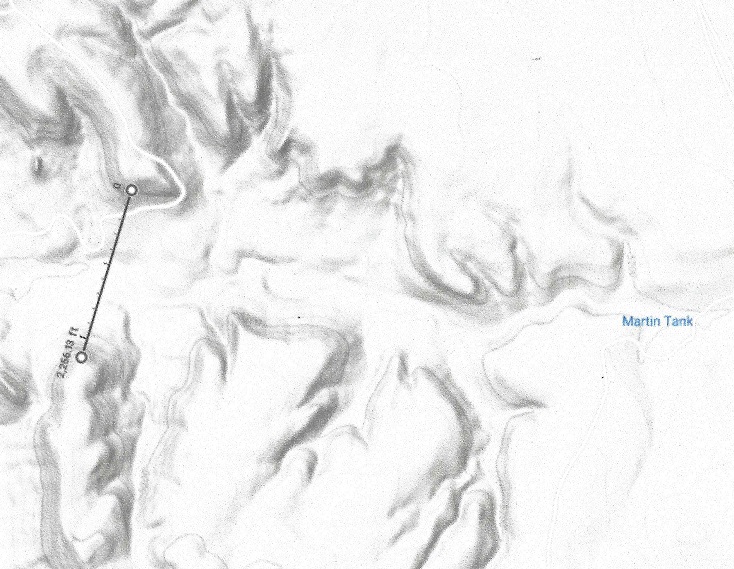
Stage 8 went from Arch Lewis Canyon Lake to Martin Tank Lake. The Martin Tank Lake dam is 22260 feet wide and 230 feet high. The Lake will contain about 30,000 Acre-ft when full, about eighteen hours worth of storage.
plus The elevation at the Martin Tank lake will top out at 4620 feet with maximum water level at 4610 feet. The aqueduct will first descend to 3980 feet, as it crosses the Rio Grande in La Mesa, a distance of 50 miles. The elevation difference is (4620 – 3980 – 50 X 2.2) feet = 530 feet. Releasing 24,000 cfs of water 530 feet will generate 1 GW of energy for 19 hrs/day. From La Mesa it will climb to the Poppy Canyon lower Reservoir. The dam is 480 feet high and will top out at 4680 feet with a maximum water level at 4650 feet. The Poppy Canyon is special and will be described more in Leg 10. The total lift of the water in stage 9 is (4320 – 3980 + 160×2.2) feet = 692 ft. To lift 24,000 cubic feet per second 692 feet requires five 100 MW LFTR nuclear reactors, plus the energy generated from the early decrease in altitude. The Poppy Canyon Reservoir will look like this:
Stage 7 ended in Arch Lewis Canyon Reservoir. It will be filled mostly during the 5 hours of peak power generation. During the other 19 hours the fill rate will be very low leading to lowering water levels.
It has a 3000 feet wide and up to 480 feet high dam, topping out at 4620 feet, and the lake holds a volume of up to 60,000 acre-ft of water.
From the Arch Lewis Lake dam to the Martin Tank Lake the distance is 60 miles the way the aqueduct takes. It will first descend to 3720 feet before rising to 5190 feet. The descending drop is (4620 – 3720 – 2.2 x 9), or up to 890 feet. The Martin Canyon Lake will top out at 5200 feet with maximum water level at 5190 feet. The total lift of the water in this stage is (5190 – 3720 + 51×2.2) feet = 1582 ft. To lift 25,000 cubic feet per second (1582 x 1.07 – 890 x 0.93) = 865 feet requires eighteen 100 MW LFTR nuclear reactors. The Martin Tank Lake dam is 22260 feet wide and 230 feet high. It will contain about 30,000 Acre-ft when full, about eighteen hours worth of storage. For 5 hours per day the eighteen reactors can provide 1.8 GW of peak power to the grid.
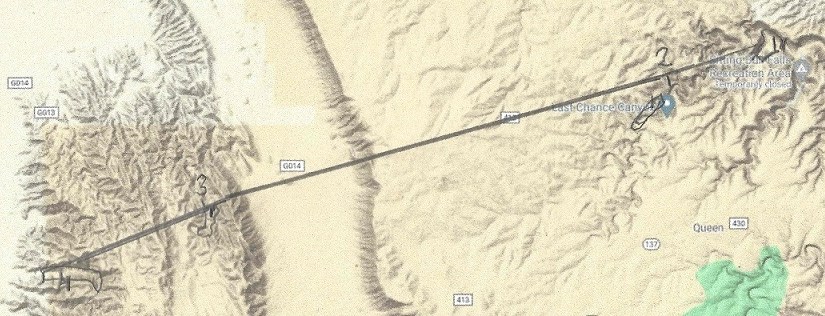
Dam 1 is the White Oaks Canyon Lake. It has a 2000 feet wide and up to 400 feet high dam, topping out at 5000 feet, and the lake holds a volume of up to 80,000 acre-ft of water.
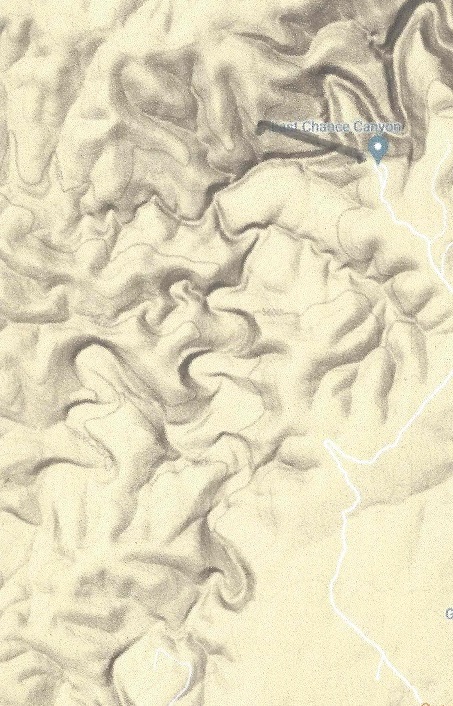
Dam 2 dams the Last Chance Canyon Lake. It has a 2200 feet wide and up to 380 feet high dam, topping out at 5680 feet, and the lake holds a water volume of up to 35,000 acre-ft.
The Stage 7 is a tunnel, starting at 4600 feet and ending at 4492 feet maximum levels. The 20 mile long tunnel will drop 44 feet as it passes under the mountain.
Dam 3 dams the Upper Canyon reservoir. It has a 1600 feet wide and up to 240 feet high dam, topping out at 5200 feet, and the lake holds a volume of up to 15,000 acre-ft of water.
Dam 4 dams the Arch Lewis Canyon Reservoir. It has a 3000 feet wide and up to 480 feet high dam, topping out at 4600 feet, and the lake holds a volume of up to 60,000 acre-ft of water.
Up to now all stages have pumped water up the mountains. This stage releases the hydroelectric water storage, and it does so even during peak power, so the water flows all 24 hours with peak electricity creation during peak usage. By now, the average flow is down to 19000 cfs , 24 hours a day. During off peak hours, 19000 cfs flows down the tunnel, the power generated is coming from Dam 1 with a water level of between 4980 feet and 4700 feet with an average of 4940 feet. The maximum output level of the water is 4640 feet, so a drop of 300 feet will generate a minimum of 440 MW of power, or 10.5 GWh/day. Part of this energy will be used to pump up the water to Dam 2 and 3. Dam 2 will pump 13,000 cfs of water from 4630 feet to between 5820 feet ans 5520 feet, (average 5760) for 19 hours, an average lift of 1,060 feet. This required a total of 23 GWh of energy per day , or 1.2 GW pf power. Dam 3 will pump 6,000 cfs of water from 4630 feet to between 5200 feet and 4930 feet, (average 5120) for 19 hours, an average lift of 520 feet. This required a total of 5.2 GWh of energy per day , or 270 MW pf power.
The net electricity needed during 19 off peak hours is 3.0 GW on average. This requires thirty 100 MW LFTR power stations. Normally the pumping power will come from excess wind and solar power, but the power plants will still have to be there when the sun doesn’t shine and the wind doesn’t burn. When there is excess power available the LFTR’s can make hydrogen for use for extra peak power. The electricity generated during the 5 peak hours is 49,000 cfs at a drop of 1060 feet, or 4.0 GW, from dam 2. From dam 3 it will be 22,800 cfs at a drop of 520 feet, or 900 MW. From the 2 dams , total electricity is 4.9 GW. Total electricity generated during these 5 hours is 24.5 GWh. This assumes a 93% efficiency of the reversible pumps from Dam 2 and 3 (you lose 7% both in the pumping and the generation phase.) The generators from Dam 1 are not reversible.
The tunnel capacity between Dam 1 and Dam 2 outlets is 19,000 cfs, between Dam 2 and 3 it is 49,000 cfs, and from Dam 3 to its exit in Dam 4 it is 71,800 cfs.
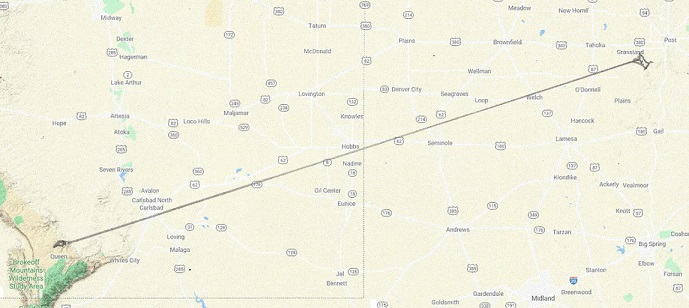
The fifth stage was from East of Sweetwater dam (to be constructed) to Grassland Canyon Lake (to be made). The sixth stage is big! The aqueduct travels from South of Lubbock, Texas to the Guadaloupe Mountains in New Mexico, a distance of 110 miles.
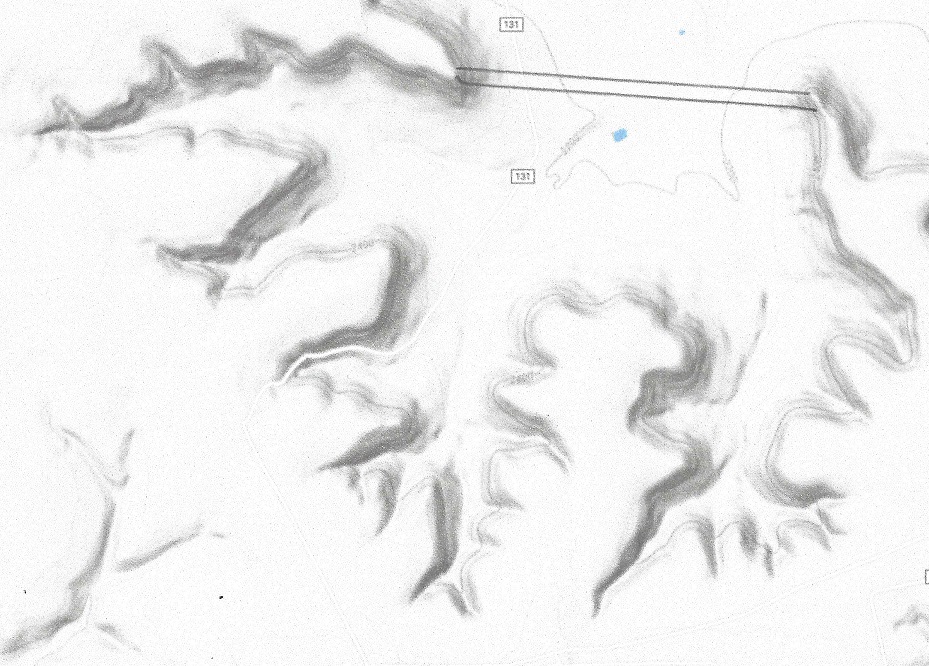
The elevation at the Grasslands Canyon lake will top out at 2800 feet with maximum water level at 2790 feet. The White Oaks Canyon dam is 400 feet high and will top out at 5000 feet with a maximum water level at 4950 feet. The total lift of the water in stage 6 is (4950 – 2790 + 110×2.2) feet = 2402 ft. To lift 25,000 cubic feet per second 2402 feet requires fifty-three 100 MW LFTR nuclear reactors, thirteen on the Texas Grid and forty on the Western national grid. The White oaks Canyon Lake will contain about 130,000 Acre-ft of water when full, about three days of storage. For 5 hours per day these fifty-three reactors used in this stage can provide 5.3 GW of peak power to the grid instead of pumping water, thus acting as a virtual hydroelectric peak power storage. 1.3 GW of this will be used by the Texas Power Grid, and 4.0 GW by the Western U.S. Power grid, and they have to be coordinated. One alternative is that this grid can be connected to either the Texas grid or the Western Grid dependent on who needs the peak power. The White Oaks dam will look like this:
The third stage was from Brad lake to North of Baird dams (to be constructed).
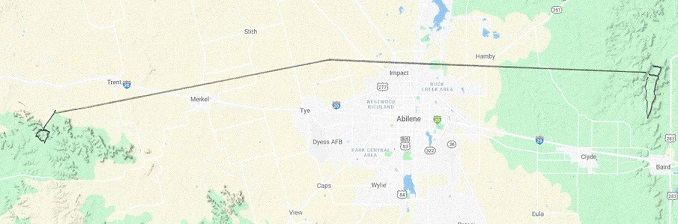
The elevation at the upper North of Baird dam is 1830 feet. From 19.5 miles ENE of Abilene to the East of Sweetwater dam the distance is 60 miles . The East of Sweetwater dam will top out at 2460 feet with maximum water level at 2450 feet. The total lift of the water in stage 4 is (2450 – 1860 + 60×2.2) feet = 702 ft. To lift 26,000 cubic feet per second 700 feet requires fifteen 100 MW LFTR nuclear reactors The East of Sweetwater dam will contain about 100,000 Acre-ft when full, about two days worth of storage. For 5 hours per day these 15 reactors can provide 1.5 GW of peak power to the grid.
The second stage of the aqueduct went from Aquilla Lake to Brad Lake.
The elevation at Brad reservoir is 1370 feet. From 25 miles East of Breckenridge the aqueduct goes W to 19.5 miles ENE of Abilene, a distance of 60 miles . The dam yet to be built will top out at 1840 feet with maximum water level at 1830 feet. The total lift of the water in stage 3 is (1830 – 1370 + 60×2.2) feet = 592 ft. To lift 26,000 cubic feet per second 592 feet requires twelve 100 MW LFTR nuclear reactors The upper Baird reservoir will contain about 90,000 Acre-ft when full, about two days worth of storage. For 5 hours per day these twelve 100 MW reactors can provide 1 GW of peak power to the grid. There will be a lower dam to provide hydroelectric power storage of 4 GWh, of 800 MW for 5 hours, after which the lower dam will be re-emptied by pumping back the water to the upper dam, hopefully using surplus wind-power.
The Deadman Draw upper and lower lake
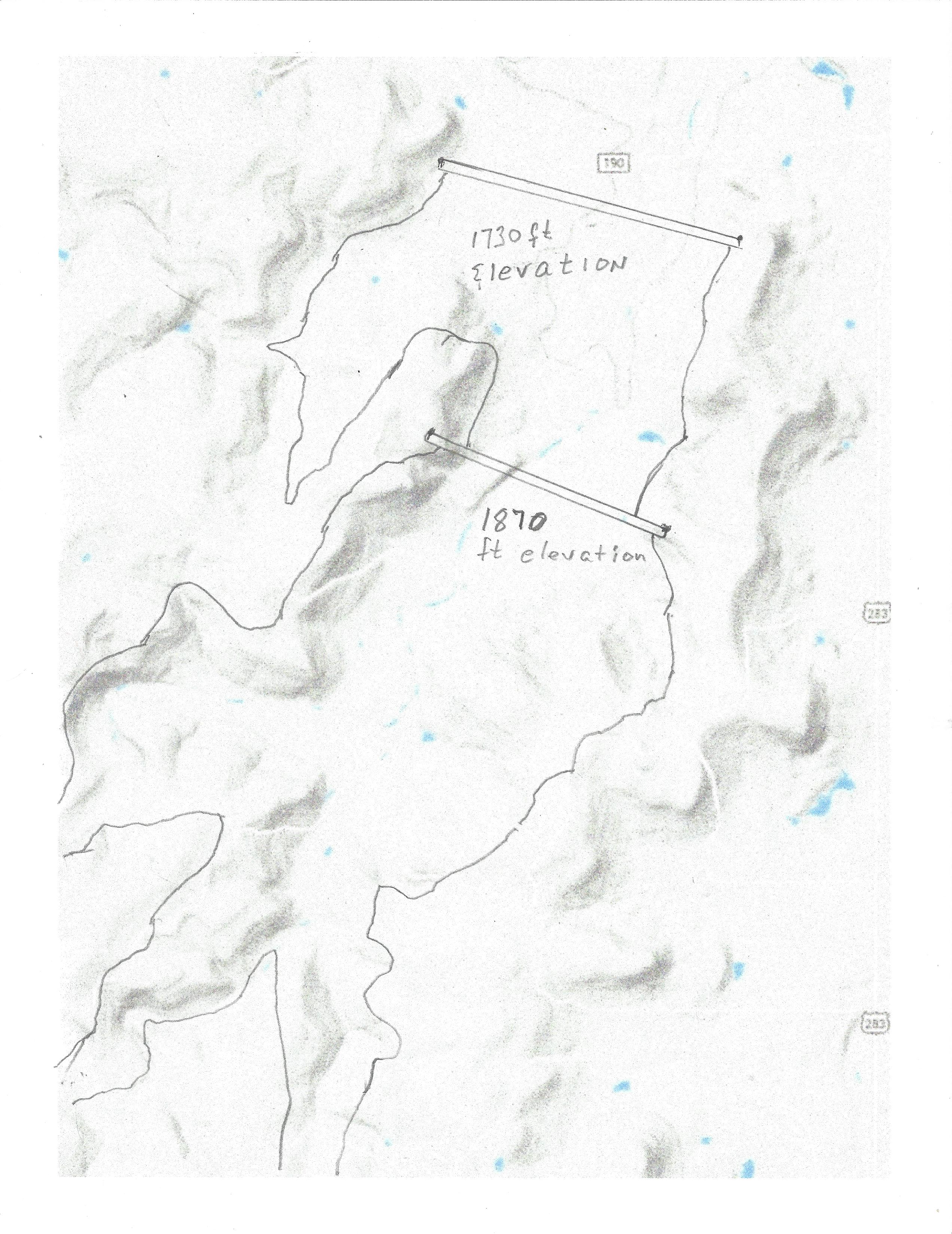
And this is what a hydroelectric power storage unit looks like:
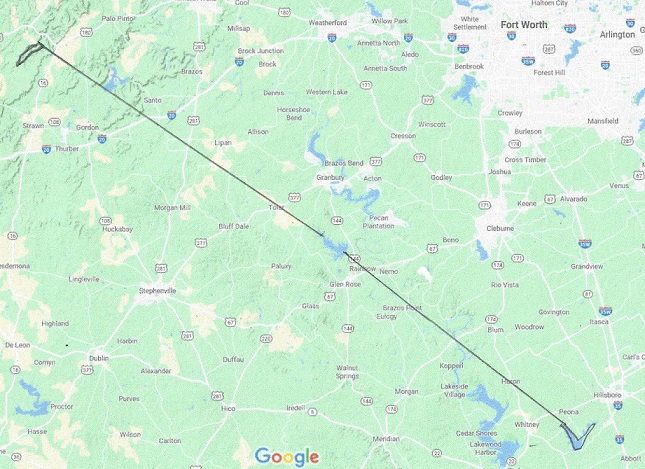
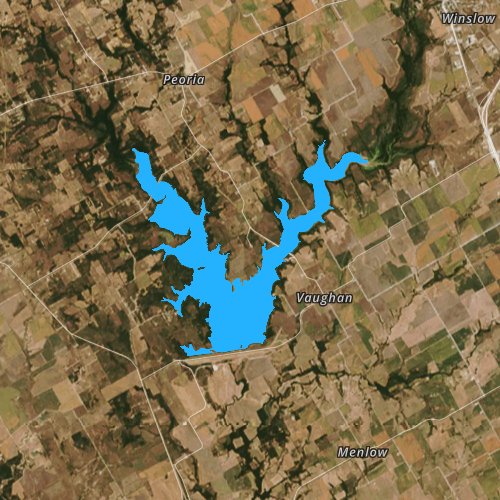
The first stage of the aqueduct was from the Mississippi river diversion to Lake Aquilla:
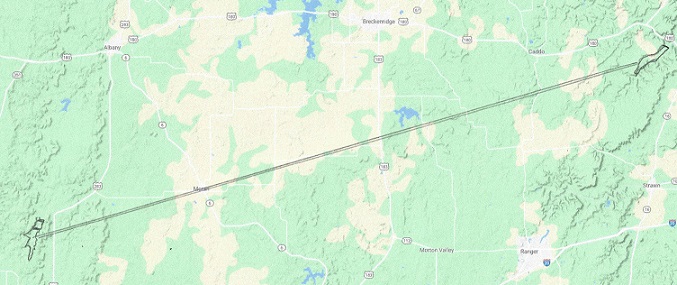
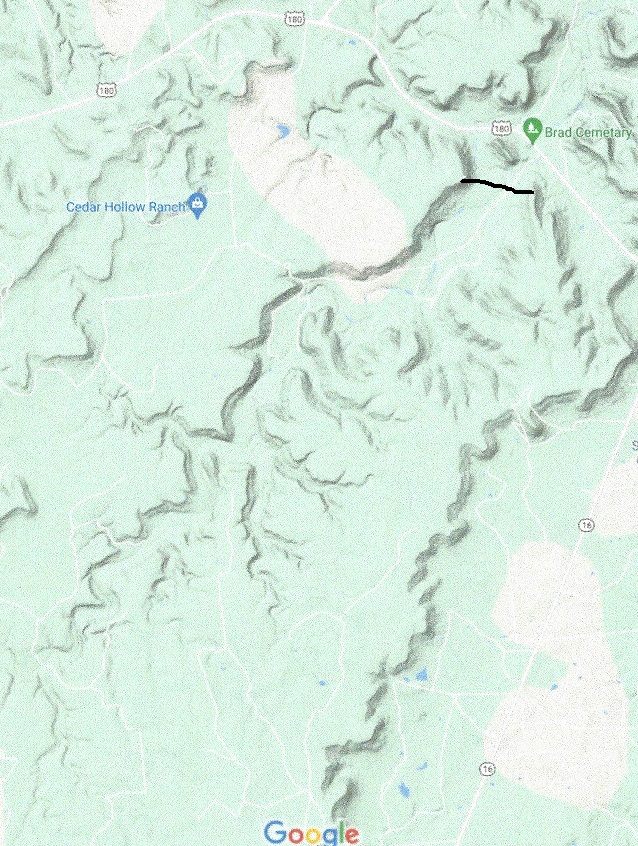
The elevation at this lake is 548 feet. From here the aqueduct goes NW to 25 miles East of Breckenridge. It crosses the Brazos river and then goes through the Squaw Creek reservoir. This reservoir is built to provide cooling water for a nuclear power plant. The aqueduct will provide extra water in case of extreme drought. The end of Stage 2 is a dam, located just south of the Brad Cemetery on U.S. route 180, 25 miles East of Breckenridge. The dam, yet to be built will top out at 1380 feet with maximum water level at 1370 feet. The total lift of the water in stage 2 is (1370 – 548 + 100×2.2) feet = 1062 ft. To lift 26,500 cubic feet per second 1062 feet requires twenty-three 100 MW LFTR nuclear reactors. Lake Brad will contain about 90,000 Acre-ft when full, about two day’s worth of storage. For 5 hours per day these 23 reactors can provide 2.3 GW of peak power to the grid. (The power can also be provided by wind power, during which time the LFTR’s can make hydrogen for extra peak power storage).







 Len Bilén's blog, a blog about faith, politics and the environment.