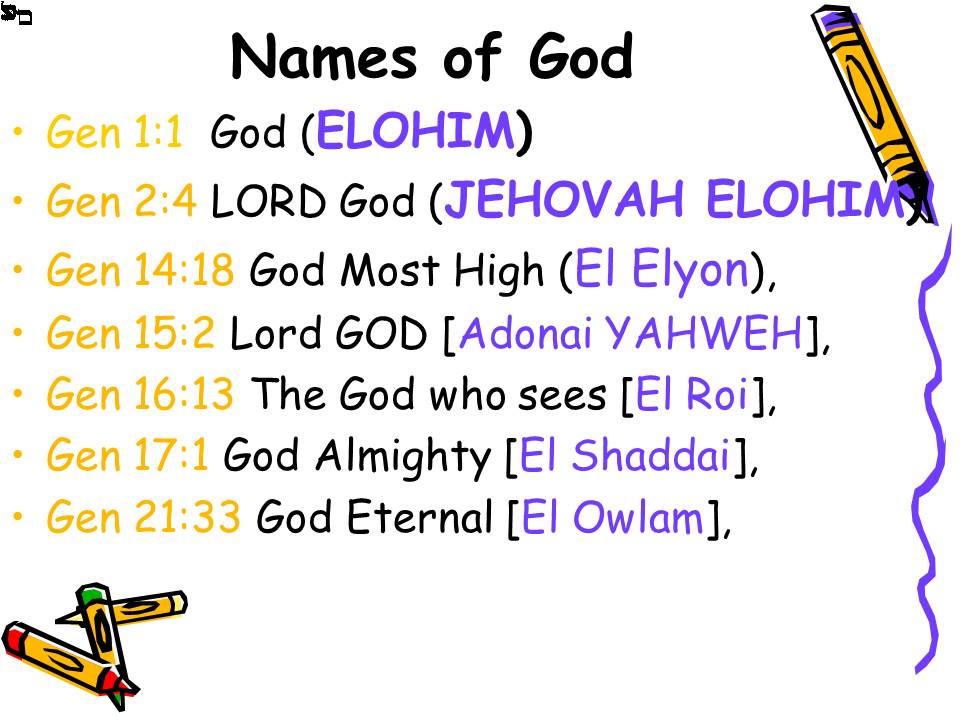
January 14, read the Bible in a year in PowerPoint; commented.

In John 10:1-21 Jesus told that he is the good shepherd, the gate for the sheep, there will be one flock and one shepherd, and the sheep hear and know his voice.

After Sarah’s death, in Genesis 25 Abraham married his concubine Ketorah, who had already borne him six children. Before his death he sent them all away with ample gifts and provisions but his inheritance he gave to Isaac. Isaac and Ishmael buried Abraham, and then Ishmael’s genealogy was written down. Finally is told the story of Jacob and Esau, and how Esau sold his birthright for a bowl of lentil stew and some bread.

Genesis 26 tells of Isaac and Rebekah, how Isaac too said Rebekah was his sister, like father, like son. In spite of that lie God protected them, and the rest of the chapter deals with the eternal Mideast dispute: Water right

Today’s selection of chapters illustrates well the difference between Jesus, the good shepherd and the intrigues in the Old Testament. Jesus gives his sheep protection, pasture and he knows where the good water is. The still waters are often polluted. Abraham married his concubine, but he never let them be part of his inheritance. Isaac and Ishmael buried Abraham, but Abraham never married Hagar even though she gave birth to his firstborn child. Jacob was always a schemer, blackmailed Esau out of his birthright, and told Abimelech Rebekah was his sister, a blatant lie. In spite of that they came to an agreement of water rights.
January 12, read the Bible in a year in PowerPoint; commented.

 John 8 begins with a sinful woman who was about to be stoned for adultery. Jesus last words to her was “Go and sin no more”. Jesus did not condemn her for the past but forgave and pointed to the future. Then he got into an argument with the religious powers about his and their ancestry. They claimed to be descendants of Abraham, and they questioned the legitimacy of Jesus. Jesus answered “Before Abraham, I am”. Jesus claimed to be God. This was of course blasphemy, unless it is true.

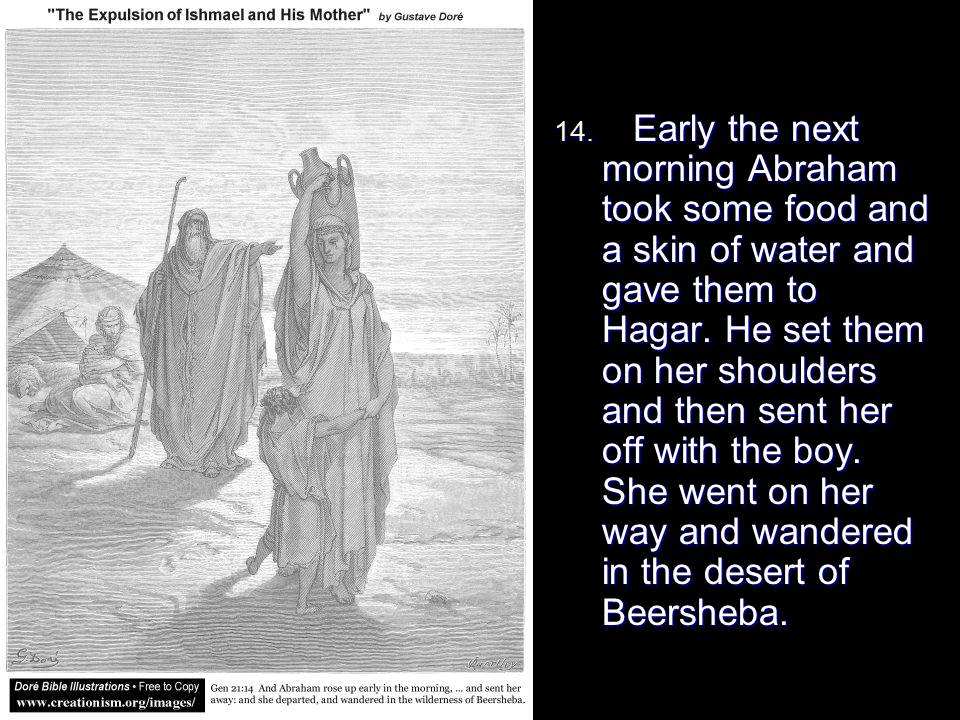
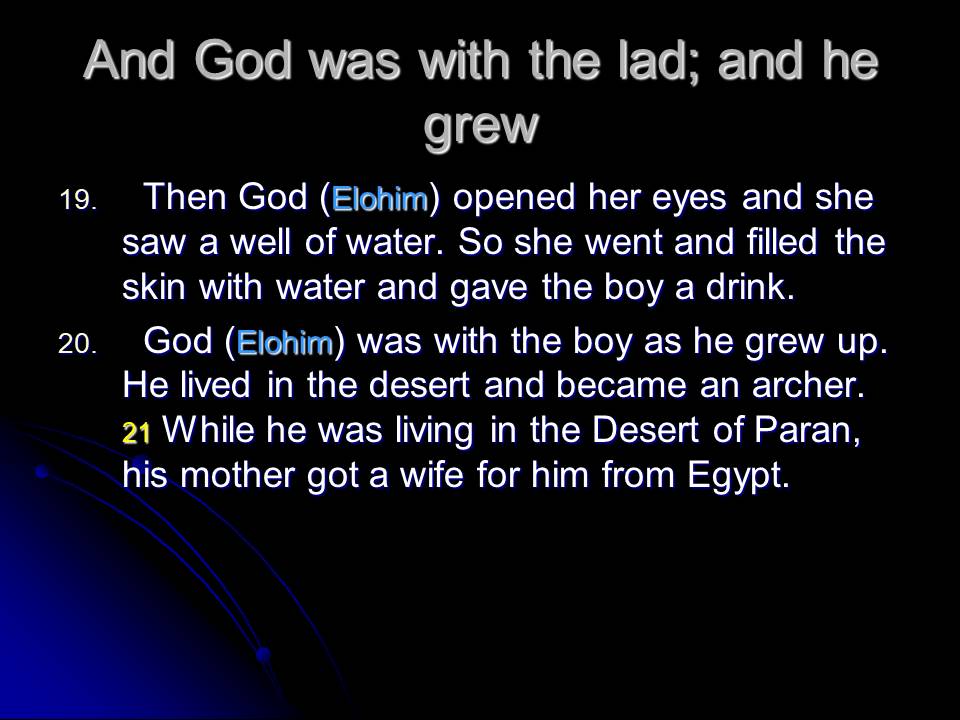
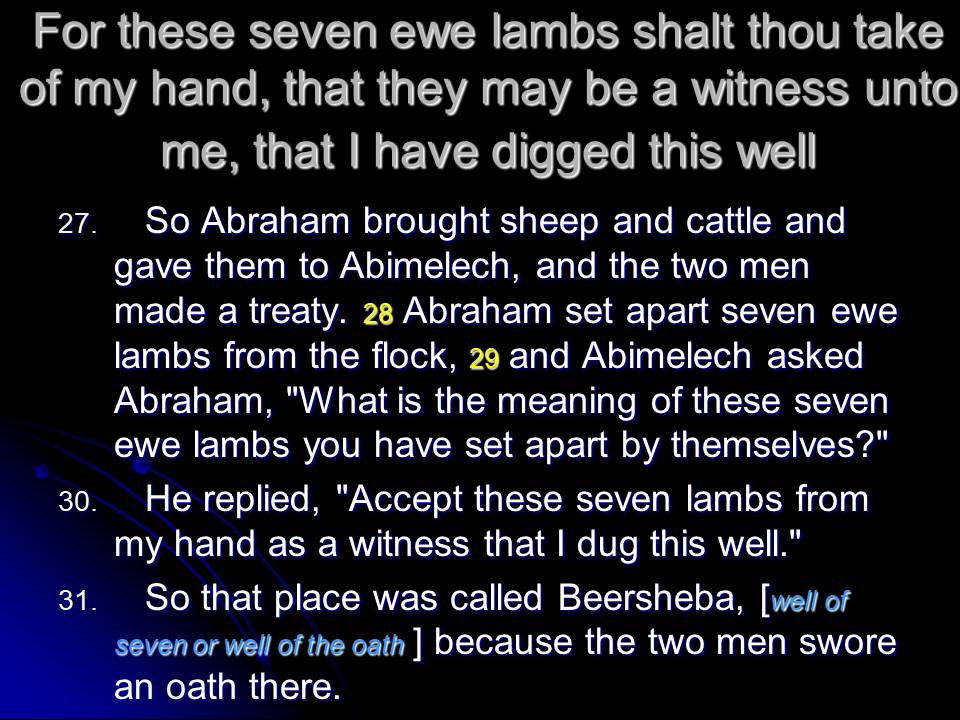
Genesis 21 tells about the birth of Isaac and when Ishmael made fun of it, Sarah got angry and Hagar and Ismael were sent away to die in the desert, but God protected them. The chapter also features the treaty between Abraham and Abimelech at Beersheba. This was the first treaty between men in the Bible and it was about water rights.

In  Genesis 22 Abraham was told by God to offer up his son Isaac to be sacrificed on Mount Moriah, the same mountain where Jesus was to be crucified. Obeying God he did what he was told, but at the last moment God provided a substitute sacrifice in the form of a ram.

These three chapters are significant. Read them through twice and ponder their importance: Jesus claiming deity, The birth of the Ishmaelite nation, later becoming the Islamic nations, the importance of water (The Bible begins and ends with water and a healing river in the middle) and Abraham’s faith being severely tested.

Genesis 21, the birth of Isaac, Hagar and Ishmael sent away, the treaty at Beersheba.

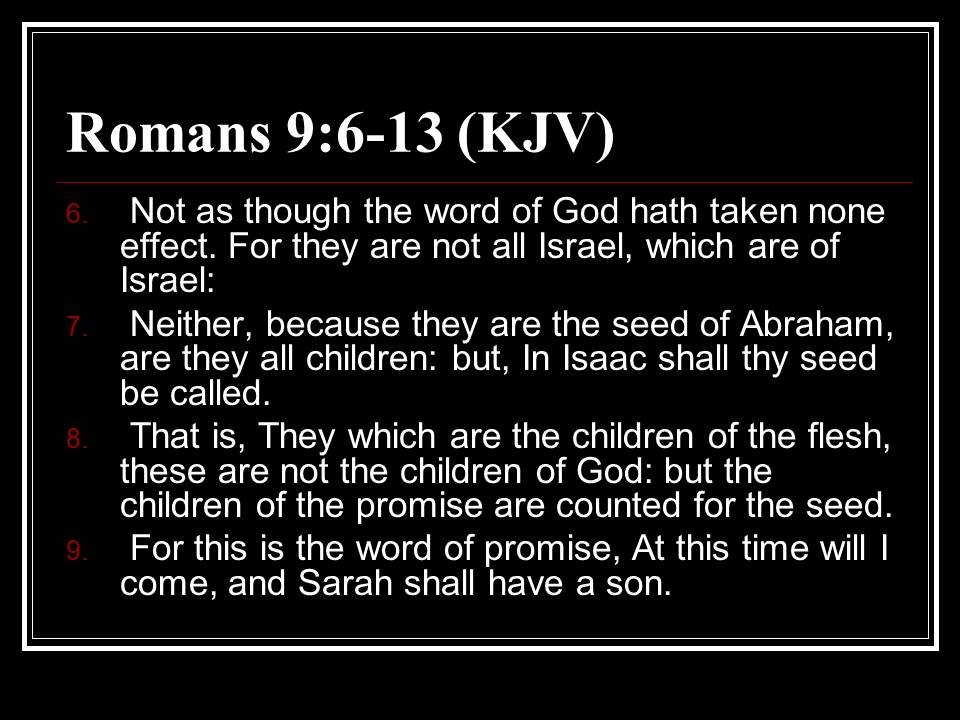
Ishmael was the firstborn son, but not the son of promise.


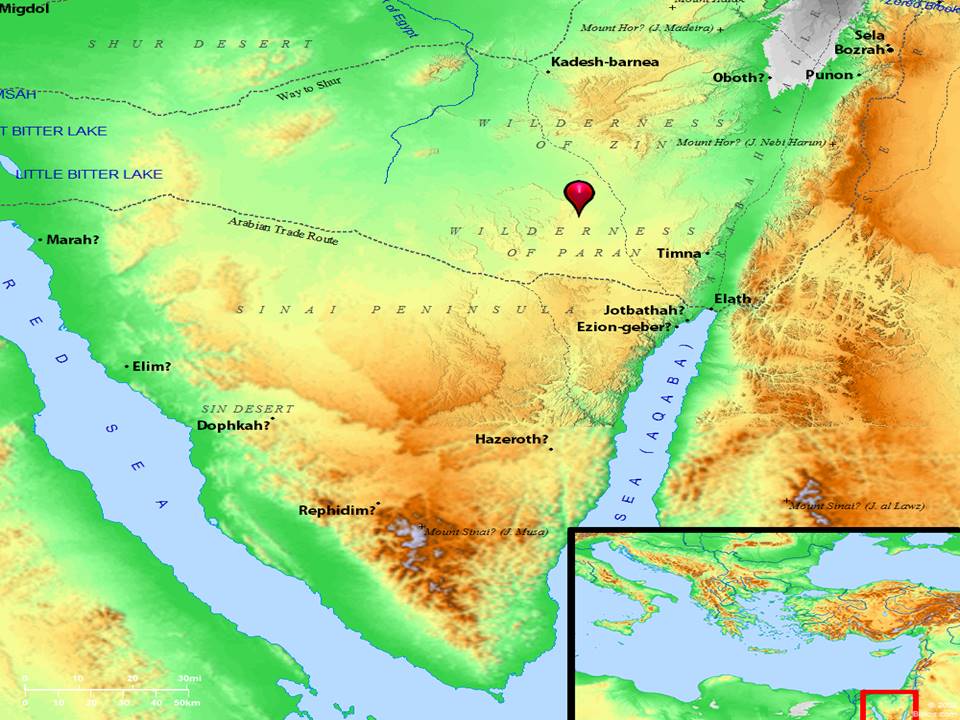
Hagar wandered in the dame areas as she had walked with Abraham before.

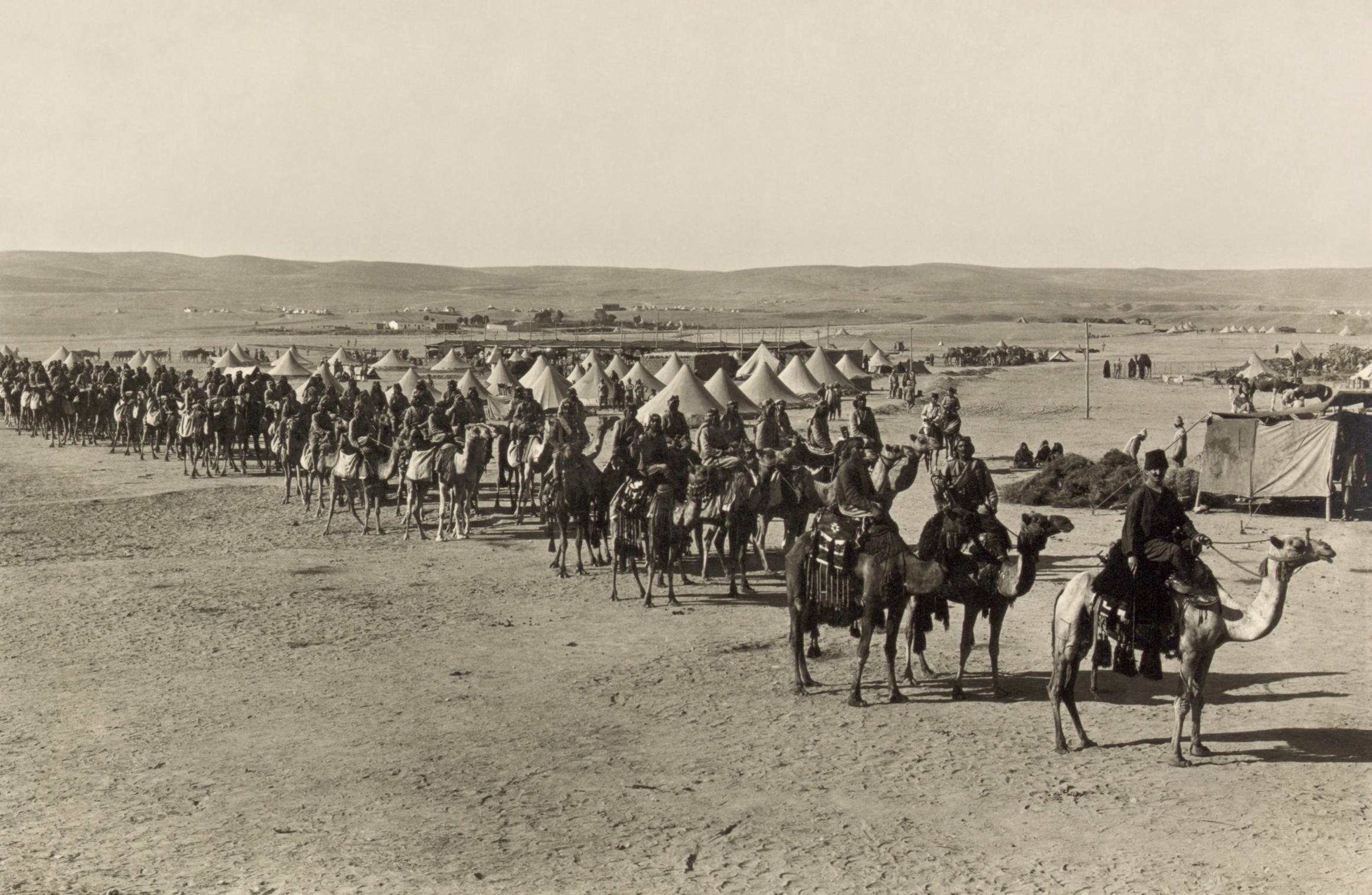
The battle of Beersheba occurred in 1917, when the Turks of the Ottoman Empire were routed.

Leading the charge was the Fourth Light Horse Brigade. They look more like camels to me.