February 25, read the Bible in a year in PowerPoint; with comments.

Matthew 13:31-58. Jesus told many parables on the Kingdom of heaven: The mustard seed and the yeast, the hidden treasure, the pearl of great price and the fishermen and the net. Then Jesus explained what the parables meant to his disciples. The parables were well received, except in his own hometown, about which Jesus said: ” Only in his hometown and in his own house is a prophet without honor”.

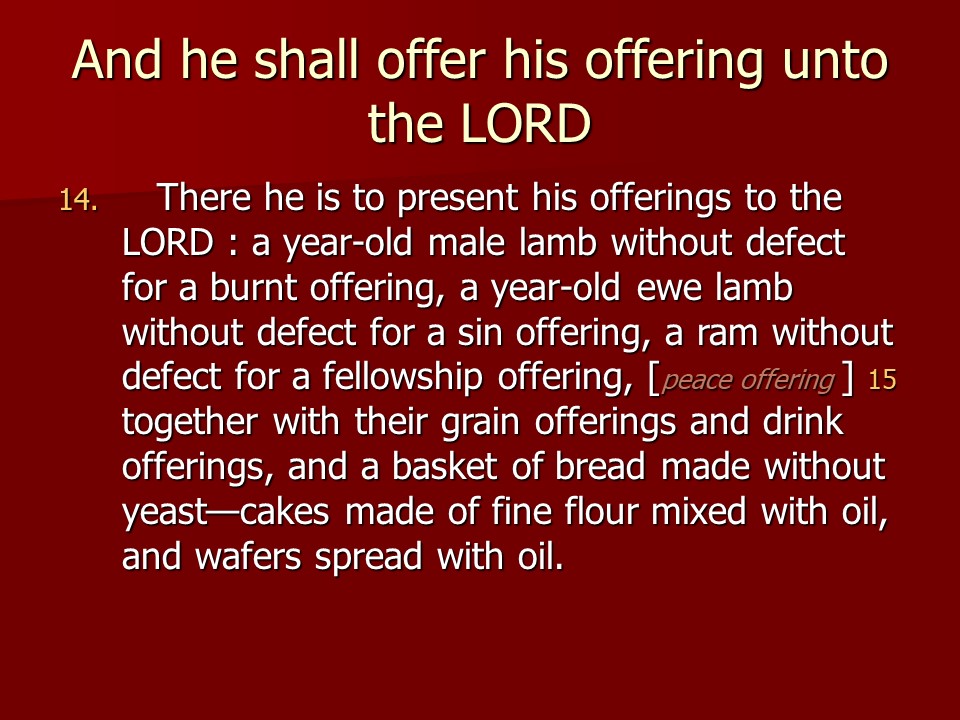
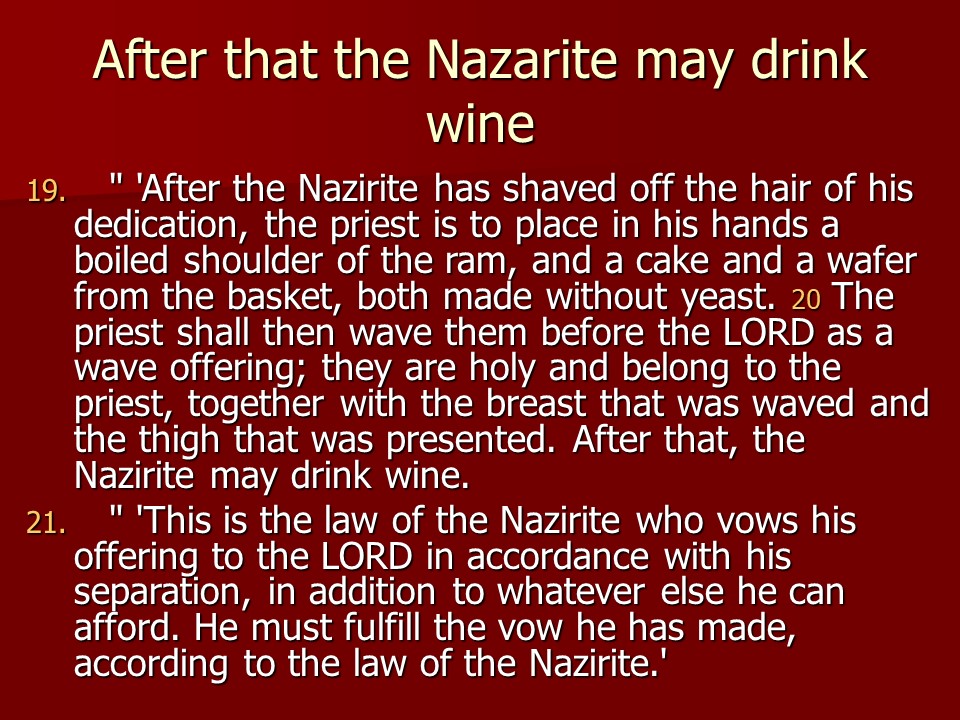
Numbers 6 tells of the vow of the Nazirite, how he (or she!) must separate themselves totally to the LORD, not shave their hair, not eat anything from the grape, not even the dry skin, not touch any dead bodies and so on. When the separation is over an offering must be given. Thankfully the chapter ends with the priestly blessing: “The Lord bless thee, and keep thee:  The Lord make his face shine upon thee, and be gracious unto thee: The Lord lift up his countenance upon thee, and give thee peace.

Numbers 7 has 89 verses, but the chapter only seems long since the same offerings for the dedication of the tabernacle are repeated for each of the twelve tribes.
February 25, read the Bible in a year; in PowerPoint, with comments.

Matthew 13:31-58. Jesus told many parables on the Kingdom of heaven: The mustard seed and the yeast, the hidden treasure, the pearl of great price and the fishermen and the net. Then Jesus explained what the parables meant to his disciples. The parables were well received, except in his own hometown, about which Jesus said: ” Only in his hometown and in his own house is a prophet without honor”.

Numbers 6 tells of the vow of the Nazirite, how he (or she!) must separate themselves totally to the LORD, not shave their hair, not eat anything from the grape, not even the dry skin, not touch any dead bodies and so on. When the separation is over an offering must be given. Thankfully the chapter ends with the priestly blessing: “The Lord bless thee, and keep thee:  The Lord make his face shine upon thee, and be gracious unto thee: The Lord lift up his countenance upon thee, and give thee peace.

Numbers 7 has 89 verses, but the chapter only seems long since the same offerings for the dedication of the tabernacle are repeated for each of the twelve tribes.

Day 56 of reading the Holy Bible in 365 days.

Matthew 13:31-58. Jesus told many parables on the Kingdom of heaven: The mustard seed and the yeast, the hidden treasure, the pearl of great price and the fishermen and the net. Then Jesus explained what the parables meant to his disciples. The parables were well received, except in his own hometown, about which Jesus said: ” Only in his hometown and in his own house is a prophet without honor”.

Numbers 6 tells of the vow of the Nazirite, how he (or she!) must separate themselves totally to the LORD, not shave their hair, not eat anything from the grape, not even the dry skin, not touch any dead bodies and so on. When the separation is over an offering must be given. Thankfully the chapter ends with the priestly blessing: “The Lord bless thee, and keep thee:  The Lord make his face shine upon thee, and be gracious unto thee: The Lord lift up his countenance upon thee, and give thee peace.

Numbers 7 has 89 verses, but the chapter only seems long since the same offerings for the dedication of the tabernacle are repeated for each of the twelve tribes.

February 25: Read through the Holy Bible in a year.

Matthew 13:31-58. Jesus told many parables on the Kingdom of heaven: The mustard seed and the yeast, the hidden treasure, the pearl of great price and the fishermen and the net. Then Jesus explained what the parables meant to his disciples. The parables were well received, except in his own hometown, about which Jesus said: ” Only in his hometown and in his own house is a prophet without honor”.

Numbers 6 tells of the vow of the Nazirite, how he (or she!) must separate themselves totally to the LORD, not shave the hair, not eat anything from the grape, not even the dry skin, not touch any dead bodies and so on. When the separation is over an offering must be given. Thankfully the chapter ends with the priestly blessing: “The Lord bless thee, and keep thee:  The Lord make his face shine upon thee, and be gracious unto thee: The Lord lift up his countenance upon thee, and give thee peace.

Numbers 7 has 89 verses, but the chapter only seems long since the same offerings for the dedication of the tabernacle are repeated for each of the twelve tribes.
February 25: Read through the Holy Bible in a year.

Matthew 13:31-58. Jesus told many parables on the Kingdom of heaven: The mustard seed and the yeast, the hidden treasure, the pearl of great price and the fishermen and the net. Then Jesus explained what the parables meant to his disciples. The parables were well received, except in his own hometown, about which Jesus said: ” Only in his hometown and in his own house is a prophet without honor”.

Numbers 6 tells of the vow of the Nazirite, how he (or she!) must separate themselves totally to the LORD, not shave the hair, not eat anything from the grape, not even the dry skin, not touch any dead bodies and so on. When the separation is over an offering must be given. Thankfully the chapter ends with the priestly blessing: “The Lord bless thee, and keep thee:  The Lord make his face shine upon thee, and be gracious unto thee: The Lord lift up his countenance upon thee, and give thee peace.

Numbers 7 has 89 verses, but the chapter only seems long since the same offerings for the dedication of the tabernacle are repeated for each of the twelve tribes.

February 24, read through the Bible in a year.

Today there are four chapters to read.

February 24: Psalm 9, Psalm 10, Numbers 5, Numbers 6 (click on the chapter to begin reading)

Psalm 9 and Psalm 10 may belong together as they do in the Septuagint. They speak of God’s faithfulness and the only temporary victories of the wicked one.

Numbers 5 deals with purity, how to deal with leprosy or dead bodies, restitution for wrongdoings and how to deal with marital unfaithfulness, especially for women.

Numbers 6 tells of the vow of the Nazarite, how he (or she!) must separate themselves totally to the LORD, not shave the hair, not eat anything from the grape, not even the dry skin, not touch any dead bodies and so on. When the separation is over an offering must be given. The chapter ends with the priestly blessing.