February 18, read the Bible in a year in PowerPoint; with comments.

Matthew 9:18-38. Jesus healed a woman with a bleeding issue, brought back a girl to life and healed the blind and mute. Then he looked at all the people, seeing they were sheep without a shepherd and said “The harvest is plentiful, but the workers are few”.

Leviticus 16 is the apex of Leviticus and tells of all the things Aaron must do on the day of Atonement to atone for his own sins and for the sins of the people during the year that was past. It also explains “the scapegoat”.

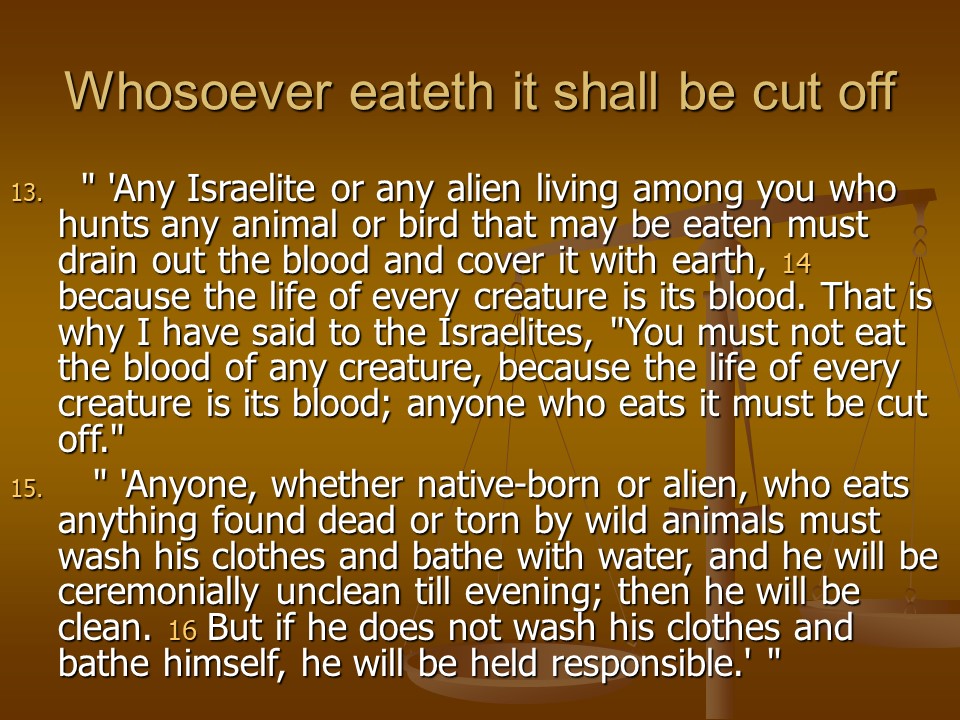
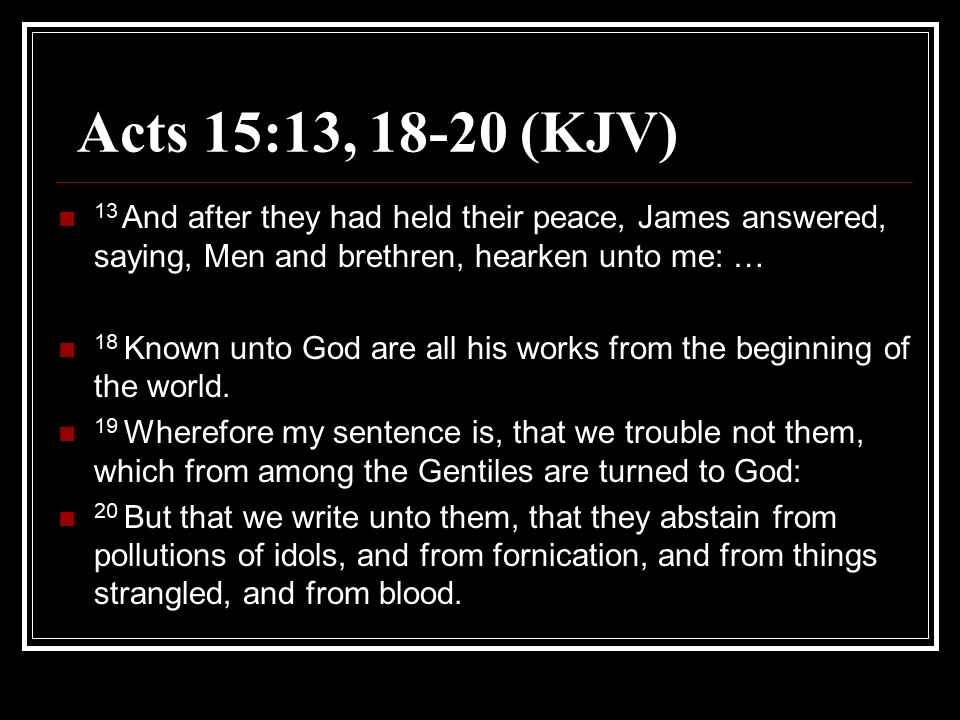
Leviticus 17 deals with the sanctity of blood and why eating of blood is forbidden in the Mosaic Law.

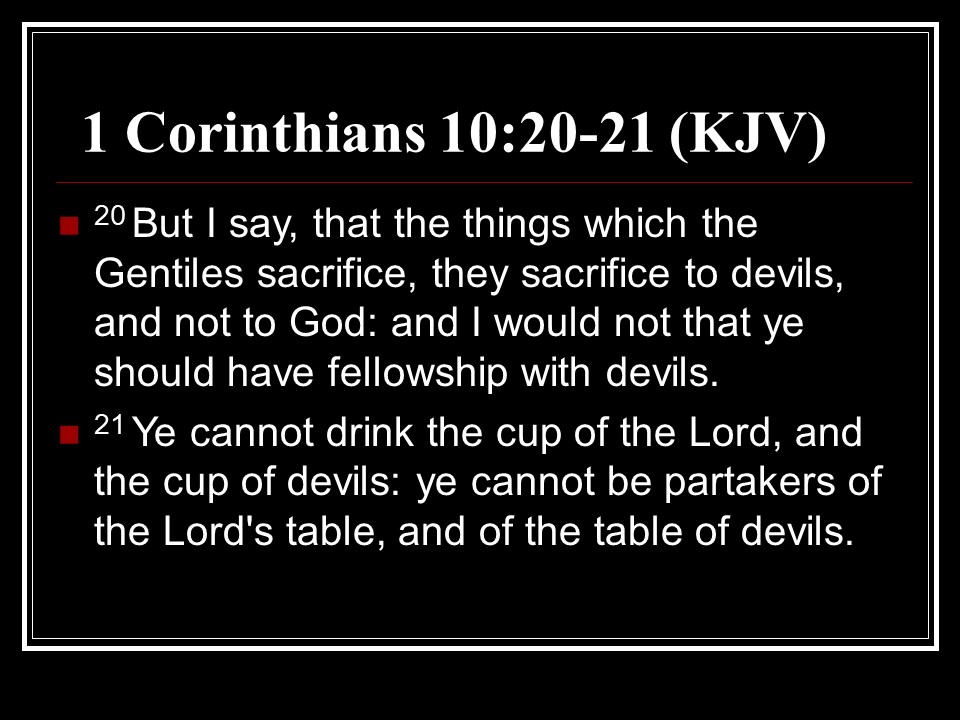
Leviticus 18 defines the laws of sexual morality, and especially tells to stay away from Molech, a Pagan god who enticed the people through sexual orgies, made them pass through the fire and offer child sacrifices (the result of those sexual orgies.)

February 18, read the Bible in a year; in PowerPoint, with comments.

Matthew 9:18-38. Jesus healed a woman with a bleeding issue, brought back a girl to life and healed the blind and mute. Then he looked at all the people, seeing they were sheep without a shepherd and said “The harvest is plentiful, but the workers are few”.

Leviticus 16 is the apex of Leviticus and tells of all the things Aaron must do on the day of Atonement to atone for his own sins and for the sins of the people during the year that was past. It also explains “the scapegoat”.

Leviticus 17 deals with the sanctity of blood and why eating of blood is forbidden in the Mosaic Law.

Leviticus 18 defines the laws of sexual morality, and especially tells to stay away from Molech, a Pagan god who enticed the people through sexual orgies, made them pass through the fire and offer child sacrifices (the result of those sexual orgies.)
Day 49 of reading the Holy Bible in 365 days.

Matthew 9:18-38. Jesus healed a woman with a bleeding issue, brought back a girl to life and healed the blind and mute. Then he looked at all the people, seeing they were sheep without a shepherd and said “The harvest is plentiful, but the workers are few”.

Leviticus 16 is the apex of Leviticus and tells of all the things Aaron must do on the day of Atonement to atone for his own sins and for the sins of the people during the year that was past. It also explains “the scapegoat”.

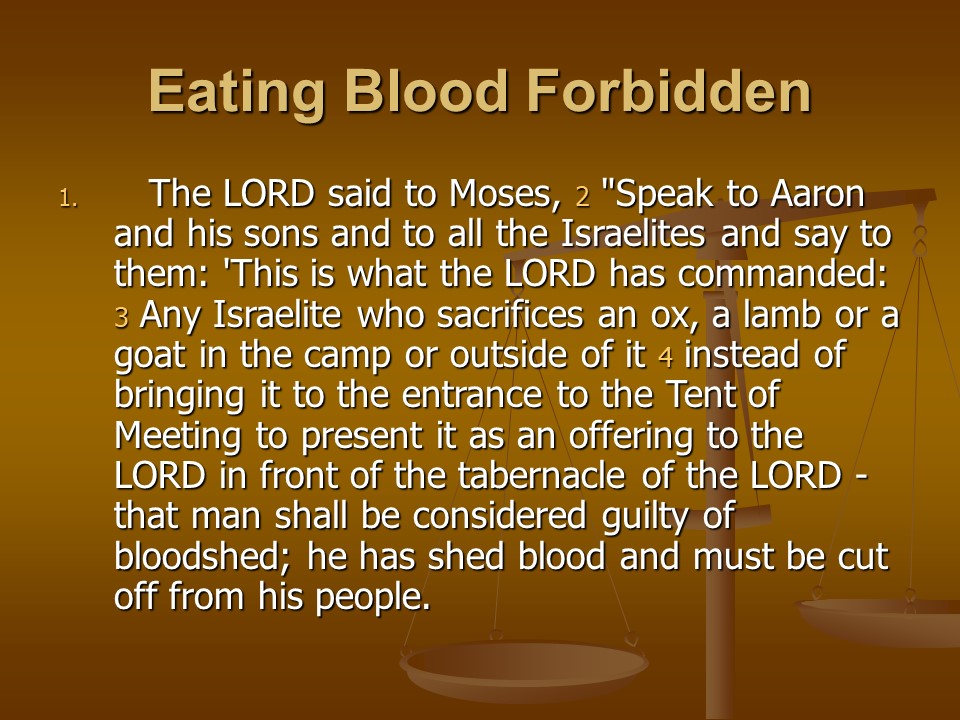
Leviticus 17 deals with the sanctity of blood and why eating of blood is forbidden in the Mosaic Law.

Leviticus 18 defines the laws of sexual morality, and especially to stay away from Molech,  a Pagan god who enticed the people through sexual orgies, made them pass through the fire and offer child sacrifices (the result of those sexual orgies.)

February 18: Read through the Holy Bible in a year.

Matthew 9:18-38. Jesus healed a woman with a bleeding issue, brought back a girl to life and healed the blind and mute. Then he looked at all the people, seeing they were sheep without a shepherd and said “The harvest is plentiful, but the workers are few”.

Leviticus 16 is the apex of Leviticus and tells of all the things Aaron must do on the day of Atonement to atone for his own sins and for the sins of the people during the year that was past. It also explains “the scapegoat”.

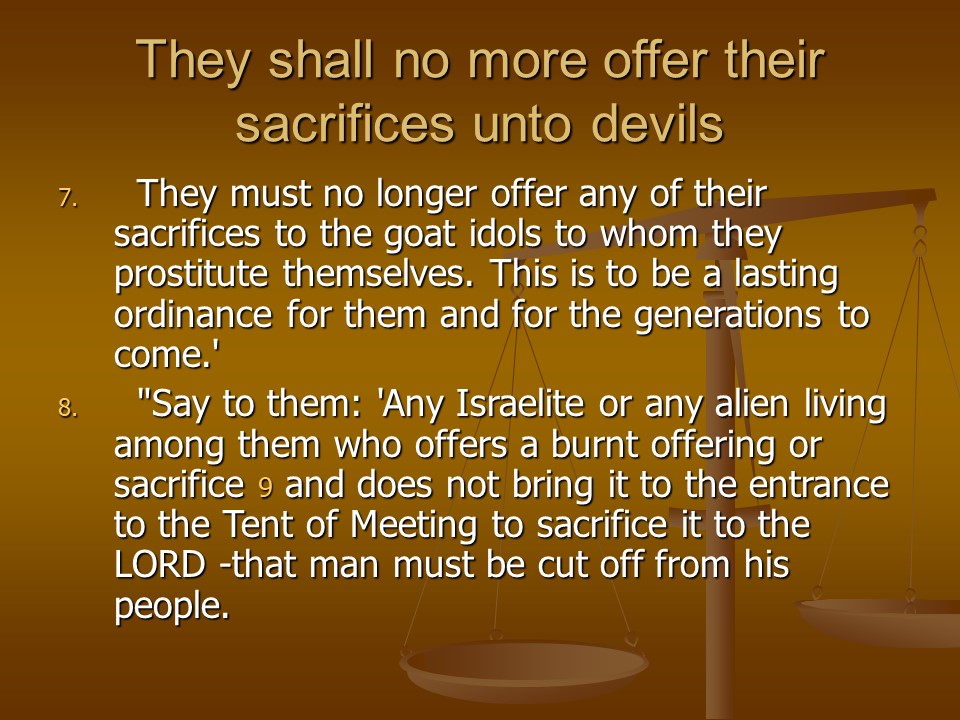
Leviticus 17 deals with the sanctity of blood and why eating of blood is forbidden in the Mosaic Law.

Leviticus 18 defines the laws of sexual morality, and especially to stay away from Molech,  a Pagan god who enticed the people through sexual orgies, made them pass through the fire and offer child sacrifices (the result of those sexual orgies.)
February 18: Read through the Holy Bible in a year.

Matthew 9:18-38. Jesus healed a woman with a bleeding issue, brought back a girl to life and healed the blind and mute. Then he looked at all the people, seeing they were sheep without a shepherd and said “The harvest is plentiful, but the workers are few”.

Leviticus 16 is the apex of Leviticus and tells of all the things Aaron must do on the day of Atonement to atone for his own sins and for the sins of the people during the year that was past. It also explains “the scapegoat”.

Leviticus 17 deals with the sanctity of blood and why eating of blood is forbidden in the Mosaic Law.

Leviticus 18 defines the laws of sexual morality, and especially to stay away from Molech,  a Pagan god who enticed the people through sexual orgies, made them pass through the fire and offer child sacrifices (the result of those sexual orgies.)
February 16, read through the Holy Bible in a year in Power-point, with comments.

In today’s reading, the chapter of Matthew contains many events, beginning with the triumphal entry. The two chapters of Leviticus deal with blood and sexual immorality.

February 16: Matthew 21, Leviticus 17, Leviticus 18 (click on the chapter to begin reading)

Matthew 21 starts with the triumphal entry, and that event begins what is called the “holy week” Jesus rode in to Jerusalem on an unbroken colt. In Jerusalem Jesus cleansed the temple and threw out the money changers. The spiritual leaders were offended that people sang “Hosanna in the highest” at the triumphal entry, even that little children sang it. As an object lesson Jesus cursed a fig tree, the symbol of Israel, and it withered. The spiritual leaders also questioned Jesus authority. Instead of giving an answer Jesus gave two parables, the one about the two sons and the parable about the wicked tenants. Moving on, Jesus quoted scripture by saying :The stone  the builders rejected has become the cornerstone” meaning that the kingdom of God will be inherited by another people.

Leviticus 17 deals with the sanctity of blood and why eating of blood is forbidden in the Mosaic Law.

Leviticus 18 defines the laws of sexual morality, and especially to stay away from Molech,  a Pagan god who enticed the people through sexual orgies, made them pass through the fire and offer child sacrifices (the result of those sexual orgies.)

February 16, read through the Bible in a year.

Today there are three chapters.

February 16: Matthew 21, Leviticus 17, Leviticus 18 (click on the chapter to begin reading)

Matthew 21 starts with the triumphal entry, and that begins what is called the “holy week” Jesus rides in on an unbroken colt. In Jerusalem Jesus cleanses the temple and throws out the money changers. The spiritual leaders were offended that people sang “Hosanna in the highest” at the triumphal entry, even little children sang it. Then comes the story of the withering fig tree, the symbol of Israel. The spiritual leaders also questioned Jesus authority. Instead of giving an answer Jesus gave two parables, the one about the two sons and the parable about the wicked tenants. Moving on Jesus quotes scripture by saying :The stone  the builders rejected has become the cornerstone” meaning that the kingdom of God will be inherited by another people.

Leviticus 17 deals with the sanctity of blood and why eating of blood is forbidden.

Leviticus 18 defines the laws of sexual morality, and especially to stay away from Molech,  which involves sexual orgies, pass through the fire and child sacrifices.