March 20, read the Bible in a year in PowerPoint; commented

Matthew 25: 31-46. Jesus will return to judge the nations, to illustrate how he told the parable of the sheep and the goats, and the sheep were defined as those who do God’s will “You did it for me.”

Deuteronomy 22 contains more instructions, protect your brother’s property, the LORD detests unisex clothing, protect nesting birds, do not yoke an ox and a donkey together. The chapter ends with various laws on sexual morality.

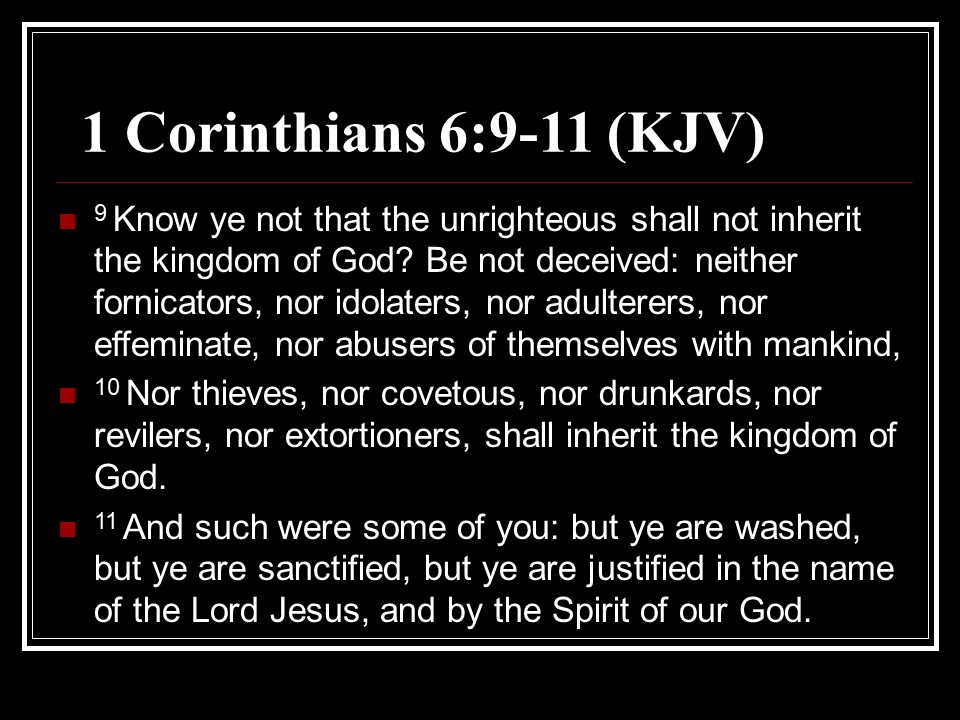
Deuteronomy 23 deals with shunning and exclusion from the assembly, how to deal or not to deal with certain foreigners. Make your relief stations outside the camp and do what you have to do and keep proper camping cleanliness. No harlots allowed and do not accept offerings from them. You may not charge interest to a fellow Israelite, but you can be a Shylock to a foreigner. If you make a vow to the Lord, you better fulfill it!

Deuteronomy 24 tells of divorce laws and limitations for remarriage, leprosy, lending laws, how to properly pay workmen, and after harvest please leave the gleanings.

February 18, read the Bible in a year in PowerPoint; commented

Matthew 9:18-38. Jesus healed a woman with a bleeding issue, brought back a girl to life and healed the blind and mute. Then he looked at all the people, seeing they were sheep without a shepherd and said “The harvest is plentiful, but the workers are few”.

Leviticus 16 is the apex of Leviticus and tells of all the things Aaron must do on the day of Atonement to atone for his own sins and for the sins of the people during the past year. It also explains “the scapegoat”.

Leviticus 17 deals with the sanctity of blood and why eating of blood is forbidden in the Mosaic Law.

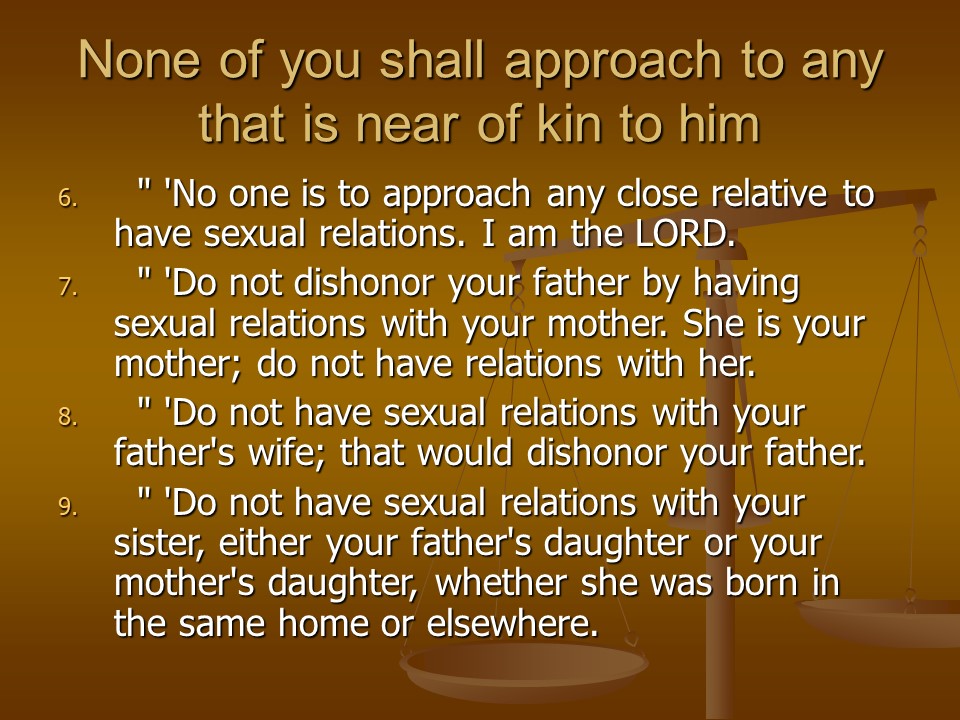
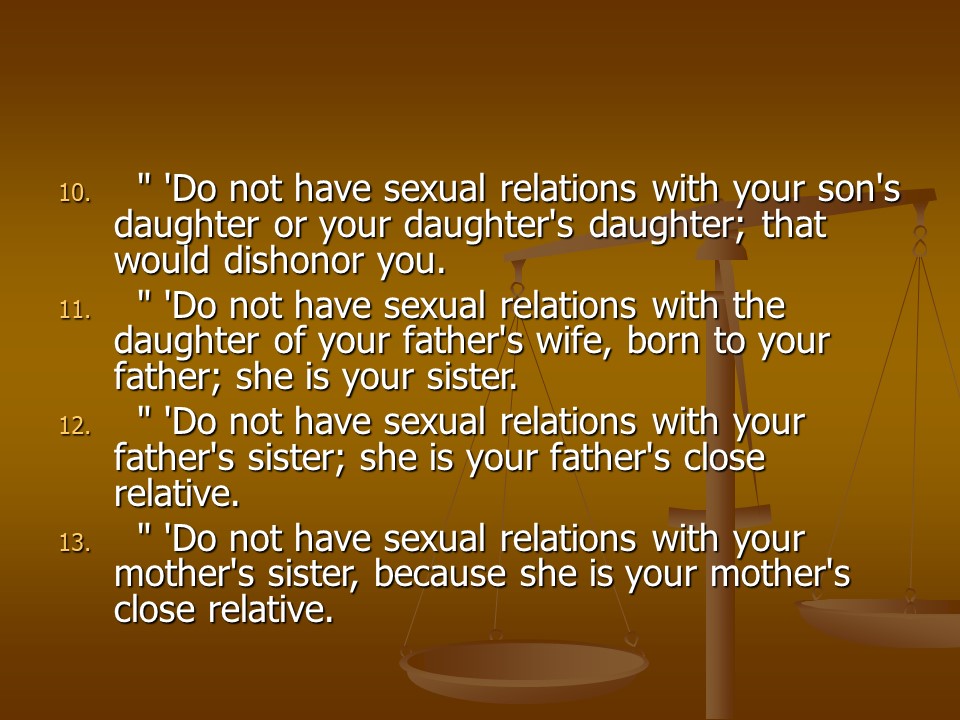
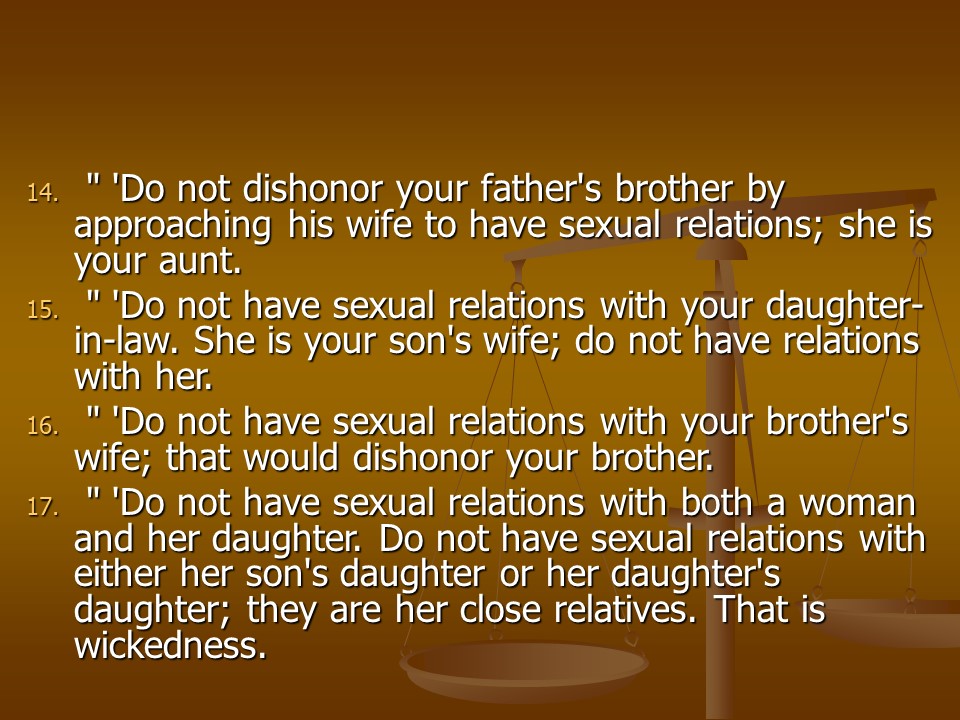
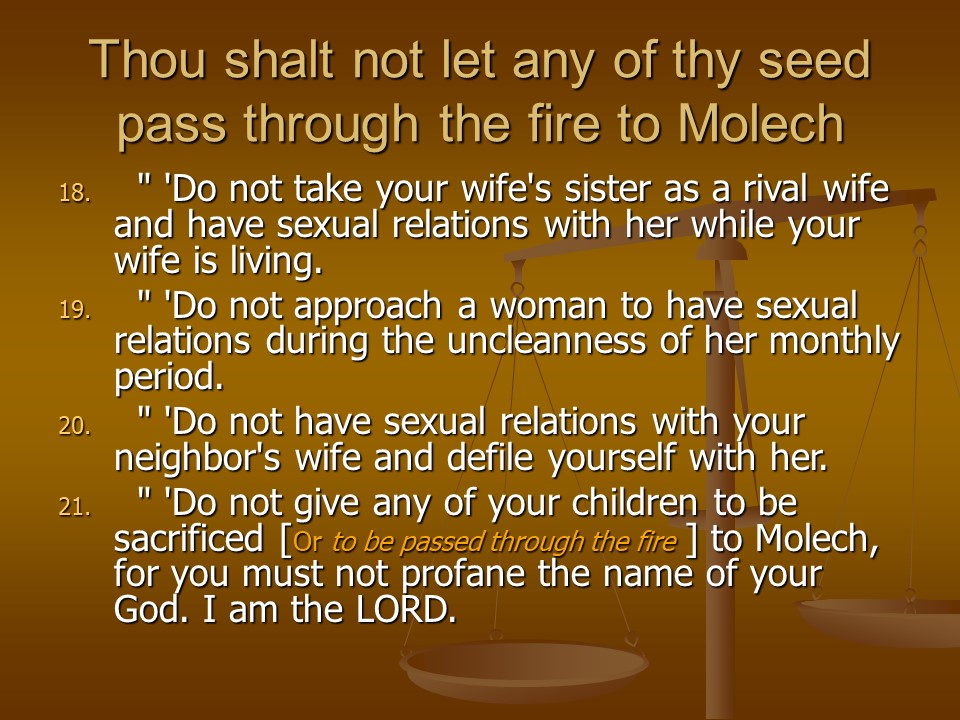
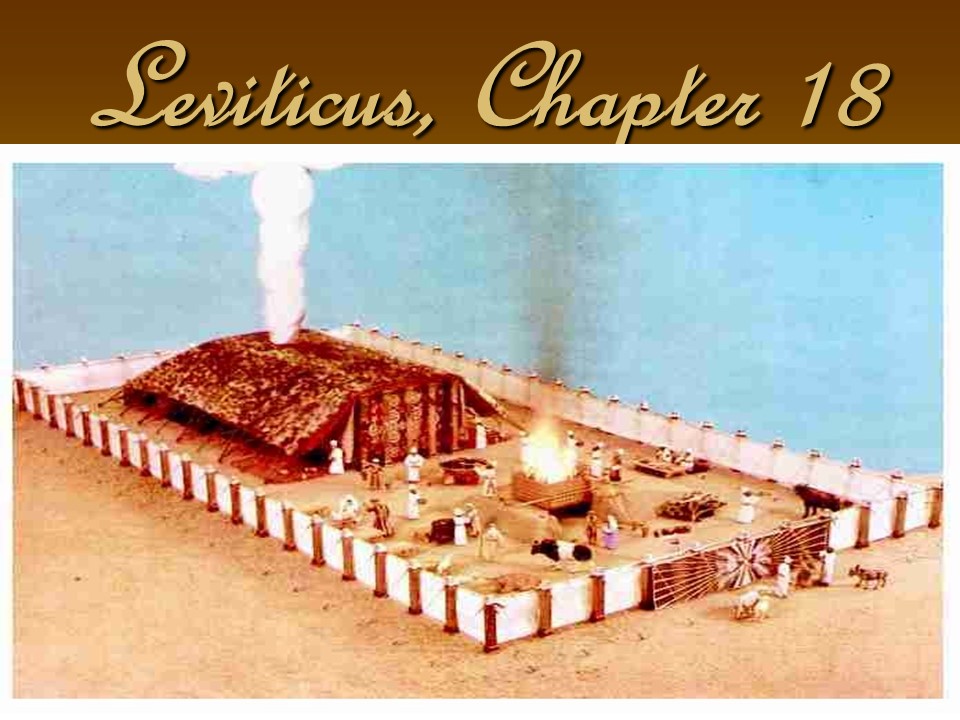
Leviticus 18 defines the laws of sexual morality, and especially tells to stay away from Molech, a Pagan god who enticed the people through sexual orgies, made them pass through the fire and offer child sacrifices (the result of those sexual orgies.)

February 18, read the Bible in a year in PowerPoint; with comments.

Matthew 9:18-38. Jesus healed a woman with a bleeding issue, brought back a girl to life and healed the blind and mute. Then he looked at all the people, seeing they were sheep without a shepherd and said “The harvest is plentiful, but the workers are few”.

Leviticus 16 is the apex of Leviticus and tells of all the things Aaron must do on the day of Atonement to atone for his own sins and for the sins of the people during the year that was past. It also explains “the scapegoat”.

Leviticus 17 deals with the sanctity of blood and why eating of blood is forbidden in the Mosaic Law.

Leviticus 18 defines the laws of sexual morality, and especially tells to stay away from Molech, a Pagan god who enticed the people through sexual orgies, made them pass through the fire and offer child sacrifices (the result of those sexual orgies.)

February 18, read the Bible in a year; in PowerPoint, with comments.

Matthew 9:18-38. Jesus healed a woman with a bleeding issue, brought back a girl to life and healed the blind and mute. Then he looked at all the people, seeing they were sheep without a shepherd and said “The harvest is plentiful, but the workers are few”.

Leviticus 16 is the apex of Leviticus and tells of all the things Aaron must do on the day of Atonement to atone for his own sins and for the sins of the people during the year that was past. It also explains “the scapegoat”.

Leviticus 17 deals with the sanctity of blood and why eating of blood is forbidden in the Mosaic Law.

Leviticus 18 defines the laws of sexual morality, and especially tells to stay away from Molech, a Pagan god who enticed the people through sexual orgies, made them pass through the fire and offer child sacrifices (the result of those sexual orgies.)

Day 49 of reading the Holy Bible in 365 days.

Matthew 9:18-38. Jesus healed a woman with a bleeding issue, brought back a girl to life and healed the blind and mute. Then he looked at all the people, seeing they were sheep without a shepherd and said “The harvest is plentiful, but the workers are few”.

Leviticus 16 is the apex of Leviticus and tells of all the things Aaron must do on the day of Atonement to atone for his own sins and for the sins of the people during the year that was past. It also explains “the scapegoat”.

Leviticus 17 deals with the sanctity of blood and why eating of blood is forbidden in the Mosaic Law.

Leviticus 18 defines the laws of sexual morality, and especially to stay away from Molech,  a Pagan god who enticed the people through sexual orgies, made them pass through the fire and offer child sacrifices (the result of those sexual orgies.)

February 18: Read through the Holy Bible in a year.

Matthew 9:18-38. Jesus healed a woman with a bleeding issue, brought back a girl to life and healed the blind and mute. Then he looked at all the people, seeing they were sheep without a shepherd and said “The harvest is plentiful, but the workers are few”.

Leviticus 16 is the apex of Leviticus and tells of all the things Aaron must do on the day of Atonement to atone for his own sins and for the sins of the people during the year that was past. It also explains “the scapegoat”.

Leviticus 17 deals with the sanctity of blood and why eating of blood is forbidden in the Mosaic Law.

Leviticus 18 defines the laws of sexual morality, and especially to stay away from Molech,  a Pagan god who enticed the people through sexual orgies, made them pass through the fire and offer child sacrifices (the result of those sexual orgies.)