February 22: Read through the Holy Bible in a year.

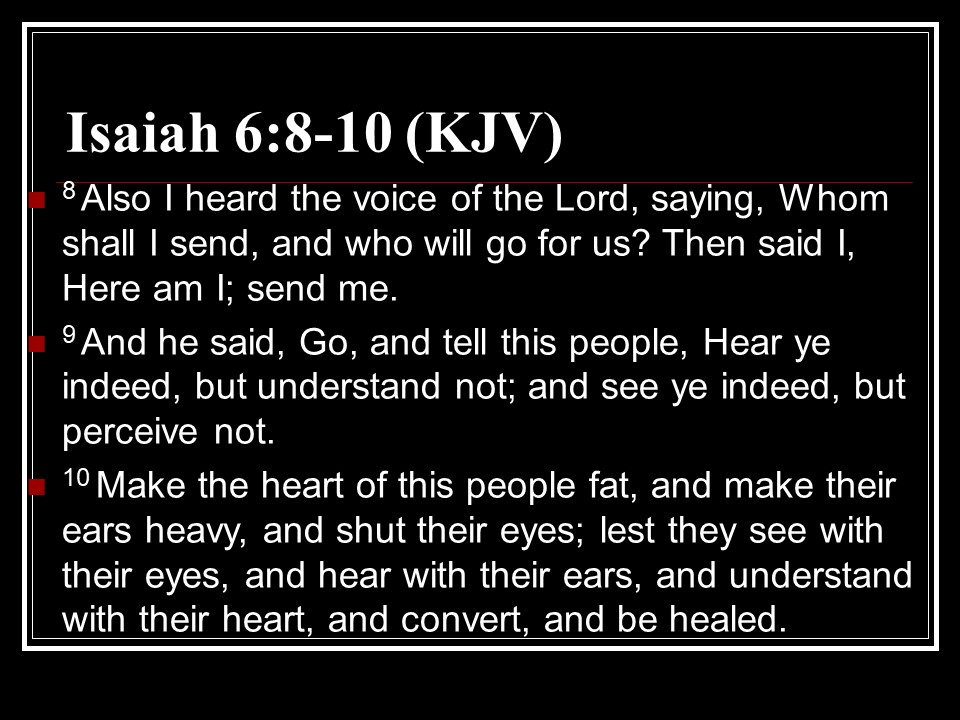
in Matthew 12:1-21 Jesus proclaimed he  is the Lord of the Sabbath and healed a man with a withered hand. Since this was on a Sabbath it was considered blasphemy. Jesus continued to heal all to fulfill the prophecy of the Prophet Isaiah.

After completing the book of Leviticus we take a one day break before we continue with Numbers and read

Ecclesiastes 5. Fear God, keep your vows. There is vanity in amassing riches, even vanity in seeking honor.

Ecclesiastes 6. Vanity is the theme, this time the vanity of desire.

Psalm 14 is short and to the point. It begins: “The fool has said in his heart, there is NO GOD.”

Psalm 15 is only 5 verses long but full of truth which carries on into the New Testament. For that reason there are five 5 references from the New Testament given.

Psalm 16, of David. A wonderful psalm of confidence in the LORD even in times of trouble. This is a prophetic psalm pointing to Jesus resurrection, it too is quoted in the New Testament.

February 21: Read through the Holy Bible in a year.

Matthew 11:20-30. Jesus despaired of the current generation, but promised: “Come to me…. my yoke is easy and my burden is light”.

Leviticus 25 defines the Sabbath year, a year of rest for the land,  and the year of the jubilee, the year when property is restored, rights redeemed, and slaves are set free. (As far as I know the year of the jubilee was never implemented)

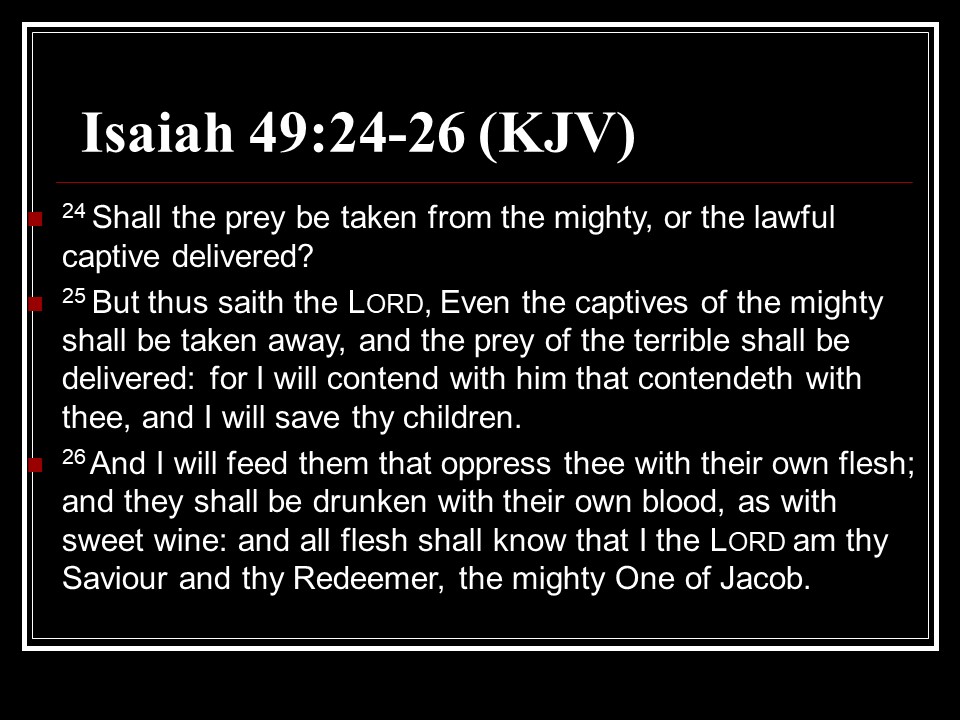
Leviticus 26 tells of blessing for obedience and punishment for disobedience.

Leviticus 27 deals with redeeming people and property and what is to be dedicated to God.

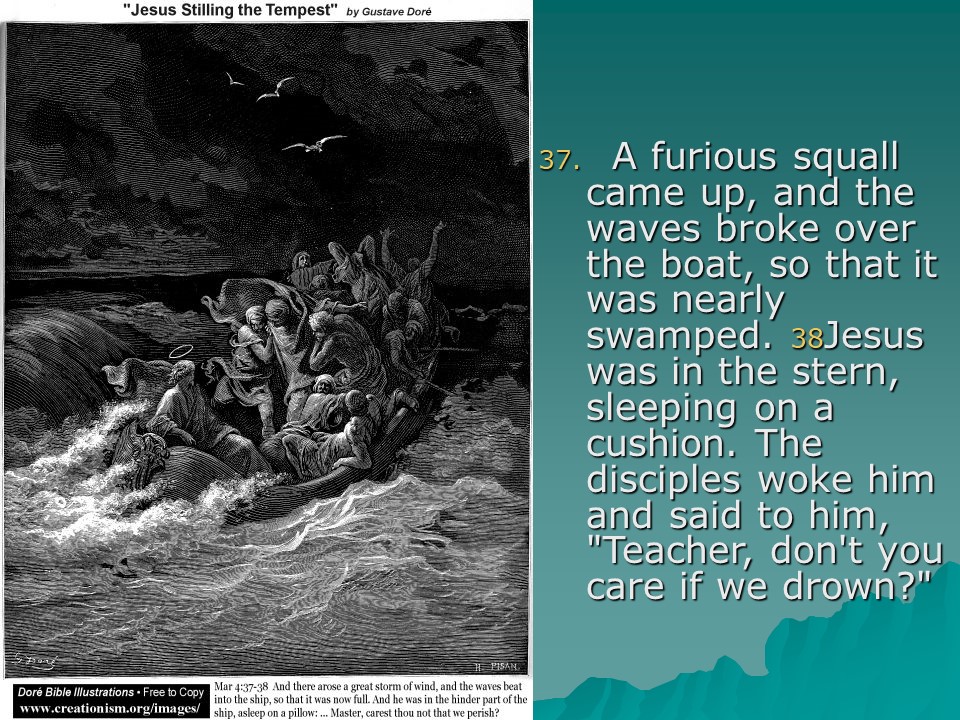
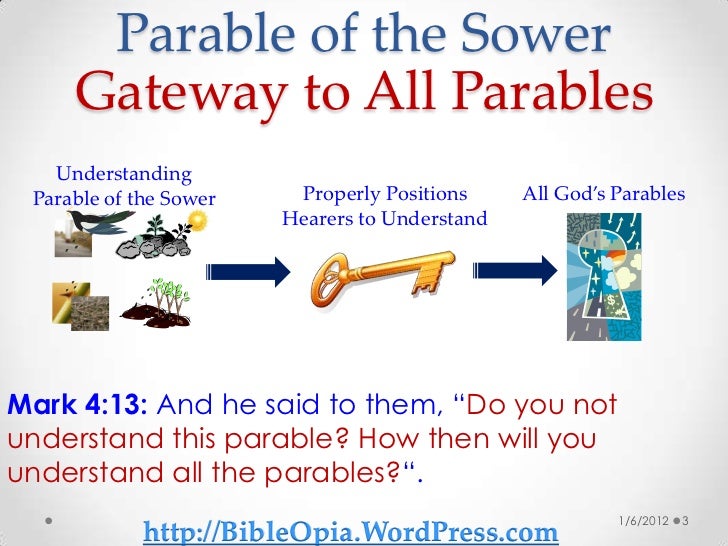
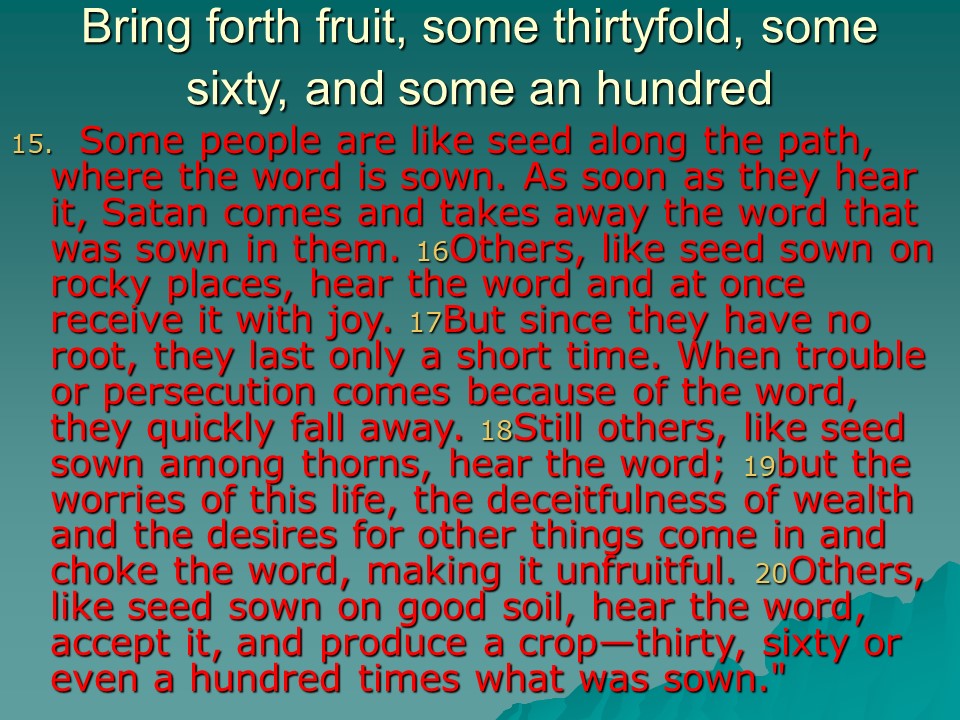
Mark 4:21-41, Jesus’ parables, a Lamp on a Stand, the growing Seed, the Mustard Seed, Jesus calms the Storm

Mark 4:21-41, Jesus’ parables, a Lamp on a Stand, the growing Seed, the Mustard Seed, Jesus calms the Storm


Image result for a lamp on a stand
Image result for mustard seed
Image result for mustard tree

Question:  Why were they still terrified? Why was the sight of Jesus more terrifying than the waves?

February 20: Read through the Holy Bible in a year.

In Matthew 11:1-19 the followers of John asked if Jesus is the Messiah. Jesus answered back that John is Elijah, sent to prepare the way.

Leviticus 22 completes the regulations for the priests and lists acceptable and unacceptable offerings.

Leviticus 23 describes the feasts of the LORD, the Sabbath, the Passover, the Feast of Unleavened Bread, the Feast of Firstfruits, the Feast of Weeks, the Feast of Trumpets, the Day of Atonement and the Feast of Tabernacles.

Leviticus 24 describes how to care for the Tabernacle Lamps and the Tabernacle Bread. Then it defines the Penalty for Blasphemy, and the Penalty for intentional injuries: “An eye for an eye.” is a direct quote from the Law, and so is “tooth for tooth”.

February 19: Read through the Holy Bible in a year.

In Matthew 10 Jesus named his 12 disciples and sent them out to preach “the Kingdom of Heaven is near” They did the same miracles as Jesus and did also meet resistance. Jesus promised there will be opposition and division because of the message. A most interesting chapter.

 Leviticus 19 is a continuation of moral and ceremonial laws, one of the lesser known is that tattoos are forbidden, and

Leviticus 20 outlines the penalties for breaking the law. They are many and severe.

Leviticus 21 begins listing the regulations for priests.

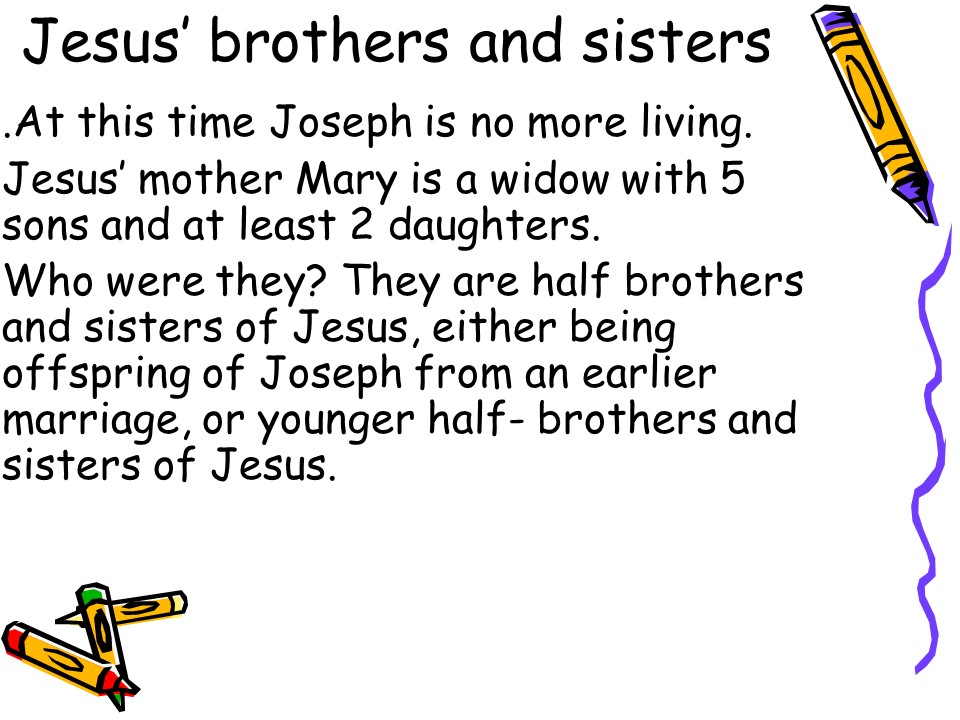
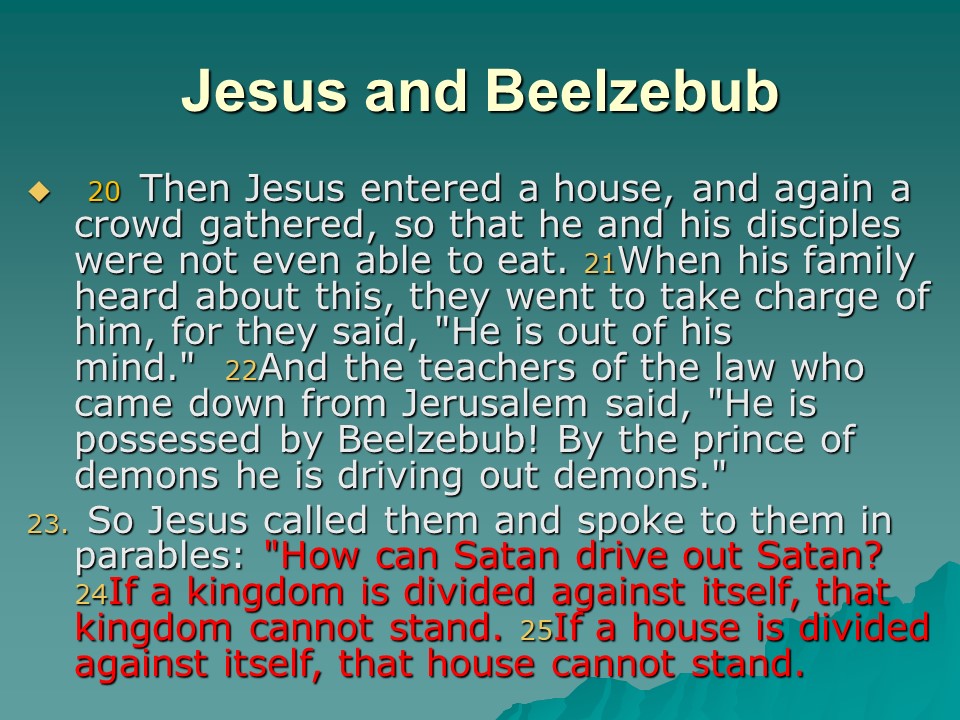
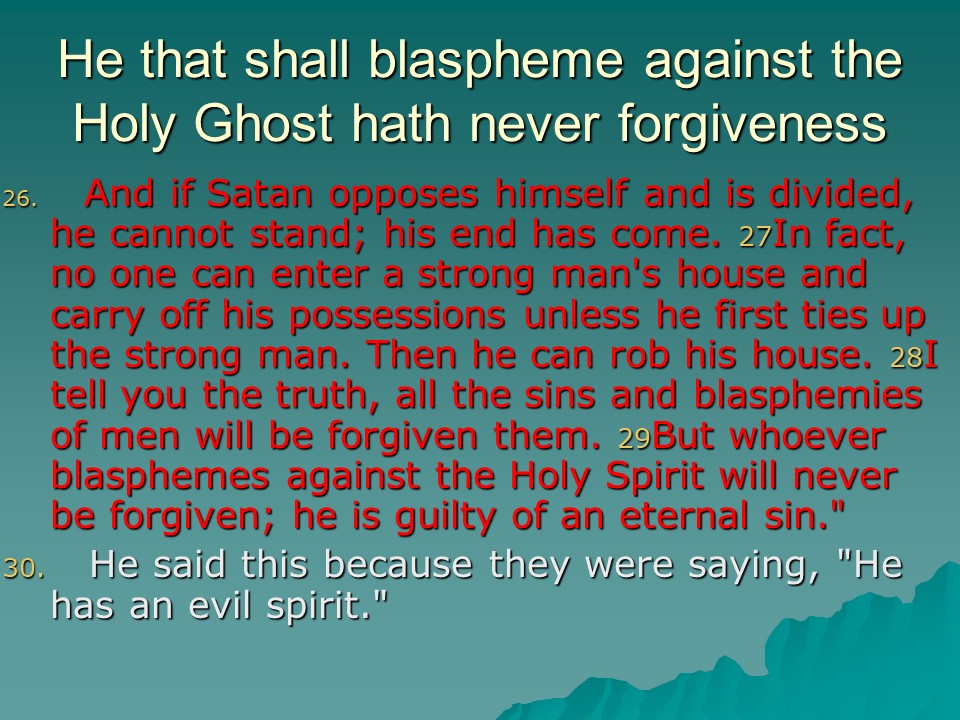
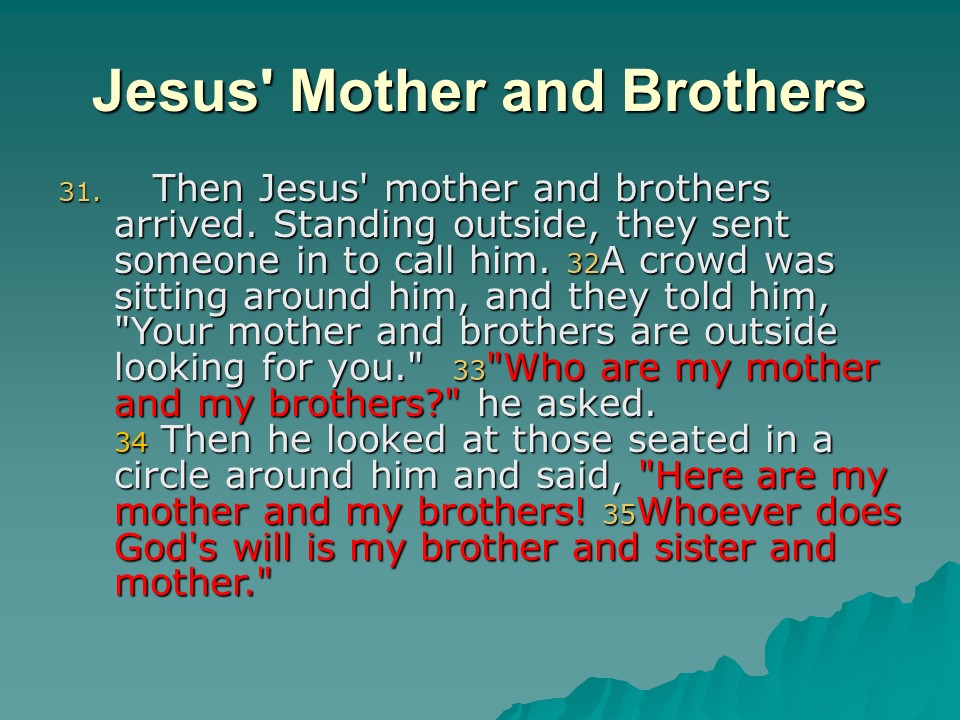
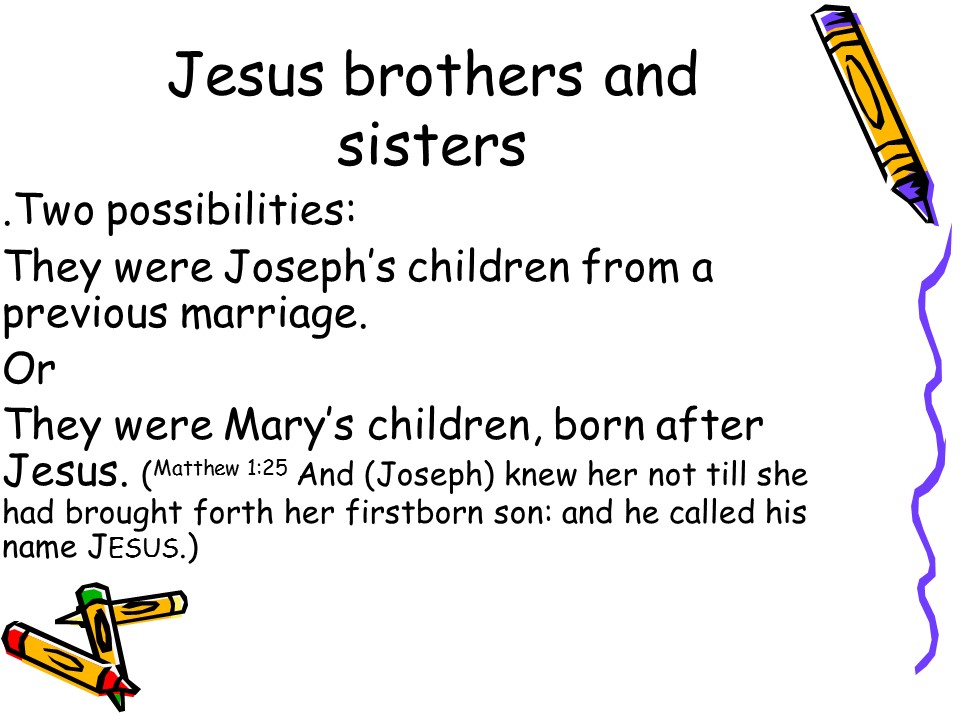
Mark 3:20-35, Jesus and Beelzebub, Jesus Mother and Brothers.

Mark 3:20-35, Jesus and Beelzebub, Jesus Mother and Brothers.

Beelzebub is the Greek form of the name Baal-zebub, a pagan Philistine god worshiped in the ancient Philistine city of Ekron during the Old Testament times. It is a term signifying “the lord of flies”. The Jews changed the name to “Beelzeboul,” as used in this passage, meaning “lord of dung.” This name referenced the god of the fly that was worshiped to obtain deliverance from the injuries of that insect.

Yet, God is sovereign!


February 18: Read through the Holy Bible in a year.

Matthew 9:18-38. Jesus healed a woman with a bleeding issue, brought back a girl to life and healed the blind and mute. Then he looked at all the people, seeing they were sheep without a shepherd and said “The harvest is plentiful, but the workers are few”.

Leviticus 16 is the apex of Leviticus and tells of all the things Aaron must do on the day of Atonement to atone for his own sins and for the sins of the people during the year that was past. It also explains “the scapegoat”.

Leviticus 17 deals with the sanctity of blood and why eating of blood is forbidden in the Mosaic Law.

Leviticus 18 defines the laws of sexual morality, and especially to stay away from Molech,  a Pagan god who enticed the people through sexual orgies, made them pass through the fire and offer child sacrifices (the result of those sexual orgies.)

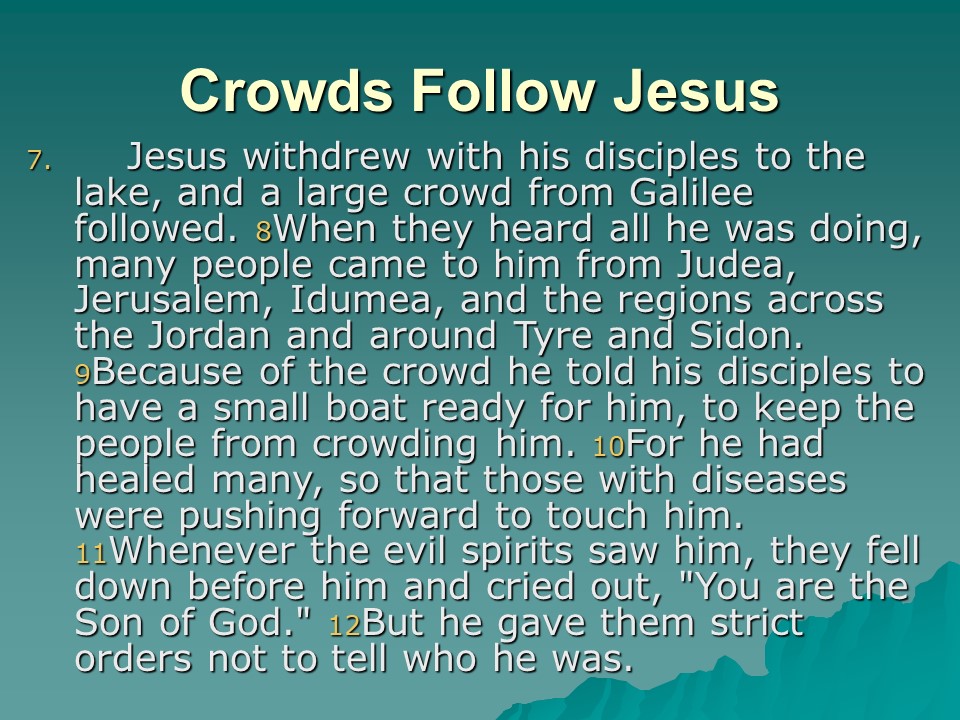
Mark 3:1-19, Jesus heals on the Sabbath, attracting crowds and appoints the 12 Apostles.

Mark 3:1-19, Jesus heals on the Sabbath, attracting crowds and appoints the 12 Apostles.


The Herodians were Jews that went along with the Romans, held important positions and was an important part of the secular government at that time.

Image result for idumea