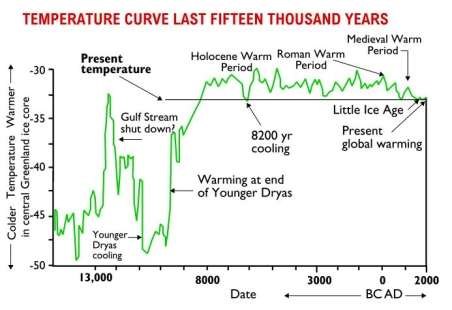
The weather has been warm lately. the earth has set a string of new maximum temperatures in July and will set a new absolute record for the month of July since the beginning of satellite record in 1979. The once reputable Forbes Magazine expressed it this way: July 4 was the warmest day in over 100,000 years! Now wait a minute! Aren’t we still recovering from the little ice age? See chart:
It was warmer for 9,000 of the last 10,000 years than it is now!
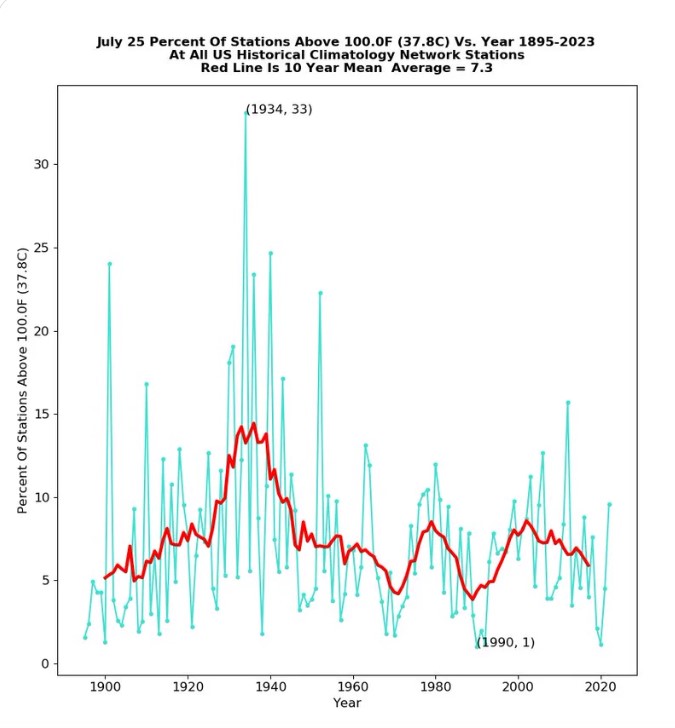
Now take a look at the temperatures before 1979.
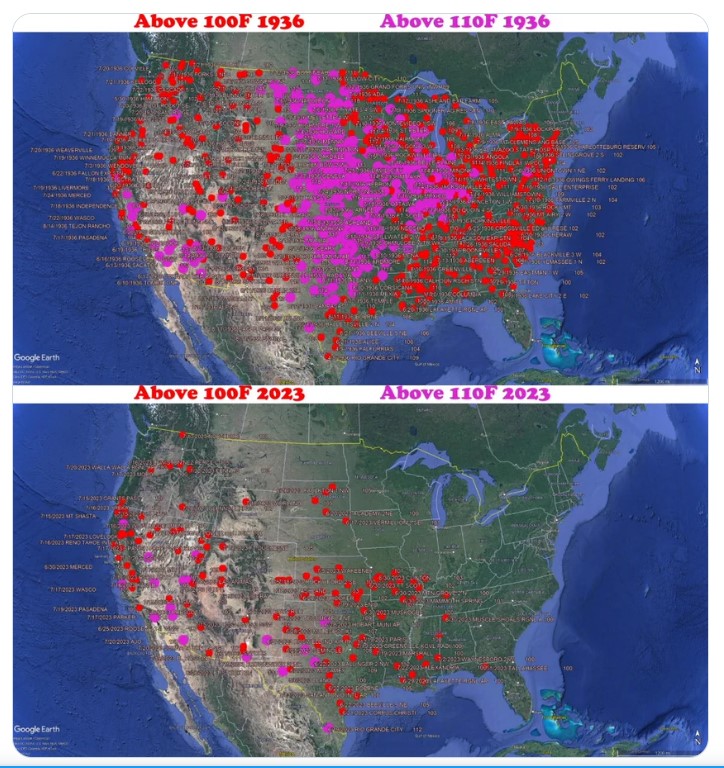
How bad were the heatwaves of the 1930s years of the dust bowl compared to the heatwave of 2023? Granted , there were many more temp measurement stations in the 1930s , not all of which fully measured up to accepted standards, but the heatwaves were both worse and more widespread then. Look at the two maps:
Yes, things were worse in 1936. How did they even survive, with only 70% of America being electrified, and nearly all of rural America being without electricity, and it was not until 1935 as the Rural Electrification Administration (REA), a New Deal agency promoting rural electrification was established. Very few had air conditioning of those that had electricity. How did they survive?
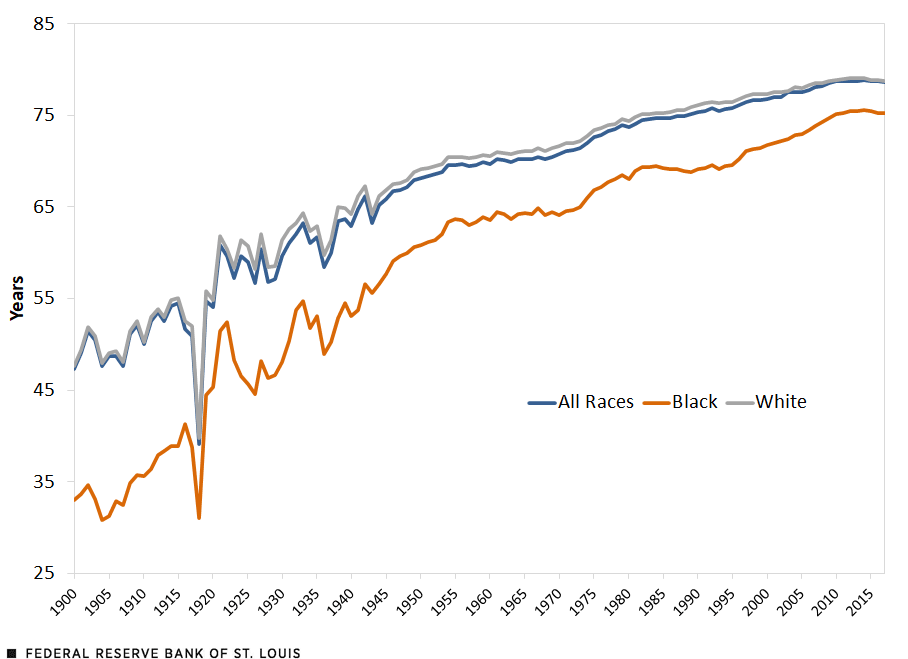
Not very well, see chart:
The life expectancy dropped by 4 years for all between the years 1931 to 1936.
One way governments have been trying to combat climate change is to subsidize renewable energy such as wind, solar and biomass. Wind and solar makes some sense since they do not emit any CO2 after the iron and rare earth metals have been mined using mostly diesel fuel and electricity, but biomass?
Ever since the people began to use fire to cook their food, biomass has been the fuel of choice. In forested areas wood was preferred, but if there were no trees grass was used, and if there was no grass people used and still use dried cow dung. It is used to cook the meal of the day in an open fire, a primitive stove or a clay oven. It is very polluting, even toxic, and most of the fertilizing properties of cow dung is lost, depriving the land of replenishing the ground. The environment would benefit immensely by switching to electric. The fastest and least expensive way to electrify developing countries is to build coal fired plants. The only benefit of cow dung is that it is locally produced, and transportation is one of the hindering factors for modernizing.
The biggest change that can happen to any village happens at electrification. The change from cooking over open fire to using an electric stove is enormous. It is also a major health improvement to not have to breathe in toxic smoke. Electrification must come first. In some tropical areas up to 70 percent of the food is destroyed by excess humidity and lack of refrigeration.
The first step in electrification must still be to build small coal fired plants to provide base power.
Meanwhile, during the COP27 conference President Biden promised $55 Billion in aid to Africa to promote ‘climate justice’. The aid would go out in form of solar panels and wind turbines, but most of all in promoting health care in the form of vaccines, ivermectin to protect against river blindness and reproductive rights in the form of free birth control and abortions. The villagers dream of an electric stove to get rid of the unhealthy smoke, and a cell tower to communicate with the rest of the world so they can increase commerce. But the bureaucrats that flew in to Cairo attending the conference in style with limos and lavish dinners dream of ‘climate justice’ money, so they can complete their Mercedes and Land Rover fleet, and drive around their countries making more environmental impact reports on their yet to be started grand plans; to be presented at the next COP conference.
In the meantime forests are being cut down and aquifers depleted leading to an even bleaker environmental future.
The people that have shown the best return on investment are Christian help organizations that concentrate on education and solving the food and water problems, all with a view of understanding how to preserve and improve the local ecology.
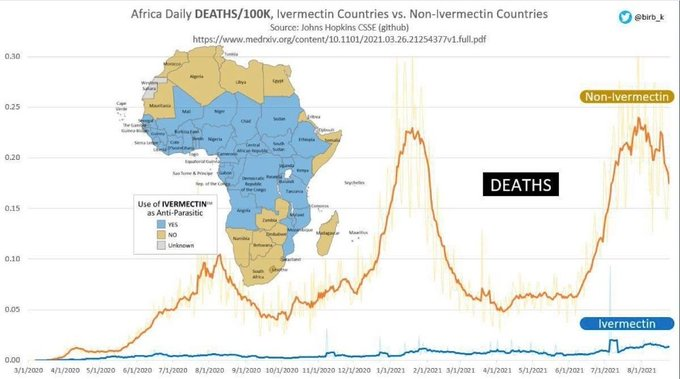
Oh, apropos ivermectin, there is a correlation in using it to combat river blindness and COVID-19. The African countries that use it have a 90% less occurrence of COVID-19 than the countries that do not use it. Scientists are puzzled why, not to the point of making a scientific study of it, for ivermectin is too inexpensive to make it profitable. Here is a picture showing the data:

 Len Bilén's blog, a blog about faith, politics and the environment.