January 19, read the Bible in a year in PowerPoint; with comments.

John 12:20-50 . Some Greeks came to Jesus and Jesus prophesied about his being “lifted up, and draw all men to himself”, and some believed. Many Jews also believed but kept quiet for fear of being put out of the synagogues.

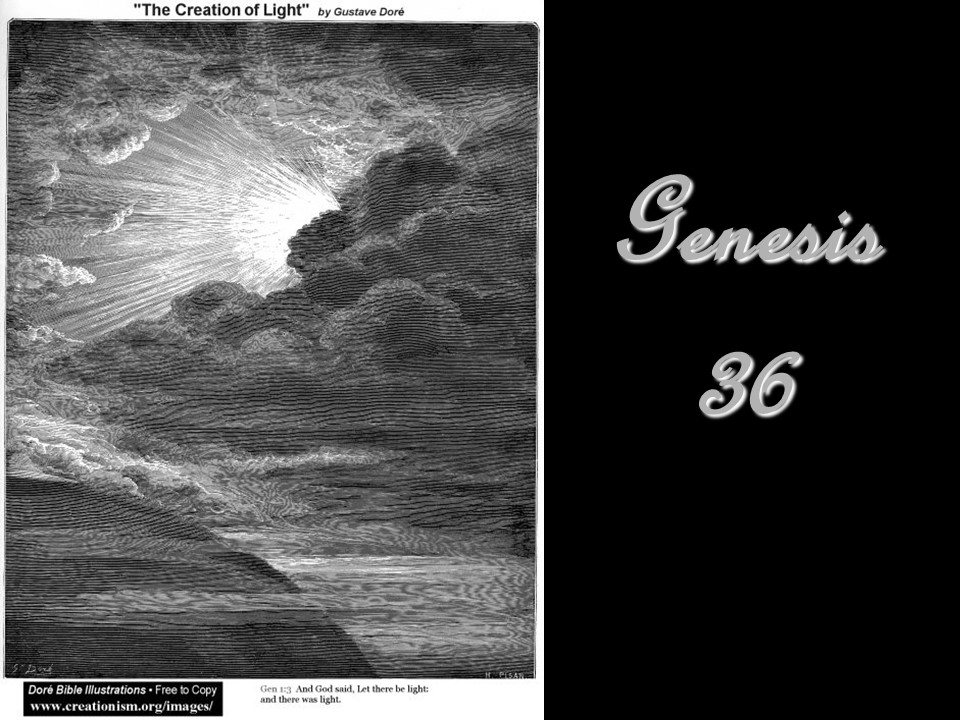
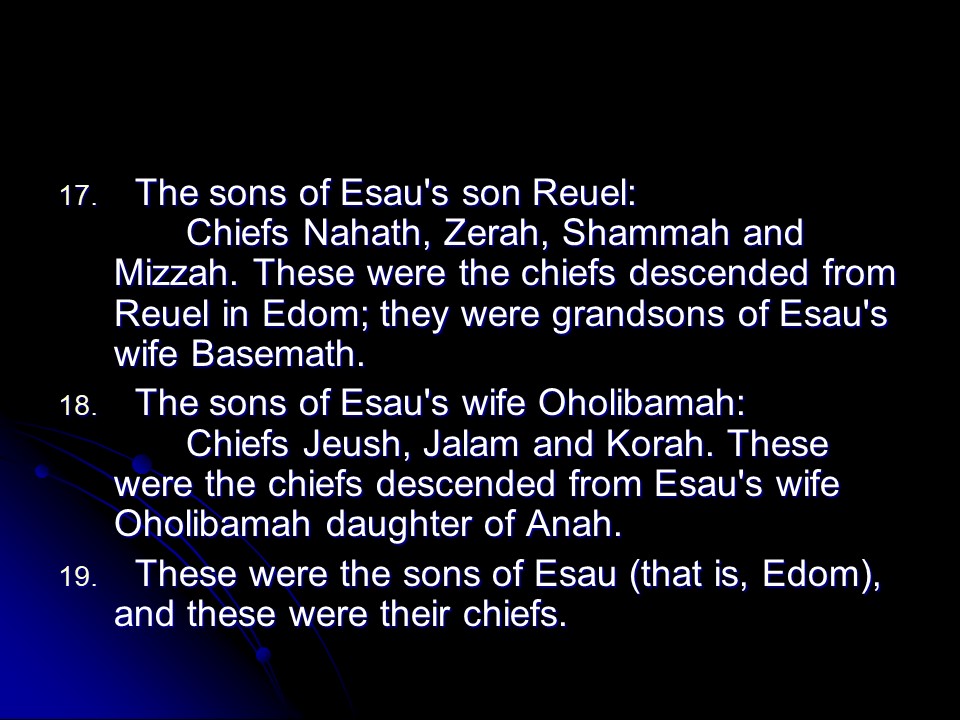
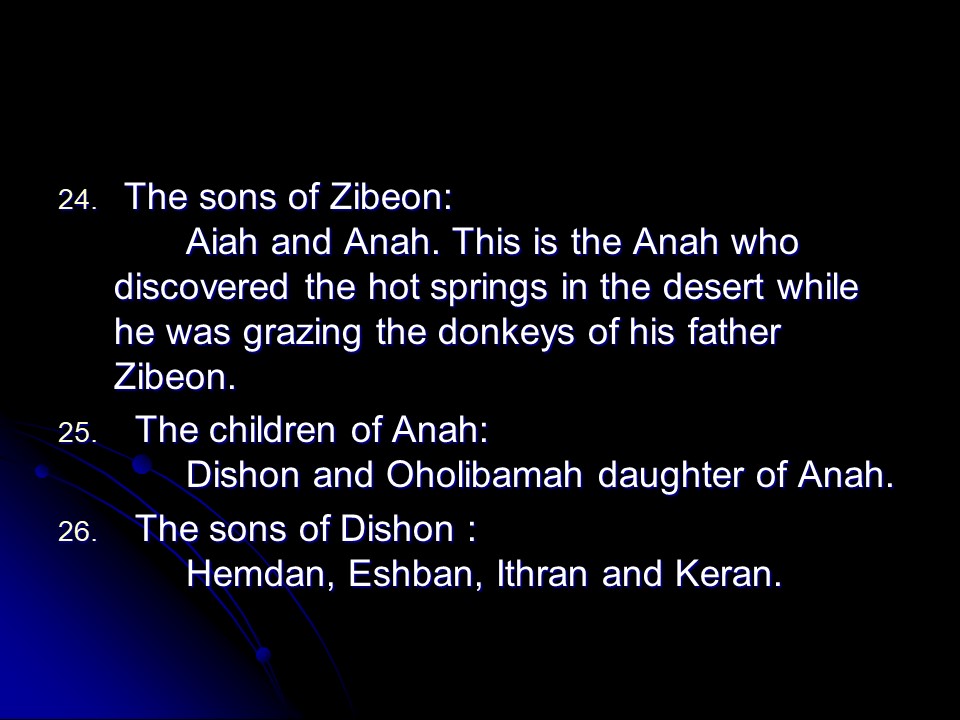
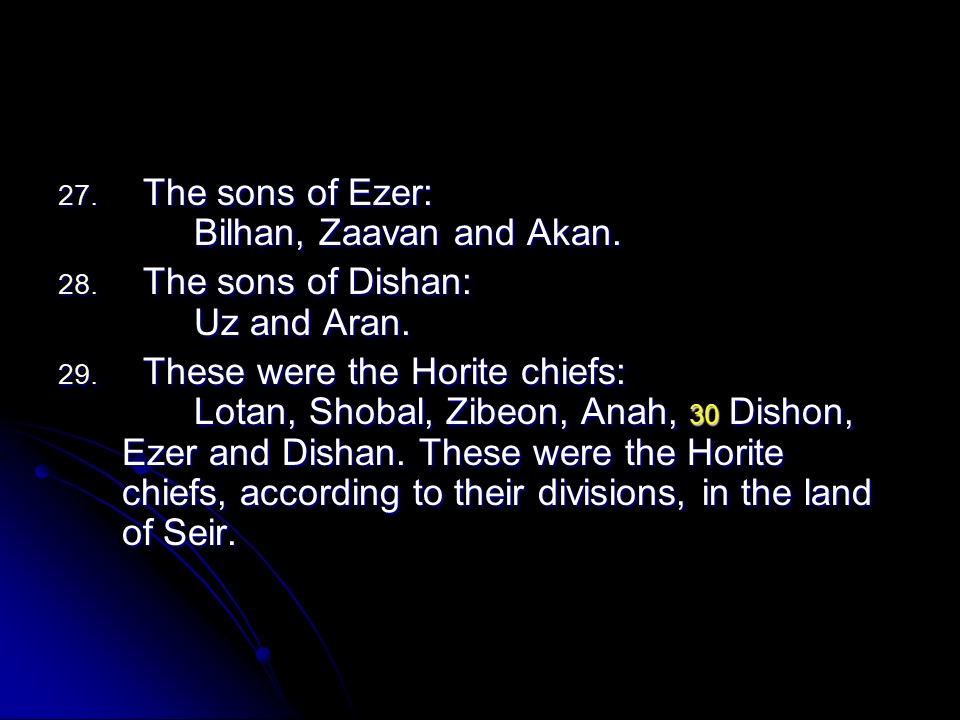
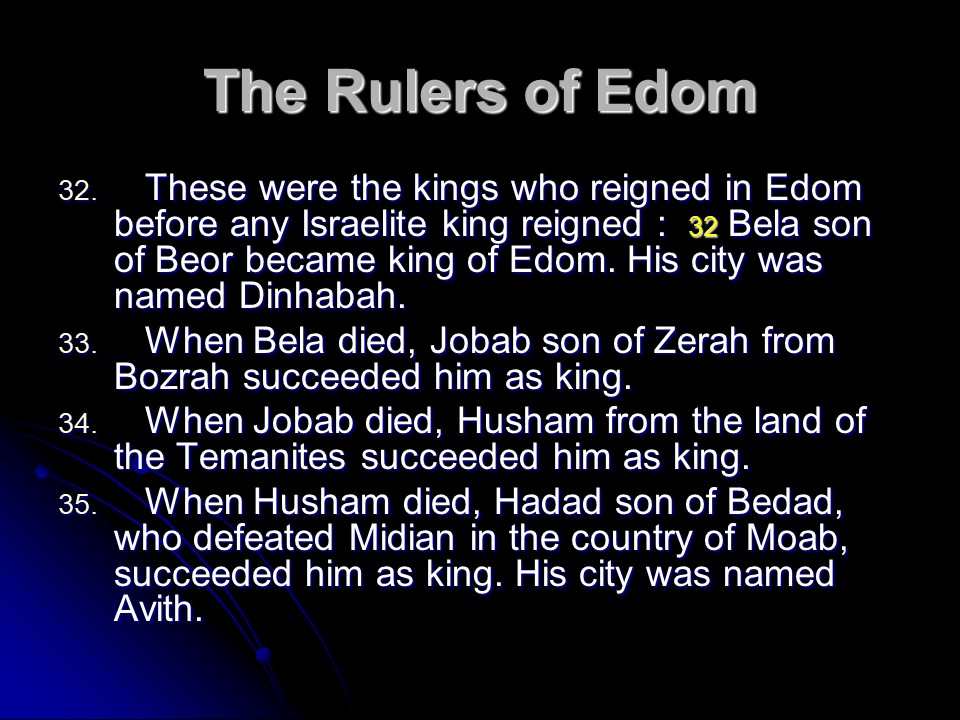
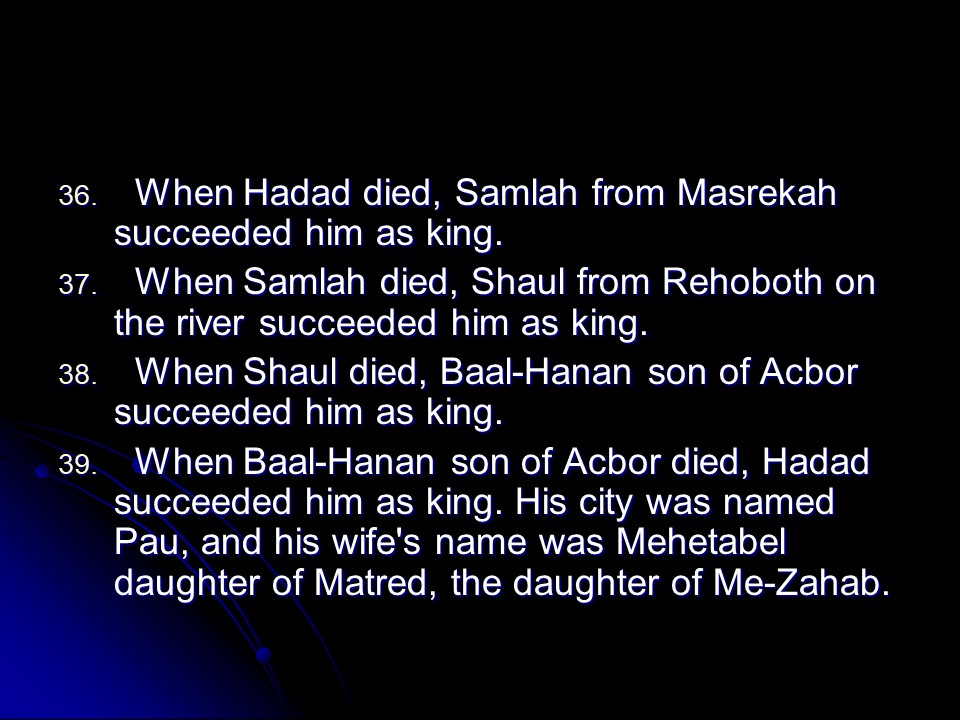
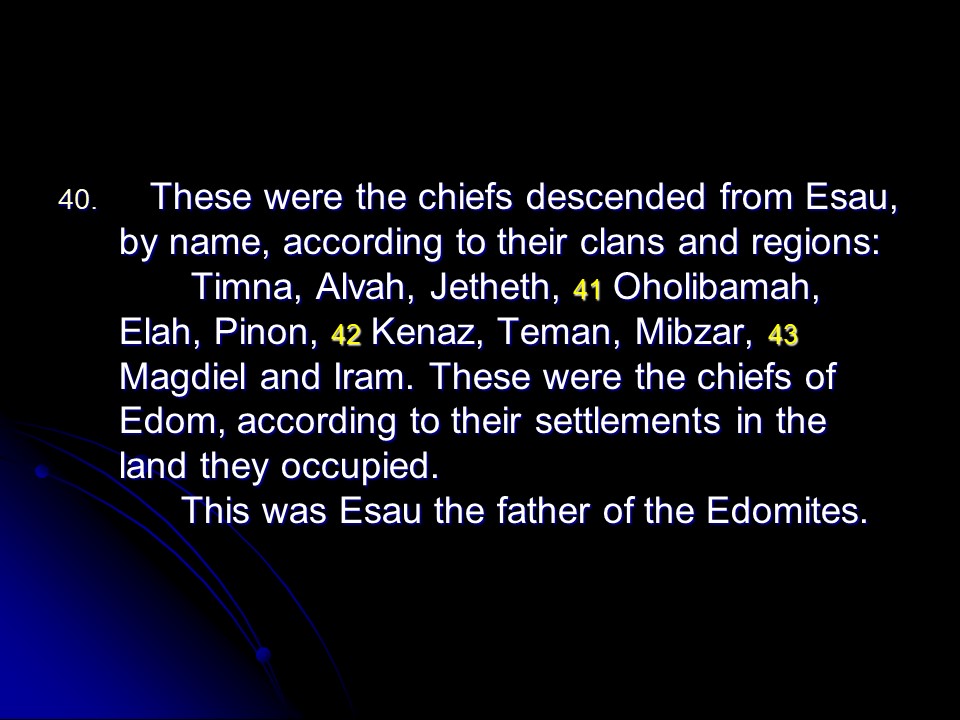
Genesis 36 records the genealogy of Esau and the rulers of Edom.

Genesis 37 tells of Joseph’s dreams, outrageous as they were, they made his brothers jealous, so they sold him into slavery to the Ishmaelites, and then the Midianites sold him to Potiphar in Egypt.
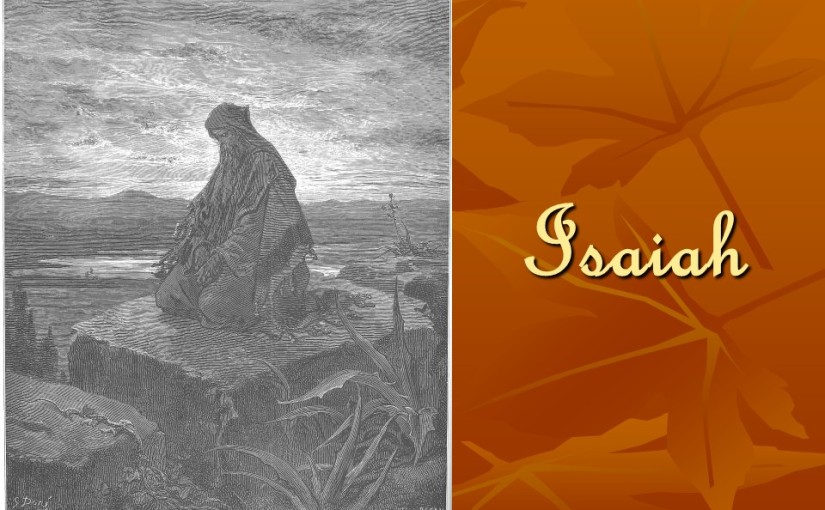
Day 238 of reading the Holy Bible in 365 days.

Corinthians 9. The Apostle Paul gave advice in how to administer the gift, one way being the cheerful (hilarious) giver. Thanks be to God for His unspeakable gift!

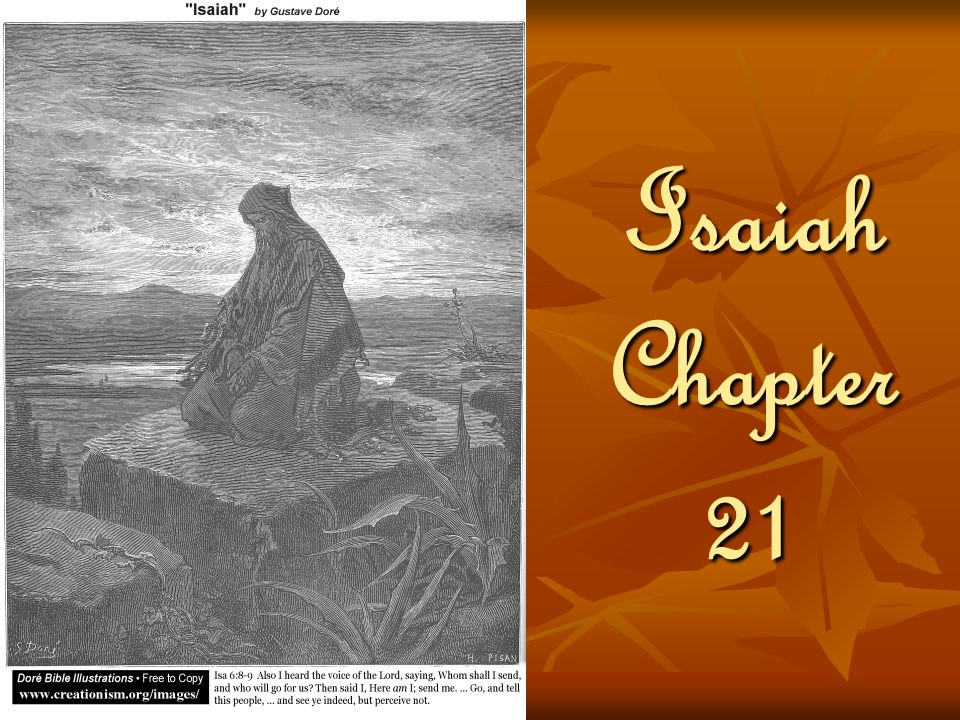
Isaiah 21. The prophecies continue, this time against Babylon, Edom and Arabia.

Isaiah 22 contains a prophecy about Jerusalem.

Psalm 75, of Asaph. A song of praise to the LORD. The theme is: He executes proper judgement. It ends with: All the horns of the wicked I will also cut off, But the horns of the righteous shall be exalted.
Isaiah 63, the LORD’s Judgment and Salvation, God’s Mercy Remembered, a Prayer.

“He has trampled out the vintage where the grapes of wrath are stored”

From Revelation 14:19 And the angel thrust in his sickle into the earth, and gathered the vine of the earth, and cast it into the great winepress of the wrath of God. 20 And the winepress was trodden without the city, and blood came out of the winepress, even unto the horse bridles, by the space of a thousand and six hundred furlongs.


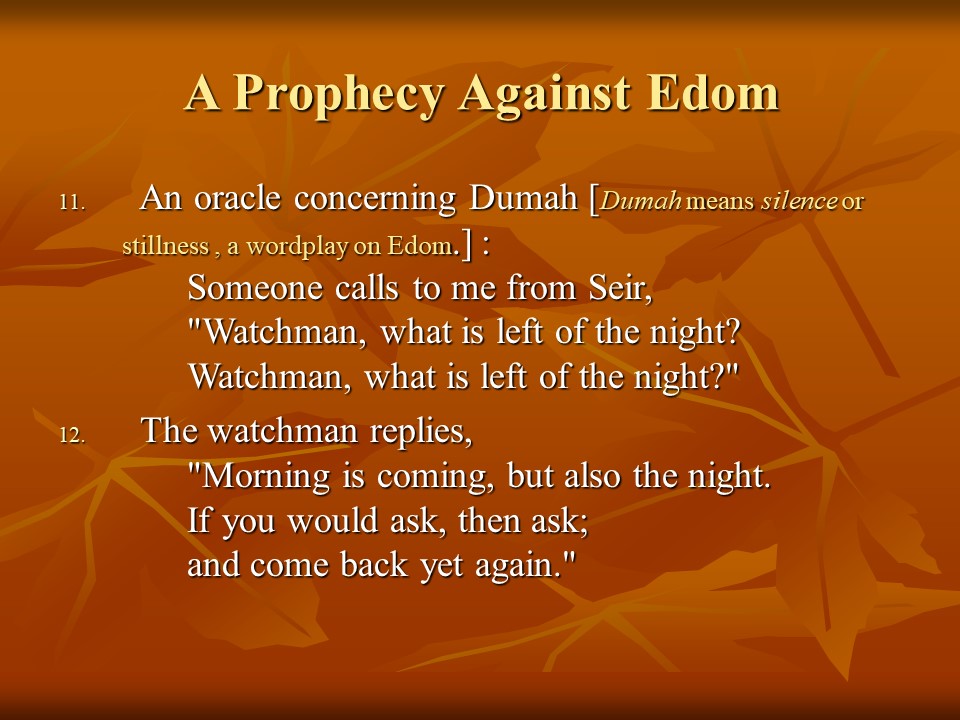
Isaiah 21, prophecies against Babylon, Edom, Arabia.


Elam is another word for ancient Persia, the fall of Babylon is described in https://lenbilen.com/2017/09/24/daniel-5-the-handwriting-on-the-wall/


Tema:  The name of a son of Ishmael (Gen 25:15; 1 Ch 1:30) , also an oasis half-way between Edom and Medina in what is now the Levant part of Saudi Arabia.

Kedar, meaning dark-skinned was the second son of Ishmael (Genesis 25:13) . It was also the name for the nomadic tribes of Arabs, the Bedouins generally (Isa. 21:16; 42:11; 60:7; Jer. 2:10; Ezek. 27:21), who dwelt in the northwest of Arabia. They lived in black hair-tents (Song of Songs 1:5). To “dwell in the tents of Kedar” was to be cut off from the worship of the true God (Psalms 120:5). The Kedarites suffered at the hands of Nebuchadnezzar (Jer. 49:28-29).


Genesis 36, Esau’s descendants and the rulers of Edom.

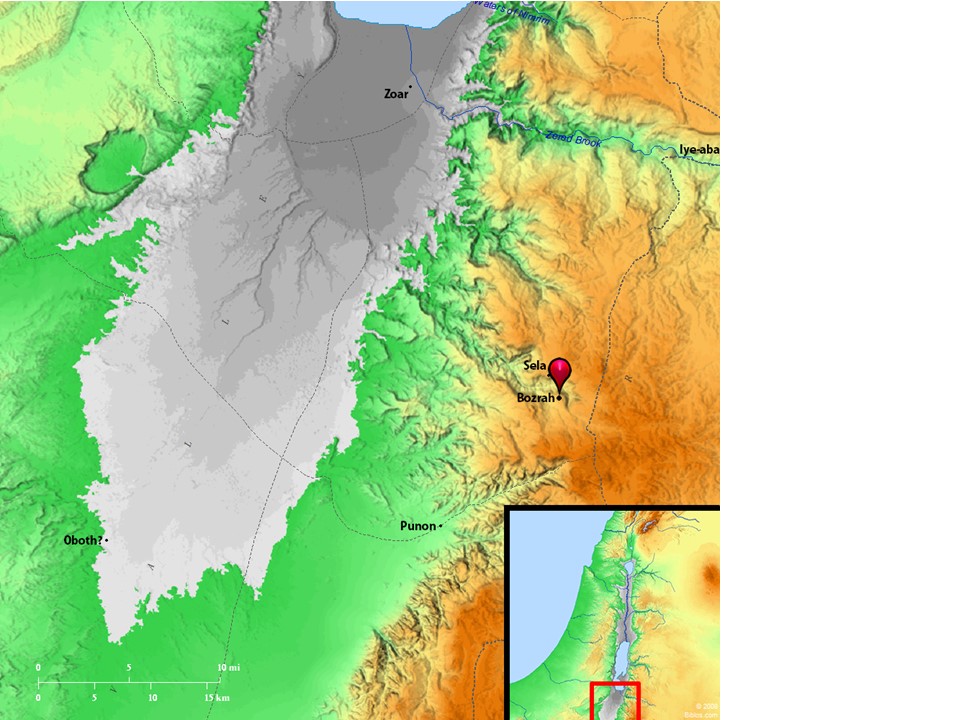
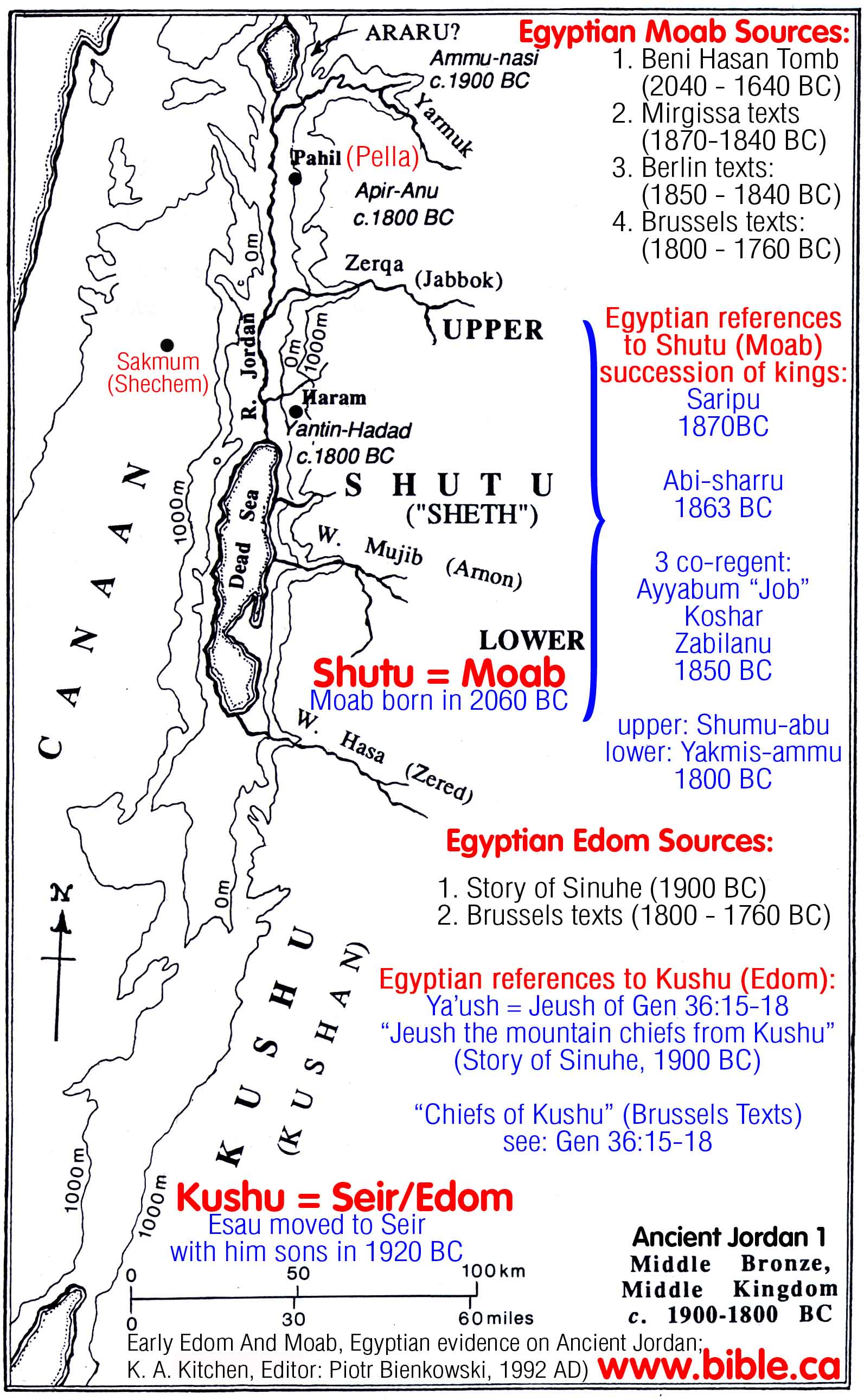
Edom, the hill country of Seir, is Southwest of the Dead sea, a dry near desert like land, but with winter rains and occasional rain at other times.

The descendants of Esau are well documented from Egyptian sources that corroborate the biblical account.