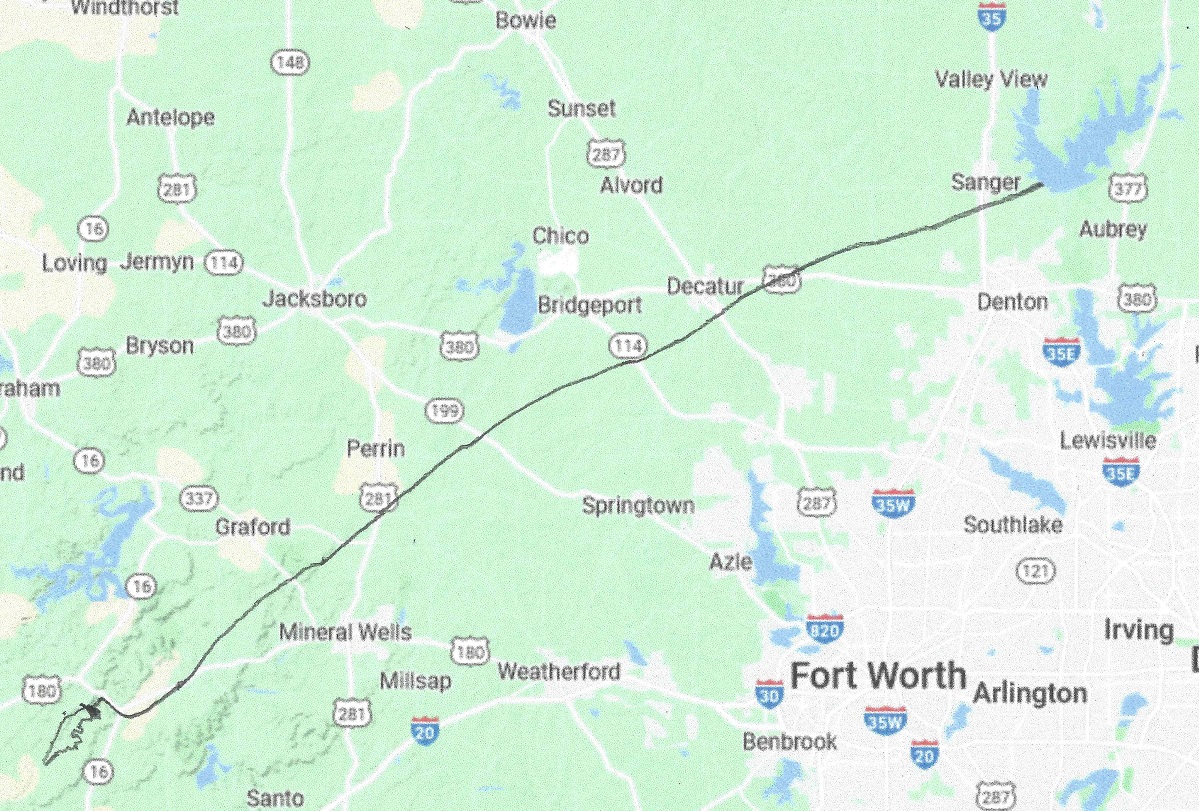
The distance of leg 5 is 10 miles of water and 60 miles of aqueduct. This leg has the freedom to pump water at 22,000 cfs or less, including stopping for up to 5 hrs/day to provide virtual peak hydro-power for the Texas grid.
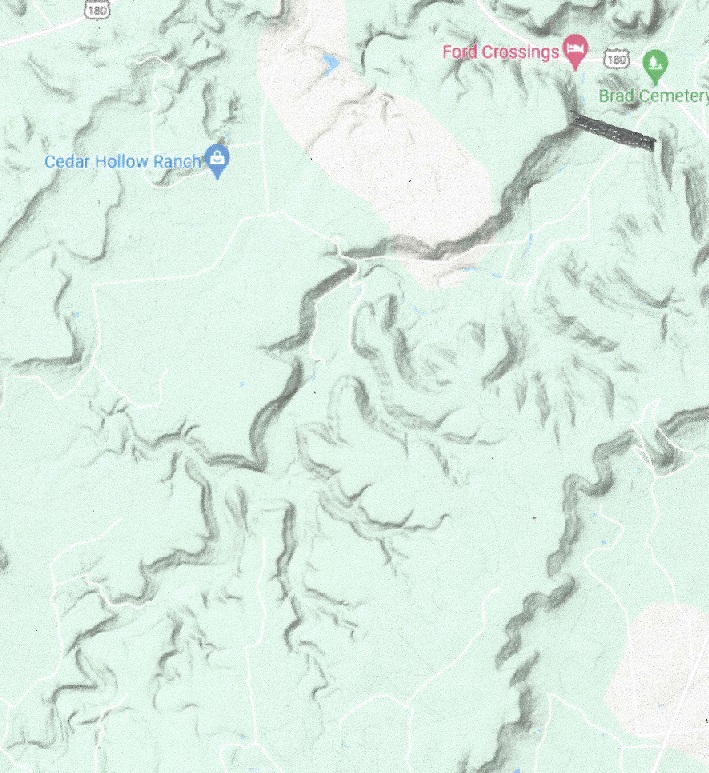
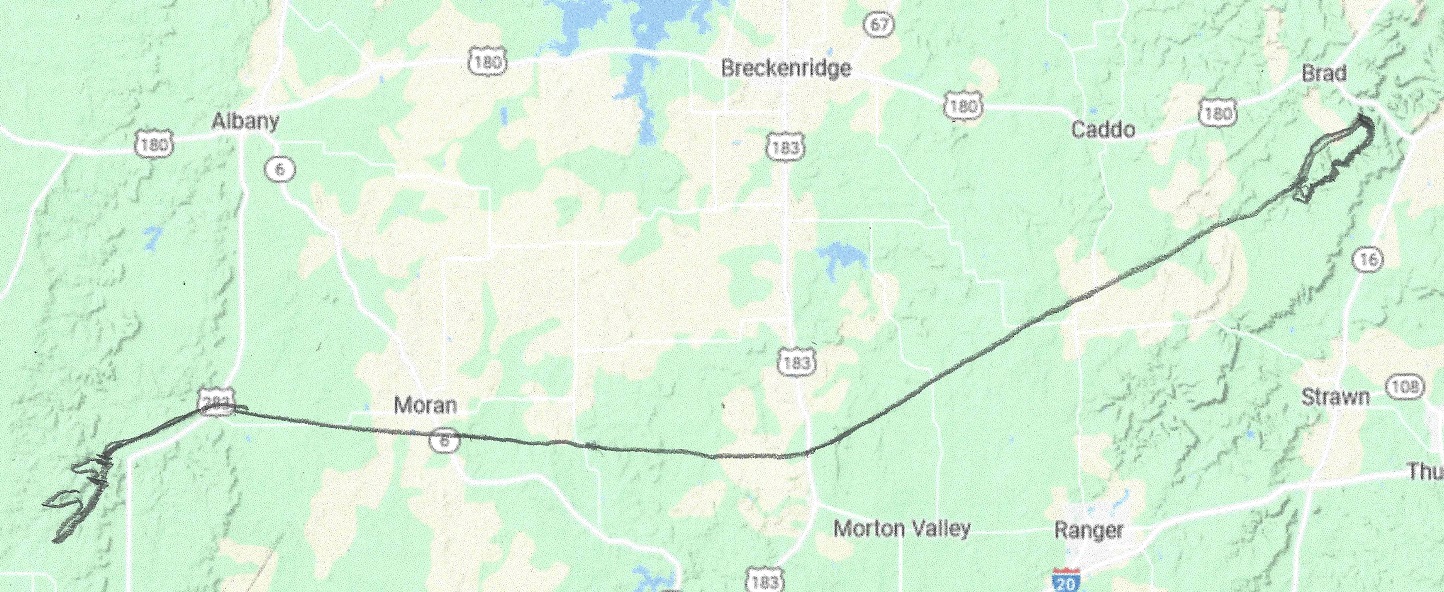
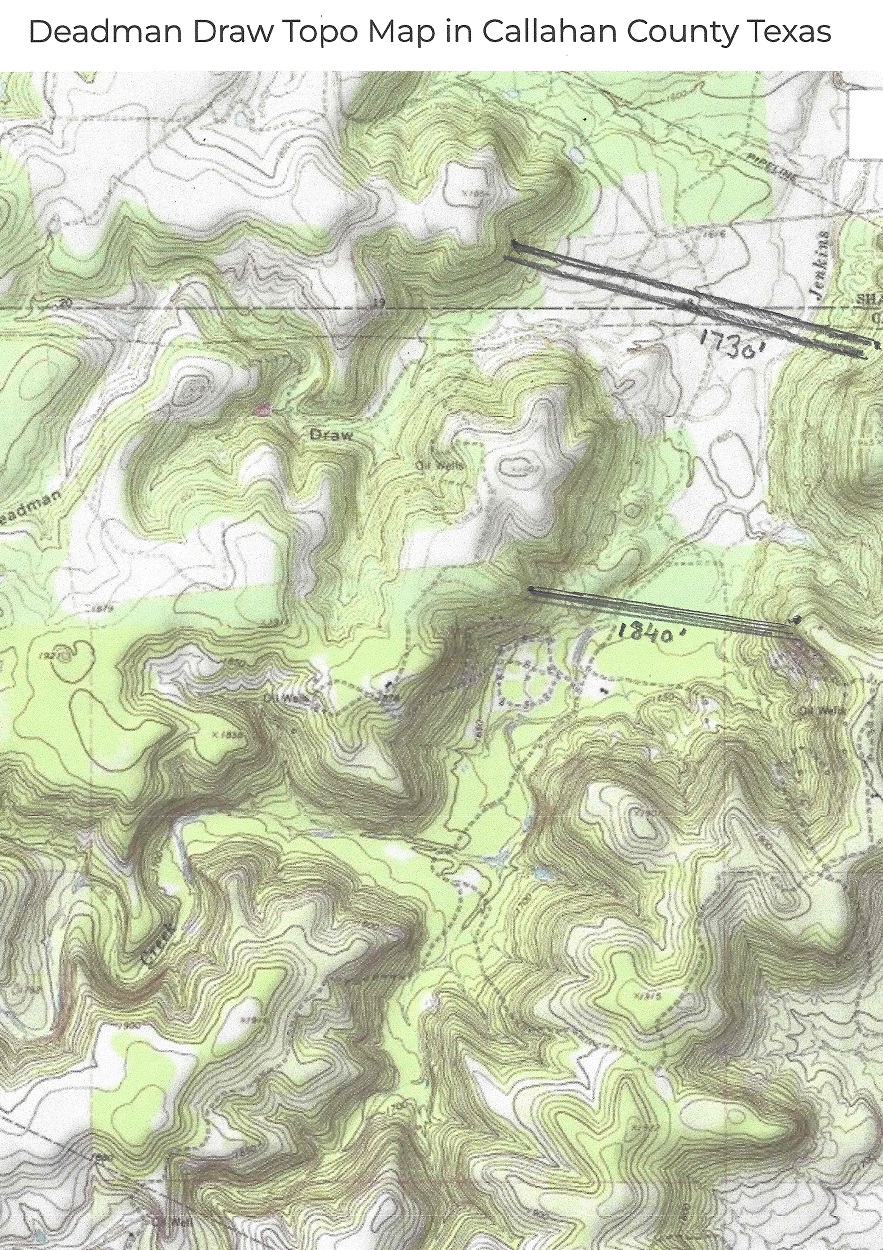
The elevation at Brad reservoir is nominally 1260 feet. From 25 miles East of Breckenridge the aqueduct goes W to 19.5 miles ENE of Abilene, a distance of 60 miles . The dam yet to be built will top out at 1840 feet with maximum water level at 1830 feet. The total lift of the water in stage 3 is (1830 – 1260 + 60×2) feet = 690 ft. To lift 22,000 cubic feet per second 690 feet requires twelve 100 MW LFTR nuclear reactors The upper Baird reservoir will contain about 90,000 Acre-ft when full, about two days worth of storage. For 5 hours per day these twelve 100 MW reactors can provide 1.2 GW of peak power to the grid. There will be a lower dam to provide hydroelectric power storage of 4 GWh, or 800 MW for 5 hours. After each use the lower dam will be re-emptied by pumping back the water to the upper dam, using 4.75 GWh of power, hopefully using surplus wind or solar power.
b
What’s in it for Texas? Wind power is already 22% of the source for the Texas power grid, but Texas has up to now no pumped water storage, and until this is fixed coal and natural gas backup must be provided when the wind doesn’t blow. This leg will provide 4 GWh of peak power per day from the pumped water storage. In addition the 1.2 GW of Nuclear power can provide virtual hydro-power generation by not pumping water for up to 5 hours and thus provide 6 GWh of peak power daily. This will greatly help stabilize the Texas power grid, and facilitate the phasing out of coal power and help the transition to electric vehicles, which will add stress to the stability of the grid by their uneven recharging patterns.

 Len Bilén's blog, a blog about faith, politics and the environment.