March 18: Reading the Holy Bible in a year.

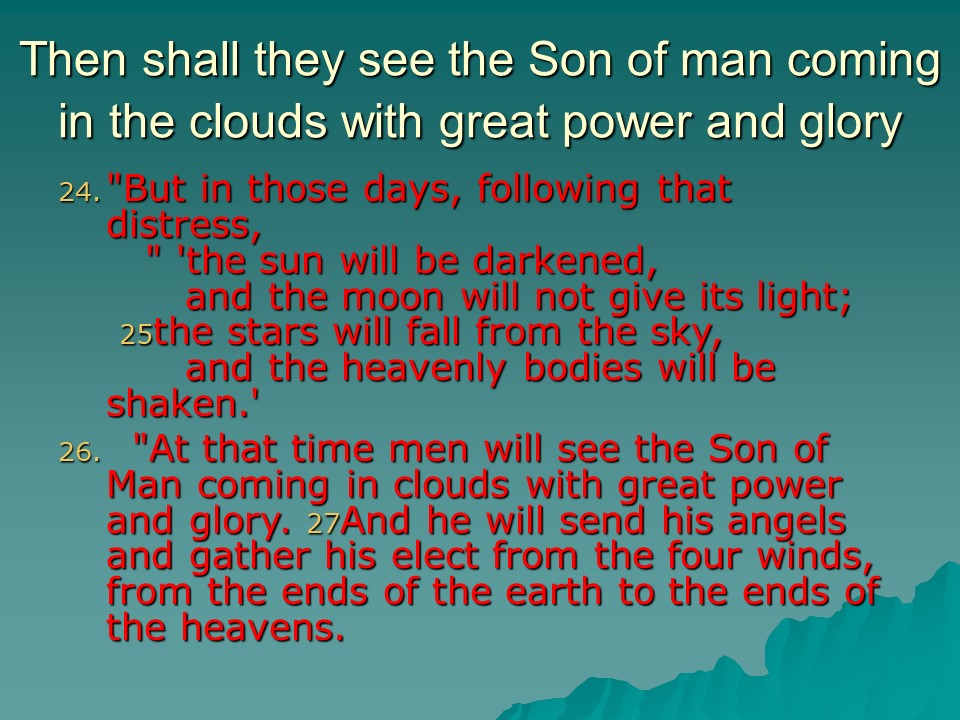
Matthew 24:36-51. Nobody knows the time or the day of Christ’s coming, not even Jesus at that time. Many have tried to predict it, and so far all have failed. This makes sense since we are supposed to watch and wait, and with this admonition the chapter ends.

Deuteronomy 16 describes in detail how to celebrate the Passover, the Feast of Weeks and the Feast of Tabernacles. Bring an offering, no one can go empty handed. Appoint Judges so justice can be properly administered. Do not worship any Asherah poles ever.

Deuteronomy 17, Anyone worshiping other Gods must have justice administered, including stoning. The Israelites will elect a King after they have entered the promised land. He must be an Israelite, not gathering riches or take many wives. He must read the scroll of the Law all the days of his life. As long as he does all these things he will reign a long time.

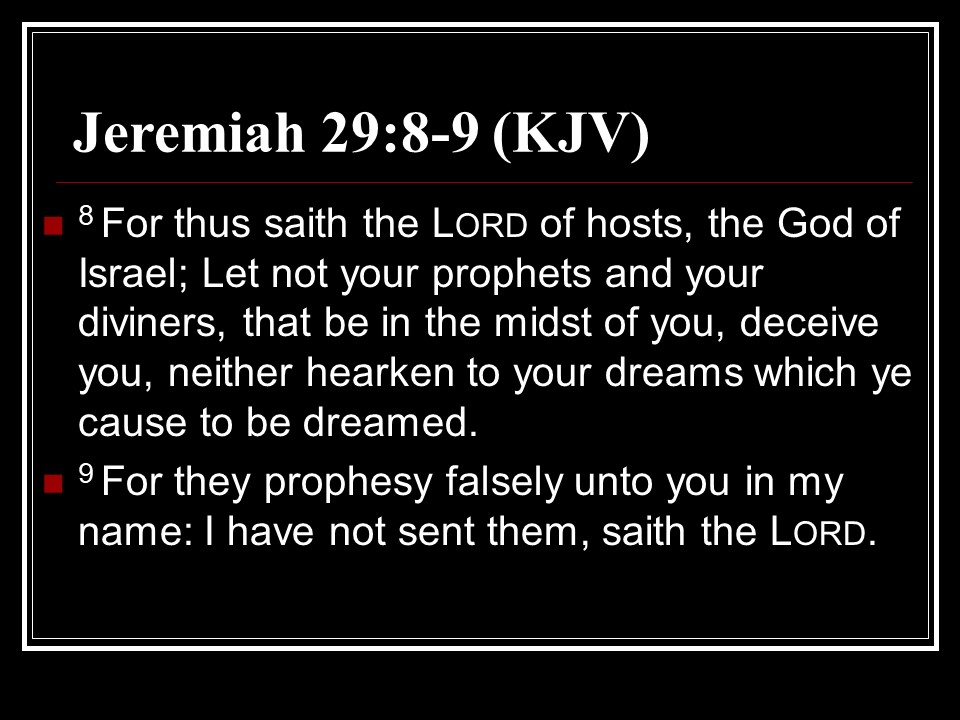
Deuteronomy 18. The LORD is the Inheritance for Priests and Levites. No Wicked Customs are allowed, such as child sacrifice, “ or that useth divination, or an observer of times, or an enchanter, or a witch. Or a charmer, or a consulter with familiar spirits, or a wizard, or a necromancer In other words: Thou shalt be perfect with the Lord thy God.” Then the LORD gave a promise. He will raise up a Prophet like Moses. There will also rise up many false prophets, and they are not to be listened to.

May 27: Read through the Holy Bible in a year.

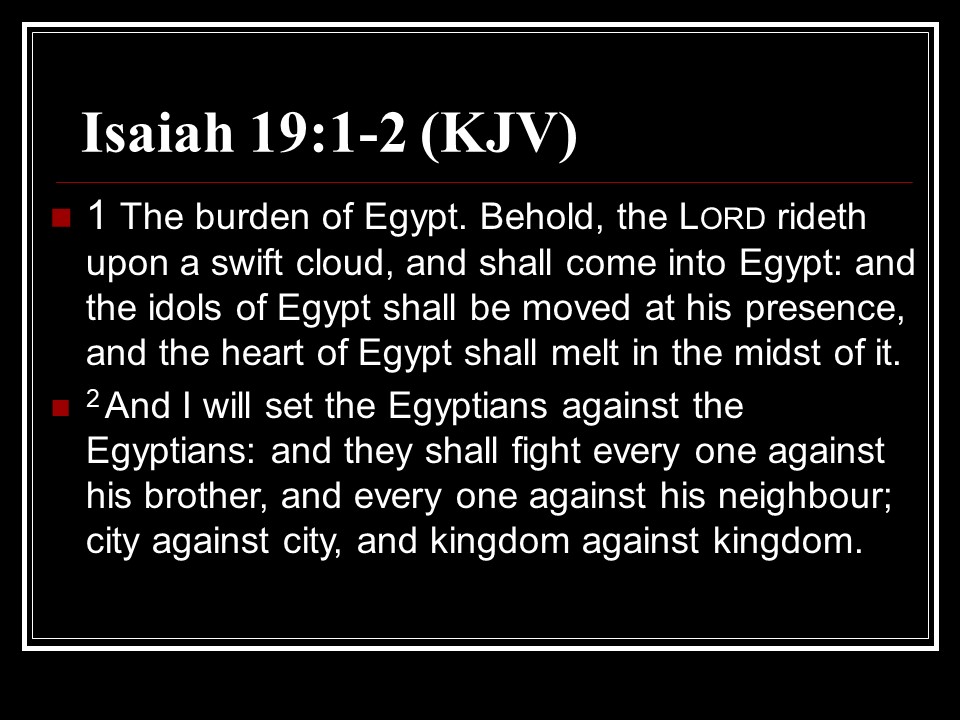
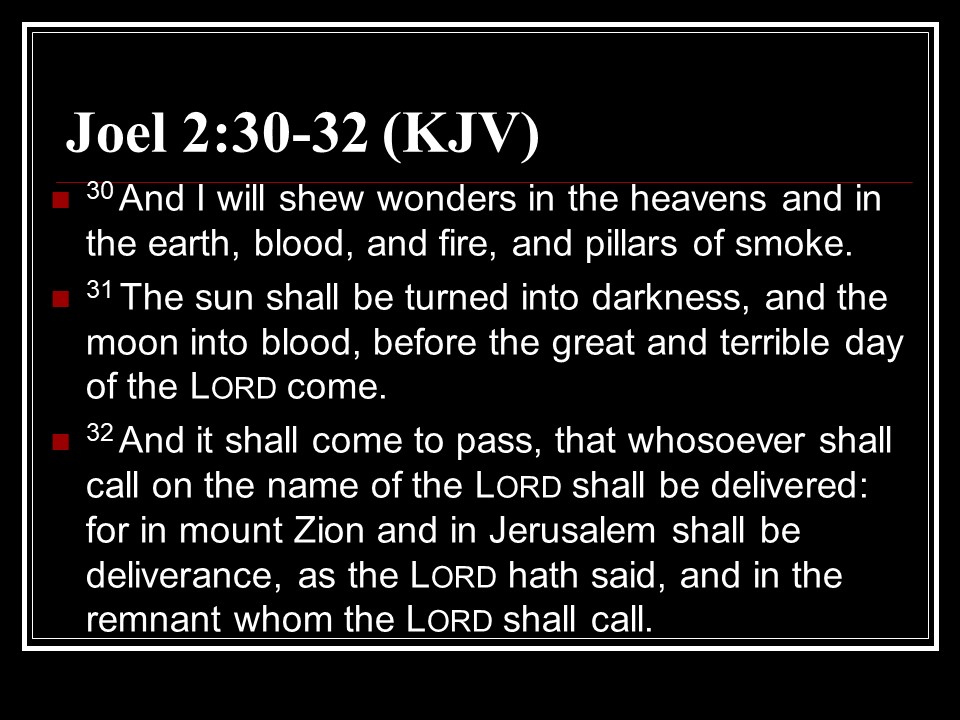
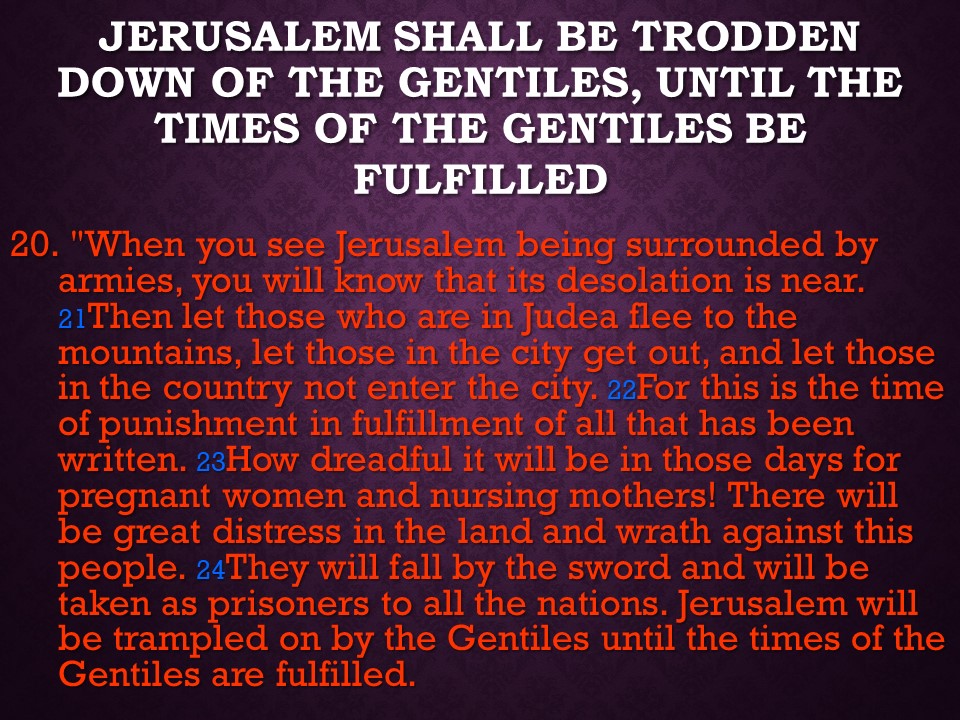
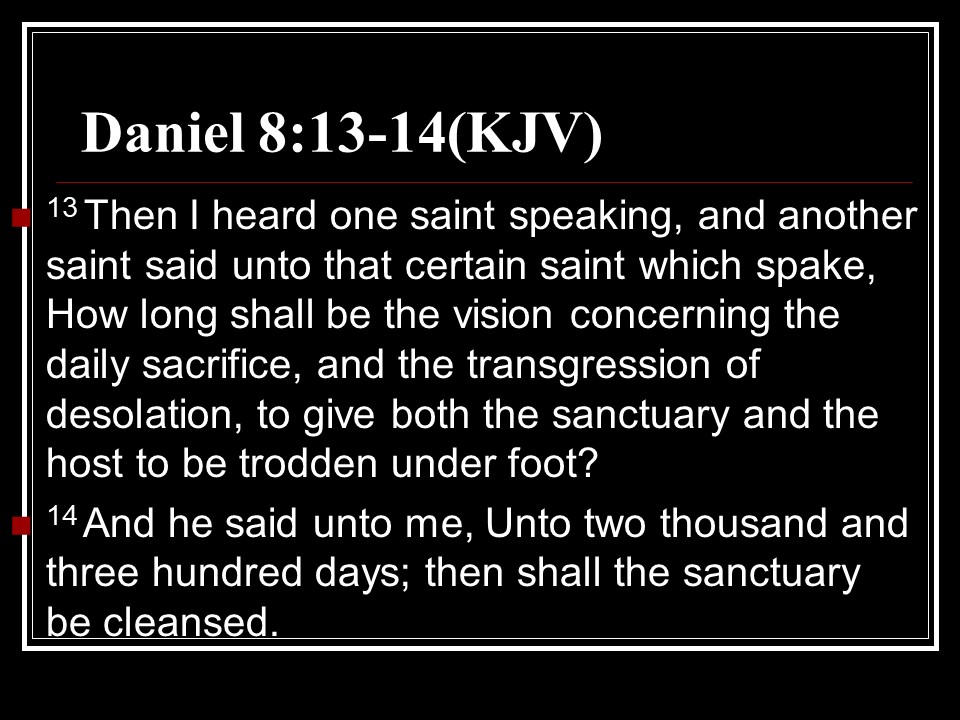
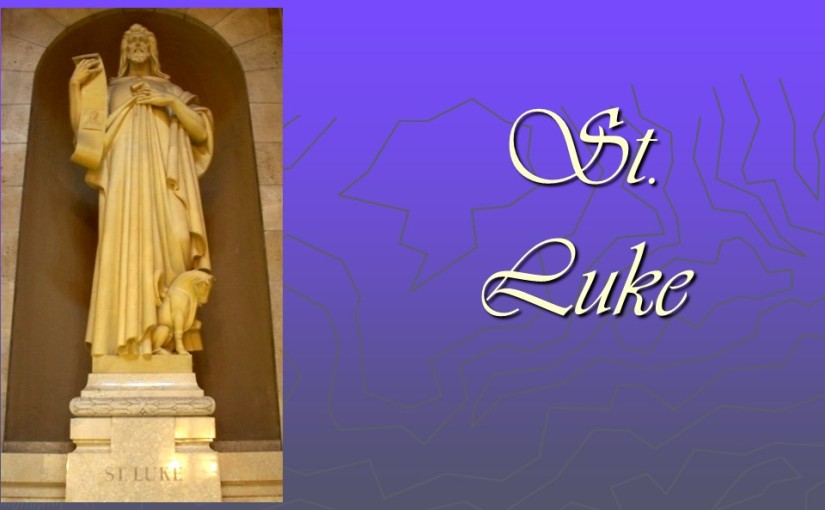
Luke 21:25-38. Jesus told about the signs of the times, the end of the age, the destruction of Jerusalem, the coming of the Son of Man and finally the parable of the fig tree.

2 Kings 3. There was trouble all around: Moab Rebelled against Israel. Israel called for Judah and Edom to help. They gathered their armies and horses, but after seven days without water they called for Elisha. He told them to dig ditches in the desert. They obeyed, and without rain the ditches are filled, they all got water and quenched the rebellion. Then they punished Moab, but the King offered his firstborn son as a burnt offering. This was too drastic even for Israel, so they drew back.

2 Kings 4. Like Elijah, Elisha multiplied a widow’s oil, like Elijah, Elisha raised a person from death, this time the Shunammite’s son. Elisha purified a pot of stew, and at another time he fed one hundred men with twenty small loaves of bread, and there were leftovers, much like Jesus did, but on a much smaller scale.

2 Kings 5. Naaman’s Leprosy was healed. This was so important that Jesus mentioned it to the self righteous Jews, proving they were not that special. Elisha refused payment for healing Naaman, but his servant Gehazi accepted payment instead, so he became leprous instead of Naaman.

Luke 21:25-38, the Coming of the Son of Man, the Parable of the Fig Tree.

Luke 21:25-38, the Coming of the Son of Man, the Parable of the Fig Tree.

Jesus taught in the Temple Sunday afternoon, Monday, Tuesday and early Wednesday of Holy Week.

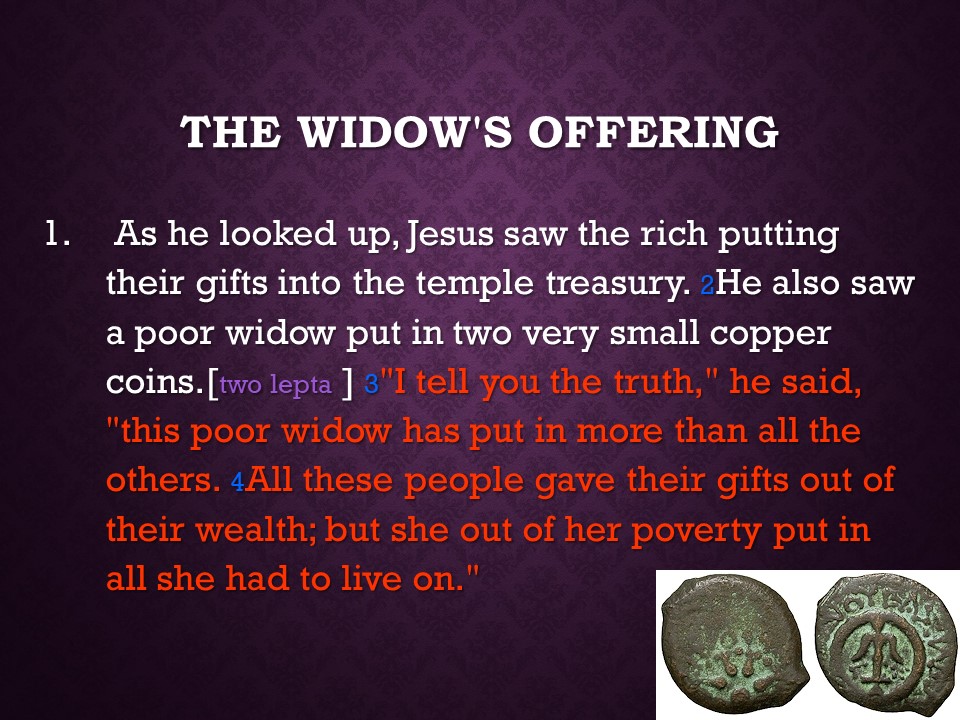
Luke 21, The Widow’s two Mites, the Signs of the Times, the End of the Age, the Destruction of Jerusalem, the Coming of the Son of Man, the Parable of the Fig Tree.

Luke 21, The Widow’s two Mites, the Signs of the Times, the End of the Age, the Destruction of Jerusalem, the Coming of the Son of Man, the Parable of the Fig Tree.

Jesus taught in the Temple Sunday afternoon, Monday, Tuesday and early Wednesday of Holy Week.

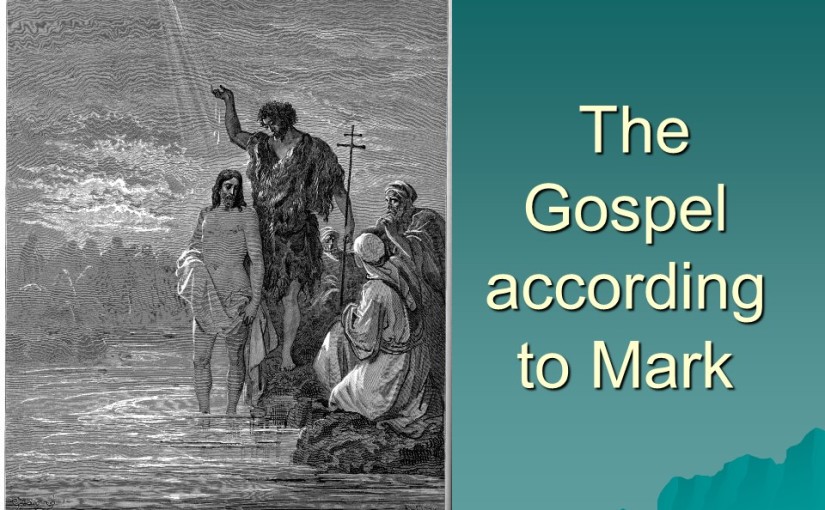
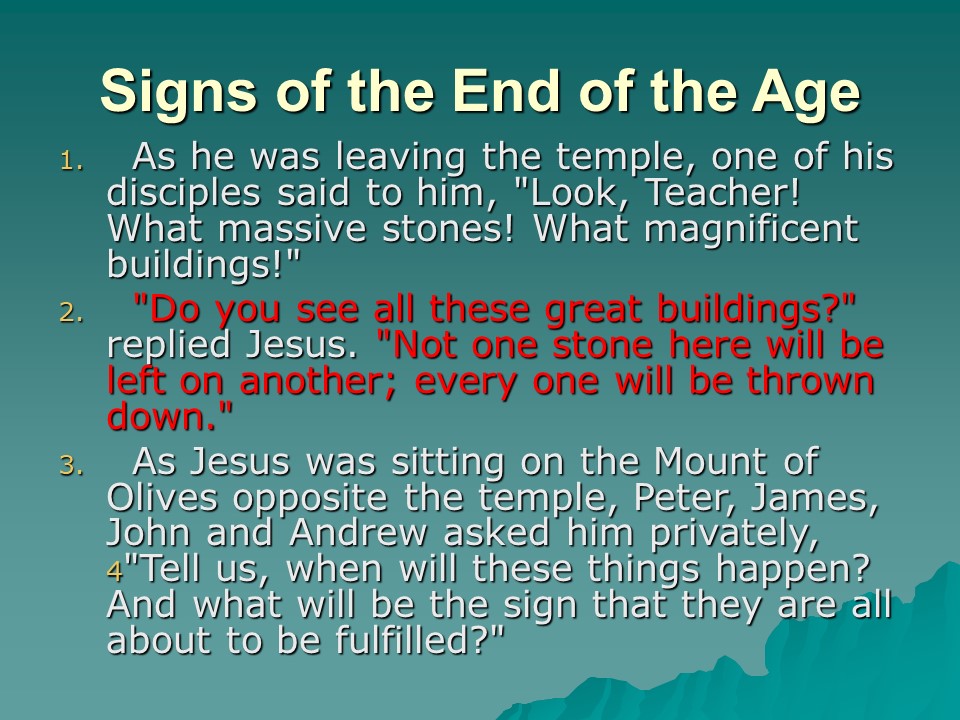
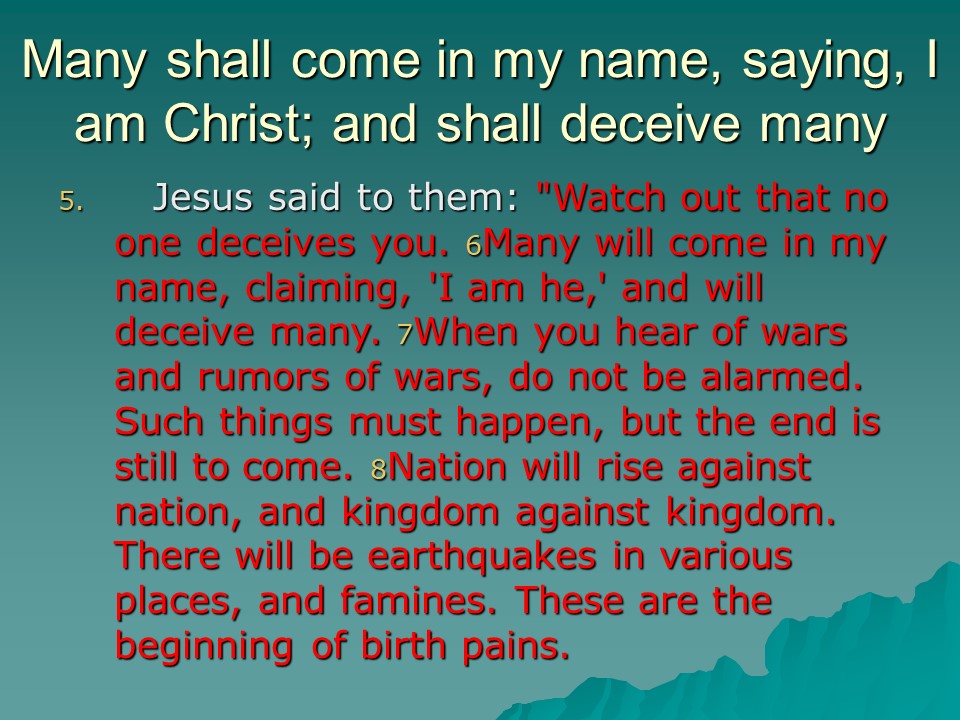
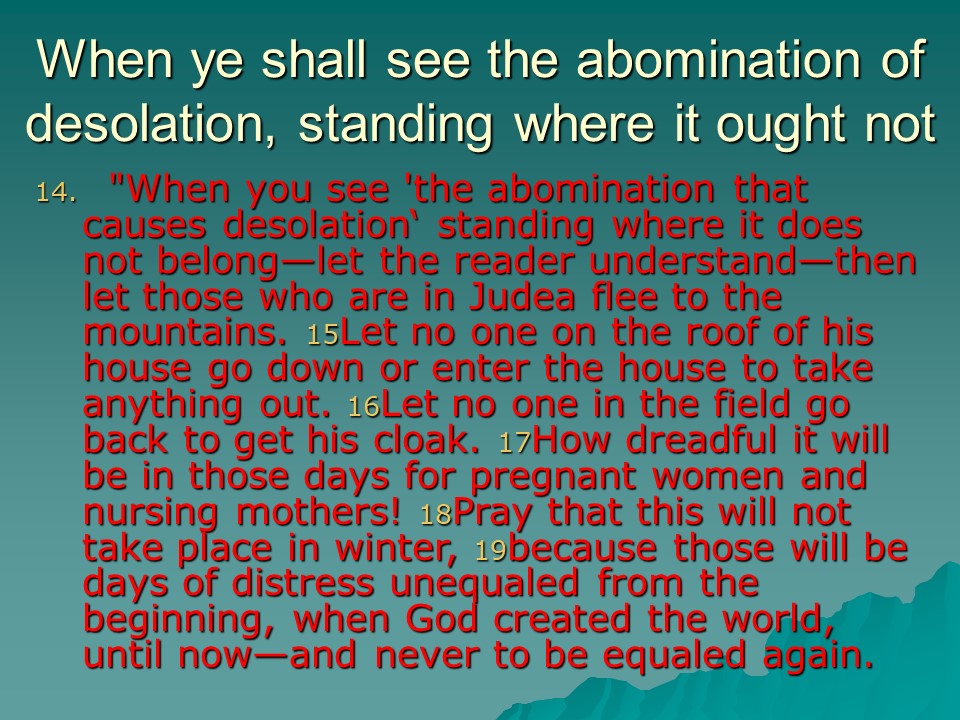
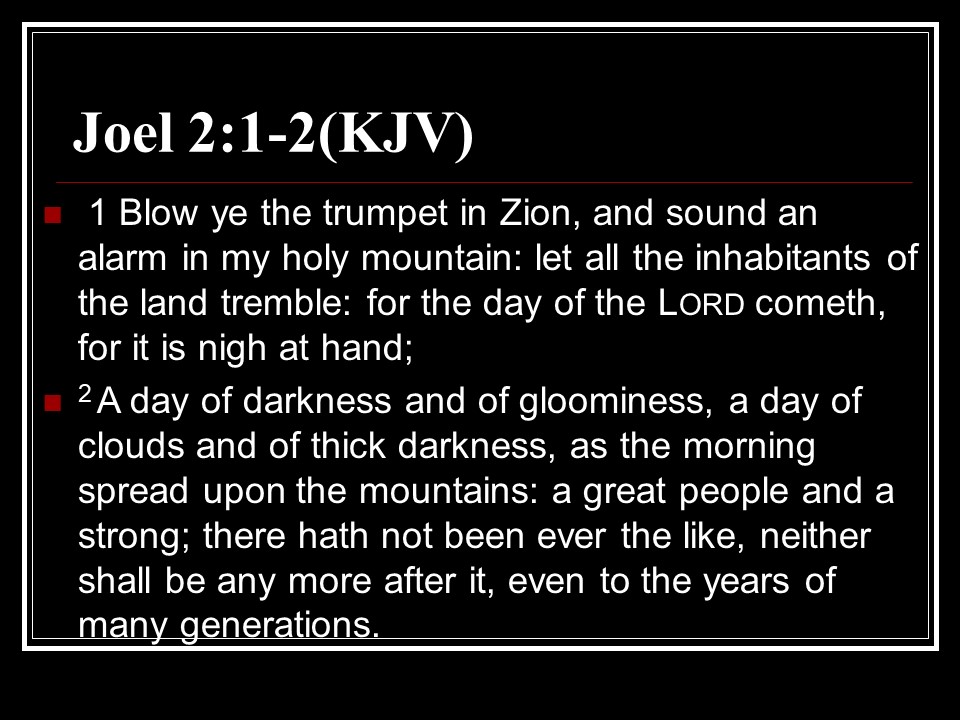
Mark 13, Signs of the End of the Age, the Great Tribulation, the Coming of the Son of Man, the Fig Tree, the Day and Hour unknown.

Mark 13, Signs of the End of the Age, the Great Tribulation, the Coming of the Son of Man, the Fig Tree, the Day and Hour unknown.

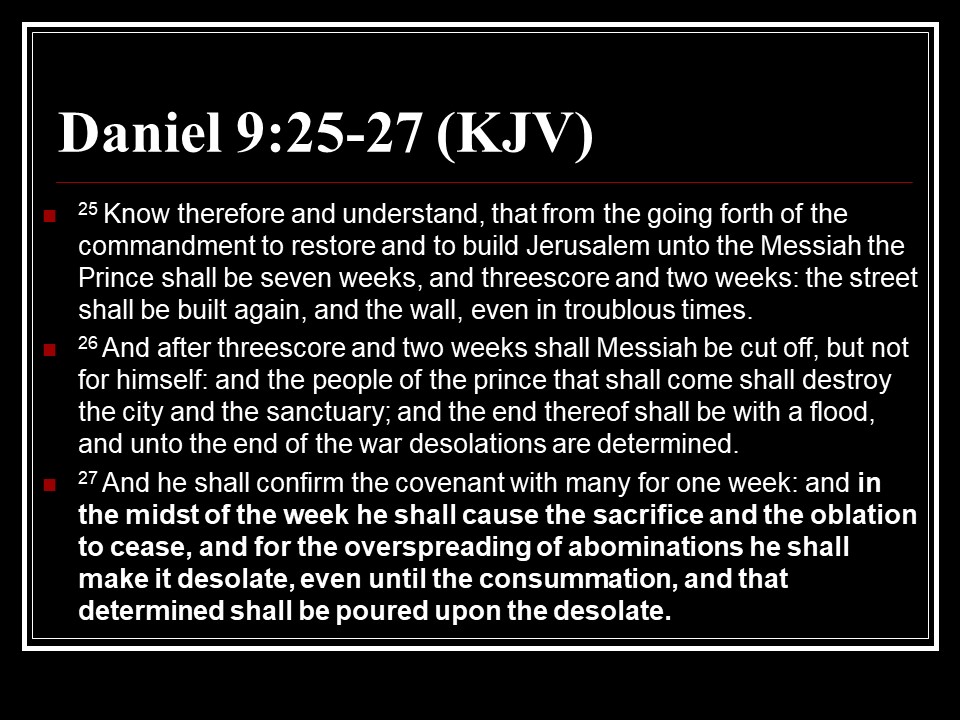
The destruction of the Temple occurred in 70 A.D., 40 years later.

Image result for the destruction of the Temple

Siege and Destruction of Jerusalem by the Romans (1850 painting by David Roberts). Looking southwest