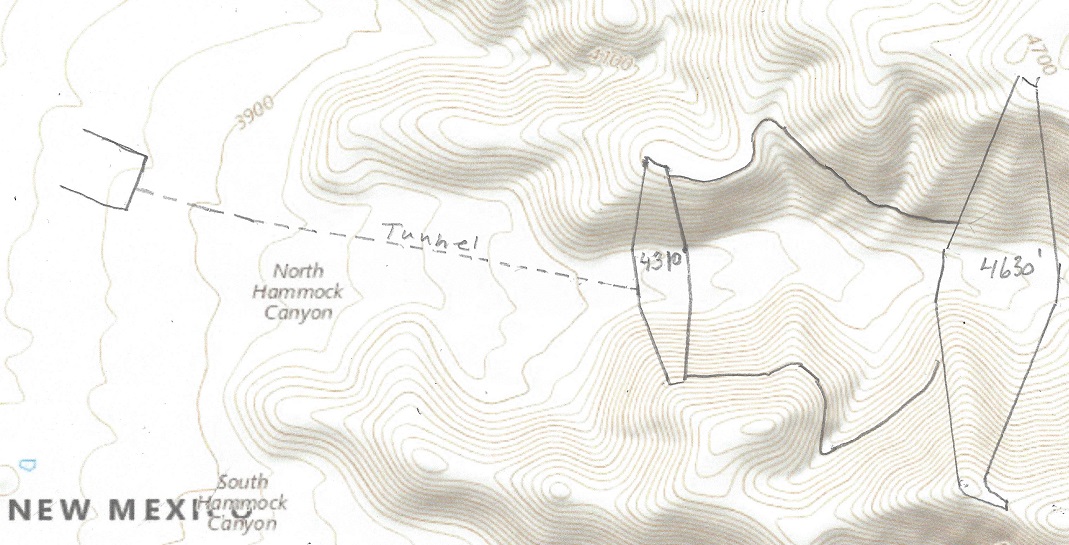
Leg 8 ended in the North Hammock Canyon Reservoir. It will be filled mostly during the 5 hours of peak power generation. During the other 19 hours the fill rate will be very low leading to lowering water levels.
Leg 9 starts with a 1/2 mile wide, 200 ft high reservoir capable of holding 12,000 acre-ft of water. It will be filled during the 5 hours of peak power. The average drop is (4,600 – 4210) = 390 ft and the flow is (12,000 / 5) = 2,400 acre-ft/hr, generating a net power of (390 x 2,400x 0.92) = 861 MW during the 5 peak hours.
From the North Hammock peak power reservoir to the Martin Tank Lake the distance is 59 miles the way the aqueduct takes. It will first descend to 3720 feet before rising to 5190 feet. The descending drop is (4200 – 3720 – 2.2 x 9), an average of 460 feet. The Martin Canyon Lake will top out at 5200 feet with maximum water level at 5190 feet. The total lift of the water in this stage is (5190 – 3720 + 50×2.2) feet = 1580 ft. To lift 21,400 cubic feet per second (1580 x 1.08 – 460 x 0.92) = 1283 feet requires eighteen 100 MW LFTR nuclear reactors. The Martin Tank Lake dam is 22260 feet wide and 230 feet high. It will contain about 30,000 Acre-ft when full, about eighteen hours worth of storage.
What’s in it for New Mexico? The major contribution in this stage is the 861 MW of pumped storage and 2,300 MW of virtual power storage for a total of ( (861 + 2300) x5) = 15.8 GWh per day.
Mark 1:1-11 starts, not with the birth of Jesus, but with the beginning of Jesus’ ministry. John the Baptist prepared the way for Jesus, baptized many for repentance and the forgiveness of sins, and he also baptized Jesus.
Deuteronomy 33. Moses’ gave his final blessing on each of the tribes of Israel.
Deuteronomy 34. Moses died on Mount Nebo. Epilogue: “And there arose not a prophet since in Israel like unto Moses, whom the Lord knew face to face”. This ends the firsr five books of the Bible, also called the Torah.
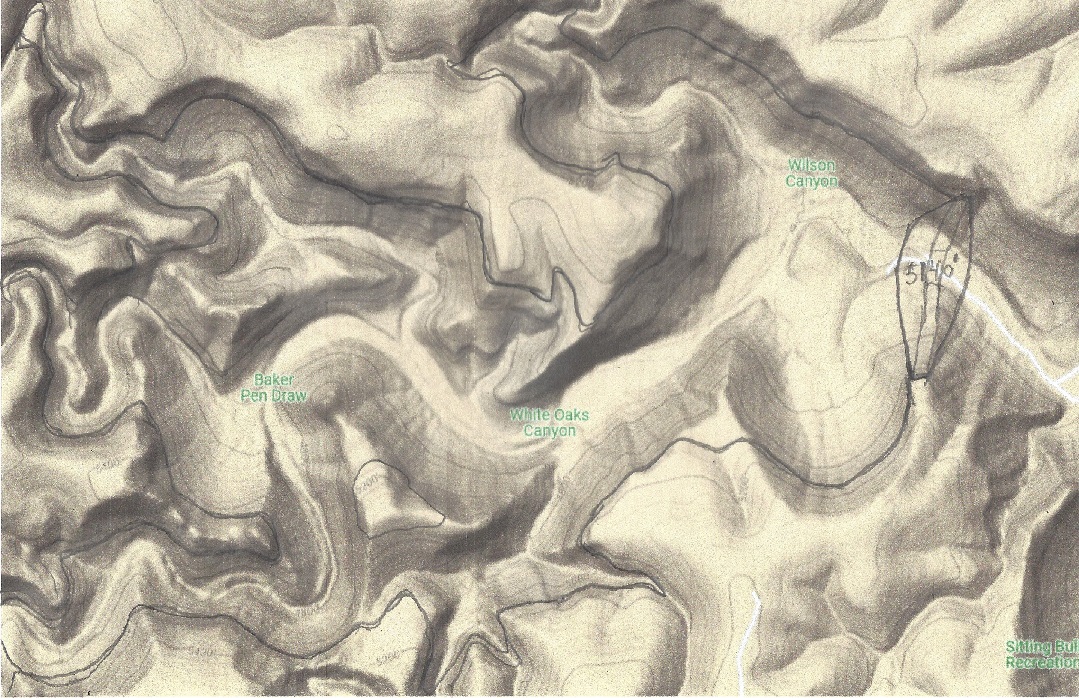
Dam 1 is the White Oaks Canyon Lake. It has a 2000 feet wide and up to 500 feet high dam, topping out at 5,140 feet, and the lake holds a volume of up to 80,000 acre-ft of water.
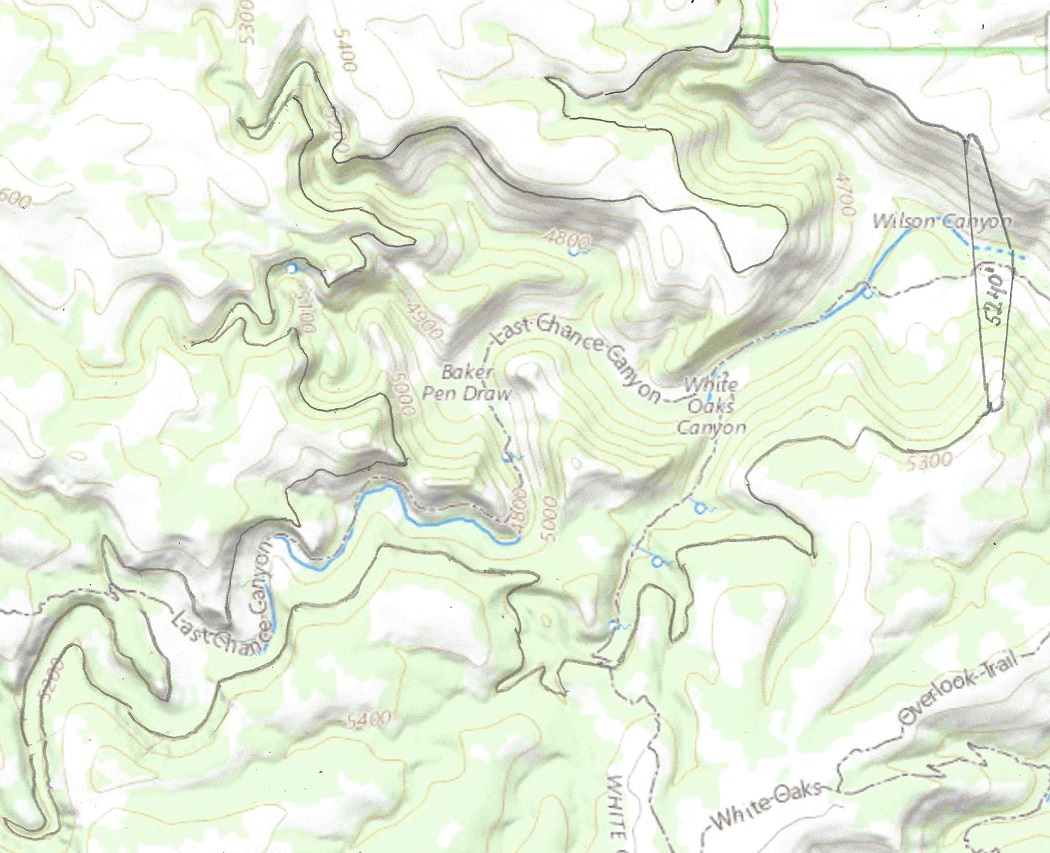
White Oaks Canyon dam, 500′ high, elevation 5140′
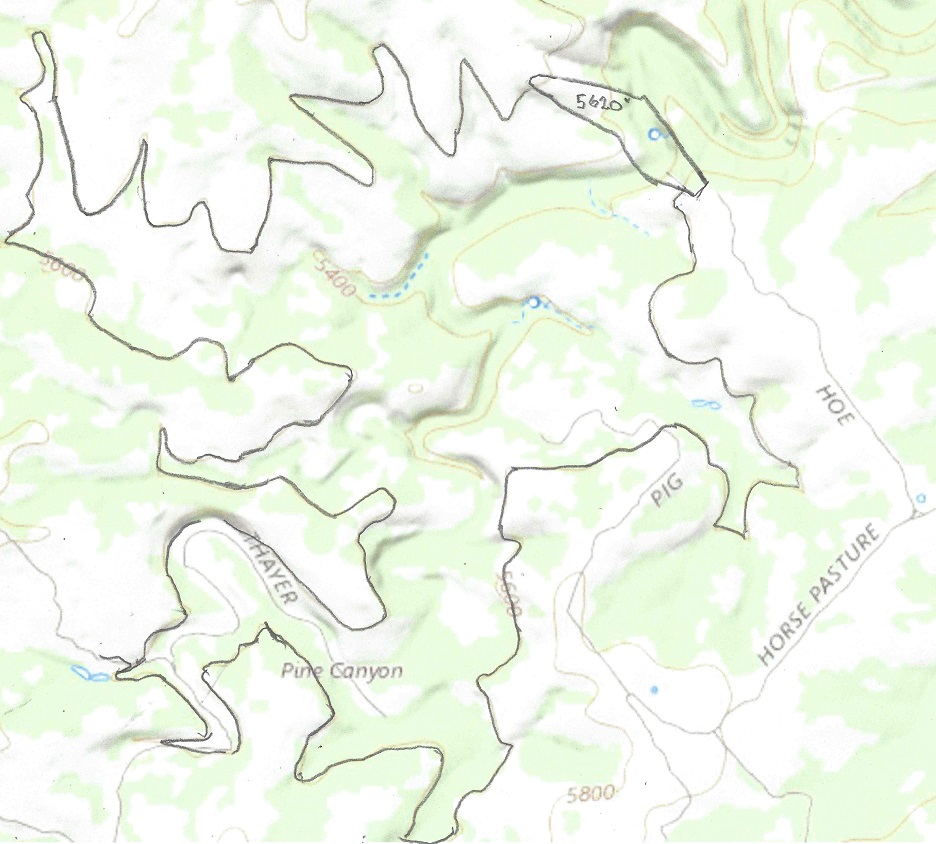
Dam 2 dams the Pine Canyon dam. It has a 2200 feet wide and up to 240 feet high dam, topping out at 5,620 feet, and the lake holds a water volume of up to 60,000 acre-ft. Water is pumped from and released to the White Oaks Canyon lake to the Pine Canyon pumped storage via a 2 mile tunnel.
Leg 8 consists of a tunnel, starting at 4,640 feet and ending at 4140 feet. The 20 mile long tunnel will drop 40 feet as it passes under the mountain. At the 16 mile mark there will be a 460′ vertical drop.
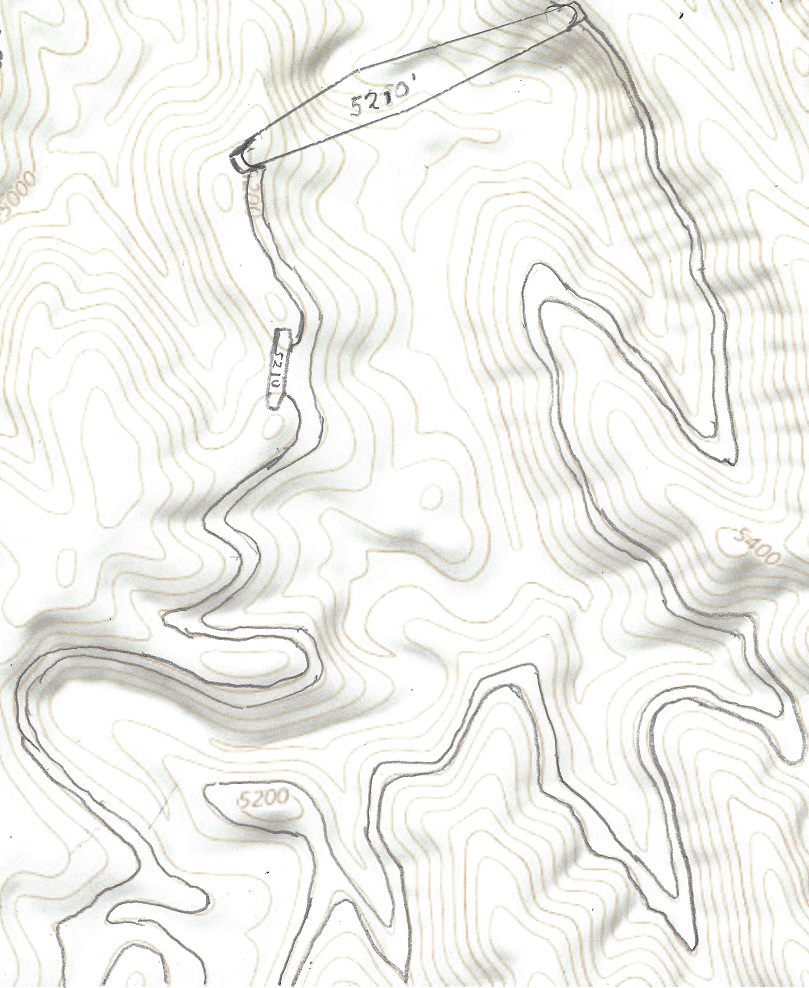
Dam 3 dams the Kingston Canyon lake. It has a 1600 feet wide and up to 250 feet high dam, topping out at 5,210 feet, and the storage holds a volume of up to 25,000 acre-ft of water.
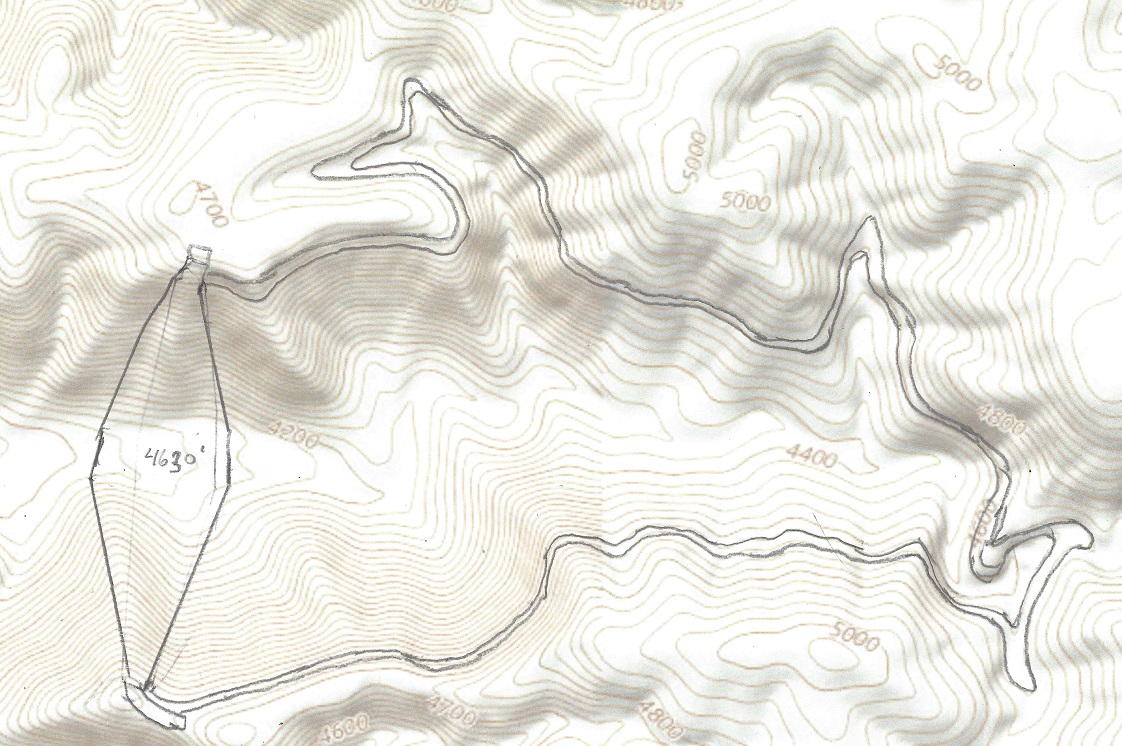
Dam 4 dams the Upper Hammock Canyon Reservoir. It has a 3000 feet wide and up to 500 feet high dam, topping out at 4630 feet, and the lake holds a volume of up to 25,000 acre-ft of water.
Up to now all stages have pumped water uphill. This stage both generates peak power and pumps water. Let us first take the case for pumping water, Stage 1 thru 4.
Stage 1 pumps up to 60,000 acre-ft of water during the 19 off peak hours from an average height of 5,000′ in Dam 1 to an average height of 5,500 in dam 2,a lift of 500′ This requires 1,700 MW of power.
Stage 2, the first 16 miles of the tunnel. The water flow is down to 21,500 cfs , 19 hours a day. During these 19 hours 21,500 cfs flows down the tunnel, the power generated is coming from Dam 1 with a water level of between 4980 feet and 4700 feet with an average of 4940 feet. The tunnel will slope with a 2.2 ft per mile drop.
Stage 3. 16,000 cfs of the water will be pumped up to dam 3, with an average rise from 5,000 feet to between 5200 feet and 4930 feet, (average 5120) for 19 hours, an average lift of 160 feet. This requires a total of 230 MW of power .
Stage 4.The remaining 3,500 cfs of water will be released to dam 4 with an average drop of of 200 feet will generate about 60 MW of power.
Stages 1-4 requires a net power need of 1,570 MW during the 19 off-peak hours.
Stage 5 will release up to 60,000 acre-ft of water from Dam 2 to dam 1 during the 5 peak hours, dropping 500 feet, generating 5,500 WW of power, assuming a 92% generating efficiency.
Stage 6 will release up to 25,000 acre-ft of water from dam 3 to dam 4 during the 5 peak hours, dropping an average 600feet, generating 2.700 MW of power.
What’s in it for New Mexico? This leg is very important, since it will provide up to 41 GWh daily of pumped storage electricity to the national grid, and so make it possible to stabilize the net when more solar panels are installed. The 1,570 MW of power needed for this leg will hopefully come mostly from solar and wind power
Matthew 28 begins with Jesus being in the grave for the two adjoining sabbaths, the first day of unleavened bread followed by the normal sabbath. There was an earthquake and the stone was rolled away. Jesus was no longer in the grave. The guards were bribed to tell the story that the disciples took the body, but two women, the two Marys met the resurrected Jesus. He told them to tell the remaining disciples that he was risen from the dead. The Gospel of Matthew ends with Jesus giving us the great commission: “All power is given unto me in heaven and in earth. Go ye therefore, and teach all nations, baptizing them in the name of the Father, and of the Son, and of the Holy Ghost: Teaching them to observe all things whatsoever I have commanded you: and, lo, I am with you always, even unto the end of the world. Amen.”
Deuteronomy 32 gives us the Song of Moses. At the end of the chapter the LORD told Moses he would only see the promised land from a distance and die on Mount Nebo.
Matthew 27:32-66, After Jesus was flogged he was too weak to carry his own cross, so the Roman soldiers forced Simon from Cyrene to carry Jesus cross all the way to the place of the skull, and there Jesus was crucified together with two criminals. To identify Jesus they put an inscription on the top of the cross: “This is Jesus, the King of the Jews.” A number of prophecies were fulfilled during the crucifixion, and Jesus died on the cross. At that very moment the Temple veil was torn in two, from top to bottom and for the first time the holy of holiest was revealed. Jesus, now being dead was taken down from the cross and put in a tomb, a stone was rolled in front of the entrance and the tomb was sealed, and – this is important, they put up a guard to secure the tomb. Why did they do that? Think about that.
Deuteronomy 30, The Blessings of turning to God is pro-life, but if not, God is pro-choice with all its consequences. See v 15: “I have set before thee this day life and good, and death and evil“. (KJV)
Deuteronomy 31 Moses declared Joshua to be the new leader of Israel, “Be strong and of good courage”. The Law was to be read every seven years, Israel’s rebellion was predicted and, as a reminder Moses recorded his song, which is recited in the next chapter.
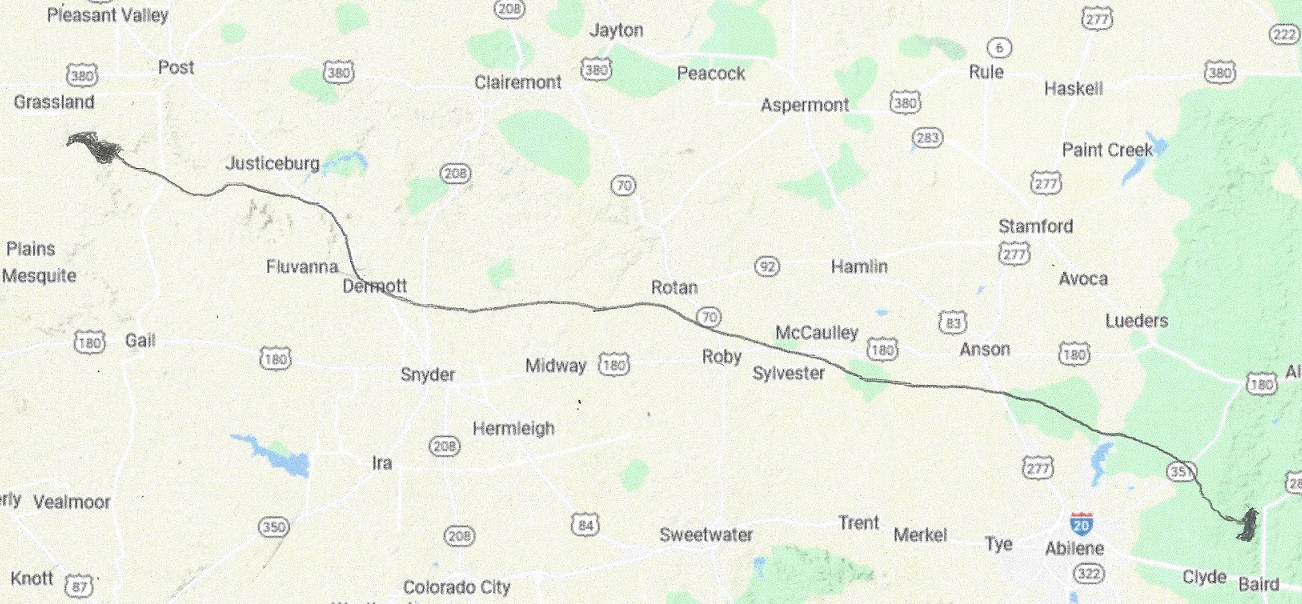
Leg 7 of the Transcontinental aqueduct is 90 mils in Texas, rising from 2800′ to 3640′. From there it flows 115 miles in New Mexico rising to 5200′.
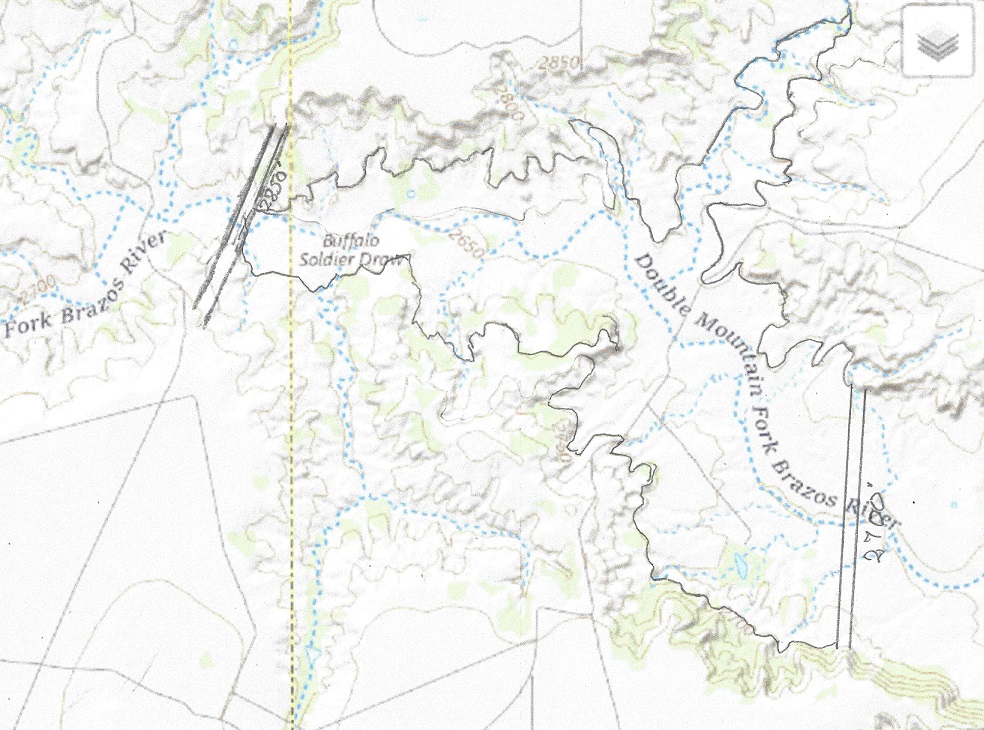
The upper dam of Soldier Mountain Draw, capacity 40,000 acre-ft.
The elevation at the buffalo Soldier Draw dam will top out at 2,850 feet with maximum water level at 2,830 feet. The White Oaks Canyon dam is 560 feet high and will top out at 5,240 feet with an average water level at 5,000 feet. The total lift of the water in stage 5 is (5,000 – 2,800 + 205×2) feet = 2610 ft. To lift 21,600 cubic feet per second 2610 feet requires fifty 100 MW LFTR nuclear reactors, twenty on the Texas Grid and thirty on the Western national grid. The White Oaks Canyon Lake will contain about 130,000 Acre-ft of water when full, about three days of storage. For 5 hours per day these fifty reactors used in this stage can provide 5.0 GW of peak power to the grid instead of pumping water, thus acting as a virtual hydroelectric peak power storage. 2 GW of this will be used by the Texas Power Grid, and 3 GW by the Western U.S. Power grid, and they have to be coordinated.The White Oaks dam will look like this:
What’s in it for Texas? Wind power is already 22% of the source for the Texas power grid, but Texas has up to now no pumped water storage, and until this is fixed coal and natural gas backup must be provided when the wind doesn’t blow. This leg will provide 2 GW of virtual hydro-power generation to the Texas power grid by not pumping water for up to 5 hours and thus provide 10 GWh of peak power daily. This will greatly help stabilize the Texas power grid, and facilitate the phasing out of coal power and help the transition to electric vehicles, which will add stress to the stability of the grid by their uneven recharging patterns.
What’s in it for New Mexico? This leg will provide 3 GW of virtual hydro-power generation by not pumping water for up to 5 hours and thus provide 15 GWh of peak power daily.
Matthew 27:1-31 depicts the first half of the longest day, beginning with Jesus being handed over to Pilate, the Roman governor; since the Jews did not have right to execute capital punishment. Judas hanged himself and the thirty pieces of silver given him in exchange for the betrayal of Jesus was used to buy the Potter’s field. Pilate tried to wiggle out of his role as judge; his wife had warned him, so he used his privilege to release one prisoner at Passover which was the custom at that time. Pilate chose Jesus or Barabbas to be released and of the two the people chose Barabbas; a known insurrectionist to be released and Jesus to be crucified. Pilate acquiesced to the mob and so Jesus was flogged by the soldiers for a public spectacle and then he was led away to be crucified.
Deuteronomy 29. In preparation of the tribes entering the promised land God renews the Mosaic Covenant in Moab.
This leg has the freedom to pump water at 21,800 cfs or less, including stopping for up to 5 hrs/day to provide virtual peak hydro-power for the Texas grid. This must be coordinated with leg 5 and leg 7. Total distance of the aqueduct is 135 miles, from elevation 1830′ to elevation to 2840′.
From Deadman Draw dam to Buffalo Soldier Draw dam, a distance of 135 miles.
The water elevation at Deadman Draw dam is nominally 1,830 feet. The Buffalo Soldier Draw dam yet to be built will top out at 2,850 feet with maximum water level at 2,840 feet. The total lift of the water in stage 3 is (2,840 – 1,830 + 135×2) feet = 1,280 ft. To lift 21,800 cubic feet per second 1,280 feet requires twenty-five 100 MW LFTR nuclear reactors The upper reservoir will contain about 40,000 Acre-ft when full, about one day worth of storage. For 5 hours per day these twenty-five 100 MW reactors can provide 2.5 GW of peak power to the grid.
There will be a lower dam to provide hydroelectric power storage of 4.5 GWh, or 900 MW for 5 hours. After each use the lower dam will be re-emptied by pumping back the water to the upper dam, using 5.4 GWh of power, hopefully using surplus wind or solar power.
The aqueduct will go thru and dug sown at 1590’elevation
What’s in it for Texas? Wind power is already 22% of the source for the Texas power grid, but Texas has up to now no pumped water storage, and until this is fixed coal and natural gas backup must be provided when the wind doesn’t blow. This leg will provide 4.5 GWh of peak power per day from the pumped water storage. In addition the 2.3 GW of Nuclear power can provide virtual hydro-power generation by not pumping water for up to 5 hours and thus provide 6 GWh of peak power daily. This will greatly help stabilize the Texas power grid, and facilitate the phasing out of coal power and help the transition to electric vehicles, which will add stress to the stability of the grid by their uneven recharging patterns. I addition, the City of Lubbock can purchase water from the aqueduct, to be negotiated.
In Matthew 26:31-75 Jesus predicted Peter’s denial. After finishing the Last Supper they all moved on to the Mount of Olives, and there was the garden of Gethsemane. In the garden Jesus prayed “Not my will, but yours be done.” Jesus prayed this prayer three times, and every time the disciples fell asleep. After that is recorded the betrayal and arrest of Jesus as he was taken to the Sanhedrin to be interrogated. The chapter ends with Peter’s denial.
Deuteronomy 28. The LORD through Moses specified many blessings for obedience and even more curses for disobedience.
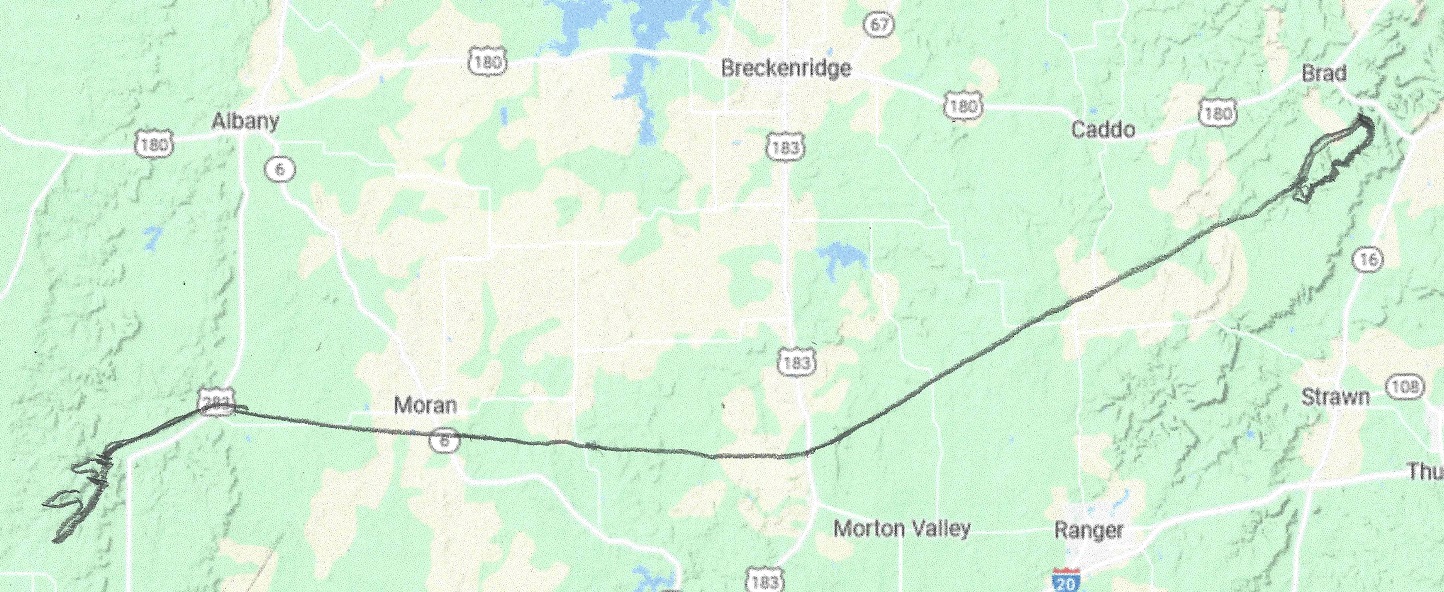
The distance of leg 5 is 10 miles of water and 60 miles of aqueduct. This leg has the freedom to pump water at 22,000 cfs or less, including stopping for up to 5 hrs/day to provide virtual peak hydro-power for the Texas grid.
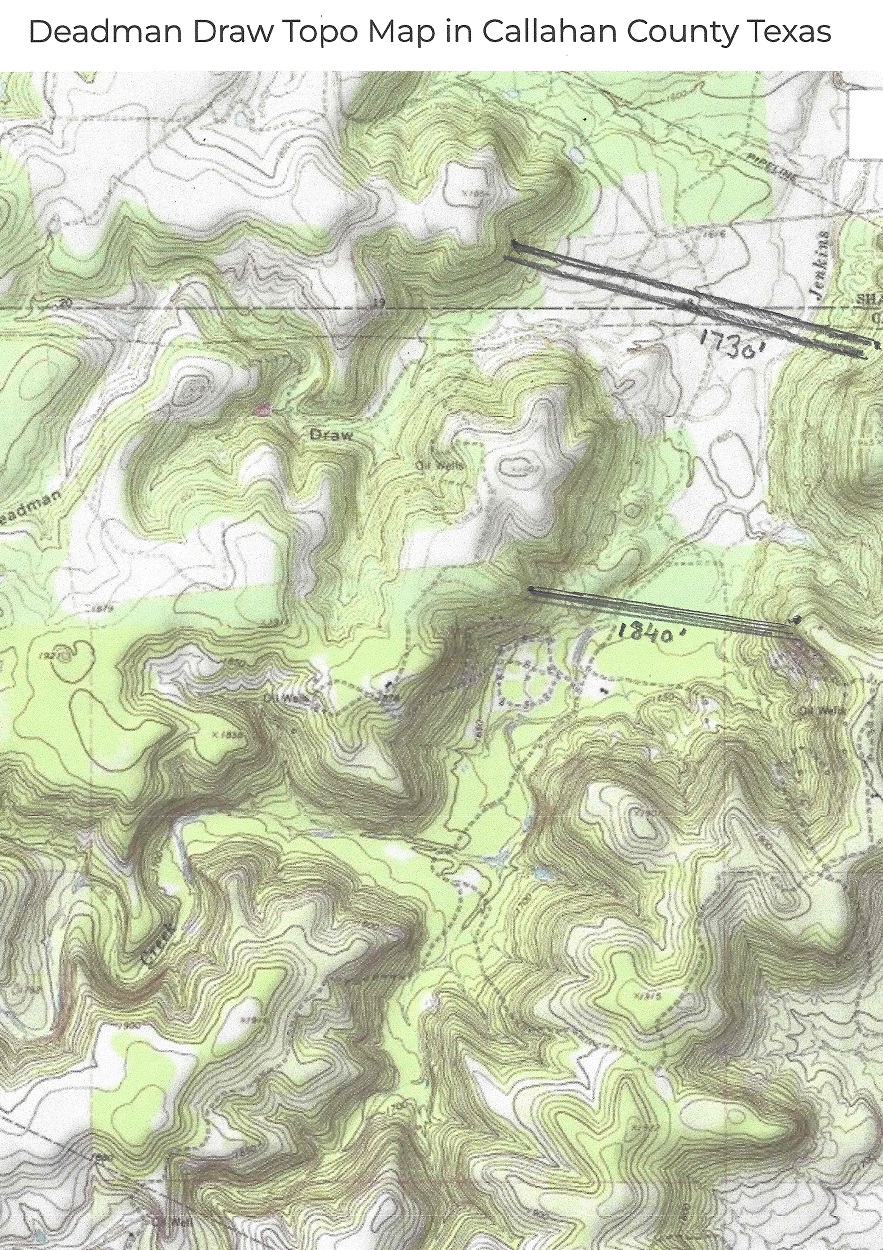
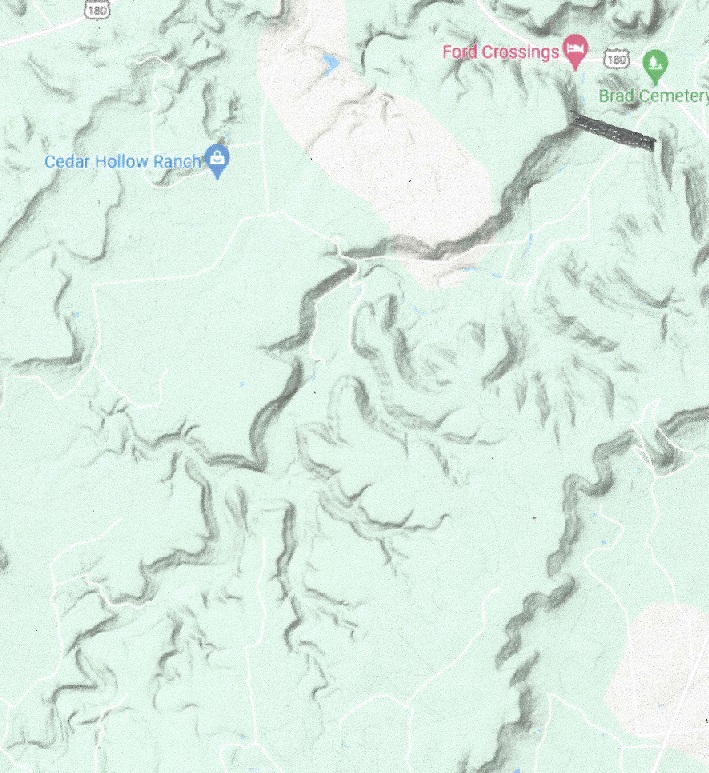
The elevation at Brad reservoir is nominally 1260 feet. From 25 miles East of Breckenridge the aqueduct goes W to 19.5 miles ENE of Abilene, a distance of 60 miles . The dam yet to be built will top out at 1840 feet with maximum water level at 1830 feet. The total lift of the water in stage 3 is (1830 – 1260 + 60×2) feet = 690 ft. To lift 22,000 cubic feet per second 690 feet requires twelve 100 MW LFTR nuclear reactors The upper Baird reservoir will contain about 90,000 Acre-ft when full, about two days worth of storage. For 5 hours per day these twelve 100 MW reactors can provide 1.2 GW of peak power to the grid. There will be a lower dam to provide hydroelectric power storage of 4 GWh, or 800 MW for 5 hours. After each use the lower dam will be re-emptied by pumping back the water to the upper dam, using 4.75 GWh of power, hopefully using surplus wind or solar power.
b
What’s in it for Texas? Wind power is already 22% of the source for the Texas power grid, but Texas has up to now no pumped water storage, and until this is fixed coal and natural gas backup must be provided when the wind doesn’t blow. This leg will provide 4 GWh of peak power per day from the pumped water storage. In addition the 1.2 GW of Nuclear power can provide virtual hydro-power generation by not pumping water for up to 5 hours and thus provide 6 GWh of peak power daily. This will greatly help stabilize the Texas power grid, and facilitate the phasing out of coal power and help the transition to electric vehicles, which will add stress to the stability of the grid by their uneven recharging patterns.